

Intrigued by the allure of China, I found myself drawn to Tibet — a land of soaring mountains, sacred monasteries, and centuries of tradition. The landscapes were as breathtaking as I had imagined, but it was the strength and warmth of the Tibetan people that left the deepest impression on me. Their stories, resilience, and quiet devotion added layers of meaning to every view and every encounter. To experience Tibet is to witness both its beauty and its spirit, carried proudly by those who call it home.
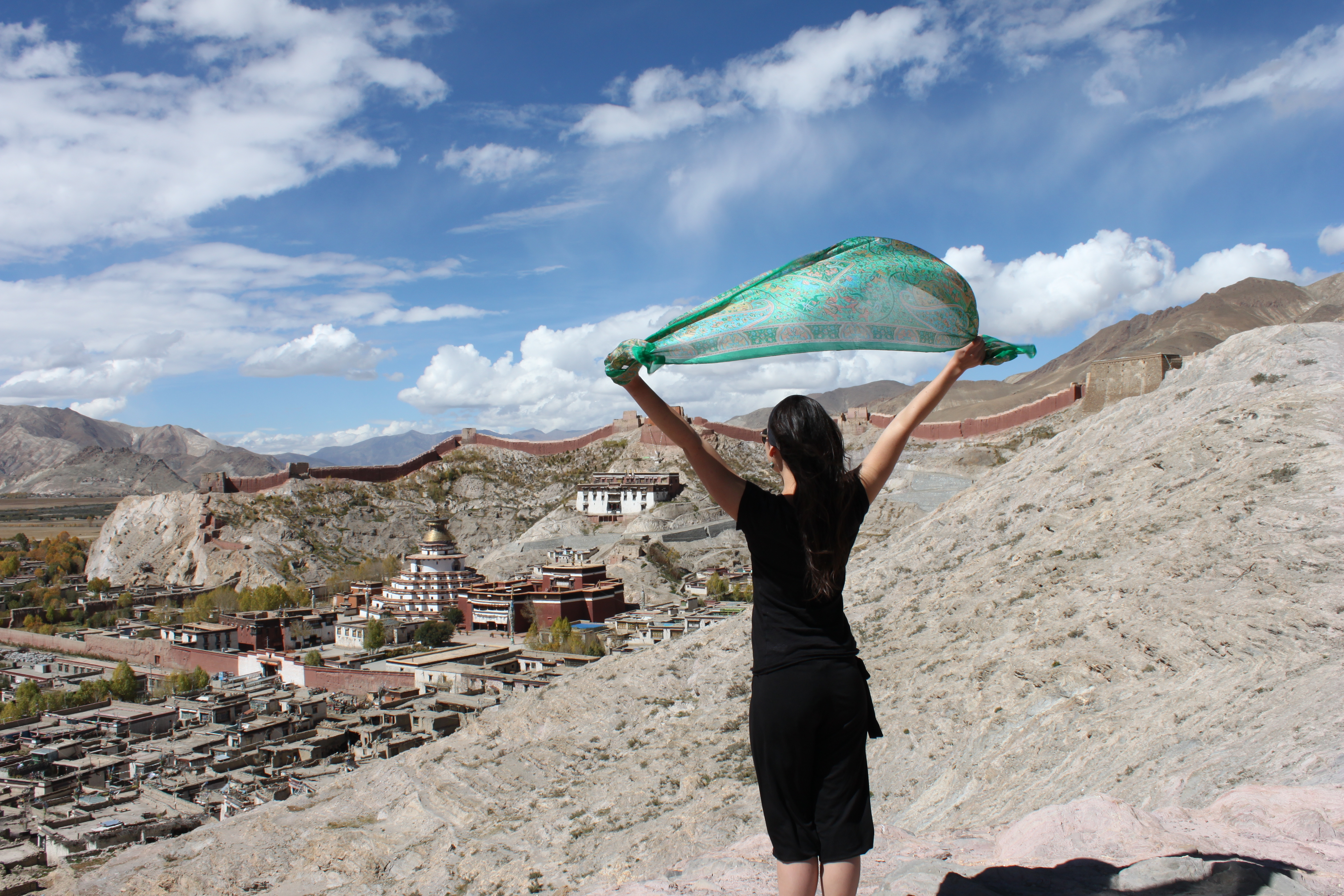
Travelling here is highly regulated. Group tours with guides are mandatory, and customs checks are meticulous — extending beyond security to restrict books or flags tied to Tibetan identity. Foreign platforms like Facebook and YouTube are blocked, and open activism is simply not possible. While the official explanation emphasizes tourism management and local benefit, the intent is clearly also about control.
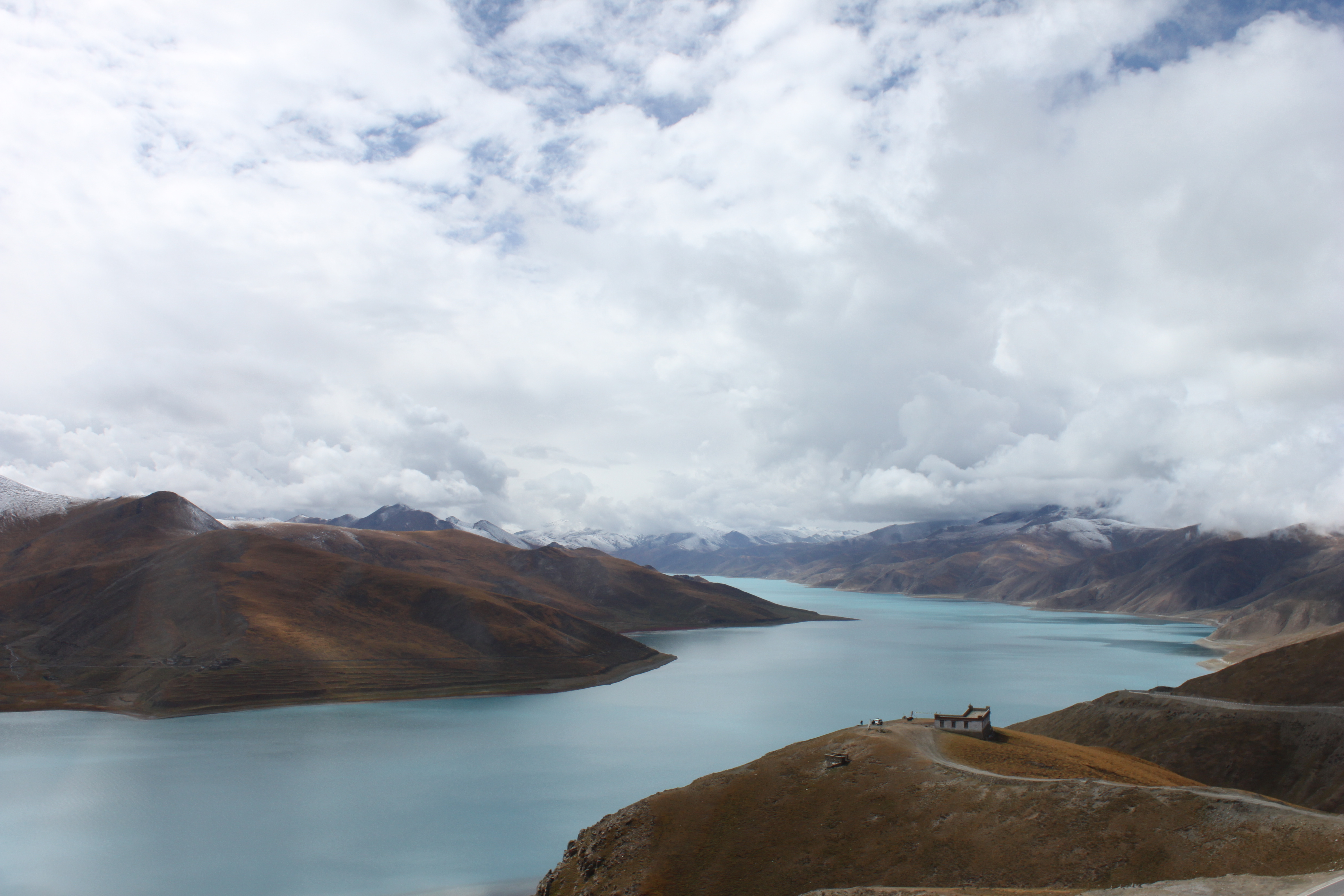
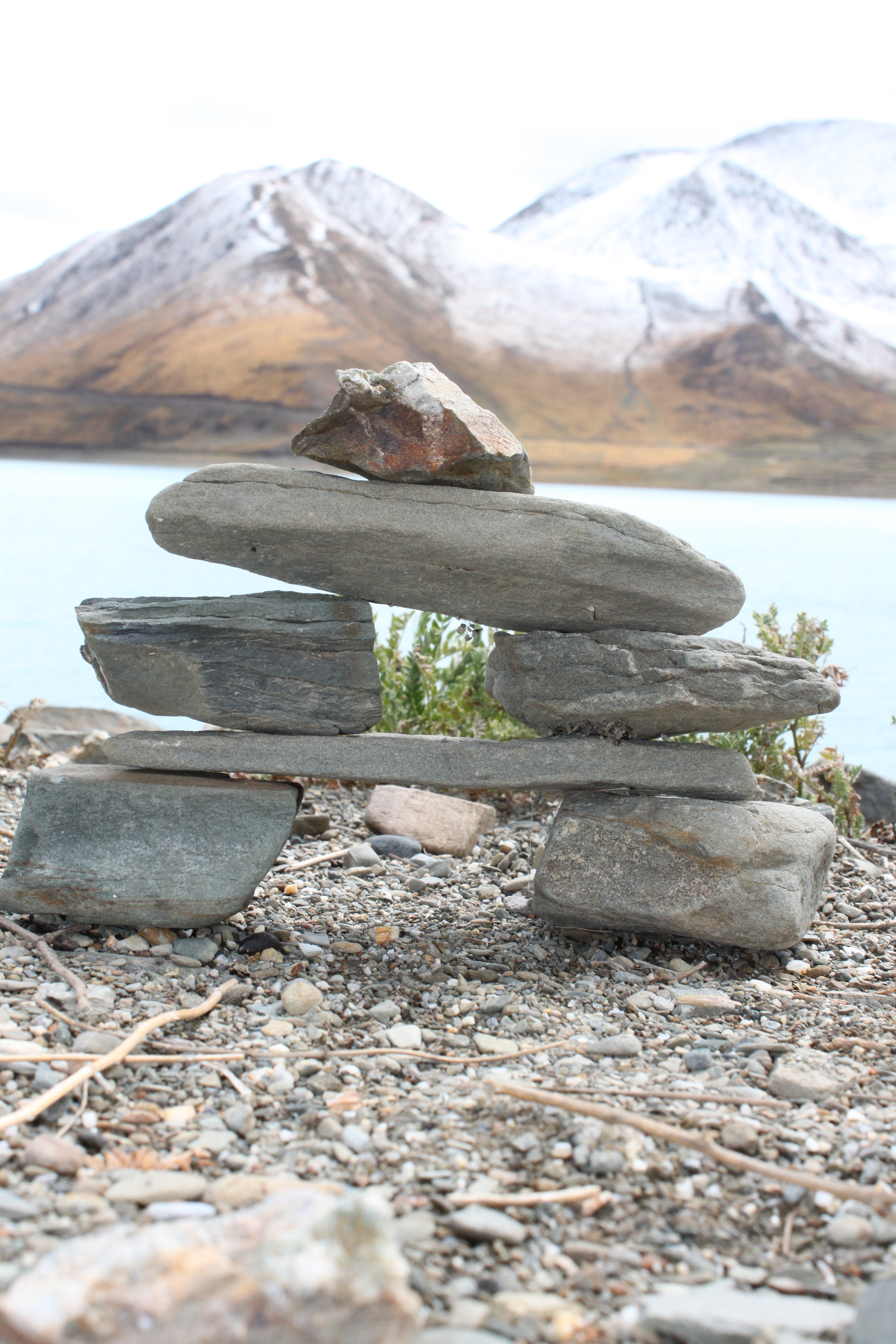
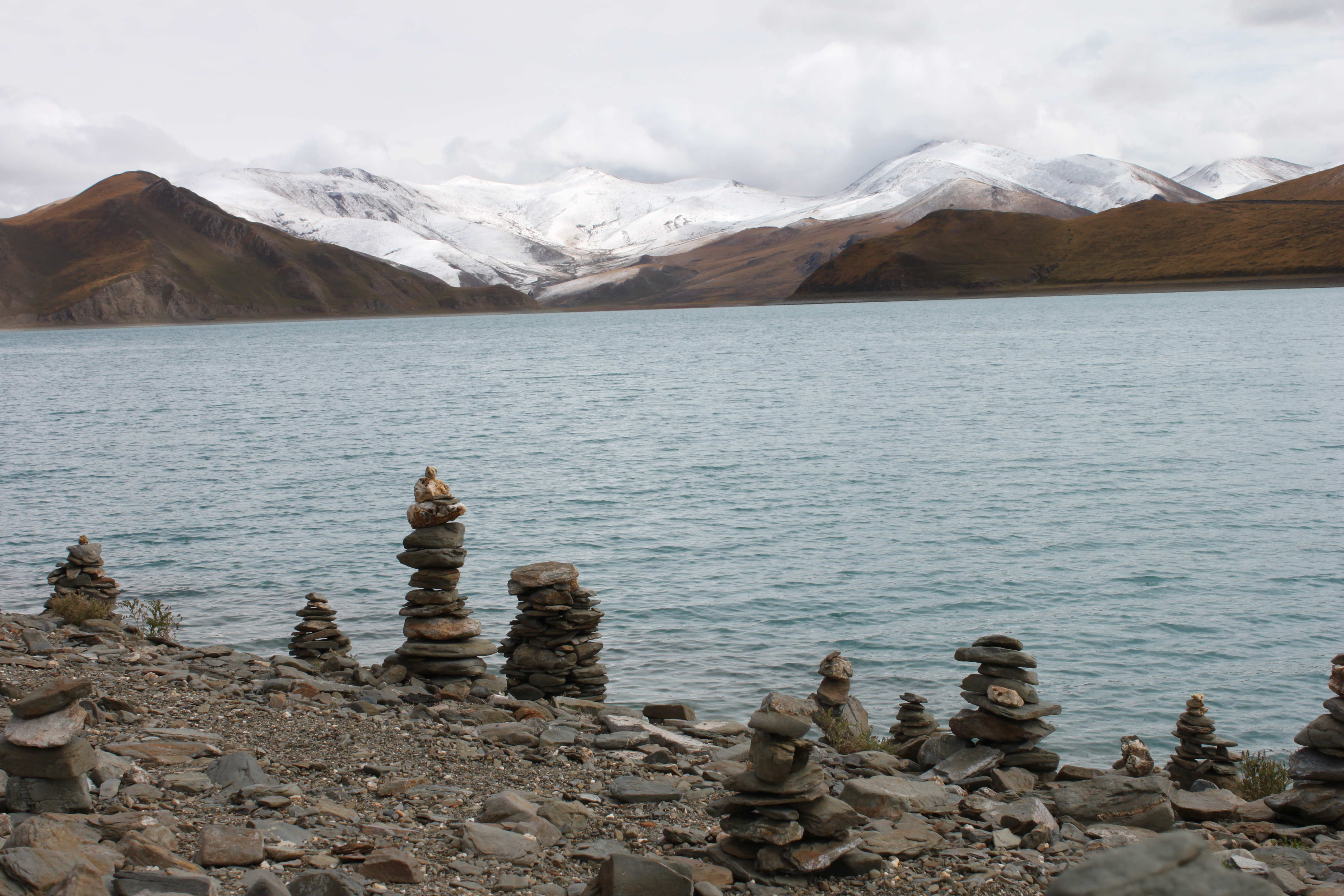
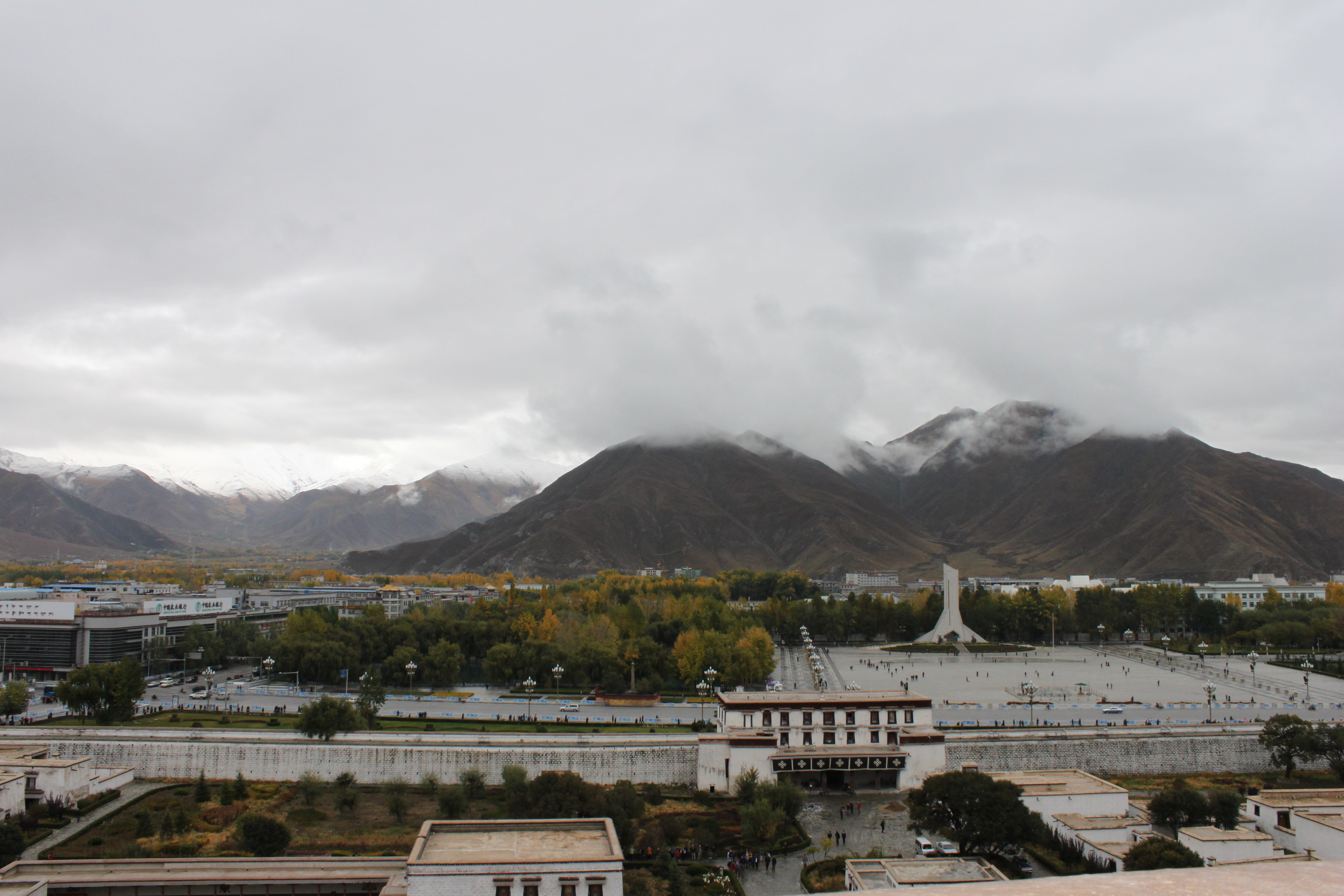
Still, Tibet’s natural beauty is undeniable. Endless plains and snow-draped mountains create a rare sense of openness. Prayer flags ripple over high passes, their colours vivid against a pale sky.

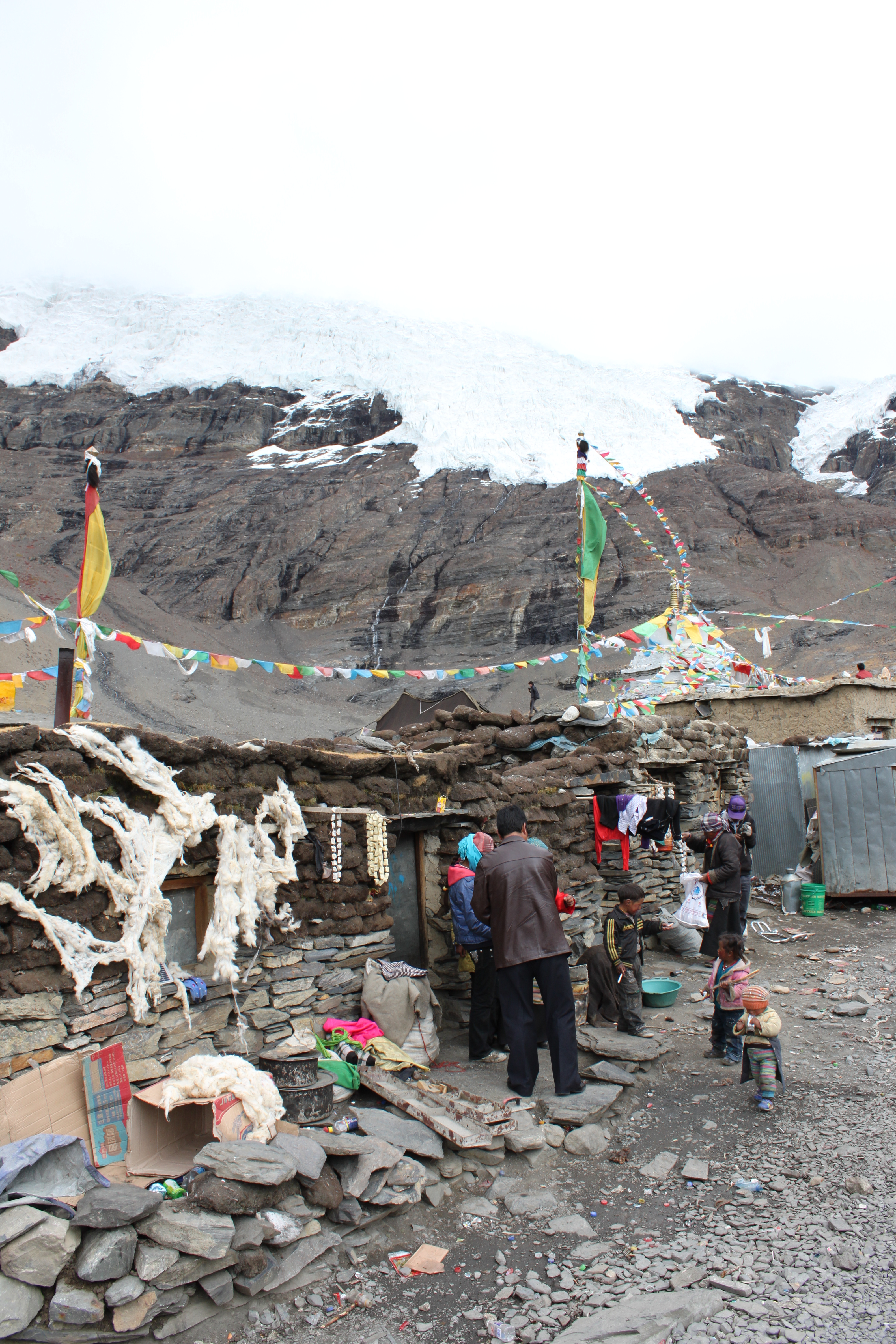

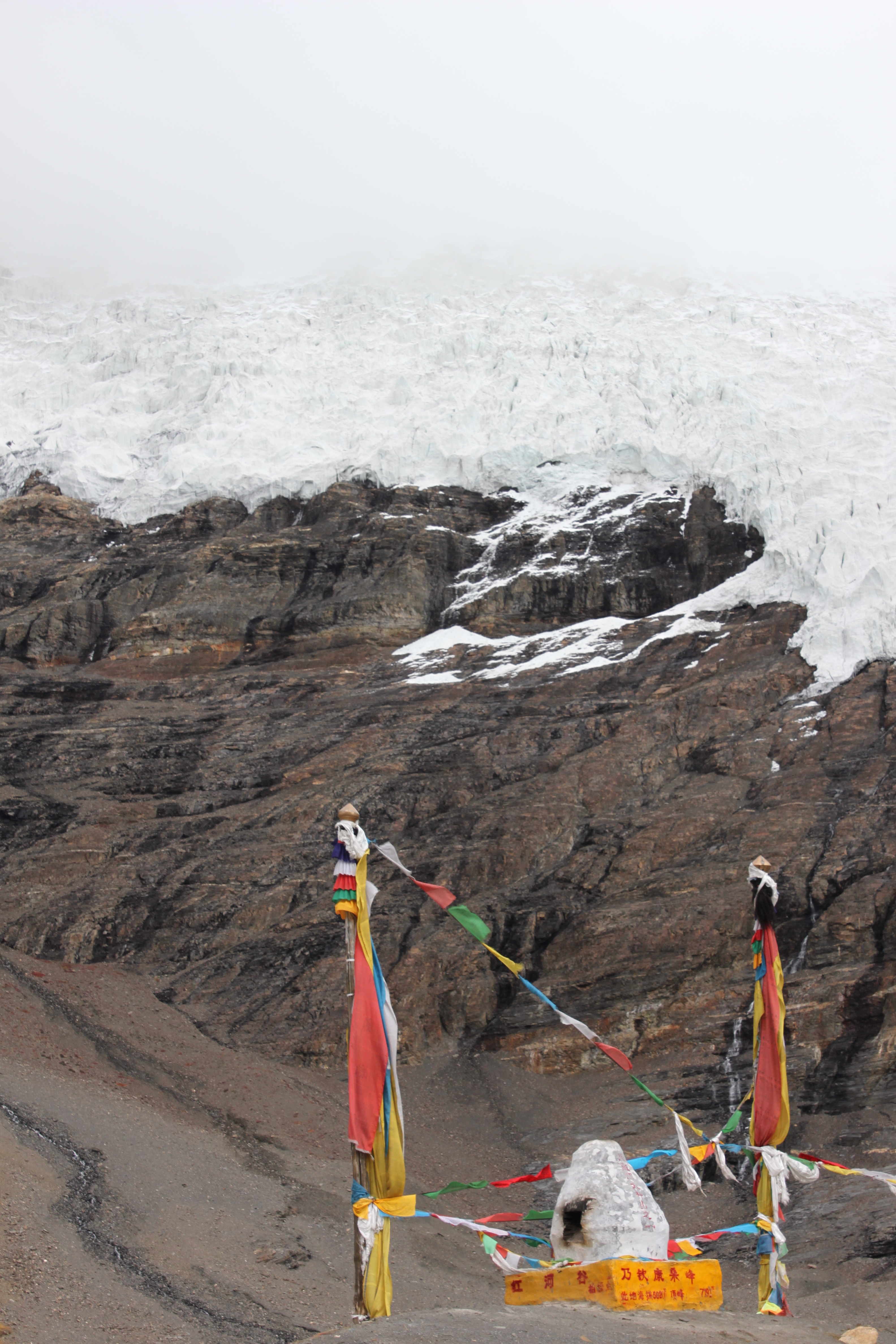

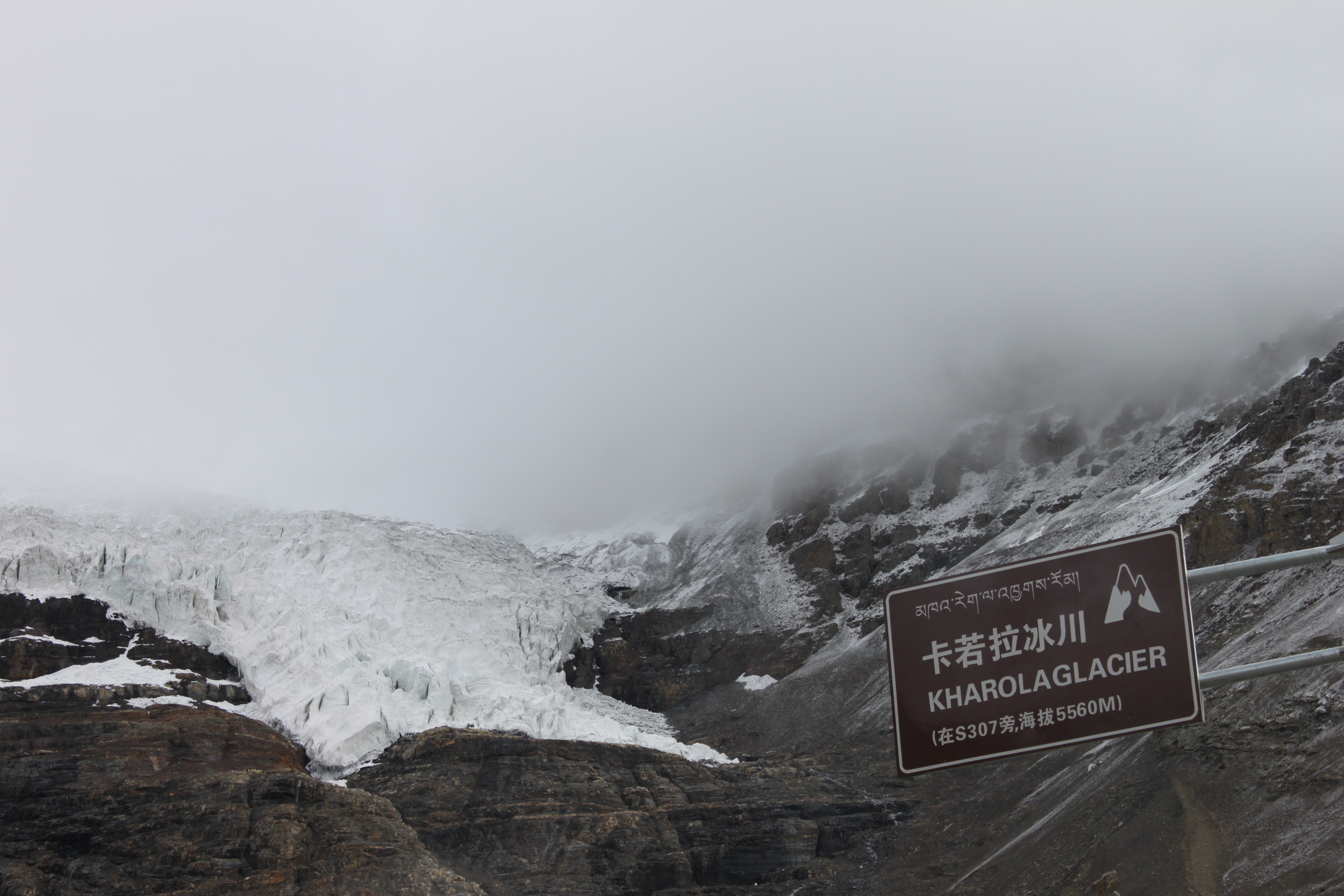
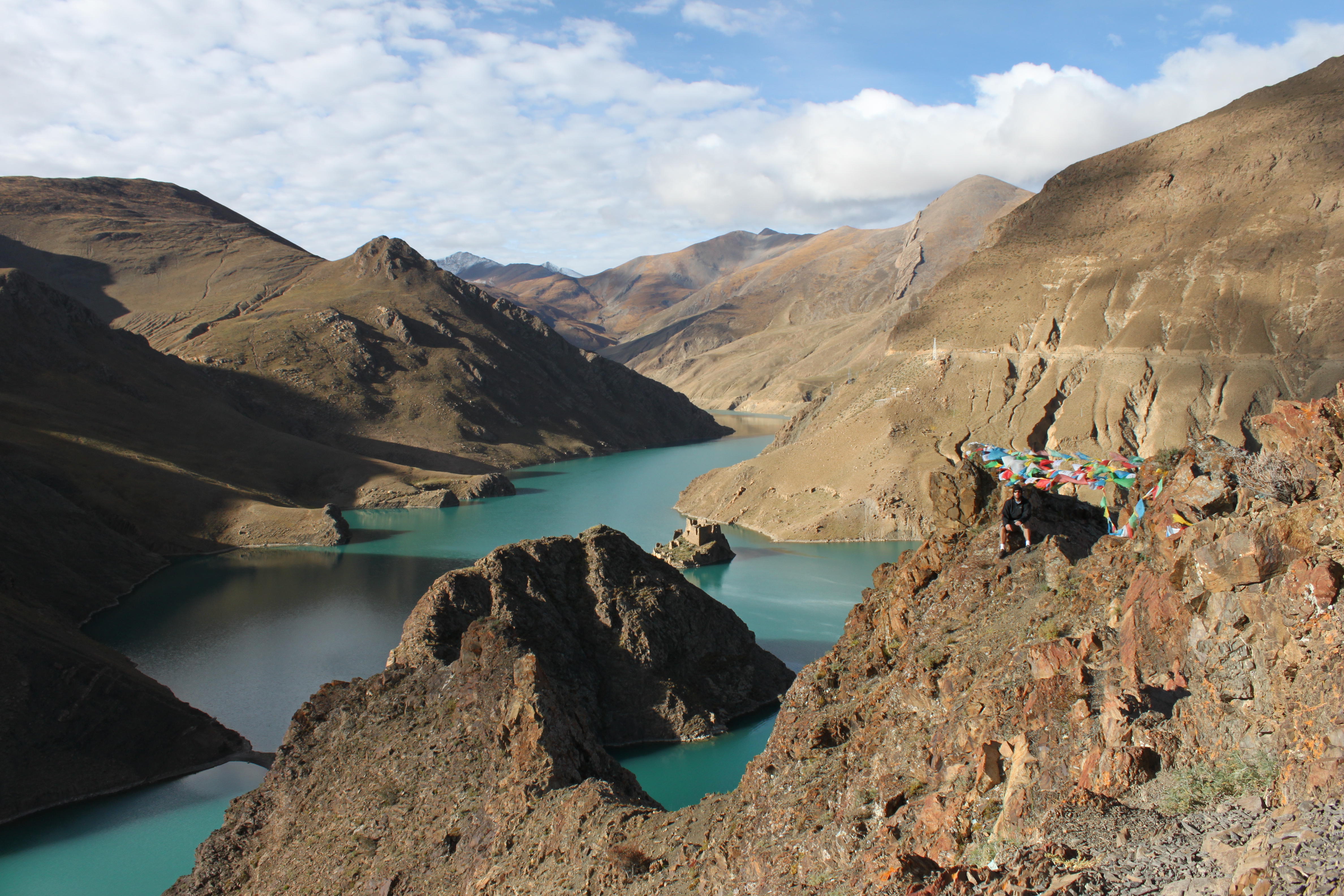

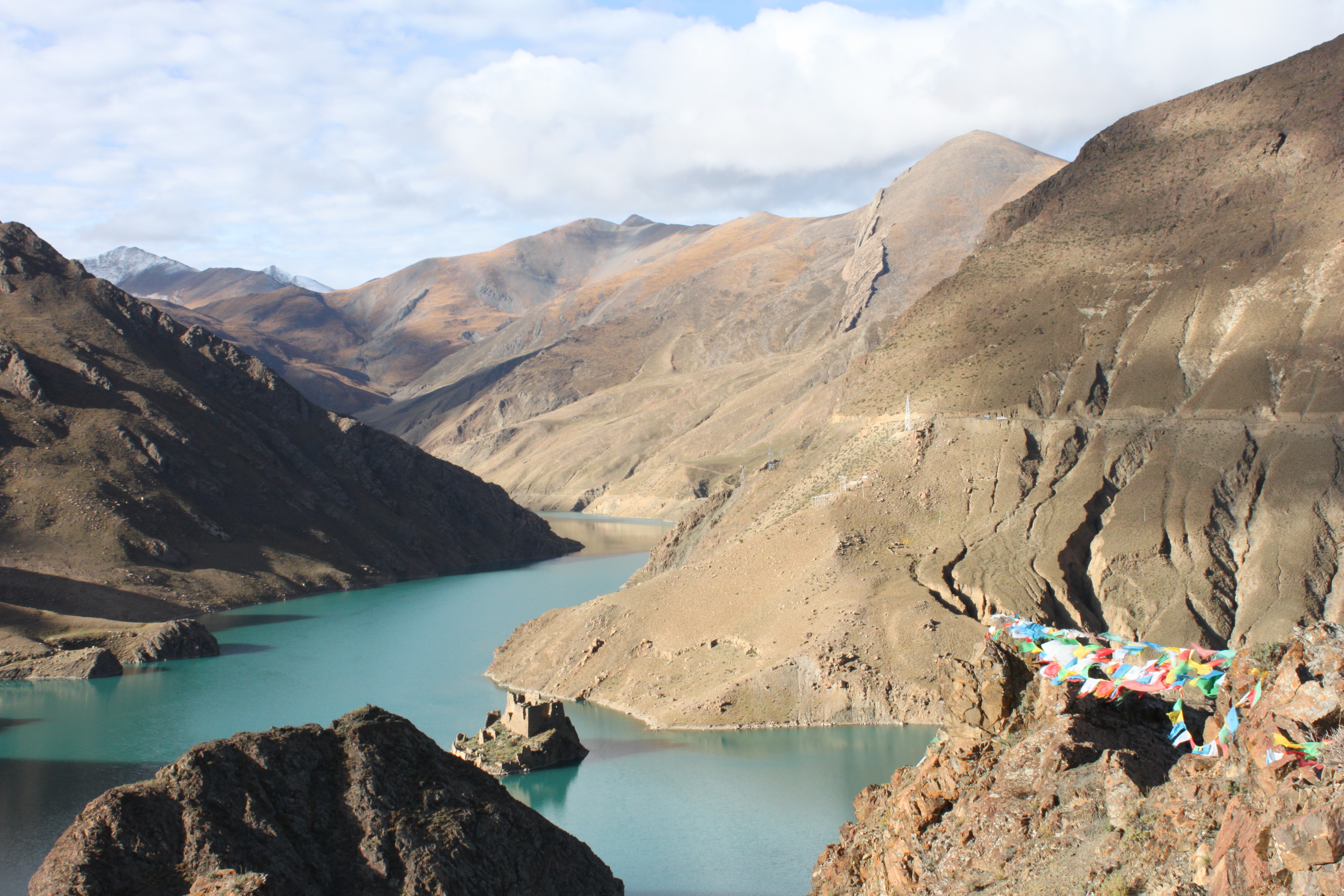

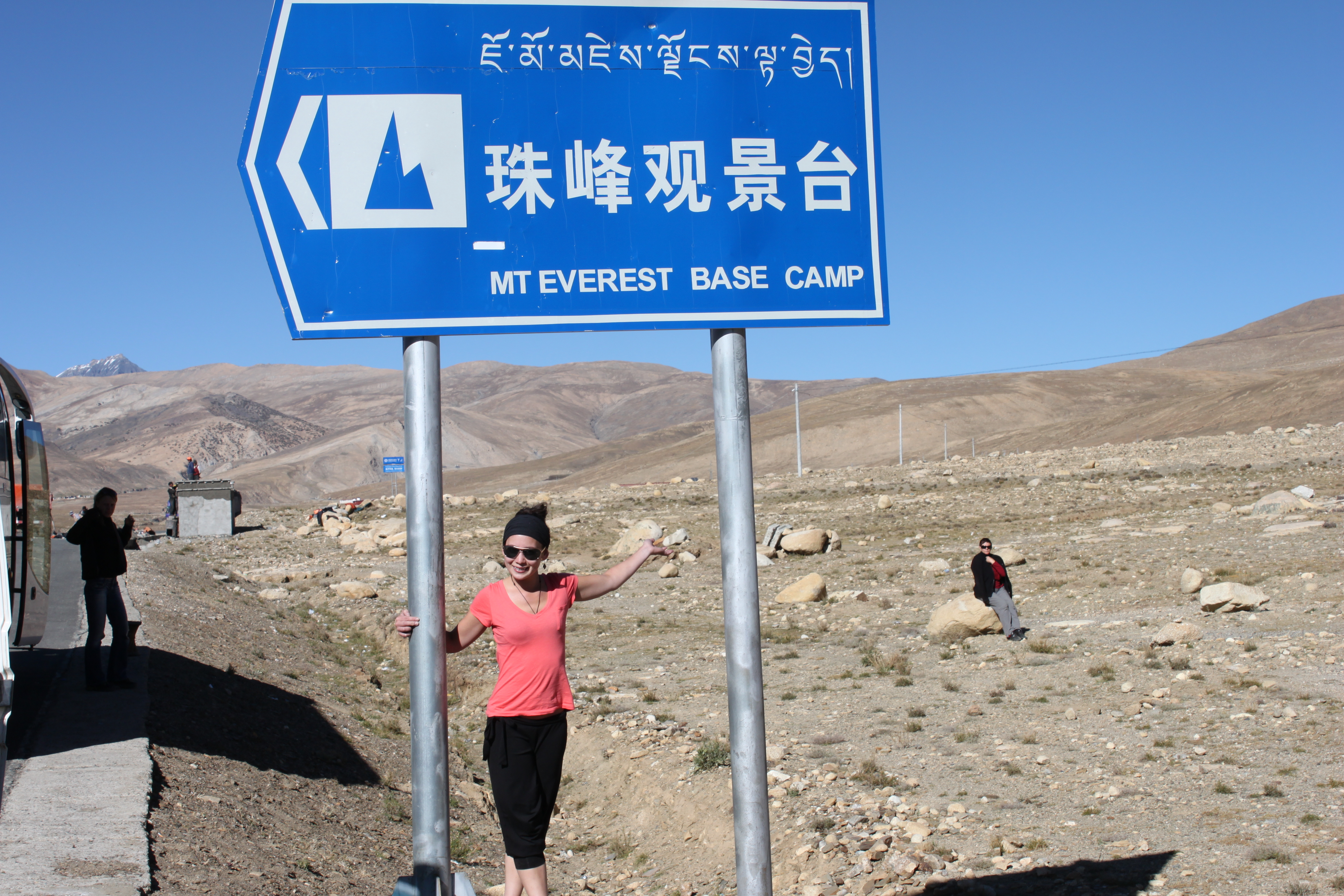

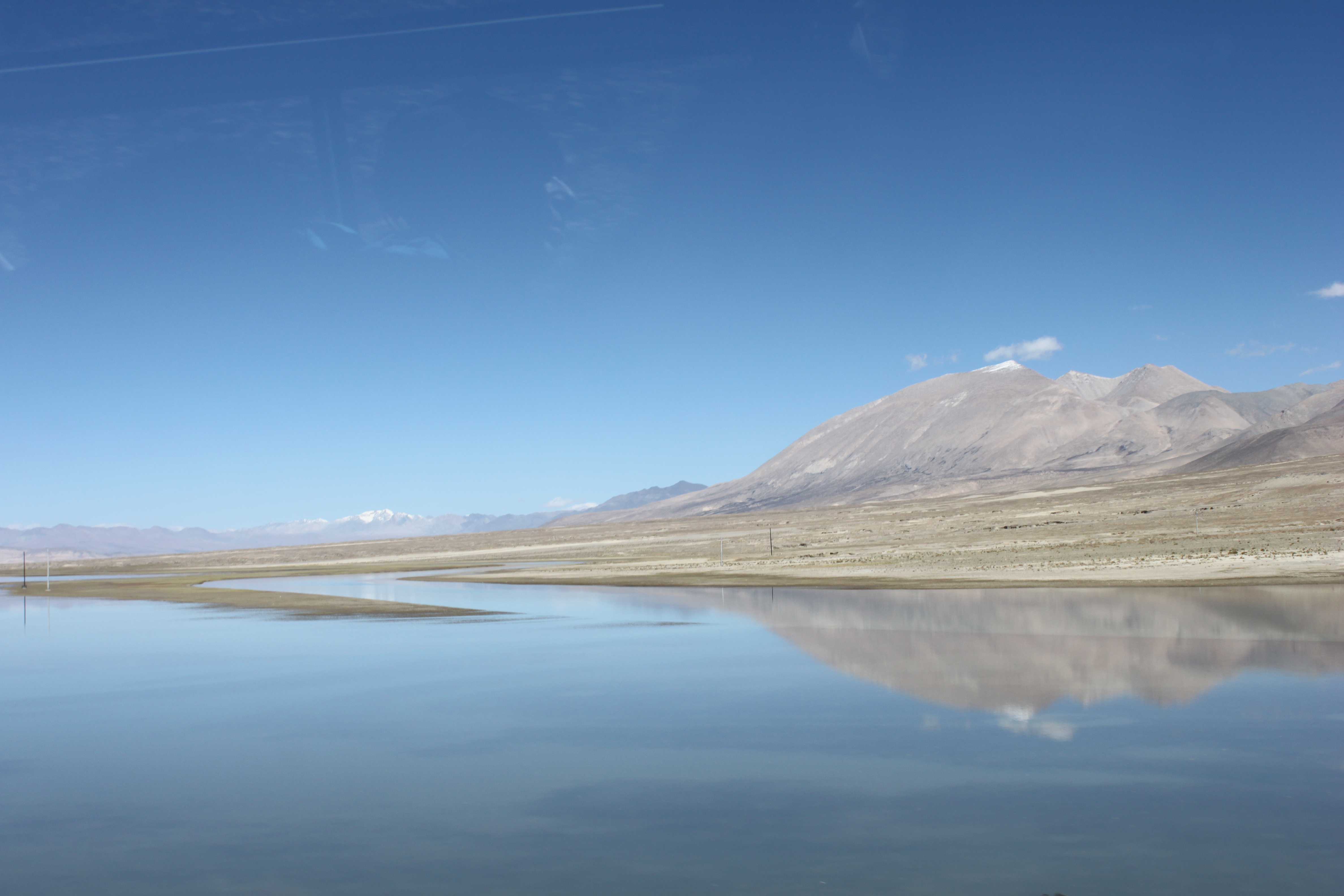


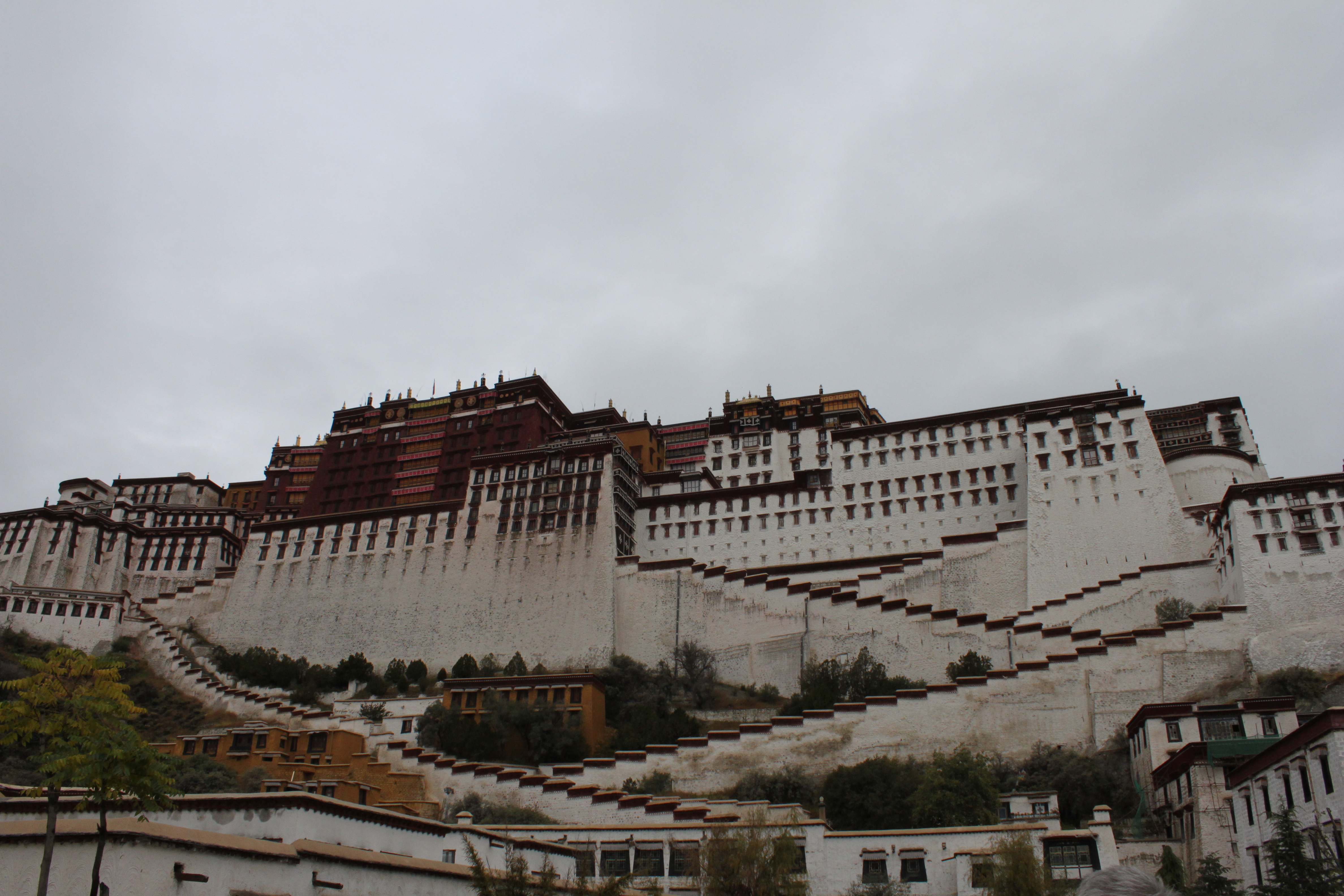
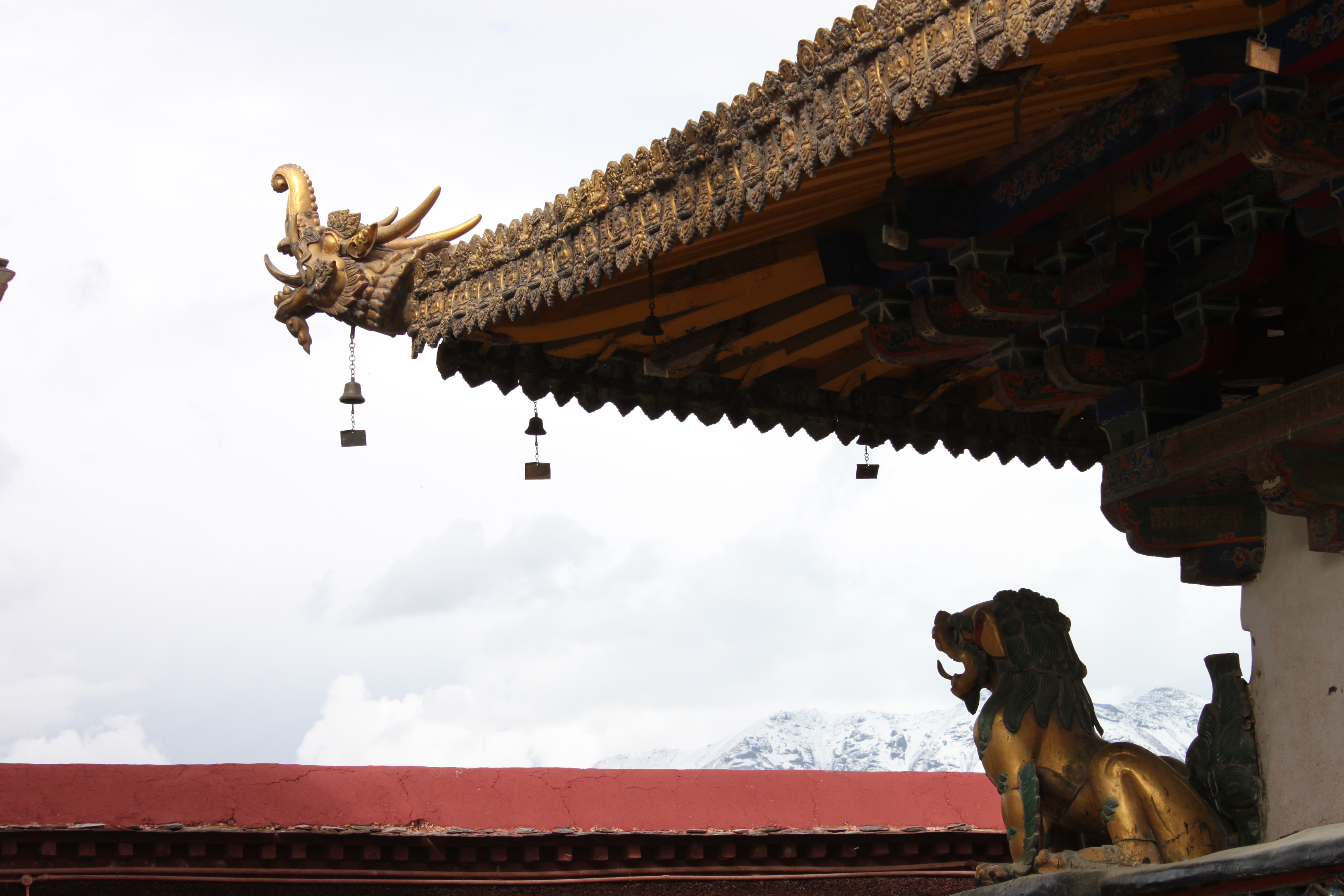
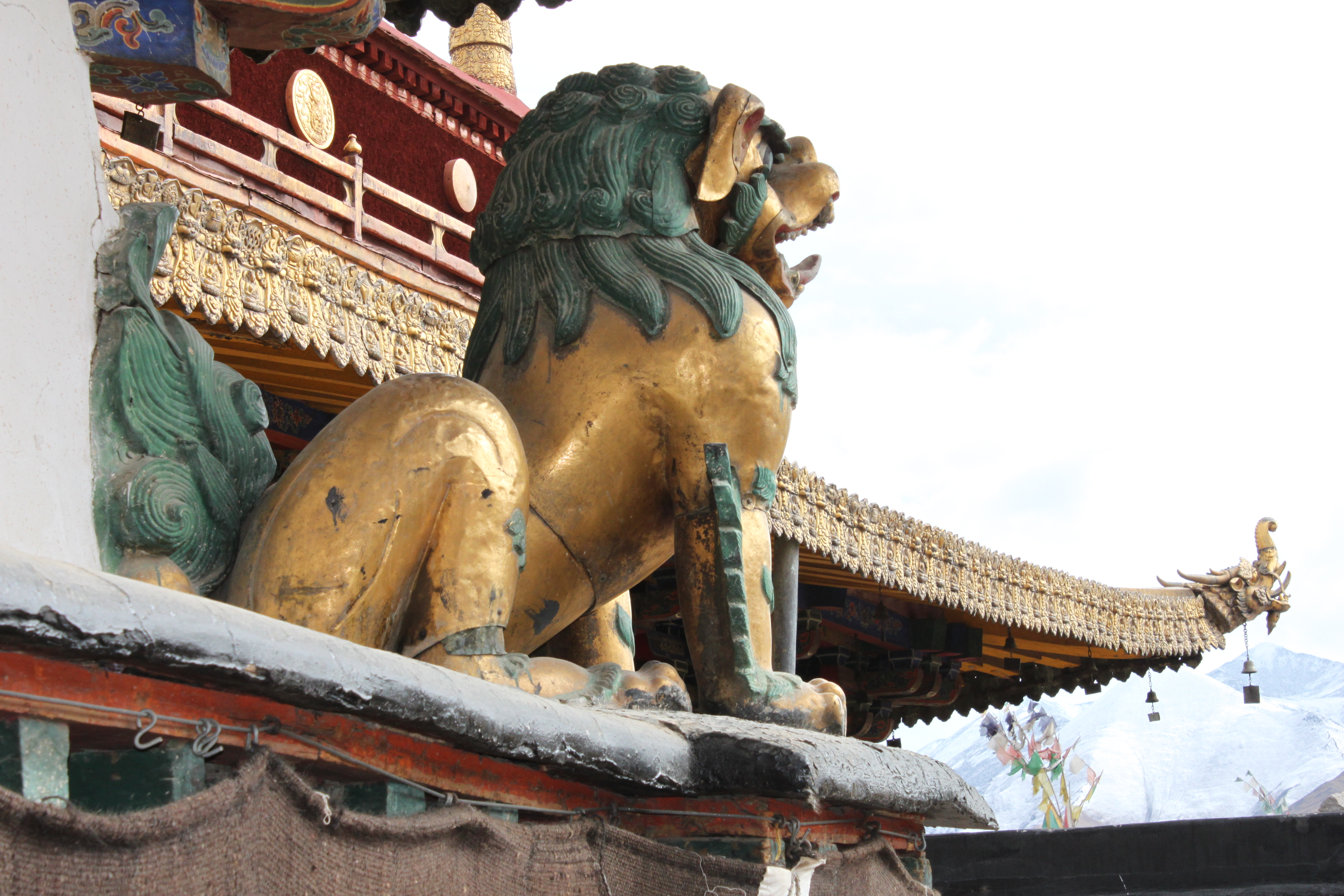
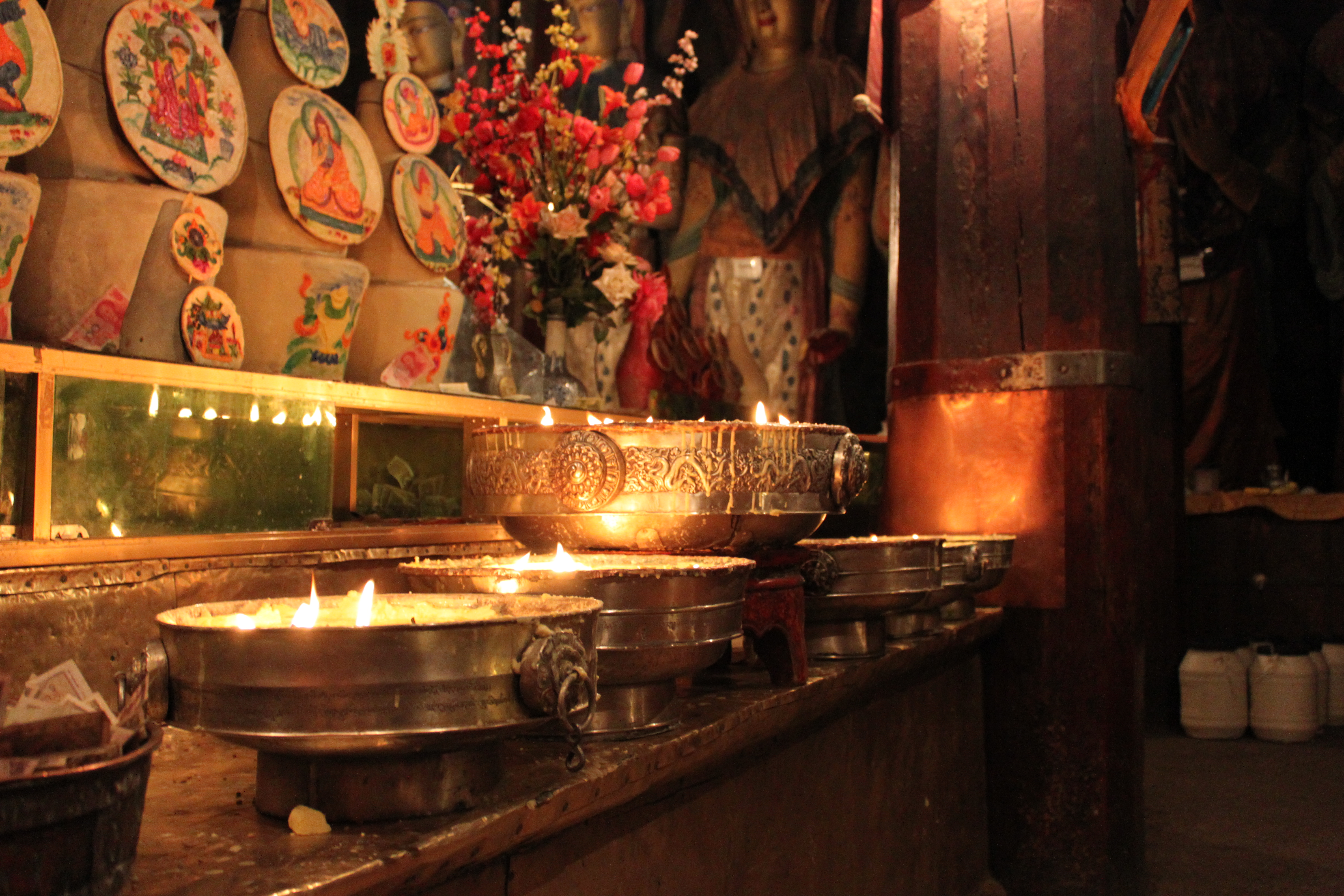
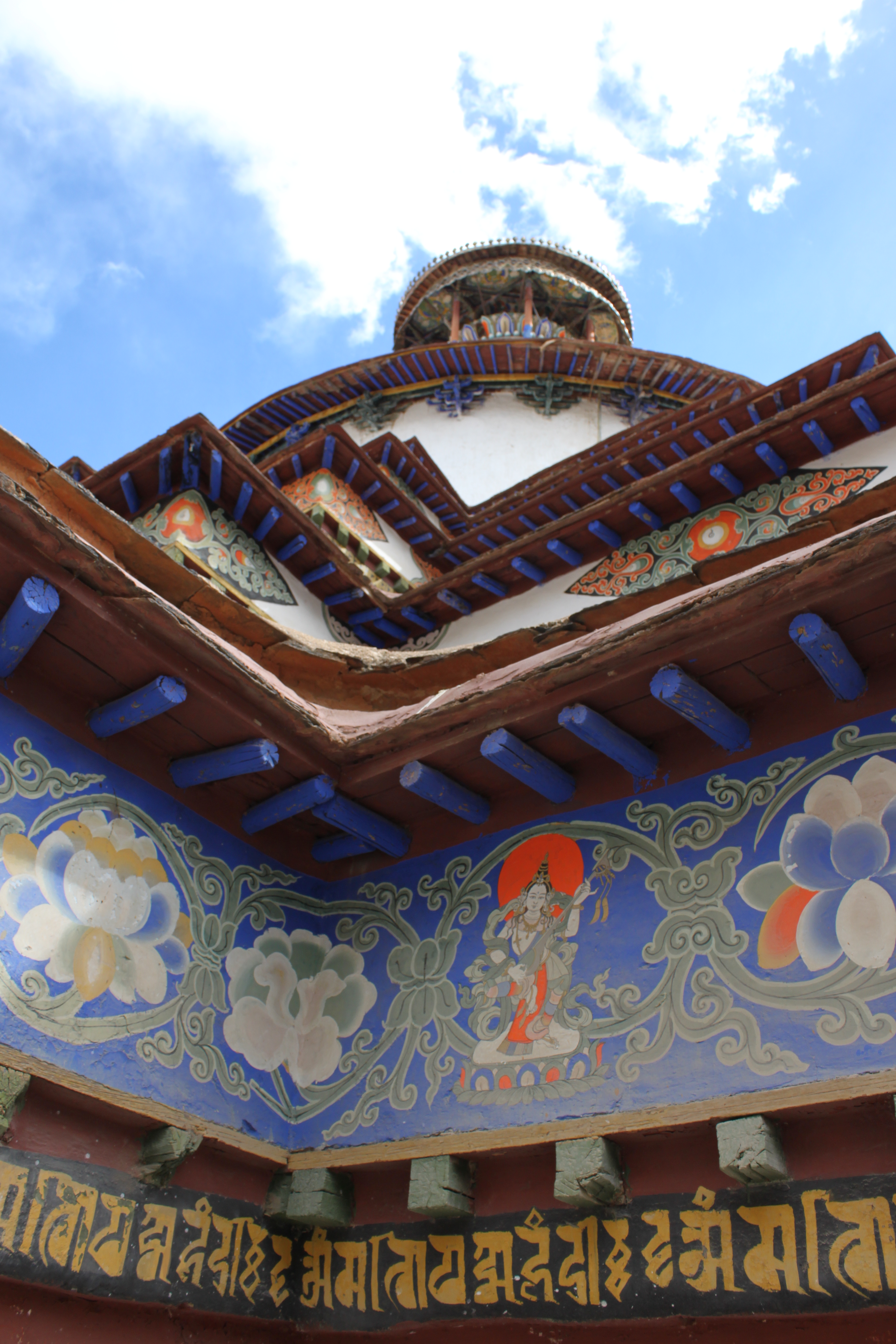
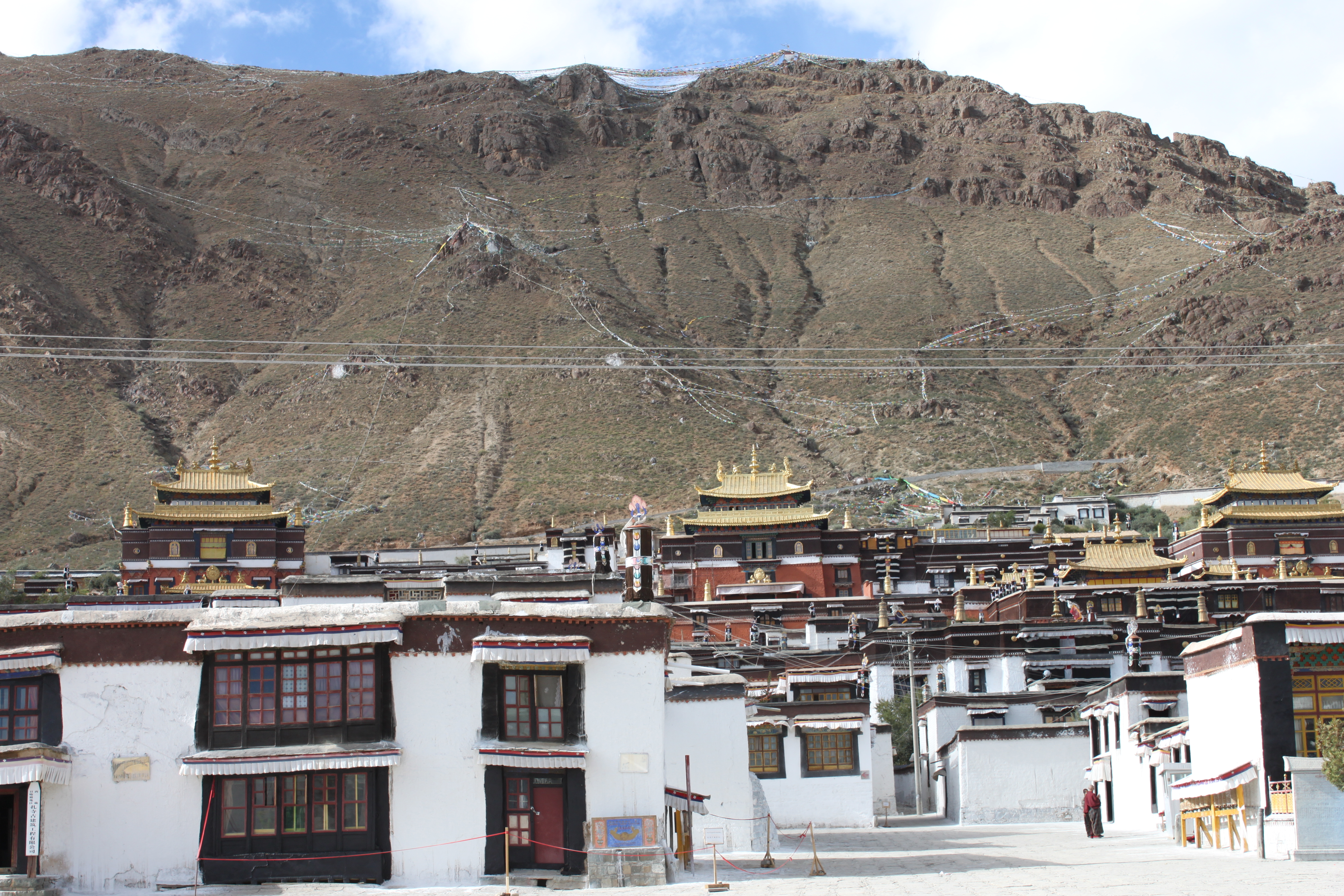
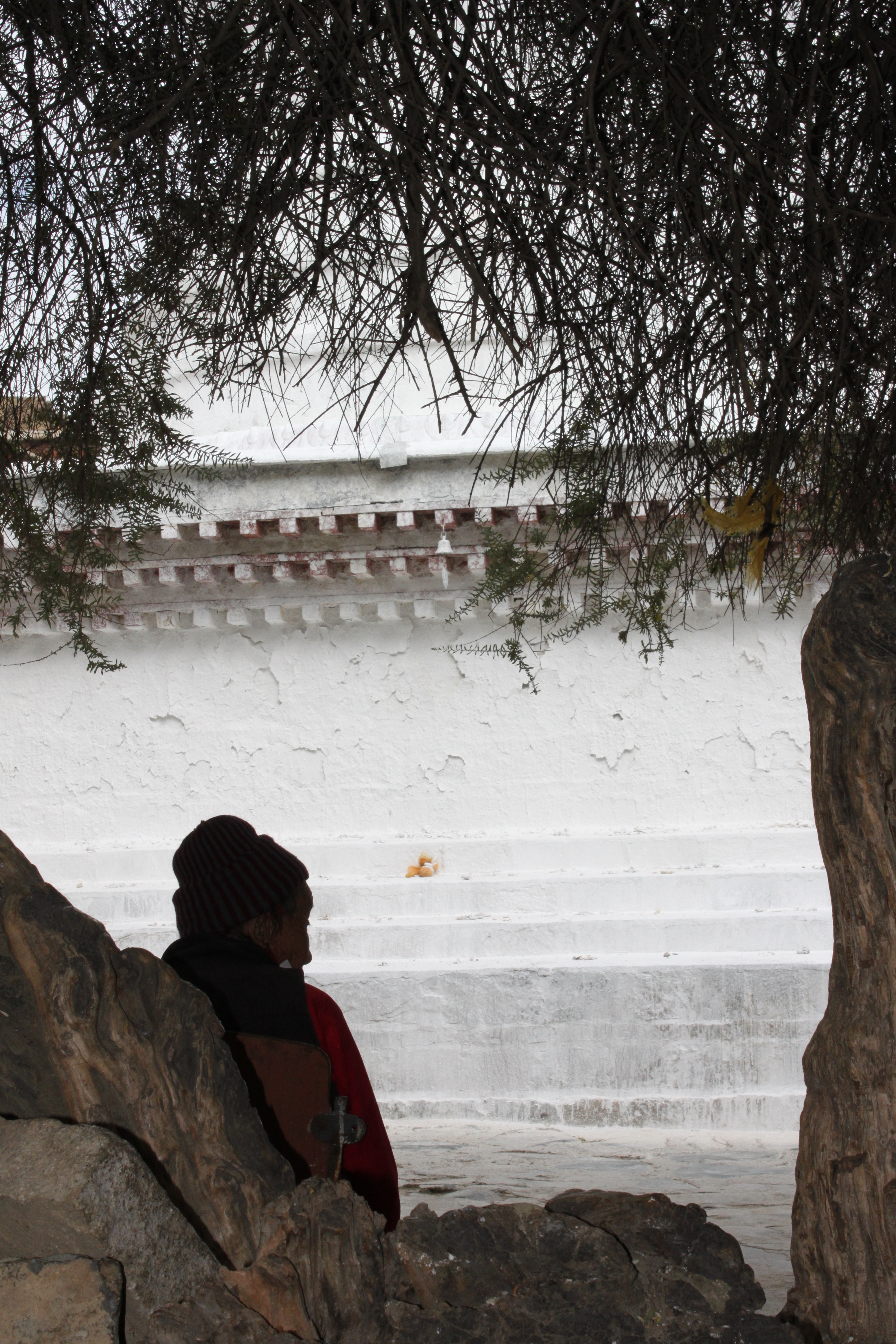
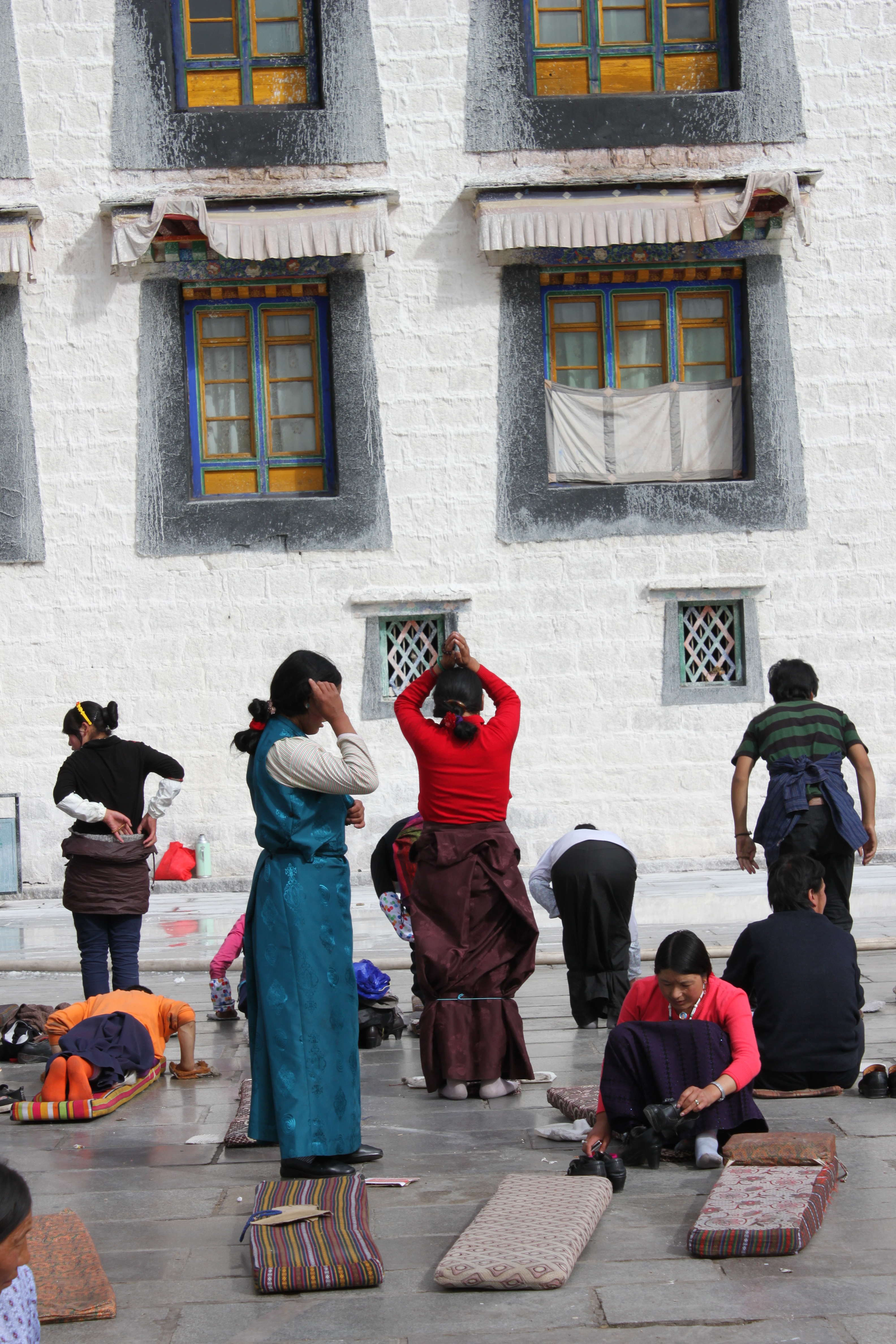
Monasteries and temples carry centuries of spiritual life, from the former home of the Dalai Lama to the golden tombs of his predecessors.







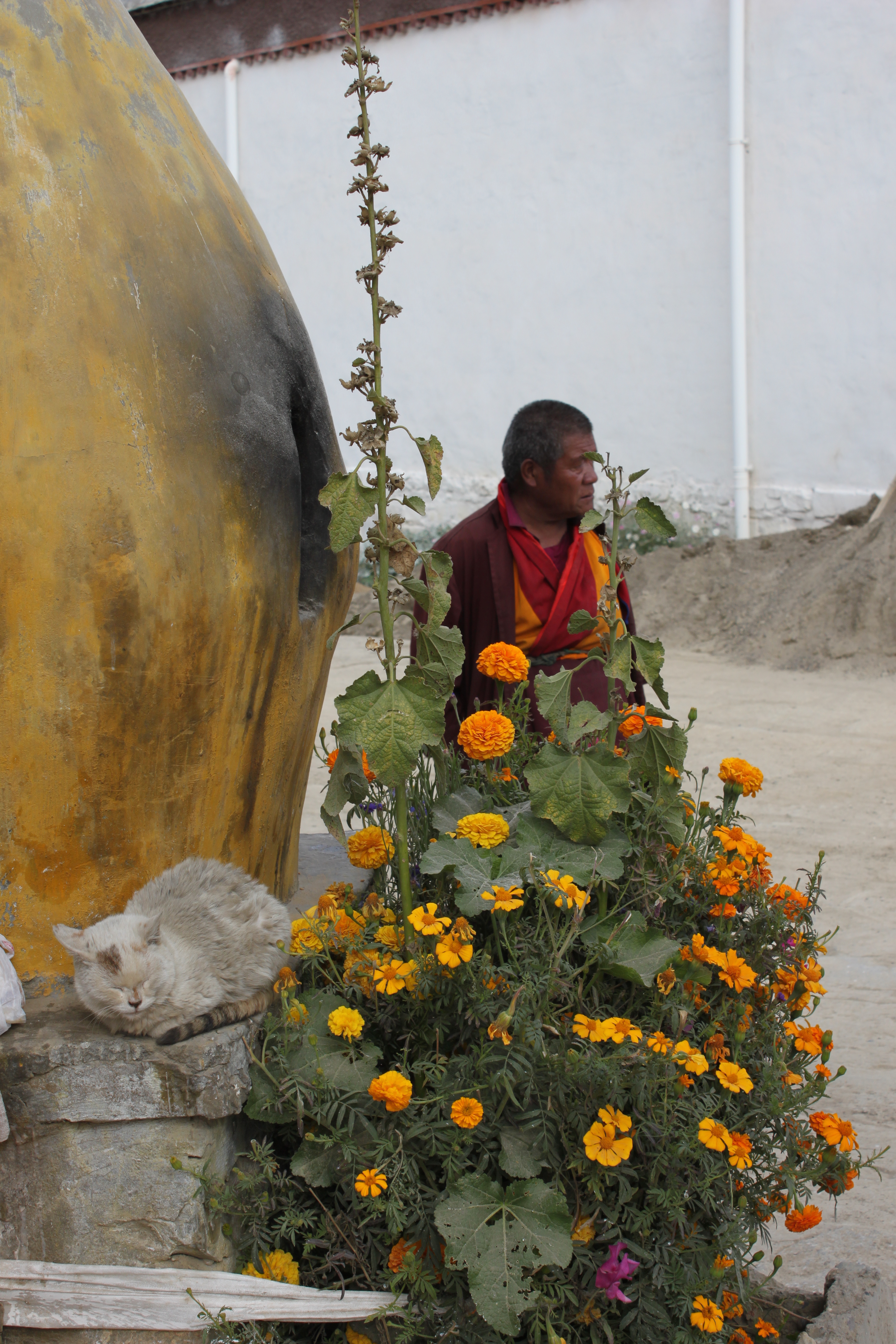
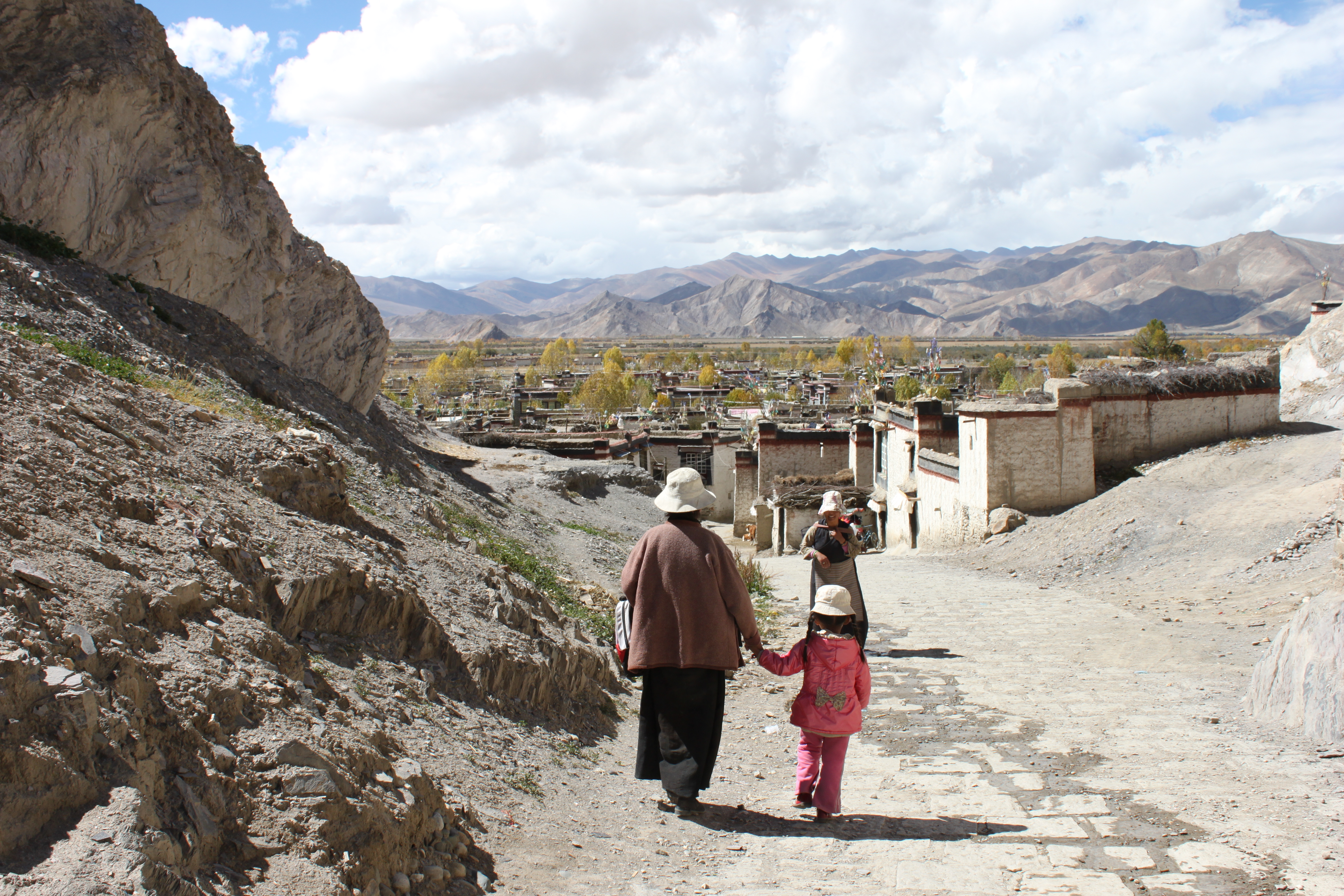
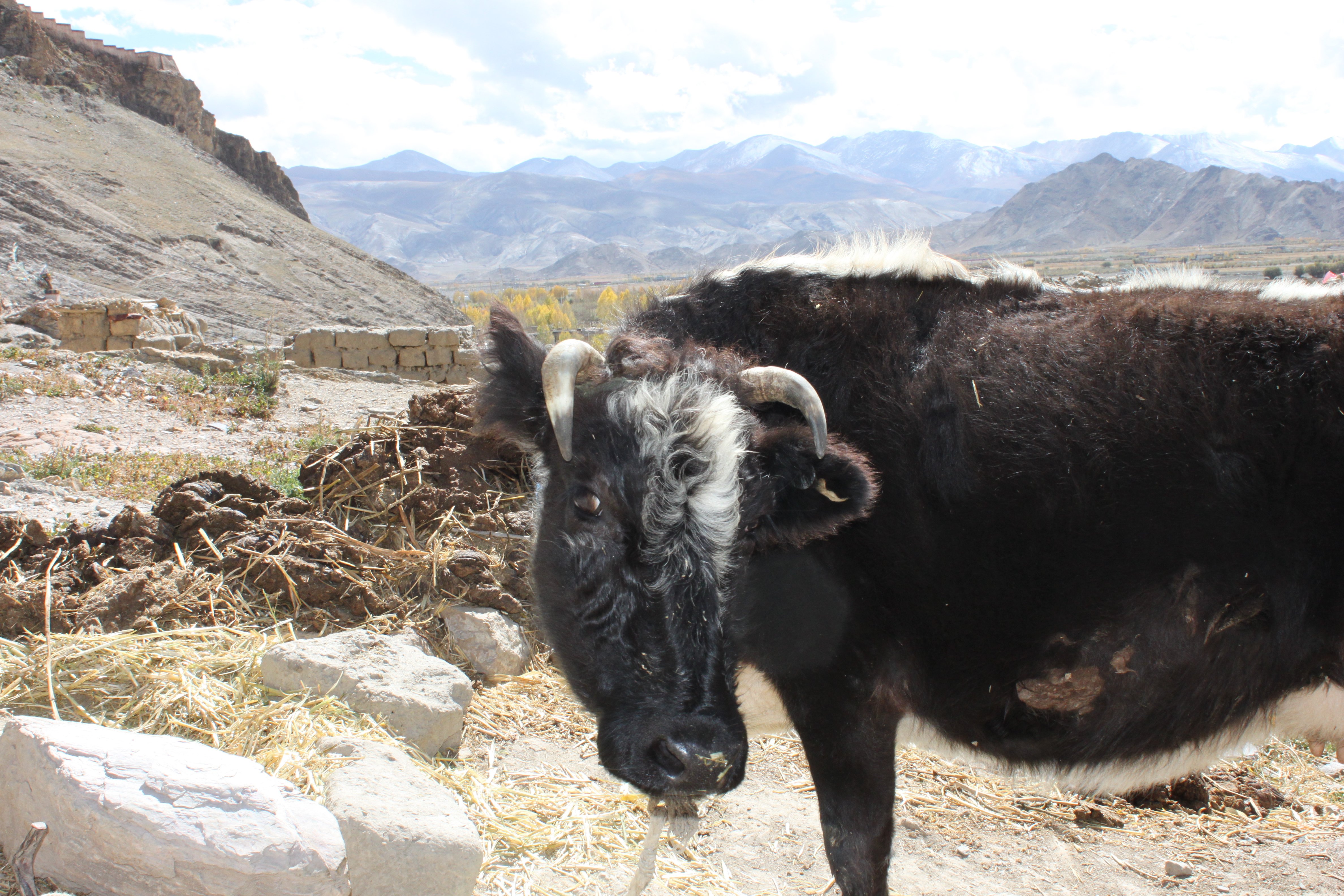
The people themselves are Tibet’s greatest treasure. In remote villages, families continue to cultivate barley and straw, sustaining life in the high mountains. Hospitality is genuine: a bowl of yak butter tea, a smile that needs no translation. Language can be a barrier, but kindness bridges the gap.




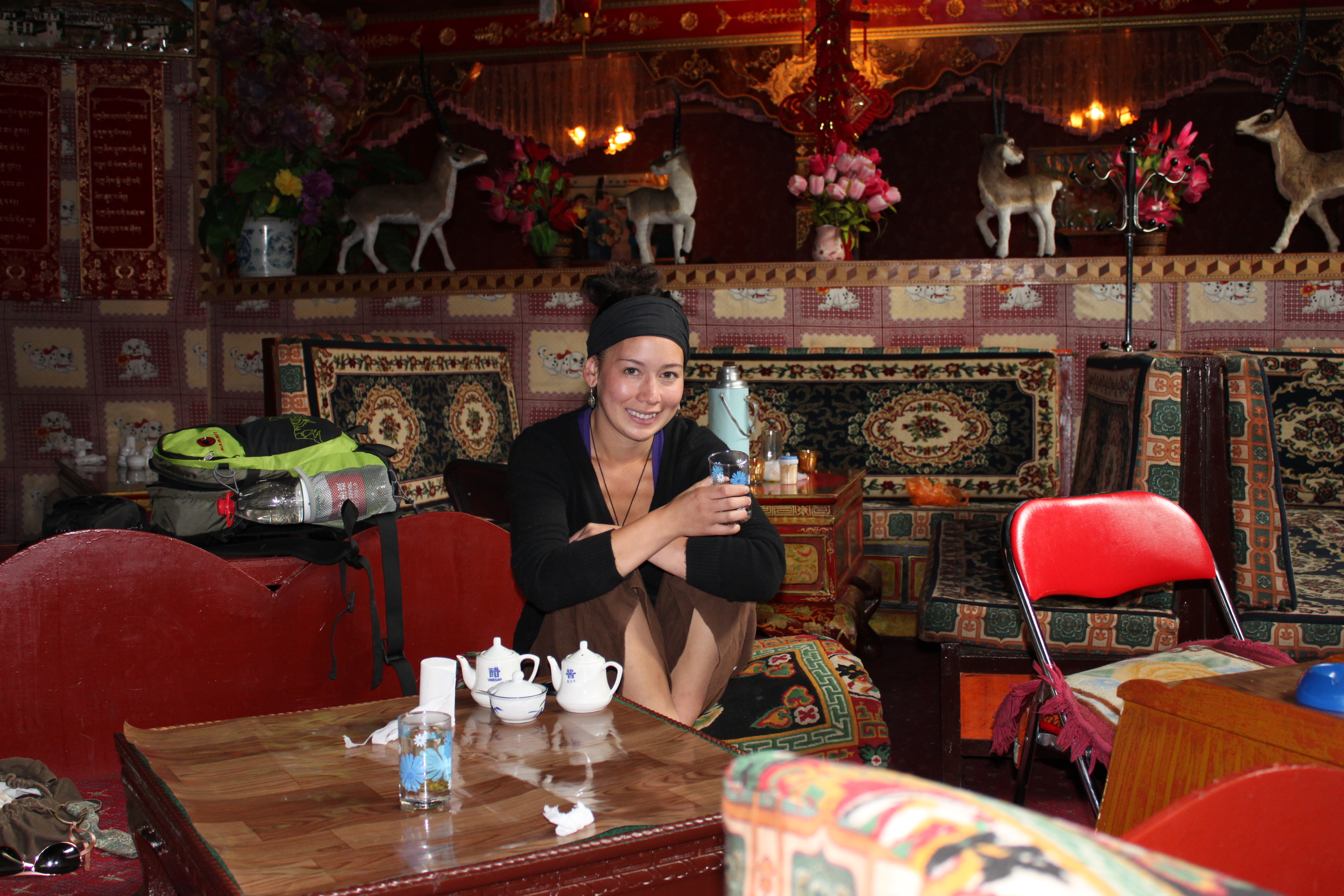
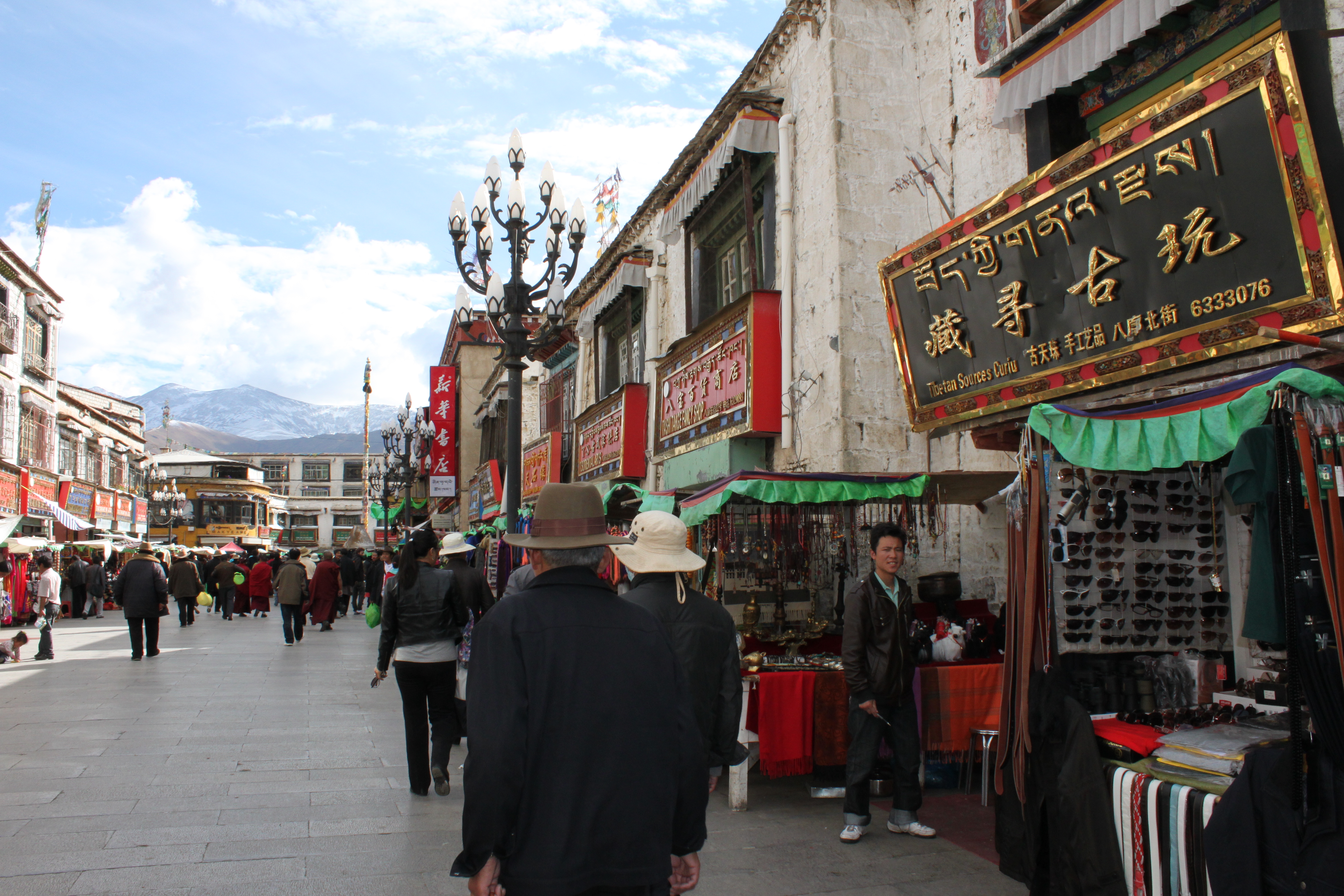
In Lhasa, the capital, the air is thick with incense, yak butter, raw meat and exhaust. Soldiers on street corners underscore the political reality, yet the markets pulse with energy. Stalls brim with inexpensive goods, and the food—quite distinct from typical Chinese fare—surprised me. I found myself eating less meat than expected, shifting almost naturally toward a semi-vegetarian diet.
Shopping in Lhasa became an adventure of its own: haggling over trinkets, exploring side streets, and sampling unfamiliar flavours. The city is at once challenging and rewarding, a place where the contrasts of Tibet are most visible.



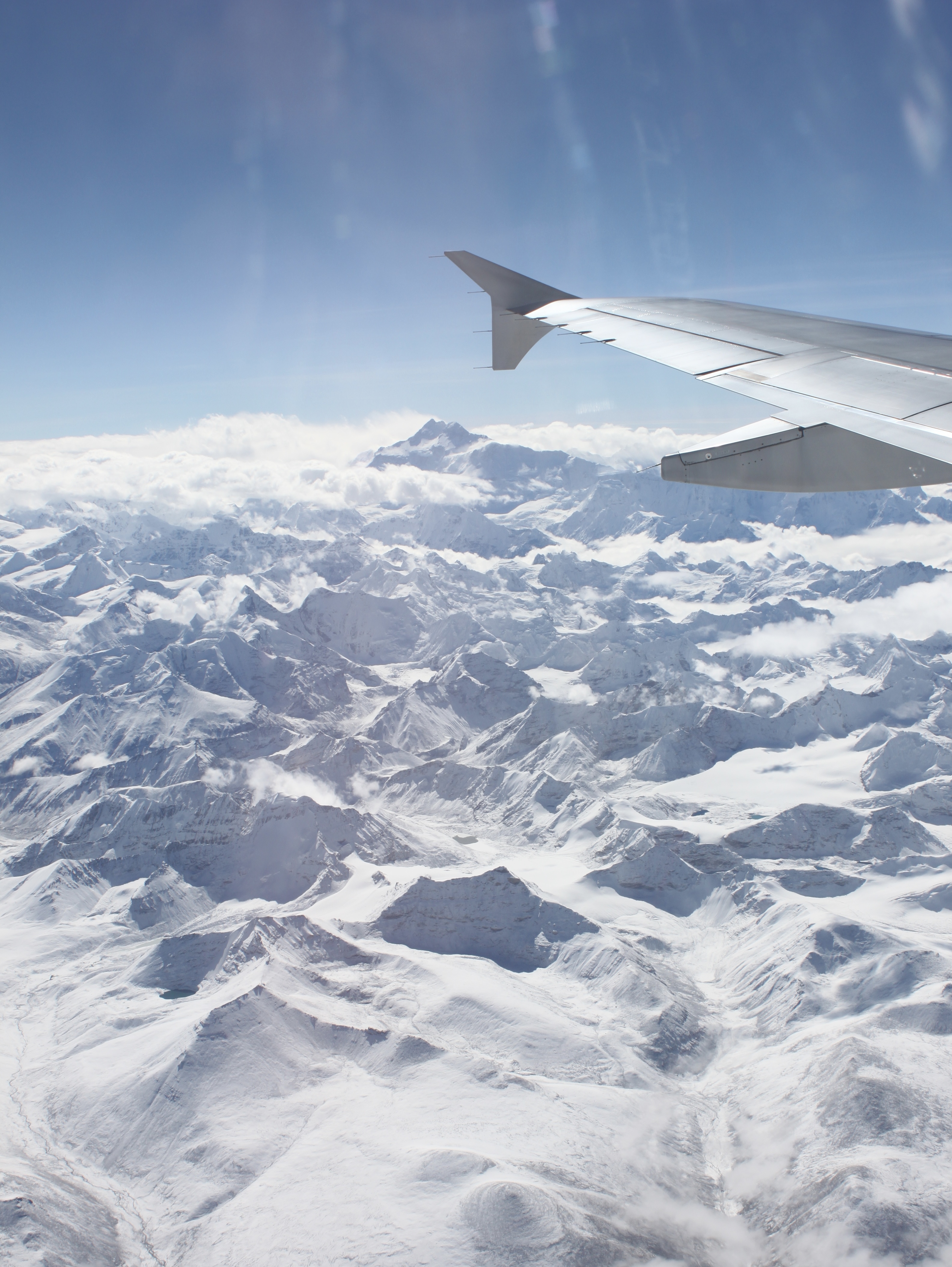
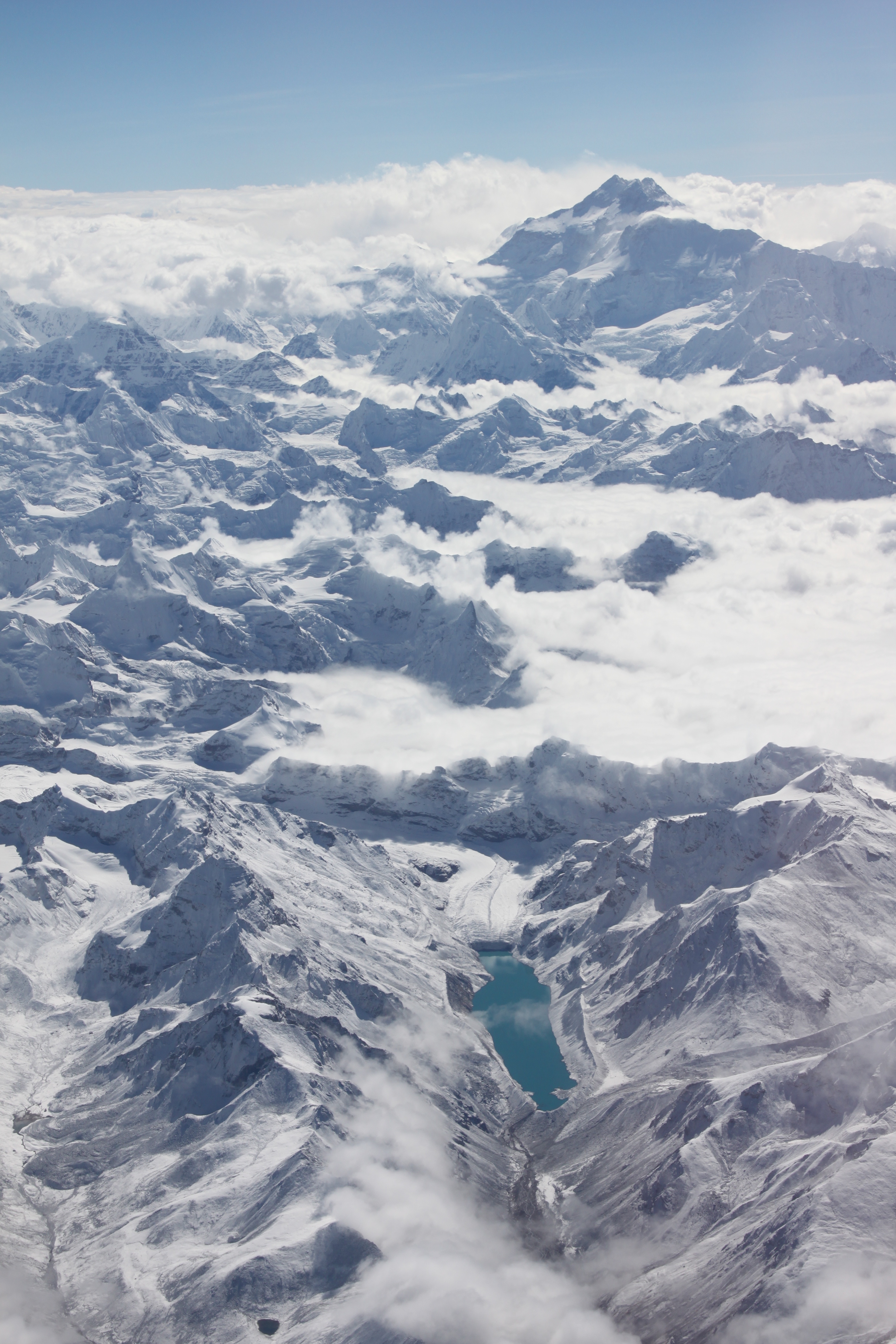
As my journey through Tibet concludes, a scenic flight over the Himalayas and Mount Everest provides a poignant farewell. Despite the challenges and complexities, the beauty of this remote land leaves an indelible mark. Ready for the next leg of my journey, I prepare to explore Varanasi, the holiest place in the world of Hinduism, eager to continue unraveling the rich tapestry of diverse cultures that shape our world.
Travelling to Tibet is a controlled affair, requiring group tours with guides. The official rationale revolves around supporting local income, yet the unspoken truth is the attempt to manage and prevent foreign interventions. Customs checks, performed meticulously, extend beyond security concerns, focusing on the prohibition of books and flags associated with Tibet. Engaging in any form of activism, even through social media platforms like Facebook and Youtube, is rendered impossible due to internet restrictions.
Yet, amid these challenges, Tibet’s physical beauty is undeniable. Vast open spaces and snow-capped mountains evoke a sense of liberty, a sensation of freedom that once defined the region. The vibrant colors of prayer flags fluttering high above mountain passes create a captivating spectacle against the cold sky.
Temples, repositories of rich history, bear witness to the spiritual legacy of Tibet, including visits to the former abode of the current Dalai Lama and the golden tombs of his predecessors.
The true gems of Tibet, however, are its people. The Tibetans, resilient in their determination to preserve their unique culture, inhabit remote mountain villages where they cultivate barley and straw to sustain their way of life. Generous and genuine, they offer visitors insights into their reality, sharing Yak butter tea and glimpses into their daily lives. Language barriers persist due to the recent influx of tourism, yet a simple smile becomes a universal language, bridging gaps and leaving lasting impressions.
Lhasa, the capital of Tibet, presents a unique blend of cultures, reminiscent of walking through a real-life Chinatown. However, the overpowering mix of pollution, incense, yak butter, and raw meat challenges the senses. The visible presence of communism, with soldiers stationed at every corner, serves as a stark reminder of the complex political landscape.
Shopping in Lhasa is an adventure, with cheap finds beckoning hungry shoppers. The local cuisine, distinct from typical Chinese fare, surprised me, leading to an unintentional shift towards a semi-vegetarian diet. The experience, though challenging, offered a unique perspective on the daily lives of the Tibetan people.
My time here ended with a flight across the Himalayas, Everest rising above the clouds in the morning light. Despite its difficulties and contradictions, Tibet left an indelible mark. It is a place where beauty and hardship coexist, and where resilience carries on in the face of change.
Next stop: Varanasi, one of Hinduism’s holiest cities, where another layer of history, faith and tradition awaits.
 Footloose Diary