
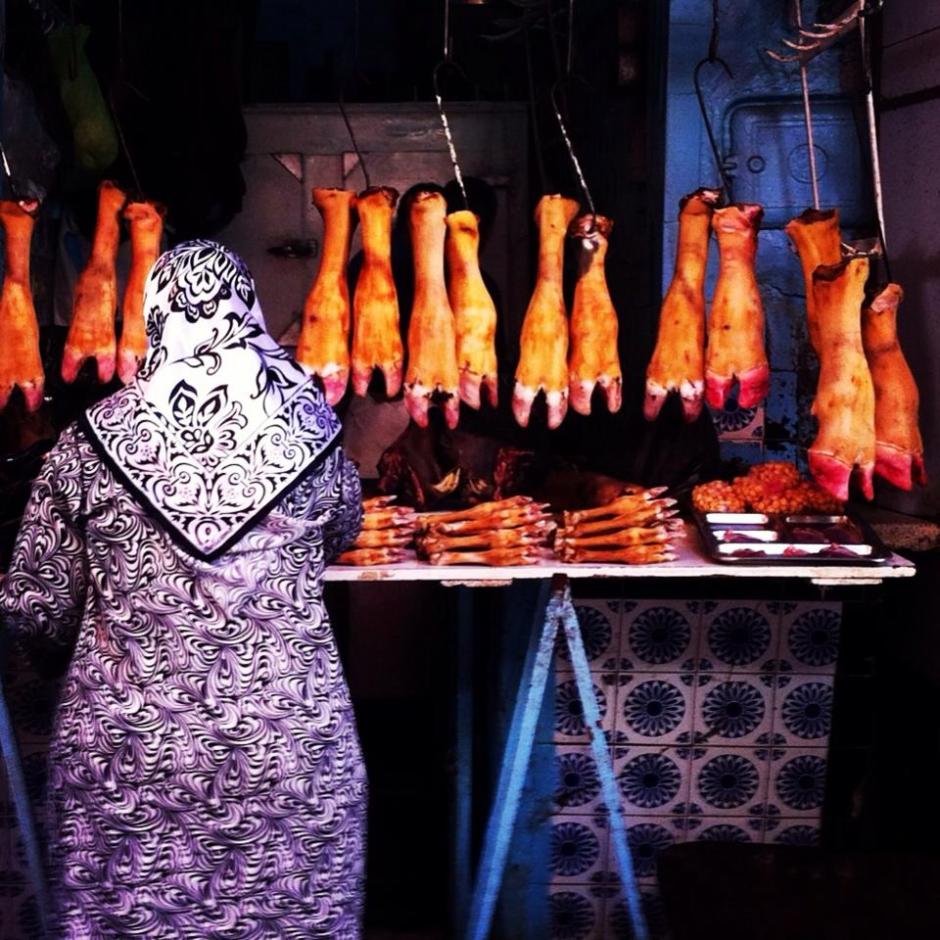
Wandering through Rabat’s markets feels like entering a lively world of colours, sounds, and smells. The medina is like a maze full of Moroccan treasures, with stalls selling everything from vibrant spices to beautiful ceramics and handmade textiles. Among the hustle and bustle, the food stalls are a highlight, offering a taste adventure. You can hear the sizzle of tagines and catch the whiff of freshly baked pastries. Each stall tells a tasty story, making the market more than just a shopping spot – it’s a snapshot of everyday life. Haggling with friendly vendors, trying local street food like harira soup, or treating yourself to sweet goodies makes the market visit come alive. Rabat’s markets aren’t just places to buy things; they’re lively hubs pulsing with the city’s traditions and daily vibes.




My immersion into Rabat’s culinary traditions unfolded during my stay with a local family in Morocco’s capital city. Around their dining table, I discovered the intimate practice of eating with hands, a time-honoured tradition that added a personal touch to every culinary experience. Communal moments were shared not just over a tagine, but also in the simple act of tearing into warm, freshly baked bread to savor the aromatic flavours. This seemingly unpretentious gesture heightened my connection with the food, accentuating its cultural significance. Passing around a couple glasses of water further emphasized the togetherness ingrained in every meal, transforming it into a palpable celebration of tradition that transcended language and culture. In Rabat, the culinary journey isn’t merely about flavours; it’s a shared and tactile adventure, where the act of eating with hands becomes a poignant thread weaving bonds that go beyond borders.

Some traditional foods and dishes commonly enjoyed in Rabat:
- Mechoui: Slow-roasted lamb, seasoned with a mix of aromatic spices, providing tender and flavourful meat.
- Pastilla: A sweet and savory pastry filled with pigeon or chicken, almonds, and a blend of spices, typically topped with powdered sugar.
- Harira Soup: A hearty and nourishing soup, especially enjoyed during Ramadan, made with tomatoes, lentils, chickpeas, and a mix of spices.
- Couscous: A staple in Moroccan cuisine, couscous is often served with a variety of accompaniments, such as vegetables, meats, or fish.
- Zaalouk: An eggplant and tomato salad seasoned with garlic, cumin, and coriander, serving as a flavourful side dish.
- Tagine: Slow-cooked stews of meat, vegetables, and aromatic spices, a quintessential Moroccan dish.
- Rfissa: A dish made with lentils, fenugreek, and shredded msemen (Moroccan pancakes), sometimes topped with chicken.
- Briouat: Triangular pastries filled with a mixture of meats, vegetables, or nuts, commonly served as appetizers.
- Khobz: Traditional Moroccan bread, usually round and flat, served with various meals.
- Makroud: A sweet pastry filled with dates and nuts, fried until golden, and sometimes coated in honey.
These traditional foods contribute to Rabat’s culinary landscape, reflecting the country’s rich gastronomic heritage and offering a delicious exploration of Moroccan flavours and traditions.
 Footloose Diary