Hornby Island for a Family Vacation

Raised by a single mother and with an older brother that took on his freedom filled life as soon as I was born, I never really had the chance to understand the term “family vacation”. Of course my mom always made sure we would go on road-trips and explore the beautiful corners and cultural gems of the province of Quebec. It was always a memorable mother-daughter vacation, sometimes tagged with our furry friends.

My brother settled in British Columbia 15 years ago where he met his wife and her family. My first solo flight was when I was 15, to go and visit him on the other side of the country. I got really close to this new circle, a reconstructed family of many siblings. Now that my brother and I both live in the province, he on the island, and I in the mountains, we don’t see each other as often as we wish, but I try to commit to once a year since he now has two beautiful blooming boys. So, when my brother and his wife invited me to their annual family vacation on Hornby Island, there was no way I could miss this special reunion.

We left Whistler on Friday afternoon after work. We boarded the 5:20pm ferry from Horseshoe Bay to Departure Bay. The 1:40min scenic ride through the Gulf Islands was refreshing and relaxing, soothing a long work week.

IMG_6255

Once in Nanaimo, we drove north on Highway BC-19A. I had booked a campsite at Rathtrevor Beach Provincial Park, just to make the trip less cumbersome and more enjoyable. Rathtrevor Park is located along the shoreline, in the city of Parksville. The campground is very clean and the sites are large, well-maintained and just few steps from the beach.

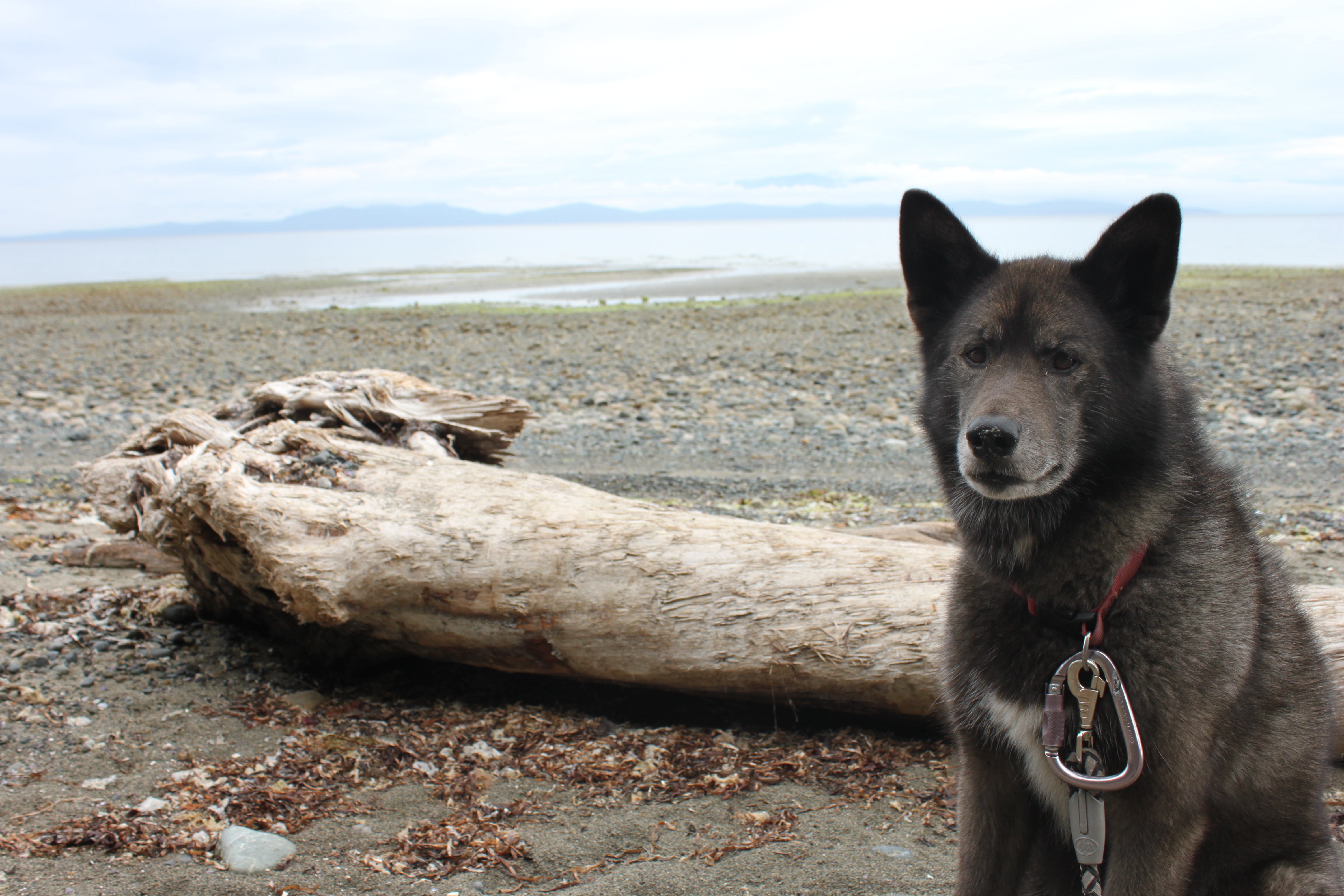
In the morning, Juno and I went for a stroll. We traversed the short path to the beach across an old-growth forest. The low tide left us with many treasures to find on the golden sand. I took deep breathes and soaked in the fresh air.
IMG_6257

After everything was packed up, we head back on the Oceanside Highway and drove north towards Buckley Bay. We hopped on the ferry towards Denman. Then drove accross the island and took another 10min-ferry onto Hornby.

Hornby Island has a small community of less than 1,000 residents, mostly artists, retirees, bohemians, and any lovers of the remote rural island life. We followed the road that hugged the sandstone shorelines, making our way to the northeast of the island. We arrived at Tribune Bay Campground, where we set up camp. The clouds slowly covered the sky, predicting a heavy rain. We set up a large tarp above our site, making our cozy home for the weekend.

IMG_2281

The rain arrived at the same time as my family. We greeted under the protecting trees. We built a shelter from pop-up tents and tarps where we found dry refuge for the afternoon. After dinner we sat around the fire-pit, catching up with the grown-ups while grandma told stories to the kids.

The weather cleared out the next morning and we spent the day at Tribune Bay Beach. The kids played in the waves, leftover from the stormy weather.

In the evening we headed to the Pizza Galore. We sat on blankets on the soft grass in the middle of an orchard. Under an apple tree we opened our bottle of wine and enjoyed delicious homemade pizzas. A live band paired our meals with notes of beautiful music while kids played hide and seek, and others played boardgames under the trees.

IMG_6293

The sunbeams scattered the sky. We spent another night around the fire pit, telling stories and playing games. And when the night reached its deep darkness, we took a stroll on the beach. We watched the constellations grace the night as the shooting stars ignited one by one.

IMG_0247

We woke up to a stunning sky. The rain evaporated from the heating ground. The kids rushed through breakfast, ready to hit the beach. We headed to Helliwell Beach, located on a headland at the southeast of the island. The sand is white, the beach endless, and the water of a crystal clear blue I have never seen in Canada.

IMG_0248

It was a beautiful day skimboarding, kayaking and paddleboarding.

The girls even opened up a sand spa for anyone keen of a natural seaside massage.

IMG_0281

It was time for me to head back. I kissed and hugged deeply everyone goodbye. As we drove away, I waived a last farewell to my brother still standing on the beach watching me depart.

The 3 ferries home gave me the time and the space to imprint all those beautiful memories I had made. I thought about my dear mother, who I wished could’ve made the trip from the East. I am so privileged to have the mother and the brother that I have, along with all my consanguinity family. I am also so grateful to be part of this circle of people that I have met at 15 years old, half way through my current life. I hope to many more family vacations.

IMG_0300

Whether they are your parents, sibblings, family members, affinities, friends, or whoever with there is a sense of belonging, unconditional love, mutual respect and care, acknowledge who those people are and make time for them, as often as you can. Family is not an important thing. It’s everything. Now if you excuse me, I’m going to call my mother.

IMG_6282

7 Ways To Cure Your Wanderlust At Home

Travelling months overseas and returning to the nest to feed on money isn’t always easy. We go back to commonness and boredom can easily come from daily routine. We feel strapped in normality with the urge to be on the road again living a satisfying life of adventures and discoveries. We constantly scroll down our travel pictures, chat too regularly with our friends met abroad, steadily look at flight sales and we wish we could throwback Thursday everyday. We withdraw ourselves from our current world and dream of our next escapade. The symptoms are right: we are diagnosed with wanderlust. This impulse to travel and explore burns our body with an aching fire. But until the time comes to fly away and vagabond another continent, there are a few things you can do to help cure your wanderlust, at home.

Keep Planning

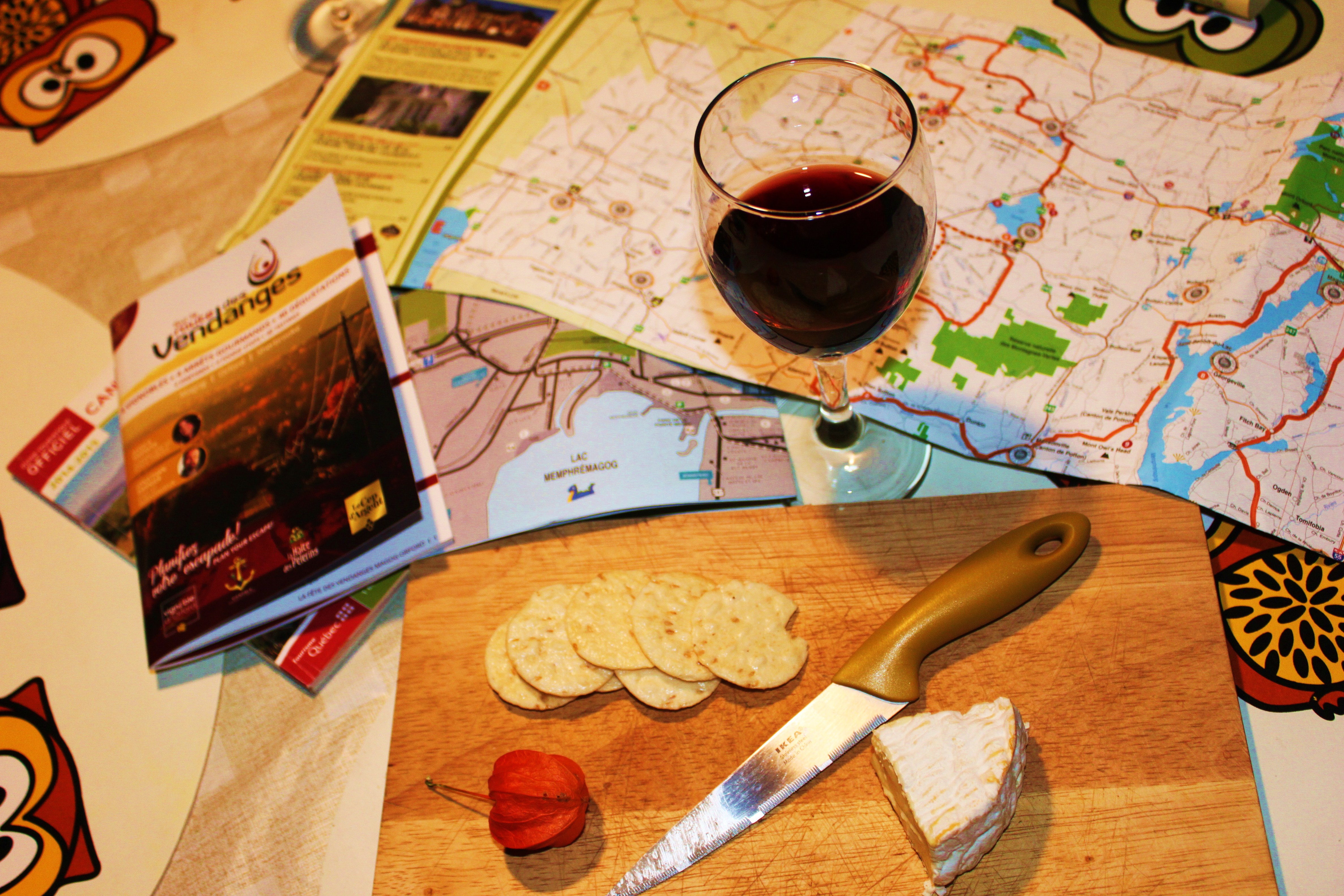
Whether you plan the next big trip abroad, or simply a weekend getaway with your friends, planning soothes the wandering soul and energizes the spirit. Researching about a new location, new activities, new places to eat and to sleep is exciting and refreshing. It is always motivating and stimulating to look forward something.

IMG_5099

Set Yourself Goals

Setting goals not only allows us to have a better understanding of where we are going with our lives, but it also raises our motivation and self-confidence. While we are mainly focusing on planning and saving money for our next trip, doing a little bit of life planning isn’t a bad idea either. By setting the ‘big picture’, we can start to assemble the resources we’ll need to achieve our dreams. Open a saving account, and even if it is a little at a time, you will be grateful in 10 years that you put that  money aside. See yourself do the things you love. Work on the things you really care about. Set yourself the goals that will allow you to fulfill your short and long-term dreams.

IMG_8624

Be Creative

Just like artists, travellers are built with deep emotions. We are passionate, compassionate and loving individuals. We are inspired by life and are engaged in all its beauties. By writing about our wanderlust, or photograph through nostalgia, or paint our emotions, sometimes it helps relieve the itch and find clarity. Travelling is an inspiration booster, make sure you keep your inspiration alive.

IMG_3281

Try a New Activity

Trying something new is not only revivifying for the soul, but it also gives you the opportunity to meet new people and challenges your skills at something you’d never think you’d do. This winter, I took a shot at skate-skiing. We have such a beautiful terrain built here in Whistler, a legacy of the 2010 Winter Olympics, offering over 35km trails of nordic skiing. I’ve never tried downhill skiing before, being primarily a boarder, so it involved a few funny falls indeed. But to be out there with friends sharing the same first experience, meeting people with different conversation topics and exploring a new zone in my own town made me feel like I was a thousand miles away.

n-web_callaghan_by_Toshi_Kawano_from_TW_20
Photo by Toshi Kawano courtesy of Tourism Whistler

Go On a Road trip

You don’t always have to fly to cure a wanderlust. Sometimes you can just hit the road for a few hours and feel completely lost. Taking a couple of days away from what we know, and wander to a new town is refreshing and rejuvenating. Put on a good playlist in your car and head to a new town. To see how people live in a city nearby, do what they do, eat where they eat, play where they play – Sometimes only a few k’s can change drastically and make you feel like a world away.

DCIM100GOPRO

Explore Your Own Backyard

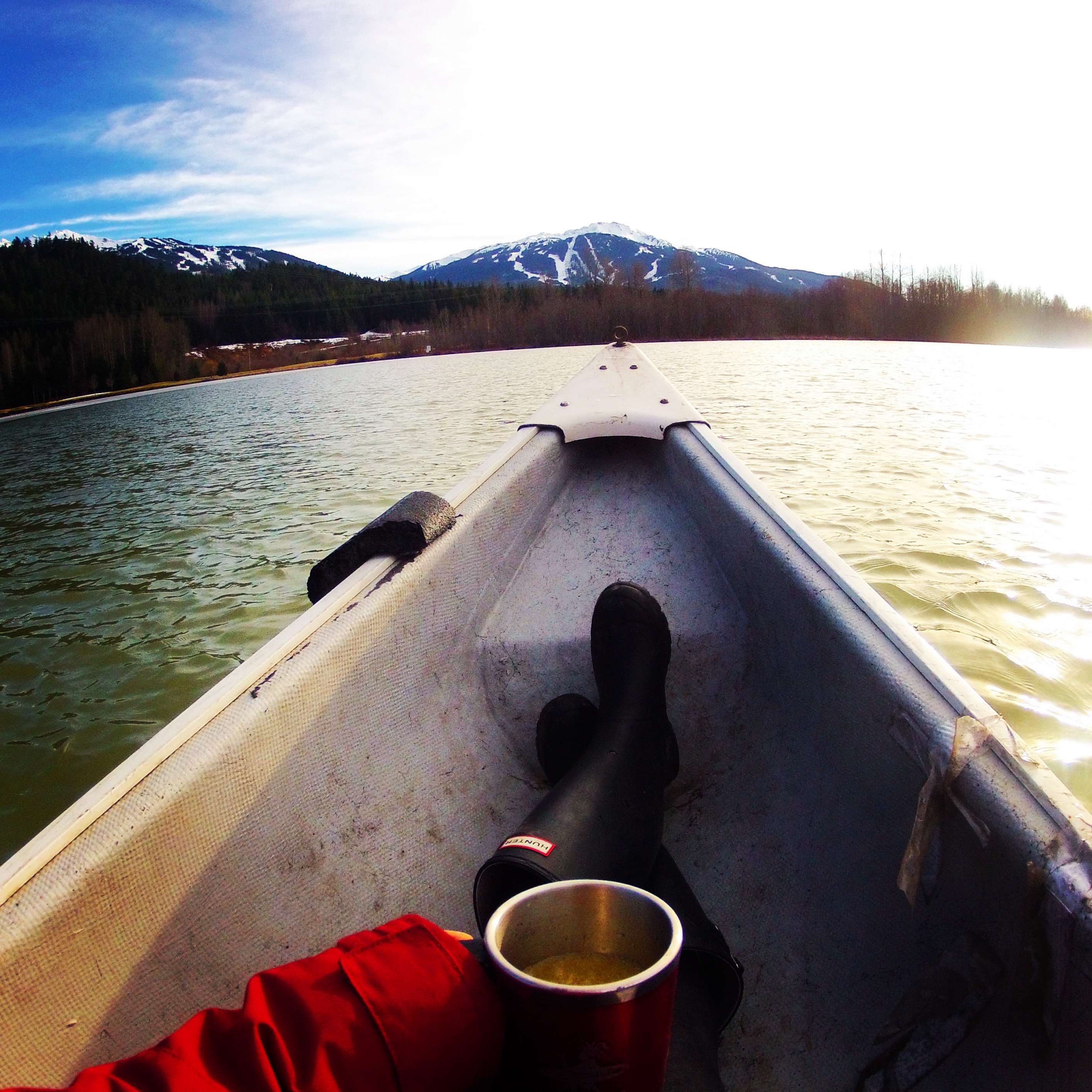
When I come back from travelling abroad, it takes me some time to adapt to everyday life, and then suddenly I fall back into a routine. That’s why I chose Whistler as my home base, a playground itself, so I can get energized by nature and adventures. While my goal at home is to focus on making money, and spending time with the ones I love, I make sure I get outside every day. From exploring a new forest trail with my dogs, hiking a new peak, camping a new ground, canoeing a new lake, snowboarding a new run, I find extreme satisfaction in simple moments, right here at home.

DCIM100GOPRO

Ask Yourself: Why Do I Feel Like Packing My Bag And Leaving?

Bored with routine? Life is lacking of purpose? Running away from something? Absence of inspiration? Missing your friends abroad? Lost in wanderlust? Sometimes it helps to know where the itch comes from so we can sooth the tingle.

Although sometimes, there’s really only one remedy…

Capucine 1019

8 Tips on Managing Money Abroad

Travelling abroad is an exciting adventure. And to make the most of this experience, it is primordial to plan the right budget and have plenty of funds. The last thing you want is having to cancel a skydiving jump over the Republic of Palau, or a hot-balloon ride in Tanzania, or a cycling wine and gastronomy tour in Burgundy because you are too tight with money. Sometimes opportunity only knocks once. 1. Plan a Budget Where are you going? For how long? How will you travel? What is the purpose of this trip? Who will you be with? Asking yourself questions about your trip will help you create an estimated budget. First, I start with the big expenses, such as flights, vaccinations, and visas. Then, after researching about the destination, I plan an average daily budget considering accommodation, food and transportation. I make an activity budget, such as important sights, concerts, and adventure trips. I also make a budget for others such as souvenirs, tips and treats to locals. I always allow extra for an occasional splurge (which in my case happens generally very often). o-BUDGET-TRAVEL-facebook-1050x700 2. Know the Exchange Rate I always refer to XE.com. I added the free currency converter app on my phone, and can easily search for live foreign exchange rates. Knowing the currency and the exchange rate of the country you’re visiting will save you a lot of time and hassle, and avoid the possibility of getting ripped off. When I crossed the border from Belize to Guatemala, many freelance money-changers tried to sell us their quetzal. At first I thought it was a scam, but knowing the exchange rate, I realized it was a really good deal. So I traded my Belize dollars and left with quetzal at an attractive cost, saving time waiting in line at the bank to convert money. mzl.efdkxboi.320x480-75[5] 3. Get Local Currency As a Canadian, I have opened a US bank account from the tip money I receive from American customers. As much as I try to only use local currency while abroad, I like to have a few US bills with me since it is the most freely convertible currency. Check with your bank if they carry the currency of the country you’ll be visiting. Buy some currency before you go, and try to get some small notes too. If you can’t, don’t worry. Airports have ATM’s to withdraw money at a very good exchange rate. Avoid airport currency exchange booths. Currency-Exchange-Rates-Today-Canada-695x494 4. Take Cash

Withdraw cash money from an ATM when you arrive. Depending where I am, and how safe I feel like walking around with cash money on me, I withdraw a certain amount that will keep me at least for a couple weeks, and hopefully more. Because my bank charges me $5 for every international transaction, I try to limit its usage. I try to never carry the whole amount at once, or at the same place. If going on day trips I carry just what I need. If travelling, I hide it in different places in my belongings.
cash_2196685b
Click here to know more on how to effectively carry money abroad.

5. Use Multiple Cards Debit card Besides withdrawing cash money, I never use my debit card for purchases. A trick that I do before I leave, is to go to the bank and claim a lost card. They give me a temporary one (the one I use while travelling), and I receive a new card in the mail (a backup card). Once I use this latter, the temporary one gets cancelled automatically. I keep both cards in different places. It is nice to have this option in case anything happens. ATM’s are found in most cities, are easy to use and usually have the best exchange rate. Make sure that the PLUS, Cirrus or Maestro network are available at your destination. Ask your bank about currency exchange and international fees, and advise them about your travels. Make sure your PIN is 4 digits, and if it is a word, remember the numbers. When I was still a rookie at travelling, I tried to withdraw money at an ATM in Costa Rica only to realize there was no letters on the buttons. Since I changed my PIN for 4 digits before leaving on the trip, I had not memorized the numbers. I tried thrice and my debit card got cancelled. Luckily I was travelling with a friend that helped me out, and I had a credit card. I learnt a good lesson.

imgp3526
Click here to know more on how to use ATM’s abroad.

Credit Card Having a credit card is a must for me. Not only it could save your life if anything happens, but it is also good for rentals, or to pay for an expensive activity you hadn’t planned on doing. Also, credit cards have the lowest conversion rate and are nowadays widely accepted, although some developing countries might require a minimum amount of purchase and could charge a fee of usage. By using credit card, I find it a convenient and safe way to travel without carrying too much money on me, while saving on exchange fees. With Internet banking available, it is easy to keep track of your expenses, and transfer money onto your card. Check with your bank if an international transaction fee is applicable, what insurances are available, and let them know of your travels. When I was in Belize and got invited to join a diving trip to the Great Blue Hole, I couldn’t say no. Since Belize was our first stop on our month journey around Central America, and such an expense wasn’t planned, I paid the activity with my credit card: Because there is no price to put for swimming with dozens of blacktip sharks in a natural wonder of the world. DCIM108GOPRO Prepaid Travel Money Card I’ve never use these types of cards, but I have many foreign customers at work using them with great satisfaction. By preloading money from your bank to your card at that day’s rate, the prepaid cards are supposed to give better exchange rate while collecting reward points. By simply topping up online or by phone, they become easier to use. They could also be cheaper than using debit or credit abroad. Research all the small-print charges and choose the best card for you.

whats-loaded-cards
Click on this image to know more about prepaid travel cards.

Bitcoin Debit Card Bitcoin is an online payment system that allows you to use global digital currency abroad. It is known to be easier to accept and cheaper to process than cash and credit cards, given the fact that you don’t need to withdraw money, avoid issues with handling local currency and don’t deal with foreign transaction fees.

03-Bitcoin-Attributes-791x1024
This image was taken from Xapo’s blog. Xapo is a bitcoin company that combines the security of a cold storage bitcoin Vault and the ease of a convenient bitcoin wallet. Click on the image to read the full post.

I have never heard of Bitcoin until a few days ago, but it seems like this decentralized cryptocurrency is being rapidly adopted by mainstream businesses, and is becoming an easier, safer and cheaper payment option. Whether Bitcoins could be the next payments revolution, do your homework and researches in order to find what best suits your needs. https://www.youtube.com/watch?v=Um63OQz3bjo#action=share 6. Track Your Expenses By keeping track of your daily expenses and spending, it will help you maintain control of your budget. It will give you an idea of your average daily spending, and where to cut if the need meets. You don’t want to run out of money at the least expected time. calculating-travel-expenses-14160479 7. Do What Locals Do Using public transportation, eating at food stalls, and shopping at markets will not only save you a large amount of money, but it will also give you the unique opportunity to truly experience the culture of the country visited. By interacting with local people and immersing into their lifestyles, it will create memories and leave you with a very rich experience, at a very cheap price. When my girlfriend and I took a trip to Maui, Hawaii, all we had planned was to rent a car and go with the flow. We met local Americans at a local fish eatery that invited us to stay at one of their empty houses in the country. We also met native Hawaiians that invited us to a traditional wedding in a gymnasium. From luau dinners, to boating with a family on a Sunday, to snorkeling secret bays and to drinking cava on the carpet floor, not only did we save money on accommodation and activities, but we also made a strong nod with locals and their families, and left with great stories.

DSC_0265
Our new Hawaiian family.

8. Travel Slow I used to rush and visit as many places as I could. My first trip abroad was in Thailand in 2003 and I travelled the whole country, from top to bottom in only a month. It was amazing, but there was a lot of jumping on trains, boats and buses for long periods of time, every few days. Now, instead of squeezing as many countries, cities and sights in one travel, I try to slow down and focus on a place at a time. By exploring the destination thoroughly, making new local friends, and experiencing the local culture, I get to have a stronger connection with the place. By staying in one place, I get to reduce the cost of transportation and get familiarized with local hangouts rather than tourist traps. Travelling slow is not only economical and easier on the environment, but it is also generally less stressful and extremely rewarding, making it an experience of a lifetime.

IMG_9396
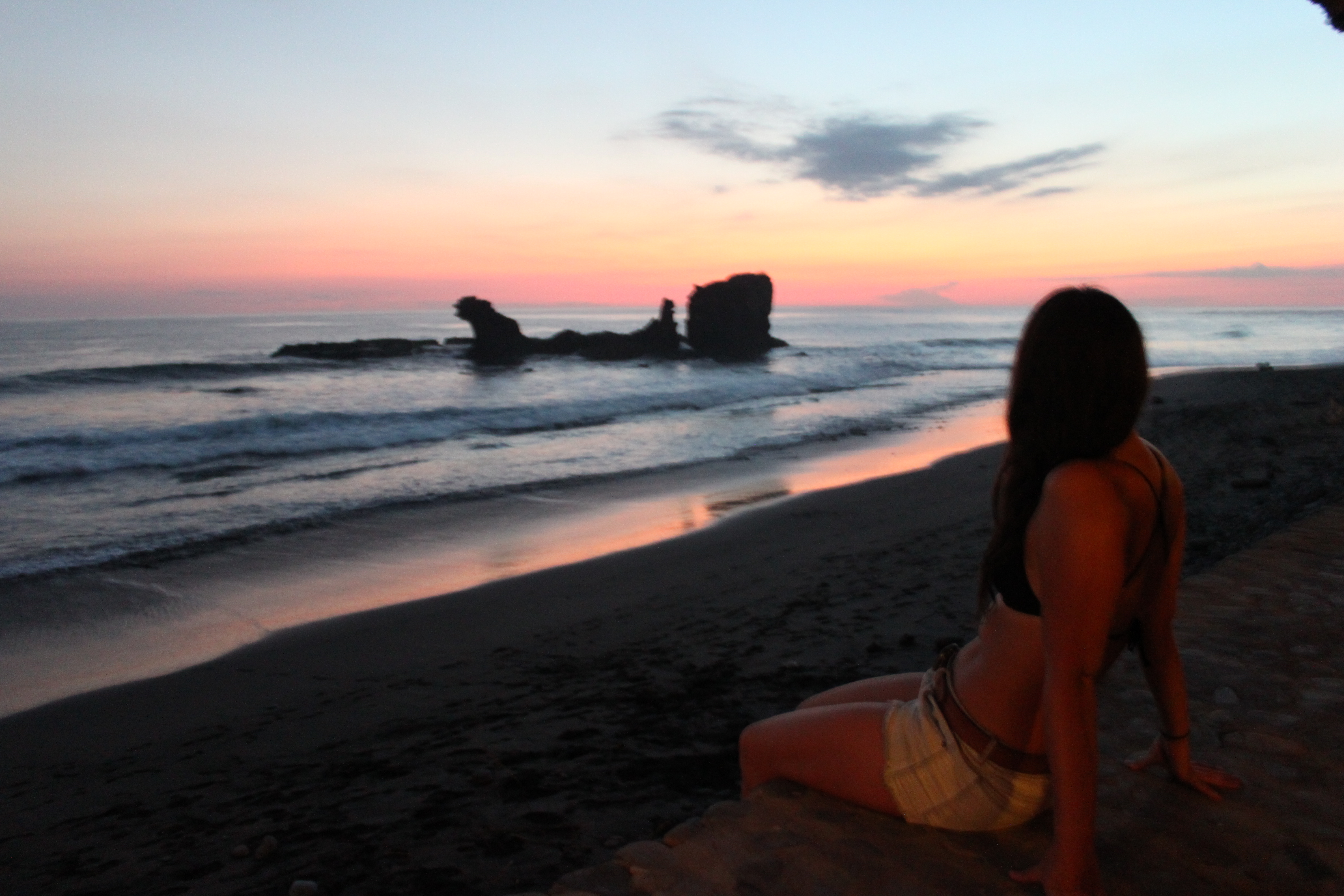
Staring at the famous rock erecting from the sea in El Tunco, El Salvador. Not only did I fell in love with the place, but I got to live like the locals, tasting their lifestyle at a slow pace.

And you? How do you manage your money abroad?

Moroccan Flavours: From Ancient Medinas to the Sahara, Atlantic Coast to the Rif Mountains—Exploring Tradition, Land, and Heritage

Moroccan cuisine brings together a rich variety of flavours, aromas, and traditions that have developed over centuries. It reflects Morocco’s diverse culture, geography, and history, with each region contributing its own distinct culinary influences.

During my two-month stay working and living in Morocco, I experienced the lively markets of Marrakech, the coastal charm of Essaouira, the historic medinas of Fes and Rabat, the mountainous landscapes of Chefchaouen, and the vast Sahara Desert. This journey offered a deeper connection to the food, traditions, land, and stories of the Moroccan people.

Chefchaouen: Sheep and Dairy Delights

Nestled in the Rif Mountains, Chefchaouen’s cuisine is heavily influenced by the availability of sheep meat and dairy products. Sheep cheese and meat are prominent ingredients, reflecting the local agriculture. Known as the…

Keep reading

Essaouira: Bounty of the Sea

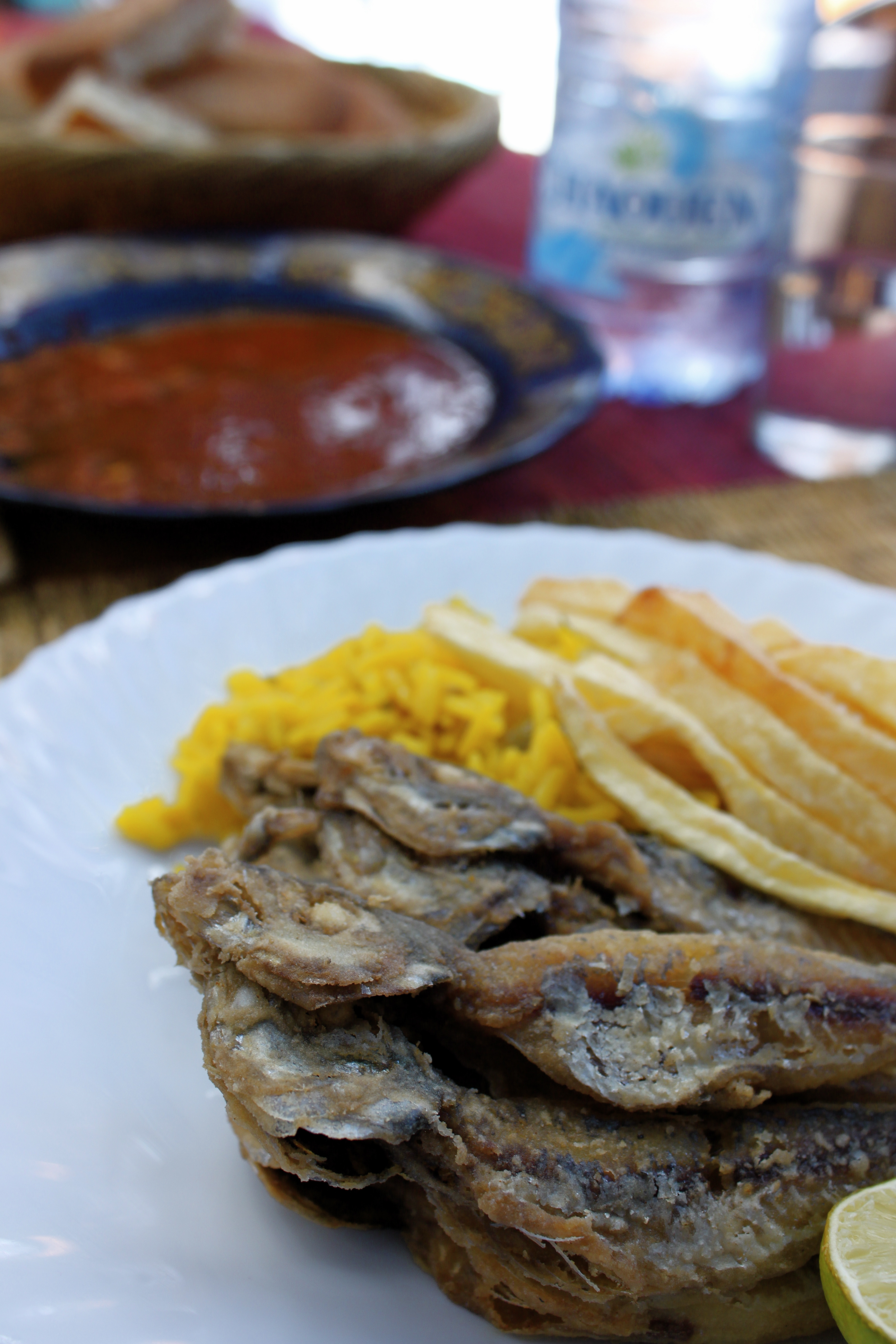
Nestled along the Atlantic, Essaouira stands as a coastal gem and a seafood haven. Grilled sardines, fried fish, and seafood tagines take center stage in markets and seaside eateries, embodying the town’s deep…

Keep reading

Rabat: A Taste of Tradition

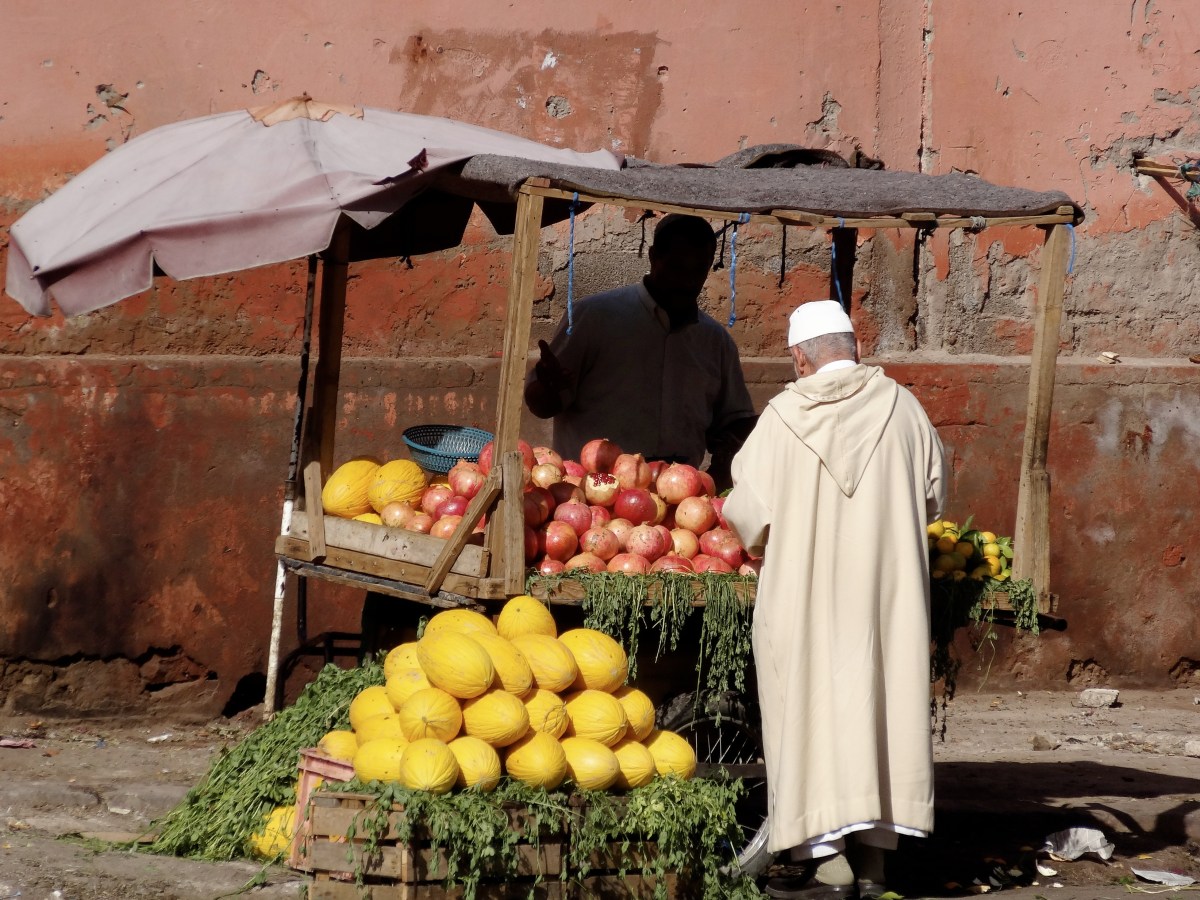
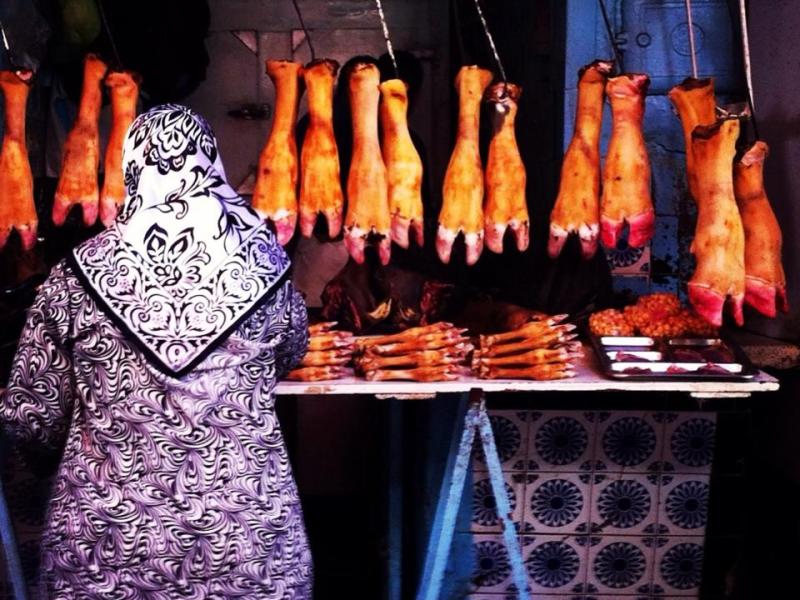
Wandering through Rabat’s markets feels like entering a lively world of colours, sounds, and smells. The medina is like a maze full of Moroccan treasures, with stalls selling everything from vibrant spices to…

Keep reading

Sahara Desert: Dates, Nuts, and Mint Tea

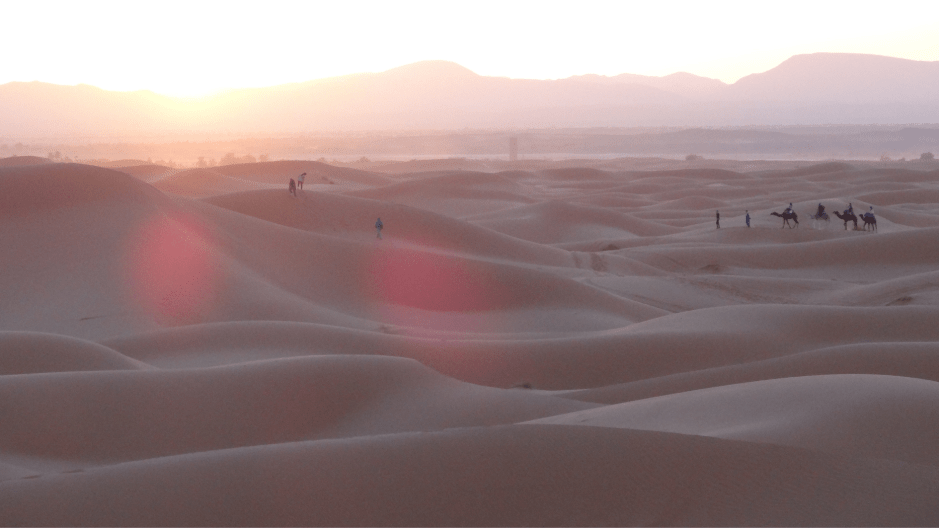
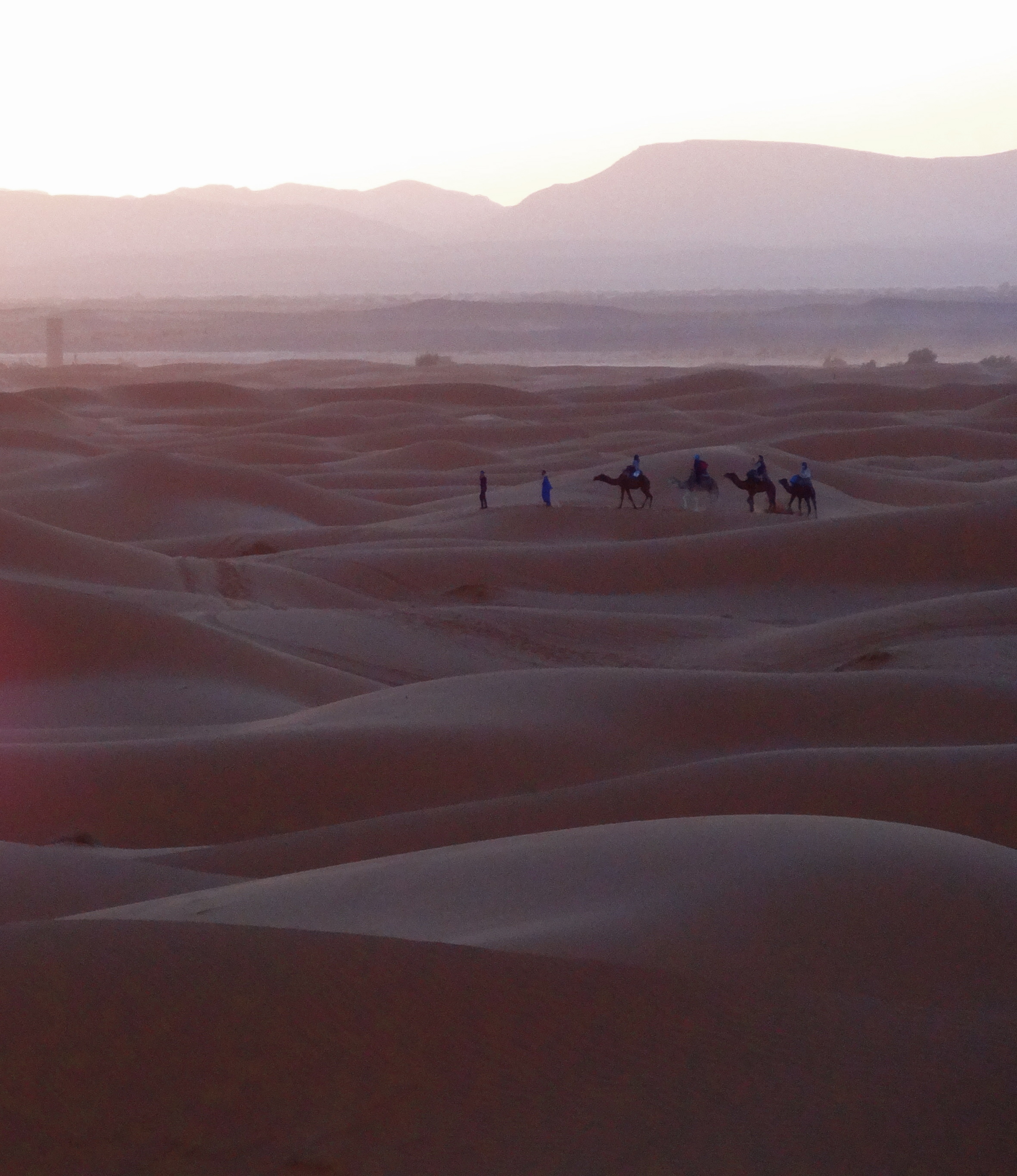
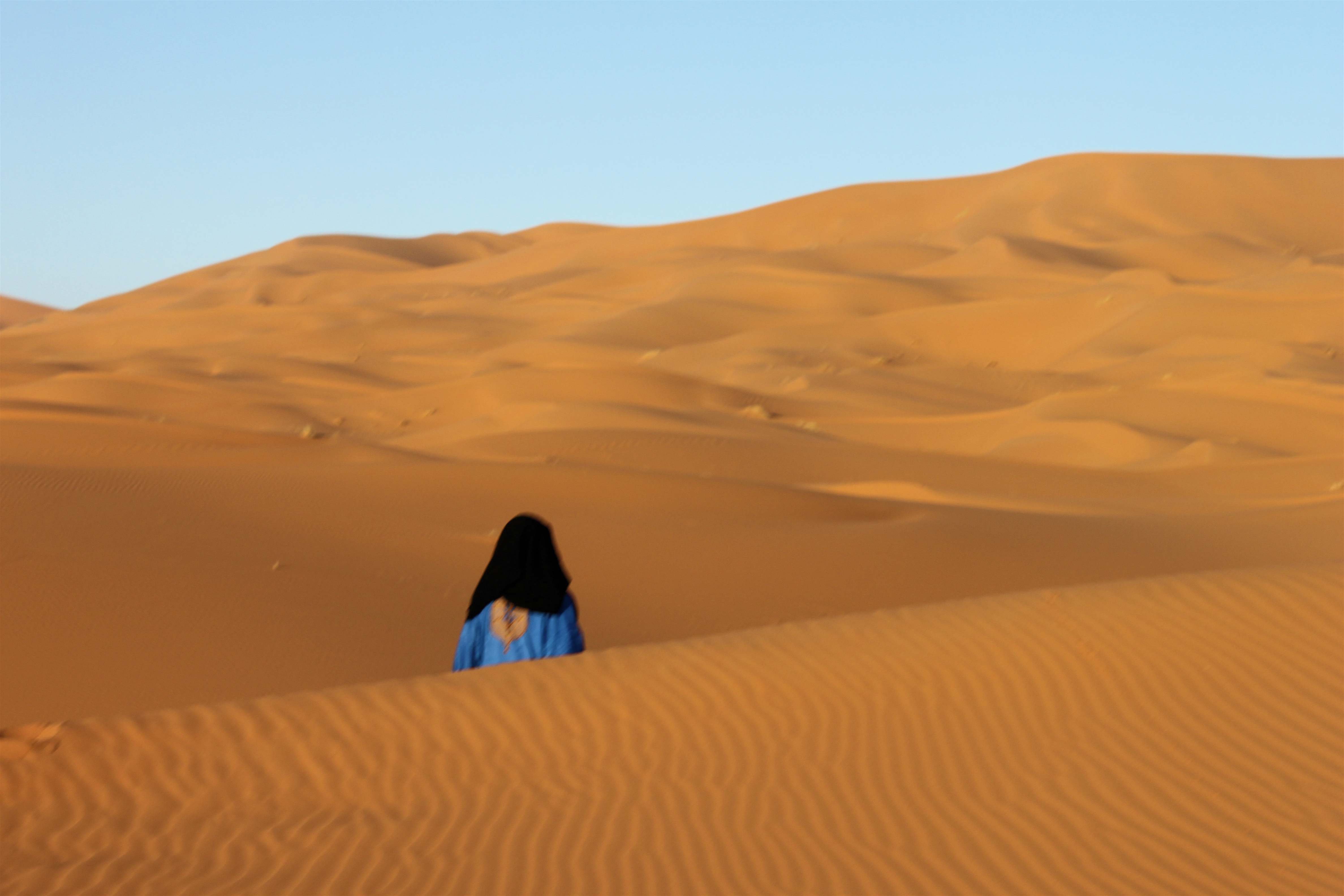
In the Sahara Desert, where the land is arid and the climate harsh, the culinary landscape is as resilient as the people who inhabit it. Amidst the vast, endless sands, dates and mint tea emerge as symbolic ambassadors of sustenance and hospitality. Dates, prized for their natural sweetness, become a source of energy and nourishment, sustaining those who navigate the challenging environment. Meanwhile, the artful preparation of mint tea, a beverage embedded in cultural rituals, fosters connections among desert nomads and offers a refreshing respite in the relentless heat.

As the sun descends and the desert exhales warmth into the night, dinner becomes an intimate affair, with the cool sand beneath and the glittering stars above. In this enchanting setting, almonds and pistachios, consumed for their nutritional richness, weave into the fabric of desert life, providing a source of sustainable energy amidst the humbling beauty of the Sahara.

Some traditional foods and dishes commonly enjoyed in the Sahara Desert:

  • Dates and Dried Fruits: The Sahara region is known for producing high-quality dates and other dried fruits, offering a sweet and nutritious treat.
  • Tea with Mint: A traditional Moroccan mint tea, a symbol of hospitality, is often served in the Sahara, providing a refreshing beverage in the desert heat.
  • Tajine de Dromadaire (Camel Tagine): In some regions, camel meat may be used in traditional tagine dishes.
  • Tagine: Slow-cooked stews of meat, vegetables, and aromatic spices, prepared in the traditional tagine pot.
  • Couscous: A staple of Moroccan cuisine, couscous is often served with a variety of accompaniments, such as vegetables, chickpeas, and meat.
  • Méchoui: Roasted whole lamb or sheep, seasoned with traditional Moroccan spices, providing succulent and flavourful meat.
  • Rfissa: A savoury dish made with lentils, fenugreek, and shredded msemen (Moroccan pancakes), often topped with chicken.
  • Harira Soup: A hearty soup, particularly enjoyed during Ramadan, made with tomatoes, lentils, chickpeas, and a blend of spices.

While the availability of ingredients and specific dishes may vary across the vast Sahara region, these are some of the traditional Moroccan foods that can be commonly enjoyed in the desert areas.

Chefchaouen: Sheep and Dairy Delights

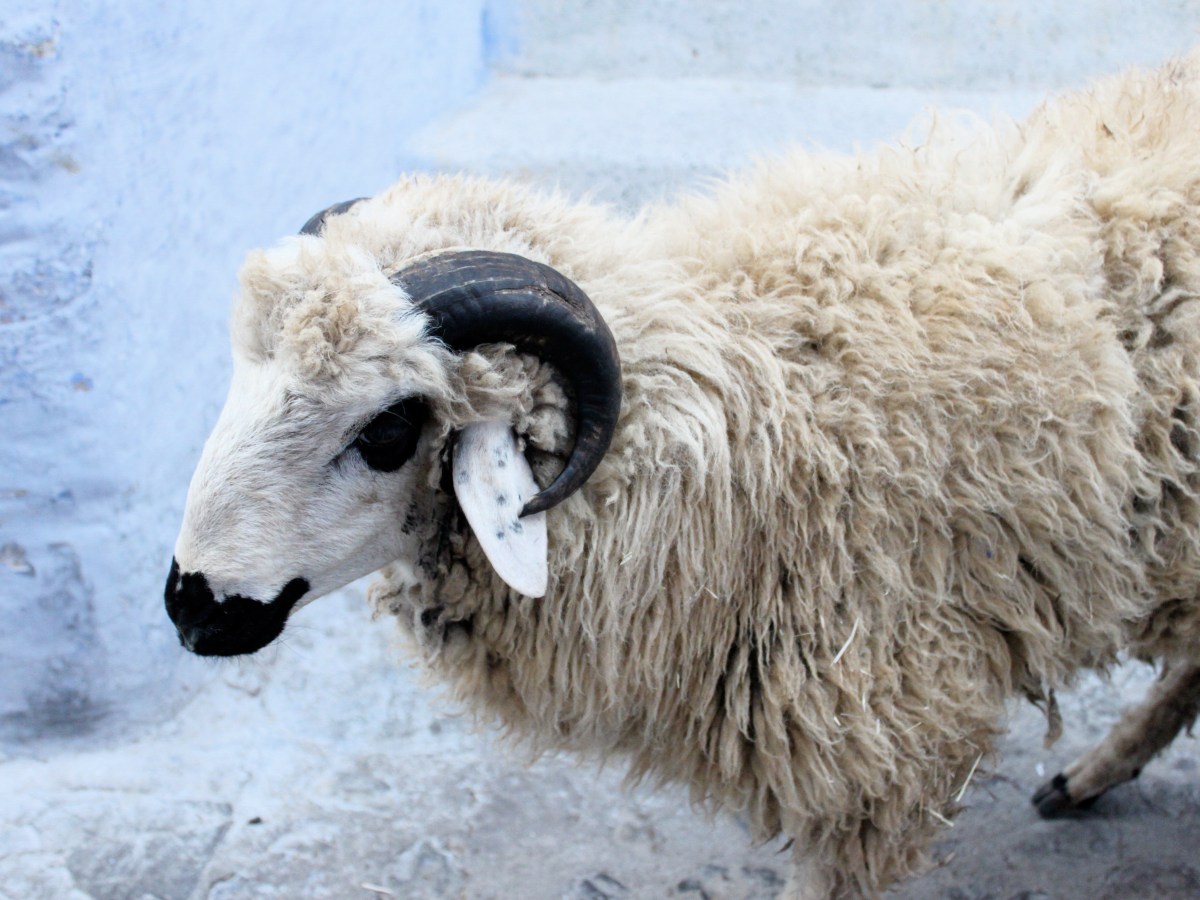
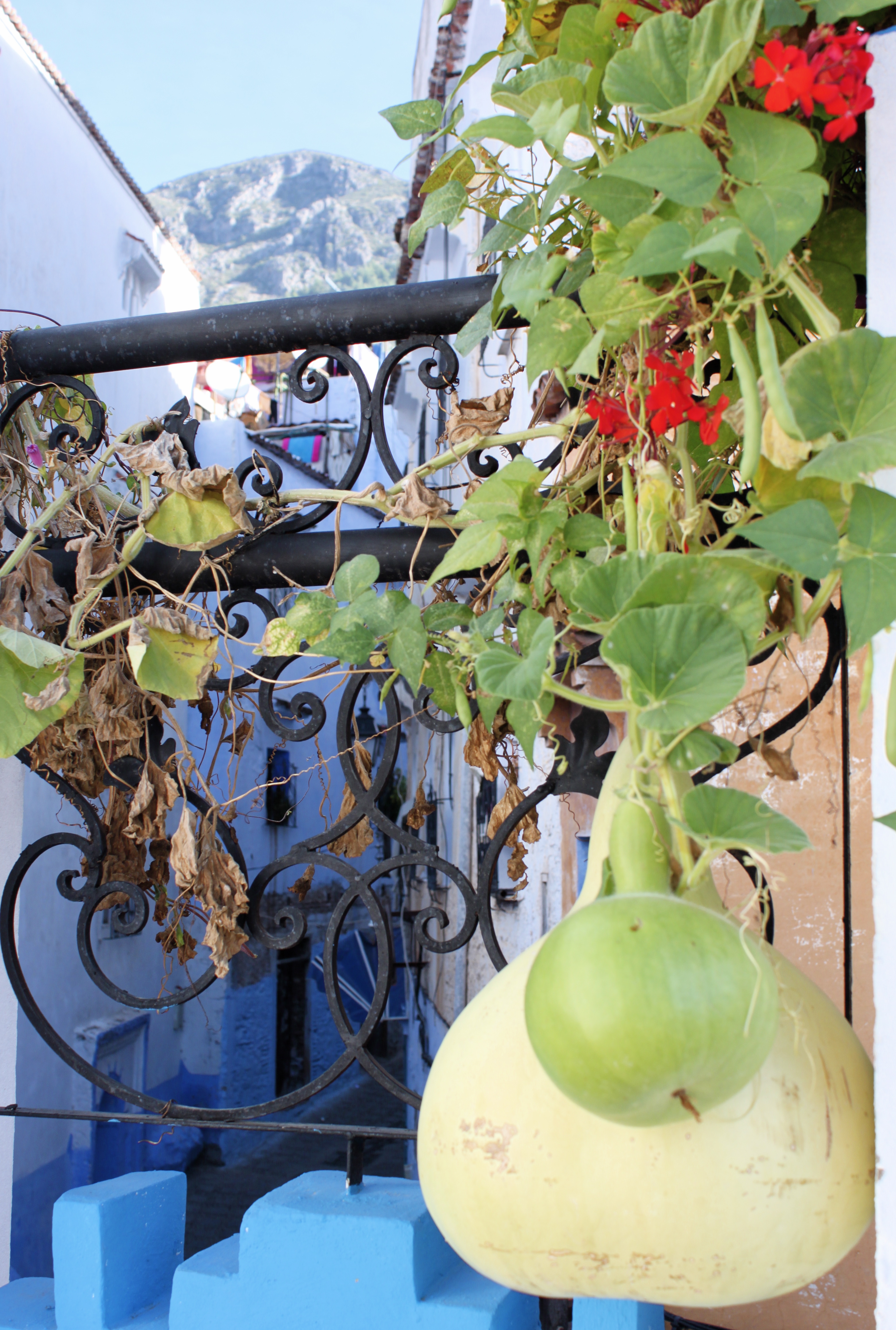
Nestled in the Rif Mountains, Chefchaouen’s cuisine is heavily influenced by the availability of sheep meat and dairy products. Sheep cheese and meat are prominent ingredients, reflecting the local agriculture. Known as the “Blue City” for its distinctive blue-washed streets, Chefchaouen not only captivates with its culinary offerings but also enchants visitors with the unique aesthetic charm that sets it apart from other Moroccan destinations.

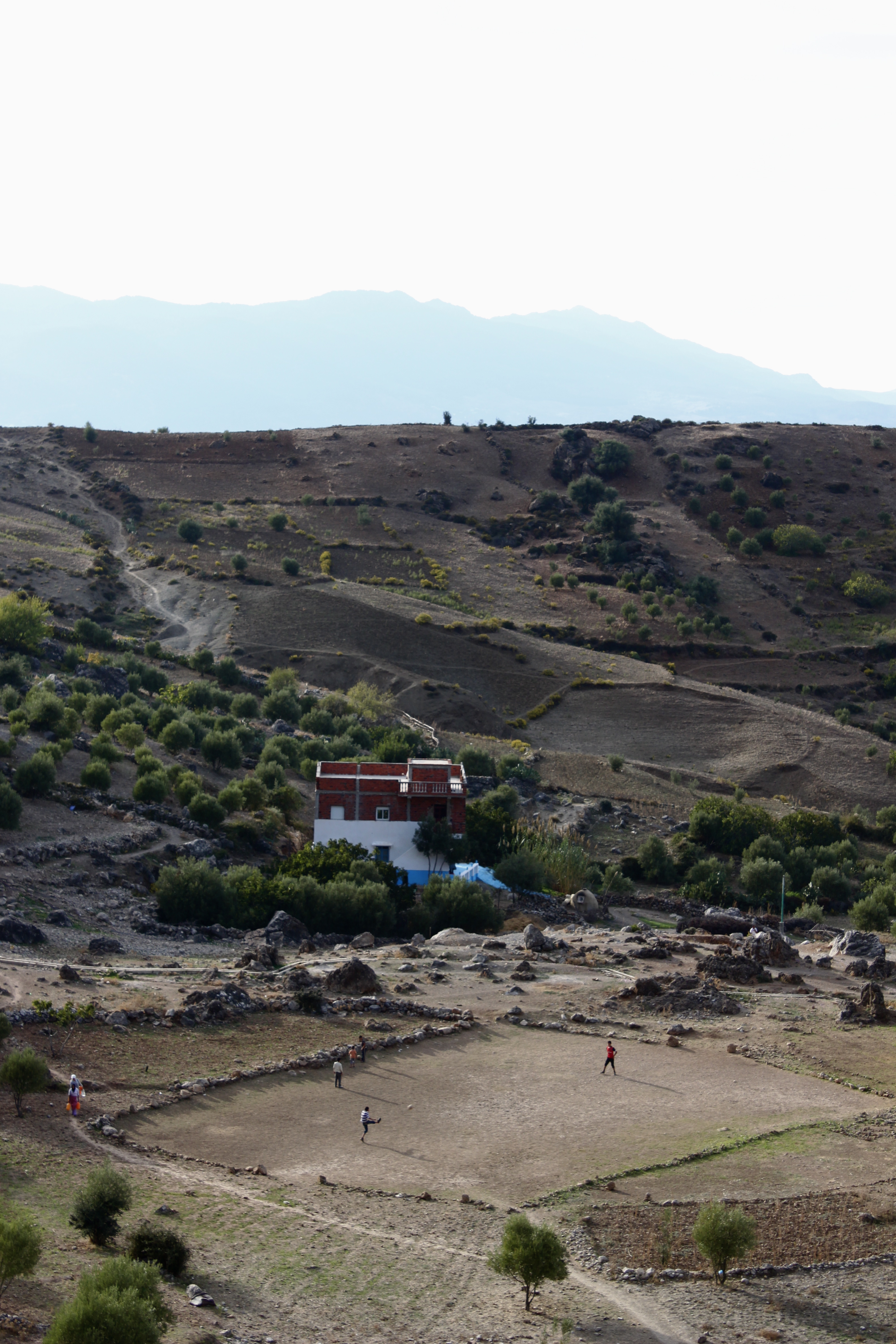
The sheep graze on steep hillsides, providing a source of sustenance and a deep connection to the land. In addition to these hearty mountain flavours, visitors to Chefchaouen can enjoy the warmth of traditional Moroccan mint tea, lovingly served by villagers, which not only quenches your thirst but also invites you to share in the hospitality and mountain culture of this captivating town.

Some traditional foods and dishes commonly enjoyed in Chefchaouen:

  • Tagine: A quintessential Moroccan dish, tagine in Chefchaouen features slow-cooked stews of meat (often lamb or chicken), vegetables, and aromatic spices.
  • Khobz: Traditional Moroccan bread, usually round and flat, served with various meals to scoop up sauces.
  • Bissara: A hearty soup made from dried broad beans, seasoned with garlic, olive oil, and cumin.
  • Zaalouk: An eggplant and tomato salad often seasoned with garlic, cumin, and coriander, serving as a flavourful side dish.
  • Rfissa: A dish made with lentils, fenugreek, and shredded msemen (Moroccan pancakes), sometimes topped with chicken.
  • Couscous: A staple in Moroccan cuisine, couscous is often served with a variety of accompaniments, such as vegetables, meats, or fish.
  • Pastilla: A sweet and savory pastry filled with pigeon or chicken, almonds, and a blend of spices, typically dusted with powdered sugar.
  • Makroud: A sweet pastry filled with dates and nuts, fried until golden, and sometimes coated in honey.
  • Tea: Moroccan mint tea, served sweet and often in ornate glasses, is a customary part of the culinary experience in Chefchaouen.
  • Local Cheese: Chefchaouen is known for its goat cheese, often enjoyed with bread or as part of various dishes.

These traditional foods showcase the richness of Moroccan cuisine, highlighting Chefchaouen’s unique character and cultural influences that add a special touch to the dining experience.

3 Nights in New York on a Budget

On my way to Cayman Islands from my visit in the province of Québec, it was inevitable that I stop in New York, at least for a quick glance at this famous ”City That Never Sleeps.”

Like many of us, I always dreamt of walking the streets of the Big City. Flights in and out of New York are so affordable and it was just a few hours and a few bucks to get me in the Big Apple.

1004560_10154873472395721_4218985904972616953_n

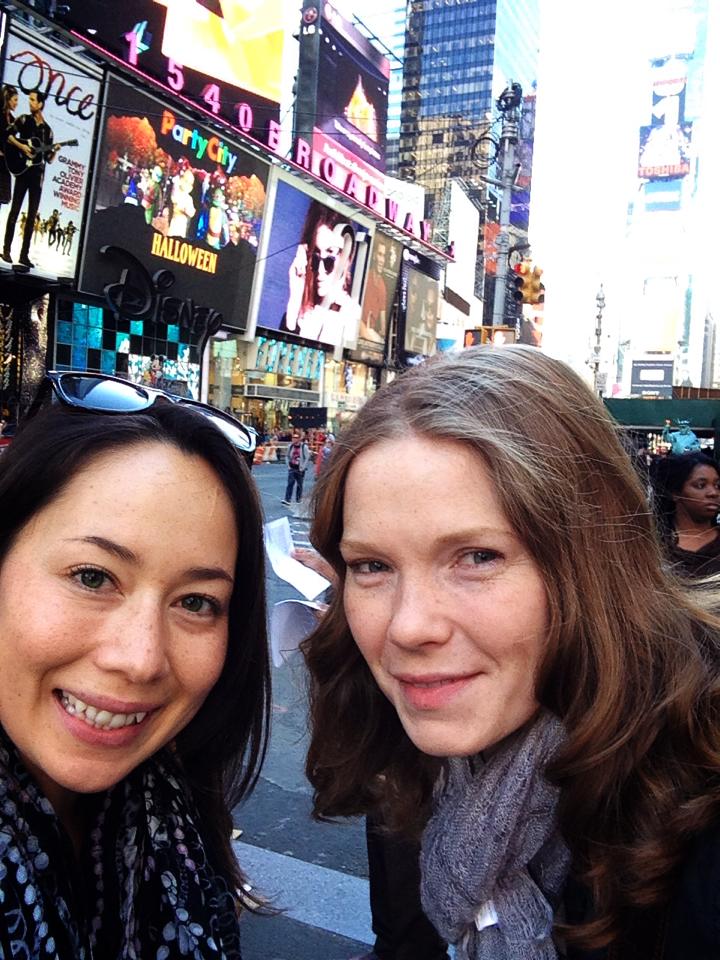
I met up with my friend Lisa, with whom I volunteered with a year ago in Morocco. She flew from Michigan, also a very short and affordable flight.

1911898_10154873473715721_4386627069619790449_n

There was many AirbNb options, but the best deal I found for our short stay was at the Savoy Hotel, located only a few footsteps from Times Squares. We shared a small room double occupancy in the heart of the action. For New York, it seemed like a pretty sweet deal (and cheaper than most AirbNb and YMCA).

Hotel in Times Square: Park Savoy Hotel: $120/night= $60/night/pp

DAY 1

I met Lisa at the airport. We took a shuttle that drove us through the cluttered roads, all the way to the doors of our hotel. We quickly unpacked and walked to Times Square.

Transportation from JFK to Manhattan: Super Shuttle Roundtrip Ticket= $40/pp

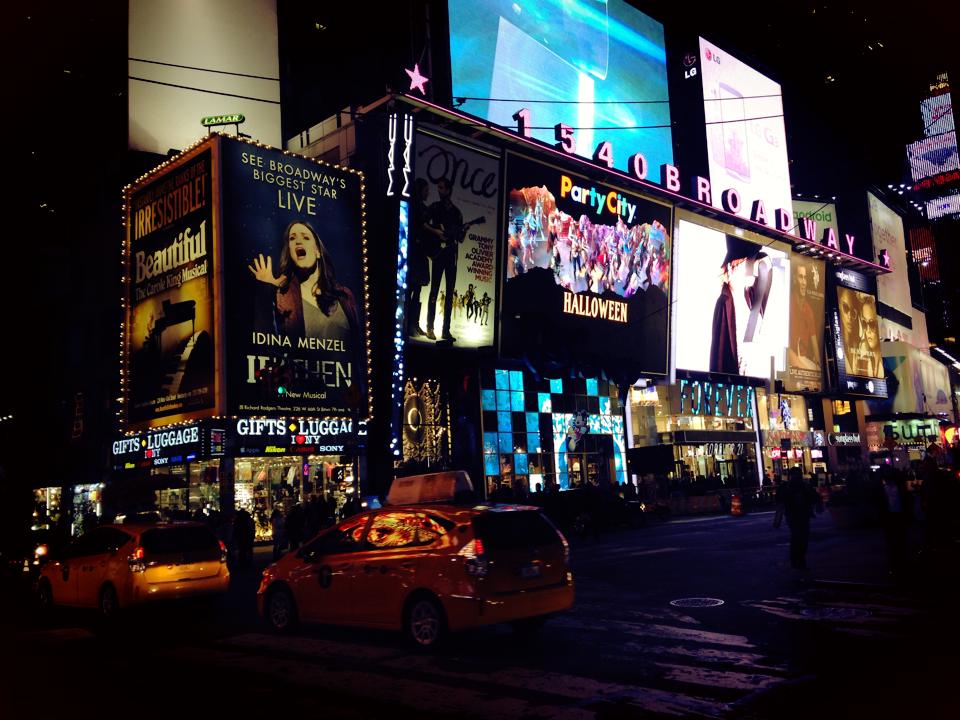
The illuminating signs took over dawn. The square was hustling, as expected, and we quickly learnt how to walk firmly through the people maze. No wonder why they call it the Crossroads of the World, with some 360,000 people walking through each day.

10376265_10154873473595721_3537387622953967104_n

As we were on the lookout for a nice place to eat, a policeman allowed himself to suggest us the way to Restaurant Row. “There you’ll find 16 privately-owned restaurants, for every taste, ” he said. “It is only a couple of blocks this way.”We thanked him for his genuine help and followed his directions. Located on West 46th, between 8th and 9th Ave in the Theatre District of Manhattan, and only a few minutes walking distance from Times Square, Restaurant Row is a one block stretch that offers cuisines from all around the world. Here you can sample foods from celebrity chefs and glimpse at Broadway Stars enjoying their favourite meals. Our ears were attracted by music notes flowing through the bustle. At the entrance of an illuminated door, a man in a black tuxedo hosted our way inside. Past a bar, we entered a room where a large band played in the back. He sat us at the best table.

10376300_10154873472825721_8046562538770341691_n

Jazz, food and wine. I’m the happiest girl!

At the entr’acte, they invited patrons to hit the dance floor for some swing lessons. I instantly regretted I wore my hunter gum boots. We were definitely the youngest ”couple” in the place, but the energy was young and frivoulous and everyone tapped their feet, head wobbling, hips twisting on the sounds of jazz music.

Dinner in Manhattan:  Swing 46 (appetizer, 2 meals, 1 bottle of wine, 1 show)= $60/pp.

On our walk back to Times Square, we stopped and played paparrazi at the exit of Richard Rogers Theatre, waiting on actress Idina Menzal (?) to walk the red carpet back to her limousine. 10352977_10154873473400721_8648620460816031866_n

We finished our first night at a pub, for a couple. This is when our unplanned trip got planned by the bartender.

Drinks in Times Square: Rosie O’Grady’s= $20/each

DAY 2

It’s a chilly day of October, but the sun arches across the blue sky, making it the ideal day to explore Manhattan. After a quick breakfast in Times Square, we took the subway, line 2, and got off on Fulton St. We walked through the World Trade Center, encounting the sad truths of 9/11.

Breakfast in Times Square:(can’t remember the place, wasn’t worth it)=$15/pp Get around:MTA Subway Train Pay-Per-Ride MetroCard= $5/pp

It wouldn’t be a trip to NYC without having a glimpse at the Statue of Liberty. We trotted a few blocks and reached the water. We jumped aboard a vessel and cruised along Manhattan, marveling at world-famous landmarks such as the Brooklyn bridge, the Empire State Building, Governors Island, and of course, the Statue of Liberty.

Cruise Manhattan: NY WaterTaxi Cruise= $30/pp

Once we jumped off the boat, and with the help of two friendly policemen, we walked towards the district of Chinatown, right on time for happy hour.

Happy Hour in Chinatown:  Asia Roma (appies, 3 drinks each)= $20/pp

Since Little Italy was just around the corner, we decided to go there for dinner.

Dinner in Little Italy: Da Gennaro (appies, 2 homemade pasta meals, 1 bottle of wine, 2 espresso martinis)= $70/pp

My friend DJ from Cayman now manages a lounge in lower Manhattan. We walked a few blocks and arrived at the Grey Lady where we patronized the bar and socialized with New Yorkers. IMG_5690 We continued the night at the Avenue Club where we danced until 4am. And since we haven’t walked enough, we ventured through Times Square in the early hours of the AM, assisting a morning TV show broadcasting live at the red steps of TKTS booth. Drinks and night out with friends= priceless (it also helps when you have friends that work in the industry).

DAY 3

I was sore. My whole lower body was so sore. But it was Halloween day and we needed to get back outside. We grabbed a tea and walked to Central Park, just steps away from our hotel.

We walked the entire park, through the magical colours of fall. Sometimes a zombie would limp on the path, moaning death and spitting blood.

Walk in the park= free Snacks: Tea= $2 /Pretzel= $2

As we were too exhausted from the night before, we skipped our plans for a Halloween ball party. We chose to take the subway back to lower Manhattan and experience the haunted house everyone talked about. We ate cheap but delicious food in Chinatown, and waited in line for our haunted experience.

10322558_10154873545905721_4388770645852863972_n

Scary. Spooky. Screamy. I hope this was the first and last time I get lock in a dark closet with a corpulent dead man, then get my hair pulled by 2 mentally-challenged girls and have a black sac over my head, screaming for my dear life. Dinner in Chinatown:  Pho Vietnam= $15/pp Haunted House: Nightmare Haunted House= $30/pp We took the subway back to Times Square, along with ninjas, assassins and zombie princesses.

10620197_10154873556400721_8379974212490011679_o

We only had a few hours sleep until our shuttle picked us up from our hotel, back to the airport. It was a very short stay, yet we managed to explore some of Manhattan’s best spots, without suffering our wallet (only our feet and legs).

CONCLUSION During my 3 night stay in New York City, I spent approximately $550, excluding airfares. I stayed in a hotel in Times Square, and at the entrance of Central Park. Sometimes I ate cheap, but I did splurge on 2 nice meals (it’s New York after all). I watched a jazz show, encountered a celebrity and watched a live morning TV show. I explored Manhattan, mostly by foot, and all Central Park for free. I saw some of the world-famous landmarks, including the Statue of Liberty. I drank at great establishments, and danced the night away at a famous club. I didn’t do any shopping, but I am very satisfied with all I did, and happy with the money I spent. Despite being known as one of the most expensive cities in the world, I believe anyone can visit New York on a budget, without sacrificing enjoyment. I know I did.