


Our 15-hour train ride from Mumbai to Goa was fantastic, but then it got delayed. We reached our destination very late at night, exhausted and desperately seeking a place to sleep. I opened my travel Bible (Lonely Planet) and spotted an affordable place on the beach. A rickshaw gave us a ride and stopped, pointing us at the sand: “Walk, walk.” We paid him the 150 INR, put on our packs, and started walking. The darkness hid the surroundings, and the waves secretly sang along our sides. After 5 minutes of sandy massages under our tired feet, we arrived at our cocohut in Benaulim Beach, Goa.
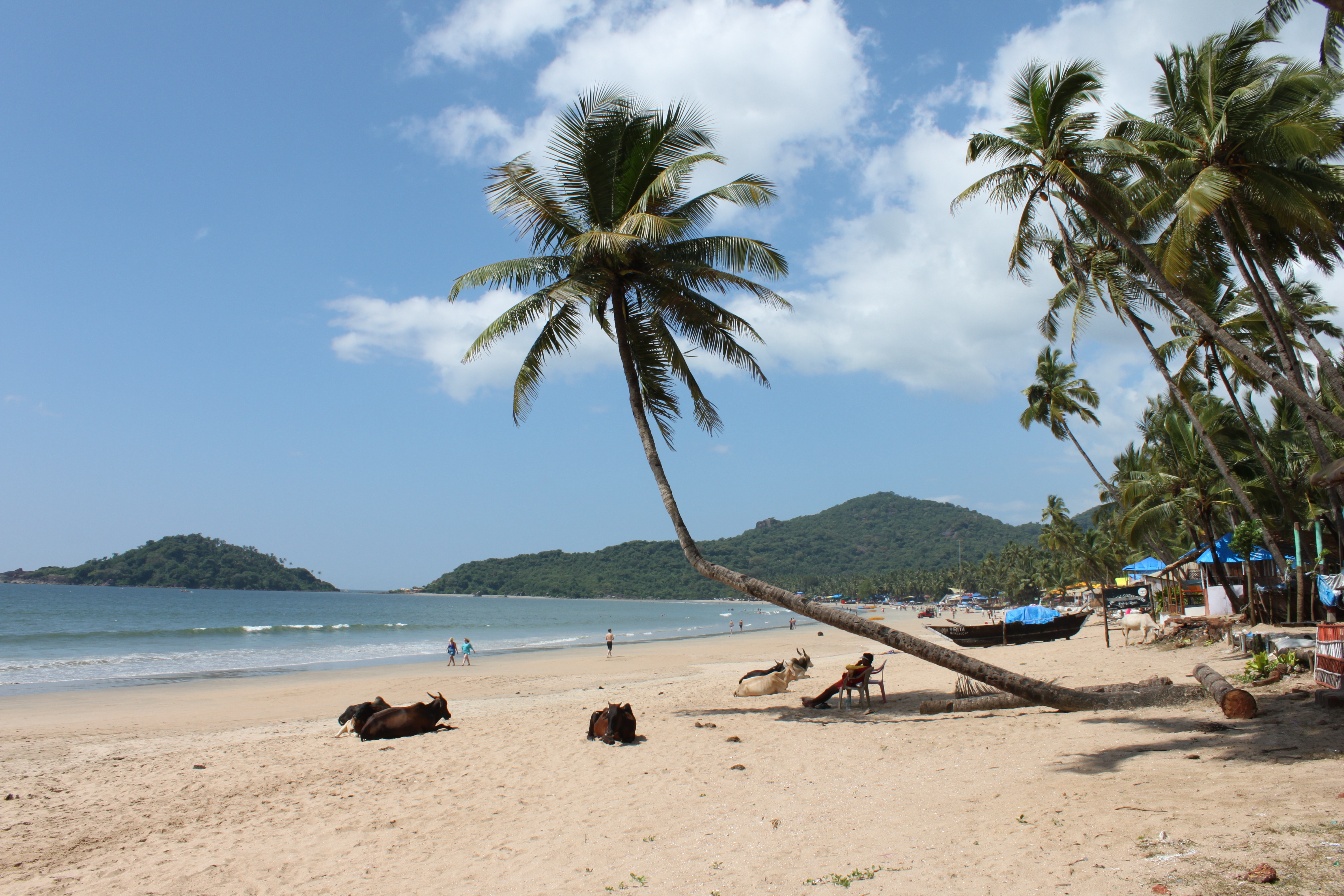
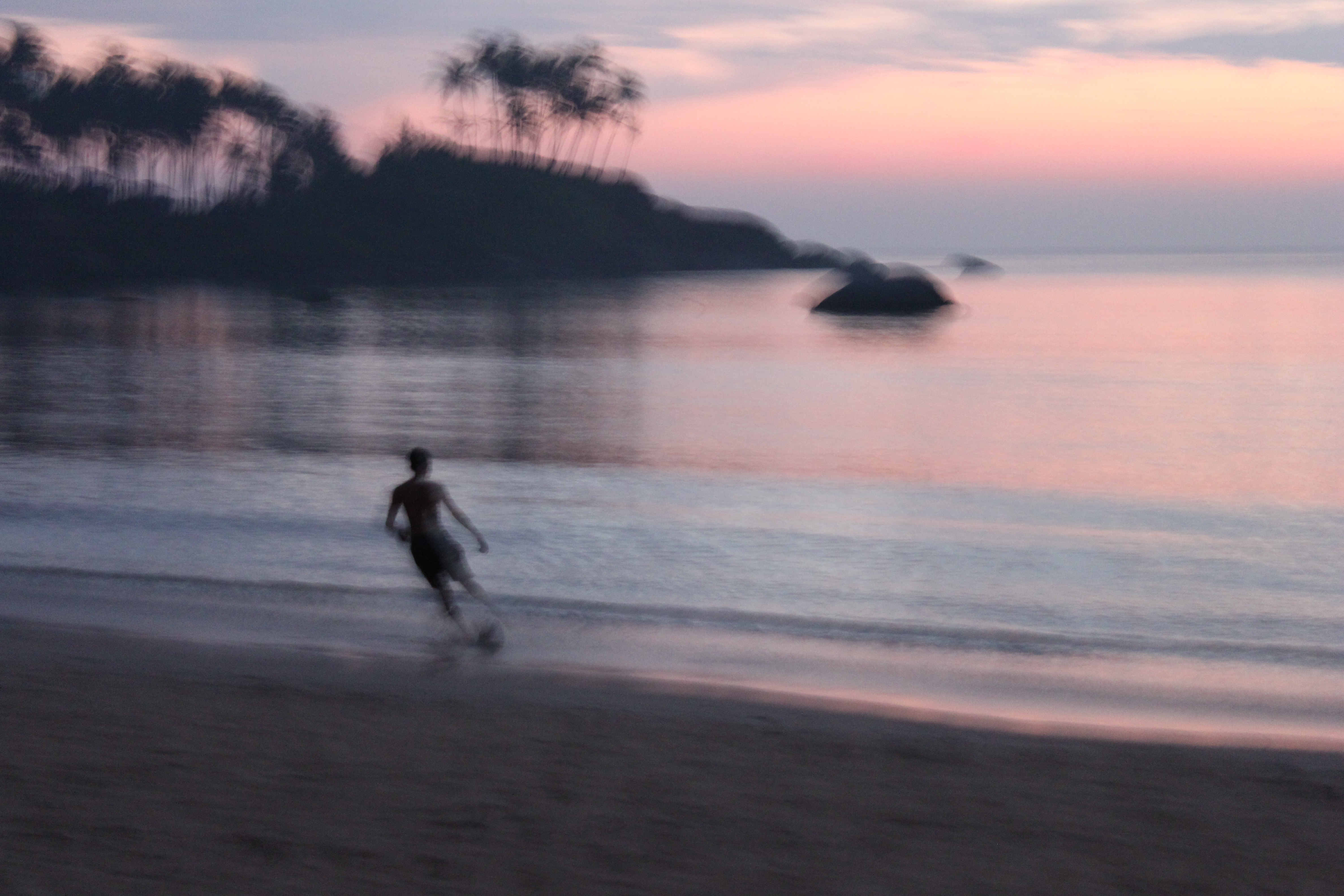
A peaceful morning melody transitioned from my dreams to awakening. The waves washing on the shore made my eyes open to a new day. Opening the door of my hut, I admired the scenic view in front of me. Finally, the beach and its sea! The vacation mode is here – a time for relaxation, beaching, swimming, tanning, snacking on fresh seafood, sipping tropical drinks, or simply doing nothing. After a month of traveling by local buses, chasing trains, navigating big city traffic, and crossing streets with our hearts in our hands, it’s nice to finally let go of any possible stress and rest.


Goa, nestled on the west side of India along the Arabian Sea, with its sandy beaches, cocohut culture, and laid-back residents, makes it a perfect destination for everyone. A mix of Hinduism, Islam, Christianity, and Catholicism is found here, along with Portuguese colonial architecture reflecting a rich history. Houses painted in purple, orange, green apple, yellow, and bright blue dot the landscape. Palm trees line the beaches, and the sea’s warm waters invite for a good swim. In the mornings, fishermen arrive on the beach with their enormous nets full of small fish, crabs, and sea snakes (yes, 4-foot sea snakes). The women fill their baskets with the creatures and carry them on their heads to be dried and then sold at the market. My eyes are amazed by this morning work and the team effort, with both males and females putting force and energy into every detail.
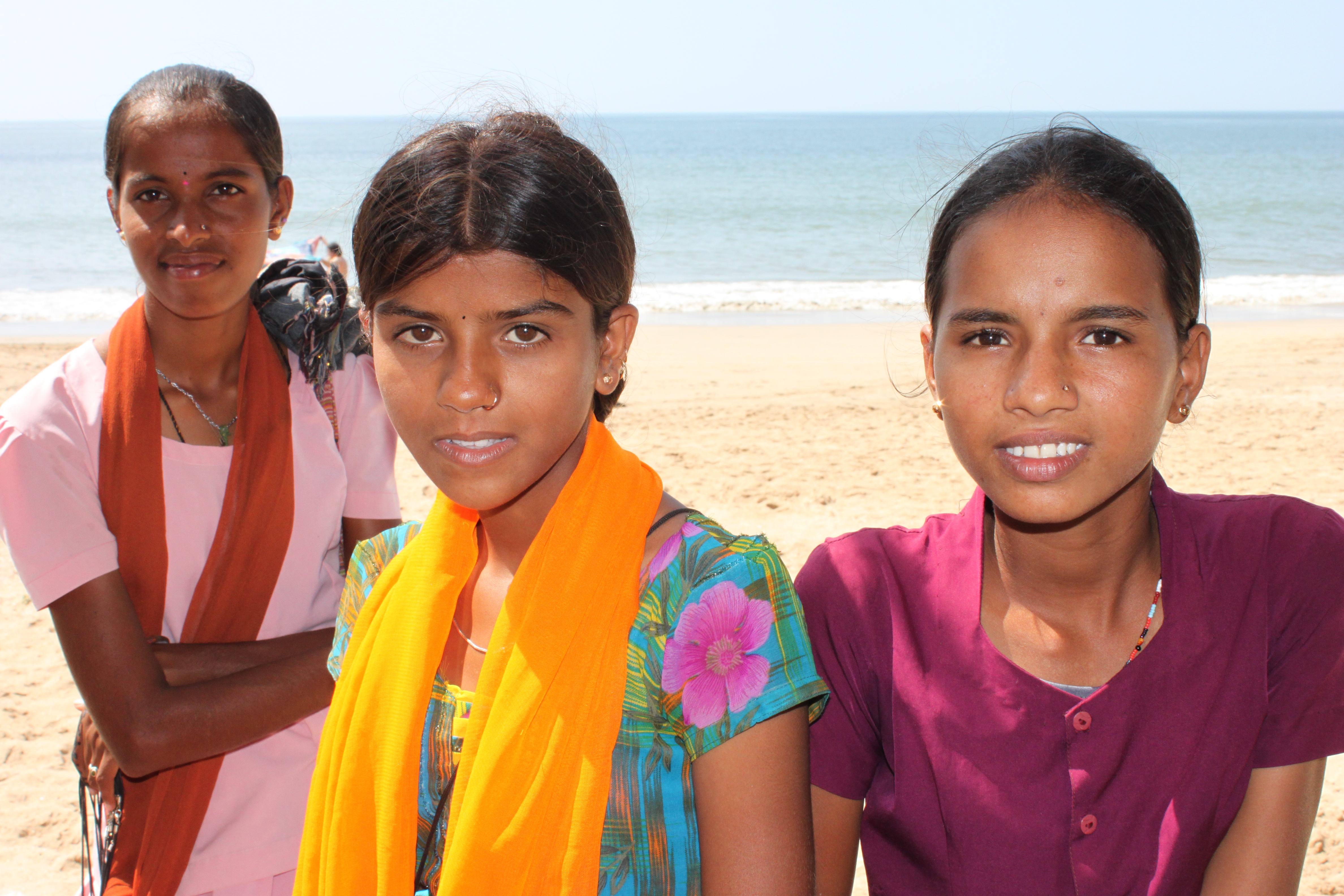


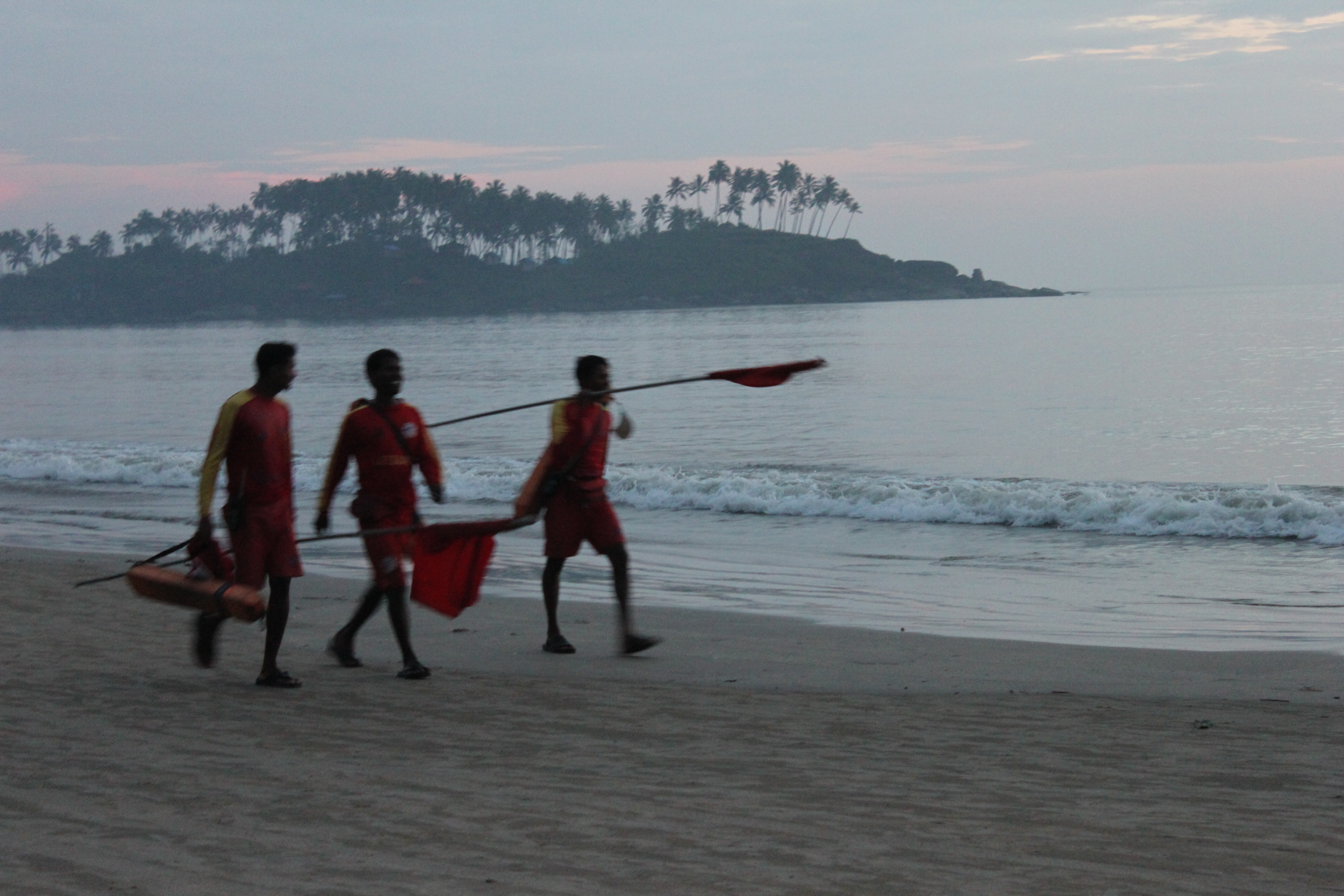
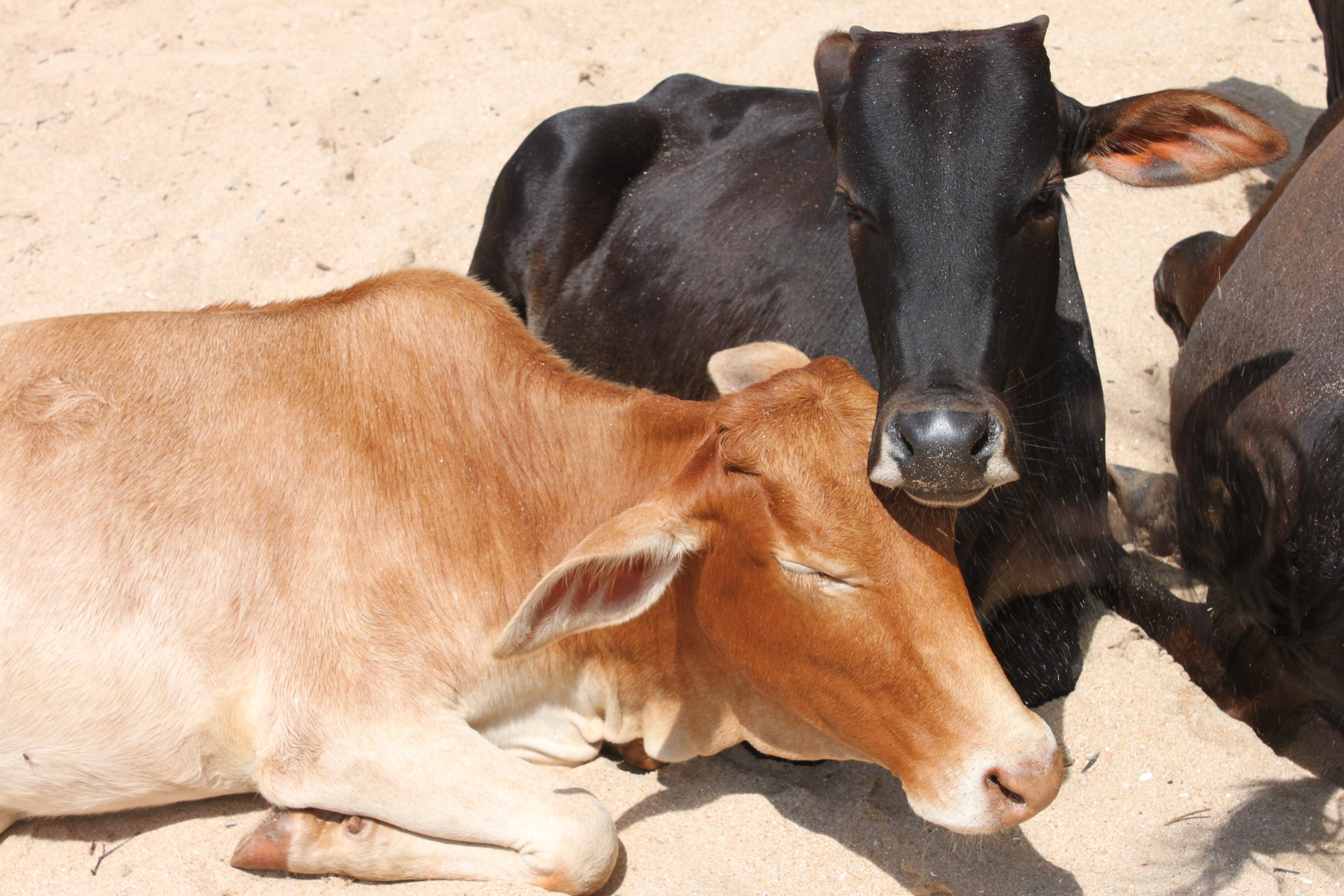

Another way to work towards relaxation is to get involved in some yoga. I booked a spot at a yoga retreat and dedicated my mornings and afternoons to meditation, yoga, and really good food. At Ashiyana Yoga in Mandrem Beach, they offer accommodation in a Mango Tree House, two yoga classes a day, and buffet meals (some of the best vegetarian food I’ve ever tasted). A retreat that drains bad energy, rejuvenates mind and body, and purifies the soul.

After these relaxing days at the retreat, we make our way back down to Benaulim, where we enjoy some drinks with Canadian tourists to celebrate Halloween. Our costumes evolve into question marks for the other guests, as we are the only ones dressed up for this occasion.
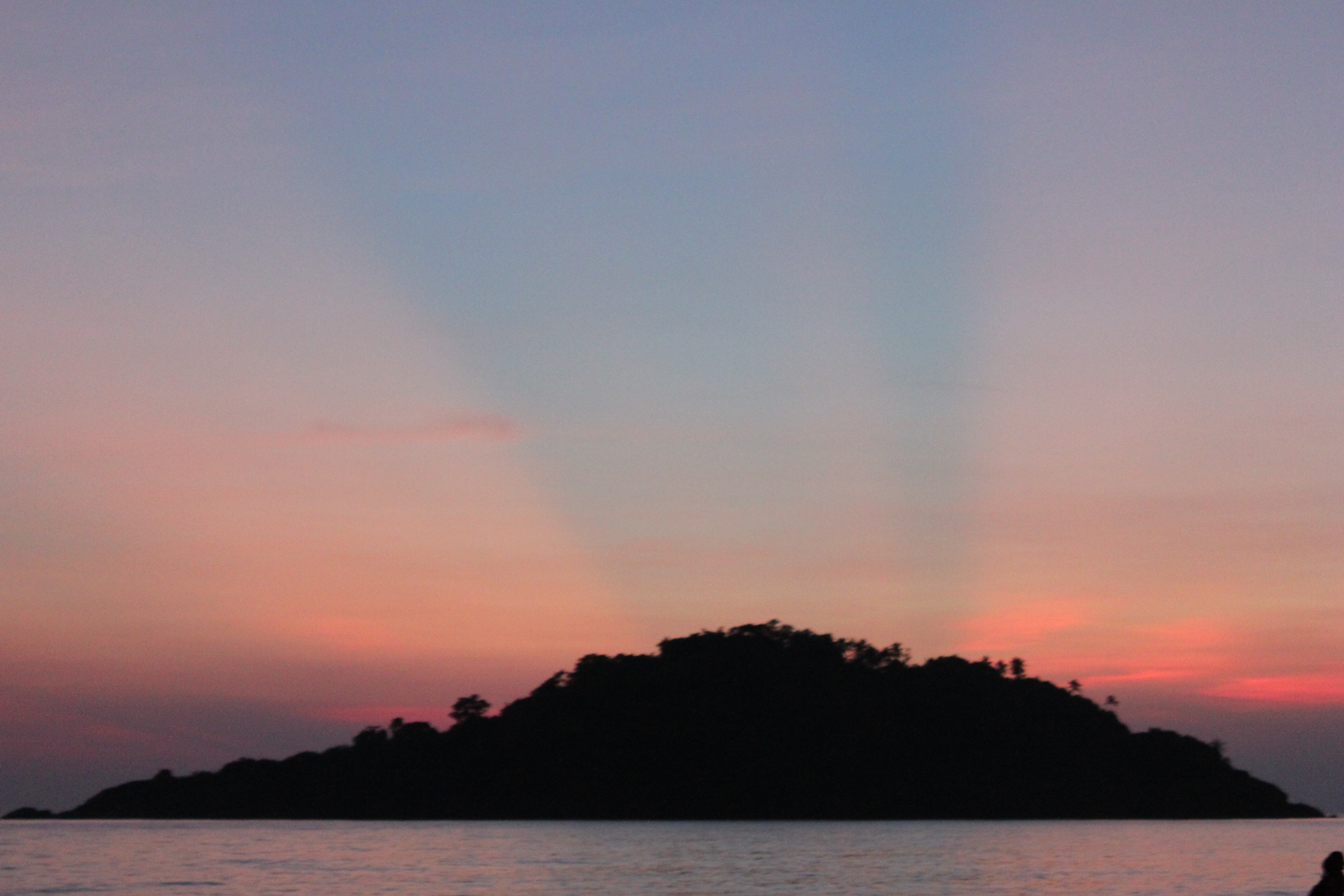
After a couple of days of chilling and simply doing nothing, we decide to migrate south and explore another area. So we make our way to Palolem Beach, where we spend a few days basking in the tropical sun. One morning, we meet with a fisherman and his son in their 21-foot wood outrigger. We cruise along some islands and explore the surroundings. Suddenly, our captain spots a dolphin and starts singing for joy and excitement! “Mary had a little lamb, little lamb, little lamb”! There it is, this beautiful aquatic creature gently caressing the surface of the water. And another one! And more! And dozens! They are everywhere! 50, maybe 100! “You’re lucky, my friends, you’re so lucky”! This is amazing! With a beating heart and shaking hands, we leave the fear in the boat and let our excitement jump in the water. I am so damn scared, but it is a great feeling. These wild dolphins are not very curious about us; they are more preoccupied by their search for breakfast. But the sensation of swimming in the middle of a large pod, in the open Arabian Sea under the light of the sunrise… wow, a $5 well spent indeed!
We spend our last days in Goa watching the kids getting ready for their annual festival. Diwali is a Hindu event celebrating the festival of lights, but everyone is welcomed to participate. People exchange gifts, sweet treats, and light candles and fireworks to guide Lord Rama home from exile. The houses are cleaned, and believers dress well, waiting for Lord Leksha (Goddess of Wealth) to come visit their house and hopefully bring good luck (money). Our last night in our hut in Palolem is noisy and very explosive. We yawn to the next day and pack our bags for Kerala.


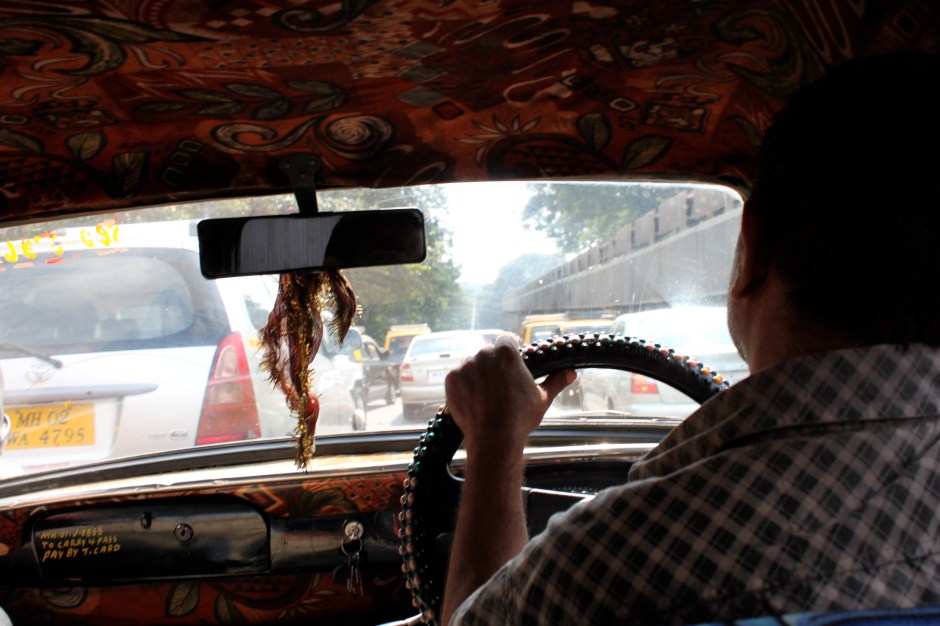


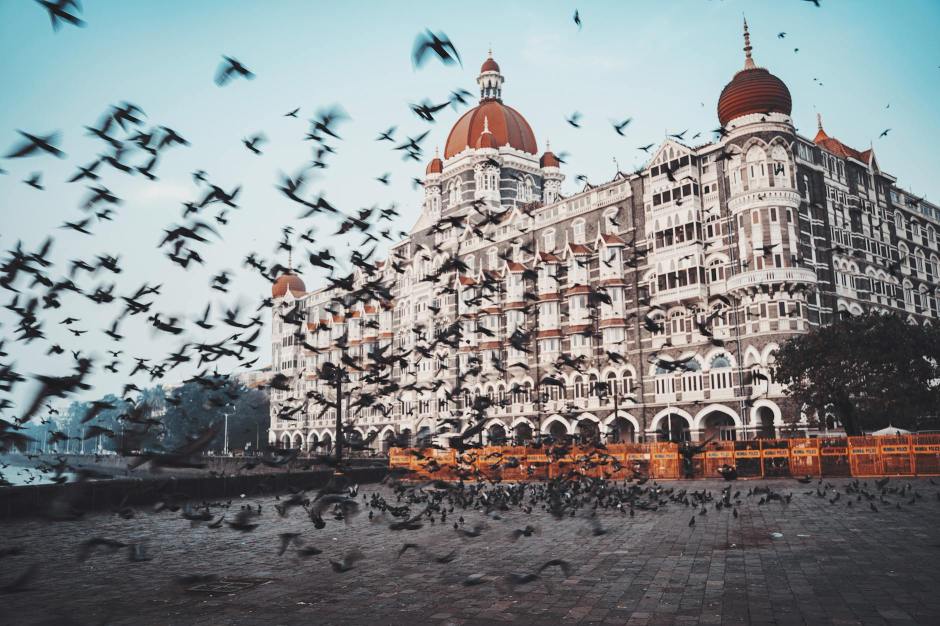
After a grueling 26-hour train ride traversing India from Middle Northeast to West, we finally arrive in Mumbai, the country’s largest city with a staggering 16 million residents. Brace yourself for a city pulsating with energy: with 40,000 taxis in the downtown area and 120,000 tuk-tuks in the suburbs, Mumbai roars day and night in a chaotic rhythm. Open your eyes wide and let them witness the captivating contrast of social classes: from orphans playing by their slums along the train tracks to wealthy businessmen tirelessly working on their real estate endeavors.

As we stroll through the streets of Colaba, we seek out corner restaurants teeming with tourists, a blend of Westerners and South Indians. On the streets, incredibly young and undernourished children tap on your leg, pleading for some rice. “No money. Just rice, please.” How can you resist? Dinner leftovers are tenderly placed beside their sleeping bodies at the end of the night. Some very young ladies approach with a tiny doll in their arms, asking for milk. It takes a moment to realize that this miniature creature is, in fact, a real baby.
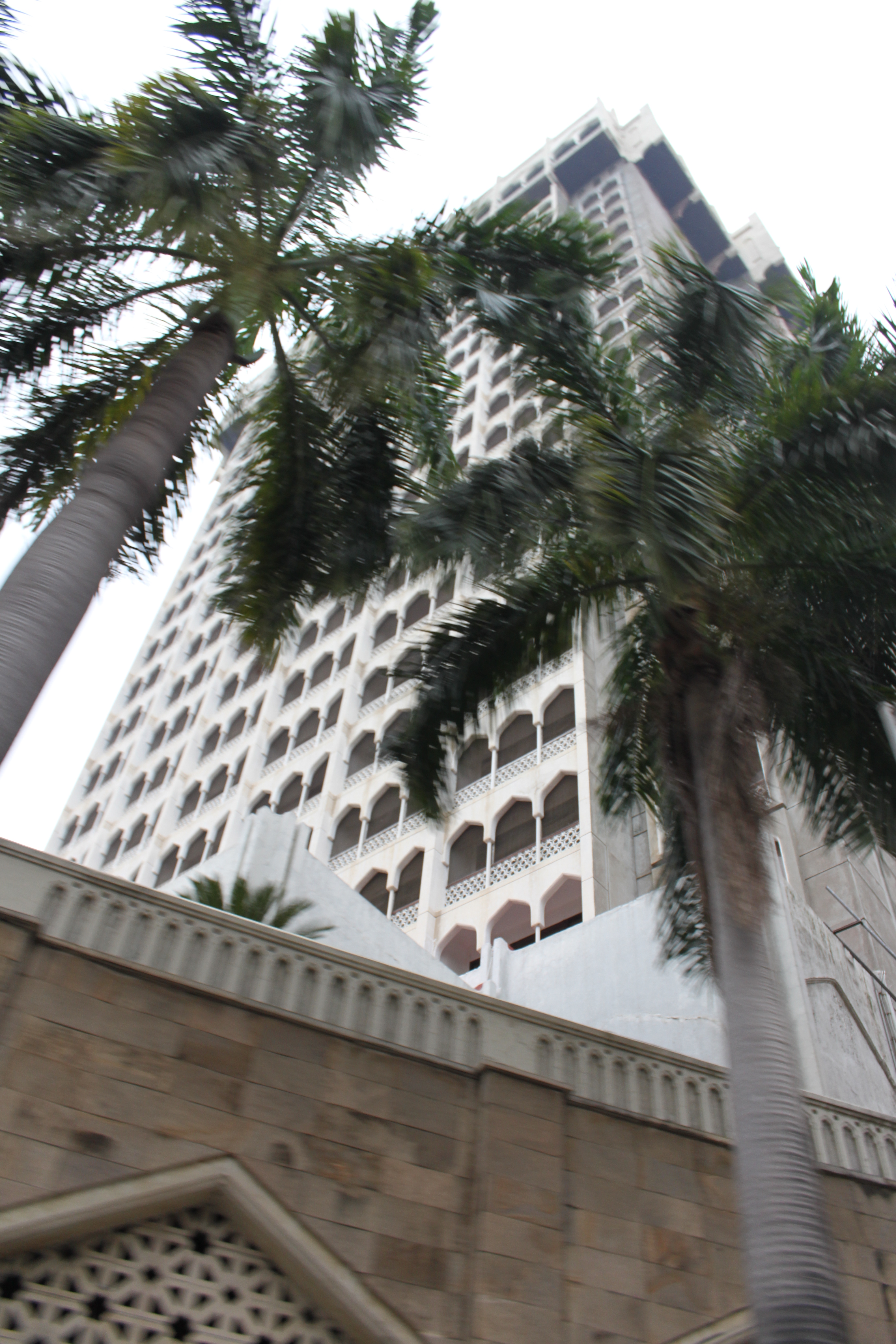

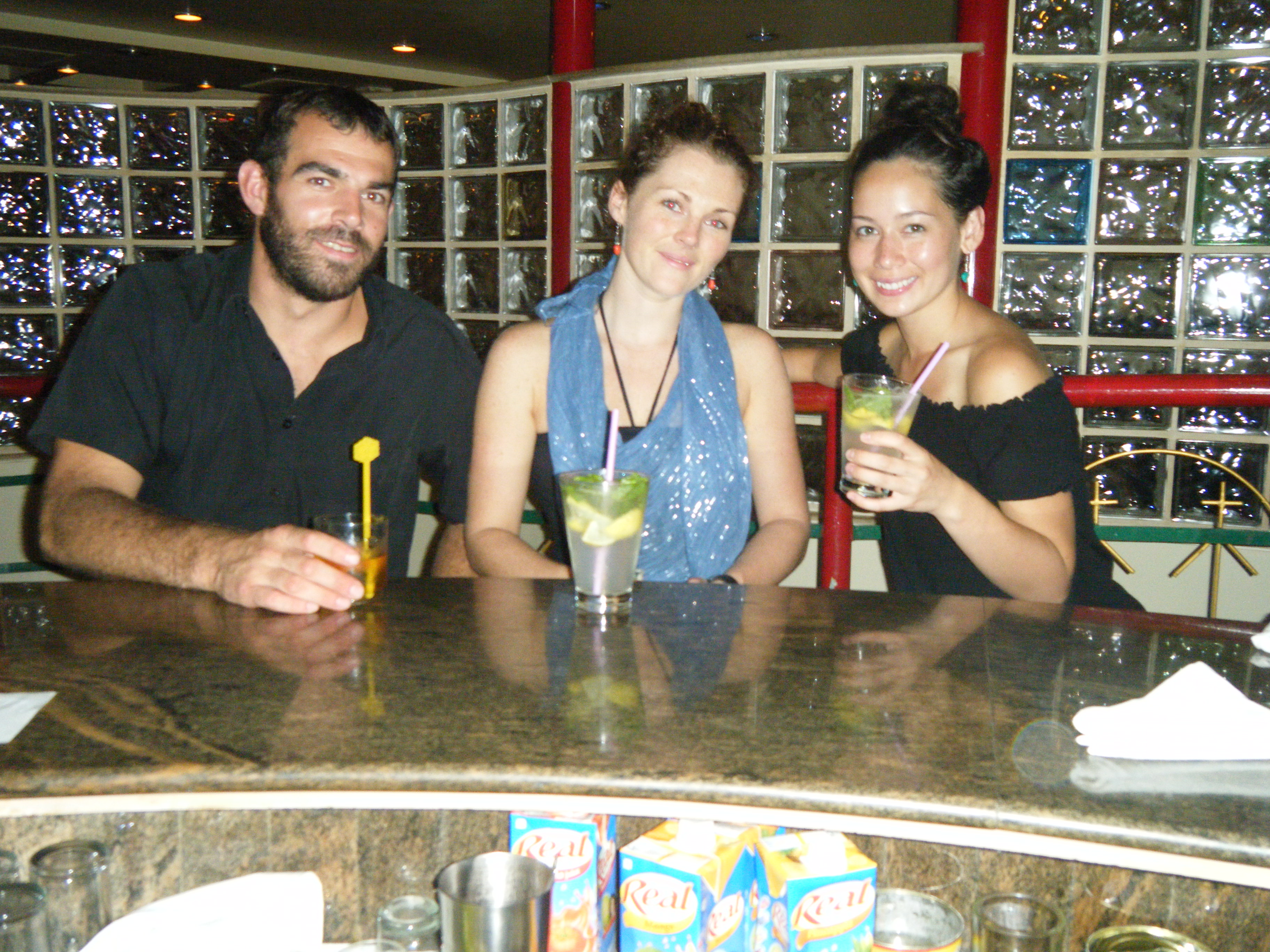
Taking advantage of our stay in a bustling metropolis, we decide to relax and immerse ourselves in the attractions it has to offer. Leisurely walks through the streets, exploring the myriad stands lining the sidewalks, and even a day at Mumbai’s Water Kingdom, the largest water park in Asia (packed with visitors but undeniably enjoyable). For the ladies, there’s a unique requirement to cover up in long-sleeved shirts and long tights – a departure from our usual attire, but a small price for the experience. As night falls, we cruise through the streets in search of a cozy place to eat. Jess and I are approached by an agent offering us roles in a Bollywood movie. A tempting invitation that we ultimately decline, choosing instead to enjoy a delightful dinner among friends with some delectable seafood and affordable wines.
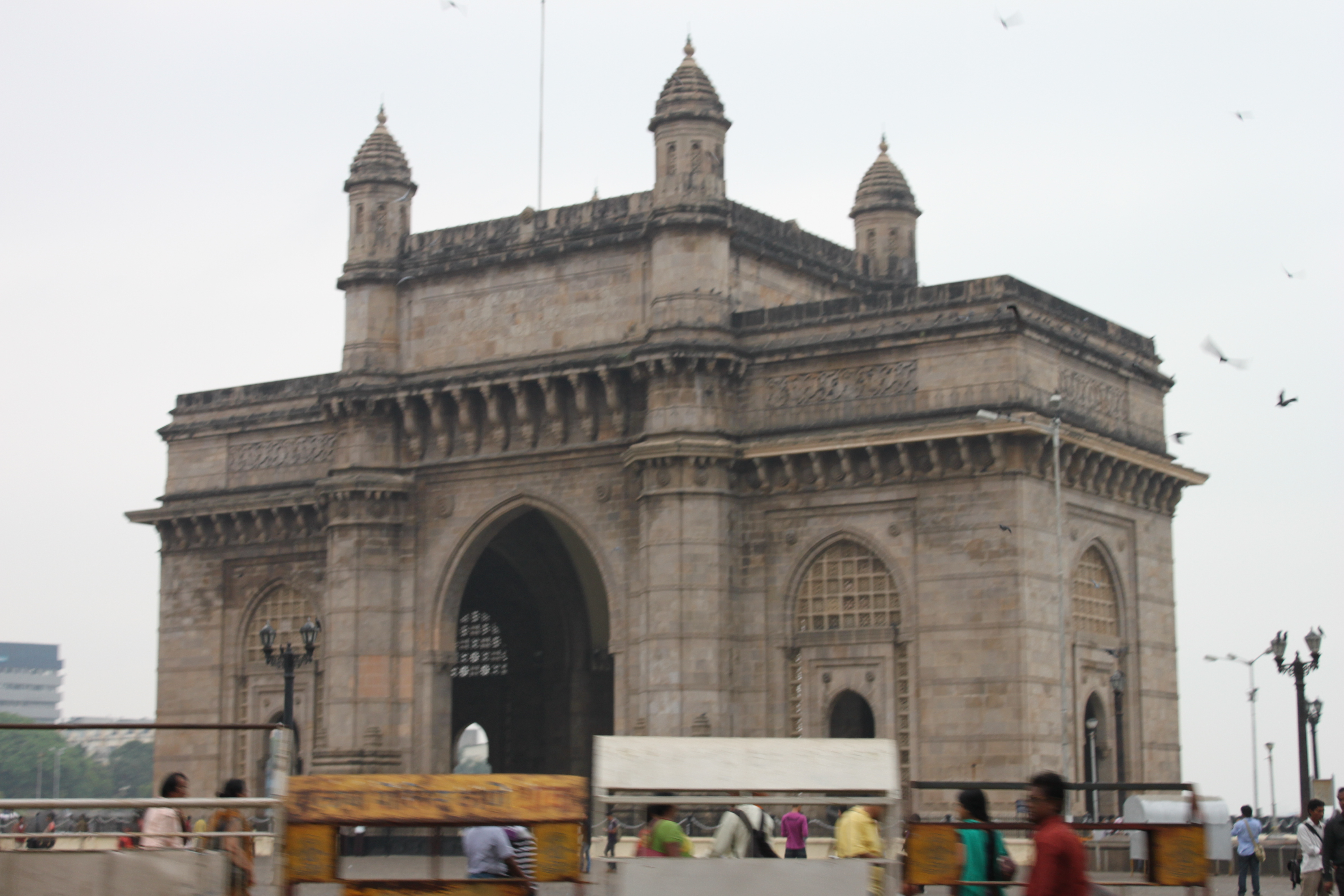

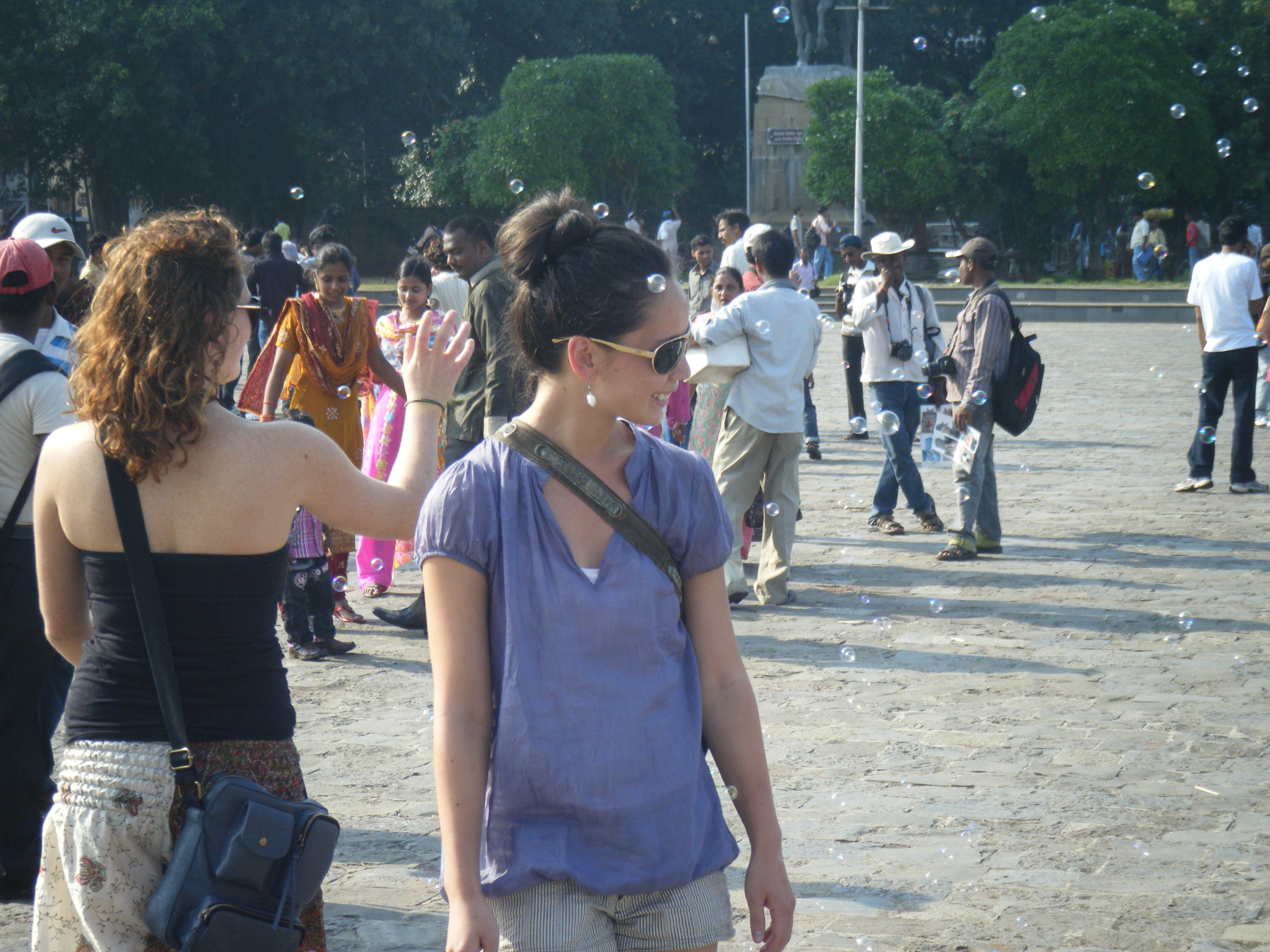
A couple of days prove sufficient in the bustling city. We pack our bags, ready to leave for the serene beaches of Goa.
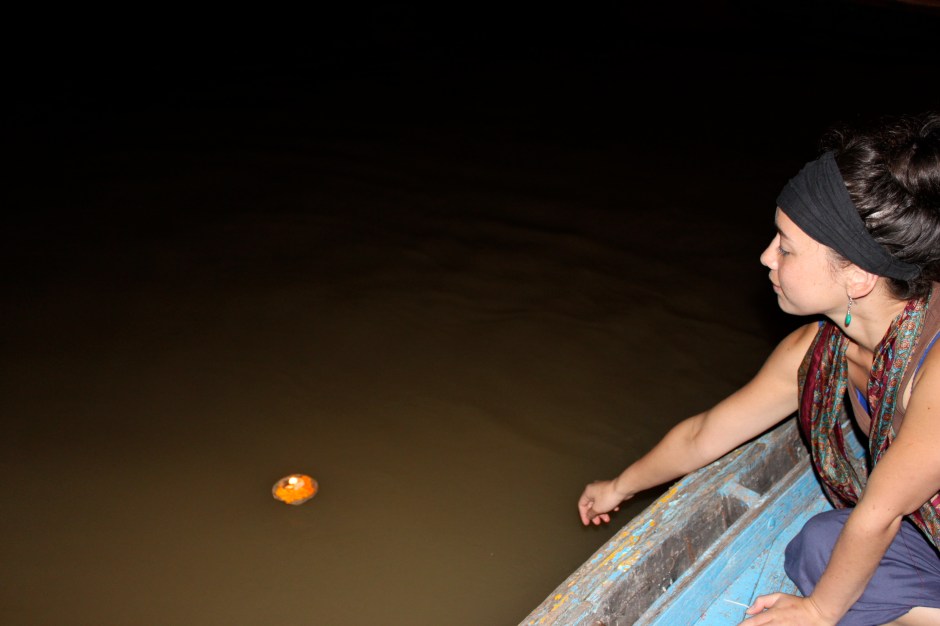


Pinch me to wake me up. This feels like a dream, or perhaps I’ve stepped onto a movie set with scenes that are both haunting and poignant: lifeless bodies gently floating in the river, funeral pyres alight with the final journey of the departed, people bathing in and drawing from waters they consider divine, despite its visibly challenging condition. The potent smell, however, is a stark reminder that this is no illusion. It’s a poignant encounter with a culture profoundly different from our own. Our unfamiliarity contorts our expressions, a mix of contemplation and empathy. Our minds grapple with a wave of emotions. Yet, our eyes remain wide open, respectfully intrigued by the spectacle unfolding before us. Here we stand, in Varanasi, one of the world’s oldest inhabited cities and the holiest place for Hindus.

Varanasi graces the banks of the Ganges River in northern India, drawing over a million pilgrims annually. They come in search of prayers, to cleanse their sins in the sacred waters, and for some, even to meet their final moments on the riverbanks. For all, it is a profound journey. Shrines, temples, and palaces line the water’s edge, and nearly 100 ghats, formed by a series of stone steps, lead pilgrims to the river.
To absorb the surroundings, we opt for a rowboat to navigate the Ganges, our young oarsman providing brief insights into the significance of each ghat we pass. Our observations feel intimate, yet we strive to maintain a respectful distance. Families, Hindu pilgrims, Sadhus, buffalos, dogs, and goats all converge – bathing, purifying their bodies, and ritually cleansing themselves of a lifetime of sins in the sacred waters.


As I sit in the boat, hands tightly gripping the sides, I feel a gentle touch on my hand. Looking down, I see the lifeless body of a dog, eyes closed in peace, floating along the water. It’s a somber moment. I close my eyes, take a deep breath, and open them again to witness the broader scene. On one side, a man washes white hotel linens on the muddy shores. On the other, a woman sweeps away debris from one ghat into the river. Approaching the burning ghat, we witness a boat rowing towards the middle of the river. A father gently releases the wrapped bodies of a child and a baby into the water. It’s a deeply personal and culturally significant moment, where life and death intertwine.


The moon, full and radiant, casts its glow on the scene. Drifting in the middle of the Ganges, I’m captivated by the presence of lifeless bodies, spirits, and energies. I light a candle, make a quiet wish, and release it onto the river. Alongside countless others, it finds its own destiny, disappearing into the moonlit waters. Children sing prayers and clap bells on the stairs of a ghat, while a Sadhu performs a ritual ablution towards the moon. The burning ghat offers an intimate spectacle of death, with a dozen bodies being cremated before our eyes. Strangely, there’s no fear; instead, I am embraced by a unique and profound moment. Pure serenity.
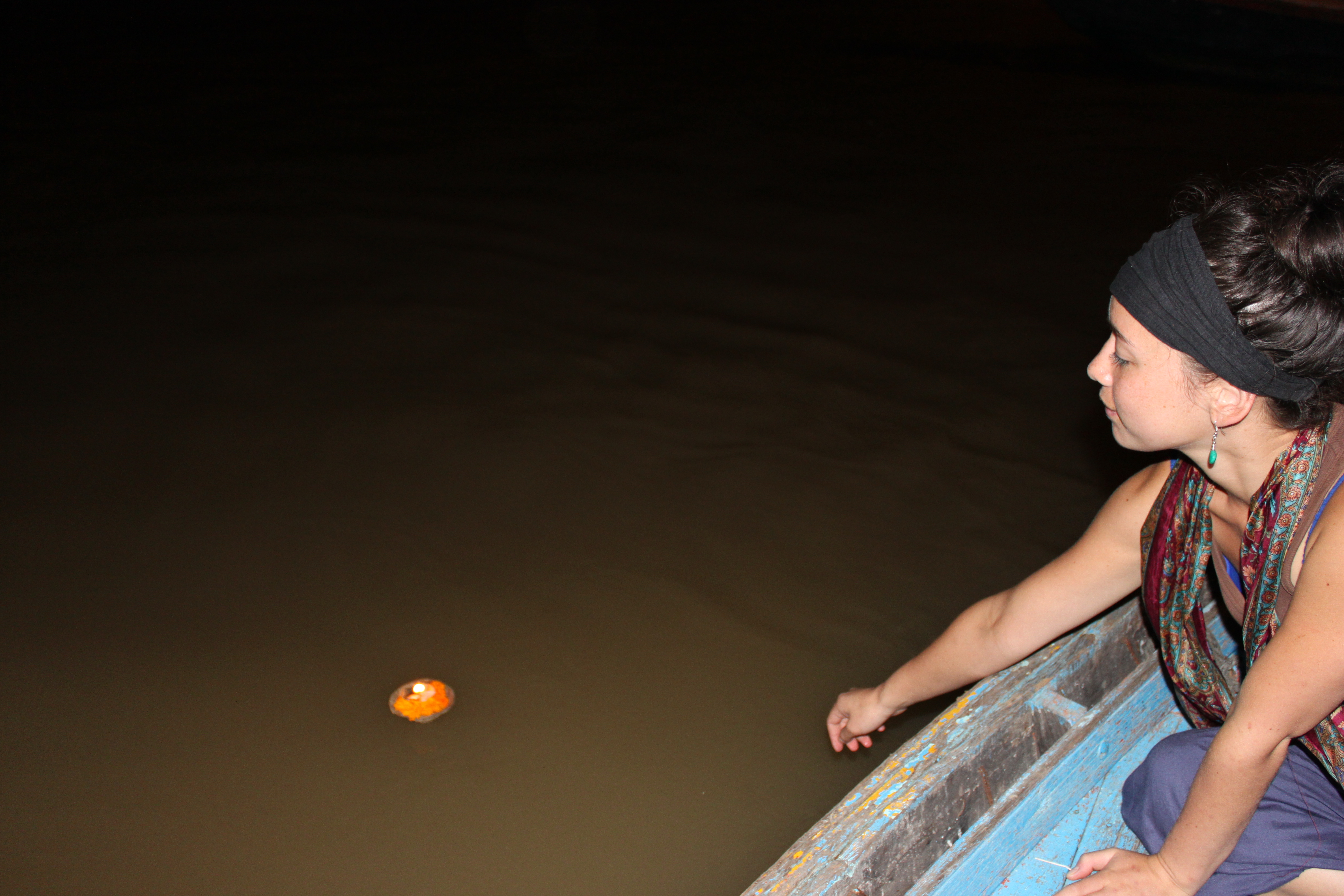
An experience that will be etched into the canvas of my memory with deep respect and understanding.

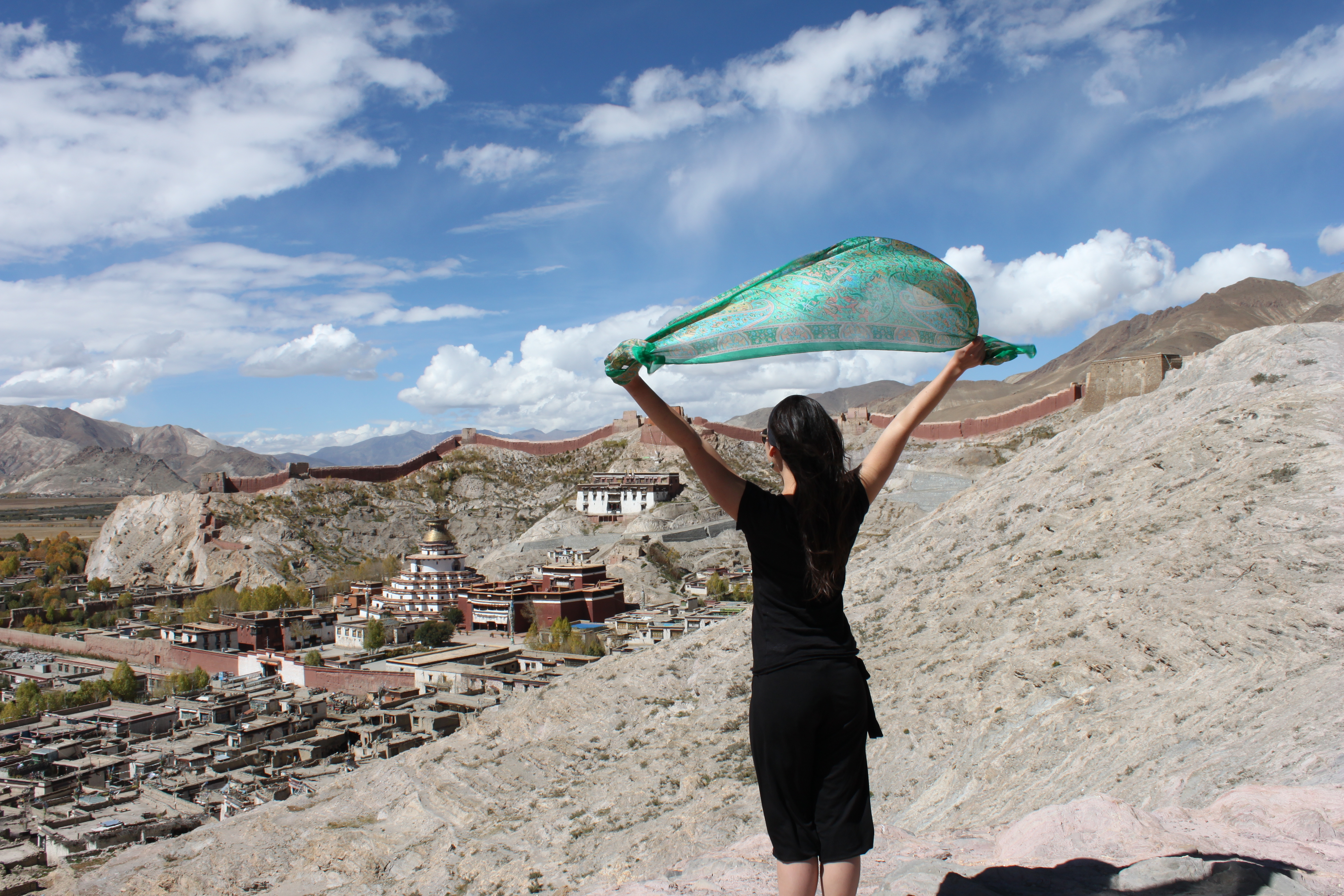
Intrigued by the allure of China, I found myself drawn to Tibet — a land of soaring mountains, sacred monasteries, and centuries of tradition. The landscapes were as breathtaking as I had imagined, but it was the strength and warmth of the Tibetan people that left the deepest impression on me. Their stories, resilience, and quiet devotion added layers of meaning to every view and every encounter. To experience Tibet is to witness both its beauty and its spirit, carried proudly by those who call it home.
Travelling here is highly regulated. Group tours with guides are mandatory, and customs checks are meticulous — extending beyond security to restrict books or flags tied to Tibetan identity. Foreign platforms like Facebook and YouTube are blocked, and open activism is simply not possible. While the official explanation emphasizes tourism management and local benefit, the intent is clearly also about control.
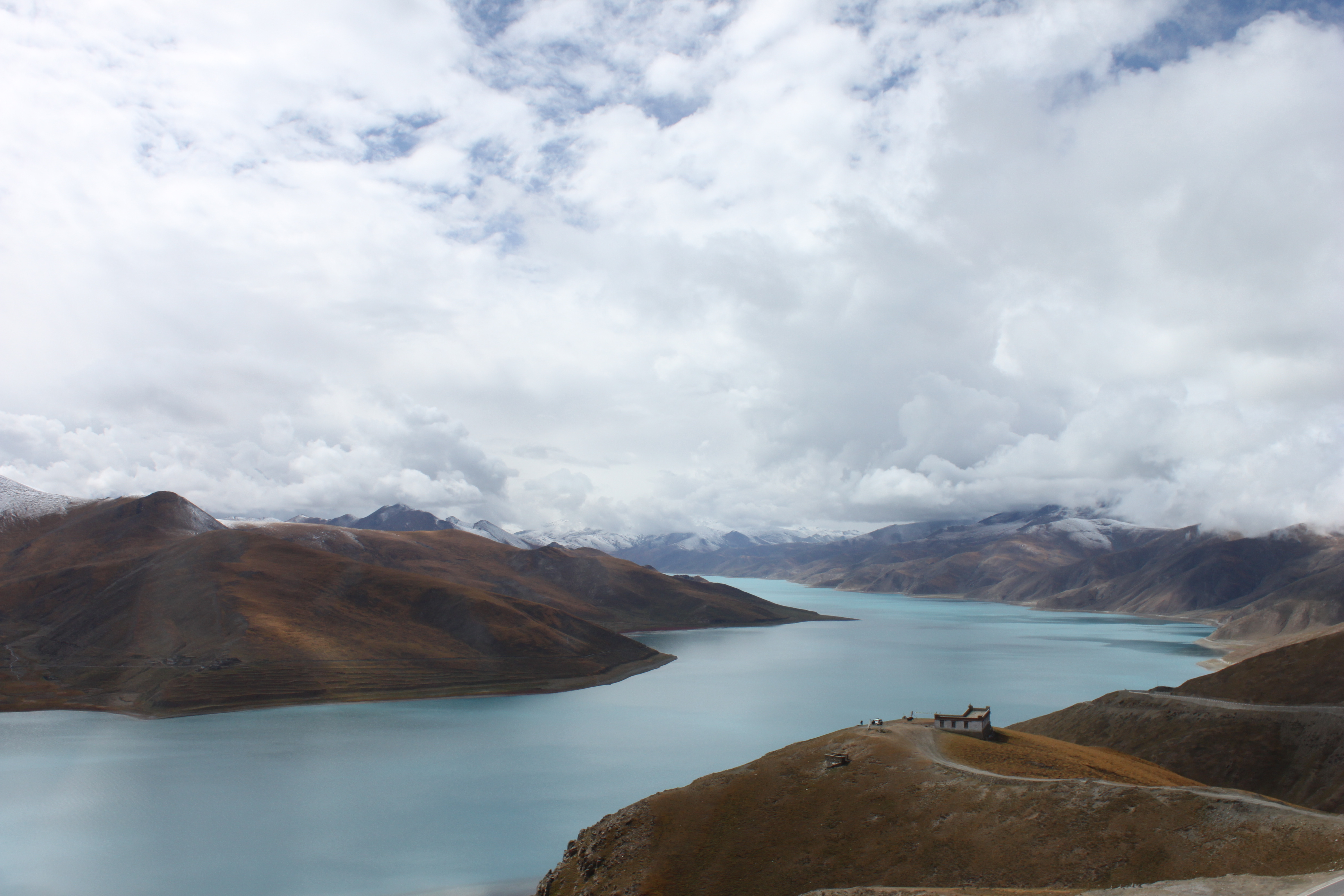
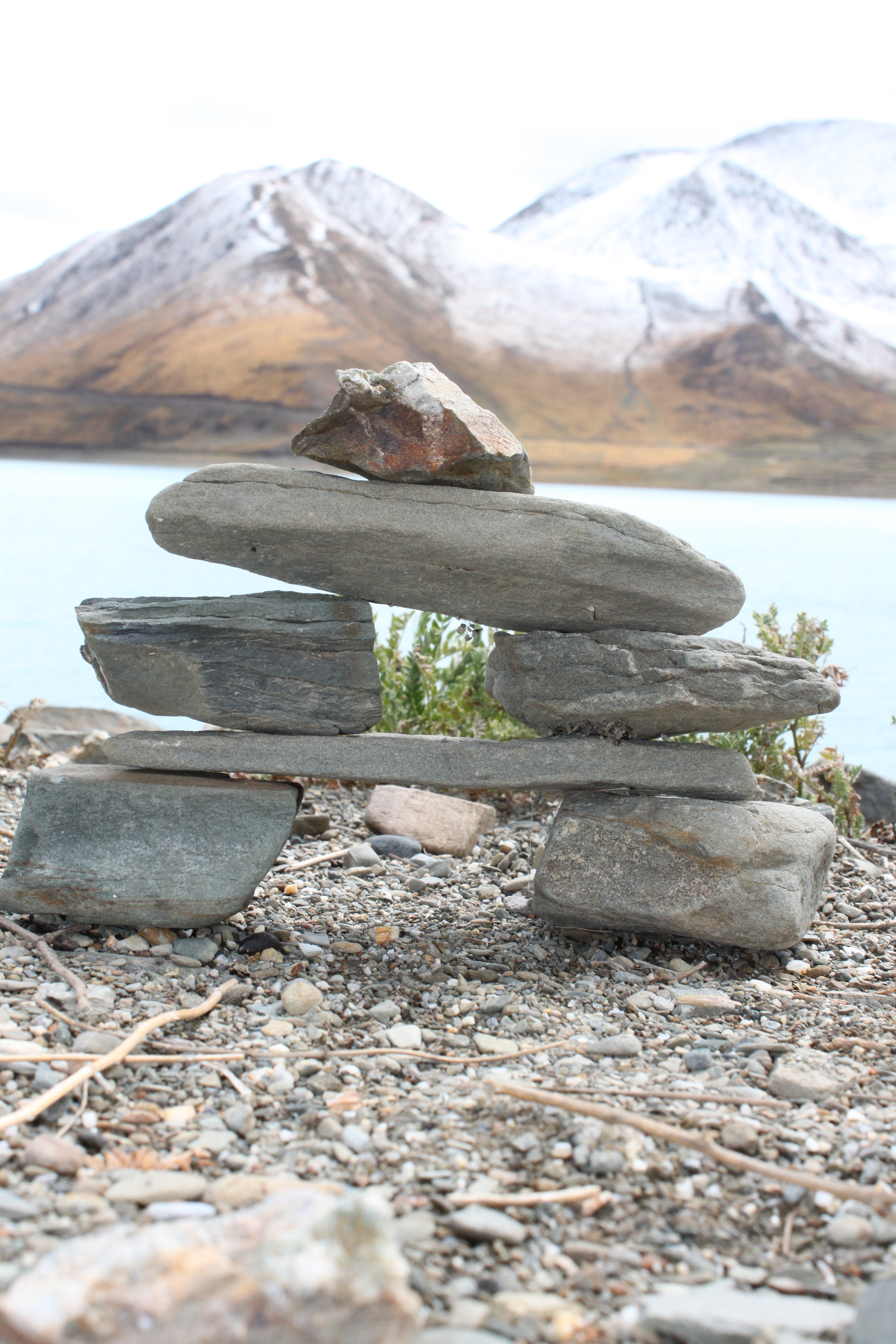
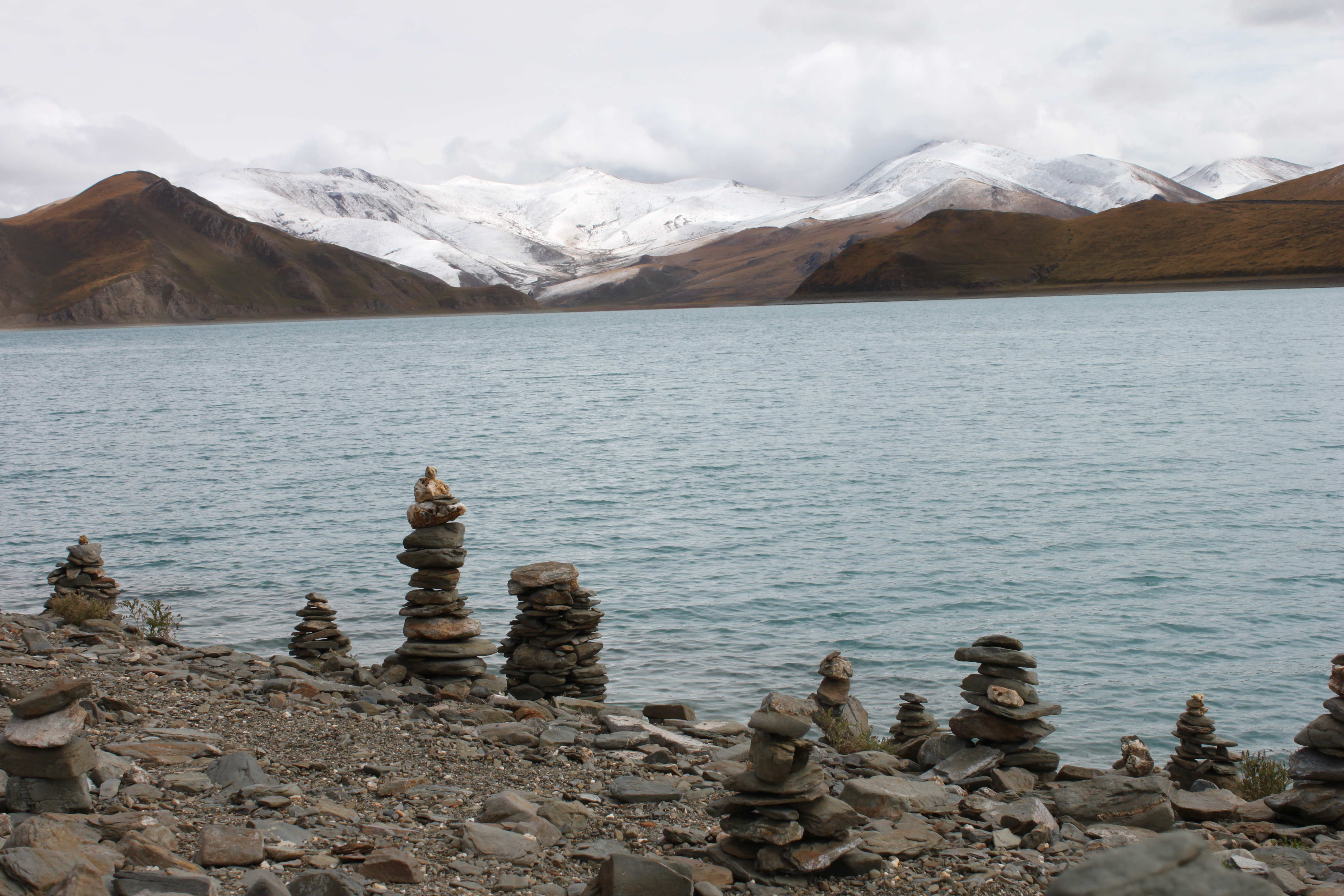
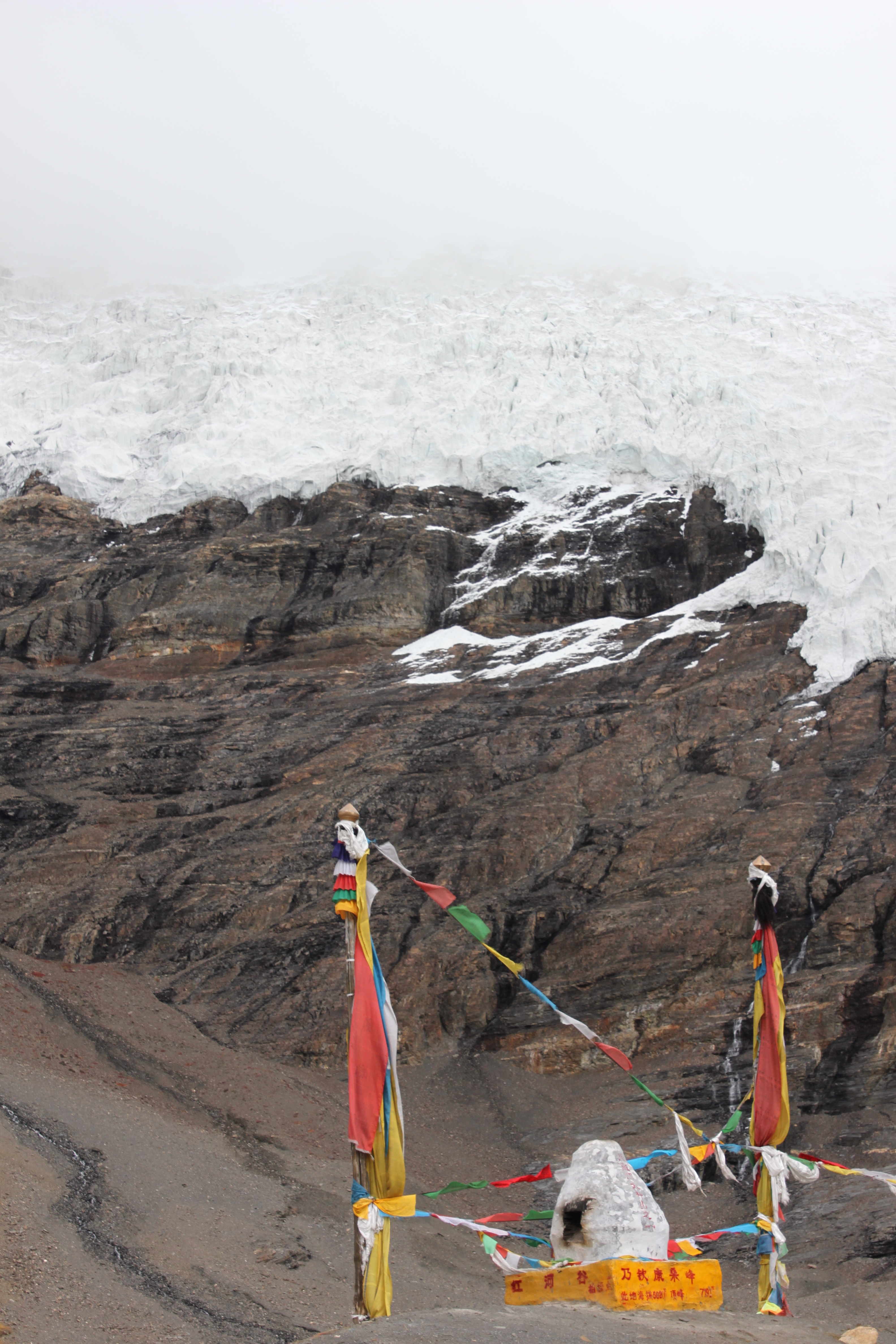
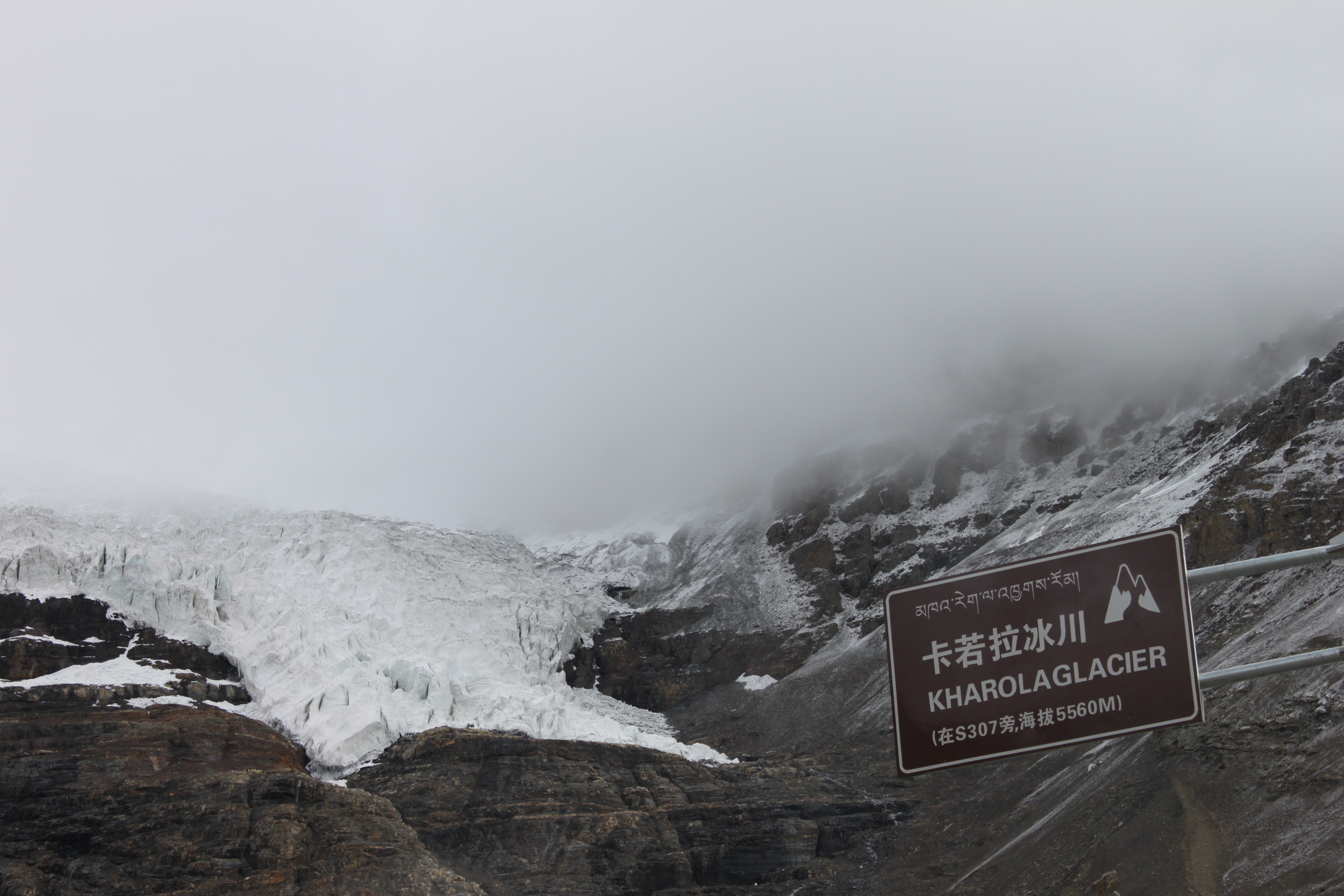
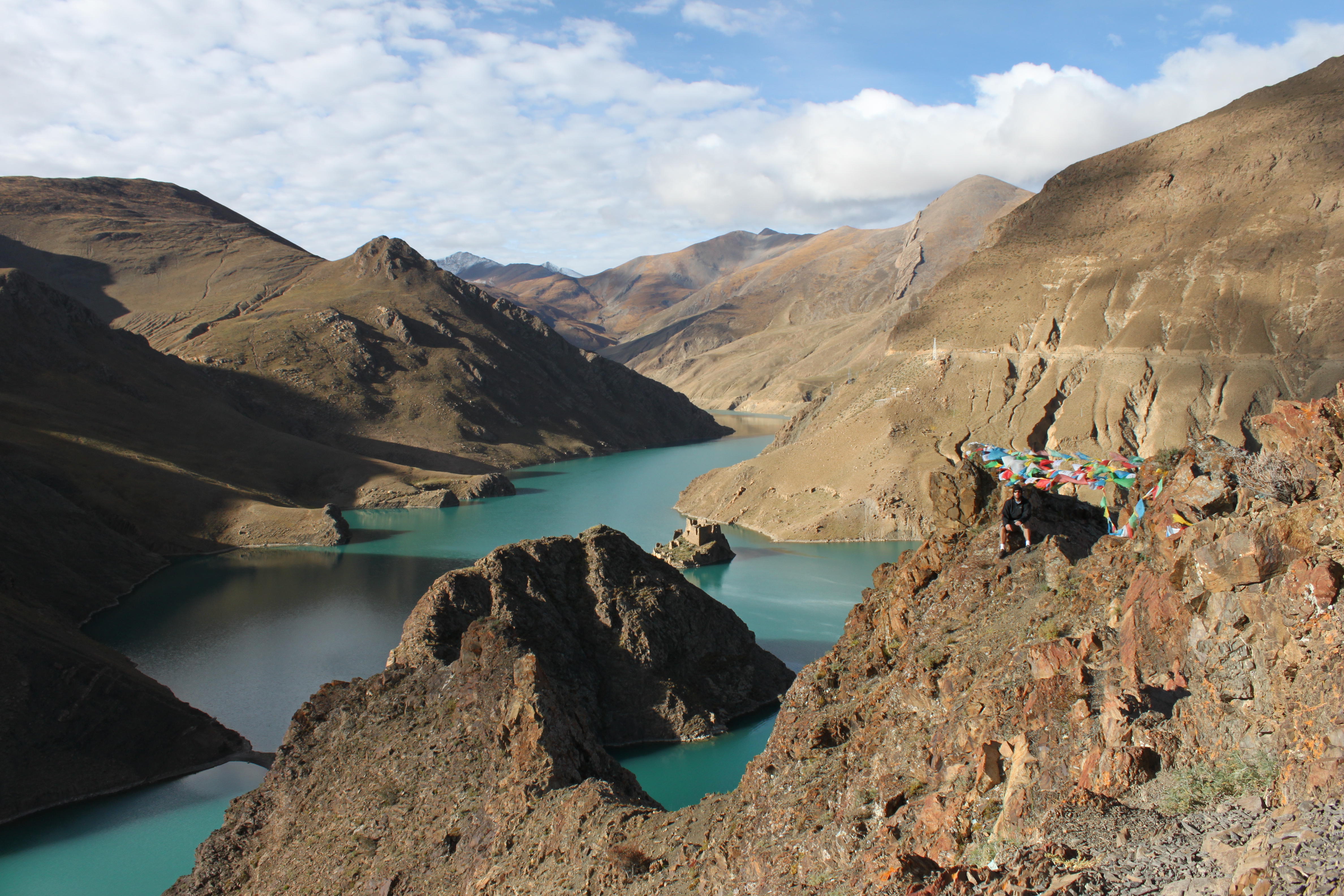
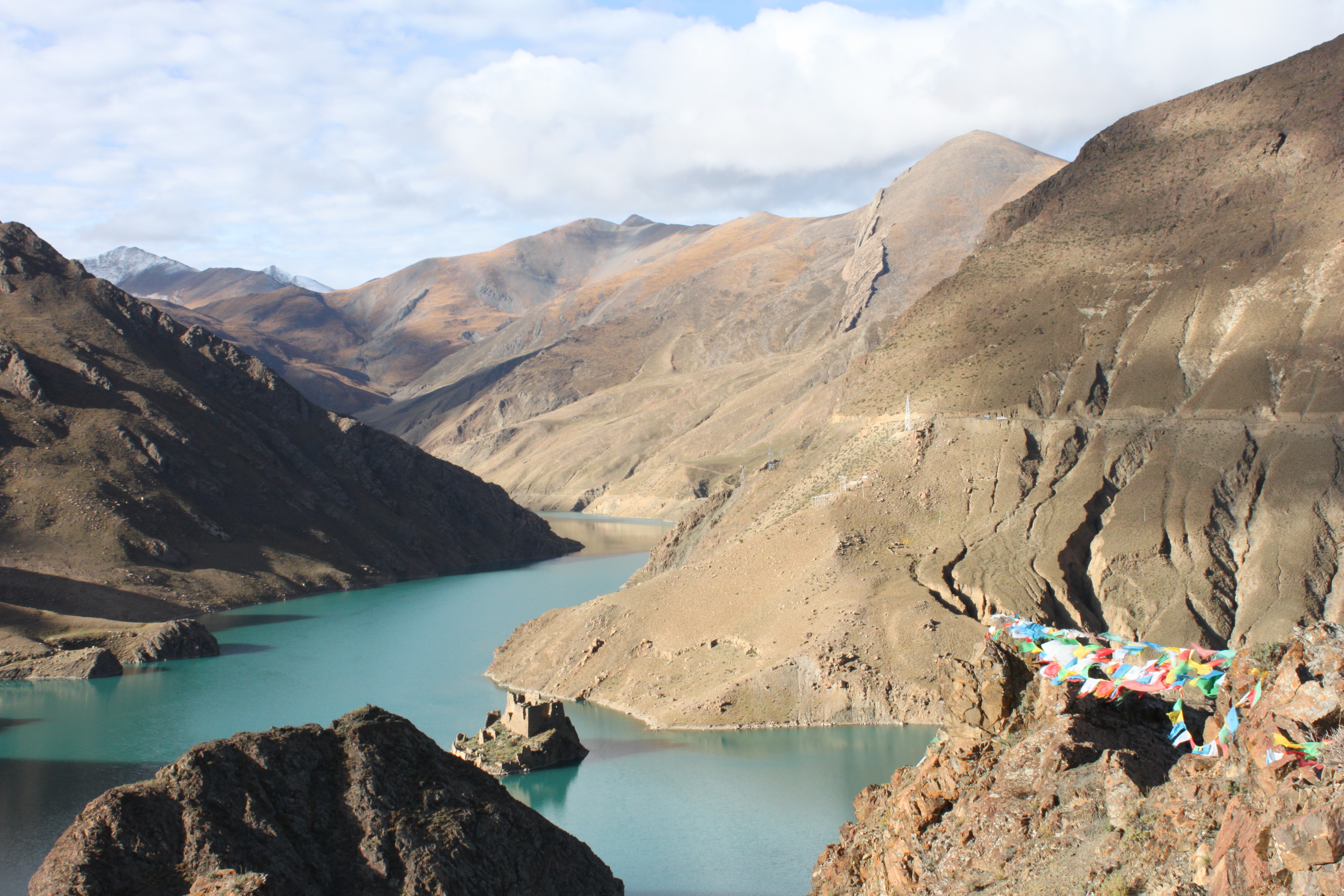
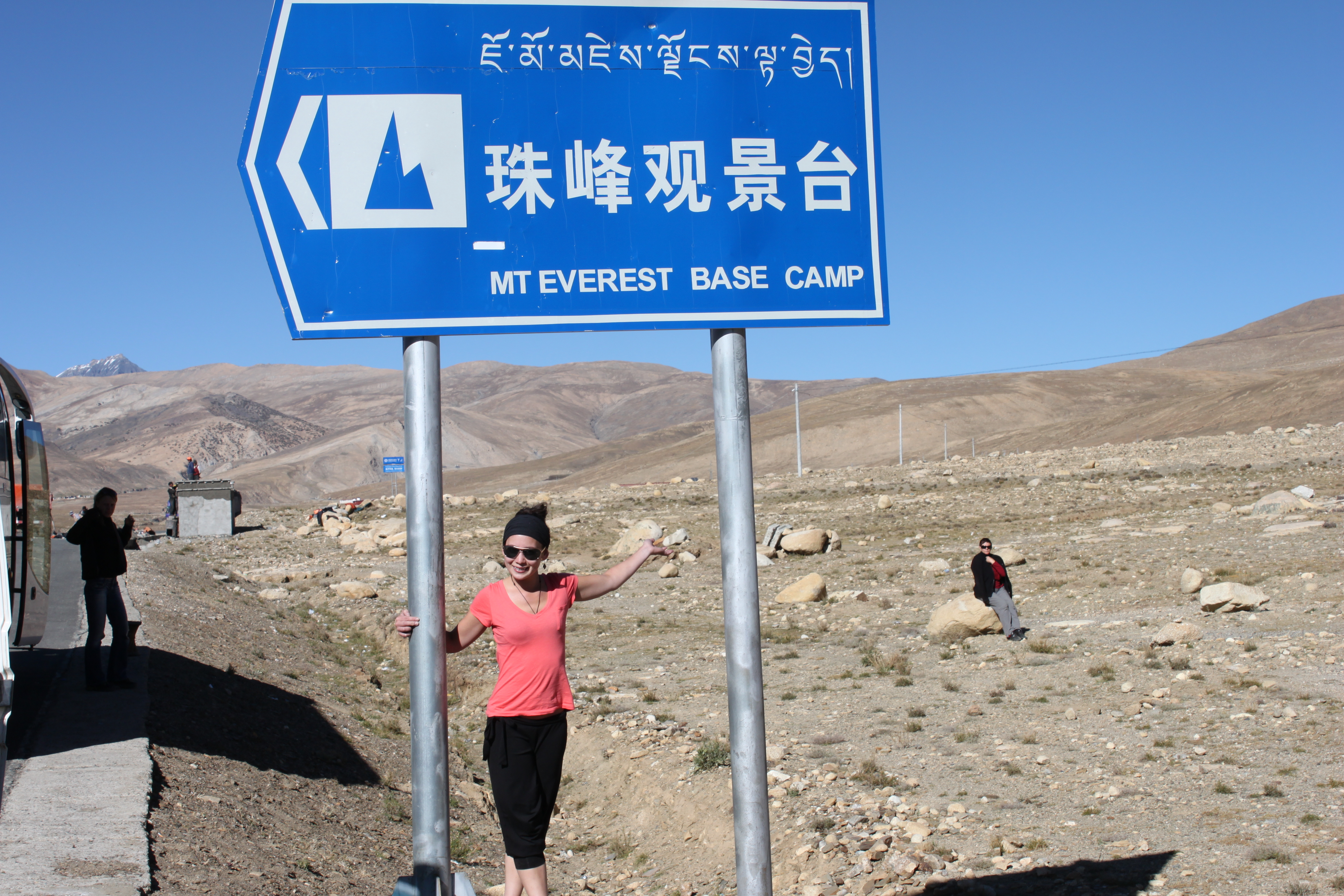
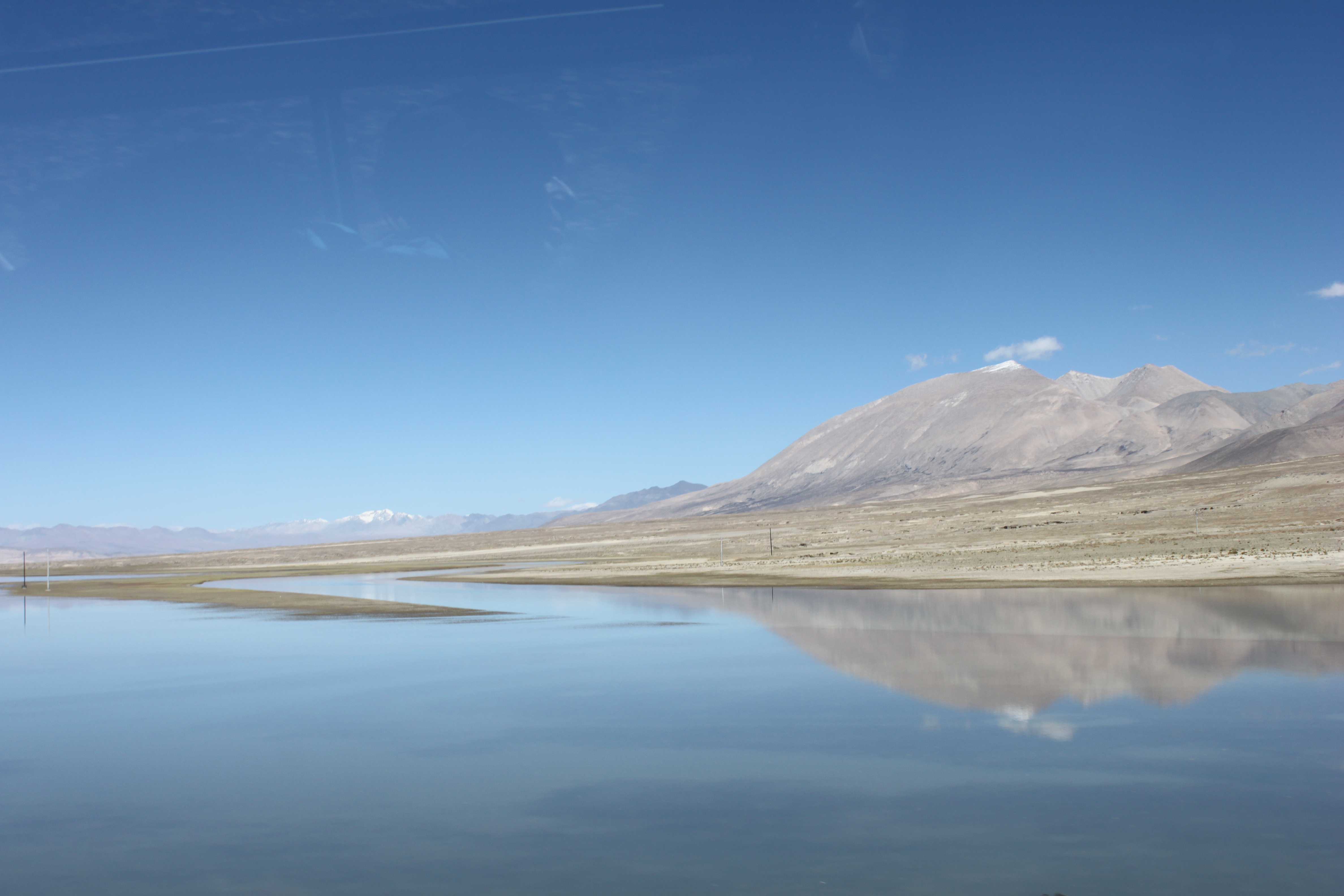
Still, Tibet’s natural beauty is undeniable. Endless plains and snow-draped mountains create a rare sense of openness. Prayer flags ripple over high passes, their colours vivid against a pale sky.








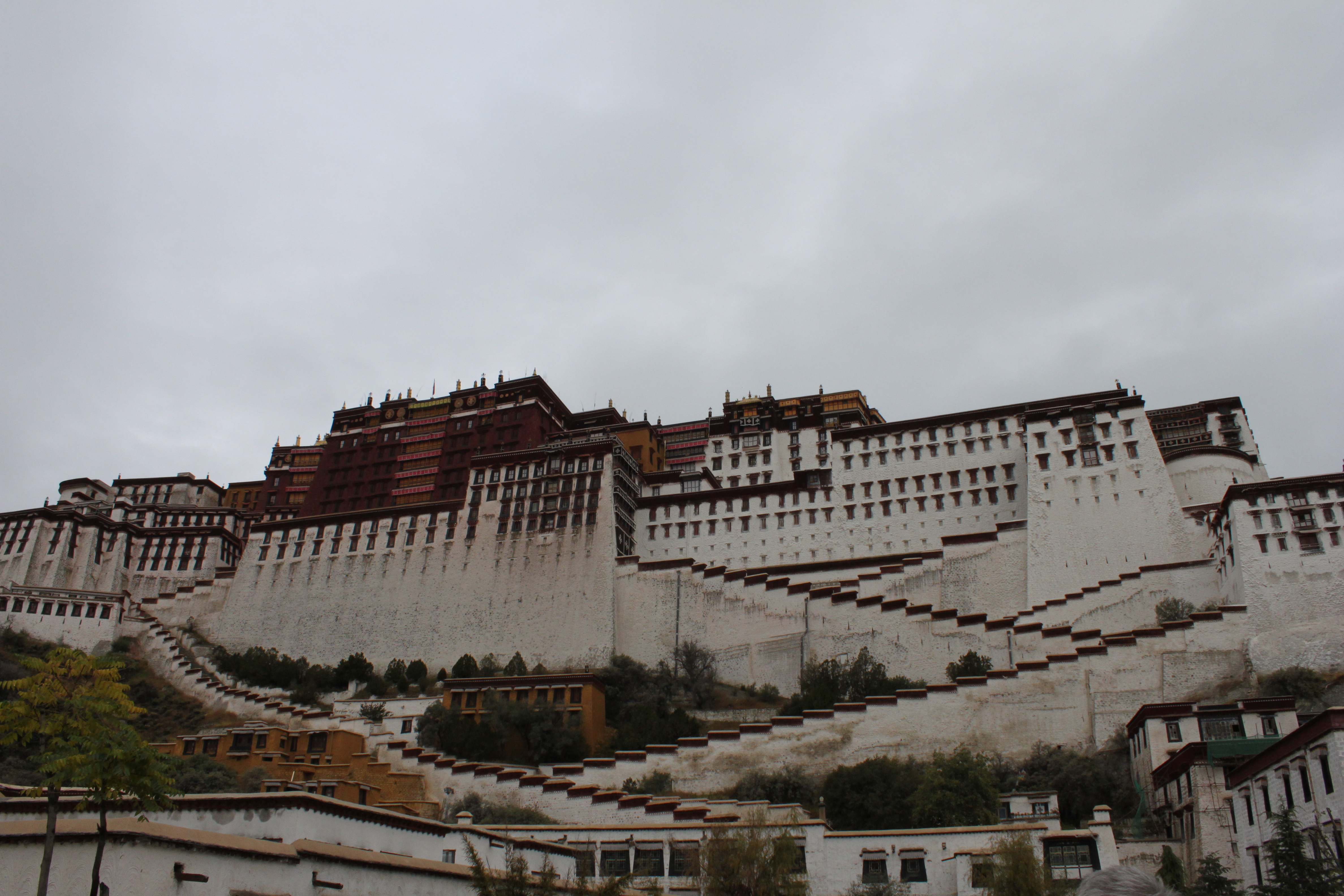
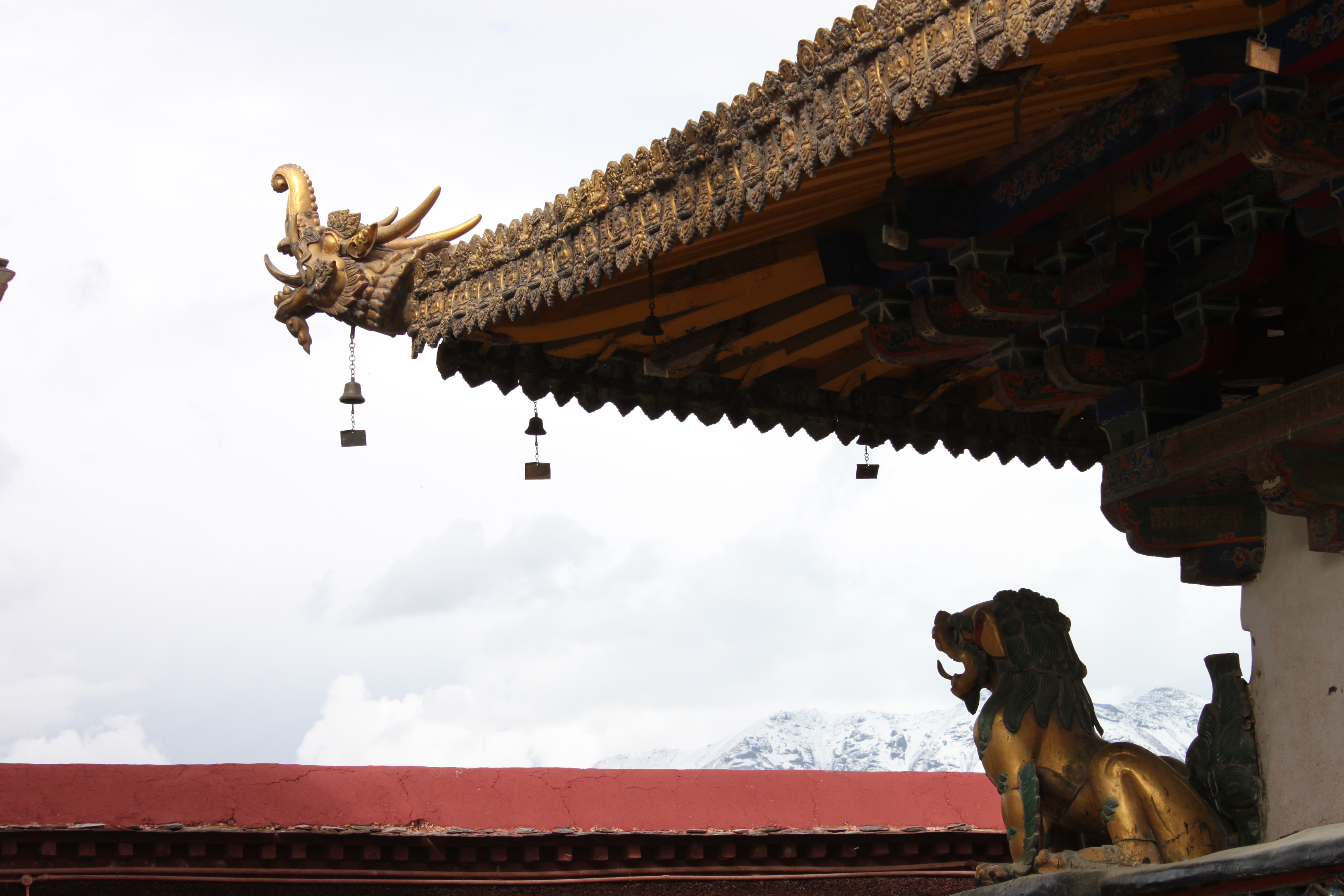
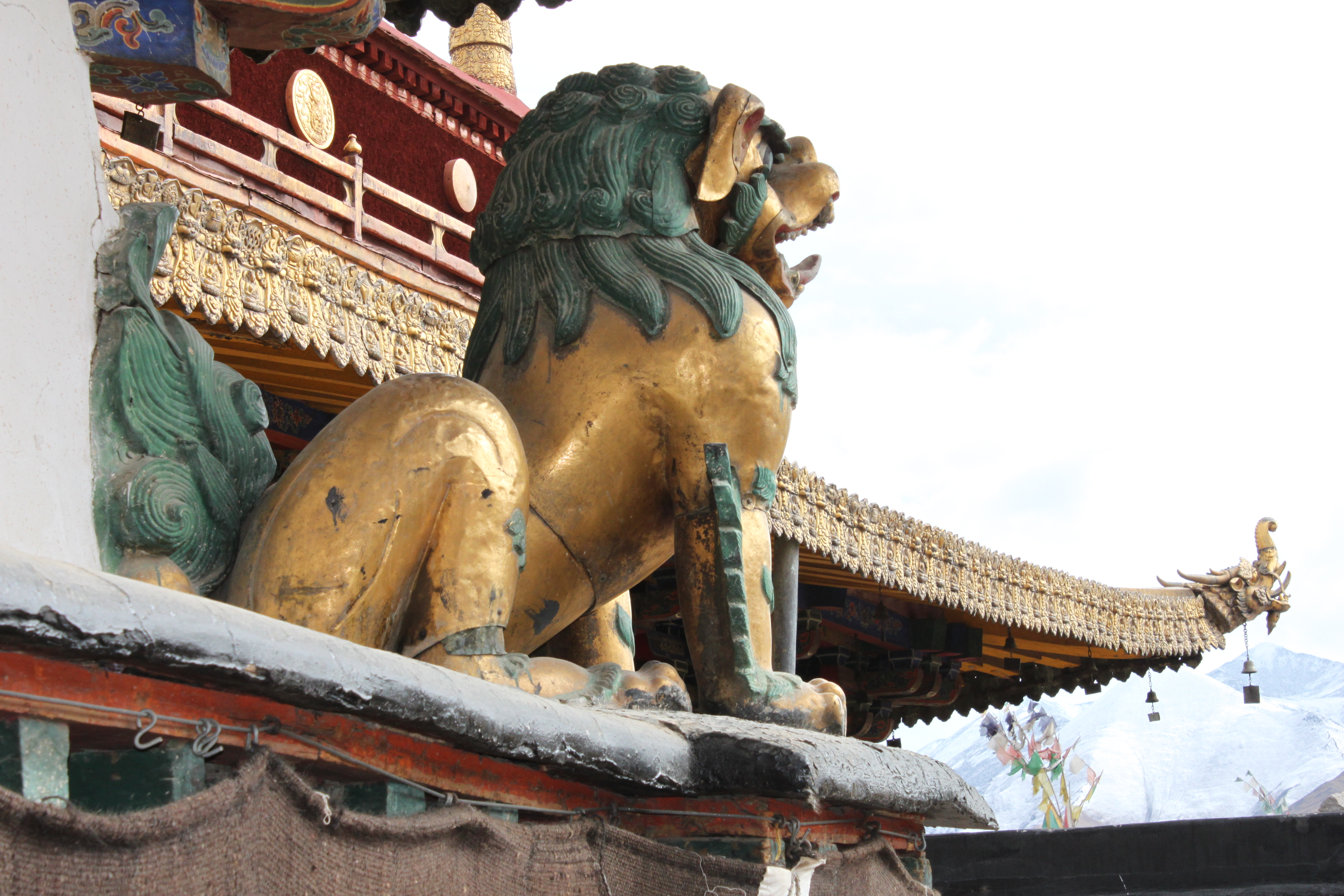
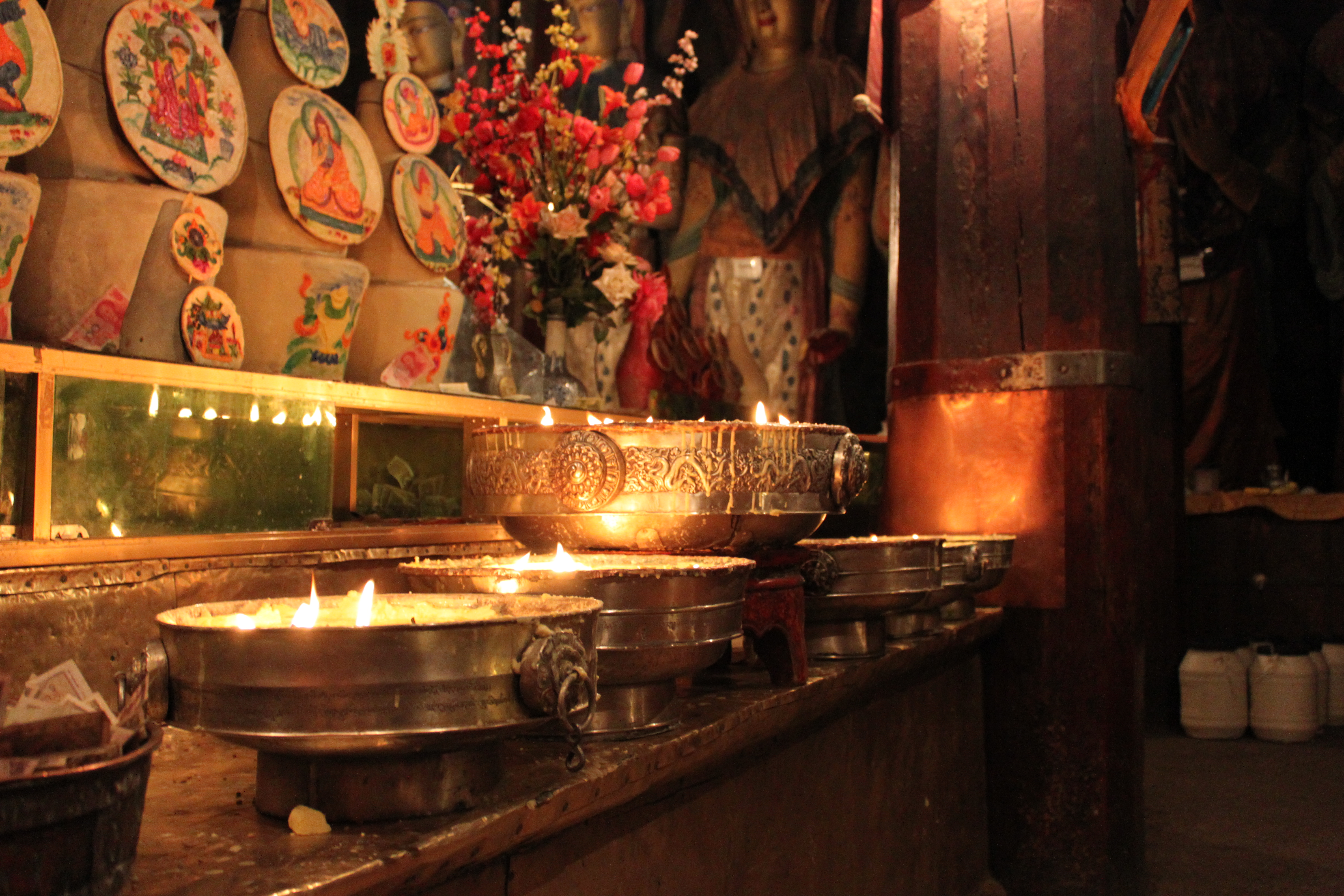
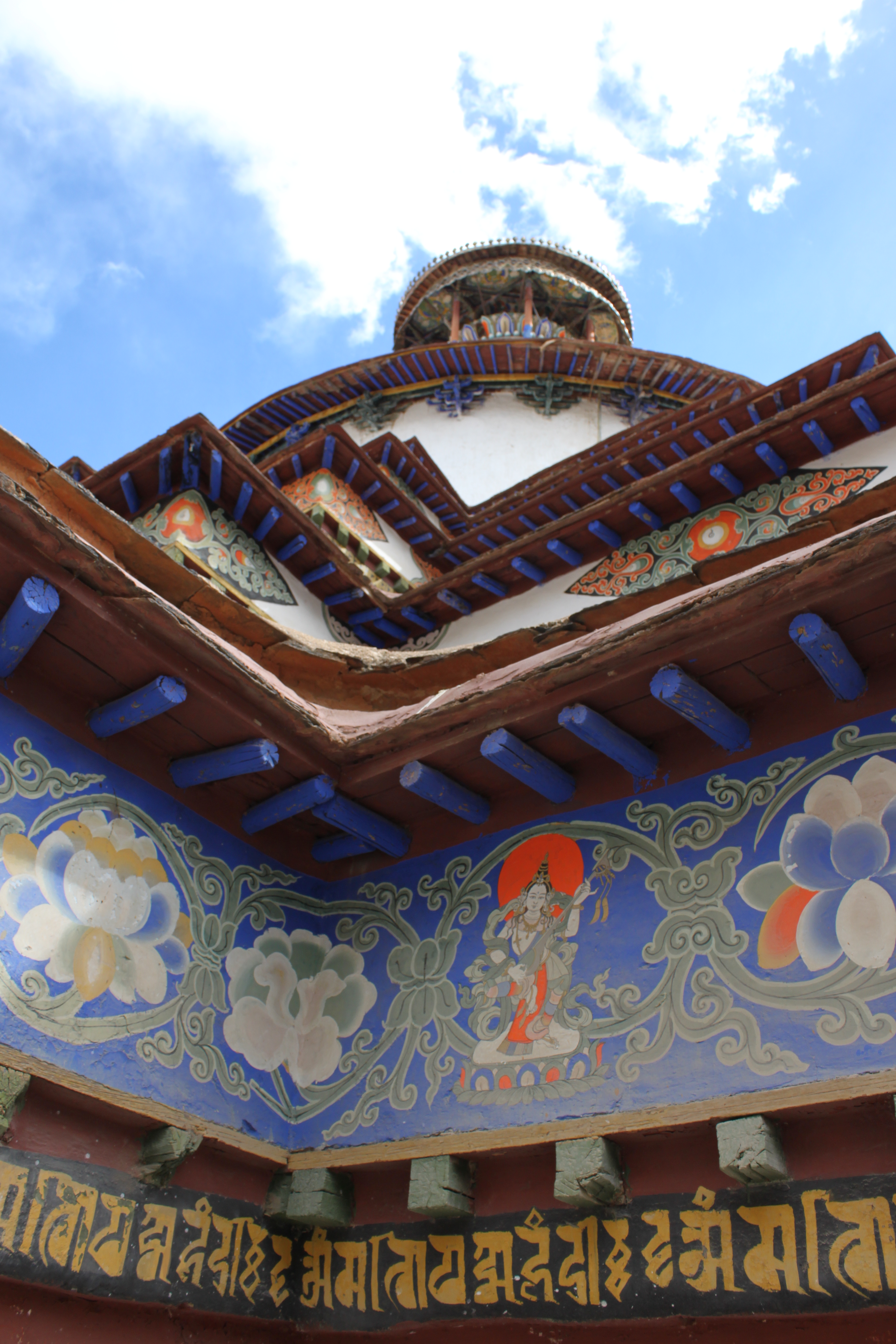
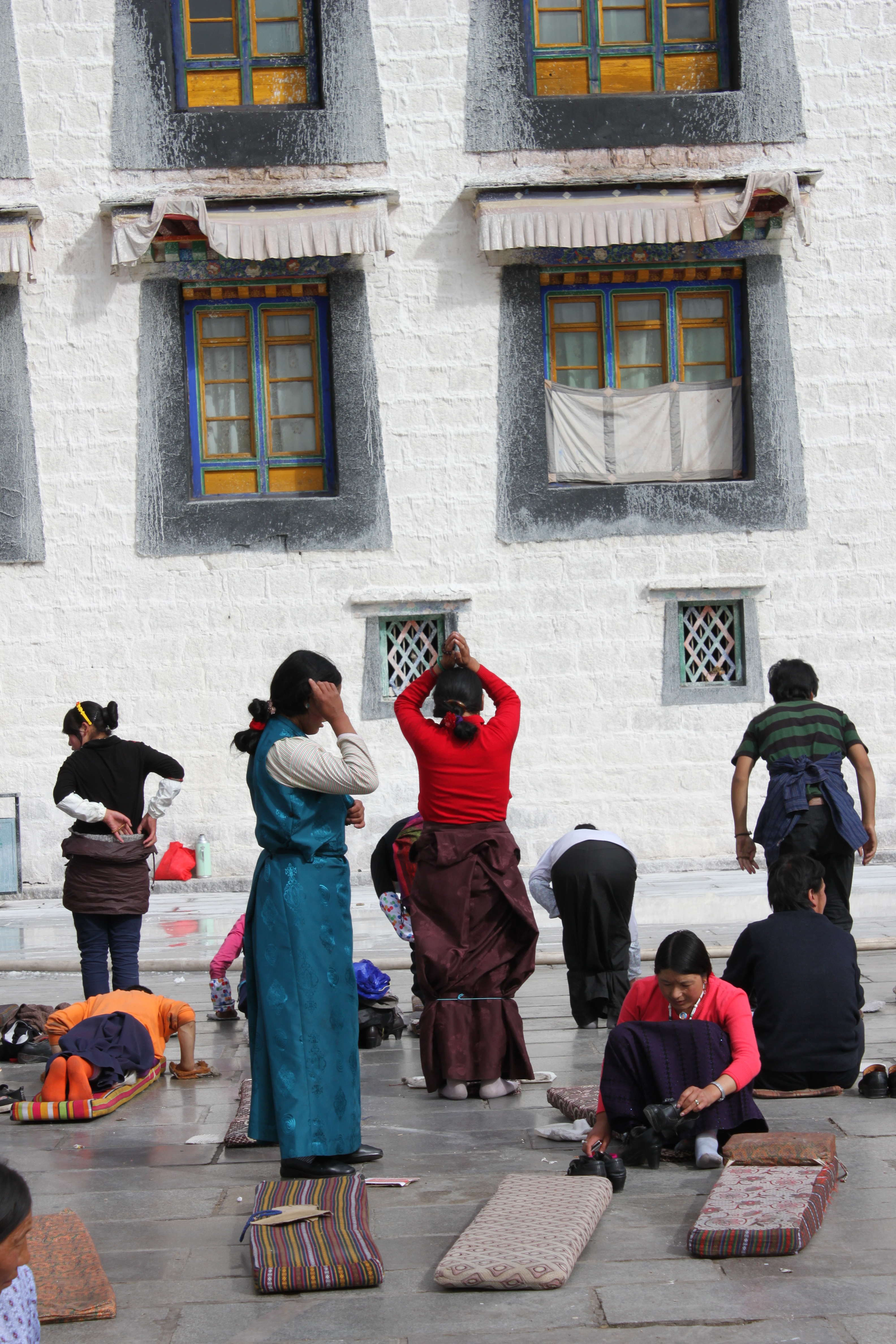
Monasteries and temples carry centuries of spiritual life, from the former home of the Dalai Lama to the golden tombs of his predecessors.




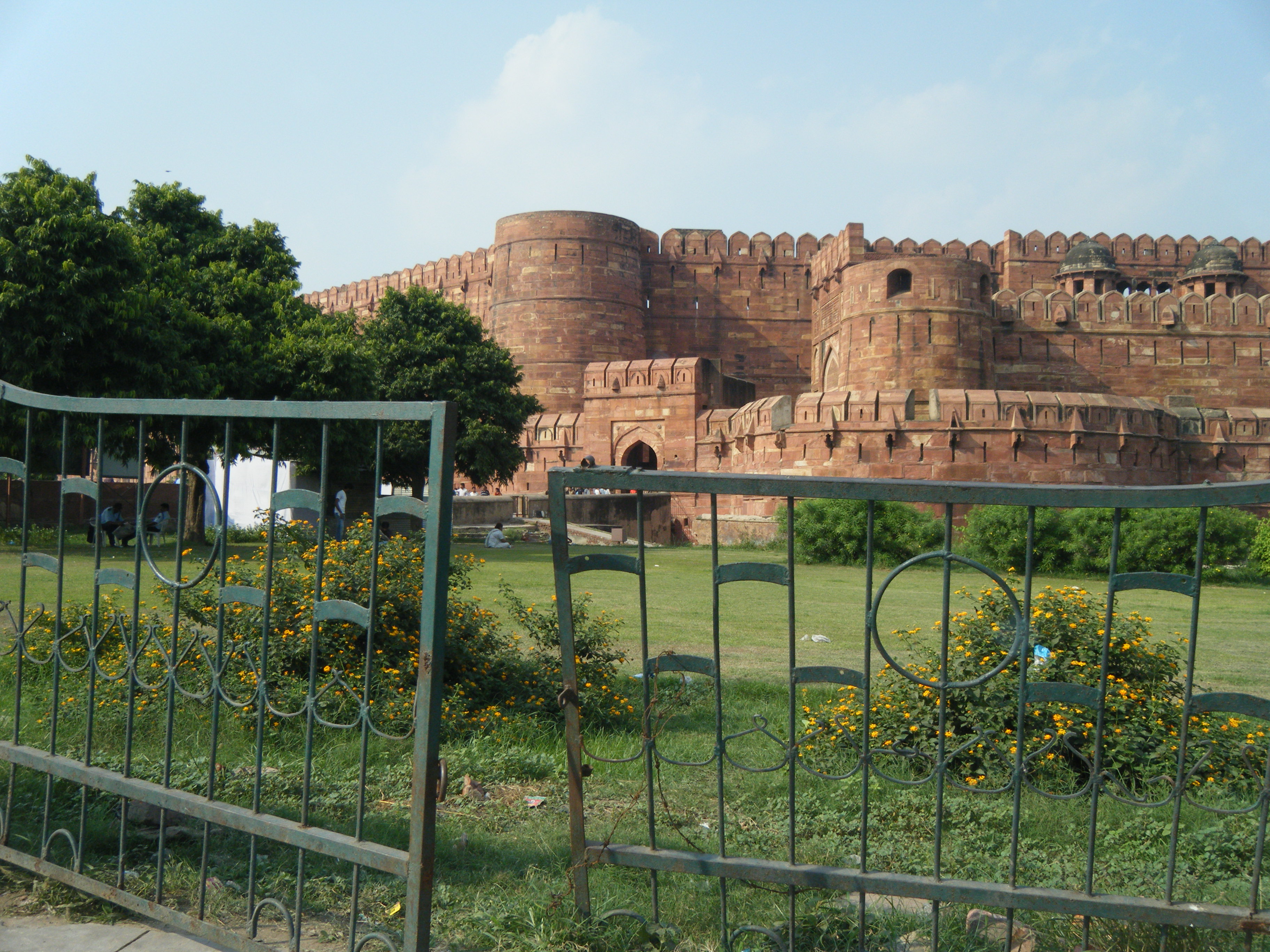

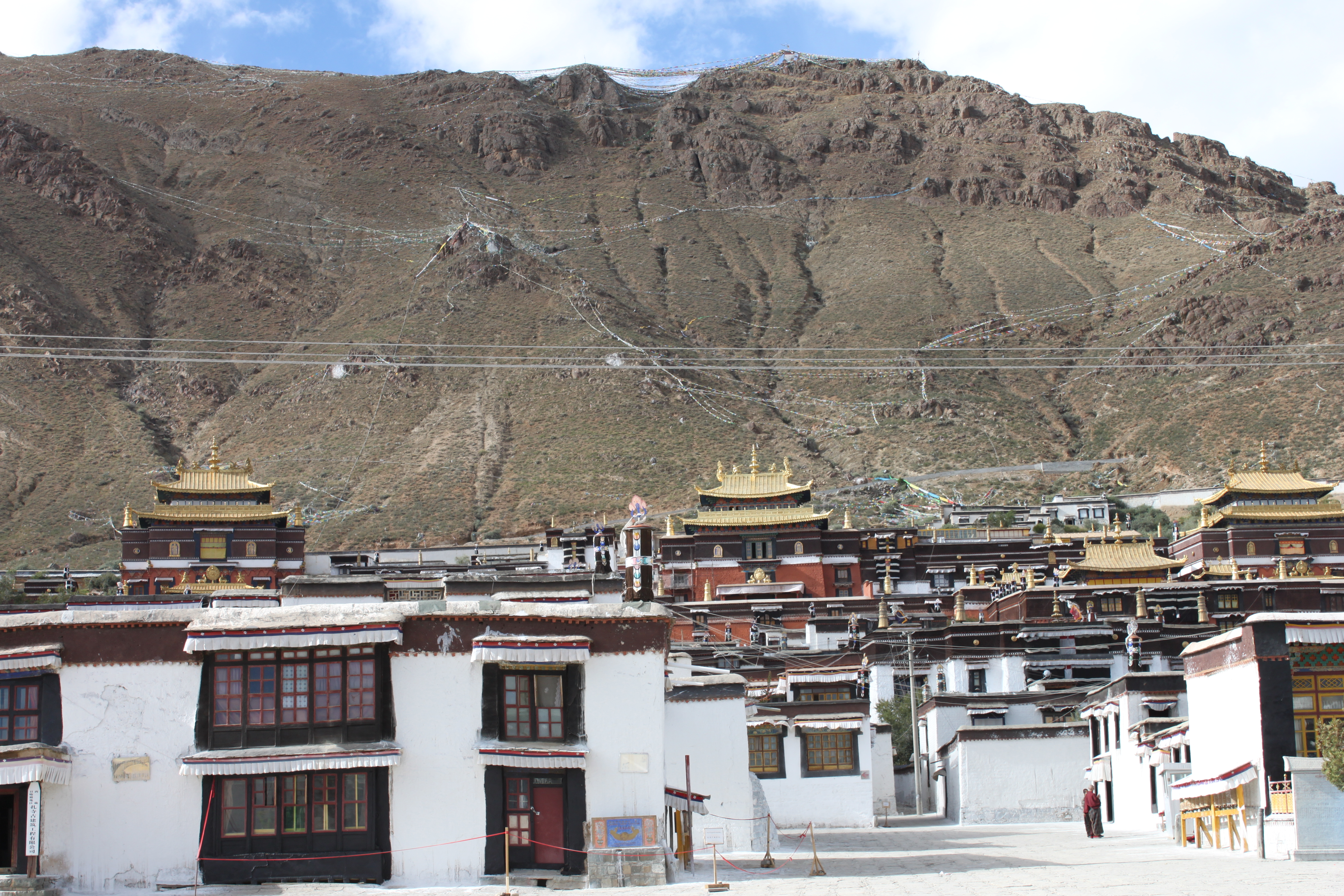


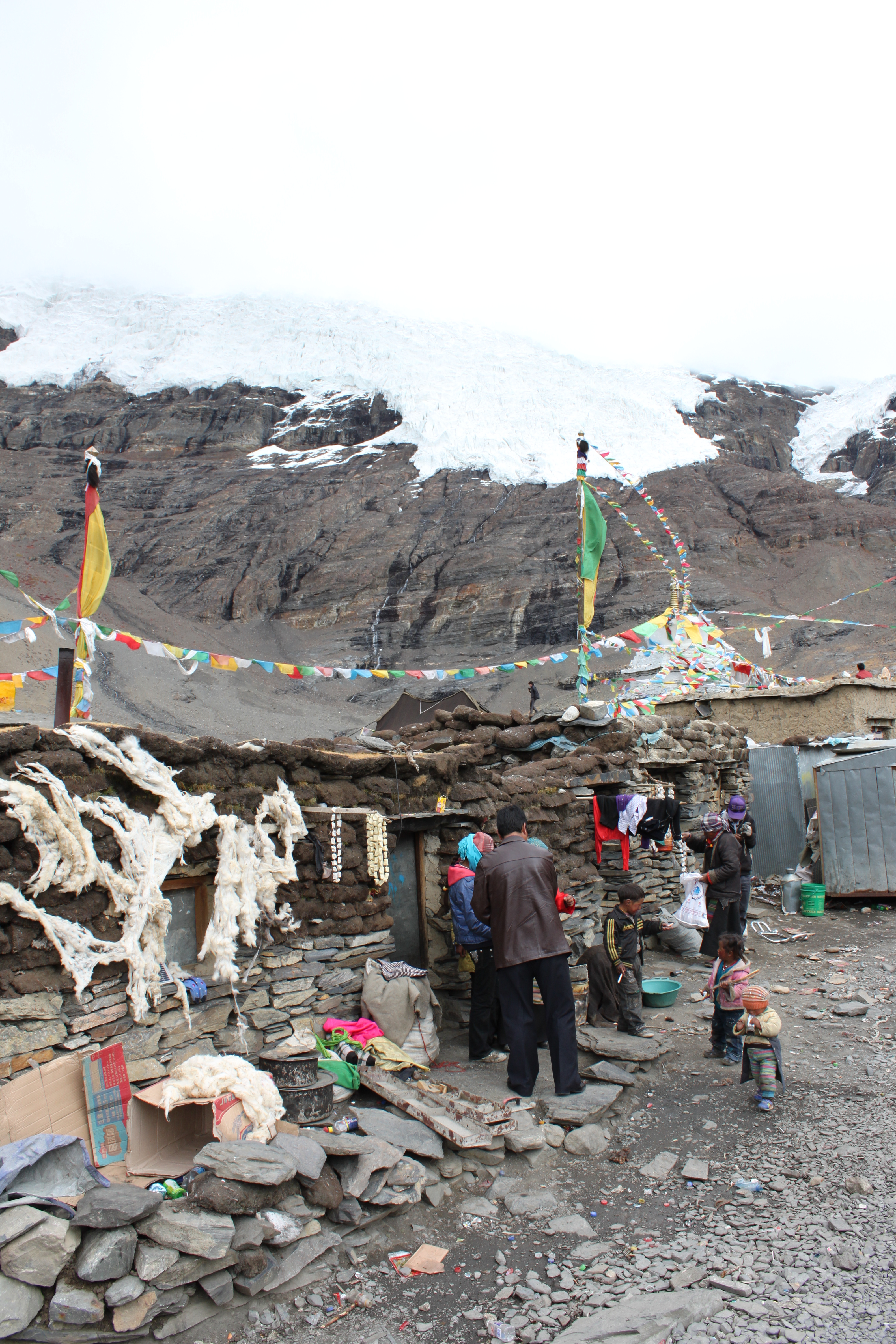
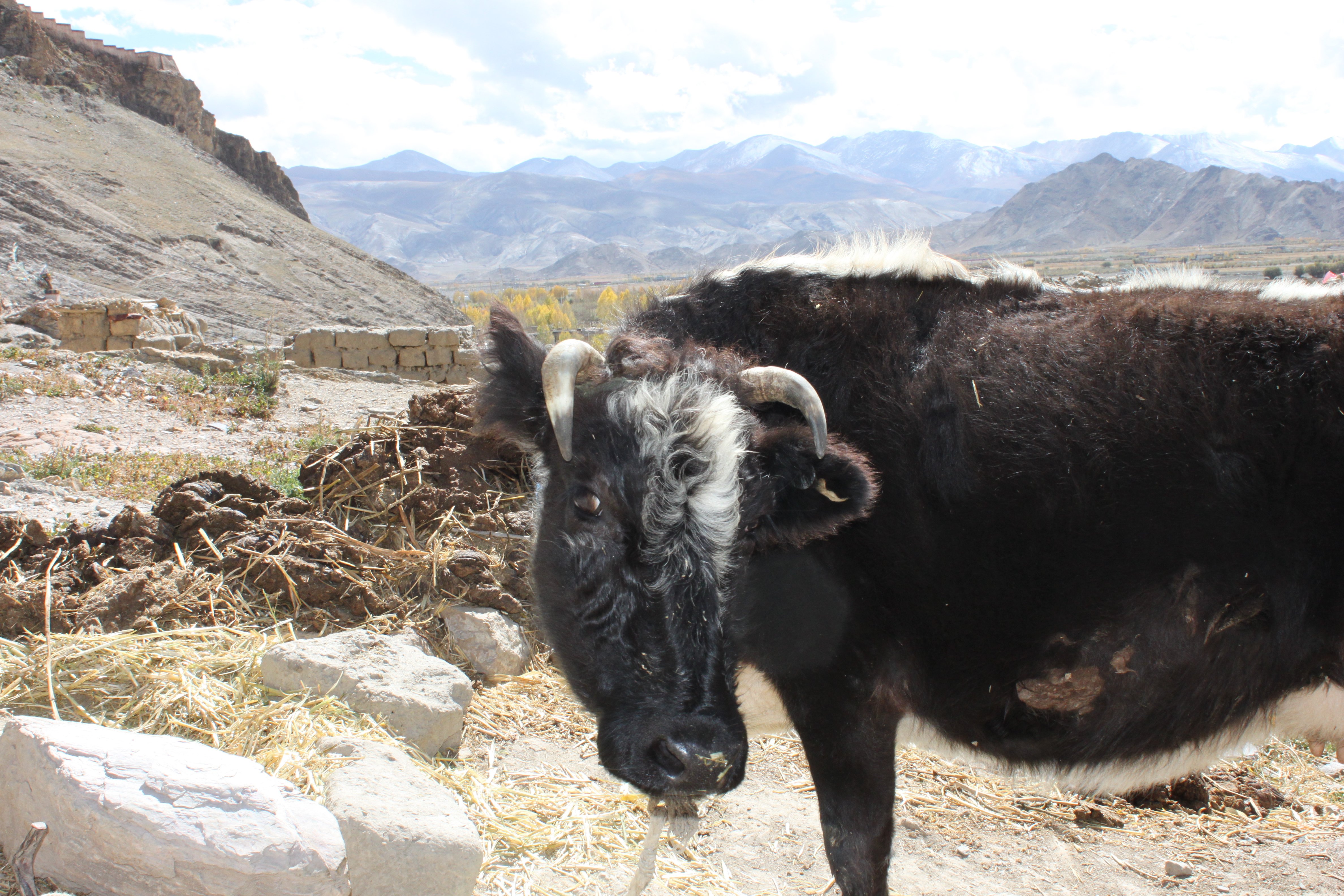
The people themselves are Tibet’s greatest treasure. In remote villages, families continue to cultivate barley and straw, sustaining life in the high mountains. Hospitality is genuine: a bowl of yak butter tea, a smile that needs no translation. Language can be a barrier, but kindness bridges the gap.
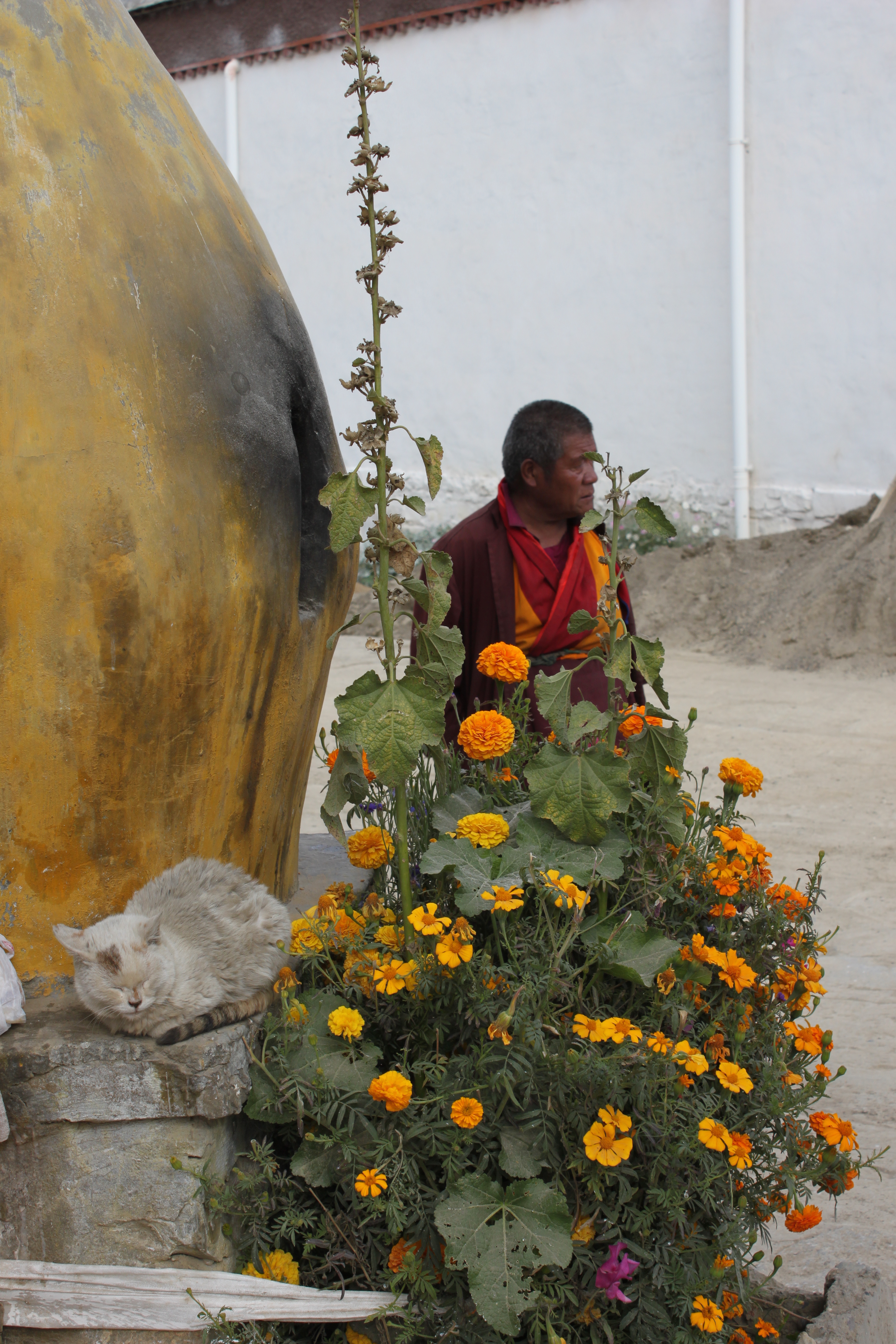
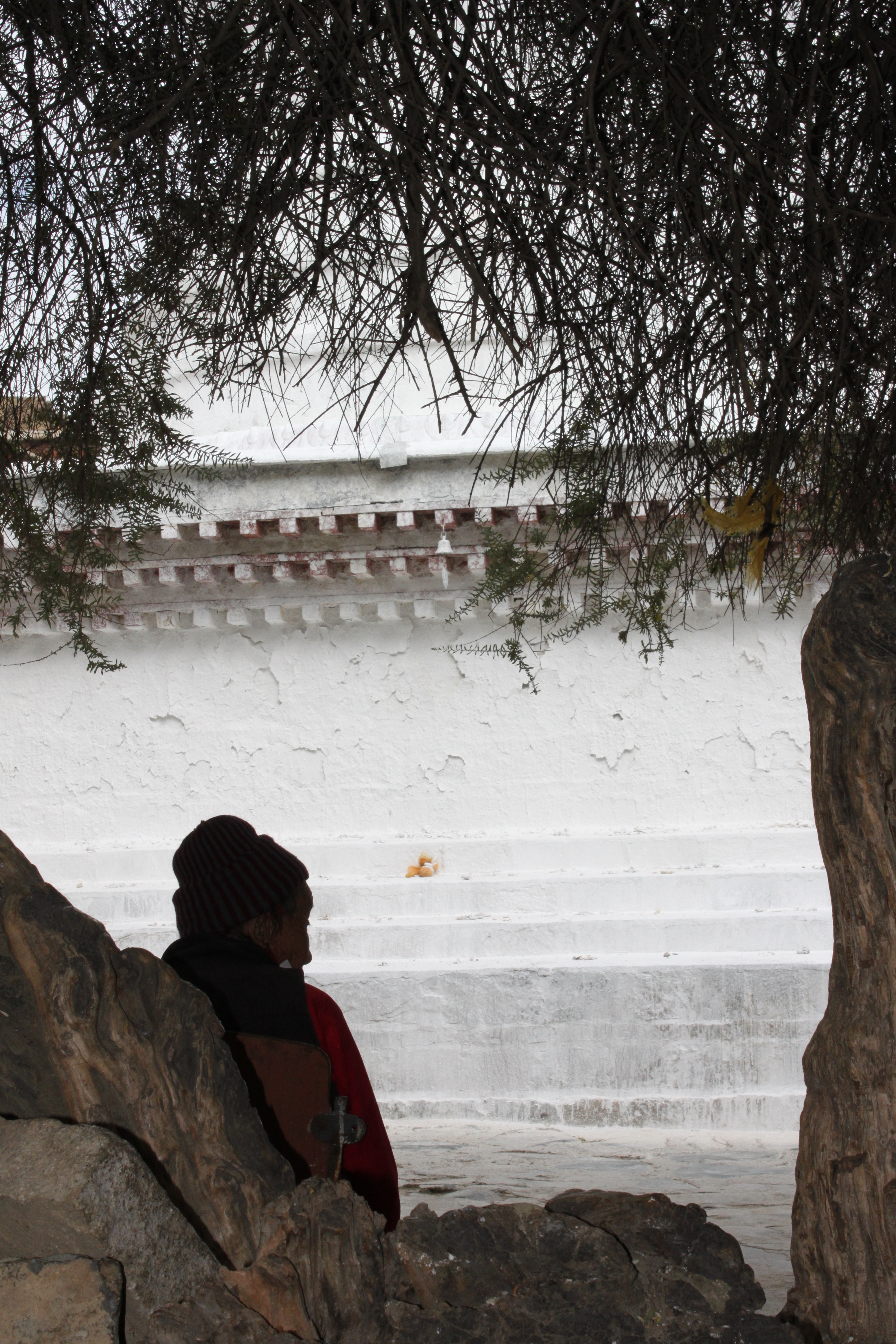


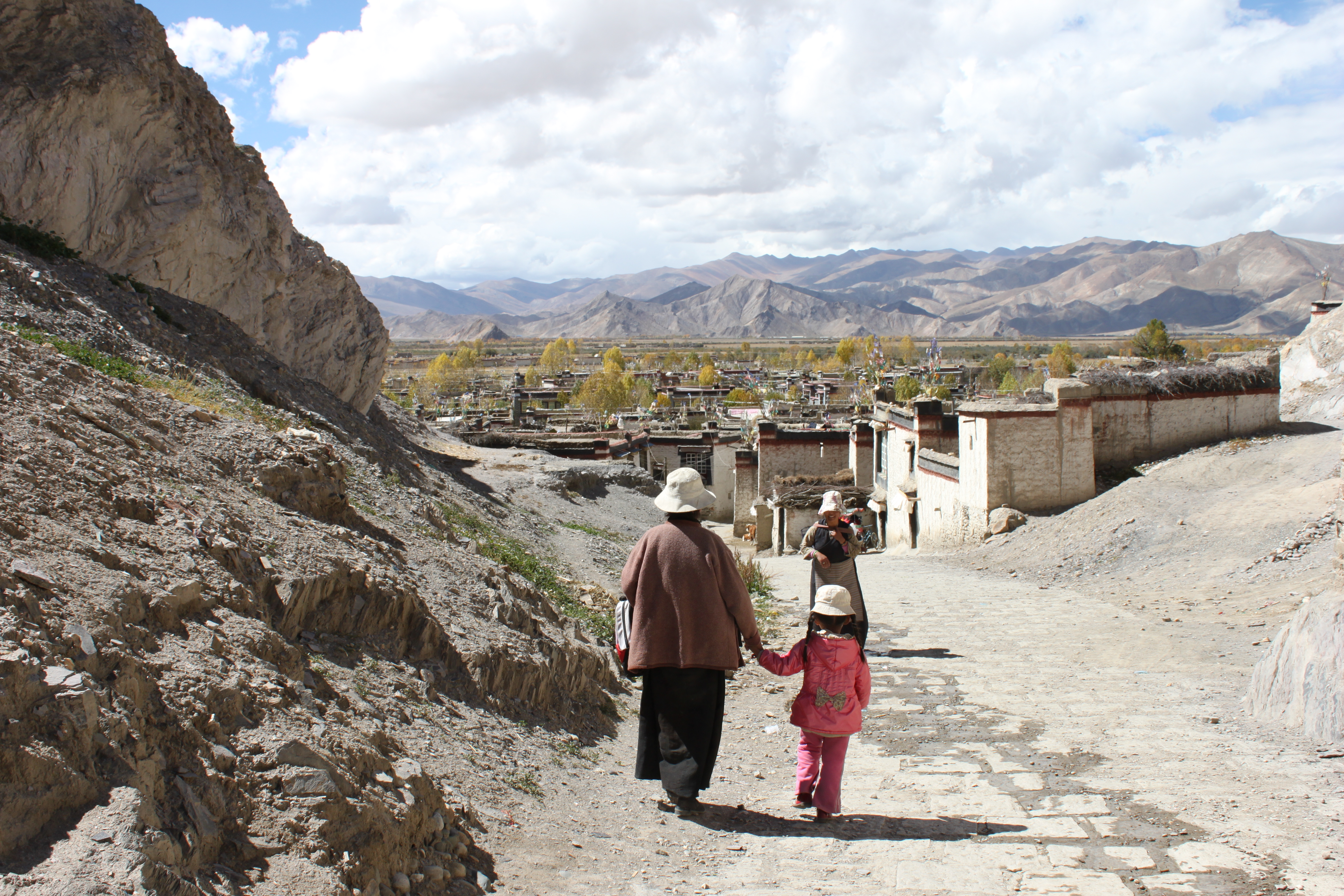


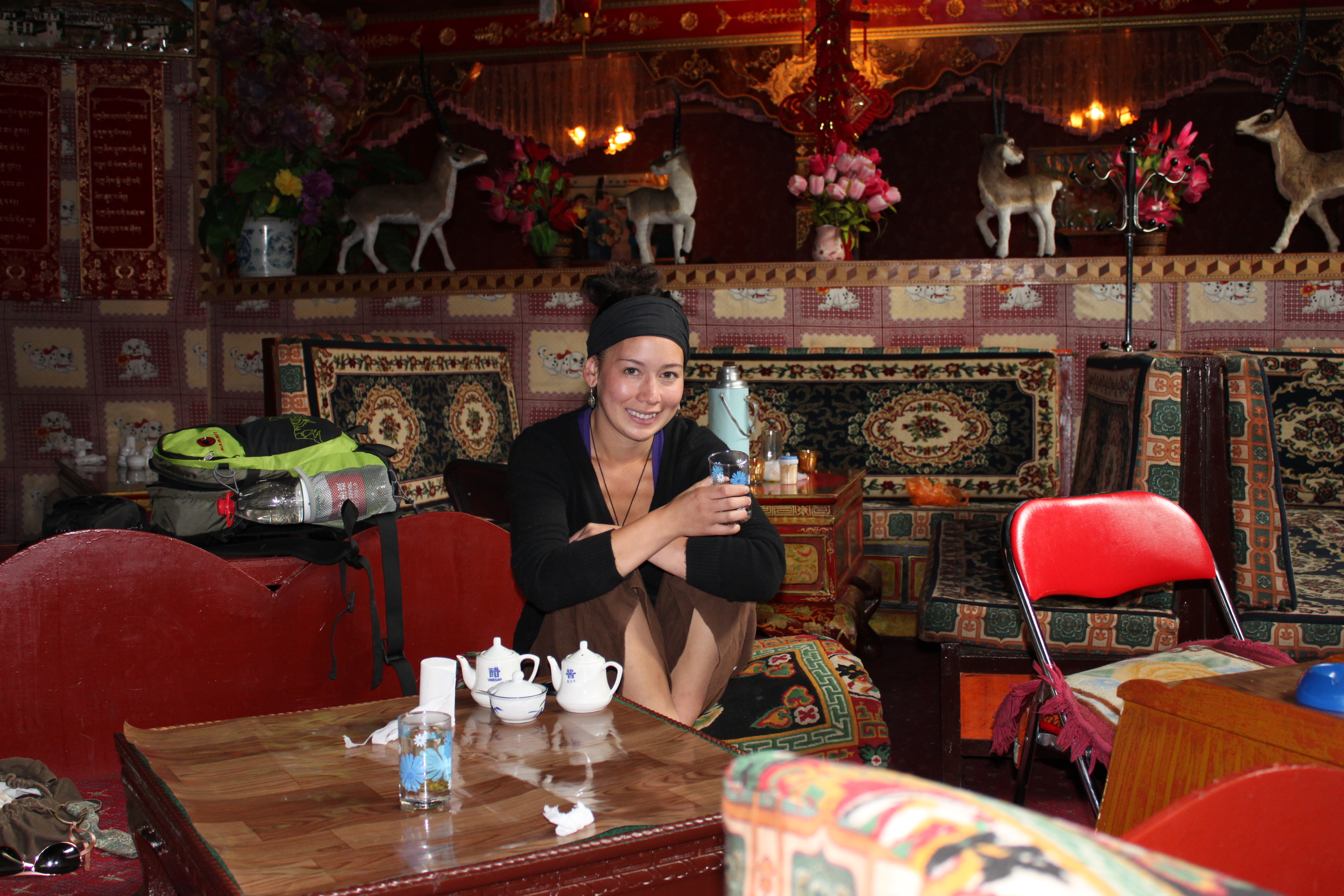
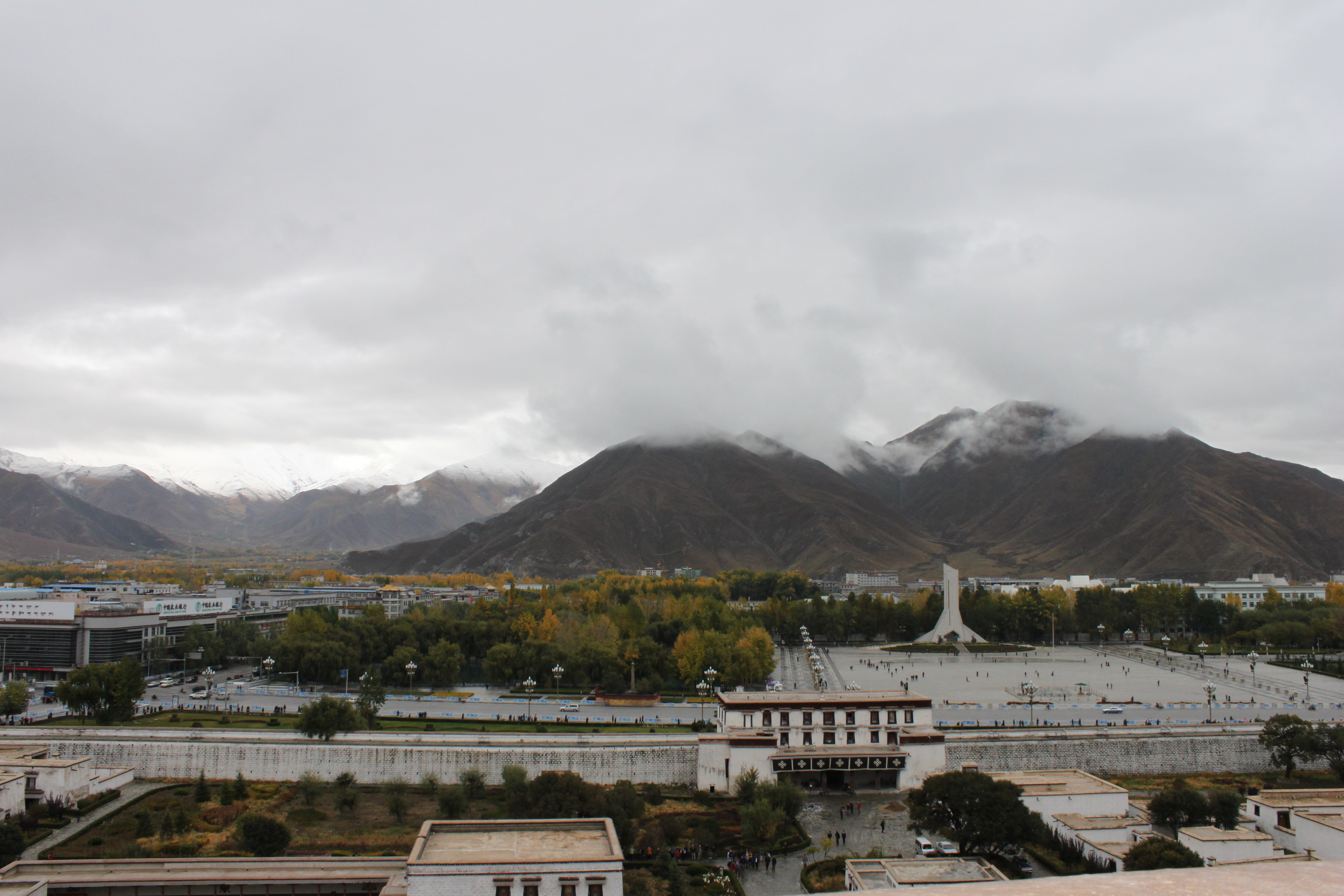
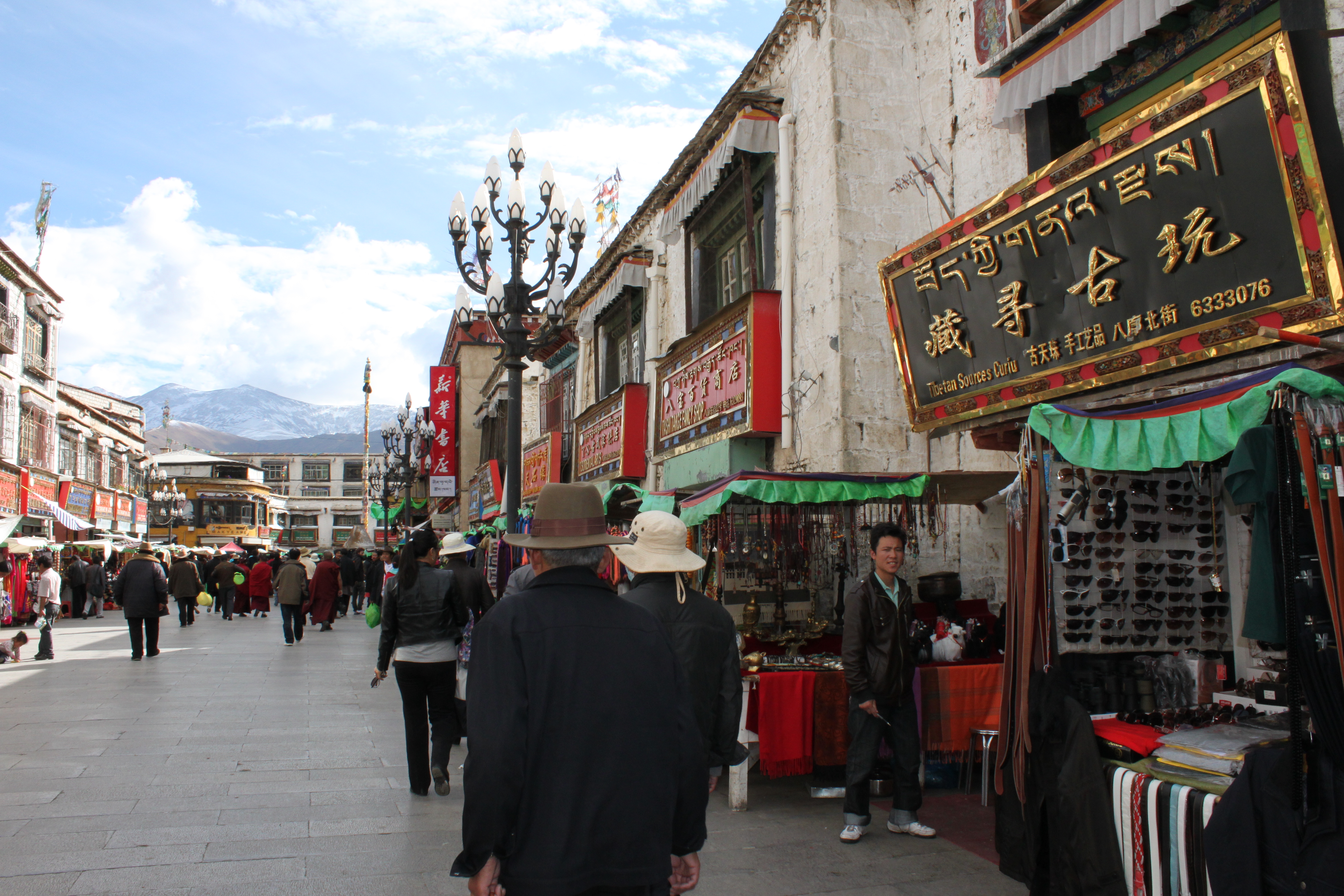
In Lhasa, the capital, the air is thick with incense, yak butter, raw meat and exhaust. Soldiers on street corners underscore the political reality, yet the markets pulse with energy. Stalls brim with inexpensive goods, and the food—quite distinct from typical Chinese fare—surprised me. I found myself eating less meat than expected, shifting almost naturally toward a semi-vegetarian diet.
Shopping in Lhasa became an adventure of its own: haggling over trinkets, exploring side streets, and sampling unfamiliar flavours. The city is at once challenging and rewarding, a place where the contrasts of Tibet are most visible.



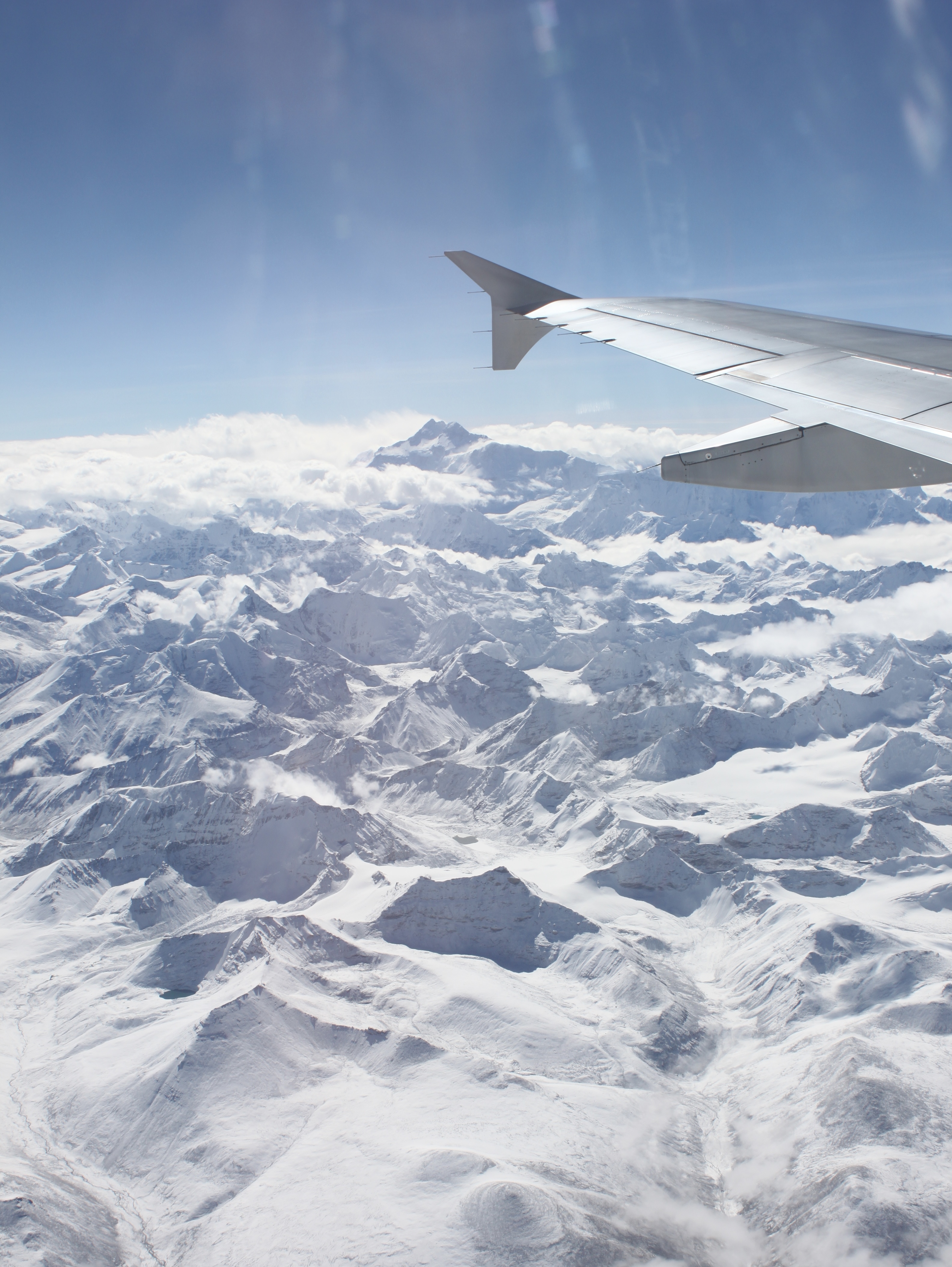
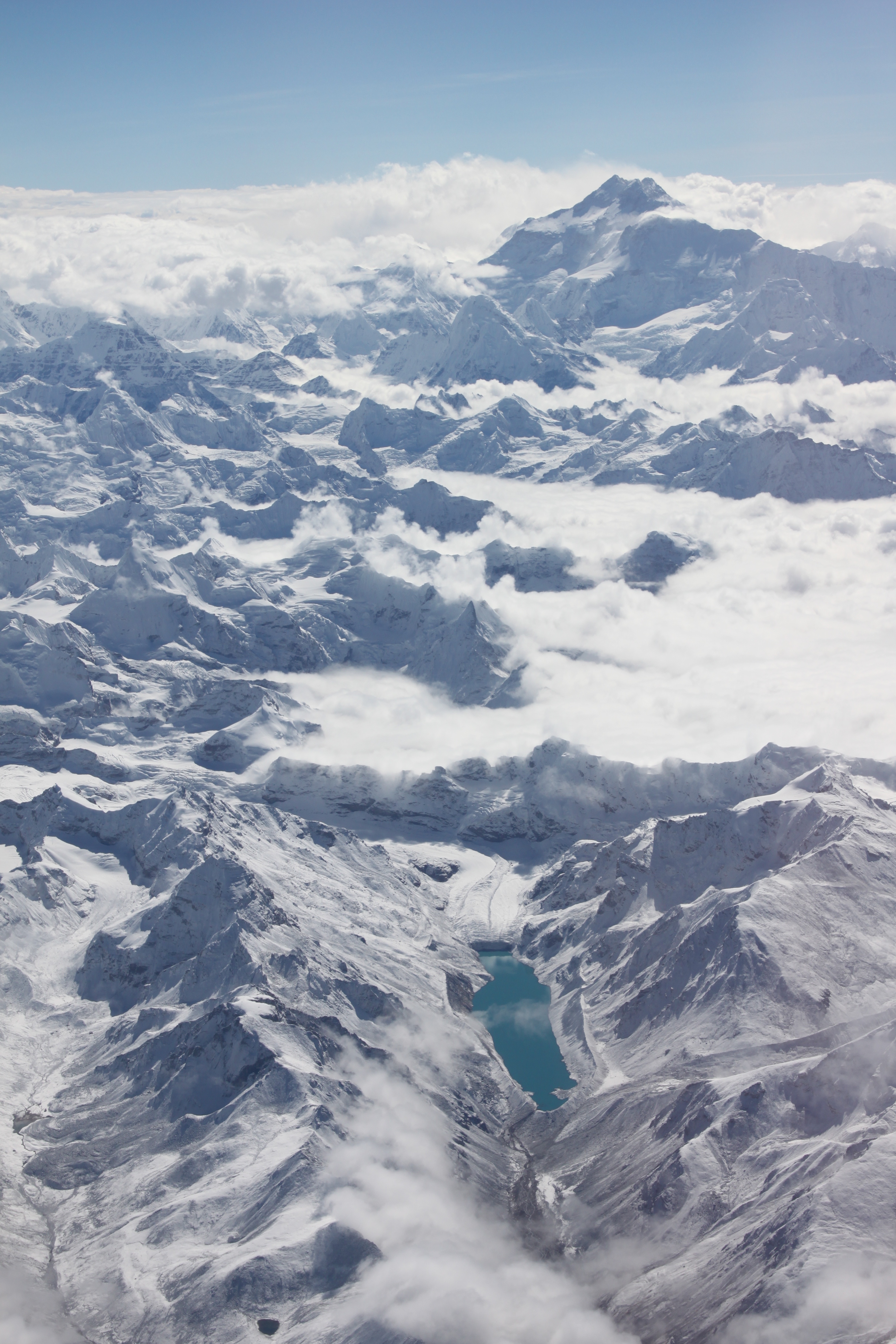
As my journey through Tibet concludes, a scenic flight over the Himalayas and Mount Everest provides a poignant farewell. Despite the challenges and complexities, the beauty of this remote land leaves an indelible mark. Ready for the next leg of my journey, I prepare to explore Varanasi, the holiest place in the world of Hinduism, eager to continue unraveling the rich tapestry of diverse cultures that shape our world.
Travelling to Tibet is a controlled affair, requiring group tours with guides. The official rationale revolves around supporting local income, yet the unspoken truth is the attempt to manage and prevent foreign interventions. Customs checks, performed meticulously, extend beyond security concerns, focusing on the prohibition of books and flags associated with Tibet. Engaging in any form of activism, even through social media platforms like Facebook and Youtube, is rendered impossible due to internet restrictions.
Yet, amid these challenges, Tibet’s physical beauty is undeniable. Vast open spaces and snow-capped mountains evoke a sense of liberty, a sensation of freedom that once defined the region. The vibrant colors of prayer flags fluttering high above mountain passes create a captivating spectacle against the cold sky.
Temples, repositories of rich history, bear witness to the spiritual legacy of Tibet, including visits to the former abode of the current Dalai Lama and the golden tombs of his predecessors.
The true gems of Tibet, however, are its people. The Tibetans, resilient in their determination to preserve their unique culture, inhabit remote mountain villages where they cultivate barley and straw to sustain their way of life. Generous and genuine, they offer visitors insights into their reality, sharing Yak butter tea and glimpses into their daily lives. Language barriers persist due to the recent influx of tourism, yet a simple smile becomes a universal language, bridging gaps and leaving lasting impressions.
Lhasa, the capital of Tibet, presents a unique blend of cultures, reminiscent of walking through a real-life Chinatown. However, the overpowering mix of pollution, incense, yak butter, and raw meat challenges the senses. The visible presence of communism, with soldiers stationed at every corner, serves as a stark reminder of the complex political landscape.
Shopping in Lhasa is an adventure, with cheap finds beckoning hungry shoppers. The local cuisine, distinct from typical Chinese fare, surprised me, leading to an unintentional shift towards a semi-vegetarian diet. The experience, though challenging, offered a unique perspective on the daily lives of the Tibetan people.
My time here ended with a flight across the Himalayas, Everest rising above the clouds in the morning light. Despite its difficulties and contradictions, Tibet left an indelible mark. It is a place where beauty and hardship coexist, and where resilience carries on in the face of change.
Next stop: Varanasi, one of Hinduism’s holiest cities, where another layer of history, faith and tradition awaits.


When I was a little girl, I lived for the days my big brother returned from his travels, especially after his journeys through faraway corners of Asia. On one visit, he placed a small, unusual ring in my hand, telling me it came from a place called Nepal. Etched with the sacred Buddhist mantra Om mani padme hum, it quickly became one of my most treasured possessions until, at last, it broke. Yet that fractured ring left more than just an empty space on my finger. It planted a quiet vow within me: that one day, I would set foot in the mystical land that had stirred my childhood imagination.

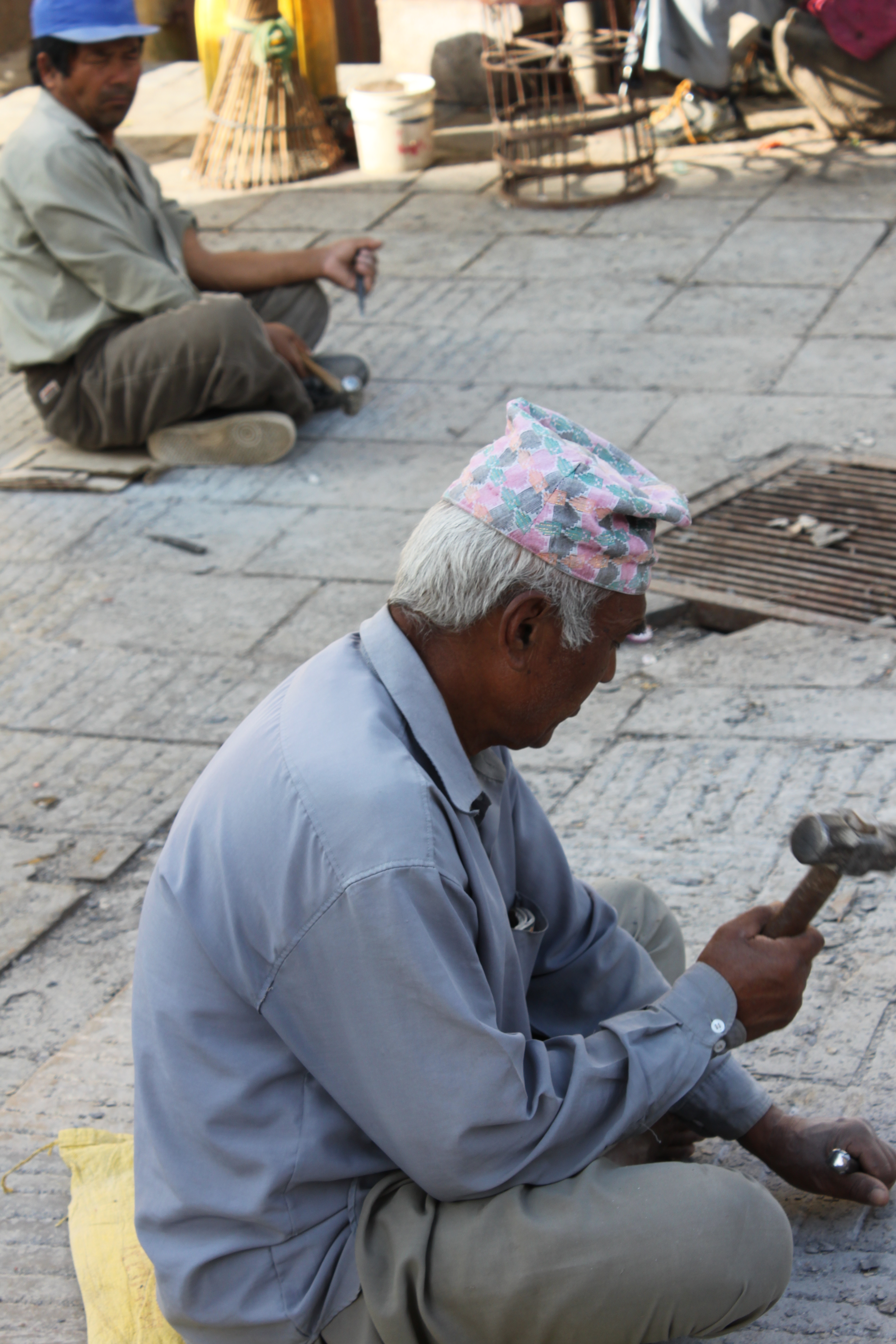
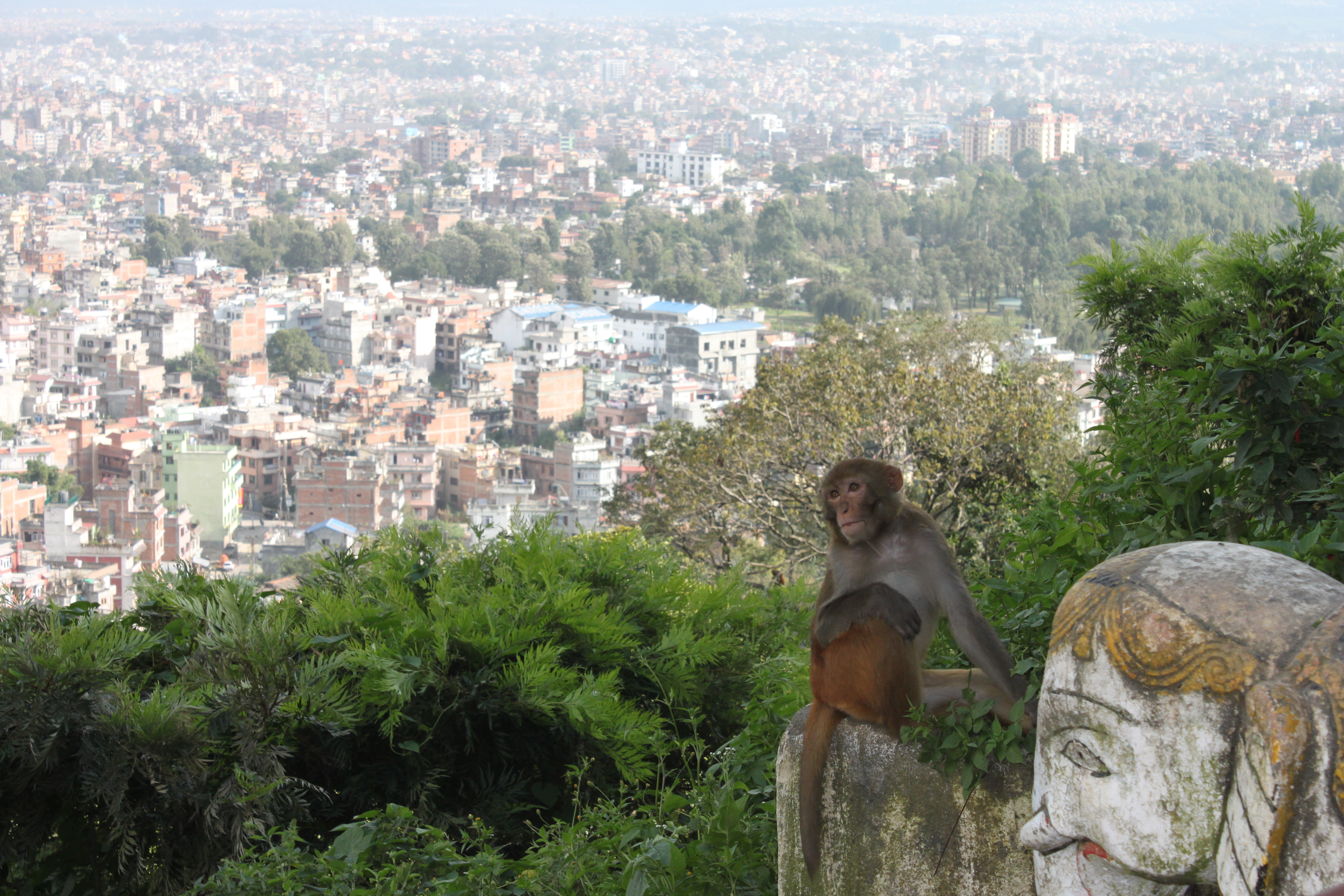

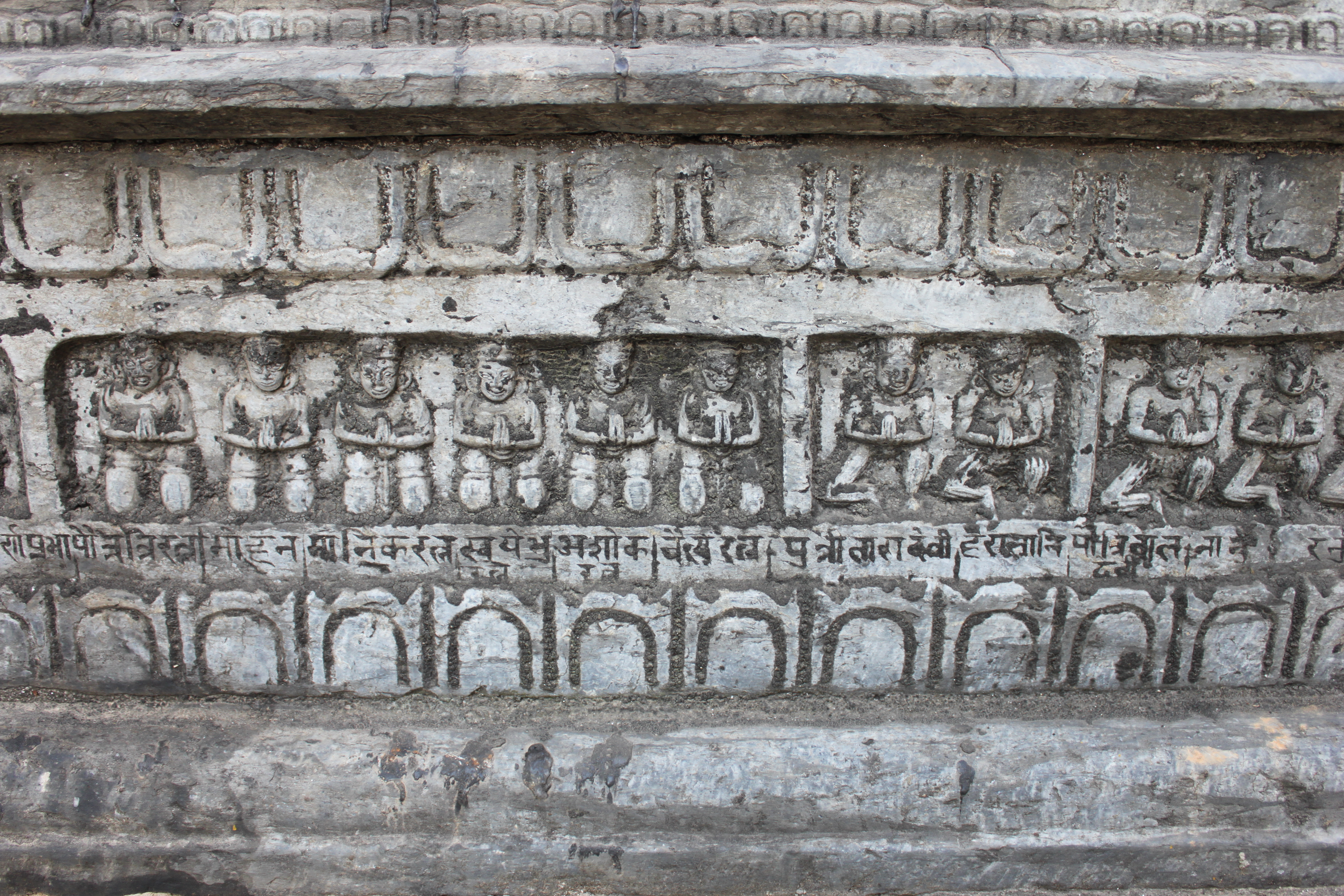

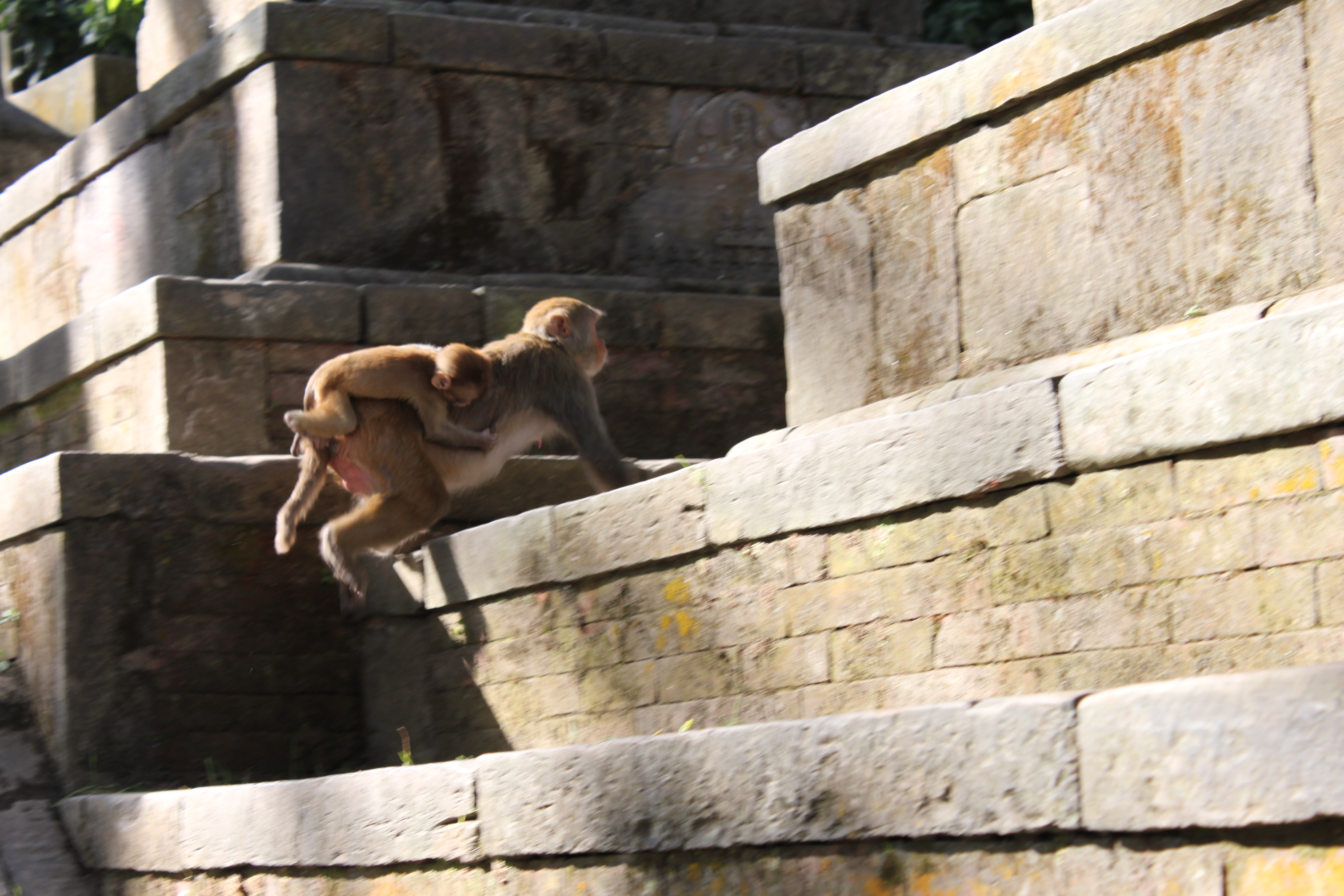
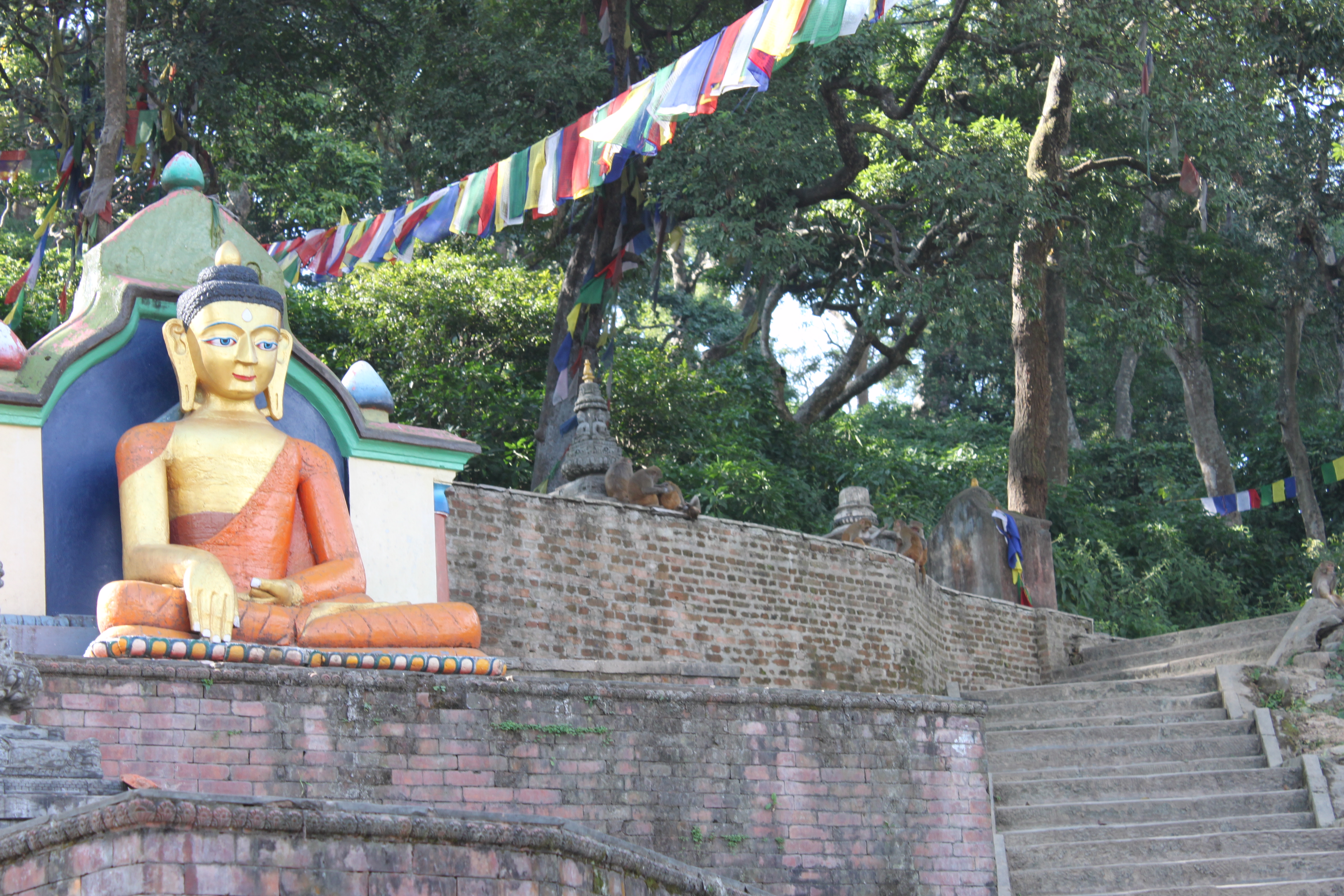

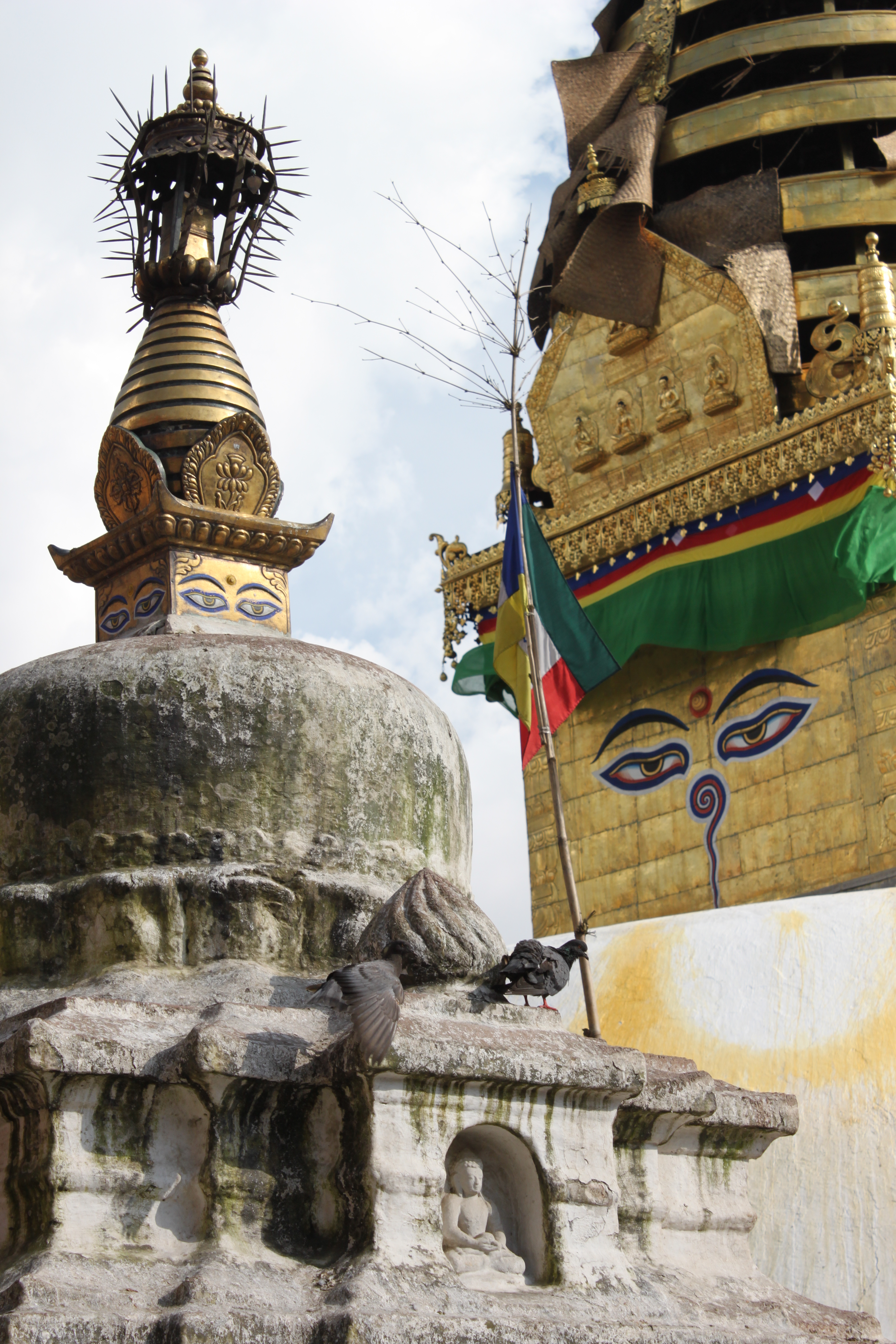
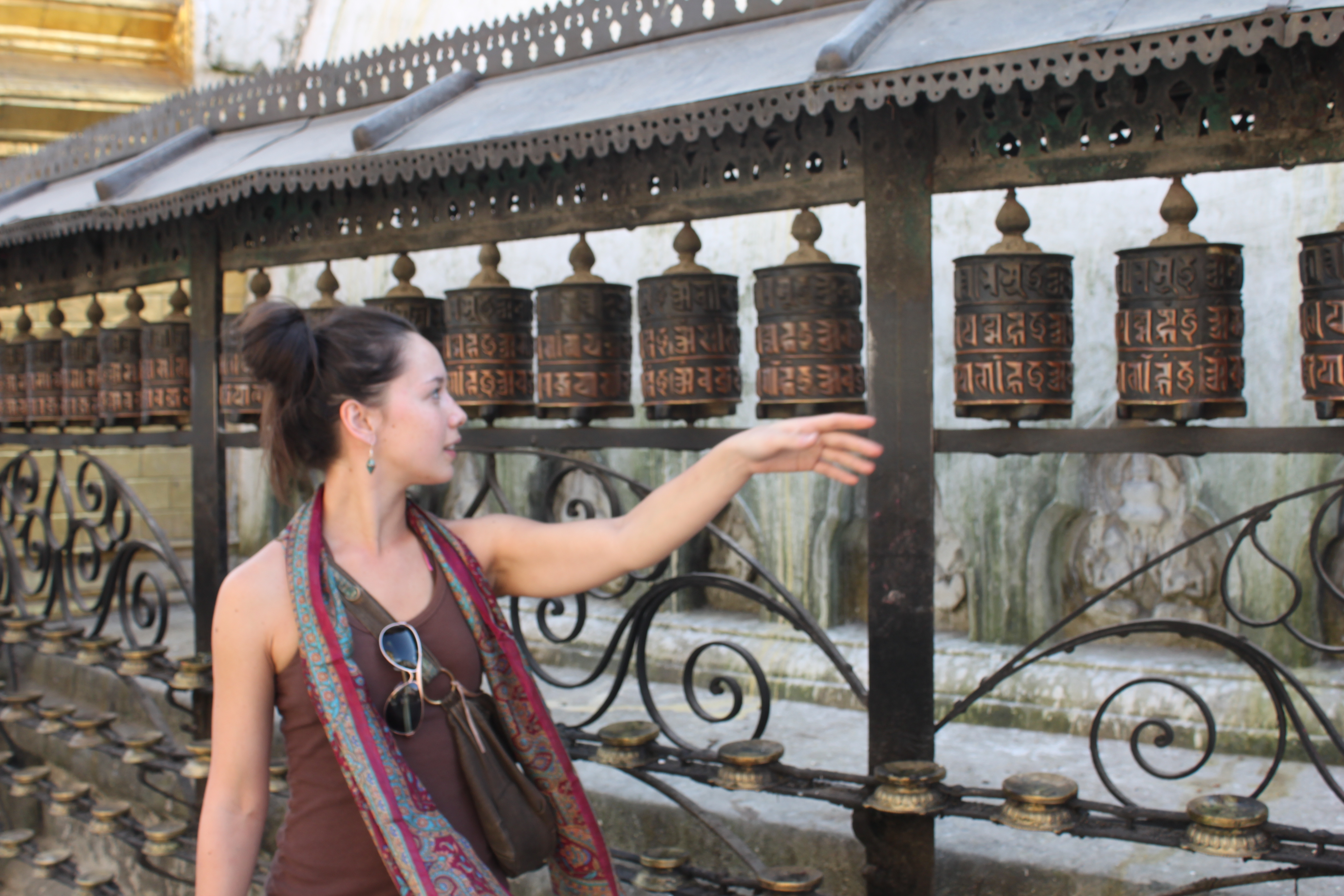


Upon arriving in Nepal, I was welcomed by a lively symphony of honks, fragrant incense, and bursts of colour all around me. The Himalayan breeze wove its way through Thamel, where strings of prayer flags painted the sky in reds, blues, and yellows above winding streets filled with bookstores, trekking shops, and inviting eateries. Within this joyful chaos, I felt an immediate sense of belonging, surrounded by the openness and warmth of the Nepalese people.
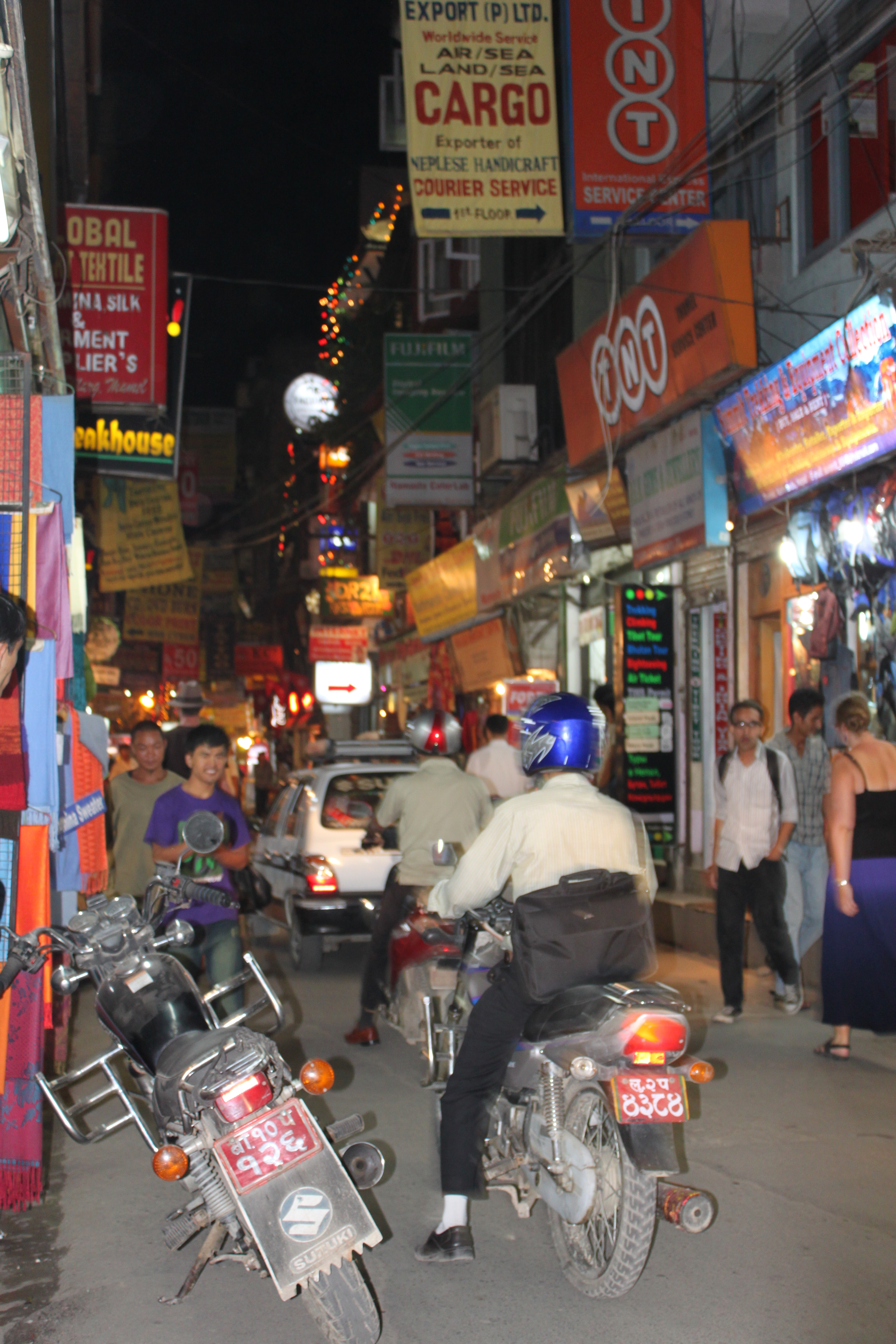


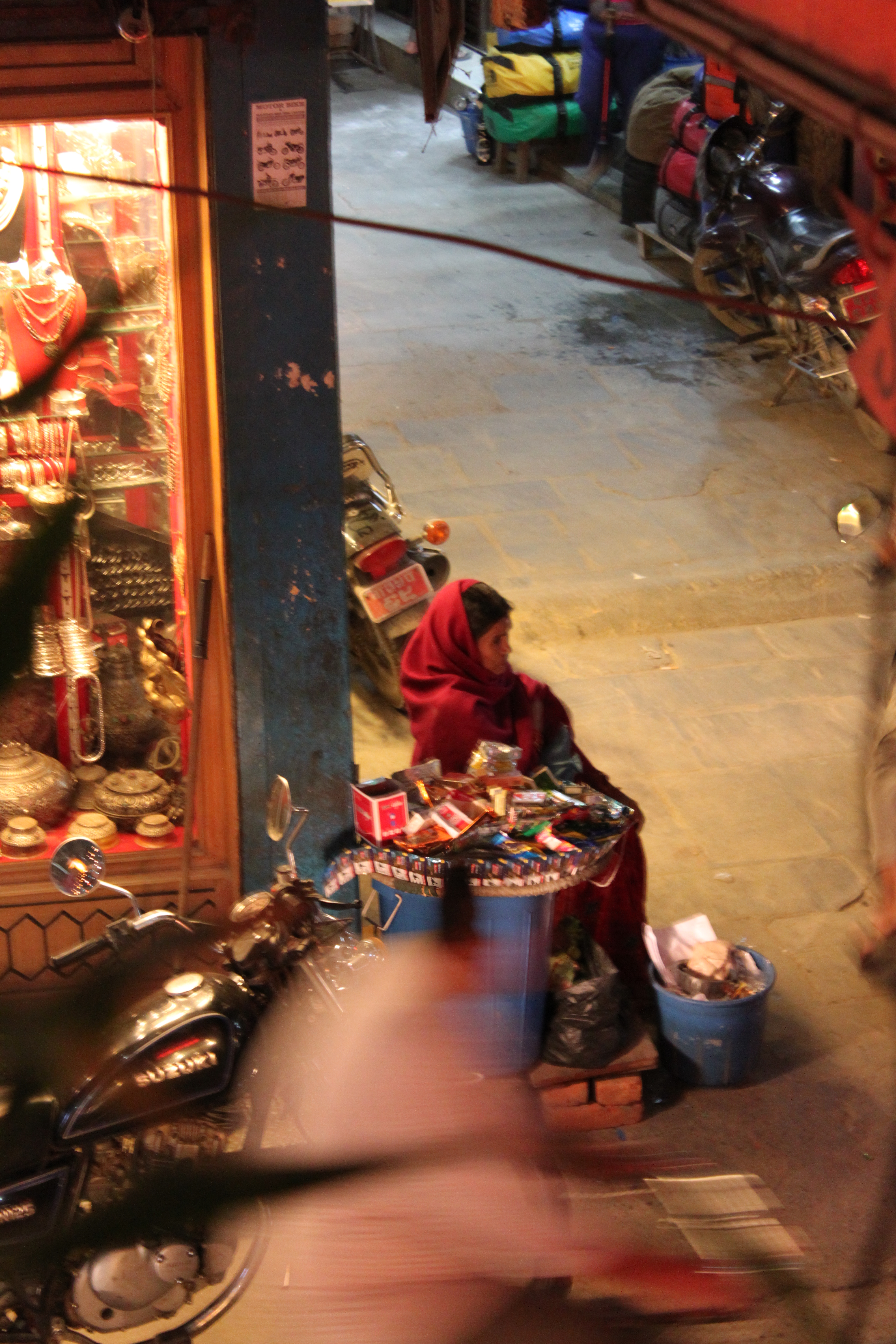
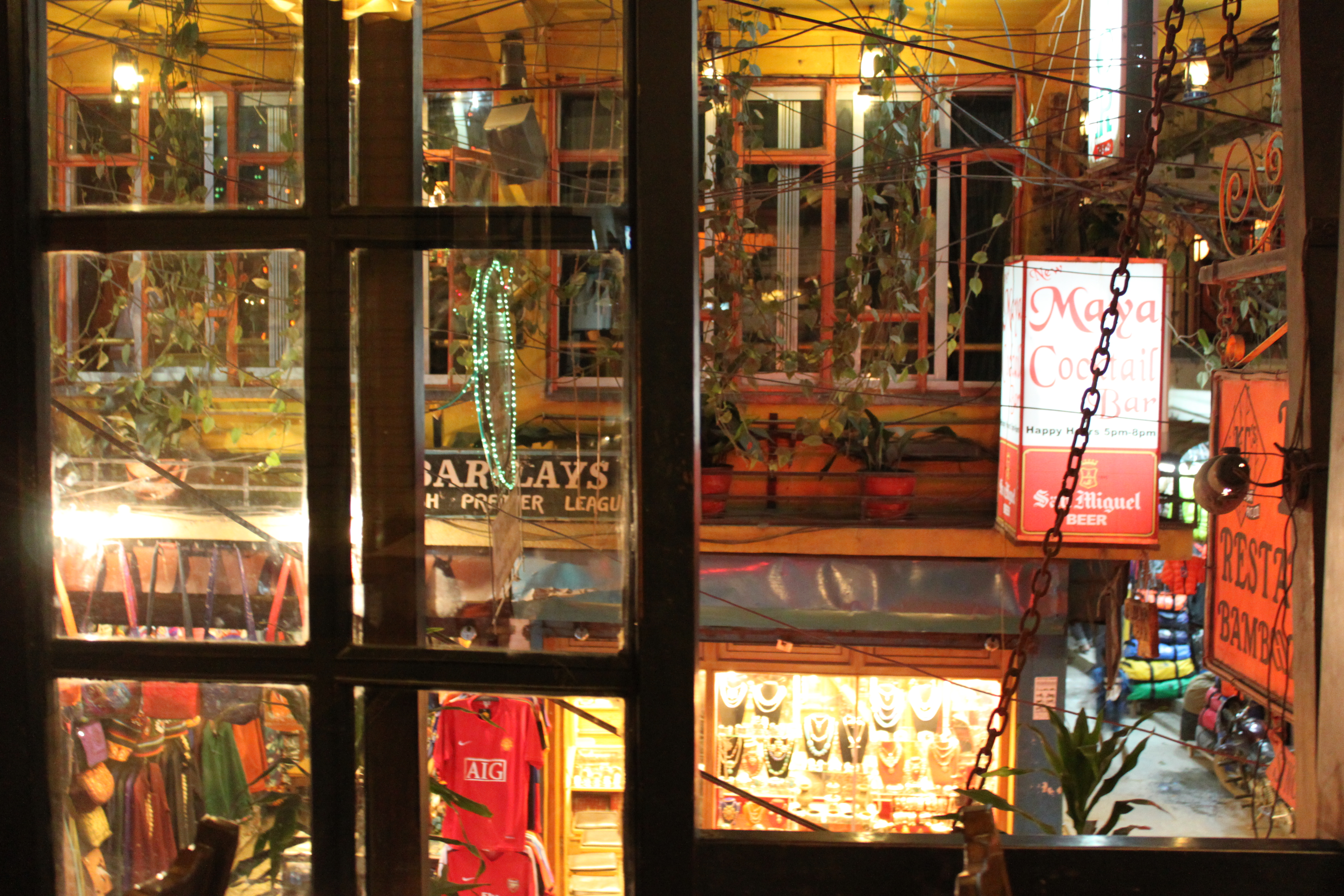


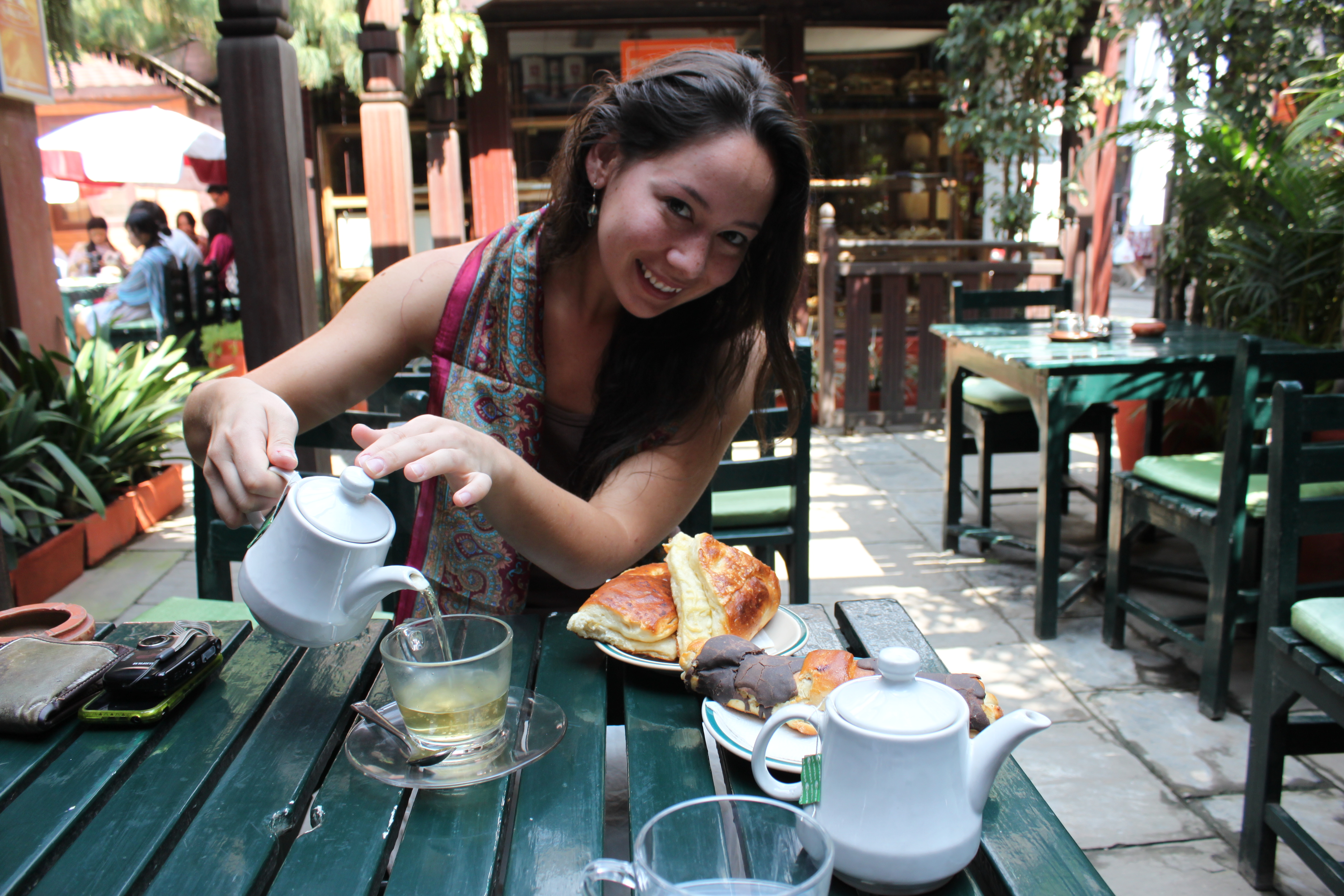


After a few days of rest and exploration, we set out into the foothills of the Himalayas with Manik as our guide. The trek around Kathmandu, punctuated by nights in rustic tea houses, was awe-inspiring in every sense. Yet it was Manik’s story that gave the journey its deepest meaning — a humble man with a boundless heart. On our final evening together, we shared dubious rice wine and nibbled on curious dried fish, a simple ritual that blossomed into a profound exchange of life stories.
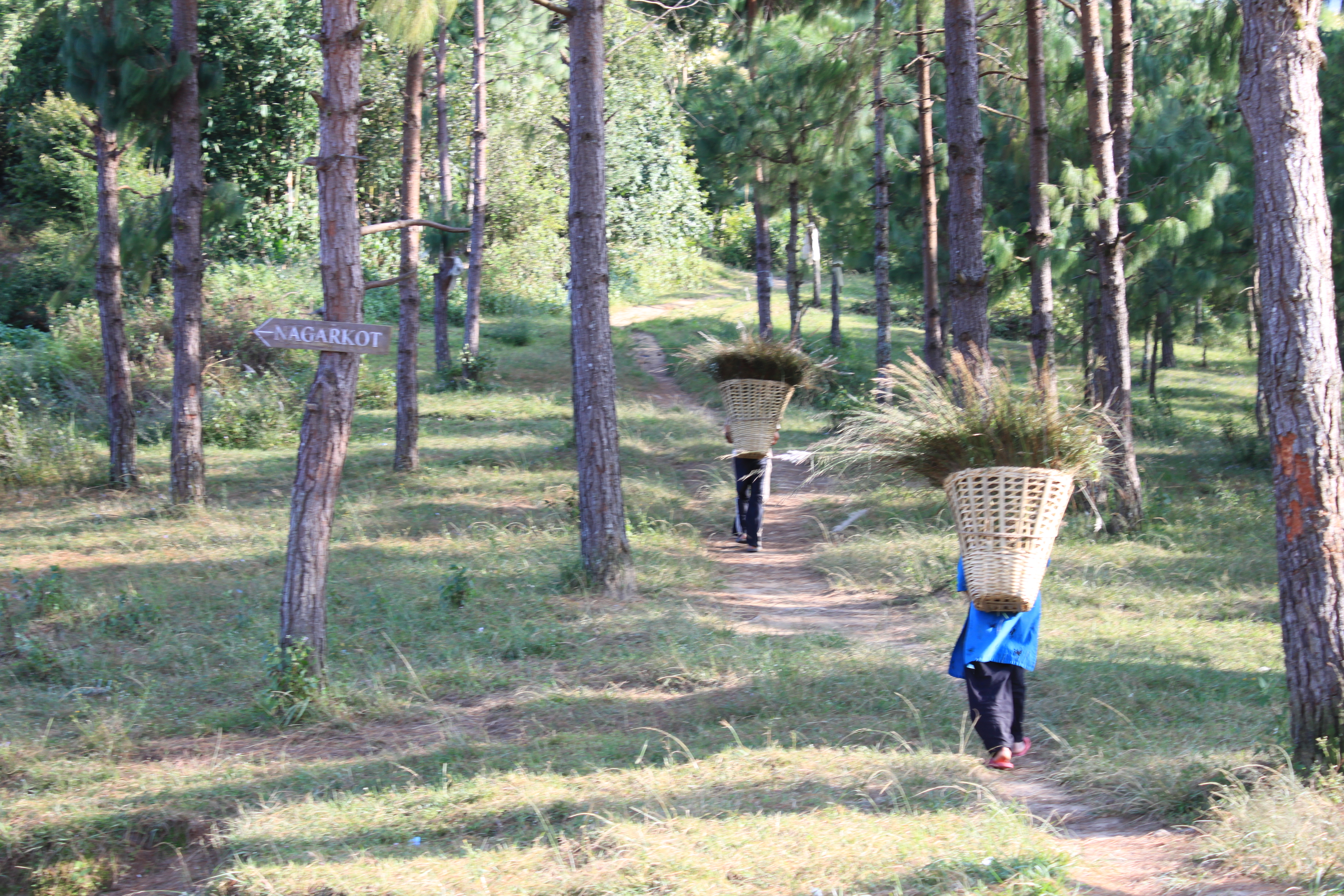
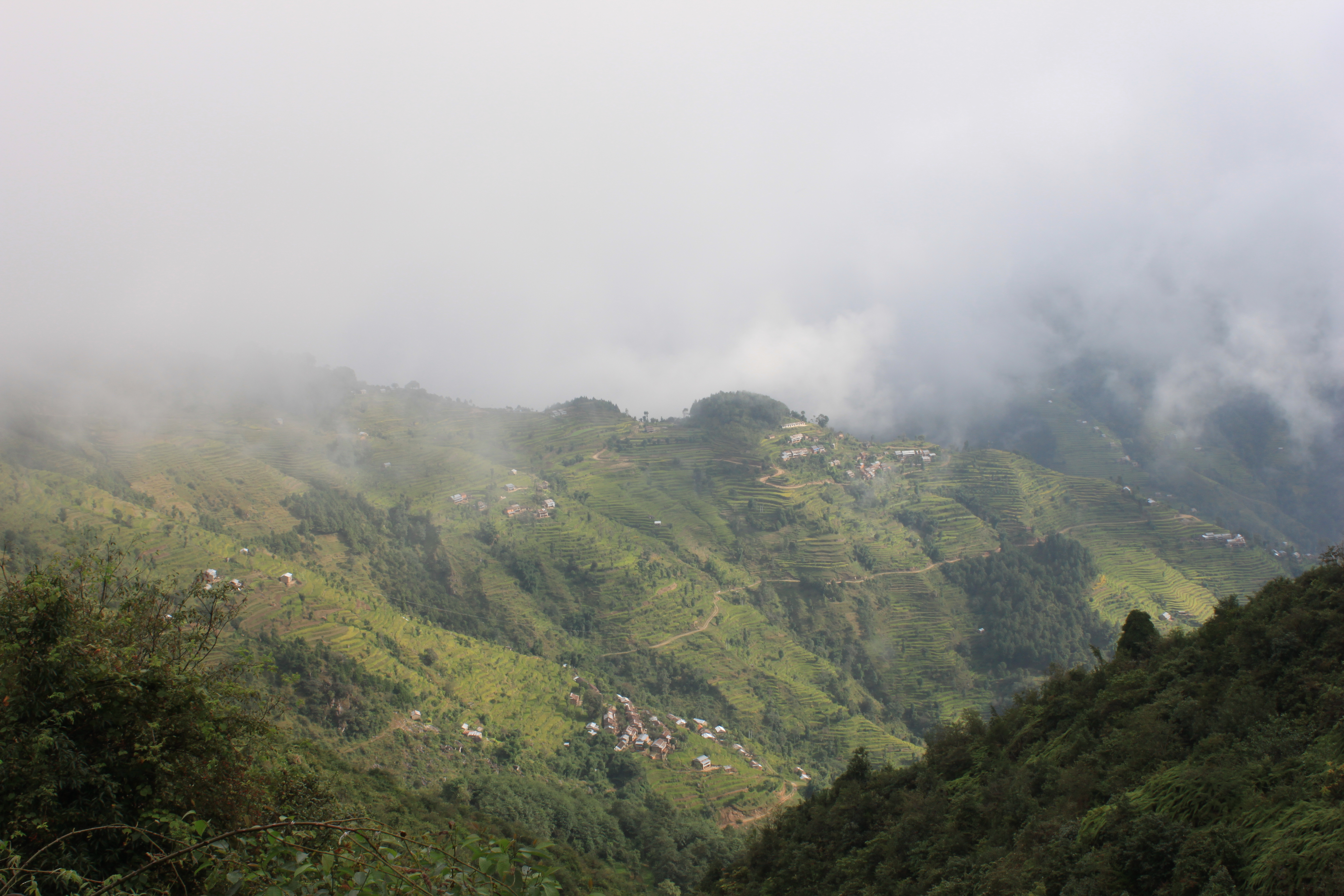
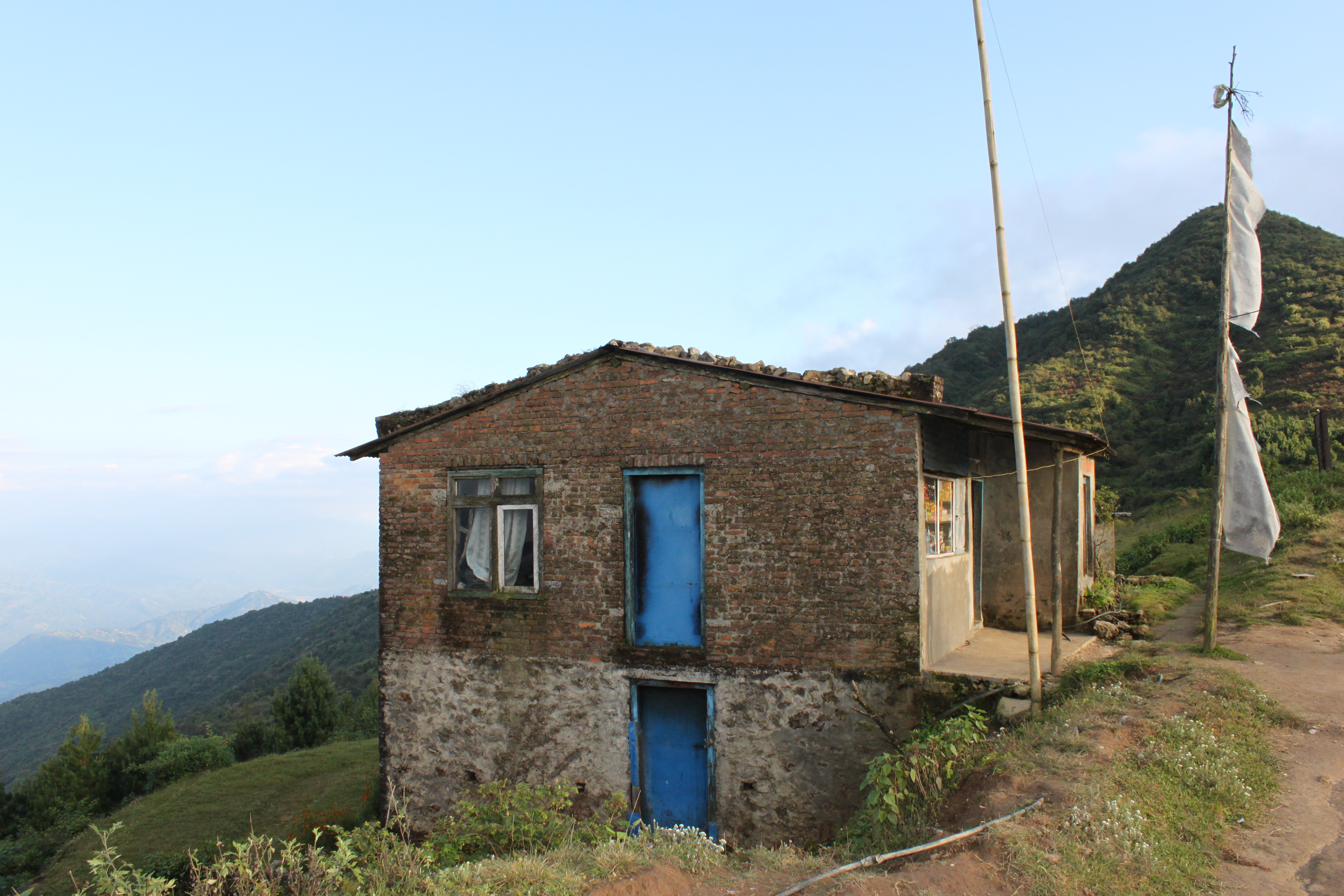

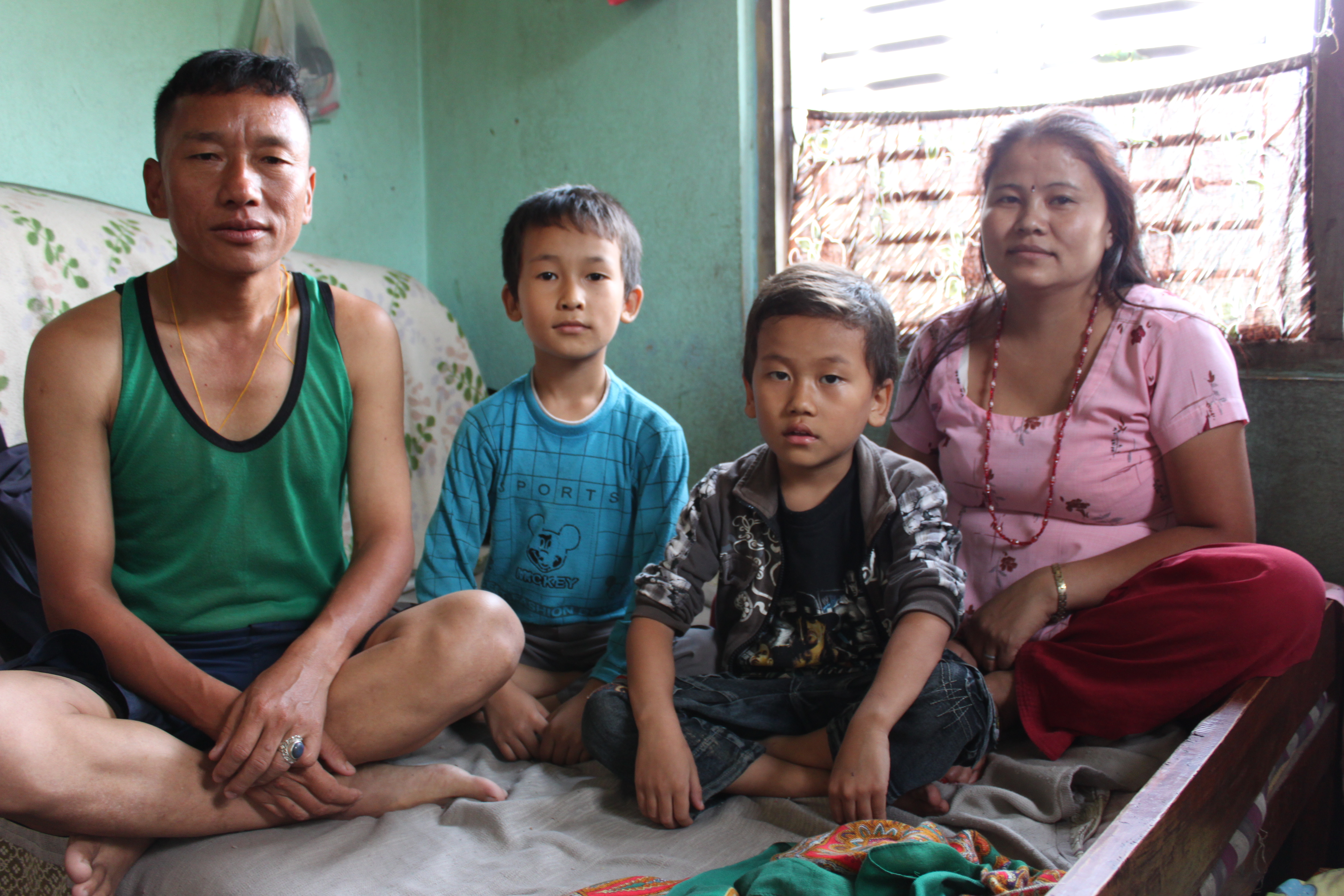
After completing our 45-kilometer trek, we returned to Thamel, where Manik graciously invited us into his home. The next morning, we learned that his entire family—his wife and three sons, shared a modest 8×9 room. Yet within those simple walls, Manik’s generosity overflowed. He welcomed us with lessons of Buddhism, served a meal prepared with care, and, as a blessing of respect and good fortune, draped white scarves around our shoulders. Carrying these tokens of kindness, we set out on the next leg of our journey—across the border into Tibet, China. The challenges ahead loomed large, but Manik’s warmth and wisdom stayed with us, a quiet beacon of strength and inspiration.



 Footloose Diary