
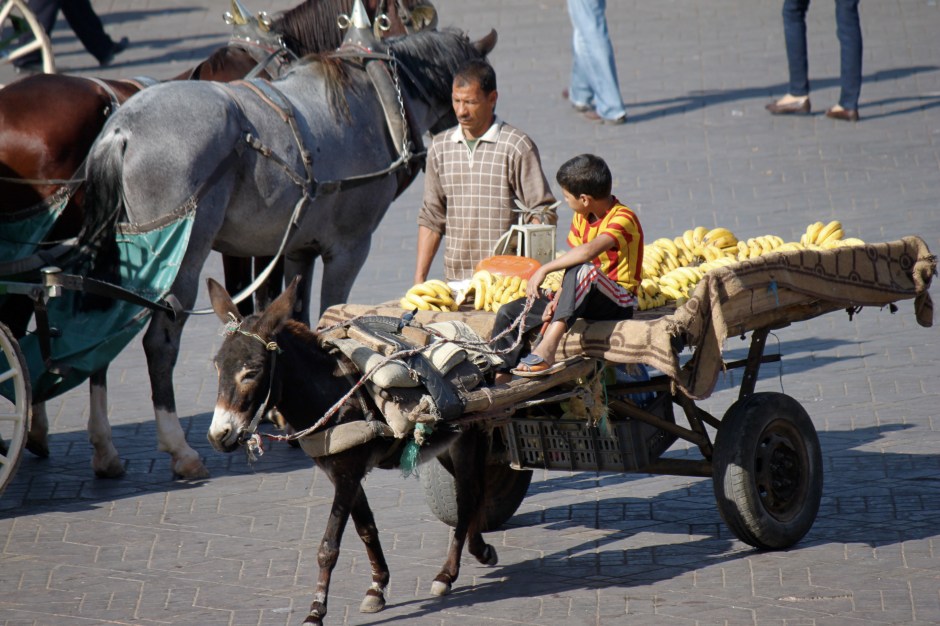
The impressive red-walled medina of Marrakech is a labyrinth of narrow, winding streets teeming with the vibrant energy of daily life. Here, locals navigate the bustling chaos, with children herding donkeys and market stalls overflowing with textiles, handcrafted pottery, and the enticing aromas of spices. Vendors call out to passersby, inviting them to explore their wares, while each turn in the cobblestone paths leads to lively souks where the rich culture coexists with the stark realities of life.
Despite visible hardships, this 11th-century city offers breathtaking beauty and numerous opportunities for exploration. Once the capital of the kingdom, Marrakech is now a thriving economic hub, attracting visitors from around the world. Known as the “Red City” for its stunning sandstone architecture, it serves as a vital cultural, religious, and trading centre for the Maghreb and sub-Saharan Africa.
As you navigate the medina, you’ll encounter the dazzling colours of traditional textiles fluttering in the aromatic air, the hypnotic sounds of musicians playing soulful melodies, and the serene beauty of hidden gardens that provide a tranquil escape. In this enchanting place, one might wonder: is it truly magic, or merely the captivating spirit of a city that enfolds its spell on the heart and soul?
Exploring the Medina
To fully appreciate the medina, avoid the temptation to get lost for fun. Instead, grab a map and familiarize yourself with the area. The fortified city is an endless maze that can lead to less desirable places—areas you may not want to visit. If you stay around the Jemaa el-Fnaa square and the souks, you’ll have plenty of streets to explore, filled with vibrant markets and eye-popping sights.
Tip: Don’t follow the directions to the square from the souk; they can mislead you and take you on a longer route around the market. From the souks, keep to the right to find your way back to the square.
Market Adventures: Tips for the Smart Shopper
The souks are a panoply of alleyways lined with tiny retail cubicles. Each section specializes in local goods: carpets, leather products, crafts, pottery, blankets, thuya woodwork, and more. Marrakech also hosts the largest traditional Berber souk in Morocco.
Before spending your dirhams, make sure to put on your “smart shopper shoes.” Vendors will try to get as many bills from you as possible. Here are some tips to navigate the shopping experience:
- When entering a store, don’t look directly at the items, especially if you’re interested in something. Appear wide-eyed but uninterested.
- Once you’re certain about buying something, take a closer look. The vendor will be beside you in seconds.
- Ask for the price, then offer about one-quarter of their starting price. Expect to settle somewhere in between their initial number and yours.
- If the vendor doesn’t meet you halfway or stays firm on a high price, start to walk away. More often than not, they will follow and agree to your price.
For example, if you want to buy a pair of babouches (Moroccan shoes) and the seller starts at 150 dirhams, offer 50 dirhams. They may counter with 120 dirhams, and you can respond with 70. Continue until you meet at a fair price—don’t be afraid to walk away if necessary!


Tranquil Retreats: Riads as Oases
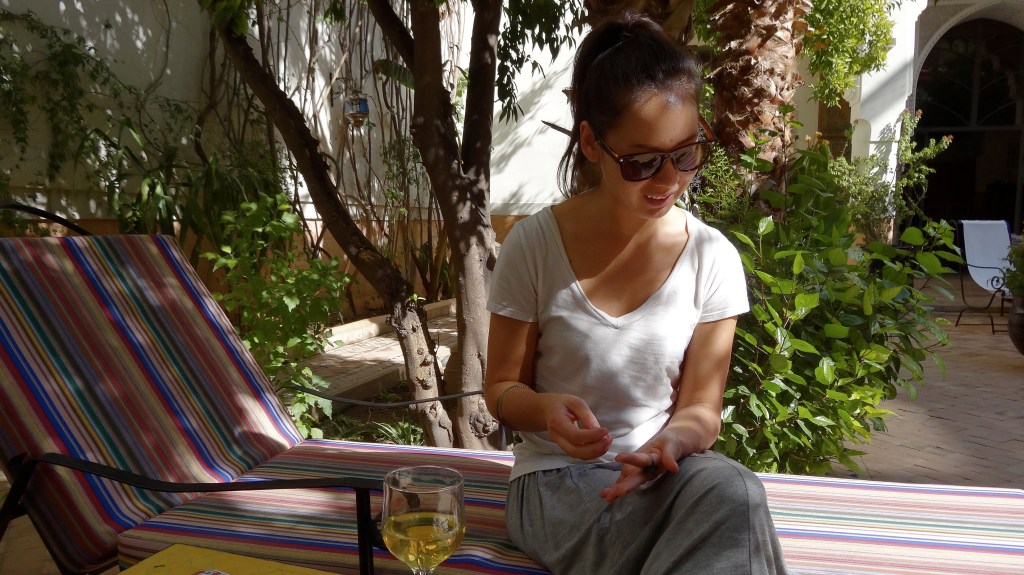
Riads in bustling Marrakech are oases of peace. Open a wooden door, and you enter a paradise for travellers. Relax on a comfortable sofa in the open-air courtyard, surrounded by orange trees and birds. Breakfast, including freshly squeezed orange juice and Moroccan crepes, is often served on the terrace. You can also request dinner, prepared with fresh ingredients sourced the same day—pastillas were my favourite!
At Riad Laila, breakfast is enjoyed in the garden, while dinner is served poolside. And at Riad Dar Rmane, Rachida ensures a memorable stay. You’ll be treated to dates, dried apricots, cashews, and olives with a glass of wine as you relax on a lounge chair on the roof terrace. If you order dinner before 2 p.m., she’ll shop for the freshest ingredients and serve a delicious meal in the open-air living room, complete with a bed of petals.


Balancing Marrakech’s Chaos: Activities Beyond the City
Cooking Delights
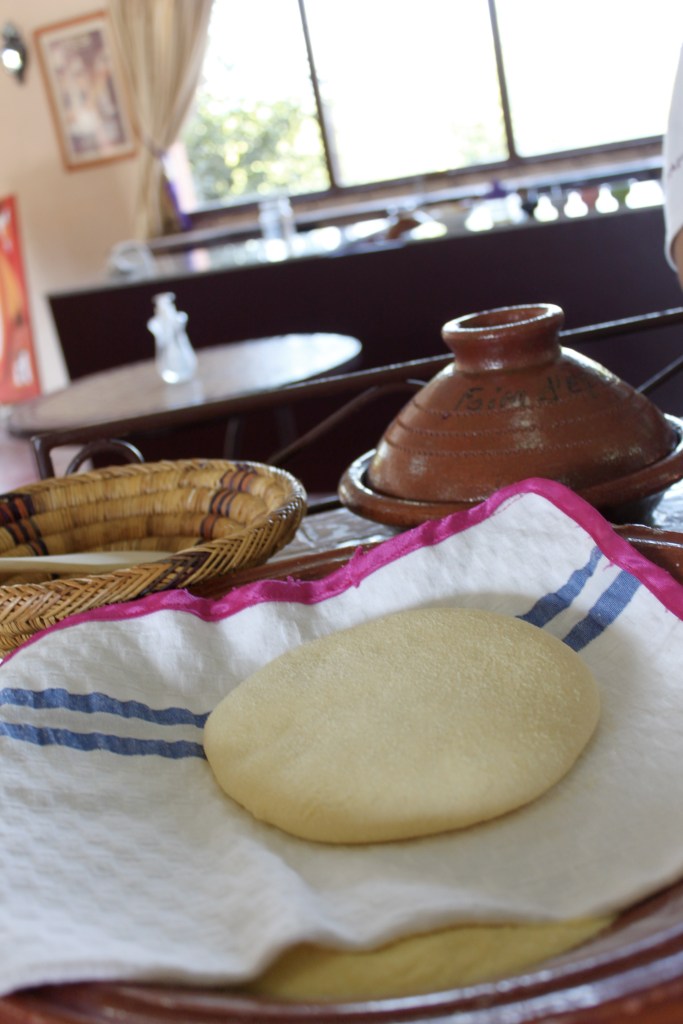
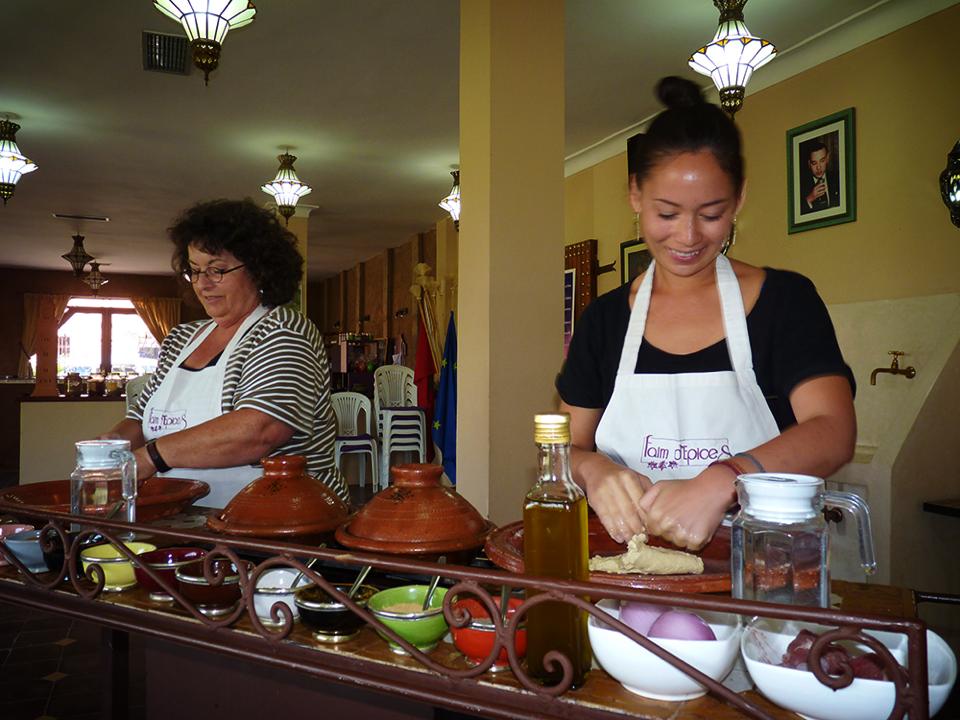
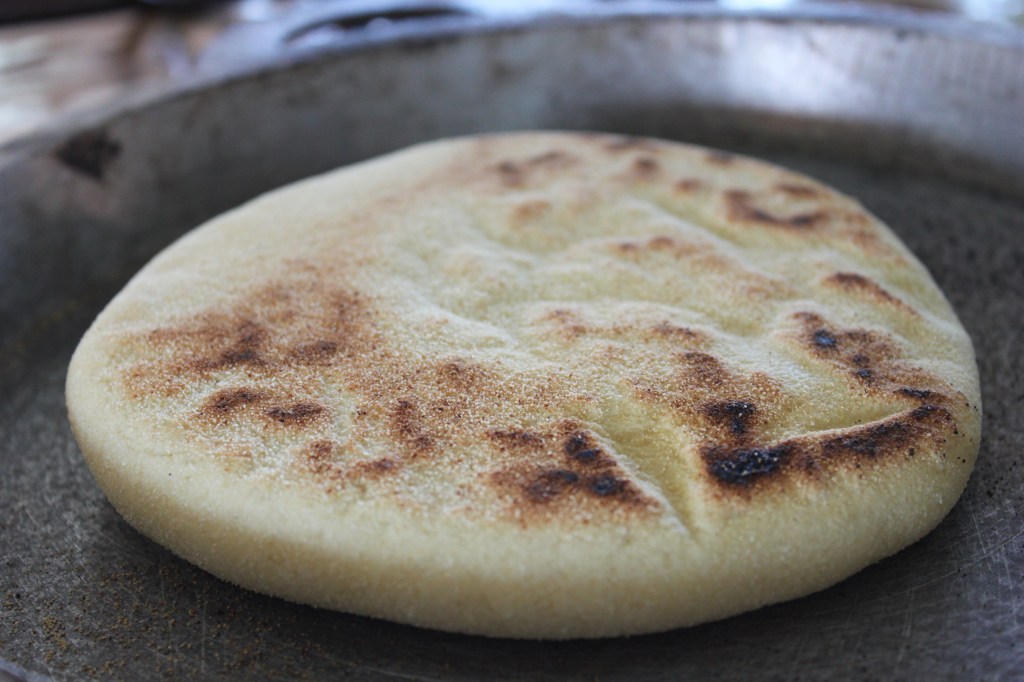
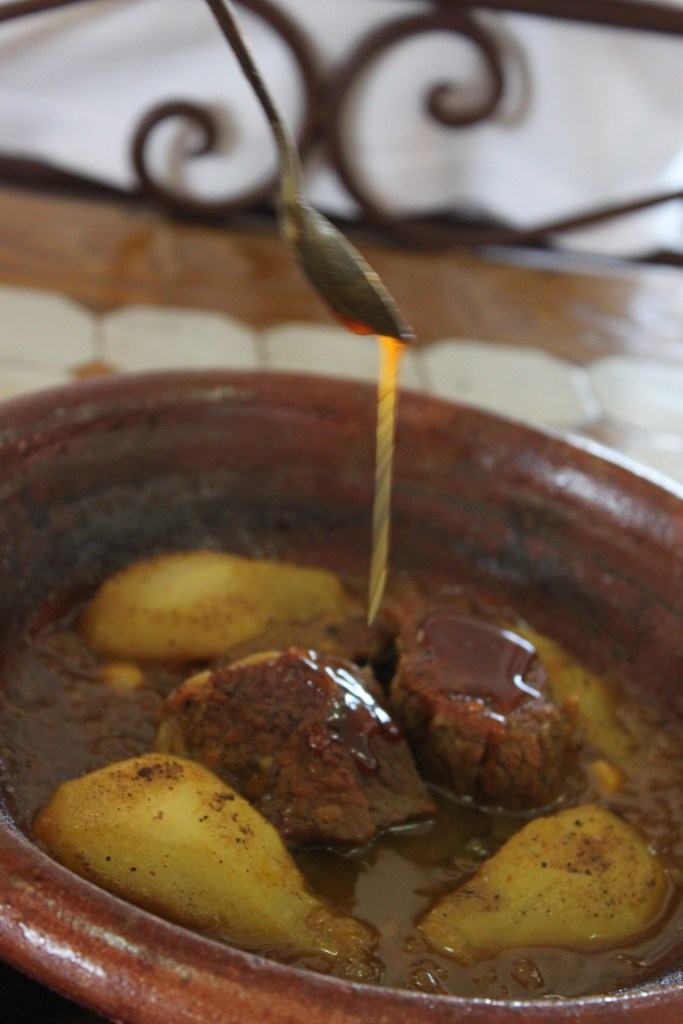
If you need a break from the hustle and bustle of the Red City, consider enrolling in a cooking class. Spend the day learning about spices and how to prepare authentic Moroccan dishes. You’ll enjoy your culinary creations in a garden setting with fellow students—perhaps with a glass of wine. For more information, visit Michel’s website at www.faimdepices.com.





Majestic Majorelle Gardens: A Tranquil Oasis
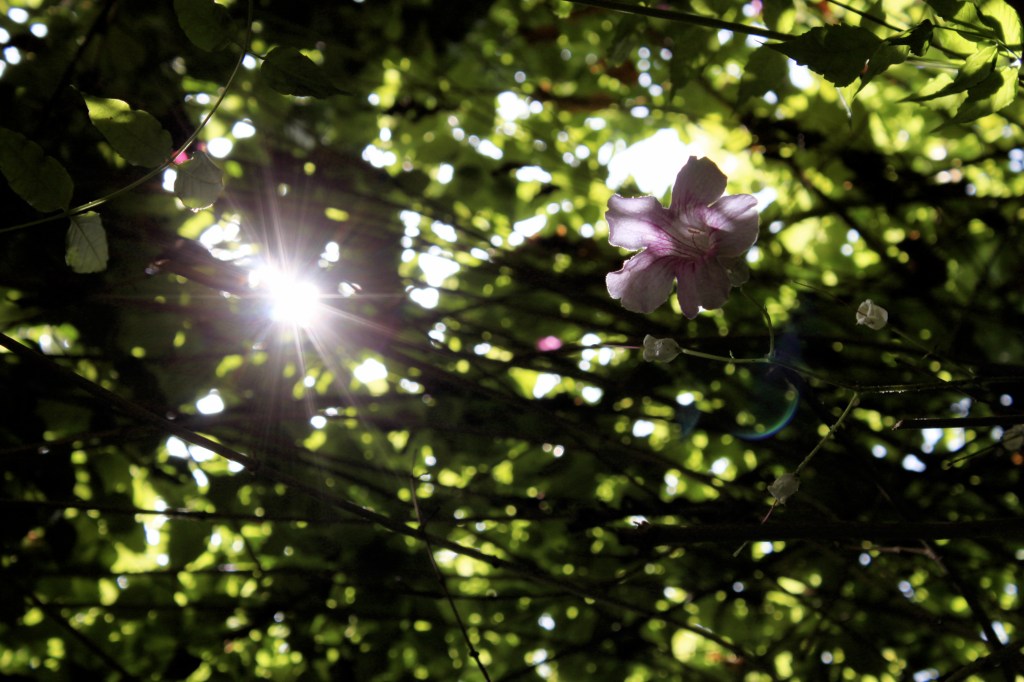
Just a few minutes’ walk from one of the northern entrances of the medina, you’ll find the beautiful Majorelle Gardens. Designed in the 1920s and 1930s by French artist Jacques Majorelle, it’s now a famous tourist attraction. French designer Yves Saint Laurent purchased the garden in 1980, and when he passed away in 2008, his ashes were scattered in the rose garden. A memorial now stands on a pedestal with a plaque bearing his name to honour his legacy. “It is a way for artists to live on…”


Rejuvenate at Marrakech’s Spas
And why not treat yourself to a spa day at the end of your stay? Marrakech has a variety of spas offering massages, facials, body treatments, and beauty services. Finish your experience in a traditional hammam—try Hammam 1001 Nuits, located at the entrance of Jemaa el-Fnaa.
Ethical Considerations: Beyond Tourist Traps
The raw reality is evident and difficult to admit. From wealthy tourists photographing poverty to aggressive haggling over sales, tourism’s impact on the people of Marrakech is significant and complex. Some aspects, like the snake charmers, involve cruelty. The snakes, tranquilized and sewn at the mouth to prevent bites, stand straight out of fear. These endangered animals rarely survive more than three months. Similarly, the “cute” monkeys endure a cruel life. Taken from their mothers at a young age, they undergo harsh training, often involving chains and deprivation, to perform tricks for tourists. Their teeth are pulled out, and they are kept in cramped boxes, suffering from heat stroke and illness. At night, they are forced to entertain, all for a photo-op with smiling tourists.
Please, be mindful of the animals’ suffering. Avoid supporting these tourist traps. Marrakech has so much more to offer than animal cruelty. Be a conscientious traveller. If you wish to help, consider donating to organizations like the Fondation Helga Heidrich SOS Animaux.
Conclusion: Marrakech’s Unique Charms
If you’re looking for an adventure that pushes your boundaries and immerses you in vibrant culture—visit Marrakech, the city that never sleeps. Wander through colourful alleys lit by candles and lanterns, and navigate the smoky cooking stands in the square. Let the rhythms of local musicians and the prayer calls from the minarets enchant you. Perhaps you’ll discover a bit of magic that will intrigue your senses and linger in your heart long after you’ve left.
 Footloose Diary
Incredible Shots!
Thanks for the supportive comment Jono! I’m glad you liked them! 😀
🙂