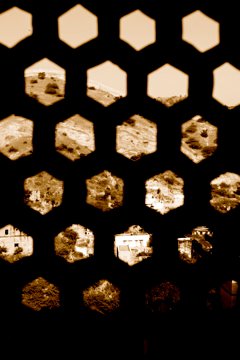
Kanyakumari: The End of the Road

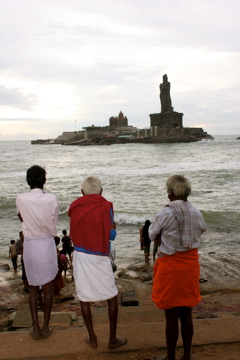
There I stood, with my feet soaking in the confluence of three seas, at the land’s end of the country, at the tip of my Indian journey.

Kanyakumari, a quaint and unassuming village, graces the southern extremity of the Indian subcontinent. Nestled at the confluence of the Indian Ocean, Bay of Bengal, and the Arabian Sea, it is often said that reaching this geographical nexus signifies the conclusion of a profound journey of self-discovery—a moment steeped in accomplishment.

Our expedition spanned the length of the subcontinent, tracing a route from the northern border to the absolute southern tip. We traversed vast distances on the labyrinthine roads of India, delving into the lives of its people, absorbing the nuances of their diverse culture. From the colonial imprints on cities and their denizens to stark disparities in wealth and caste, our expedition unfolded a tapestry of experiences. We bore witness to the harsh realities of poverty, glimpsed the stark juxtaposition of opulence, and comprehended the disheartening absence of hope for many. Our gaze met the faces of countless homeless individuals, orphaned children, beggars, and disabled souls, including a man ravaged by leprosy, his skeletal limbs protruding. Amidst the chaos, overcrowding, disorder, and injustice, we beheld a nation yearning for salvation.

Yet, amidst the shadows cast upon India, rays of goodness pierced through. Pristine beaches adorned with swaying palm trees graced both coasts. Architectural marvels, spanning the epochs from history to contemporary times, stood as testaments to India’s rich heritage. The tapestry of diverse religions woven into the fabric of daily life. The aroma of delectable dishes, crafted from the freshest ingredients. The unwavering pride of the citizens in their national sport, cricket. The shy smiles adorning each face.

And so, at this juncture, on the brink of the nation, facing the convergence of three seas, I find myself at the culmination of a journey marked by introspection, comprehension, admiration, and compassion. India, I extend my gratitude for rendering this expedition the most indelible of all.

As the curtain falls on this chapter, the time for vacation beckons. Join me on the forthcoming leg of my adventure in Sri Lanka, chronicled in my next blog.
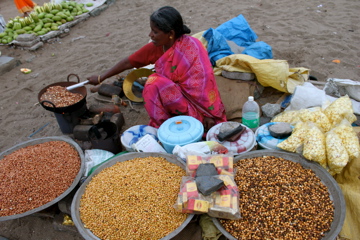
Under a Keralan Sun

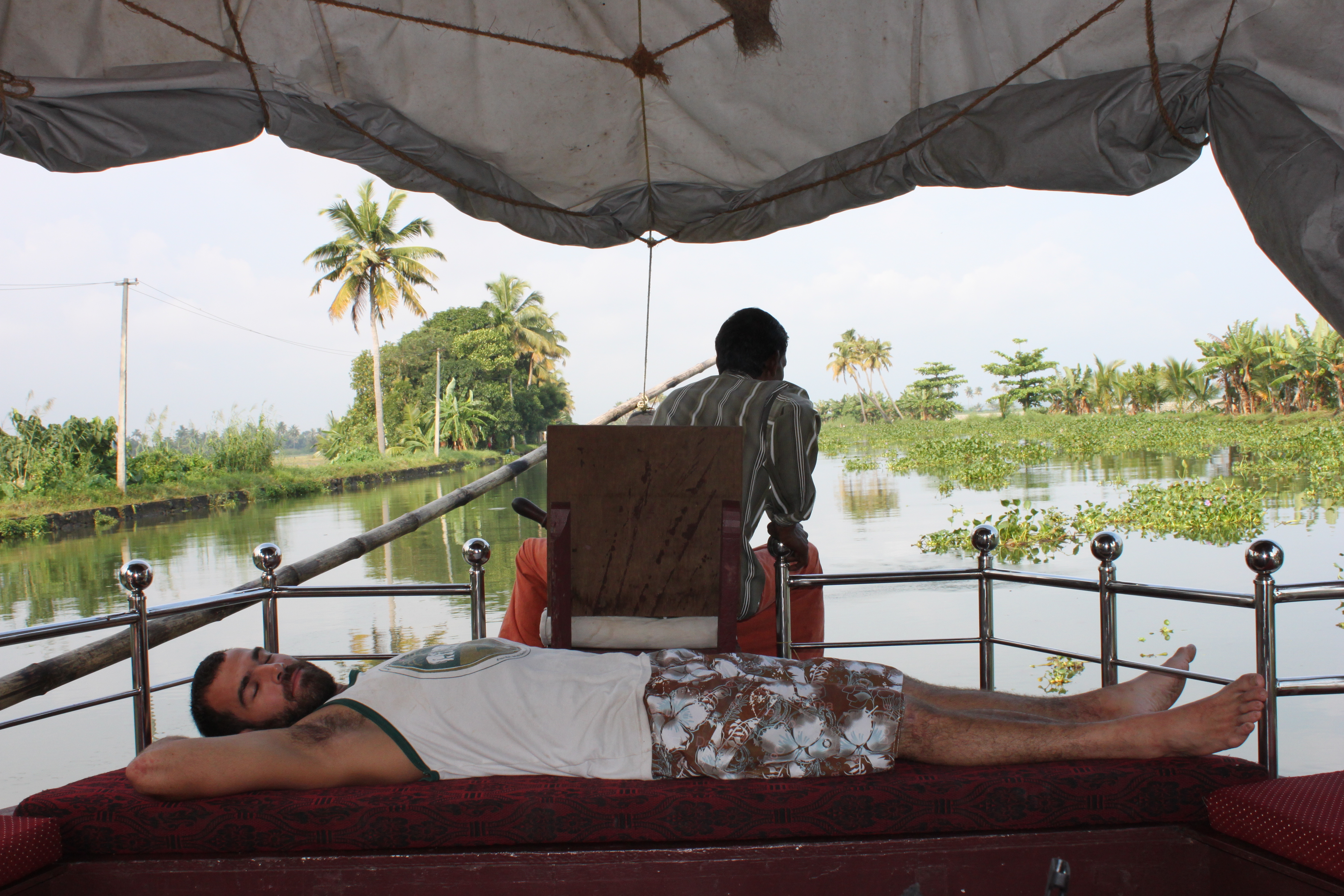
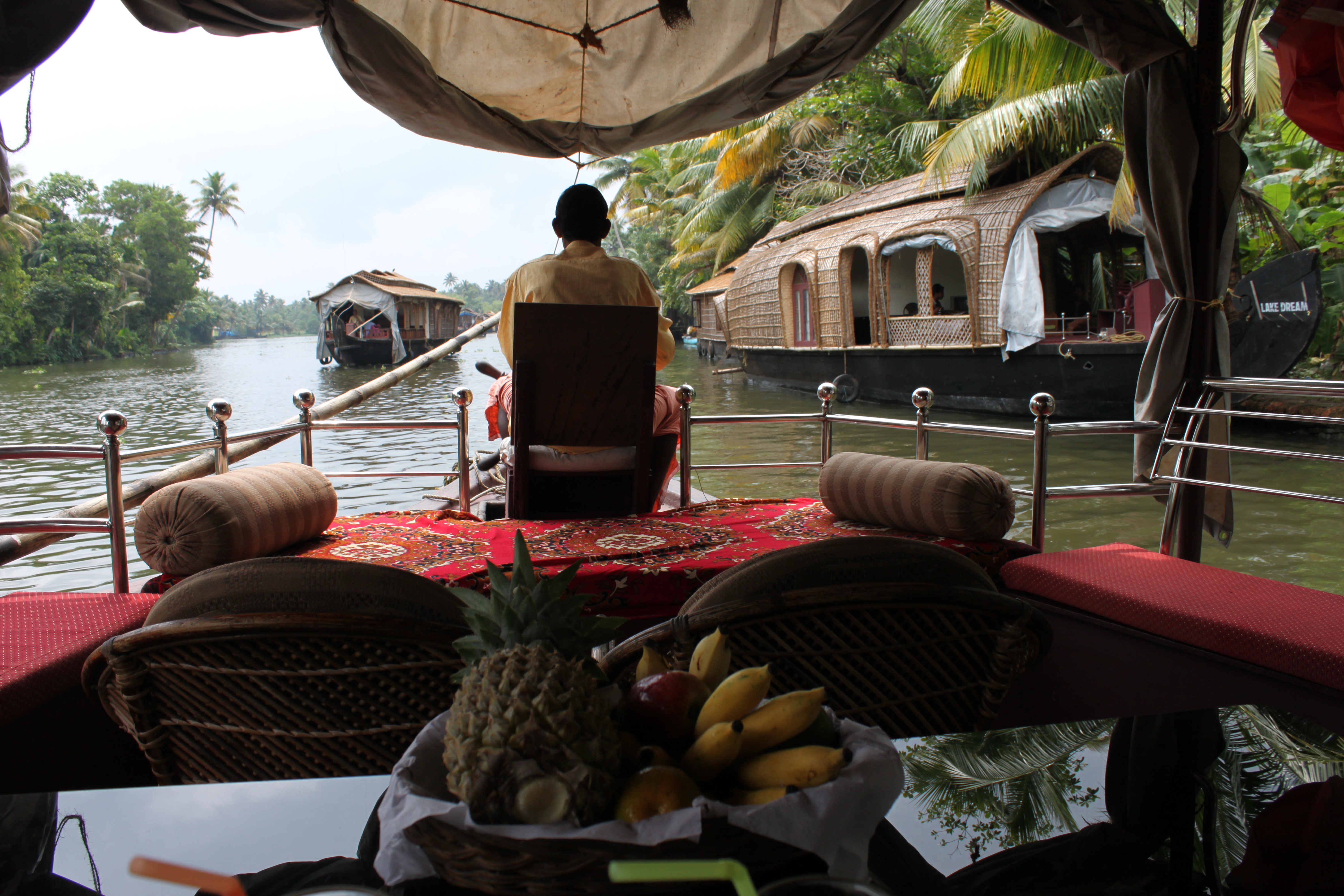
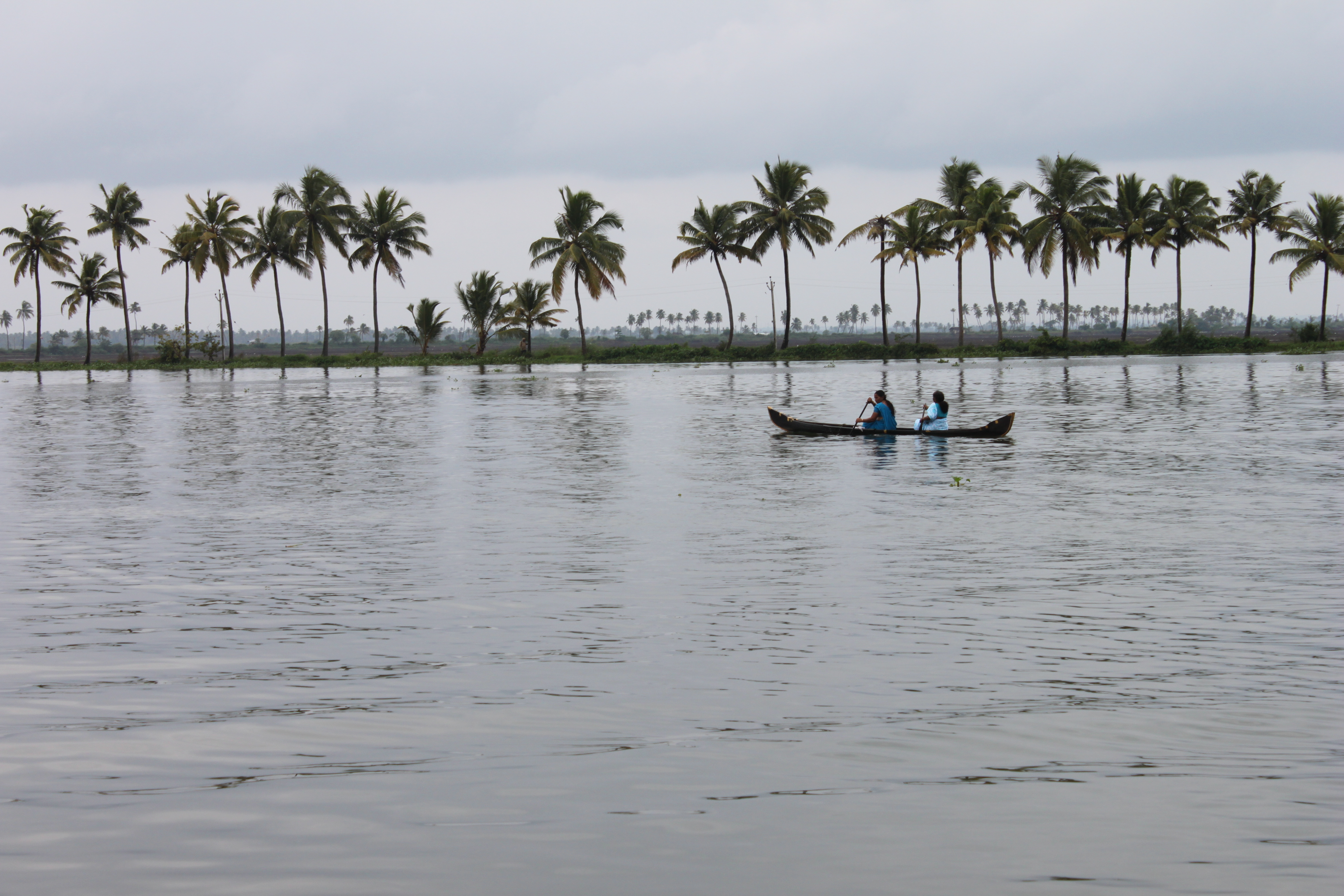
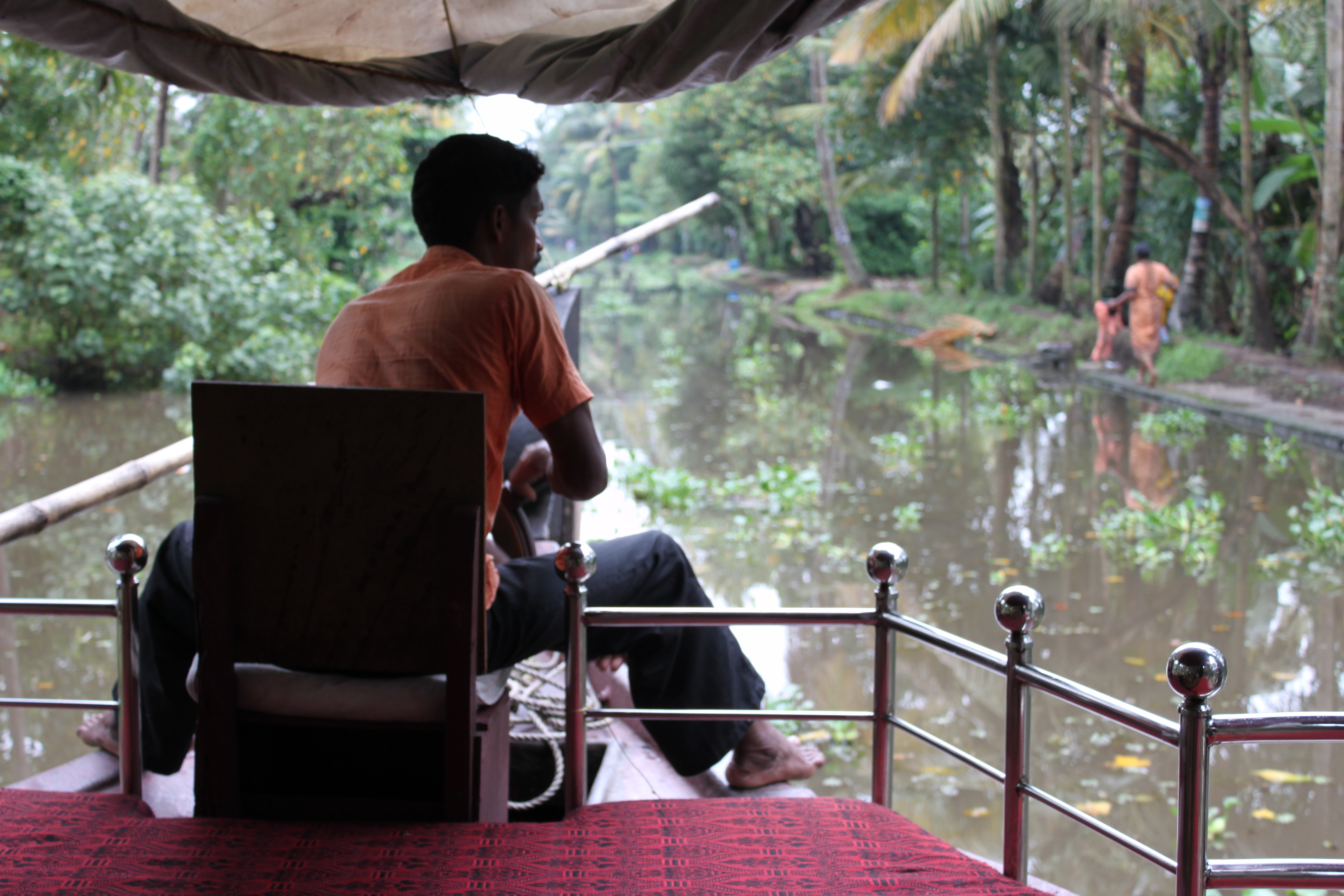
Cruising through the backwaters of Kerala is like a gentle treat you absolutely deserve while exploring India. Jumping aboard a traditional houseboat designed like a rice barge, we dive into these tender moments of pure serenity and quietness.

With a network of waterways snaking from the coast to the inland, the state has embraced this unique way of traveling the canals using houseboats. The trip consists of a leisurely cruise through tranquil canals with delicious authentic Keralan food prepared by the captain, along with a night or two aboard, sleeping on the water.

As we slowly cruise along rows of palm trees, rice fields, and villages, we catch glimpses of everyday life – a man shaving his beard, a lady washing a load of clothes, children splashing each other, and a man washing his cow. The canals serve as a shared space for personal hygiene, fun, and care. The small houses and their villagers, once happily isolated, are now exposed by our voyeurism.

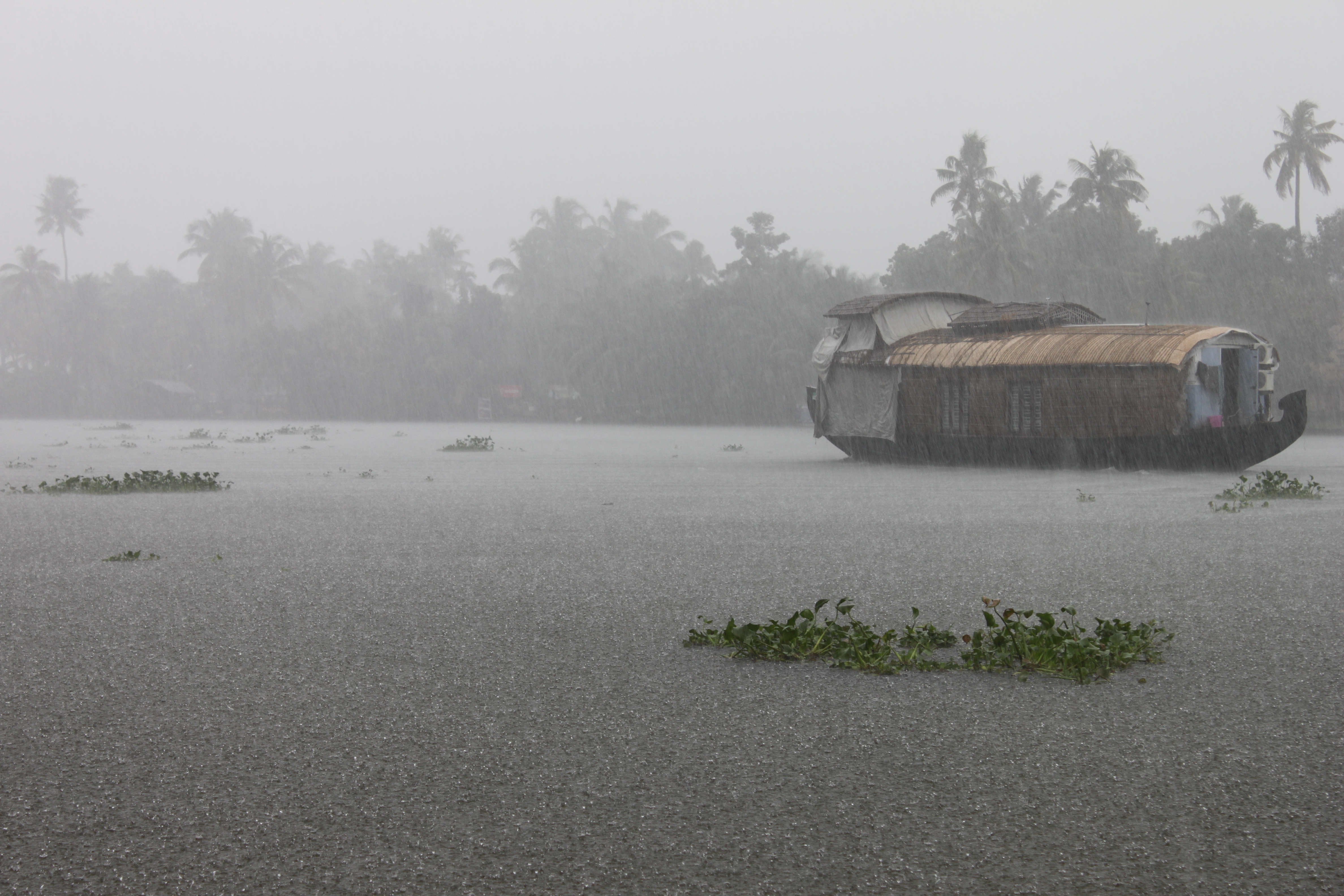
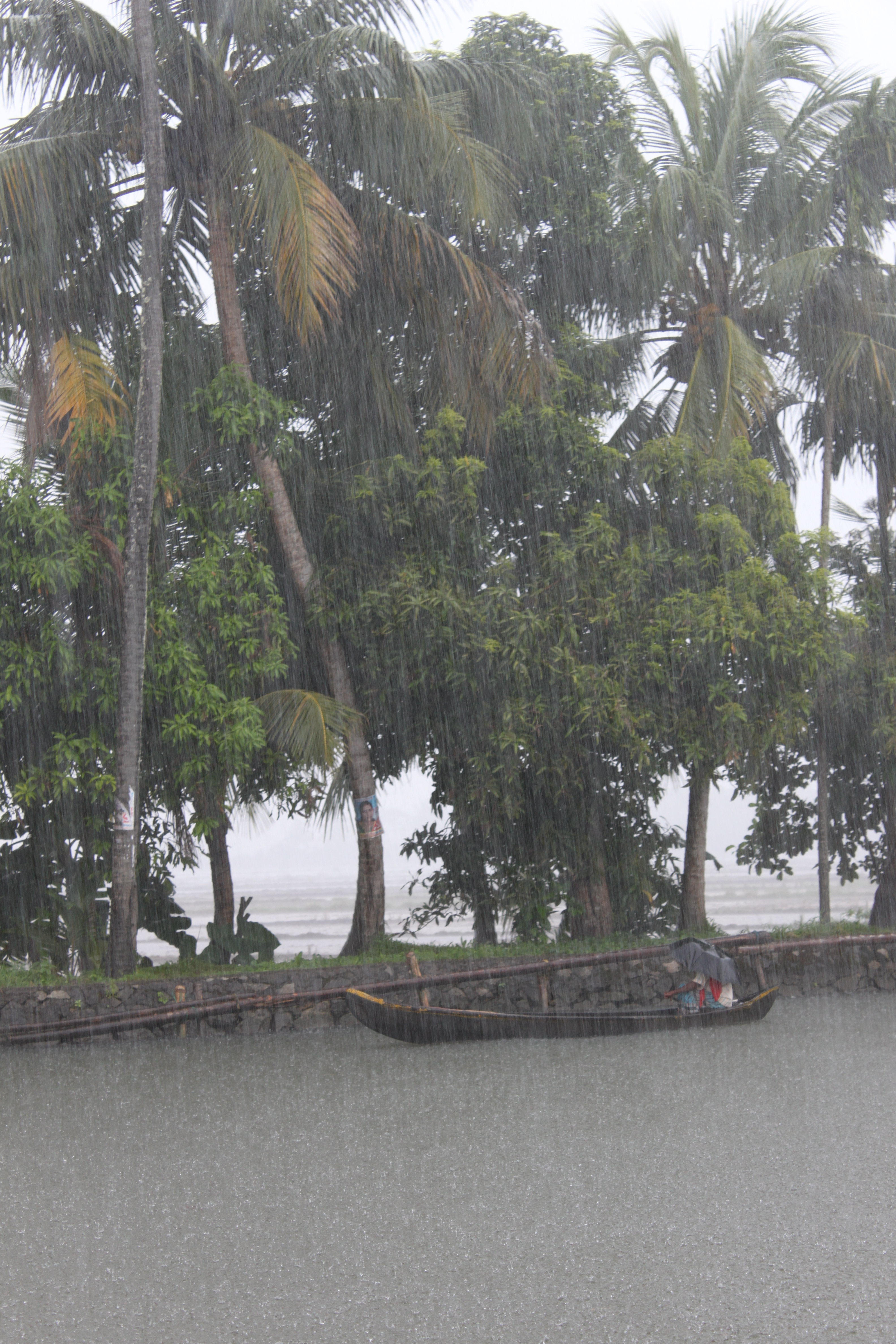
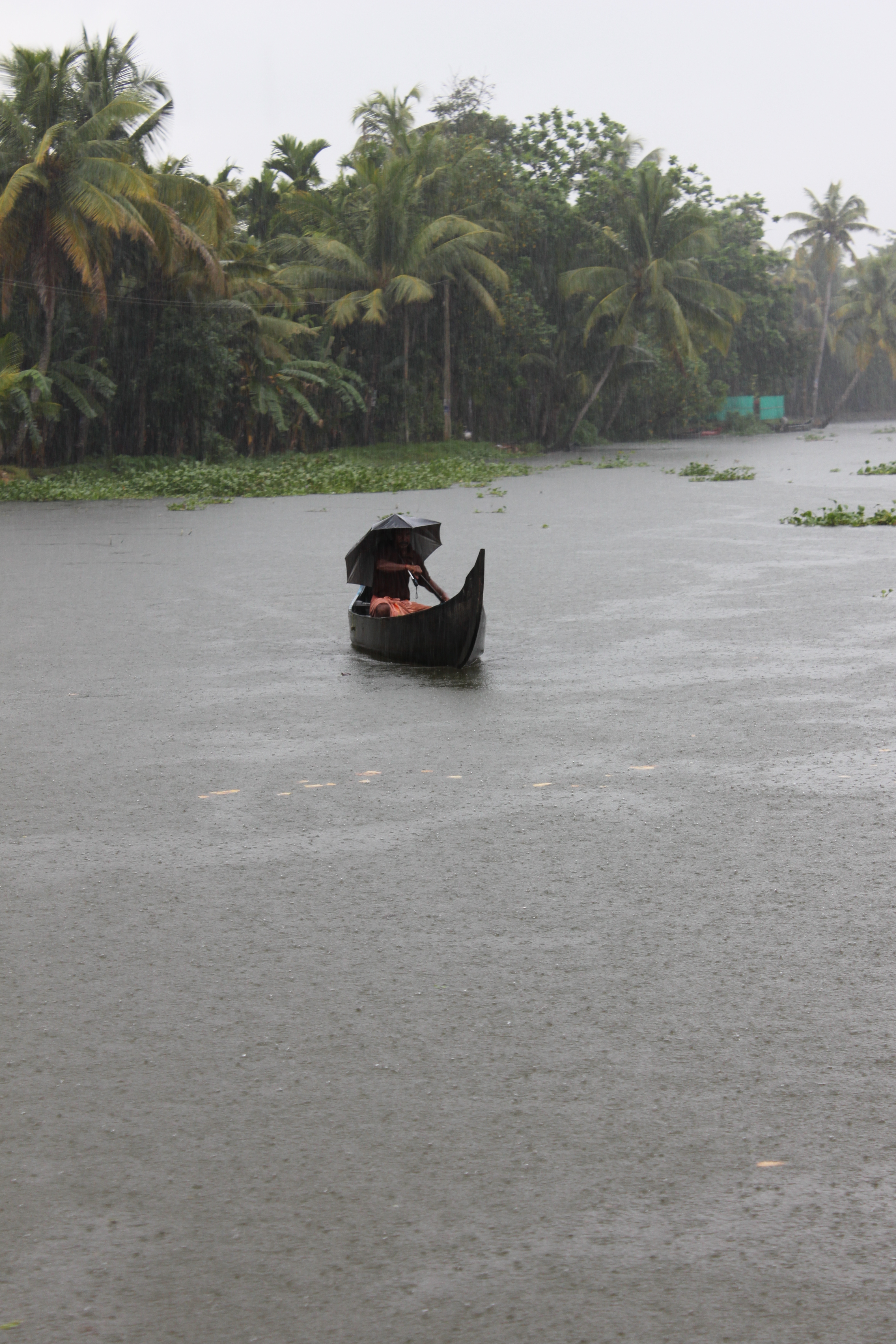
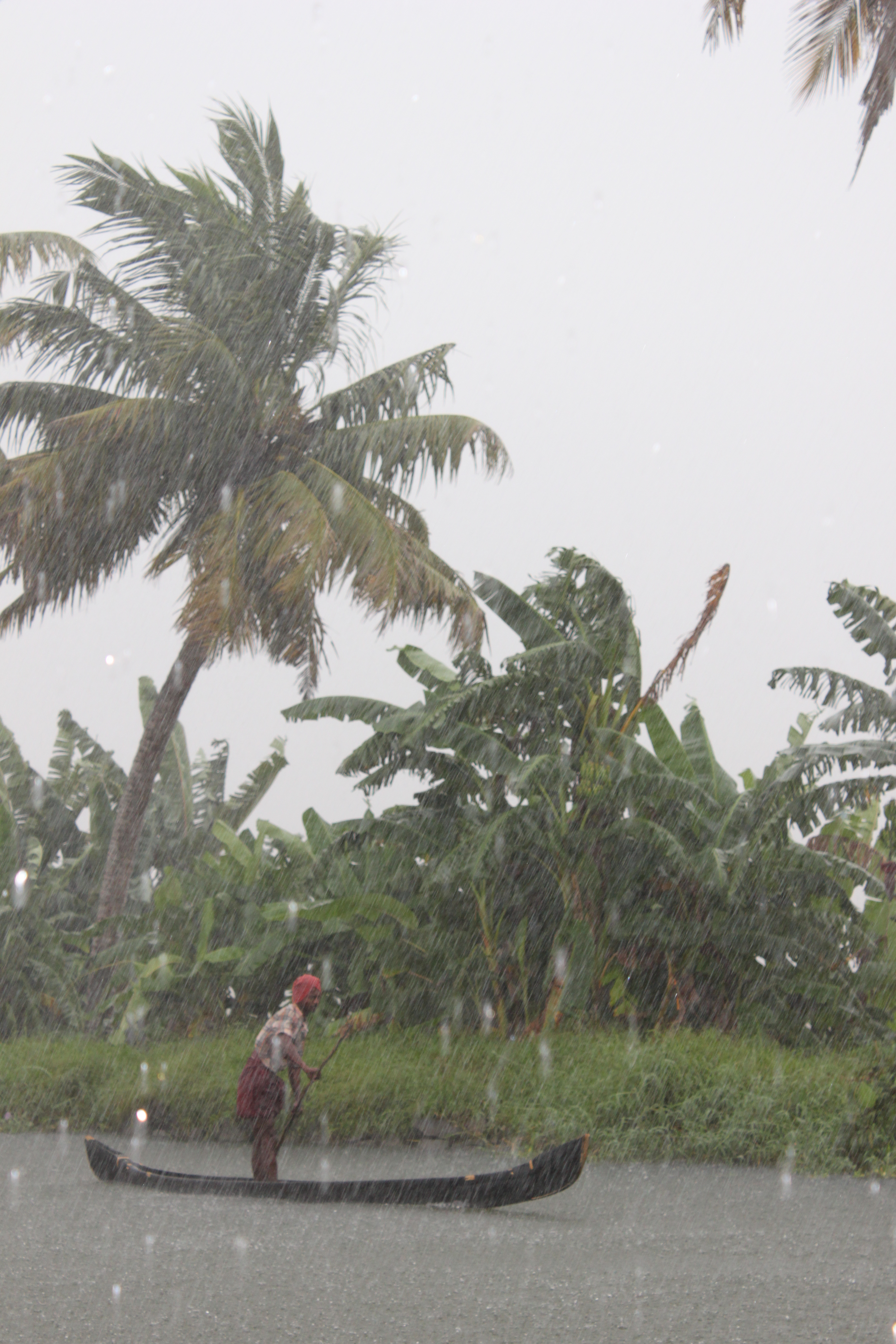
The clouds blanket the skies, releasing multiple tiny molecules of H2O. Heavy rain cleanses the air and refreshes the atmosphere, the drops falling vigorously, resembling a thunderous anger. The sound of the falling rain fills my ears, the freshness of the air cleans my lungs, and caresses my nostrils. There’s nowhere else I want to be…

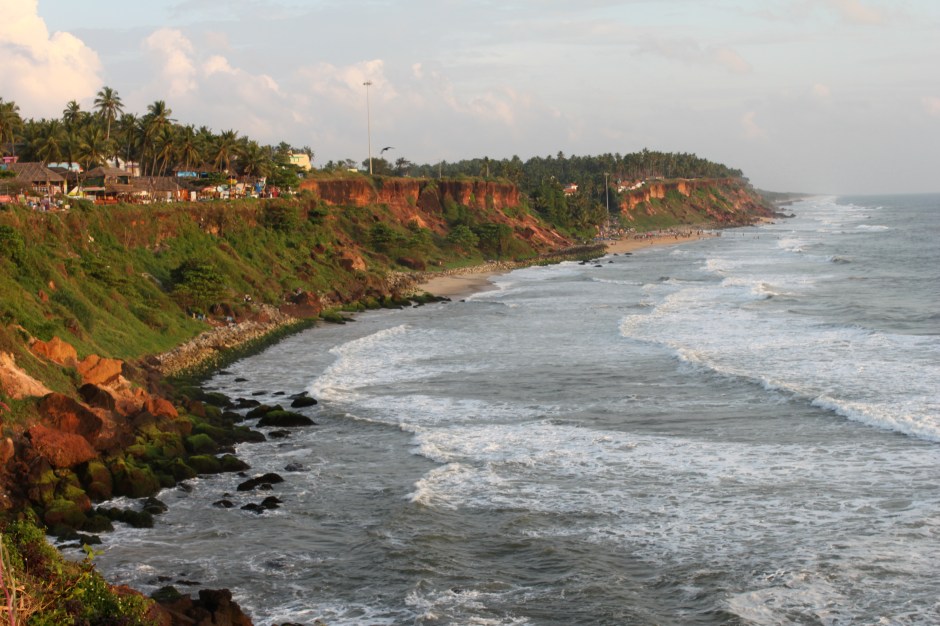
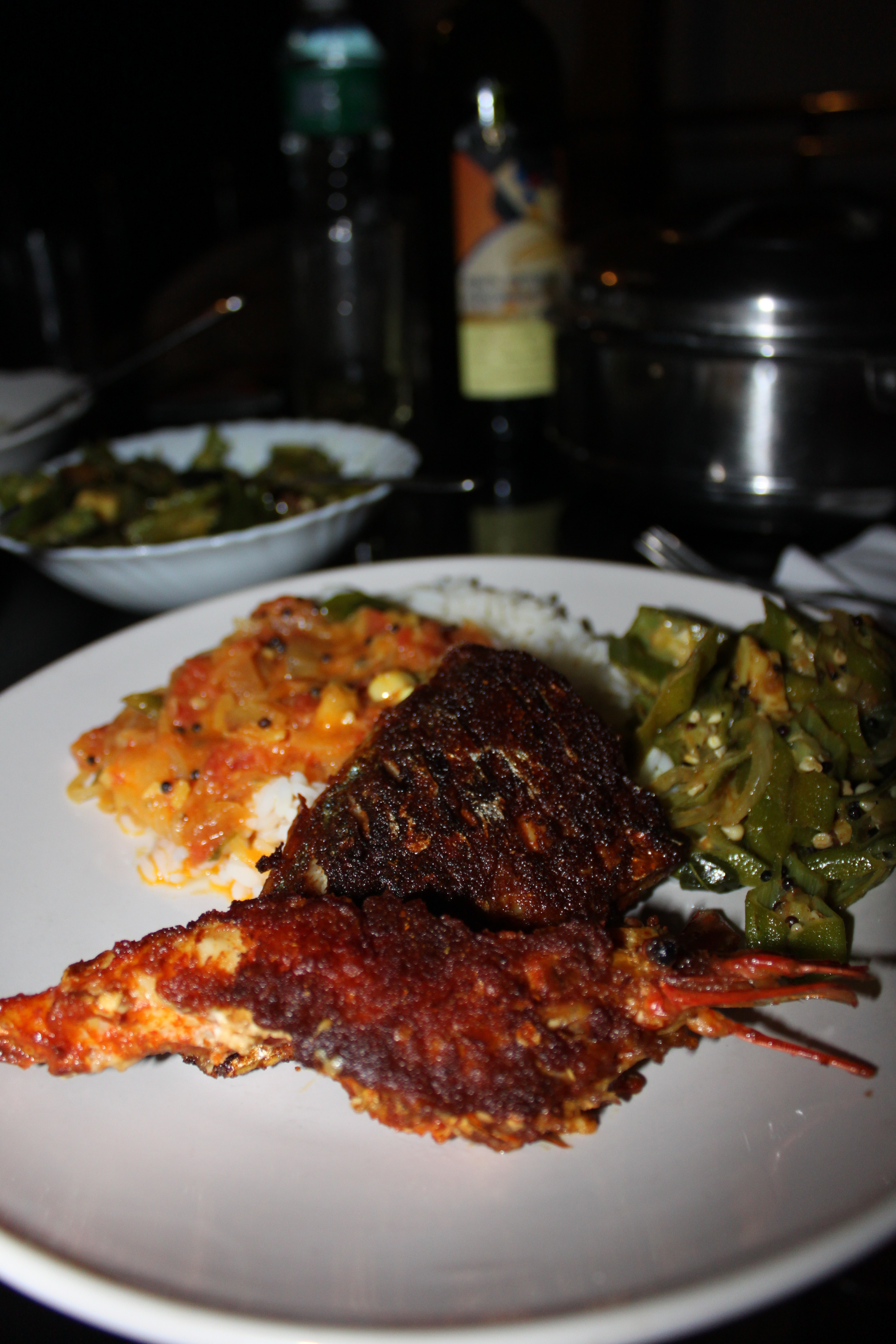
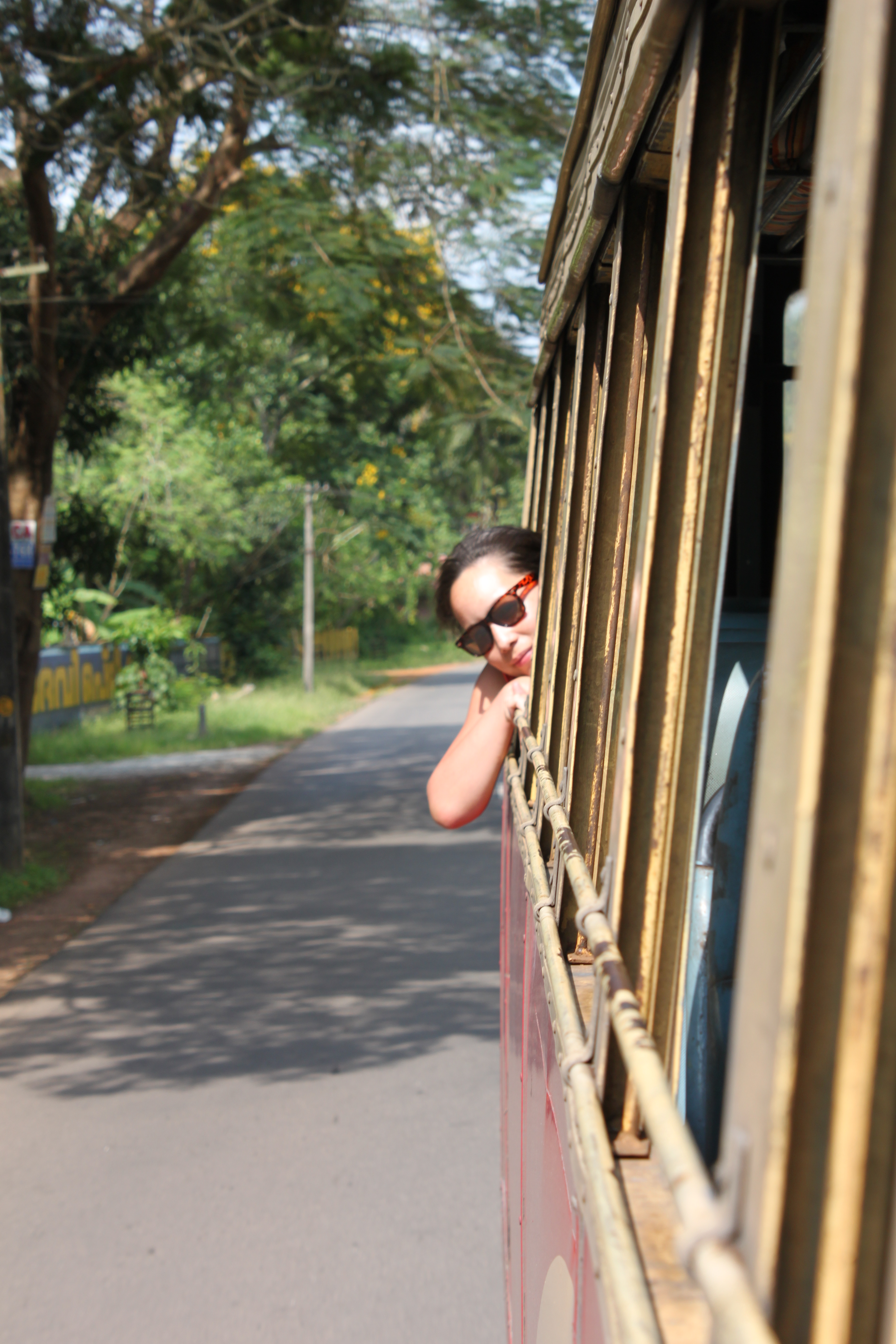
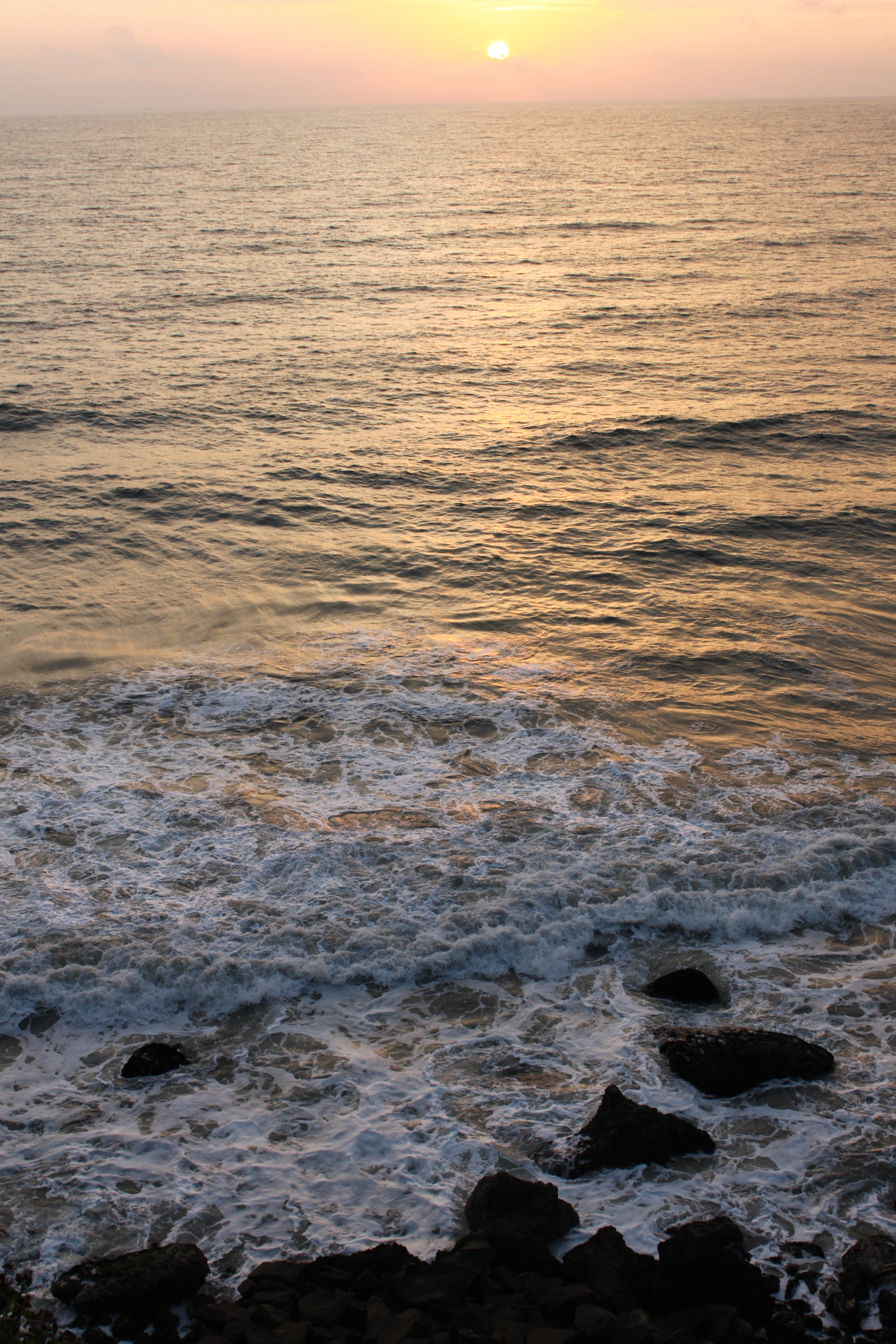
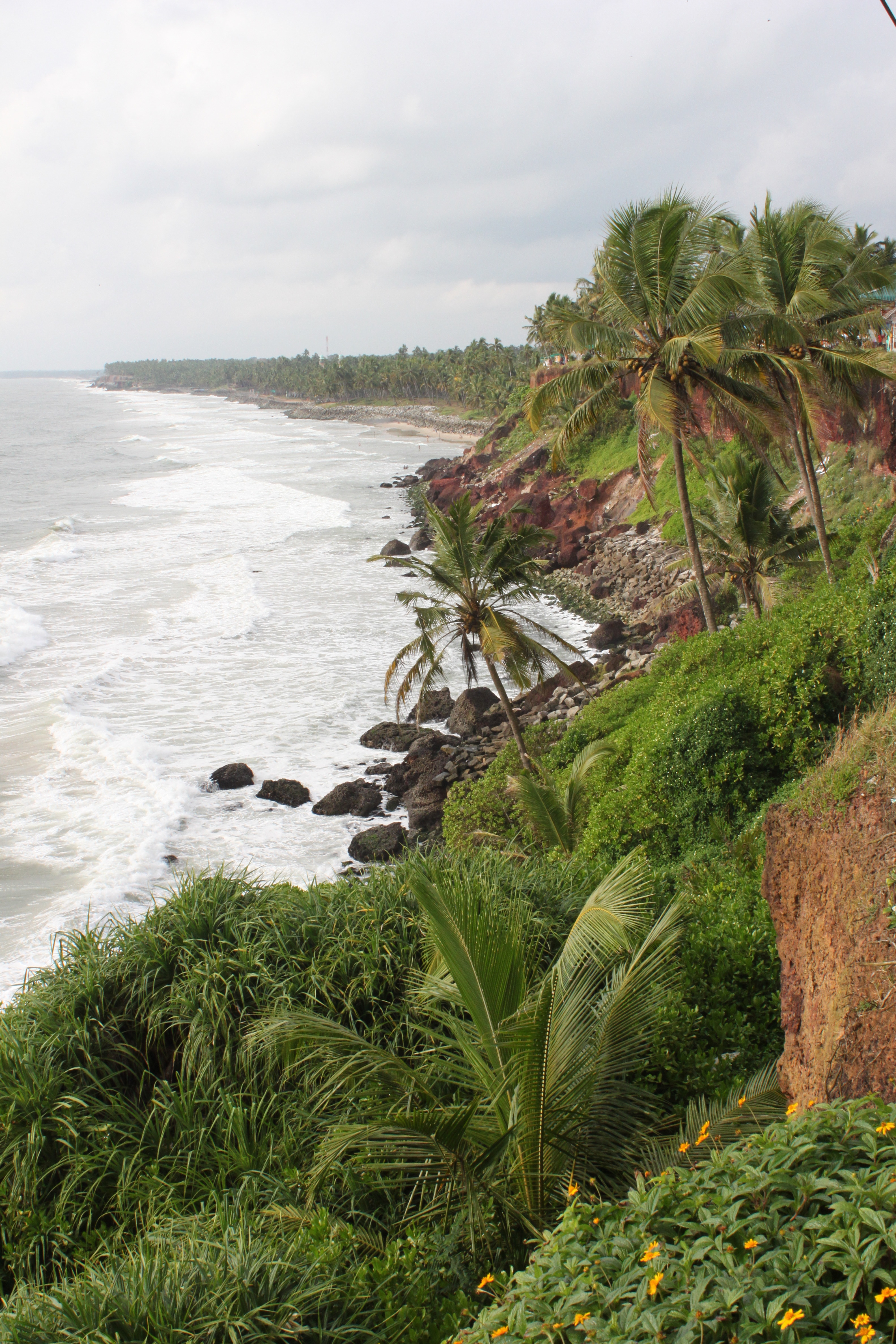
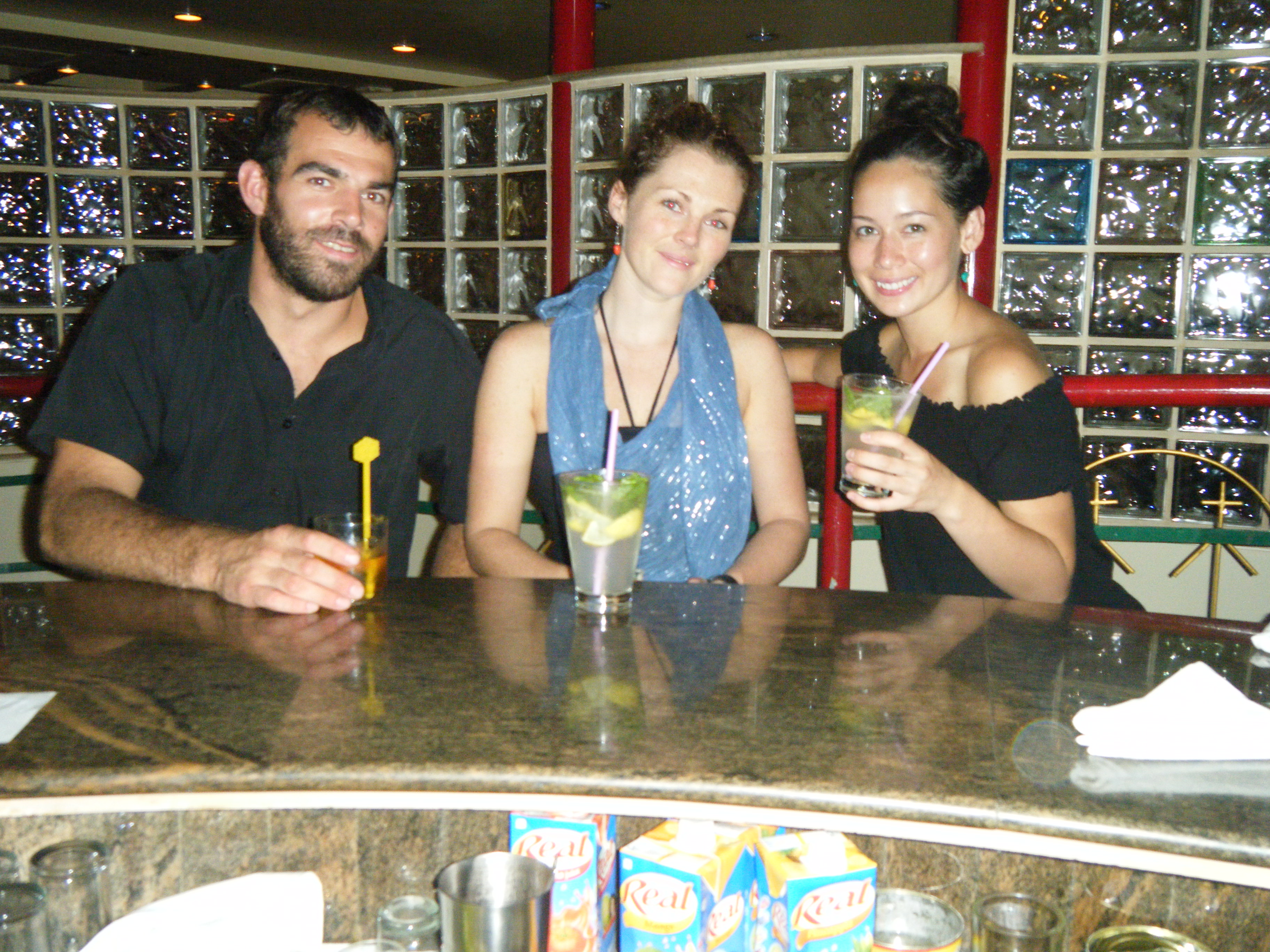
After the houseboat experience, we board a local bus and travel south for about four hours. High cliffs surround the sea, the waves are strong and aggressive, and the sand is black. Welcome to Black Sand Beach in Varkala, a quieter alternative to the bustling main beach. Hotels and restaurants line up along the cliffs, offering breathtaking views and a wide selection of fresh fish. Although the wine is a bit pricey, fresh cocktails are a good alternative, and a mojito always pairs well with fish.

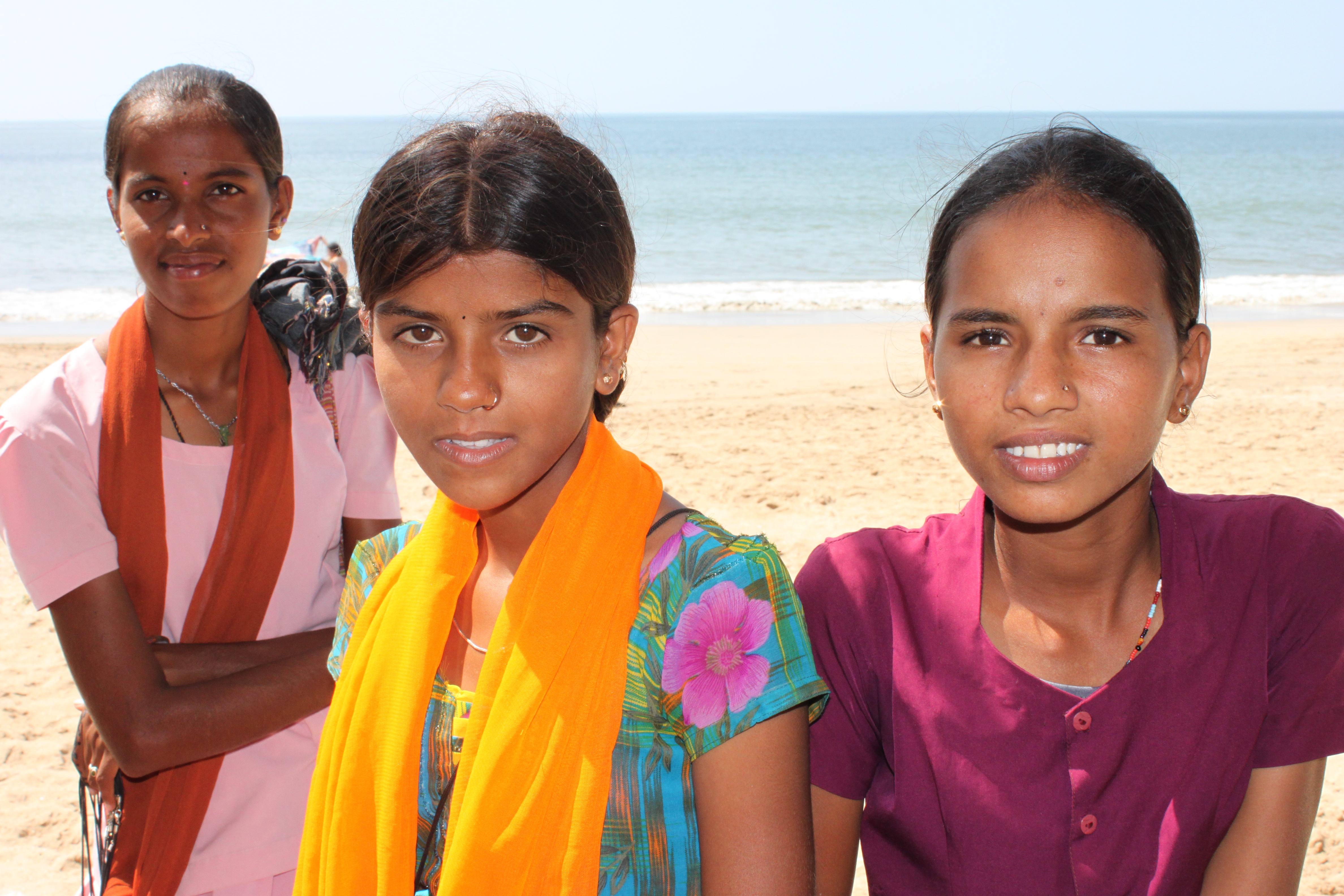
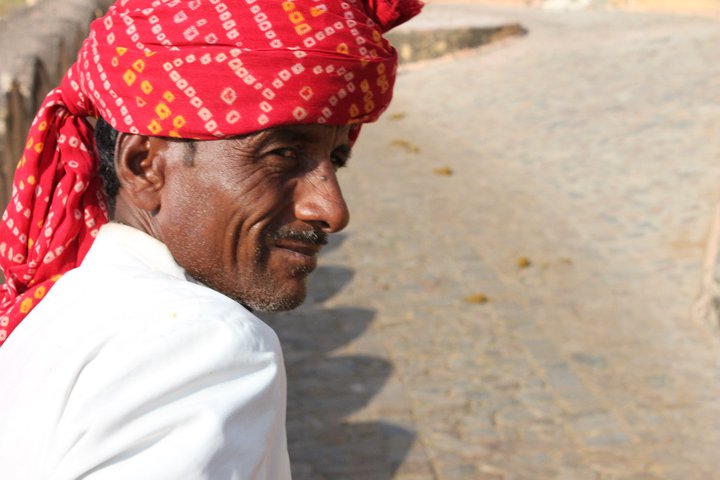
Keralan people are incredibly kind – very friendly, smiley, and welcoming. Born and raised in the most socially advanced state in India, most of them went to school and learned to speak English. Marriage is by choice and is proven with the love found in the air: couples cover themselves with tender kisses and soft words. Their generosity is as contagious as their head-wobble – that strange habit of moving their head like a bobblehead. Yes, No, Maybe… who knows what they really mean?
Kerala’s communism, symbolized by the hammer and sickle, brought about a more equitable distribution of land and income. A focus on infrastructure, health, and education brings a promising future for this successful and beautiful state.

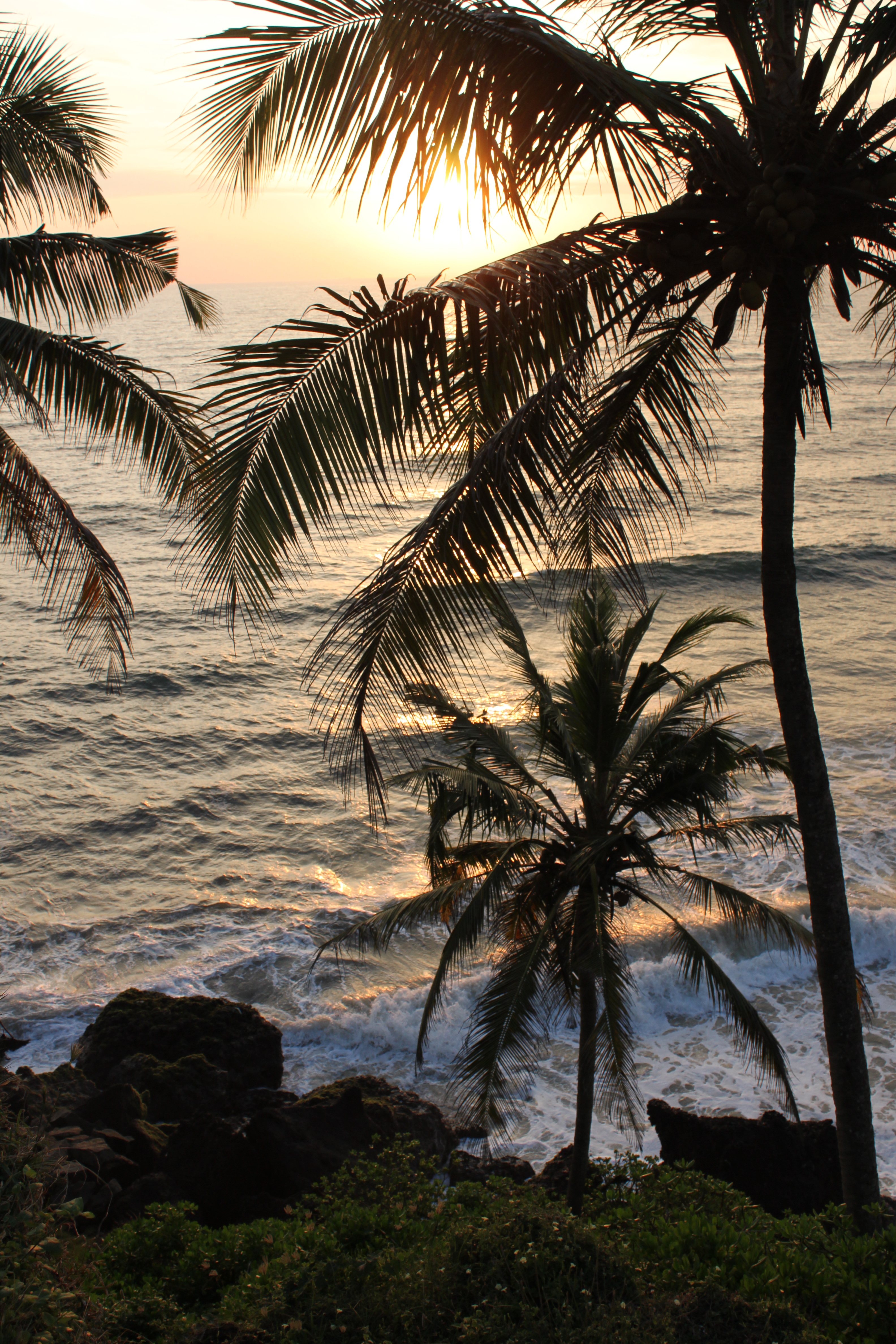
After a final seafood dinner watching the sun go down in Kerala, we prepare for another departure. This time, we will be traveling south to the tip of the Indian subcontinent: Kanyakumari, where the three seas meet.

A Goan Retreat

Our 15-hour train ride from Mumbai to Goa was fantastic, but then it got delayed. We reached our destination very late at night, exhausted and desperately seeking a place to sleep. I opened my travel Bible (Lonely Planet) and spotted an affordable place on the beach. A rickshaw gave us a ride and stopped, pointing us at the sand: “Walk, walk.” We paid him the 150 INR, put on our packs, and started walking. The darkness hid the surroundings, and the waves secretly sang along our sides. After 5 minutes of sandy massages under our tired feet, we arrived at our cocohut in Benaulim Beach, Goa.
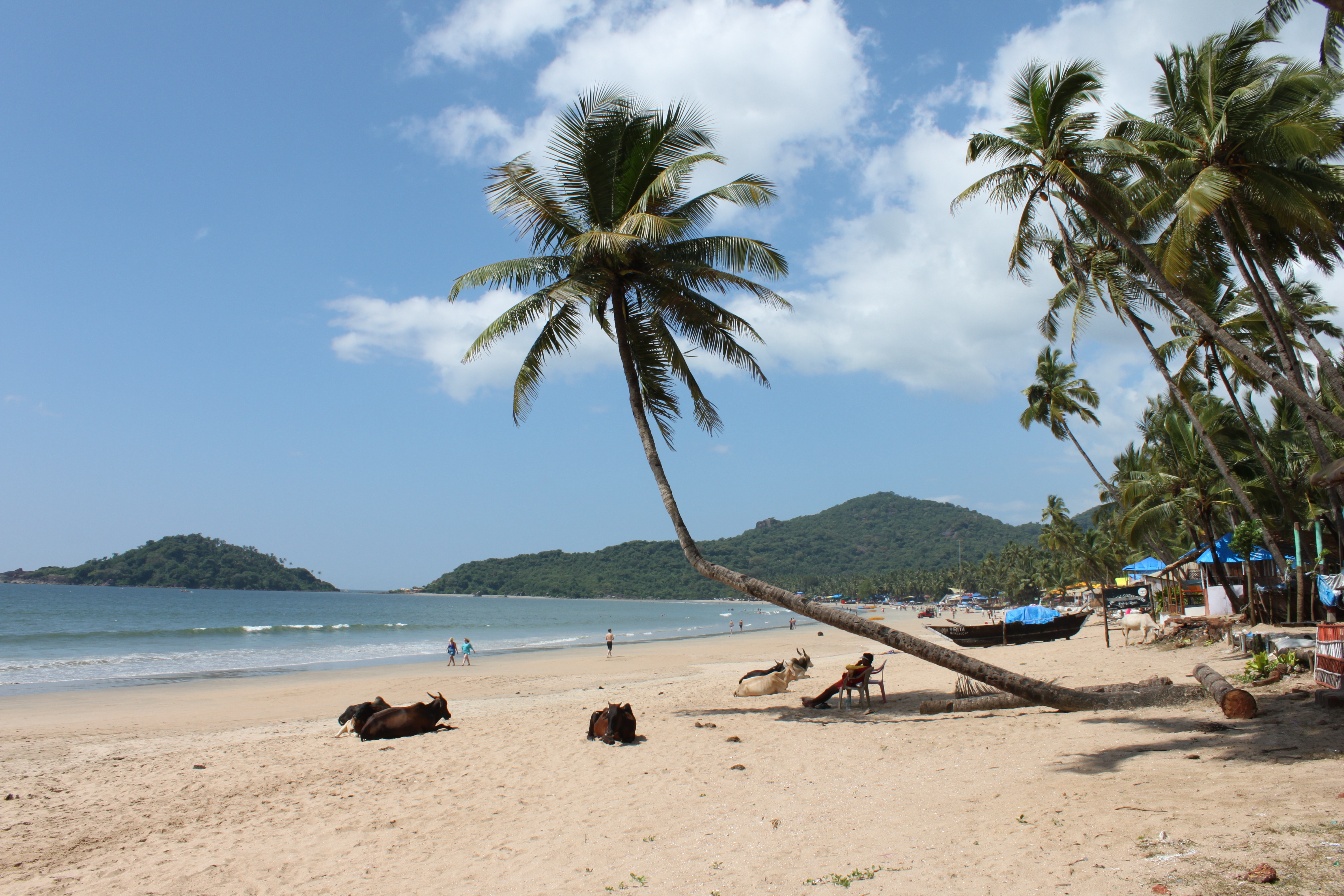
A peaceful morning melody transitioned from my dreams to awakening. The waves washing on the shore made my eyes open to a new day. Opening the door of my hut, I admired the scenic view in front of me. Finally, the beach and its sea! The vacation mode is here – a time for relaxation, beaching, swimming, tanning, snacking on fresh seafood, sipping tropical drinks, or simply doing nothing. After a month of traveling by local buses, chasing trains, navigating big city traffic, and crossing streets with our hearts in our hands, it’s nice to finally let go of any possible stress and rest.

Goa, nestled on the west side of India along the Arabian Sea, with its sandy beaches, cocohut culture, and laid-back residents, makes it a perfect destination for everyone. A mix of Hinduism, Islam, Christianity, and Catholicism is found here, along with Portuguese colonial architecture reflecting a rich history. Houses painted in purple, orange, green apple, yellow, and bright blue dot the landscape. Palm trees line the beaches, and the sea’s warm waters invite for a good swim. In the mornings, fishermen arrive on the beach with their enormous nets full of small fish, crabs, and sea snakes (yes, 4-foot sea snakes). The women fill their baskets with the creatures and carry them on their heads to be dried and then sold at the market. My eyes are amazed by this morning work and the team effort, with both males and females putting force and energy into every detail.

Another way to work towards relaxation is to get involved in some yoga. I booked a spot at a yoga retreat and dedicated my mornings and afternoons to meditation, yoga, and really good food. At Ashiyana Yoga in Mandrem Beach, they offer accommodation in a Mango Tree House, two yoga classes a day, and buffet meals (some of the best vegetarian food I’ve ever tasted). A retreat that drains bad energy, rejuvenates mind and body, and purifies the soul.

After these relaxing days at the retreat, we make our way back down to Benaulim, where we enjoy some drinks with Canadian tourists to celebrate Halloween. Our costumes evolve into question marks for the other guests, as we are the only ones dressed up for this occasion.

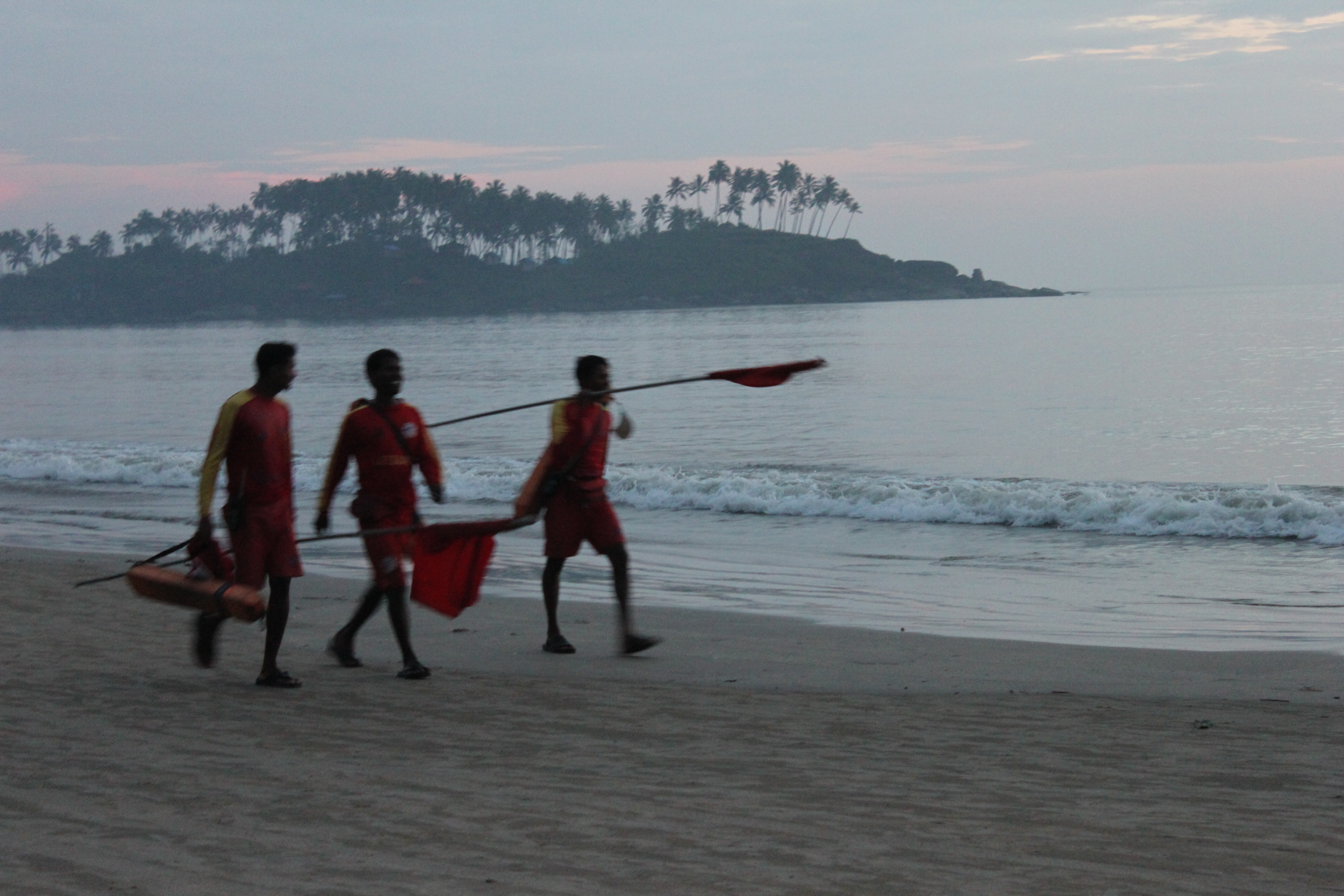
After a couple of days of chilling and simply doing nothing, we decide to migrate south and explore another area. So we make our way to Palolem Beach, where we spend a few days basking in the tropical sun. One morning, we meet with a fisherman and his son in their 21-foot wood outrigger. We cruise along some islands and explore the surroundings. Suddenly, our captain spots a dolphin and starts singing for joy and excitement! “Mary had a little lamb, little lamb, little lamb”! There it is, this beautiful aquatic creature gently caressing the surface of the water. And another one! And more! And dozens! They are everywhere! 50, maybe 100! “You’re lucky, my friends, you’re so lucky”! This is amazing! With a beating heart and shaking hands, we leave the fear in the boat and let our excitement jump in the water. I am so damn scared, but it is a great feeling. These wild dolphins are not very curious about us; they are more preoccupied by their search for breakfast. But the sensation of swimming in the middle of a large pod, in the open Arabian Sea under the light of the sunrise… wow, a $5 well spent indeed!

We spend our last days in Goa watching the kids getting ready for their annual festival. Diwali is a Hindu event celebrating the festival of lights, but everyone is welcomed to participate. People exchange gifts, sweet treats, and light candles and fireworks to guide Lord Rama home from exile. The houses are cleaned, and believers dress well, waiting for Lord Leksha (Goddess of Wealth) to come visit their house and hopefully bring good luck (money). Our last night in our hut in Palolem is noisy and very explosive. We yawn to the next day and pack our bags for Kerala.

The Growling City of Mumbai

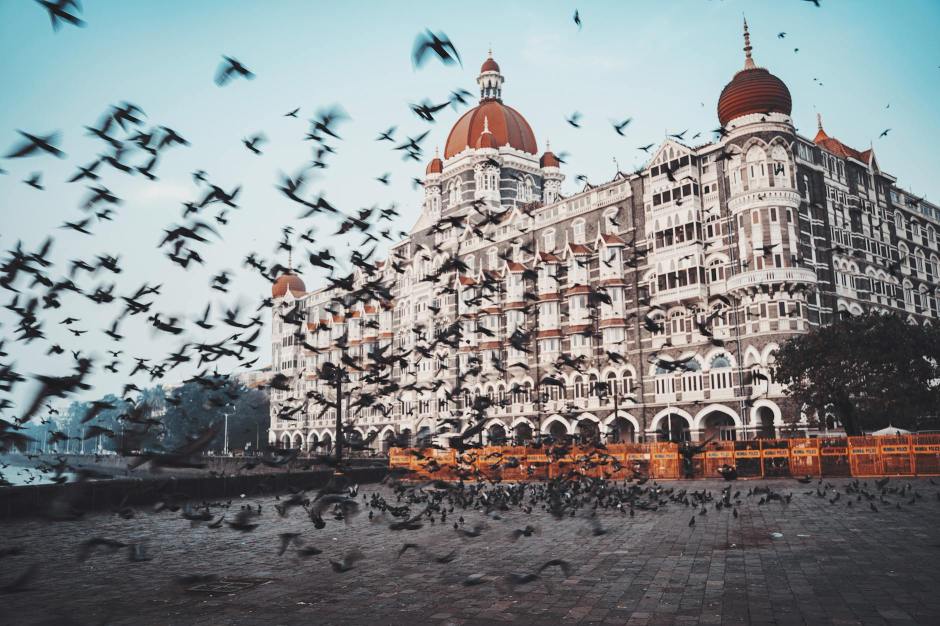
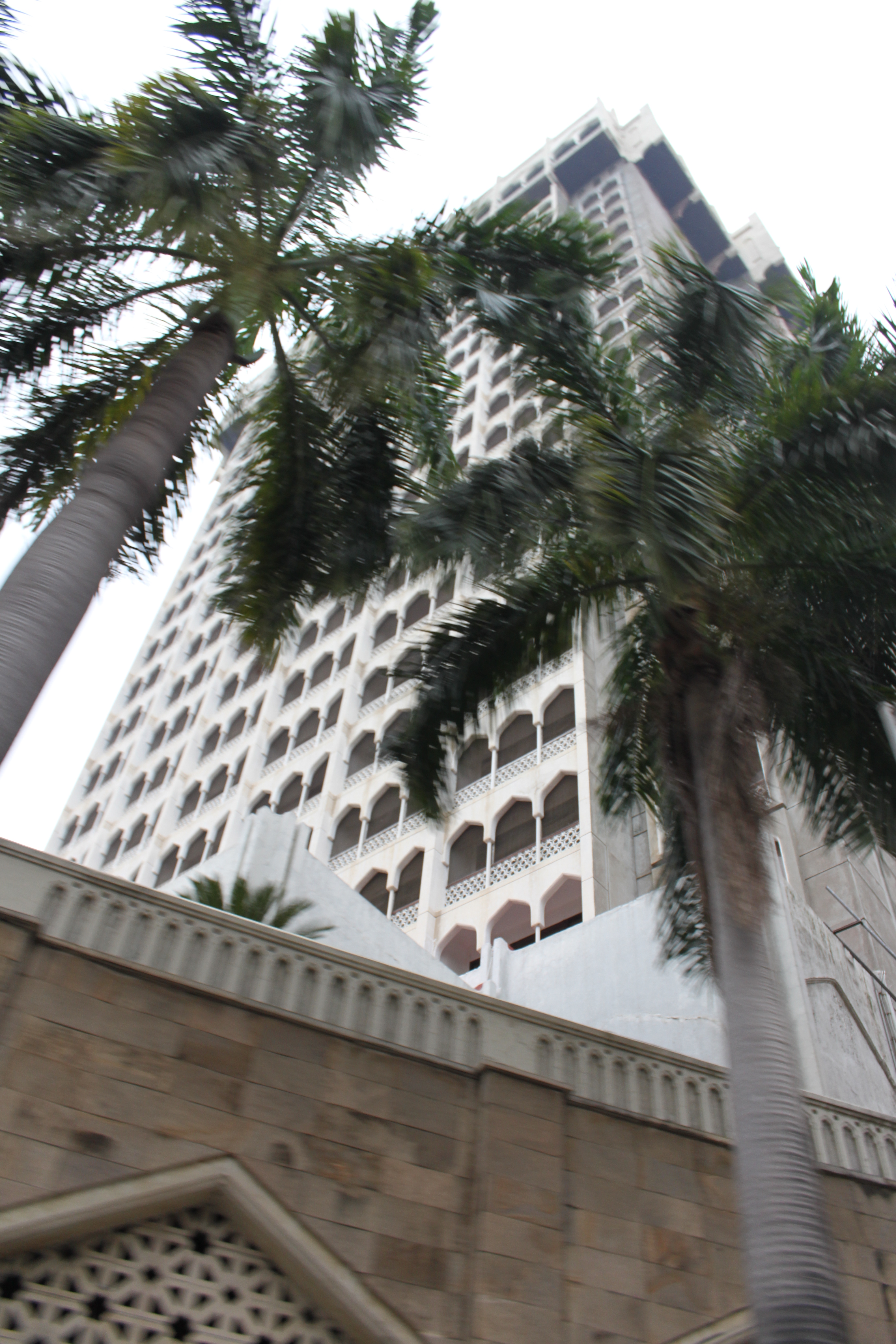
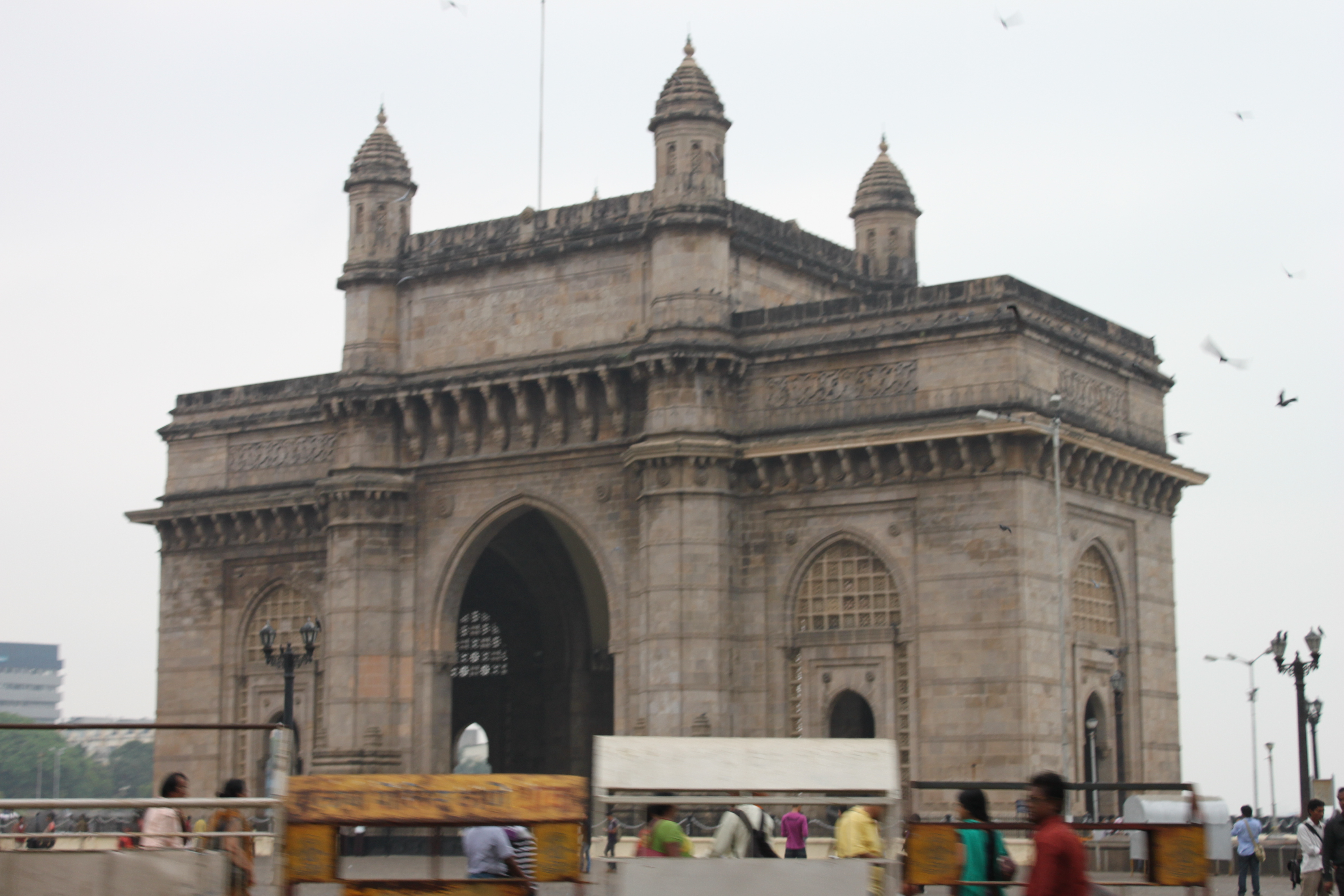
After a grueling 26-hour train ride traversing India from Middle Northeast to West, we finally arrive in Mumbai, the country’s largest city with a staggering 16 million residents. Brace yourself for a city pulsating with energy: with 40,000 taxis in the downtown area and 120,000 tuk-tuks in the suburbs, Mumbai roars day and night in a chaotic rhythm. Open your eyes wide and let them witness the captivating contrast of social classes: from orphans playing by their slums along the train tracks to wealthy businessmen tirelessly working on their real estate endeavors.

As we stroll through the streets of Colaba, we seek out corner restaurants teeming with tourists, a blend of Westerners and South Indians. On the streets, incredibly young and undernourished children tap on your leg, pleading for some rice. “No money. Just rice, please.” How can you resist? Dinner leftovers are tenderly placed beside their sleeping bodies at the end of the night. Some very young ladies approach with a tiny doll in their arms, asking for milk. It takes a moment to realize that this miniature creature is, in fact, a real baby.

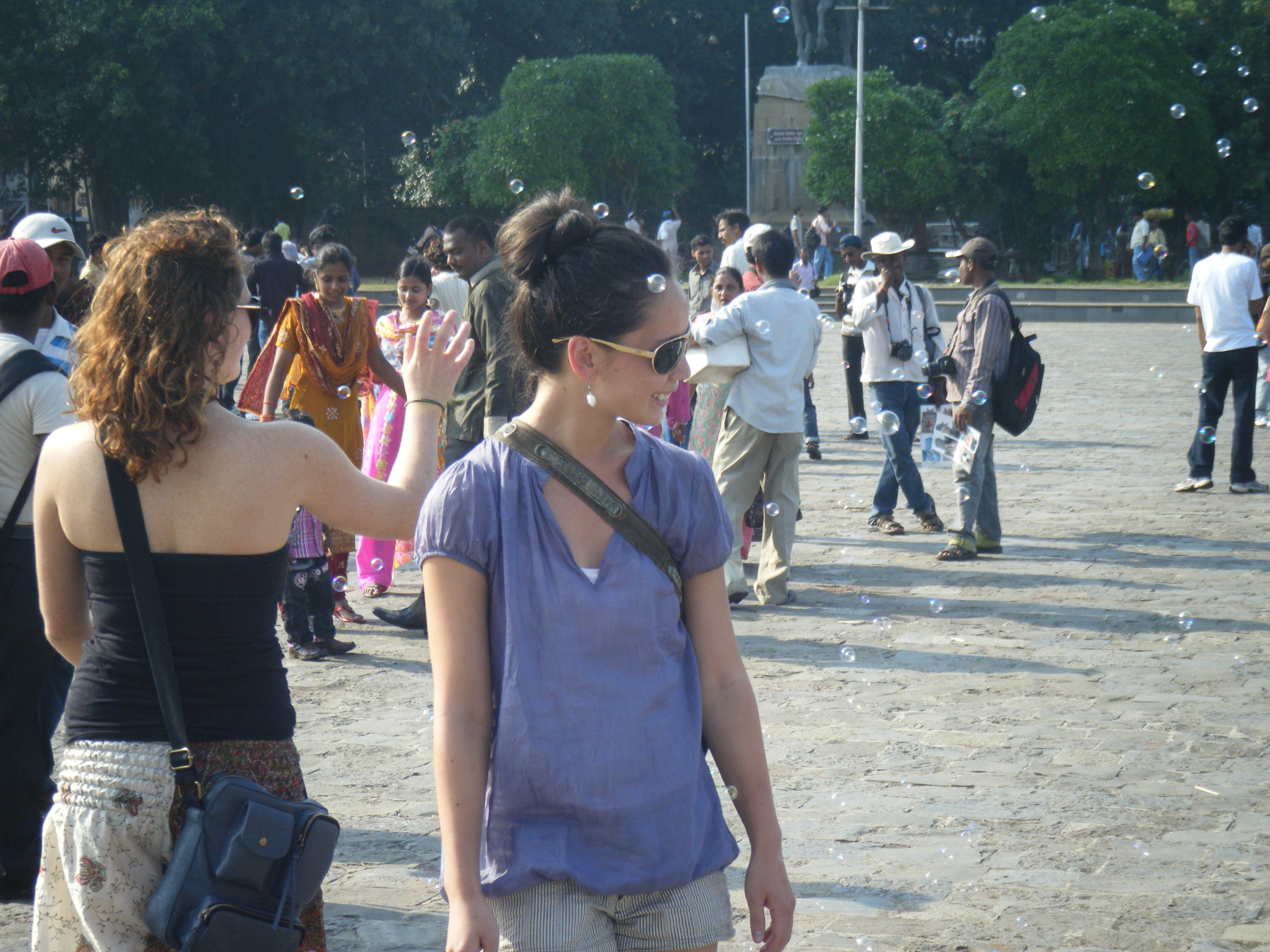
Taking advantage of our stay in a bustling metropolis, we decide to relax and immerse ourselves in the attractions it has to offer. Leisurely walks through the streets, exploring the myriad stands lining the sidewalks, and even a day at Mumbai’s Water Kingdom, the largest water park in Asia (packed with visitors but undeniably enjoyable). For the ladies, there’s a unique requirement to cover up in long-sleeved shirts and long tights – a departure from our usual attire, but a small price for the experience. As night falls, we cruise through the streets in search of a cozy place to eat. Jess and I are approached by an agent offering us roles in a Bollywood movie. A tempting invitation that we ultimately decline, choosing instead to enjoy a delightful dinner among friends with some delectable seafood and affordable wines.

A couple of days prove sufficient in the bustling city. We pack our bags, ready to leave for the serene beaches of Goa.

Varanasi: Holy City

Pinch me to wake me up. This feels like a dream, or perhaps I’ve stepped onto a movie set with scenes that are both haunting and poignant: lifeless bodies gently floating in the river, funeral pyres alight with the final journey of the departed, people bathing in and drawing from waters they consider divine, despite its visibly challenging condition. The potent smell, however, is a stark reminder that this is no illusion. It’s a poignant encounter with a culture profoundly different from our own. Our unfamiliarity contorts our expressions, a mix of contemplation and empathy. Our minds grapple with a wave of emotions. Yet, our eyes remain wide open, respectfully intrigued by the spectacle unfolding before us. Here we stand, in Varanasi, one of the world’s oldest inhabited cities and the holiest place for Hindus.

Varanasi graces the banks of the Ganges River in northern India, drawing over a million pilgrims annually. They come in search of prayers, to cleanse their sins in the sacred waters, and for some, even to meet their final moments on the riverbanks. For all, it is a profound journey. Shrines, temples, and palaces line the water’s edge, and nearly 100 ghats, formed by a series of stone steps, lead pilgrims to the river.

To absorb the surroundings, we opt for a rowboat to navigate the Ganges, our young oarsman providing brief insights into the significance of each ghat we pass. Our observations feel intimate, yet we strive to maintain a respectful distance. Families, Hindu pilgrims, Sadhus, buffalos, dogs, and goats all converge – bathing, purifying their bodies, and ritually cleansing themselves of a lifetime of sins in the sacred waters.

As I sit in the boat, hands tightly gripping the sides, I feel a gentle touch on my hand. Looking down, I see the lifeless body of a dog, eyes closed in peace, floating along the water. It’s a somber moment. I close my eyes, take a deep breath, and open them again to witness the broader scene. On one side, a man washes white hotel linens on the muddy shores. On the other, a woman sweeps away debris from one ghat into the river. Approaching the burning ghat, we witness a boat rowing towards the middle of the river. A father gently releases the wrapped bodies of a child and a baby into the water. It’s a deeply personal and culturally significant moment, where life and death intertwine.

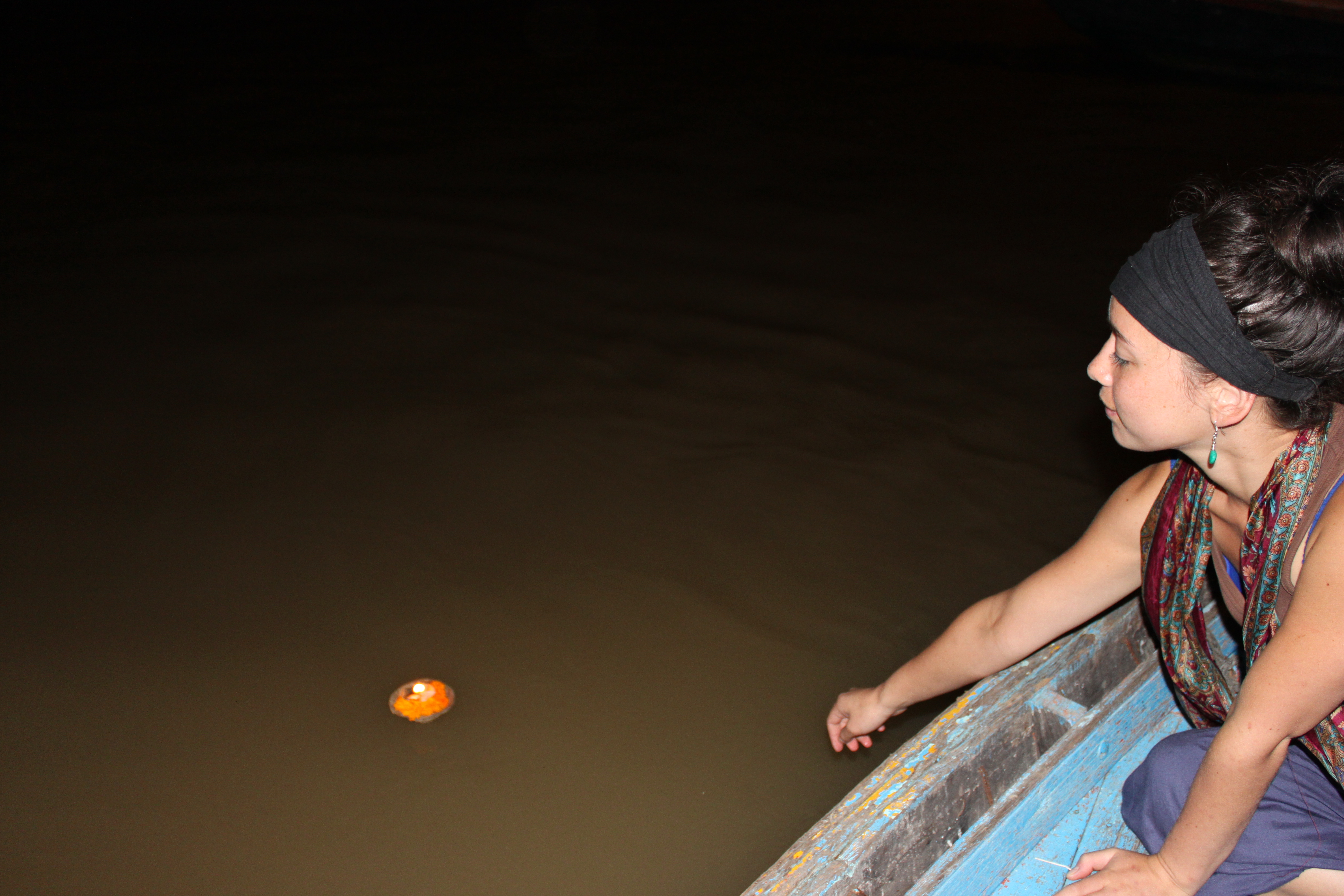
The moon, full and radiant, casts its glow on the scene. Drifting in the middle of the Ganges, I’m captivated by the presence of lifeless bodies, spirits, and energies. I light a candle, make a quiet wish, and release it onto the river. Alongside countless others, it finds its own destiny, disappearing into the moonlit waters. Children sing prayers and clap bells on the stairs of a ghat, while a Sadhu performs a ritual ablution towards the moon. The burning ghat offers an intimate spectacle of death, with a dozen bodies being cremated before our eyes. Strangely, there’s no fear; instead, I am embraced by a unique and profound moment. Pure serenity.

An experience that will be etched into the canvas of my memory with deep respect and understanding.

Holy Cow: India!

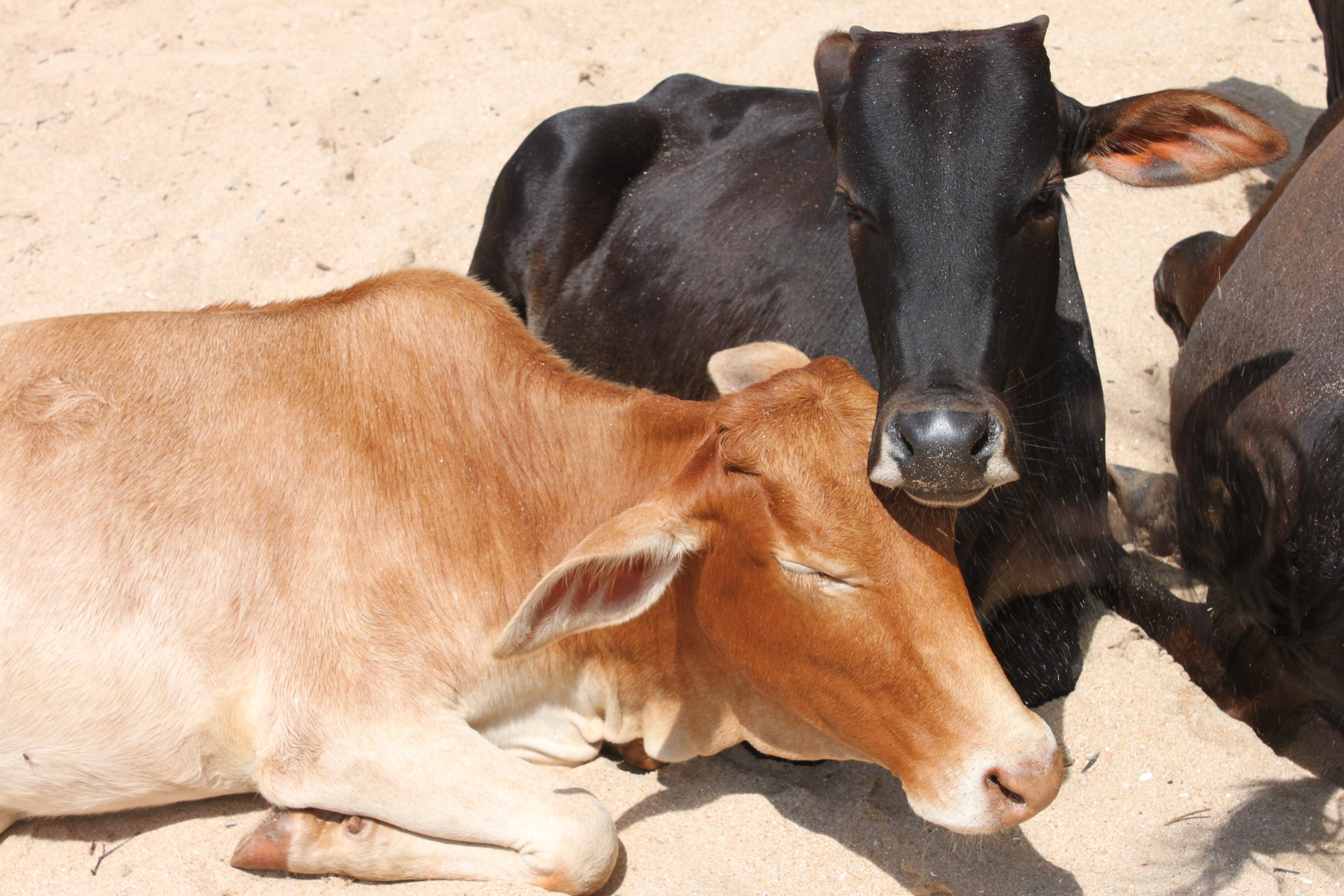
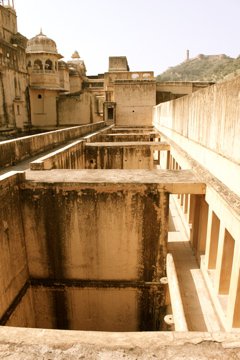
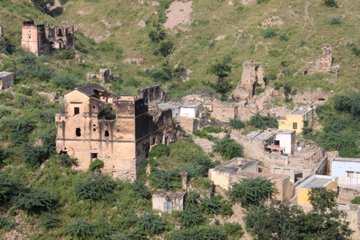
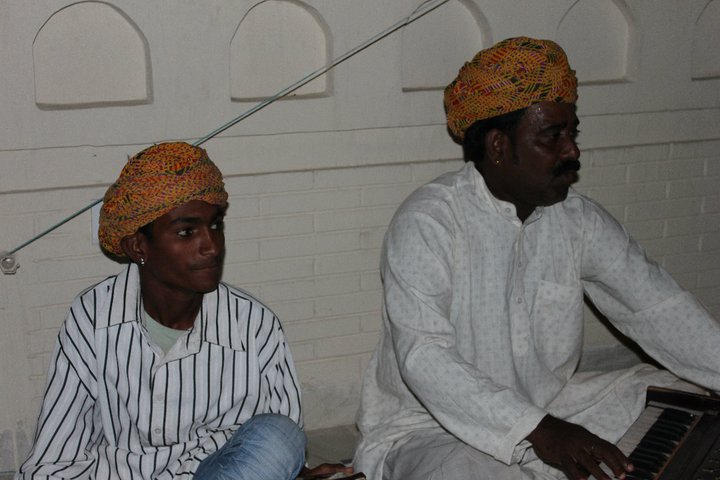
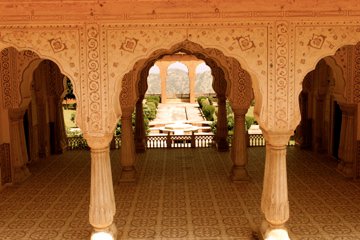
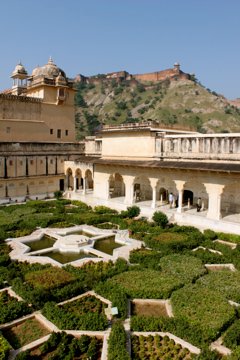
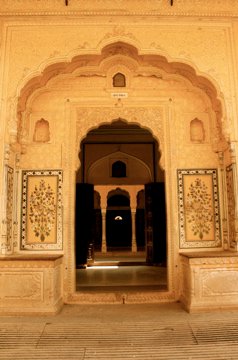
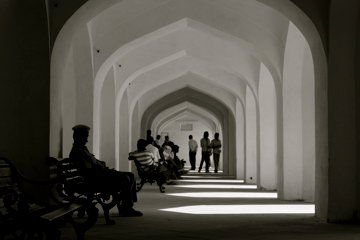
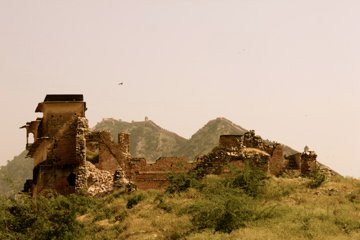
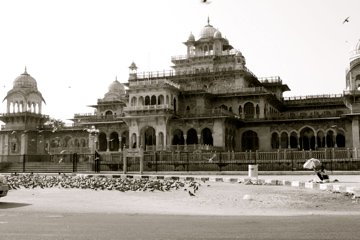
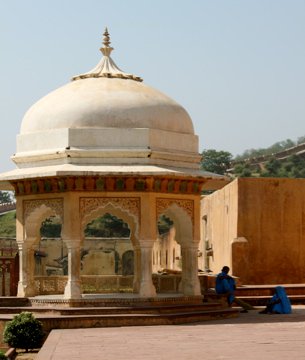
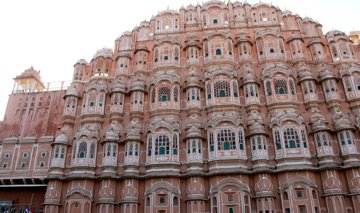
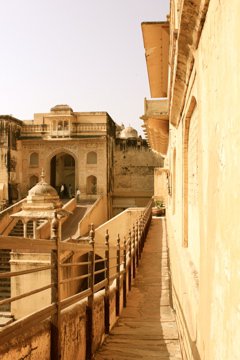
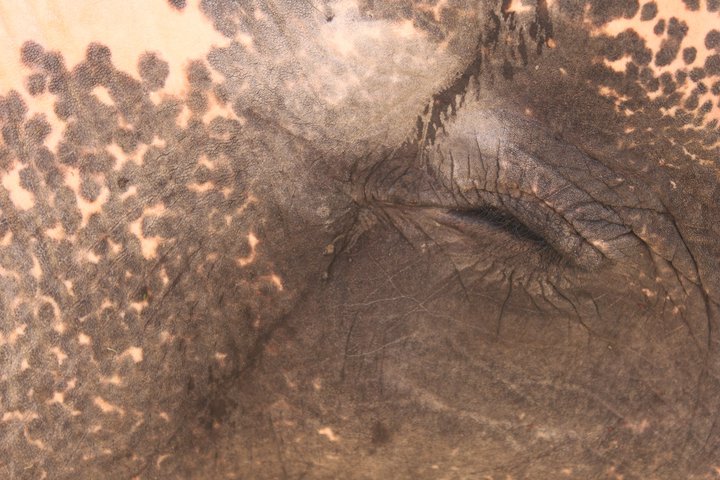
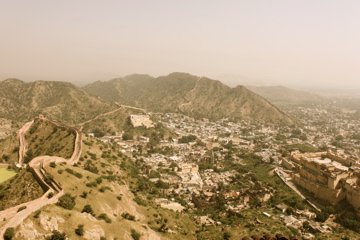
I’ve been trotting the roads of India for a week now, and it’s an experience that defies description. India is a land of unique wonders, richly different from anywhere else. While the exploration is endlessly captivating, there are moments that bring about a mix of emotions… the constant hum of honking on the streets, a driving experience that’s vibrant yet chaotic, an occasional scent that fills the air, and scenes of individuals, including children, navigating the challenges of life. It’s a stark reminder of the socioeconomic disparities that exist. However, amidst these challenges, there’s an extraordinary historical richness, with remarkable constructions dating back to the 17th century, a harmonious coexistence of animals—camels, elephants, sacred cows, dogs, and monkeys—in the streets, vibrant colors and aromatic spices in the bustling bazaars, incredible culinary delights, and, above all, encounters with warm and gracious people. Hospitality extends to offering a cup of tea, a gesture that exemplifies the kindness ingrained in the culture.

Having explored the Golden Triangle (Delhi, Jaipur, and Agra), I’m now on my way to Kathmandu, Nepal.

An Asian Journey

India: an exhilarating blend of adventure, spirituality, and self-discovery that will represent the zenith of my youthful explorations. Amidst the company of 1.1 billion vibrant souls, I will embark on a voyage across the subcontinent in pursuit of my most profound philosophical question: the essence of self. My journey will lead me to the southernmost tip of the nation, where the convergence of three seas will signify not only geographic unity but also a profound encounter with one’s innermost being. In these remote places where roads will fade away and solitude will prevail, the path to self-realization will unfurl. Join me as I traverse India and extend my journey to the enchanting landscapes of Nepal, the mystical heights of Tibet, and the serene shores of Sri Lanka. This odyssey will promise fulfillment, cultural riches, and a profound voyage of self-discovery.

Capucine ♡