

“Drink chhaang, nectar of the Gods. Then eat shutki”.
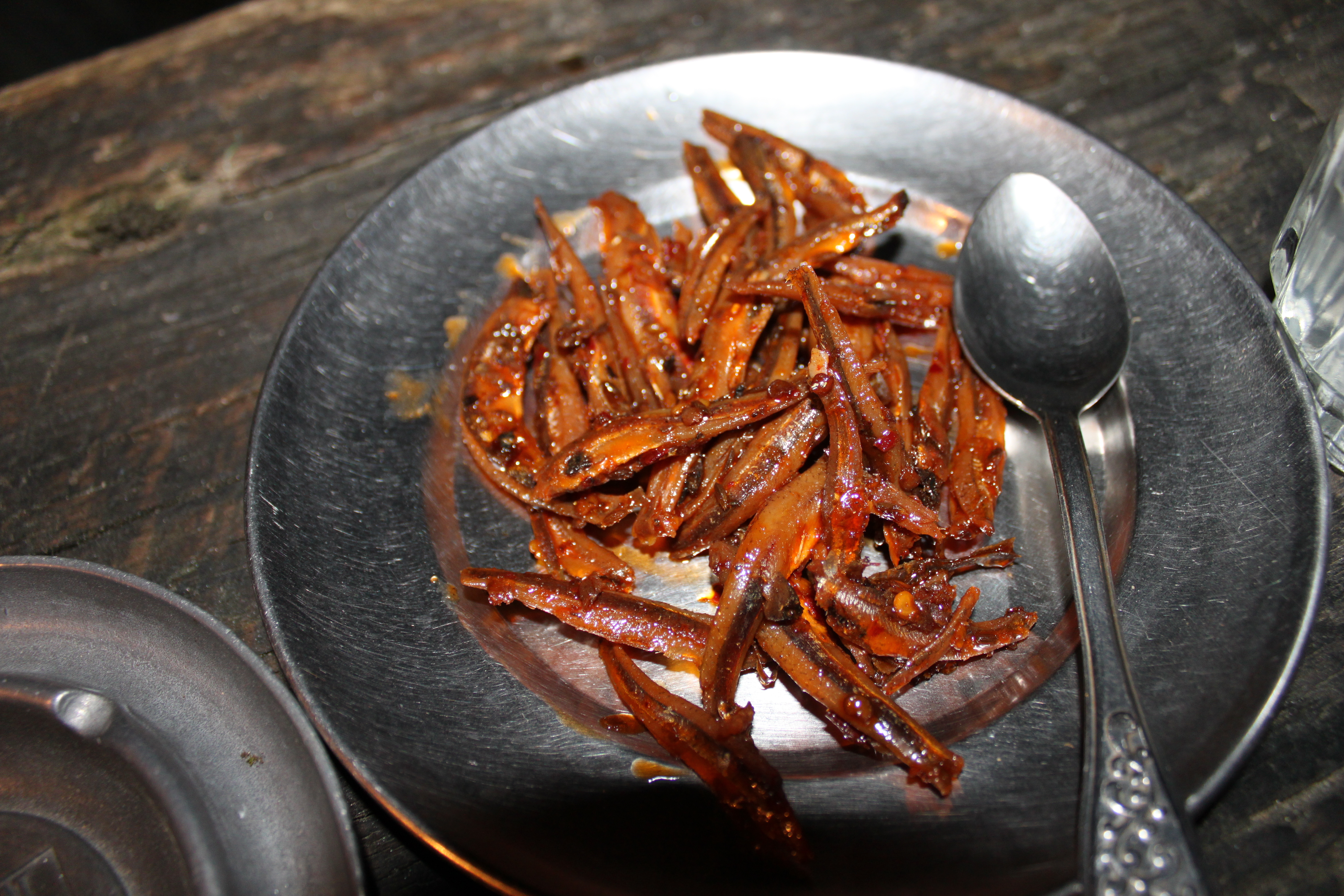
I couldn’t decide which aspect made me more hesitant: the pungent aroma of the fermented millet drink wafting into my nostrils or the sun-dried little fishes, their round eyes fixed on me eerily. As I directed their heads toward my mouth, my face contorted in anticipation of the impending circus about to unfold on my taste buds—my expression unmistakable. With each sip of the glass, I chased it down with a fish, battling the unique combination. Upon triumphantly finishing my glass, Manik promptly refilled it.
“Oh no, thanks, Manik,” I implored, grappling with a piece of fish scale lodged between my teeth.
“It’s a mountain tradition! The glass is always full. Drink!” he insisted, his chubby cheeks flushed from the consumption of the homemade brew as he passed around the shutki.
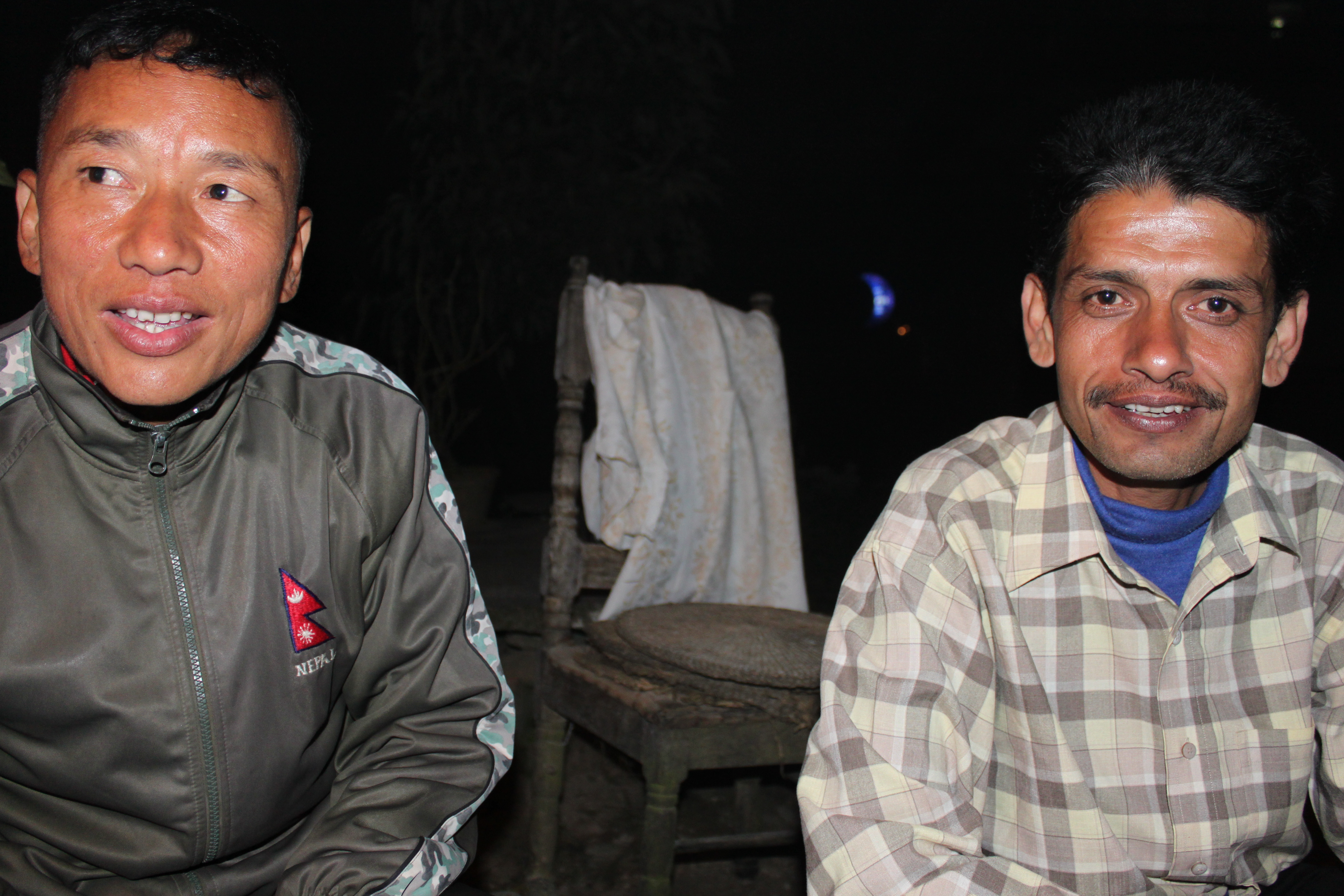
Manik, a 5-foot tall Nepali, didn’t fit the typical stature of a Himalayan guide. However, his weathered skin, yellowed eyes, and chapped lips attested to prolonged exposure to the sun and cold, characteristic of a life in the mountains.
Two days prior, we had booked a three-day trek around Kathmandu, the capital and gateway to tourism in Nepal. Nestled at the foothills of the Himalayas, Nepal had been a sought-after destination for trekkers and climbers since the 1950s and had long been on my travel wish list. This trek was the perfect start to our two-month backpacking adventure through South Asia.
“I’ll set you up with our best guide,” the tour agent affirmed while finalizing our booking. “He’s a very experienced trekker and has great knowledge of the area. You’ll undoubtedly like him.”
Day 1: 16km to Chisapani (2340m)
In the early morning of November, Manik collected us from my hostel. The taxi delivered us to the entrance of the Shivapuri National Park, situated on the northern edge of the Kathmandu Valley in Sundarijal. Chickens roamed freely near a set of steep stone steps carved into the mountain, while goats accompanied our ascent, intermittently grazing on woody plants lining the trail. We ventured through expansive forests of pines, oaks, wild cherry, and rhododendrons. As the forest gradually receded, we entered rural villages, catching glimpses of villagers engaged in their daily routines.


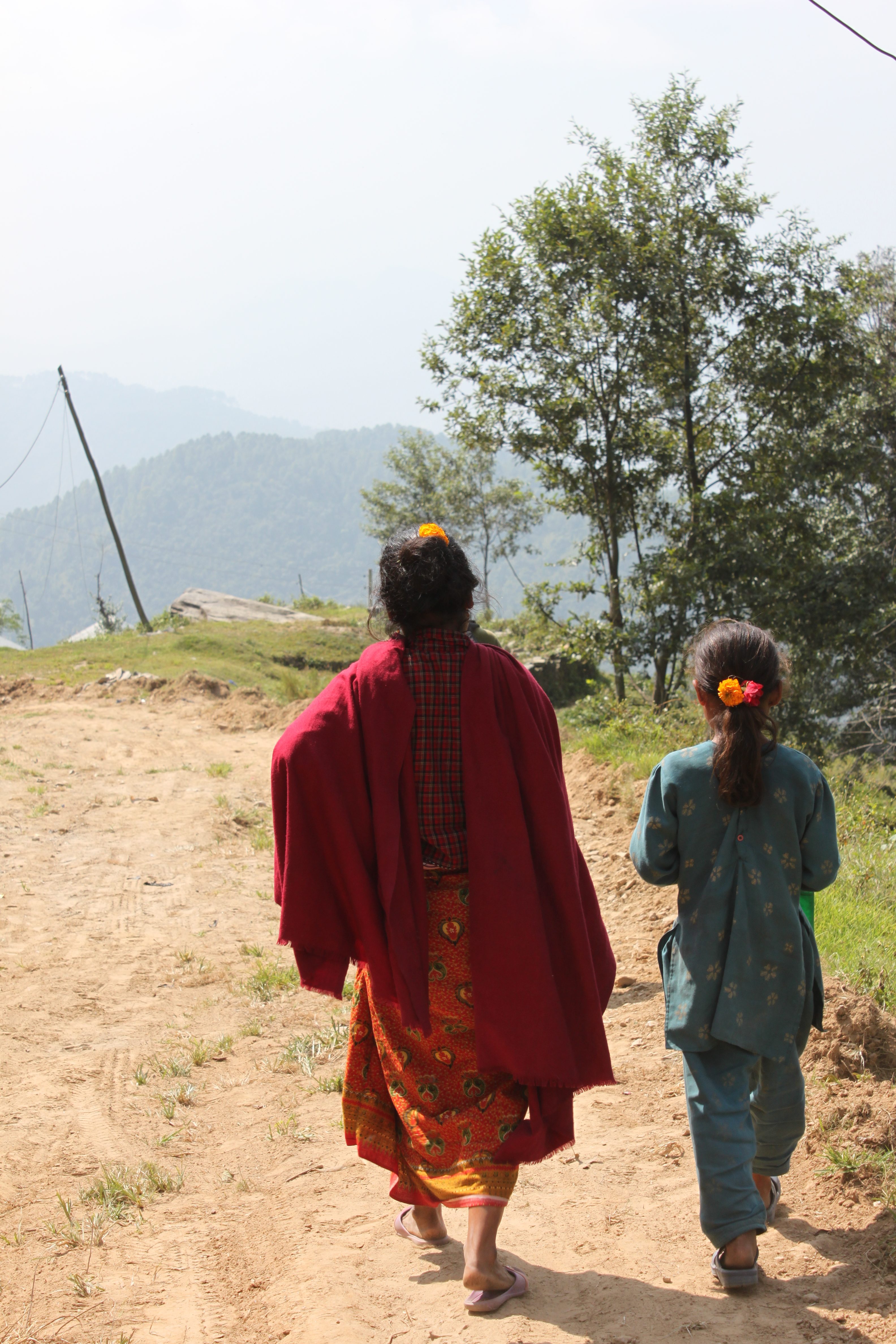
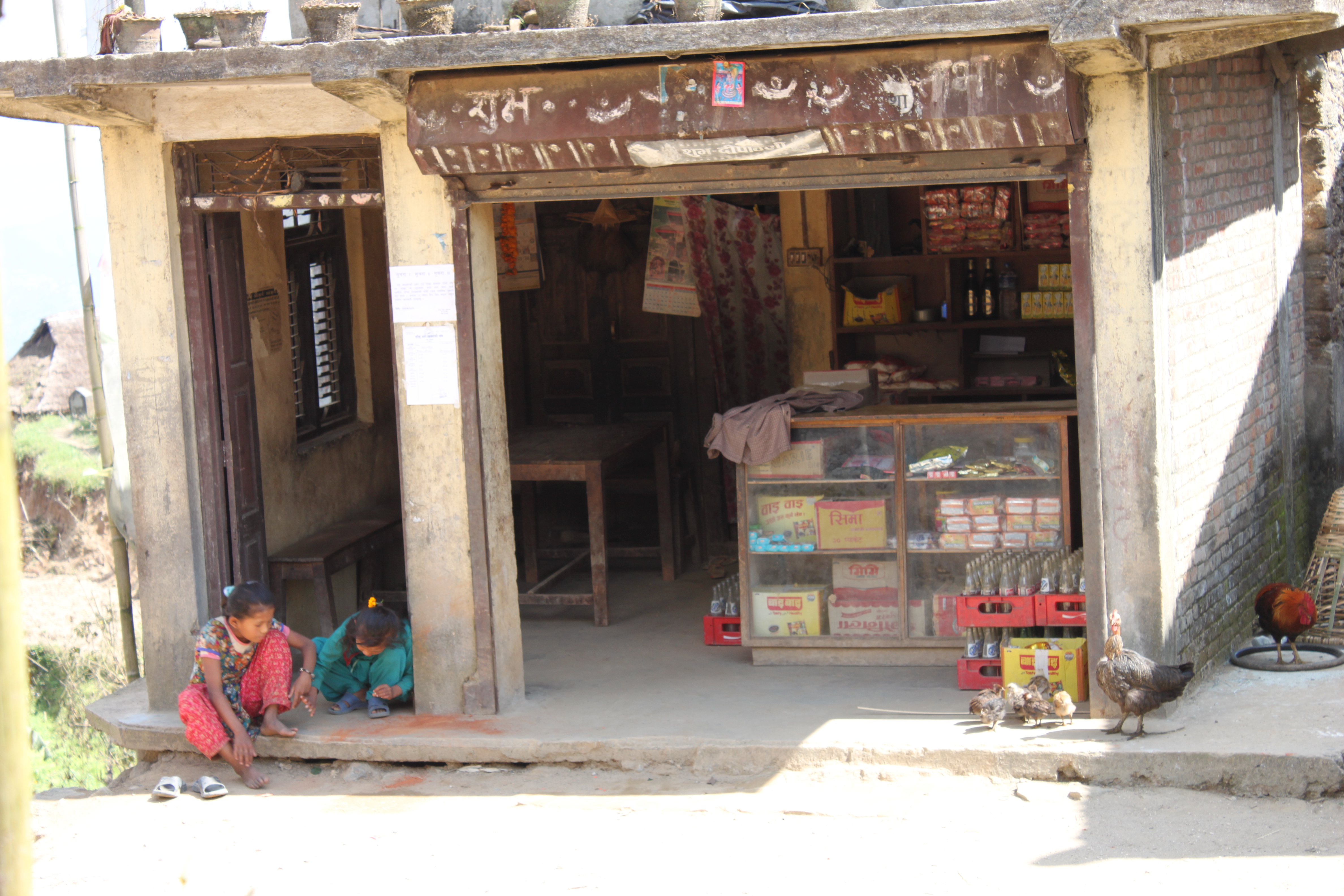

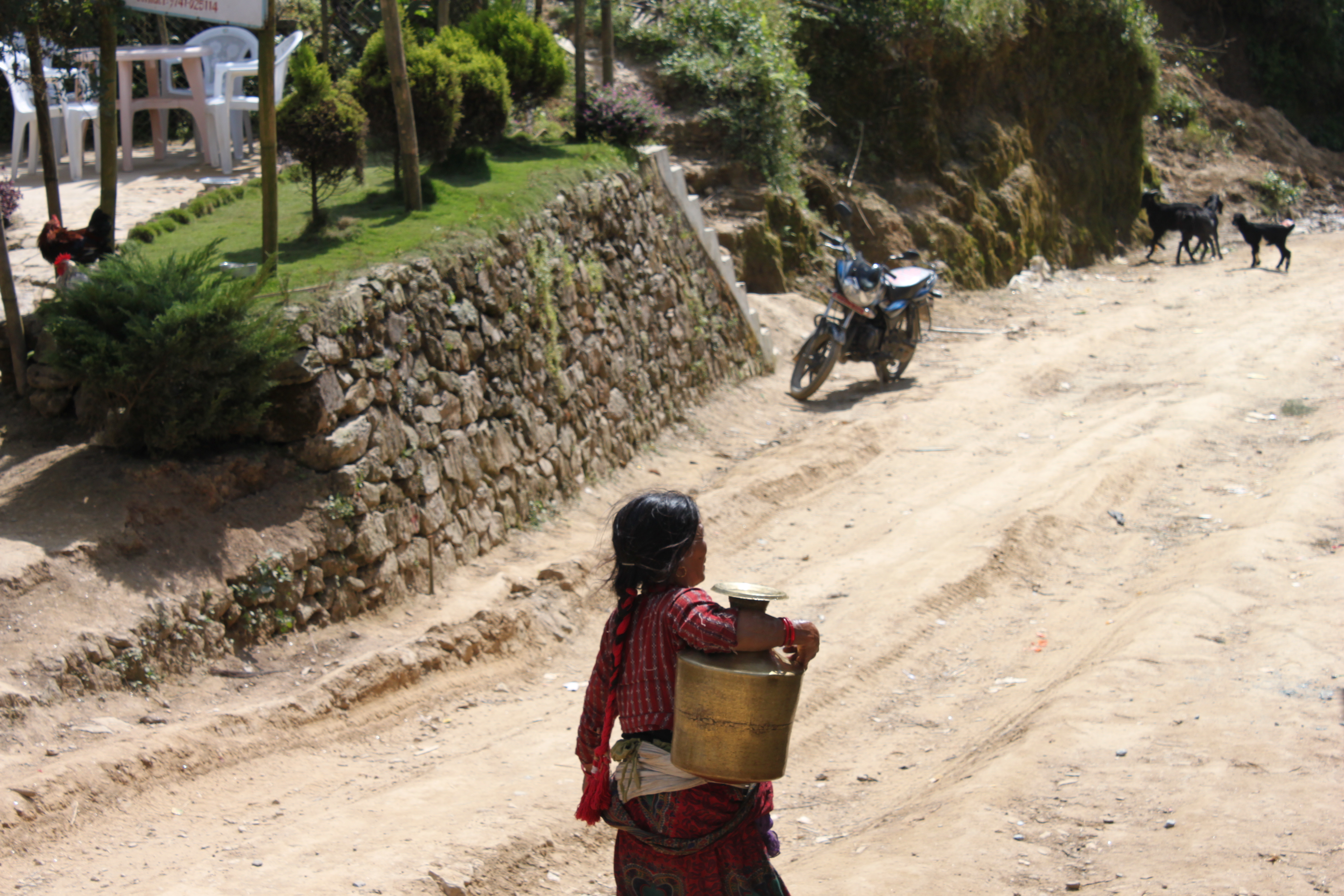
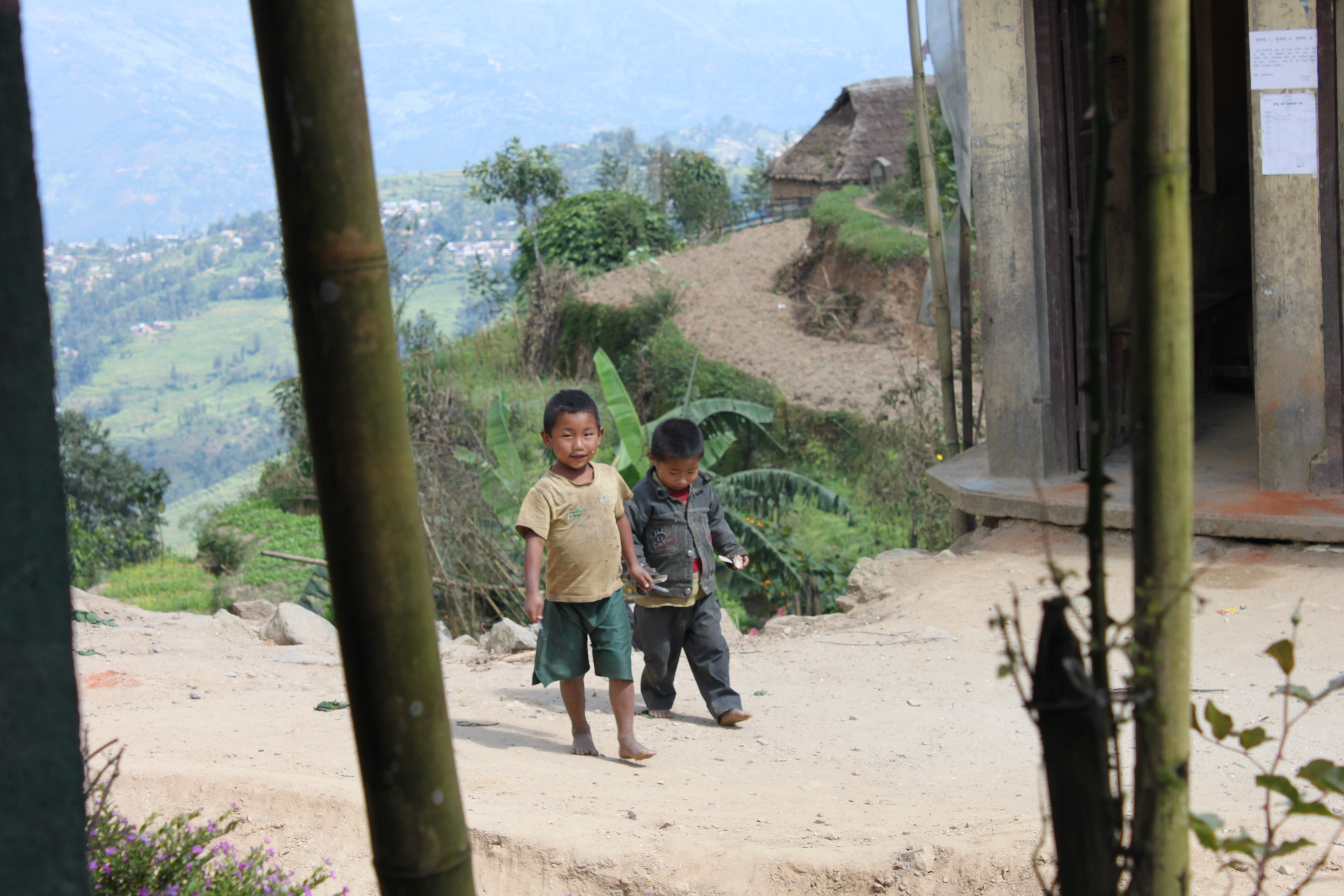

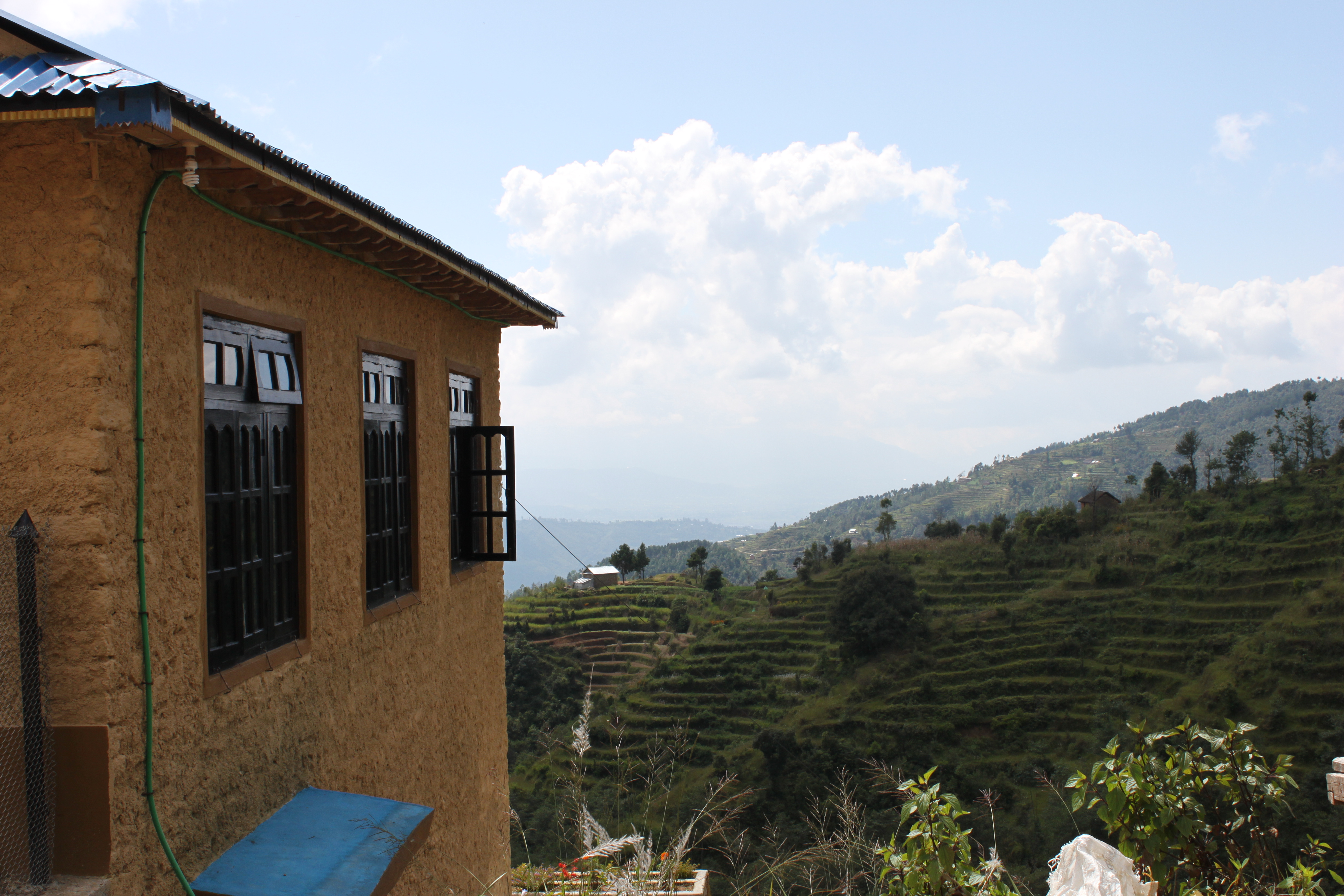
The scenery became more enchanting with every step we took. We journeyed through alpine meadows, traversed yak pastures, and crossed glacial moraines. Gradually, we ascended to the clouds, piercing through thick fog and inhaling the crisp mountain air. In the jungle, where the trail narrowed, we noticed prayer flags hanging from the trees, gracefully floating through the mountain mist. As we continued to gain elevation and hiked along the mountainside footpath, we were treated to breathtaking views unveiling a dramatic landscape of maize fields and rice terraces below.

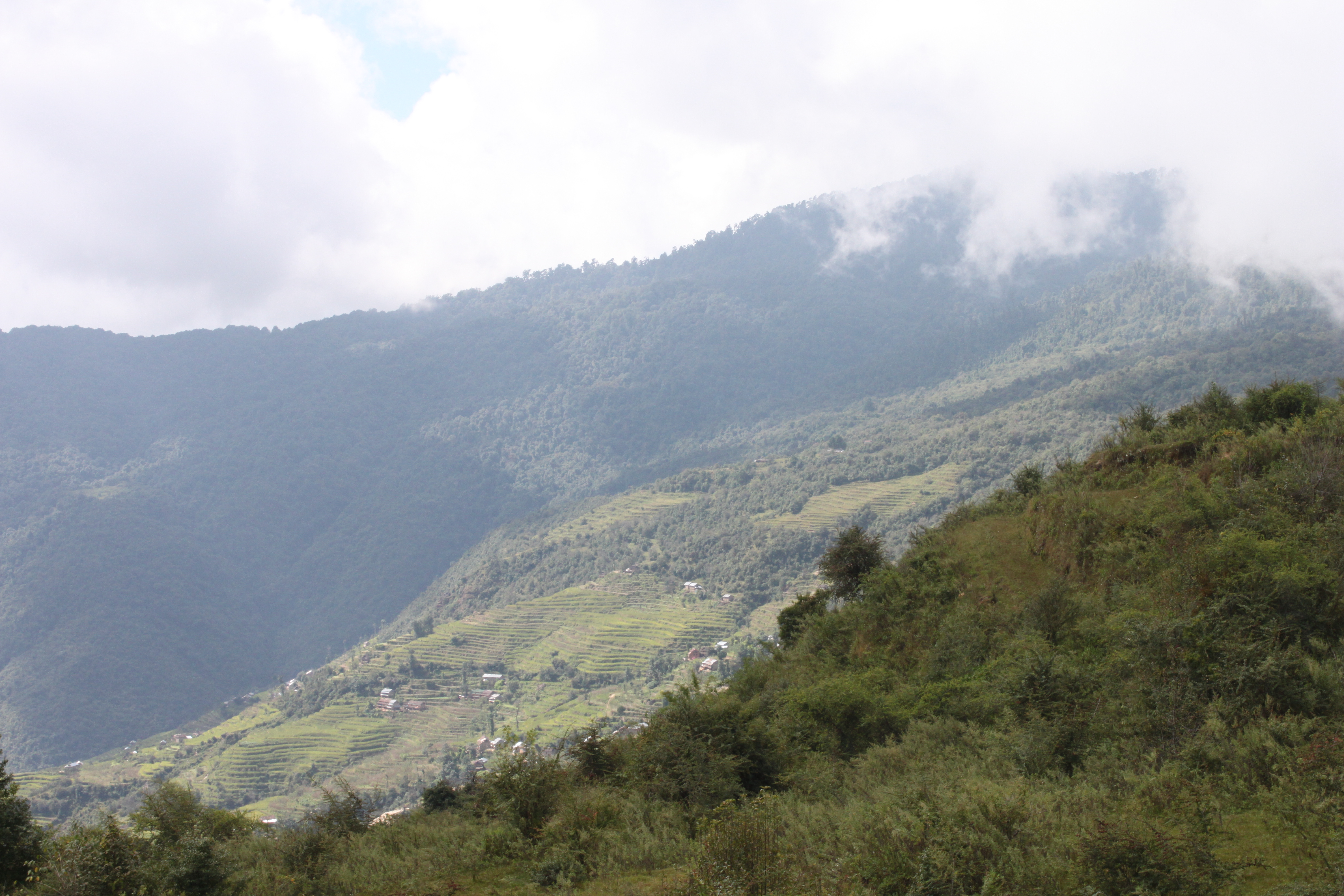


Upon reaching Chisapani, we stepped into a candlelit teahouse where a gathering of guides and porters engaged in lively conversation around a table.
Manik extended a warm invitation to the rooftop terrace, where he joyfully served us hot tea from a gleaming silver tray.
The night embraced a chilly atmosphere as winds swirled through the crevices of the stone walls. With no electricity in the teahouse, darkness enveloped the space, rendering it cold and immersed in quietude. I curled into a ball, enveloped by wool blankets, memories filling the emptiness as I gradually drifted into a serene slumber.

Day 2: 15km to Nagarkot (2195m)
At 5 am, we awoke to a profound silence, as if transported to a different world immersed in a tranquil haze. The heavy fog slowly crept in through the windows, resembling a ghostly mountain presence.
Embarking on our daily trek, well-rested and nourished, I couldn’t shake off the feeling of my own lack of fitness as we tackled the slanted trail. My legs struggled with each step.
Manik, with his round-shaped head, suggested, “I can carry the bag,” nodding persuasively with a warm smile.
“Oh, no, but thanks,” I declined with a slightly frazzled smile.
He insisted, “I’ve been a porter before, carrying big bags for weeks—bigger than you, bigger than me.” He gestured, exaggerating the size of a tourist’s bag with his lean body. His goofiness amused me, but I resisted his offer, contemplating my decision with each sweaty step.
“How was it to be a porter?” I asked while navigating across a river.
“Very hard. My family was poor. Before being a porter, I worked in corn fields. Mountain life is very challenging.”
Manik shared his past life in the city, working as a rickshaw driver. Unfortunately, he almost lost a leg in a traffic accident. He returned to the mountains to recover and eventually became a porter.
“No English,” he continued, wind tousling his raven-black hair. “Carrying tourist bags for days, weeks, months in the mountains. Hard work. People can be mean. No shoes. I may not look strong, but I am very strong.” He flexed his biceps with a giggle, feet sliding into his oversized, well-worn sneakers.
“Porter for 15 years,” he continued. “Hard work. Learned English by talking to tourists like you. Now I’m a guide. Hoping to trek Everest. Good money on Everest,” he explained, pointing to the horizon.
“Do you have a family?”
“Yes, ma’am,” he affirmed, pride sparkling in his chocolate-brown eyes. “Three boys. I guide now. Can afford education. Hoping for the best future for my boys.”
As I delved into Manik’s life stories, the trek became more effortless. How could he exude such contentment, being healthy inside and out, living a life so distant from my own? I empathized, inspired by his optimism and heartened by his genuine care.
Eight hours and a dozen swollen bug bites later, we reached the second summit of our trek, Nagarkot. My legs were inflamed, my face beet-red, and sweat dripped endlessly from my forehead.
“How I’d love a glass of wine right now!” I exclaimed between breaths.
“I’ll find wine for you!”
I watched as Manik trotted down the dirt hill, fading with the dusk.
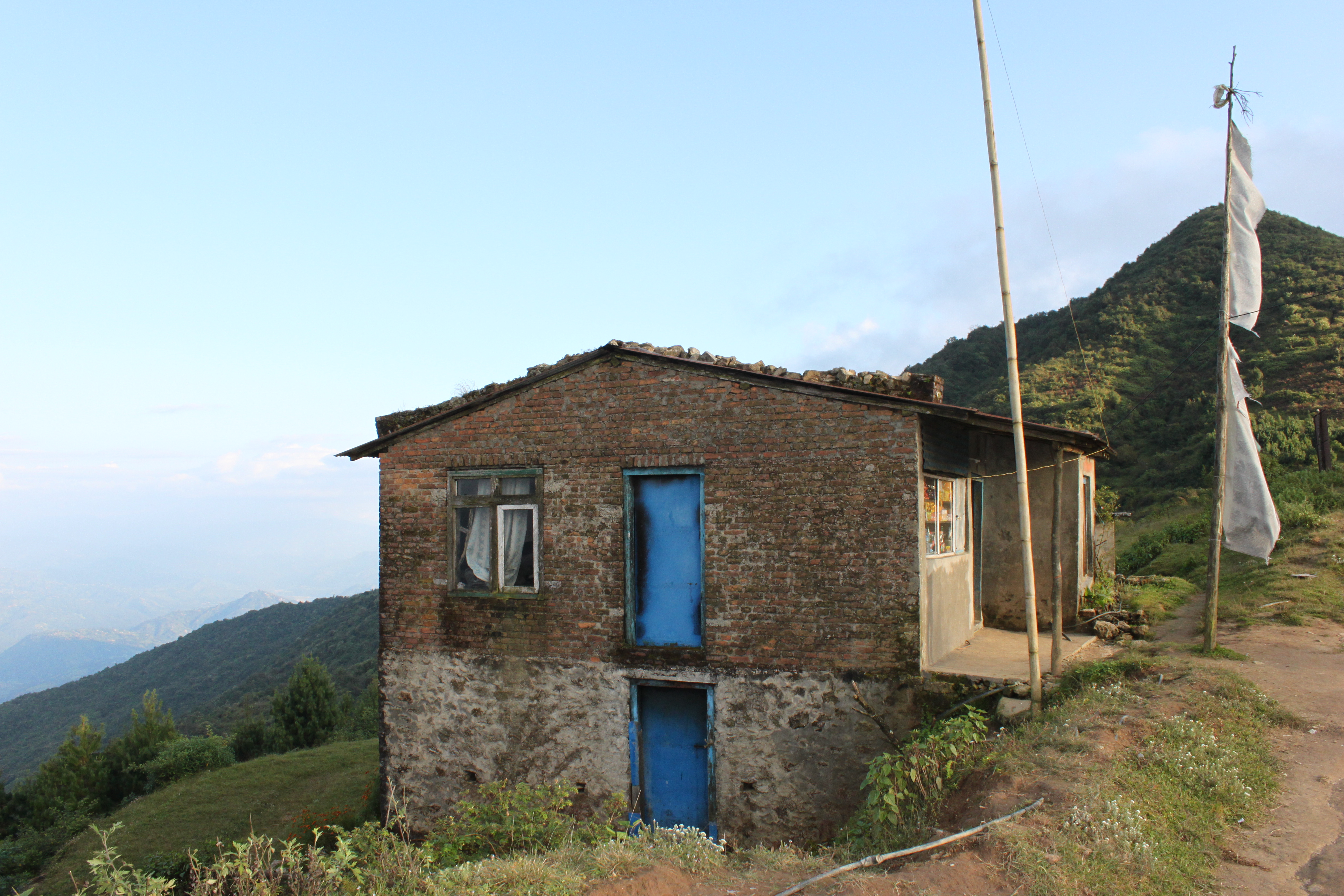
As the moon ascended and settled in the sky, we gathered around a low table, perched on wooden drums outside a vendor’s hut. With the company of a fellow guide, Manik uncapped a reused water bottle and poured the chhaang into four glasses. Then came the shutki. The family residing in the hut observed us with curiosity from within.
He inquired about our journey, and I asked about his dreams. We engaged in a conversation about life, all while the moon traversed the starry sky.

Day 3: 15km to Thamel
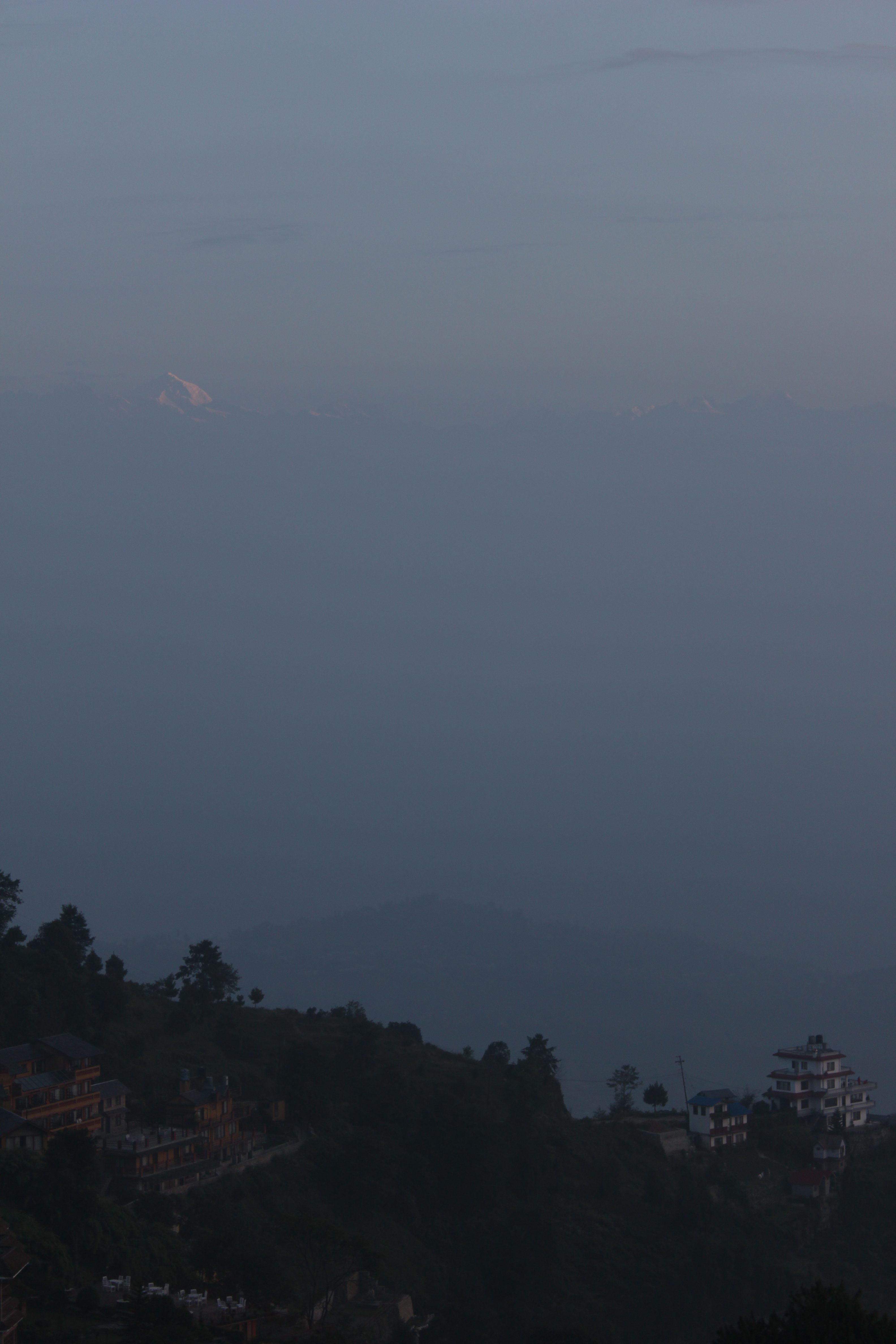
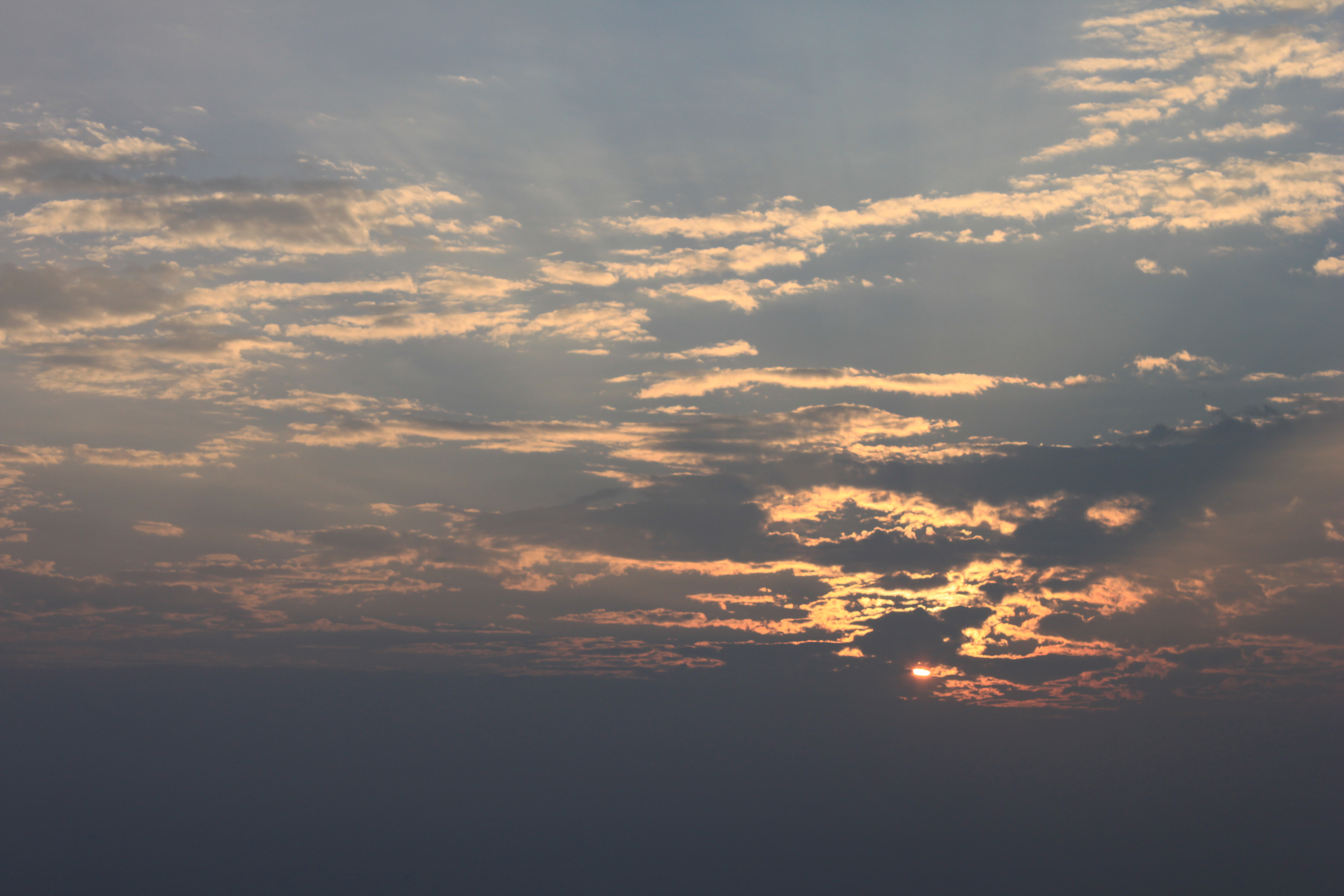
We witnessed the sunrise over the Himalayas, observing the snow-capped Mount Everest gradually piercing through the blushed clouds. As I reflected on the hues of the sky, my thoughts turned to Manik and how he guided me to see things in a new light. Much like my taste buds, he heightened my awareness of things I had previously failed to appreciate. While tourists busily snapped photographs of the morning spectacle, I found myself lost in contemplation, pondering the why and the how, gazing upon a life woven with both beauty and hardship.
We returned to the bustling backpacking town of Thamel, where the narrow alleys were congested with both tourists and locals. Soon, I found myself yearning for the tranquility of the mountains, where my thoughts could wander freely amidst the expansive open space.
I gifted Manik my brand new trekking shoes, a perfect fit for his feet. In return, he draped a white silk scarf around my neck—a khata, symbolizing compassion and purity.
Our paths diverged, leading us in different directions. As I stood amidst the bustling crowd, I closed my eyes, transported back to the mountains, navigating rugged trails through the Himalayan mist alongside Manik.
“You want chhaang?” he’d inquire.
I’d smile, savouring the memories and the lessons I had gained. “Absolutely, I’d love some chhaang.”



























 Footloose Diary