20 years ago I moved solo from Québec to the Coast Mountains. Growing older in a place with limitless scenery and vast landscape has been nothing less than a humbling experience.
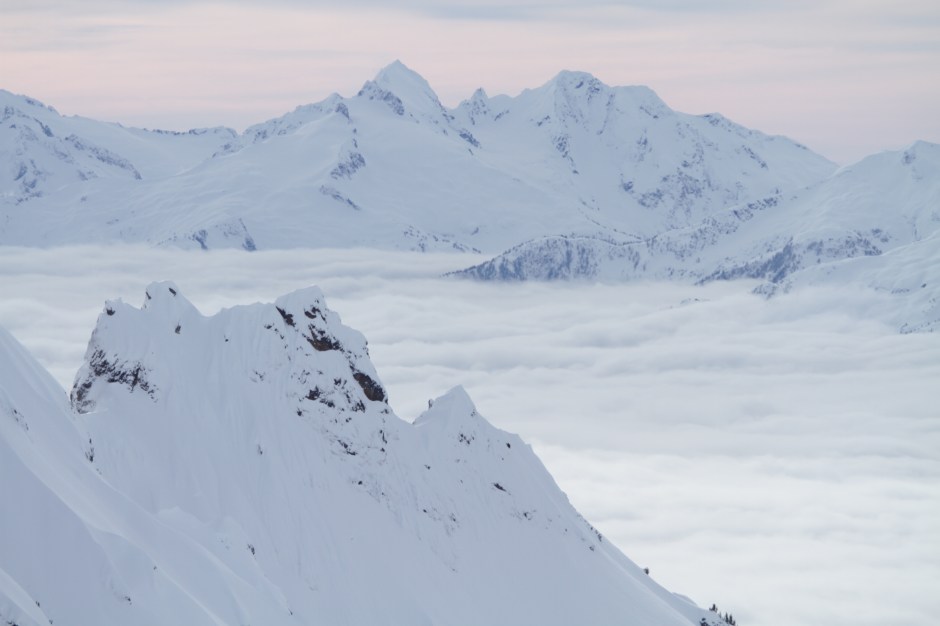
To be able to hike up to mountain peak and dip in a glacier-fed lake, dive into clear ocean waters, roam with my dog in quiet, open spaces, breathe in the fresh, crisp aroma of the rainforest, and look out at the impressive layers of rolling snowy ridges as far as the eye can see, is when I know I am home.
I slipped my feet into the white sand. Its cool composure liberated me from the throbbing pain. I was too exhausted to jump into the ocean and wash out all the dirt on my face and my hands, and the sweat that has accumulated on my skin and my clothing. I laid there for a couple of hours, soaking in the warmth of the sun, the breeze of the sea, and the sand between my toes, thinking about nothing but: I did it!
Seven days ago, my girlfriend and I had packed our backpacks with everything we needed to survive for a week: camping gear, hiking clothes, dehydrated food, and survival kit. We had planned this trip for a few weeks and were anxious to finally begin. The West Coast Trail has always fascinated me. I’ve heard about it from fellow adventurers I’d met along my travels, and it seemed like the kind of adventure I had to put on my bucket list. I am no expert hiker, although I have several trips under my belt. The Pacific Northwest has been my backyard for over a decade now, offering many trails to wander, glacier-fed lakes to discover and mountain peaks to conquer. I have also hiked around Kathmandu, Nepal, staying in tea houses, eating home-cooked meals and carrying a small backpack. But the WCT was the kind of adventure I’ve never done before. It was a physical and mental challenge far beyond anything I’ve done. It was much more than just a stroll in the woods.
The West Coast Trail is a gruelling 75km long backpacking trail hugging the southwestern edge of Vancouver Island in British Columbia, Canada. Construction of the trail debuted in 1889, originally part of a communication system connecting the British Empire in North America by an undersea cable which ran all the way to India. After the wreck of the Valencia in 1906, the trail was improved to facilitate the rescue of shipwrecked survivors along the coast. It is now part of Pacific National Rim and is known as one of the world’s top hiking trails.
Day 1: Embrace the opportunity Gordon River to Trasher Cove- 6km
Butch took us to the trailhead across the Gordon river with his fishing boat. We jumped off the craft onto the sand, only to be welcomed by a 52 rung vertical climb ladder. Welcome to the WCT!
My bag was heavy. It pulled my shoulders and the strap on my chest pushed my lungs making it hard to breathe. It wasn’t that the trail itself was hard, but rather acclimatizing to my gear. My 43 pound bag carried all I needed for surviving a week in wilderness. I did read it shouldn’t be more than 30% of my weight, yet bringing a deck of cards, a reading book, tank tops and too much food seemed to be essential and weightless at first glance. I regretted my amateur decision of bringing the unnecessary every step I took, carrying a bag nearly half my weight, turning into a turtle camouflaged by her shell. It was a slow march through the woods, travelling 1km an hour.
As I hiked I pondered what drew me into doing this trail. It wasn’t solely for the remote beauty of the coastline, the impressive old growth forests and the endless empty beaches. I wanted to test my capabilities, to see how far I could go physically and mentally. I was attracted to the sheer challenge, to the experience, to the accomplishment, to the opportunity to learn and to grow.
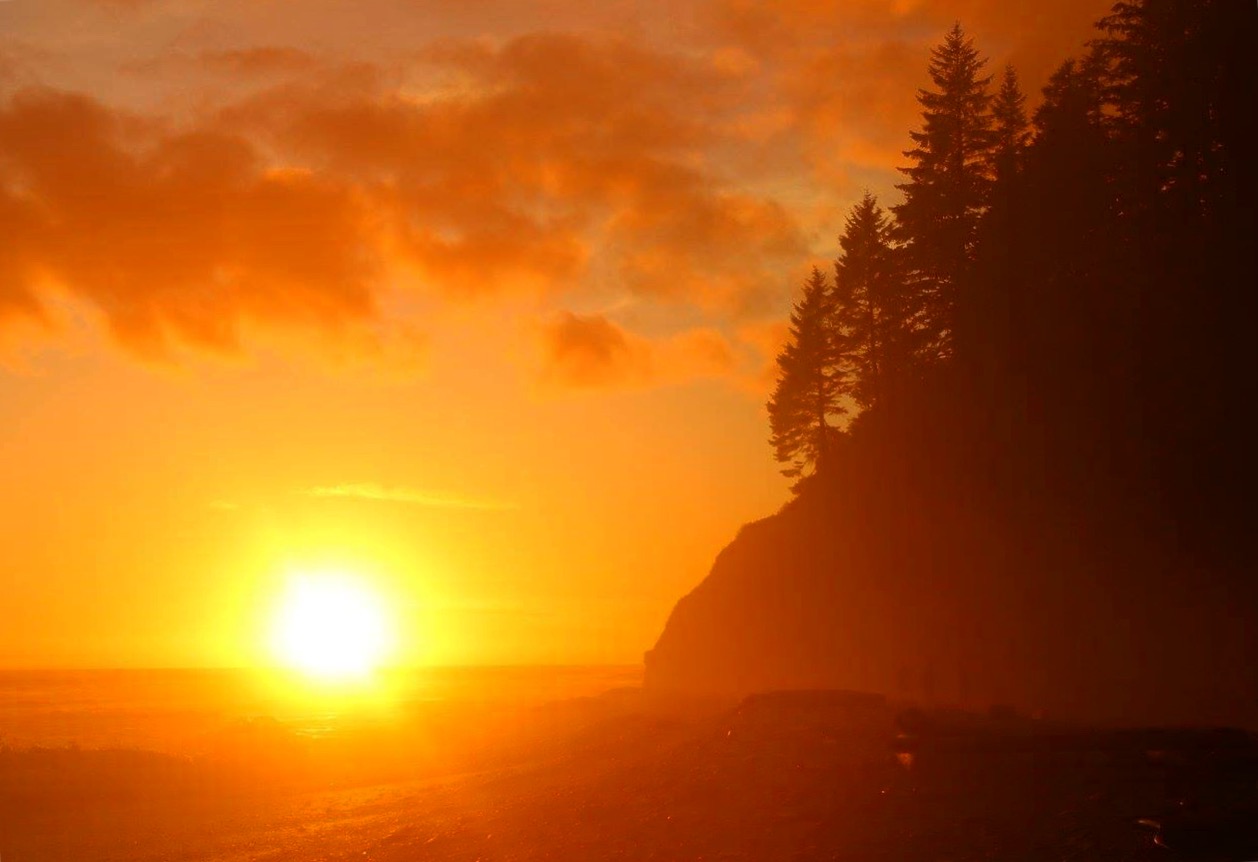
When we got to Trasher Cove, we set up camp on the beach, and watched the sun disappear behind the trees, leaving an orange glow over the ocean. As the sun dimmed its light, we called it a night.
Day 2: Slow down Trasher Cove to Camper Bay- 8km
The sunrise was sublime. The sky was clear and the breeze was invigorating. We started the day on the beach at low tide, hiking on black stone shelves, careful about wet surfaces. This part was so beautiful, and pretty enjoyable to trek. We walked through a cave and arrived at Owen Point where a group of sea lions sun bathed on a rock erected from the ocean.
We hopped from boulder to boulder, jumped over crevasses, traversed the edge of a gully holding on a slippery rope.
The magnificence of the views muted me. I was in awe taking in impressive images of the vistas. We took our time, slowing down to admire the incredible landscape.
When the tide rose up, we entered the forest and finished the trek inland. It was muddy, extremely muddy, and we had to be very smart about each step. This very technical day ended up at Camper Bay, where we arrived in our first cable car.
As the sun shied away behind the clouds, we gathered around the campfire with fellow hikers, discussing of food and gear, and sharing stories of the trail and of home.
We retired early to our tent, away from the beach and sheltered in the trees. Then the rain began.
Day 3: Love the journey Camper Bay to Walbran- 9km
It poured all night, and it wasn’t ready to stop. We broke camp, put on our monster backpacks and headed back on the trail as the heavy rain lashed. The course was challenging and we got to test our skills and our sense of humour on slippery logs, impassable headlands, uncountable ladders, broken boardwalks, thick patches of deep mud, suspended bridges and one more cable car.
It wouldn’t have been the WCT if it wasn’t for the wet weather, the rugged terrain, the remoteness of the trail. I was soaked, dirty, sweaty, yet I couldn’t be more happy to walk this incredible journey.
As we reached our couple last kms, the sun slowly penetrated the clouds. The forest canopy stood high above me as the sun rays filtered through old growth trees. I fell in love with the lonesome beauty of nature. It was raw, it was pure, it was terrifyingly beautiful.
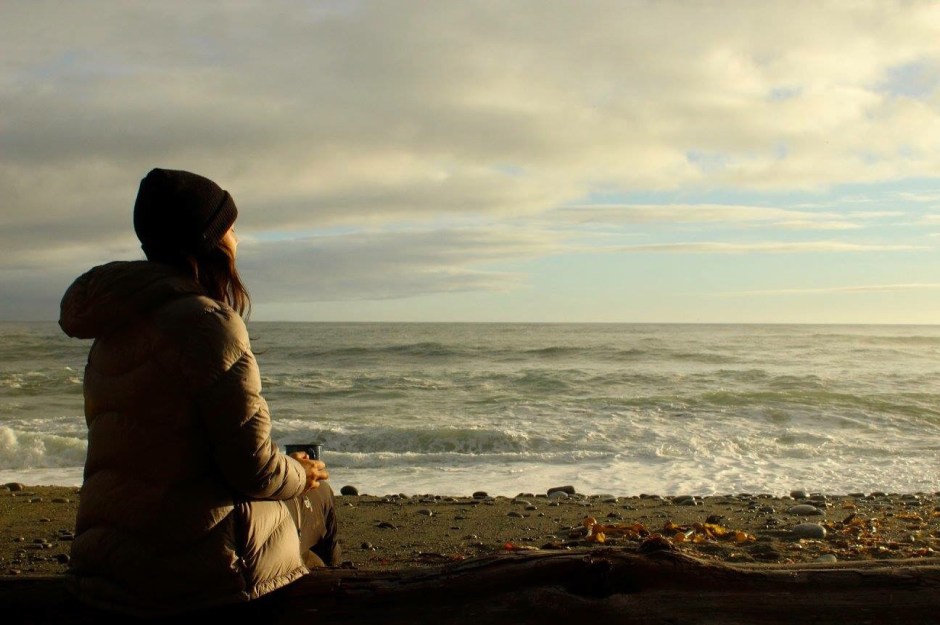
The trail opened up to the creek, that ran into the ocean. We walked through the fog, shuffling our tired and wet feet in the sand. Campers setting up their tent, warming up by a fire, and collecting water greeted us with a smile. It felt like a parallel universe, being alone all day in the wilderness and arriving to a place temporarily inhabited by humans. I grabbed my flask of maple whisky from my bag, and took off my shoes. I didn’t want to start a fire, set up the tent, get fresh water nor cook dinner. I wanted to admire that well-deserved sunset.
Day 4: Things aren’t always like planned, and it’s okay Walbran to Cribbs Creek- 11km
The morning light seeped into the tent. I forced my feet back into my wet socks and boots, and strapped my loaded bag on my back. Our plan was to hike on the beach, but the creek was too high to cross that early. We changed our plan and headed inland, after crossing our third cable car.
It reminded me how in life things don’t always go as planned, and it’s okay. Sometimes we have to change our route or take a detour, but that doesn’t mean we’re not on track.
We arrived at Cribs Creek where I immediately removed my wet gear. I skipped dinner, still full from my decadent $22 cheeseburger I had at Chez Moniques’, a 77-year-old lady who opened up a burger shack in the middle of the trail on reserve land. I was exhausted and chilled to the bones, so after setting camp I crawled in the tent, zipped myself into my sleeping bag, and let my head sink into my pillow
Day 5: Keep going forward Cribs Creek to Tsutsiat Falls- 16km
It felt like a never ending story. My bag seemed heavier than the first day, carrying wet and sandy gear. It was a constant effort to stay upwright. I longed for nothing more than water and to take my pack off my shoulders.
It was a slow progress, stepping one foot in front of another, carefully watching every movement, every step. My eyes focused on the slippery roots, the sinking mud holes, the loose sidewalk. It became so technical I’d forget to look up. I had to stop, not only to rest my back from the load, but to admire the scenery. I stood in a world of infinite, pure and quiet beauty.
I’d take a deep breath, taking in all the fresh air and the beautiful images. Somehow it gave me energy to pursue. As it reminded me why I was there on this trail, how going forward was the only way to see more, to know more, to live more.
The last couple of hours were brutal. My body was about to collapse in the loose sand, my hair sticking to my face, my provision of water rapidly diminishing. I knew I had to keep going forward, because going back to where I started wasn’t an option. So I put one foot in front of the other, over and over again, because at least I was going somewhere. And I was going to make it.
I was drained, in pain and on the verge of collapsing when we arrived to the falls, but I was also over joyed and astonished of how far I’d gone.
Day 6: Appreciate the details in each moment Tsutsiat Falls to Darling Creek- 12km
We woke up to the roar of plunging waves. We admired the falls rushing their fresh water into the ocean bed. The birds songs travelling through my head overpowered the pain on my body. I was ready for another day.
We started off with a series of climbing ladders. I’m not sure if I got used to them, but I didn’t mind them. I had a couple days left on the trail and I was going to win. The clouds rolled in but it never rained. The overcast weather was ideal. There were some really nice stretches in the forest, and cliffside paths, with the ocean appearing in occasional views. I had to pause to appreciate the precious details of my surroundings. It was the lush greens of the trees, the water dripping from the tip of the branches, the sun filtering its timid rays through the fog, the sea foam caressing the sand…
It made me realize that since I’ve been on the trail, my mind never wandered like it does back home. I was so focused on each moment, on each step, free of appreciating the perfection of every circumstances. My mind wasn’t trapped in the past or the future. I was right there, in the reality of the moment, precisely where I was supposed to be.
When we arrived to Darling Creek, we found ourselves completely alone in wilderness. Hikers kept going further on to the next camp. We decided to stay, and enjoyed the whole beach to ourselves. We finally managed to have a raging bonfire, dry our clothes and boots, carved our names on a buoy and share our highlights of our trip, while sipping on the last drops of our whisky and savouring the ice cider I kept for our last night.
The sun came out for a last show of setting light and glow.
Day 7: Push your limits Darling Creek to Pachena Bay- 14km
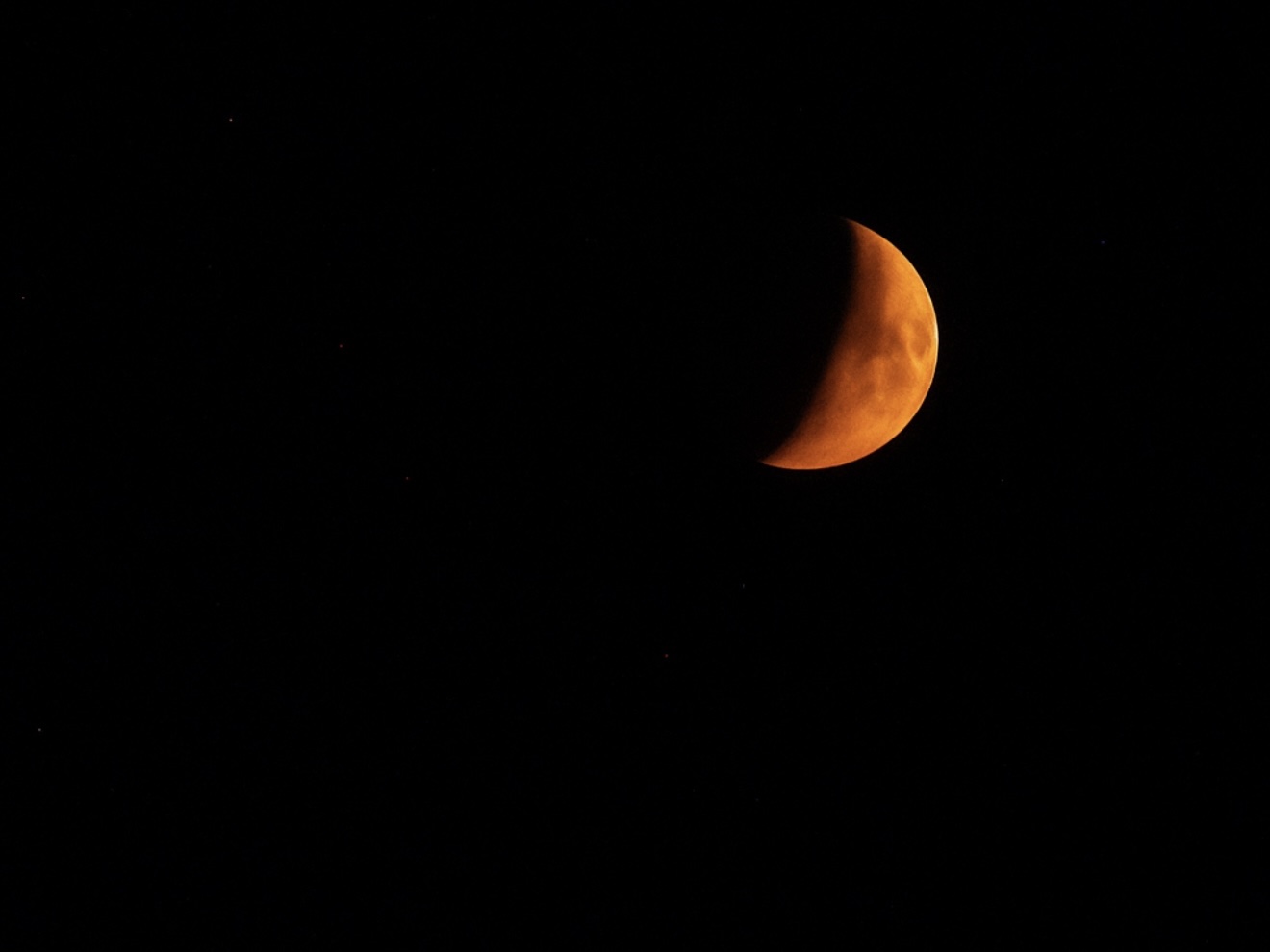
We rose up to a moon crescent and a starry sky. It was 4am and we had a big day ahead of us. We couldn’t miss our shuttle in Pachena Bay back to Gordon River, and considering our slow pace, we had to have an early start. We poured the Bailey’s we kept for that morning into our coffees. I don’t know if it was the caffeine I didn’t have in a week, or the small dose of alcohol in my body, or a sudden boost of stamina on my last day, but I felt awake and energized. I knew I had to push myself even more today than the others. I had to, and I would. I was committed to accomplish this hike with bliss.
The first couple of kms were on the pebbled beach. We arrived at the other camp where everybody were still snoozing. We tiptoed through the tents and took the trail inland, making our way through the forest in the darkness of dusk.
This last stretch was the easiest of the whole trail, and we crunched distance like superheroes. I didn’t let my back, nor my blisters, nor my aching knee, nor my exhaustion discourage me. I was in such a mindset to push and keep going that I couldn’t feel anything anymore but my mind taking over my body. I was in a state I haven’t been in while, pushing myself well beyond what I thought were my limitations. I became numb to my pain, and felt the exhaustive exhilaration of pushing myself to my limits, with a burning desire to make it to the end.
We travelled 14km in less than 3 hours. And then there it was, the end. We have arrived.
We did it.
We signed off and unloaded our packs from our backs. We took off our shoes and our gaiters. We were the first ones of the day to complete the hike, and we had 4 hours before our shuttle. So we took the trail that headed to the white sand beach.
Humbled and blissed
The coastal trail had humbled me. I was brought into the flow of life, embracing the immense beauty and magic of each moment. I had pushed myself further that I’ve gone before, and discovered a strength within that assured me that I could achieve anything I set my mind to.
The WCT reminded me the importance of setting ourselves goals, pushing ourselves out of our comfort zone, challenging ourselves to take one more step, running when we can’t walk anymore. By physically and mentally pushing ourselves, we discover that pain and exhaustion lead to incredible feelings of joy and success.
Life is about choosing our own path, taking risks, embracing uncertainty, taking the unpredictable turn, falling down, getting up, and never giving up when the road gets tough. We are stronger and greater than we think, and are capable of anything we set ourselves for. As long as we keep moving forward. As long as we have the right mindset and are not afraid to cross the creek and get wet.
The world has created a society of consumerism, leading us to live a life of full time work, with little time to live a life of ours. It is a mentality of living to work, rather than working to live. The more we work, the more we spend, and the more we need to work again in order to pay for the things we most likely are not able to afford. And don’t need.
We have maxed out credit cards, mortgages that take a lifetime to pay off, car payments with laughable interests. We want to treat ourselves with shiny things because really, we deserve it. So we consume to follow the trend, to show we are doing well, to feel good about ourselves. We surround ourselves with materialistic things to make us look good.
Really, why do we want money so badly? To drive a nice car? To have a fashionable wardrobe? To eat at gastronomic restaurants? To add decadent decor to our home? To travel to luxurious all-inclusive resorts? In fact, we want money for the image that it gives us: We look successful. We look accomplished. We look good.
A lot of people think that happiness comes from the things that we have, or the image that we reflect on others. Looking successful is important. But does that make us happy? I believe success is happiness. And I don’t believe it starts with money. In fact, I believe money is a poor illusion of success, and that people often wrongfully associate being rich with having money. Wealth should be defined by who you are, and not by what you own.
When I travelled to Thailand over a decade ago, my first trip overseas, I spent some time in the jungle of Chiang Mai. We trekked for 2 days, carrying supplies to a family living in the midst of the dense forests. Their location was so remote that they never ventured further. They bathed under the waterfall, fed from their garden and livestock, and played with whatever nature delivered them. With tourism expanding, they accepted to trade their home for supplies that travellers would bring along. They were so isolated, that the little boy was amazed at my friend’s blond hair and blue eyes, as he’s never seen such a thing before. The tribe was all smiles, pure and wide, as if they were the happiest people on the earth. I understood that they were happy because they never were exposed to the wants. They had a shelter, food and water, their family, and that was all they needed. And that was enough.
When I returned to North America, I found myself standing still in a middle of a time-lapse, as if everyone was rushing, living life on fast-forward, forgetting to pause a moment and breathe. It was a race against time, like what was waiting for them after life was more important than right now. I told myself I didn’t want to be part of this system. I wanted to have an authentic smile just like that family back in Thailand.
An army of cars filled with vacationers carrying summer toys such as mountain bikes and leisure crafts tied atop their roofs hurried north on the Sea-to-Sky highway towards the recreational town of Whistler. As for us, we drove south on the empty lane heading to a secluded island. Boat tied up behind the truck, trunk glutted of camping gear, food and drinks and off we were to the ocean on a beautiful Saturday morning.
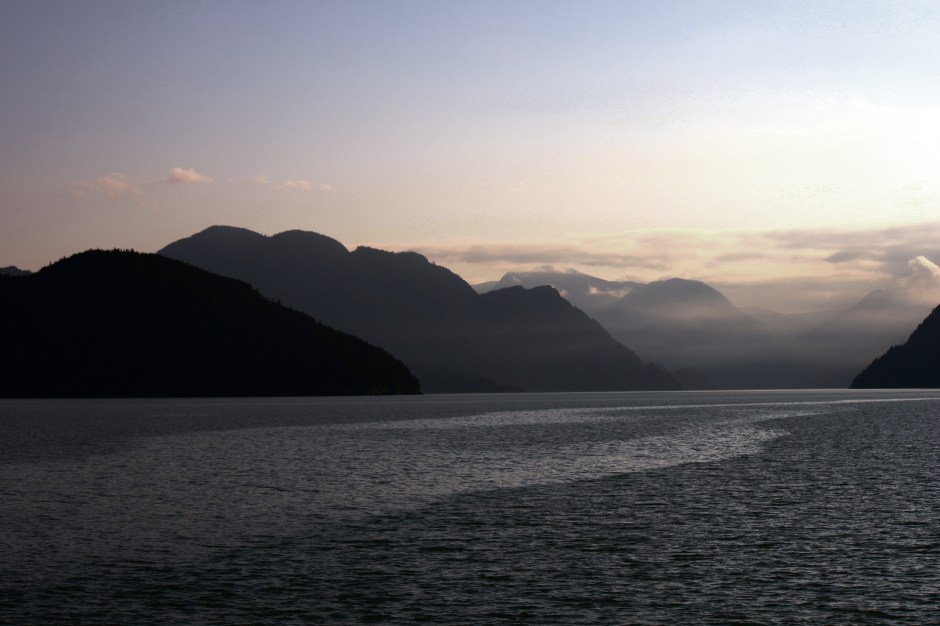
The gleaming and opaque turquoise waters of the fjord of Howe Sound screamed attention when we arrived at the boat launch. The clouds amassed around the mountains aground and a blue sky slowly appeared above the water, behind strings of white veils. The south breeze brought a moist and salty feeling to my skin. We cruised west on the ocean, reaching the beautiful islands of the coast. A white seagull glided above. My dogs, ears flapping in the wind, held tight in the front bow as we cut through the surf.
The islet was a pure treasure: a rocky landform erecting from the ocean, away from traffic, everyday chaos, buzzing cars, duties and responsibilities, home to only birds and bees, wildflowers and trees.
I stood on the edge of the sun-warmed rock, facing the waves crashing below. Two dark birds with orange beaks chirped at me, possibly guarding a nest of eggs nearby. A couple of curious sea lions fishing for Spring salmon spied in my direction while circling the island, dark black eyes and shiny noses above water, whiskers tickling the air. Sometimes they roared at each other, playfully leaping and porpoising through the water.
It was so quiet and peaceful. I could only hear the melody of the ocean breeze through the trees, the waves passing by, the birds chirping and the sea lions splashing. It’s almost as if I could hear the clouds whispering. I closed my eyes and raised my snout to the sky. I inhaled the incoming tide and took deep breaths of fresh salty air. I felt my respiratory tracks opening, my lungs expanding. I sensed the ocean water slicking my face, humidifying my hair. I tasted the aroma of the sea deposited on my lips. The seaweed and small shells under my feet felt gooey and sharp, but as soon as I dipped my toes in the ocean water, I was relieved of all pain and worries.
I felt that I was right where I was supposed to be. In the midst of an incomprehensible wild beauty, amongst mountains and sea. It was like a perfect dream, the one you never want to wake from. But it was my reality, happening right at that moment, and I fell deeply in love with it. It was raw, it was pure, it was terrifyingly beautiful.
What do we truly need in life? Shelter, food, water, clothes, love, and safety. These are the fundamental biological needs of a human being. However, the modern world has added a troubling item to this list: money. Money has created a society driven more by desires than necessities, fostering consumerism, a relentless pursuit of wealth and power. But does money truly enrich our lives?
While most associate wealth with material abundance, overflowing bank accounts, and financial prosperity, I hold a different belief. True richness is not measured solely in monetary terms; it’s a quality of life. The mere act of being alive on this planet is a gift of immeasurable wealth, and money is but a fleeting illusion. In reality, money often leads to unethical and immoral behavior, diverting our attention from living a fulfilling and meaningful existence.
Last summer, I made a significant change in my life by purchasing an RV. I had grown weary of paying exorbitant rent and perpetually struggling with financial matters. Little did I anticipate how profoundly it would transform my life. In fact, it made me richer. Here’s how:
I have time to appreciate the little things
I now have the time to enjoy life’s small pleasures. When I downsized my life to reside in a trailer, I experienced an overwhelming sense of relief. I parted ways with unnecessary possessions, retaining only the essentials. Simple activities like long hot showers, laundry, and TV have become luxurious indulgences. Grand dinner parties have given way to outdoor gatherings, and my extensive wardrobe has been replaced by a modest selection of clothing. The act of owning less has heightened my appreciation for what I possess. Everything beyond those essentials is a luxury. This lifestyle has taught me that I am content with what I have. It has deepened my appreciation for life’s intricate details, encouraging me to slow down, relish the scent of fresh air, and admire the beauty surrounding me. It has nurtured gratitude in my heart.
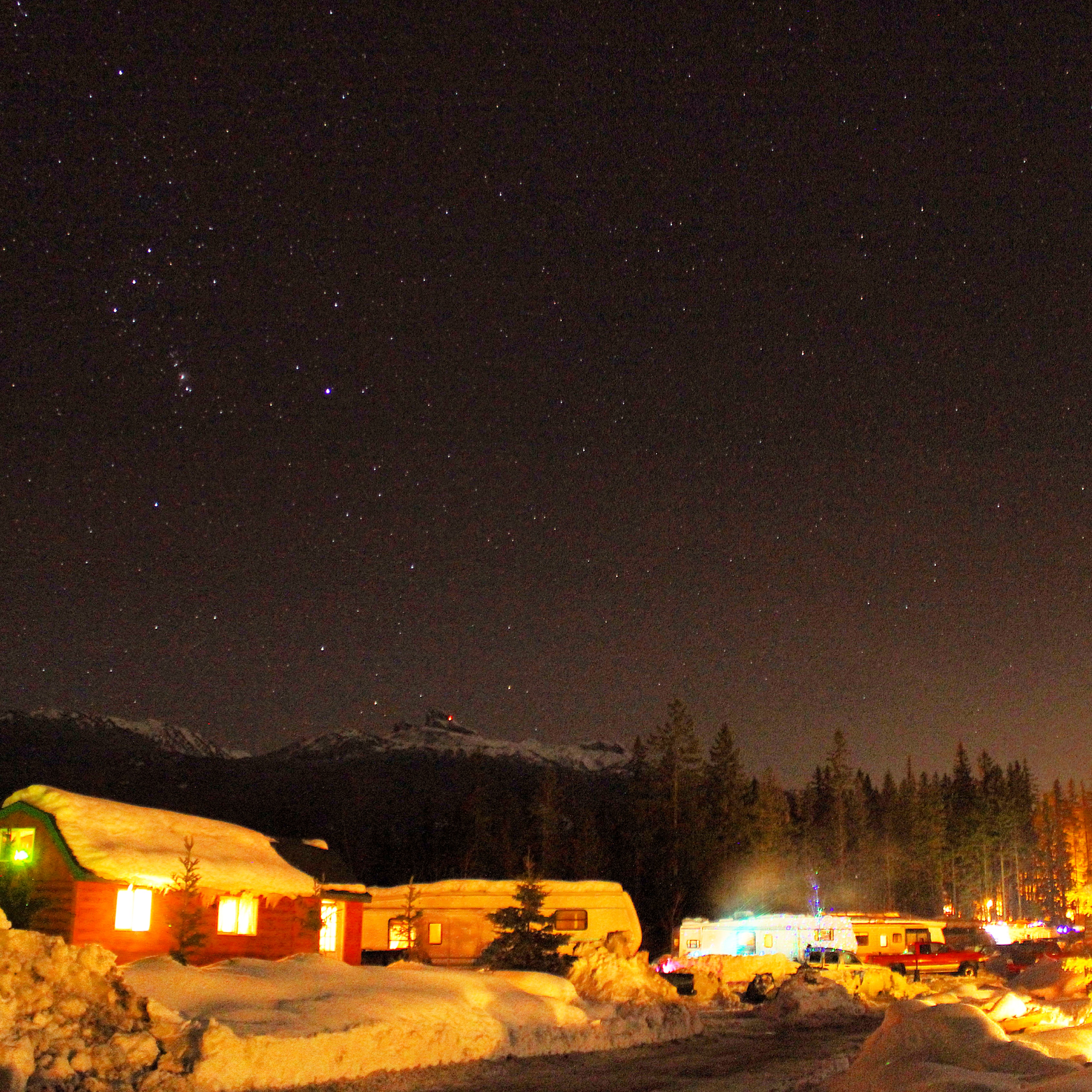
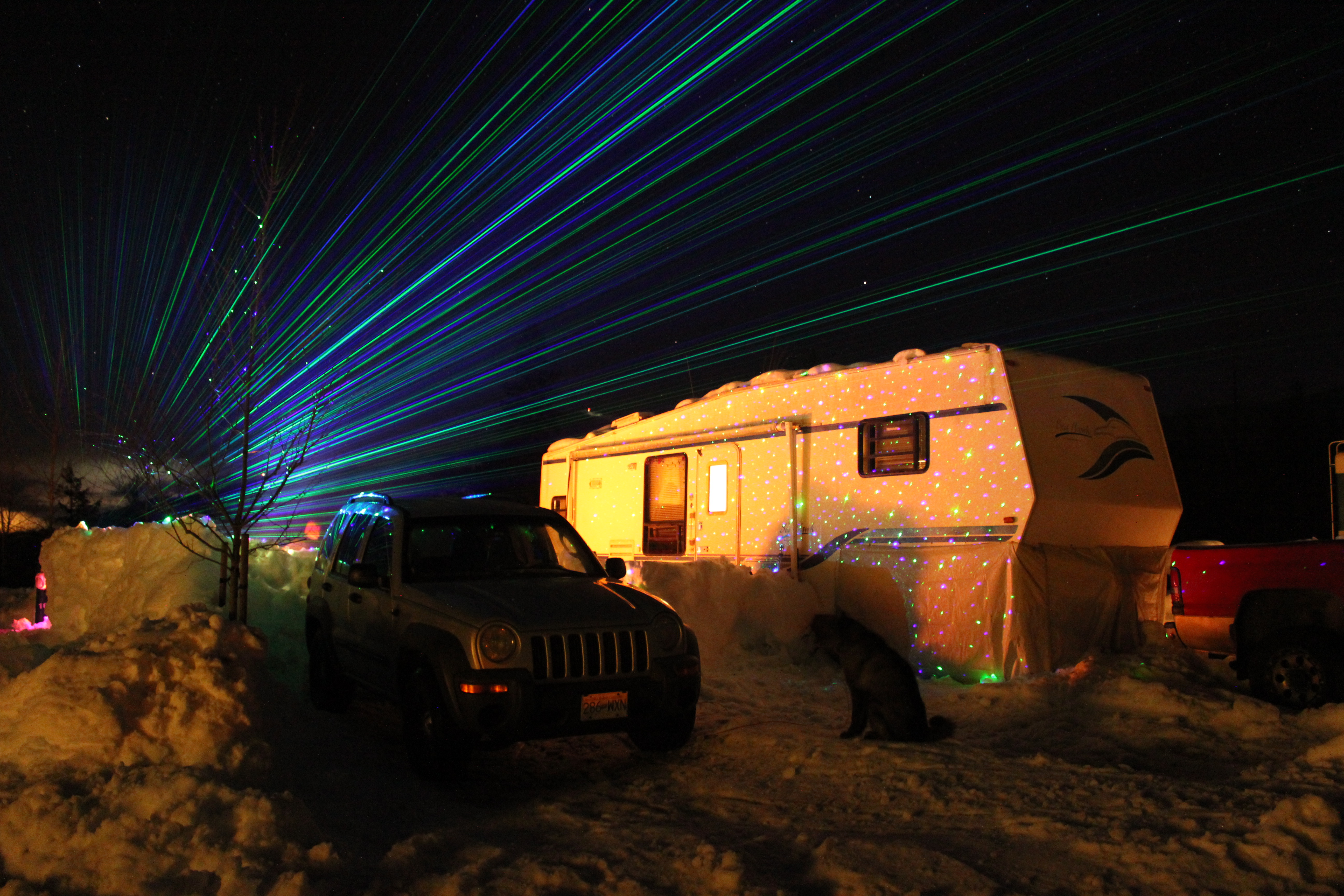
Downsizing hasn’t felt so good, considering all this immense and stunning backyard I get in return. Far from the city lights, I can see the sky so starry on clear nights. Would you stay in a 5-billion-star resort like this one?
I have the ability to live wherever I want
Living in a trailer allows me to lead a day-to-day existence, unburdened by mortgages or leases. I have the flexibility to hit the open road, select a new backyard, or anchor down for a while as I please. This freedom to move at will means I am not bound to any specific location and can live life on my own terms.
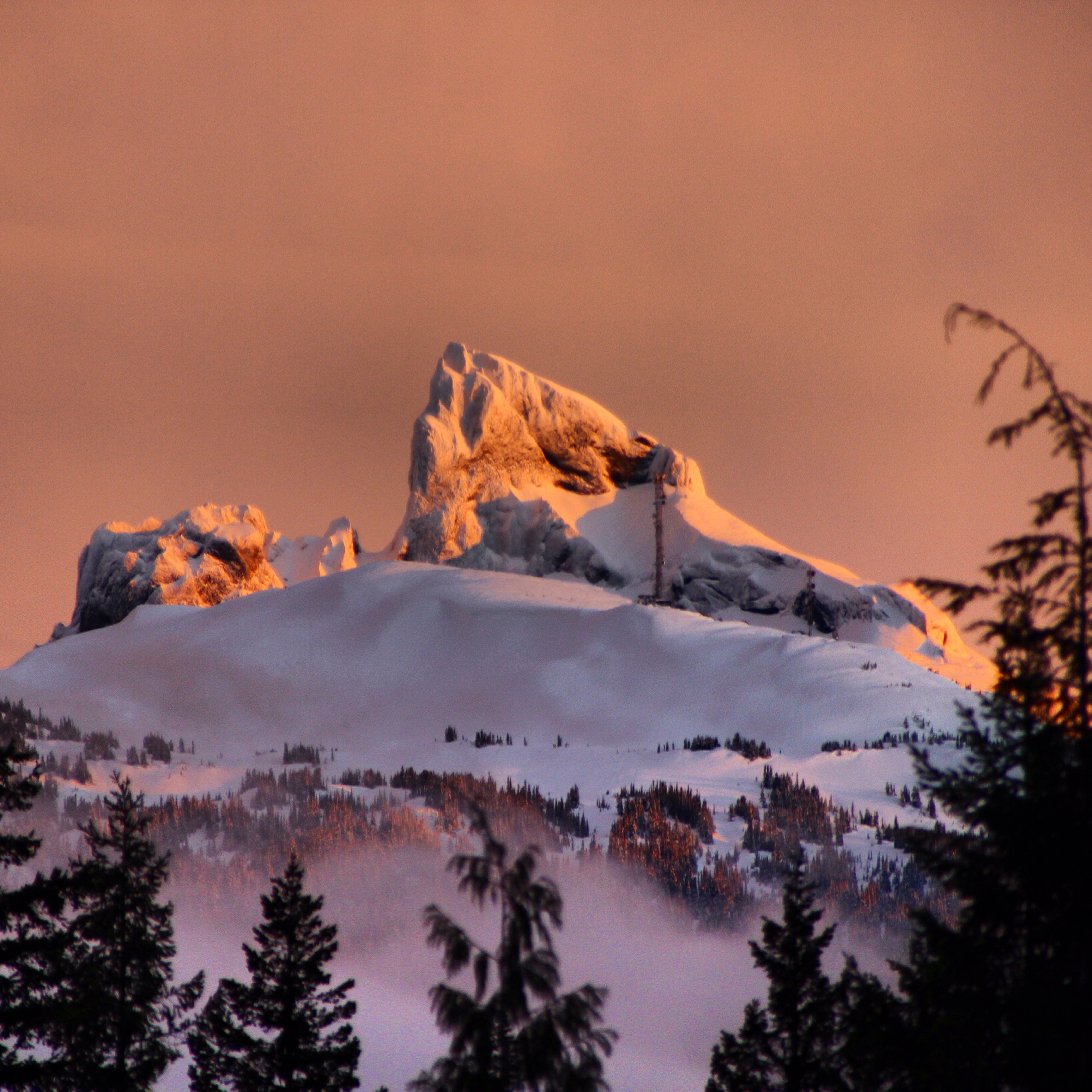
I hiked it, I flew above it, and now my home is parked beside it. Yet, I cannot express the feeling I get each time I admire nature performs around this pinnacle of volcanic rock. Couldn’t be more grateful to have the view of the mighty Black Tusk right from my window. Love this backyard!
I am debt free
Embracing minimalism has translated into more money in my pocket. Within a few months, I successfully paid off a long-standing travel debt that had lingered for years, a feat I couldn’t accomplish with steep rent expenses. Residing in a trailer has significantly reduced my living costs. Additionally, I drive a used car that I purchased outright, just like my trailer. By adopting a minimalist lifestyle, I’ve reduced my expenses to essentials like campground fees, cell phone, and car insurance. As a result, I now spend less than I earn and have managed to accrue savings that bring me closer to my dreams. The freedom of being debt-free and financially stable is truly liberating.
My shelter, my ride and my company. This is home, and I have all I need.
I choose experiences over possessions
With fewer possessions to maintain and the absence of a demanding, stress-inducing job solely for bill payment, I’ve gained the gift of more free time. This precious time allows me to be with the people I love, strengthen my bond with my dogs, embrace the outdoors, engage in creative pursuits, and wholeheartedly pursue my passions. With increased financial freedom and abundant free time, I’ve been able to travel more frequently, embark on adventures, and relish life to the fullest.
Spending a day in my backyard.
I own less, but I gain more
Owning fewer possessions has opened the door to a richer life. Living off the grid provides me with a chance to connect more closely with nature. Residing in a natural environment is not only renowned for reducing stress and enhancing happiness and physical well-being but also grants me a remarkable and extraordinary backyard that stretches out to the majestic Coast Mountains. While my dwelling may be a compact trailer, my backyard is an expanse of tranquility, inspiration, and grandeur.
One of the privilege of living off grid is to have an immense playground to ourselves.
Wealth is a matter of perspective. I genuinely hold the belief that money alone doesn’t determine our richness. True success goes beyond the confines of monetary wealth. In reality, happiness stands as the key to genuine success. When you learn to value life’s small pleasures, allocate time for self-care, treasure love, kindness, gratitude, and compassion, cultivate social bonds and family connections, live within your means, and embrace minimalism to live life to the fullest, I believe you unearth the genuine essence of existence.
Once you recognize that desire is distinct from necessity, you embark on an authentic way of living. Finding contentment and joy in what you have, I consider that the ultimate wealth one can attain.
In this very place, nestled within the wilderness, I have everything I need. This way of life brings me nearer to nature and to people, affords me more time to engage in my passions, concentrate on dreams and aspirations, and forge a connection with my inner self. For me, this is true wealth.
The season has changed, leaving place to the cool and crisp air of autumn. Summer has been absolutely crazy, in so many good ways, with work, and camping and adventuring every weekend. But I am now looking forward to quiet days at work, cozy wool sweater weather and wrapping my hands around hot teas and good books. But the one thing I really love the most about fall is the cool mornings and glorious sunny afternoons. I am looking forward to get outside and embrace the fresh autumn air with my dogs.
Even if many trails are open year-round, I find that autumn is the best season to hike: no crowds, no bugs, no heat. Plus, it’s the time of the year where nature wears its best colours and its unique fragrance. Here are 5 incredible hikes to do with your furry companions this fall in the Sea-to-Sky Corridor:
Skywalk Trail- NEW!
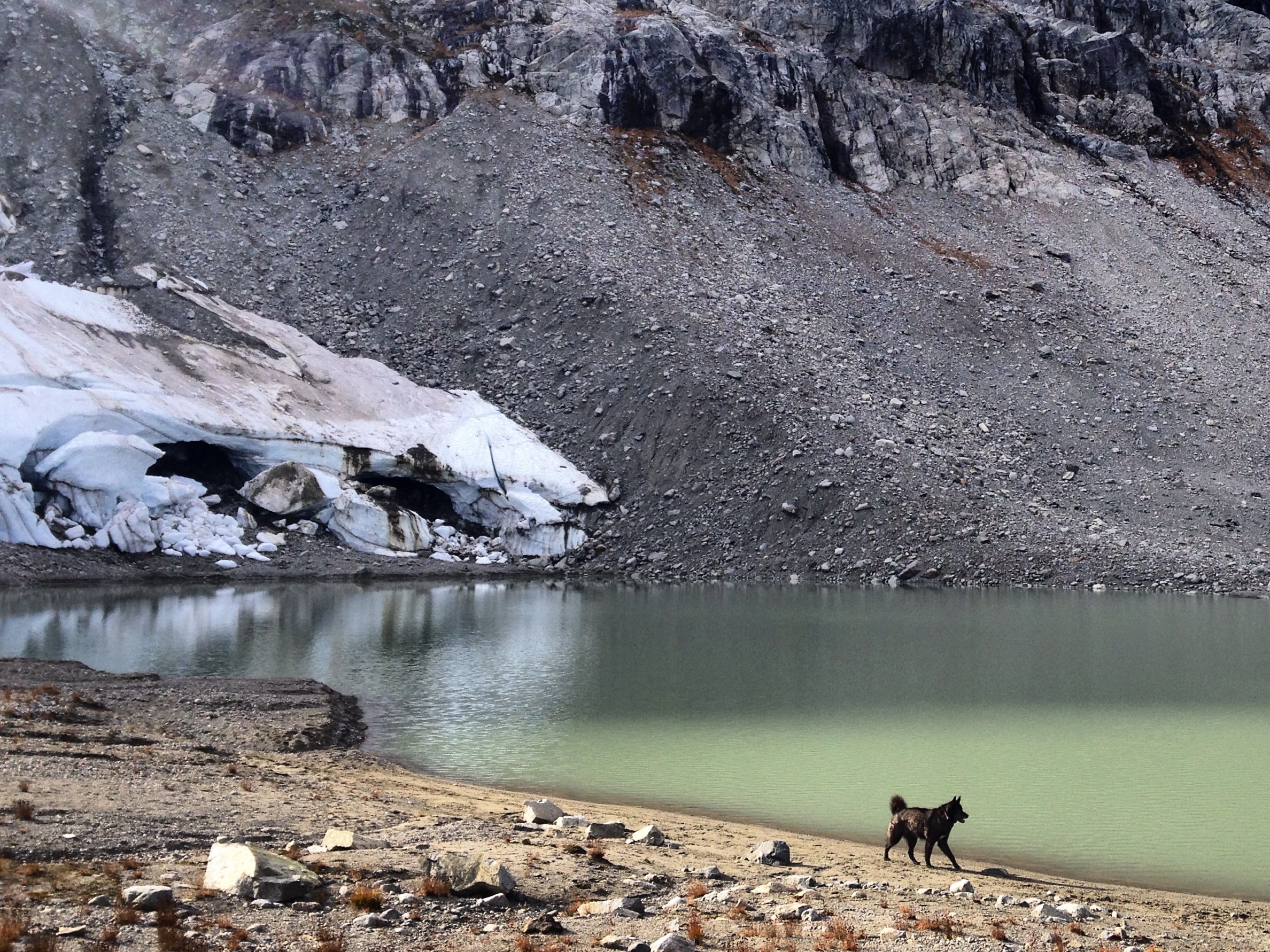
There is a new trail in town! Built by volunteers from The Alpine Club of Canada, The Skywalk Trail was completed at the end of August 2015 and offers a stunning and scenic hike that starts in Alpine Meadows and leads to the north of Rainbow Mountain. This 14km round-trip trail goes up along 19 mile creek, passing beautiful waterfalls before entering into alpine meadows resting at the foot of an ancient glacier. After scrambling over some rocks, the trail leads up to Iceberg Lake, a beautiful green opaque lake sitting at 1600m, with an ice cave resting on its shore. The trail goes further up to Screaming Cat Lake and loop back to the starting point.
While the trail is limited to foot traffic only, there haven’t been any restrictions for dogs. Remember to respect others by being a responsible owner and keep your dogs under control. Thank you to the volunteers at Alpine Club for this great job on building by hand this trail and offering us the privilege to explore our backyard in such a way. This is a true Whistler experience!
Stawamus Chief
Located in the town of Squamish, the Stawamus Chief, commonly known by locals as The Chief, offers a steep but short 3-hour round trip hike atop of the 700 massive granite cliffs. There are 3 summits, the highest being at only 1.8km, all offering scenic views of Howe Sound and the town of Squamish. There is a lot of traffic on this trail and sections with steep cliffs, so always keep your pooch close by.
Sea-to-Sky Trail
The Sea-to-Sky Trail runs 180km from the waterfront of Squamish all the way up to D’Arcy. There are many scenic spots to see along this non-motorized trail, from cascading waterfalls, to raging rivers, to suspended bridges, and pristine lake views. Wether you are biking, walking, running or hiking, your four-legged friend will be ecstatic to run beside you.
Joffre Lakes
A very popular and must do hike. Joffe Lakes Provincial Park is situated north of Pemberton, up the Duffey Road. There are 3 lakes, the upper one located at 5 km. The trails are well-maintained and enjoyable to ascend, although the last part between Middle Lake and Upper Lake is a bit more challenging. The reward is worth the sweat: pristine turquoise waters and rugged Coast Mountain scenery. Your pooch will be happy to pose for a photograph with such a background.
Rorh Lake
Nestled near the Marriot Basin on an alpine bench, just a few minutes north of Joffre Lakes Provincial Park, Rohr Lake is a beautiful and uncrowded hike. It is an ideal environment for the dogs, where they can sprint through steep trees and run freely in the alpine meadows. The hike is short (3-4hours one-way) but steep, rough, rocky, muddy and wet. Also, due to the unpopularity of the hike, the trail isn’t well-marked, so read the direction properly before heading up. Rohr Lake is beautiful and clear, and the peacefulness of the place is worth every efforts.
Longest voyage of the summer. In a way, the whole season has been building up to this — testing the boat, fixing the boat, testing ourselves. Each short run a rehearsal for something bigger. Now it’s time.
Full tank of gas and a reserve. Calm forecast. The last long weekend of summer. We’re headed to Savary Island.
The Strait of Georgia was smooth, sky pale blue. We passed Nelson Island when two humpbacks surfaced just ahead, their backs arcing gracefully, heading north, same as us. We held steady, careful not to alter their course.
A humbpack waving its tail in the distance
An hour later, more whales near Texada. The sound of their exhale carried across the water, heavy and breathy like the earth sighing. Past Powell River, still more whales. Three sightings, plus porpoises cruising through the calm. At this point, we were worrying more about avoiding marine wildlife than dodging debris. The sea was alive, and we were guests moving through it.
This strait, once quiet of whales, is now a highway of life again. Humpbacks returning each year. Dolphins, porpoises, grays threading the same waters. We didn’t see orcas this year, but that’s ok. We’d been given enough.
After just two hours and about 40 nautical miles, Savary came into view. Long and low, like a ribbon of sand stretched across the water.
Arriving to Savary Island
We passed the mooring field, followed sonar to forty feet to avoid the shoaling shallows, and set anchor. Dropped a crab cage for luck.
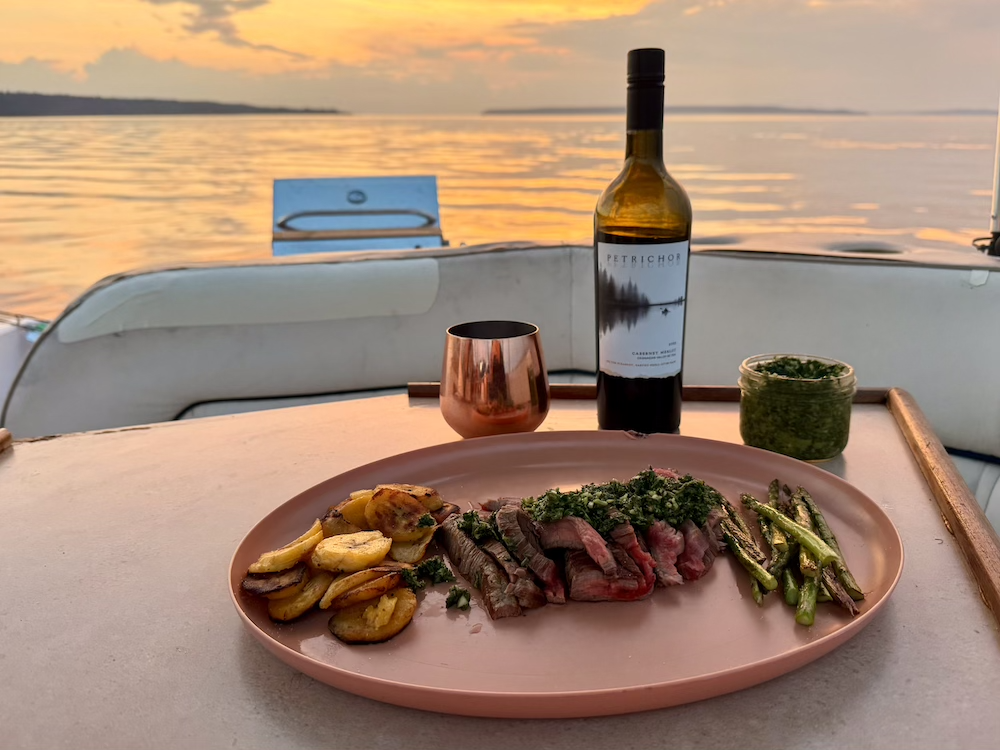
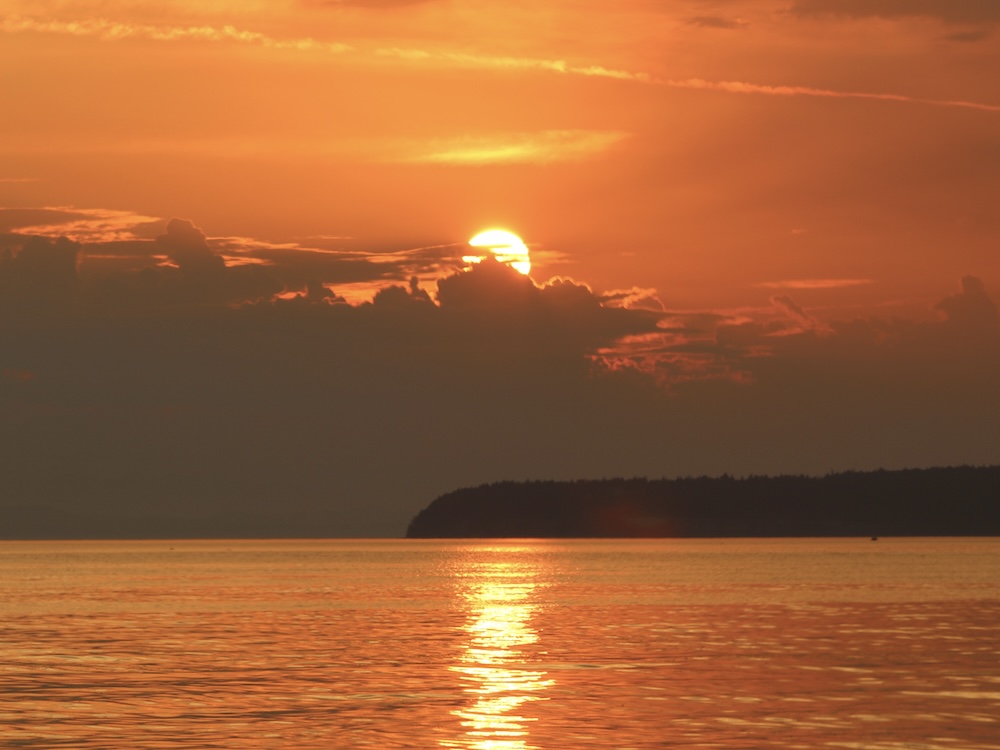
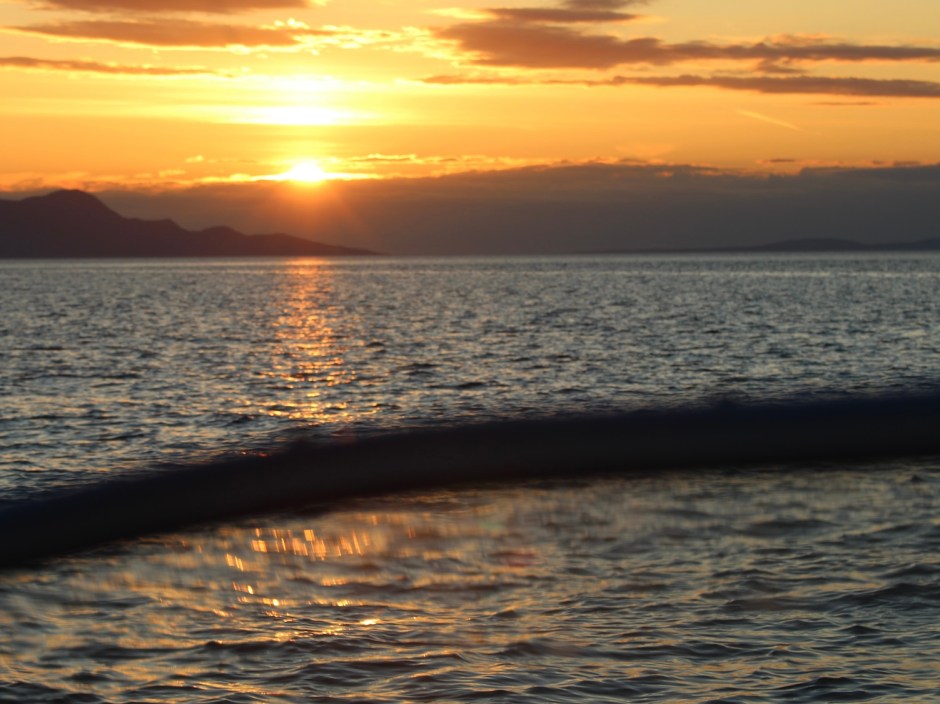
The sun cracked open the horizon, smoke from distant fires painting the sky red and orange. Dinner was flank steak with chimichurri and fried plantains, and a bottle of red.
Sunset dinner aboard with flank steak, fresh chimichurri, fried plantains, grilled asparagus and red wine
Bioluminescence shimmered in the water like starlight trapped beneath the surface. A shooting star burned overhead.
Sunset and moonrise
Sleep was restless. Dreams of barking dogs woke me, heart pounding. But the anchor had held. Sea Goat was steady.
⸻
30/08 — Savary Island
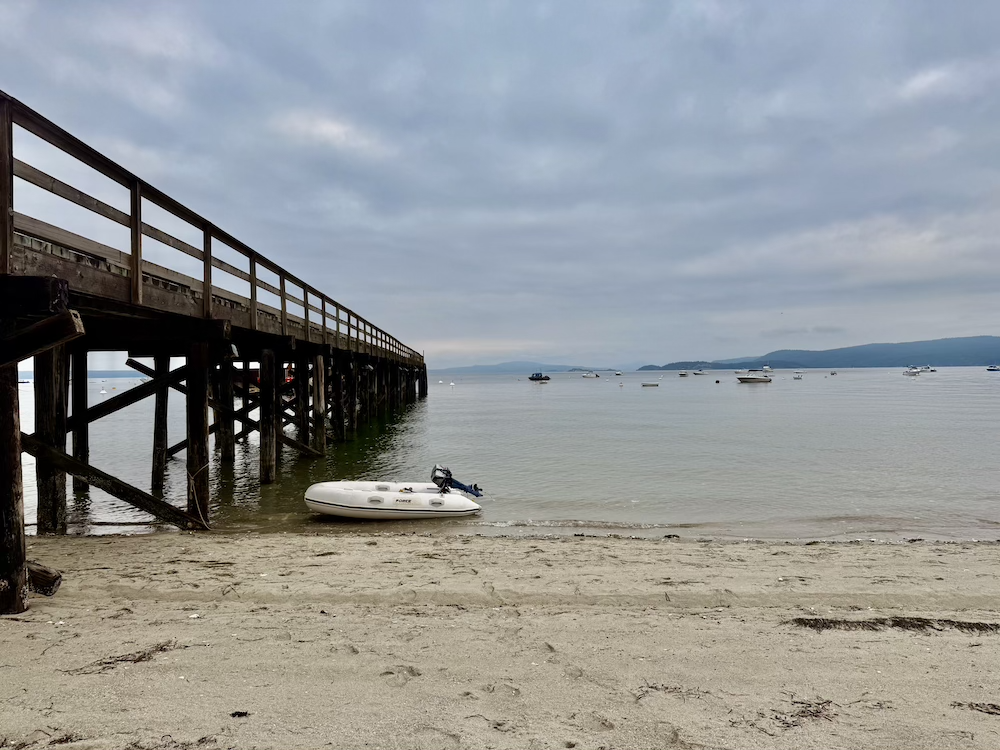
A slow morning, coffee and breakfast on deck, then a dinghy ride over to the wharf.
Off exploring the island
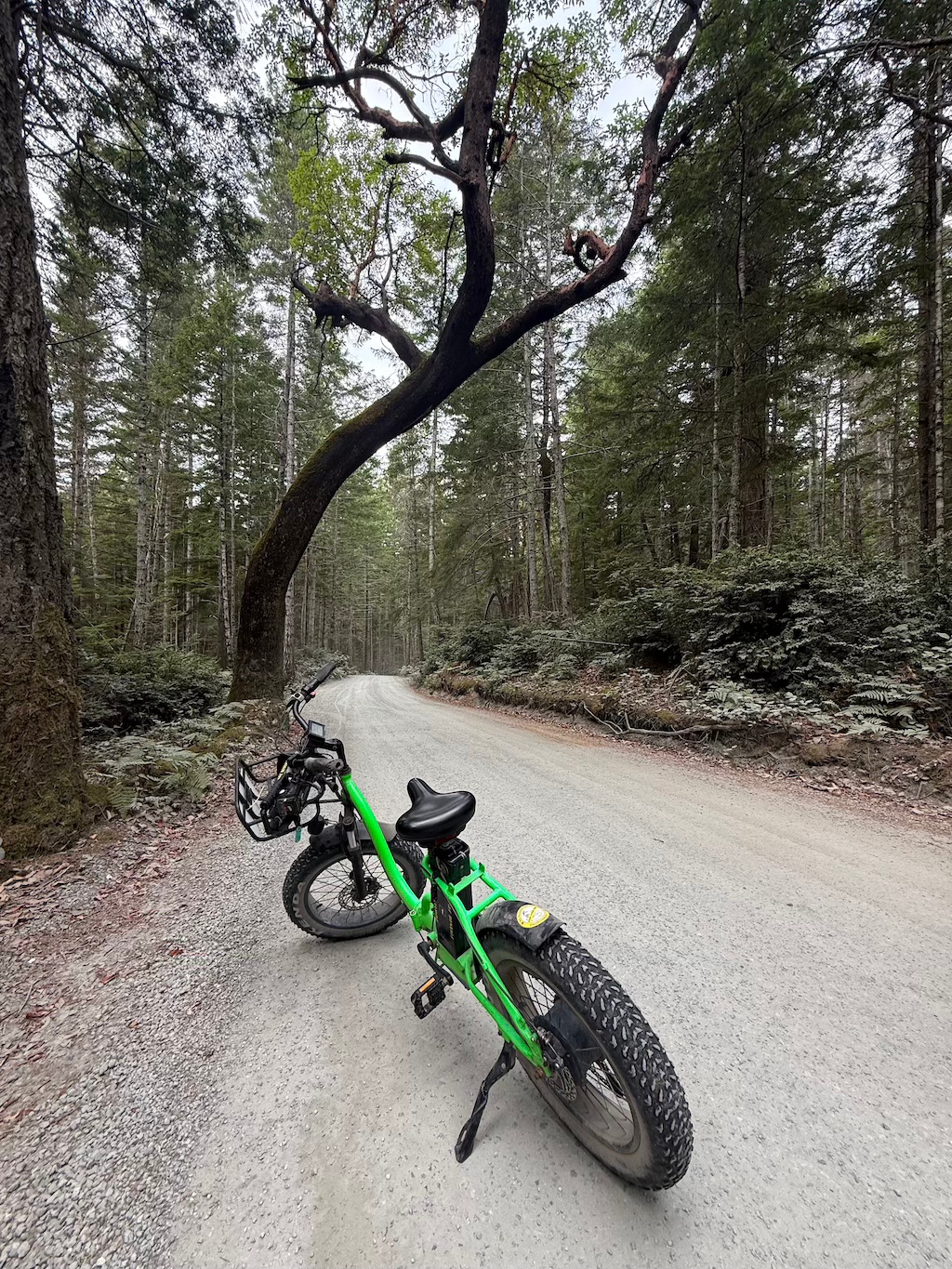
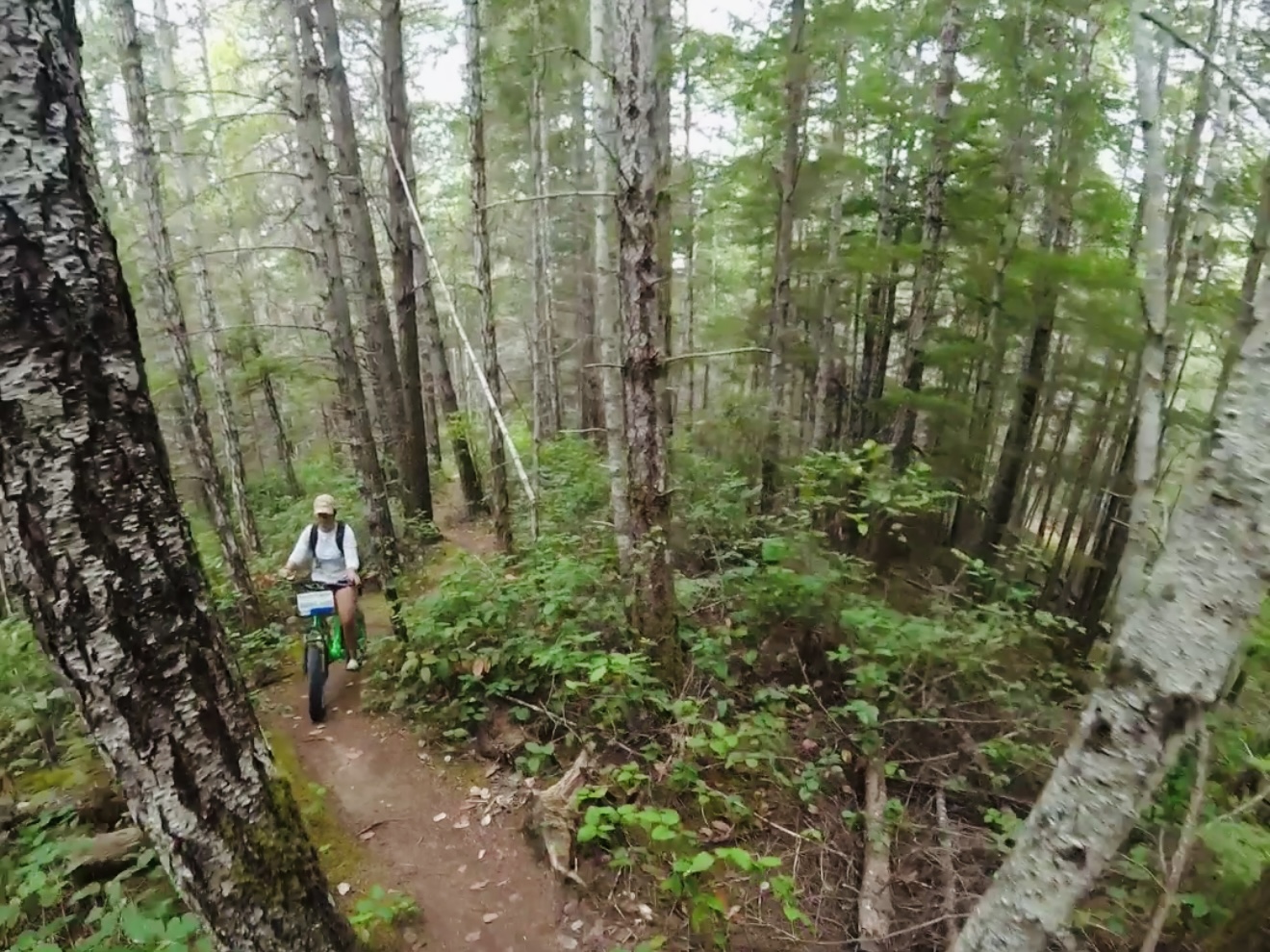
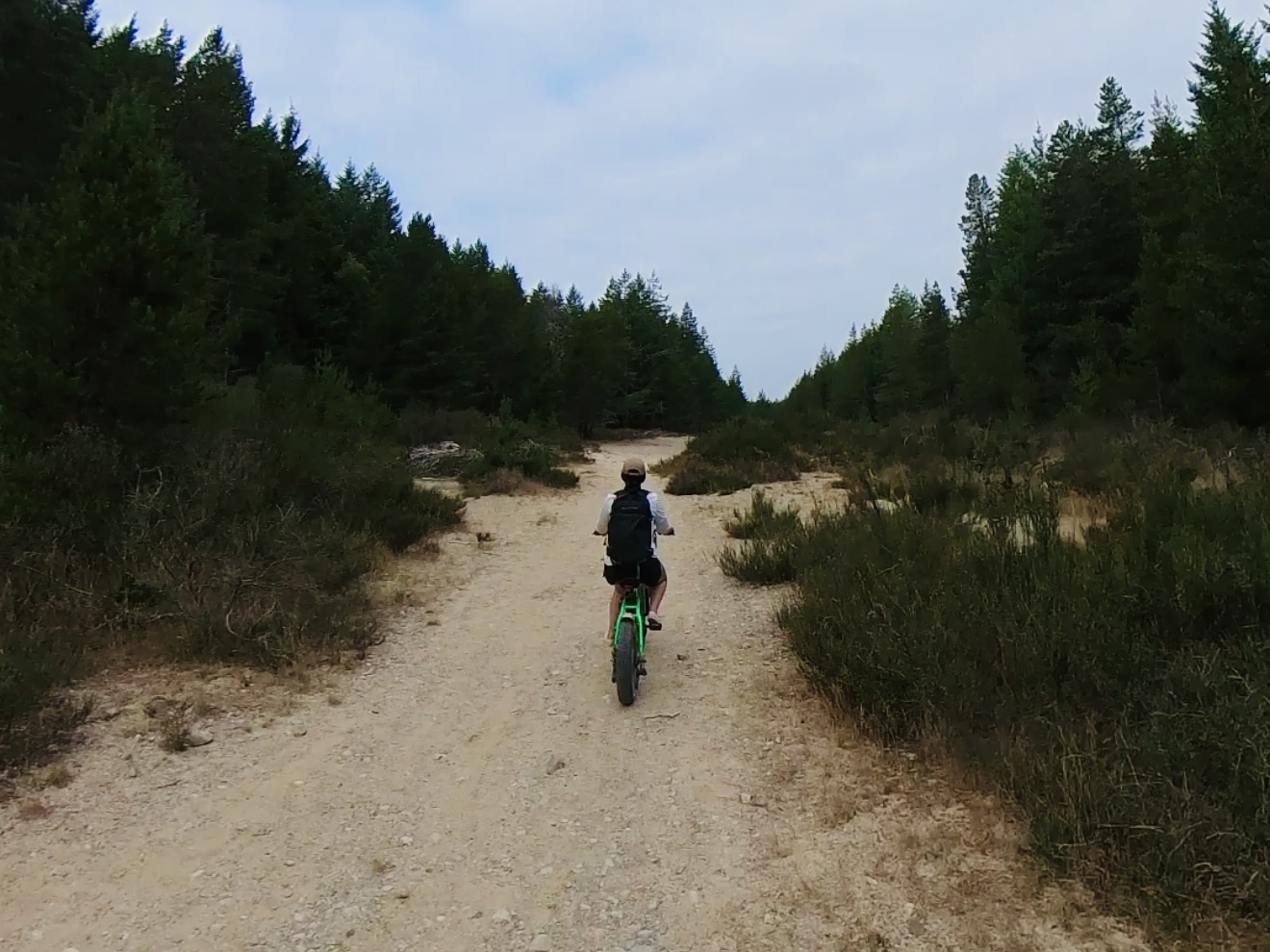
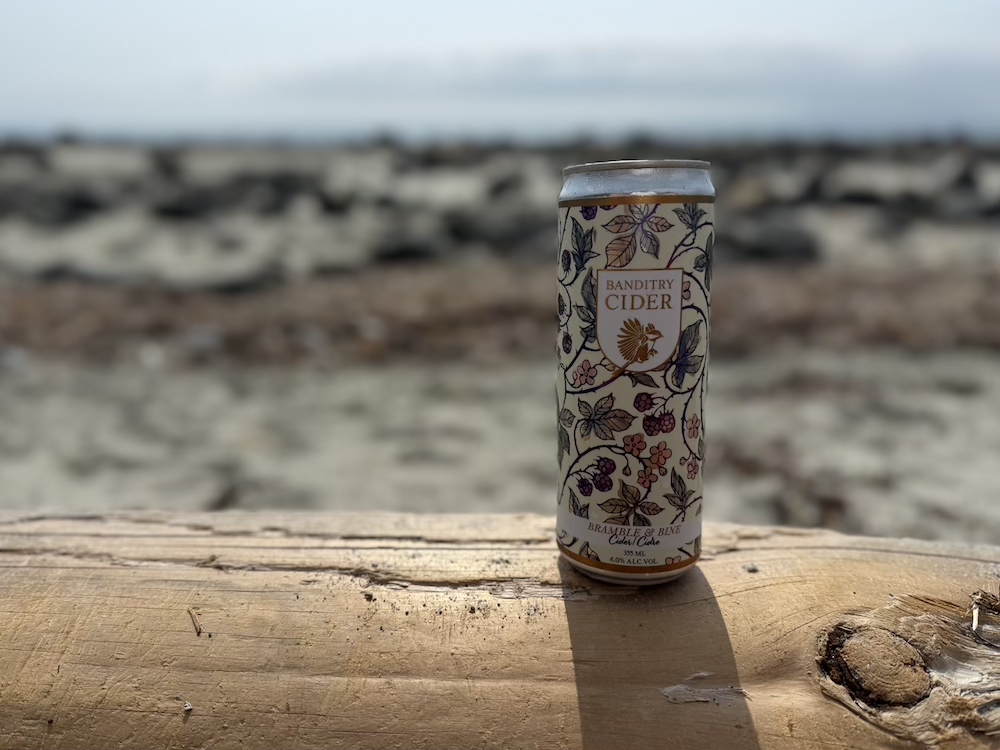
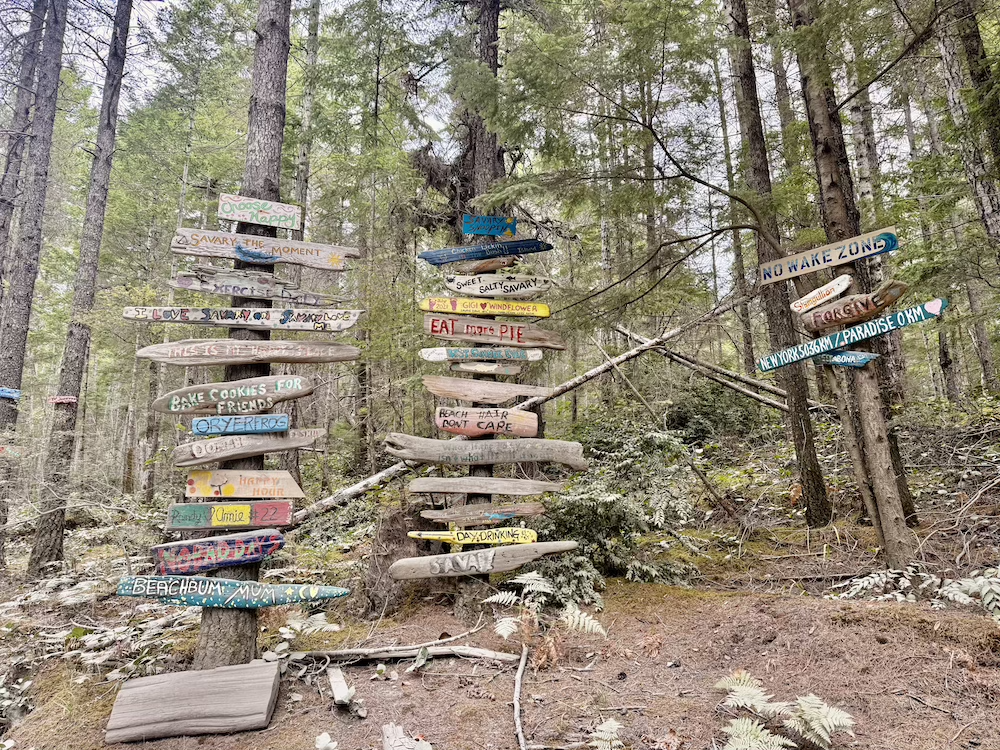
Savary is built for two wheels. A sandy spine of road runs the length of the island, with trails and side paths peeling off toward beaches and coves. Up Campbell Road, we rented e-bikes from the local shop. We cruised west, meandering through sandy stretches and shaded forest trails until the road opened toward the south side. At Duck Bay, we leaned the bikes against driftwood and stopped for a cold one, specifically a yummy cider from Banditry, a local cidery on the Sunshine Coast.
Savary is unlike anywhere else. White sand beaches wrap around it, warm shallows giving it a near-tropical feel. Once a gathering place for the Coast Salish, it later became a retreat for settlers and wanderers. It still feels like a place that resists being tamed.
Turns out, paradise really is just 0 km away
Back to check on Sea Goat — still holding safe beyond the shoals — then on to Mermaid Cove.
Mermaid Cove
From the beach, climbed the stairs and walked a short path to the Mermaid Beach Club. Palomas with feet in the sand, but wasps chased us off before the charcuterie board. We saved that for later.
On the beach we met a couple of local sun coaster who split their time between Sechelt and Savary. She’s a flight attendant, he’s a tattoo artist. They had the cutest bear-like pup who rolled happily in the sand. I miss having a dog. We swapped stories, shared laughs, and they gave us tips about island life. I hope to see them again.
Back aboard, the sky turned gold once more. Charcuterie this time, Warren’s smoked salmon, a glass of wine.
Charcuterie aboard and chilled rosé
The moon lifted over the bay, bioluminescence flickering below, and lightning flared far to the west. The sea was calm, the night alive.
Perfect sunset
Savary felt like a place we could stay longer, but the tide of the weekend was already pulling us south.
Perfect moonrise
⸻
31/08 — Savary Island to McRae Cove (Qathet)
Anchor up at 8:30 am. Grey skies, low clouds. Crab trap gone. Northerly winds coming, so it was time to leave.
We cruised at seventeen knots, towing the dinghy. Then, off the starboard, two humpbacks erupted from the water, breaching high into the air before crashing back in a spray. A farewell show.
We stopped for fuel at Powell River — this trip already a full tank and more. Passed the Airbnb where we stayed with Juno last year. Seeing it from the water was bittersweet.
Waves built as we went, but Sea Goat sliced through them smoothly. We reached McRae Cove, a wide, sandy-bottomed bay. Quiet, sheltered enough for the night.
Anchored at McRae Cove, Qathet
Explored by dinghy, snorkeled among oysters and crabs. A nearby islet teemed with seals and sea lions, barking and growling in chorus.
Dinner on the BBQ. I lounged, lost in the pages of Son odeur après la pluie. The words fit the silence of the cove, heavy and thoughtful, resonating with the stillness around me. Clouds thickened, lightning flashed over Vancouver Island, rain pattered on the deck. We stayed put, falling asleep to the sound.
⸻
01/09 — McRae Cove (Qathet) to Duke’s Marina (Sechelt)
Swell crept into the bay overnight, rocking us just enough to stir. We left at low tide around 8 am.
The skies were dark, winds stronger, waves on the bow. Sea Goat cut through the chop, steady and sure. Ahead, the horizon broke open — the sun piercing the clouds in golden beams.
Even in rough water, the boat carried us with confidence. After a season of short runs and small lessons, this voyage felt like proof. Proof we could go further.
We turned south, retracing our path through the Salish Sea. The marina’s familiar silhouette emerged at last. We were back where we began — proof in transit and return that even the longest voyage circles home. Summer leaves you that way… grounded, yet changed. Not everything comes back the same, but somewhere along the way, home is found again.
22/08 — Duke’s Marina (Sechelt) to Buccaneer Bay (Thormanby Island)
New cooler, who dis. It fit everything we threw at it and still looked like it could take more.
Thormanby was gentle that night. Only a handful of boats scattered across the bay, each rocking slowly, as if they were breathing in sync. The sky burned pink, ribs charred on the grill, mushrooms stuffed and bubbling, potatoes soft with garlic and herbs. Later, we stretched out on the bow, the air warm, the tide lapping. The stars spilled out like confetti, the kind of sky that makes you believe in promises you can’t quite put into words.
⸻
23/08 — Buccaneer Bay(Thormanby Island)to Green Bay (Nelson Island)
We left with coffee warming our hands, anchor clinking as it lifted. The Strait opened wide and calm, Texada’s ridges soft in the west, the Coast Mountains sharp and blue in the east. It felt like the world had parted just for us.
Entering the Agamemnon Channel
We trolled along the way — no bites, no luck, but that’s ok. About 12 nautical miles later, passing through Agamemnon Channel between Nelson Island and the Sunshine Coast, Green Bay opened up. Chalets clung to the rocks at the entrance, but deeper in the bay the water fell still. A sailboat was anchored near the split rock, half-hidden at low tide. At the far end, a lone cabin sagged into the forest. Off to one side, the sunken hull of an abandoned sailboat rested in the shallows, only its mast left above water.
We dropped anchor opposite the outcrop, settling Sea Goat into the bay.
And then came the dolphins — a whole pod of Pacific white-sideds, circling and leaping right around us. For hours they stayed, skimming past the hull and breaking the surface with silver arcs. We ate shrimp cakes with avocado salsa, but barely noticed the food. Our eyes never left the water.
Later we took the dinghy out, following the shoreline.
Exploring around Nelson Island
More abandoned cabins, once alive with quarry men and loggers, now softened into moss and silence.
One of many abandoned cabins along the shores
Back on board, we poured rosé as the dolphins returned. A mother seal and her pup lingered closest, rolling slow in the kelp. I named them Seala and Sealo, because names made them our friends, even just for the night. Dinner was chicken kebabs, mushrooms again, couscous. The bay was calm, the stars sharp. We played games, laughed until the quiet swallowed us, and slept to the sound of dolphins breathing near.
Seala and Sealo, the seal duo
⸻
24/08 — Green Bay (Nelson Island) to Duke’s Marina (Sechelt)
Anchor up, smooth this time. Merci beaucoup.
The Strait was calm for the crossing, and Sea Goat cut through like a dream. We trolled as we went, landing a small coho that we released. Day three and the cooler still held ice — cheers to that small win. Breakfast was mimosas on deck with our classic seafood cakes and salsa.
On our way back, passing by Hodgon Islands
Back at Duke’s Marina, Sea Goat tied and cleaned, holding her place until we cast off again.
08/08 — Duke’s Marina (Sechelt) to Buccaneer Bay (Thormanby Island)
Sea Goat’s stocked and set up now, which makes getting going easier.
Tried changing the fuel filter again. On the way to Thormanby, the engine quit completely — almost there, but stuck in the middle of the bay. I’m no mechanic, so I let the captain handle it.
We made it to anchor without too much trouble. Thankfully, it’s not too busy here.
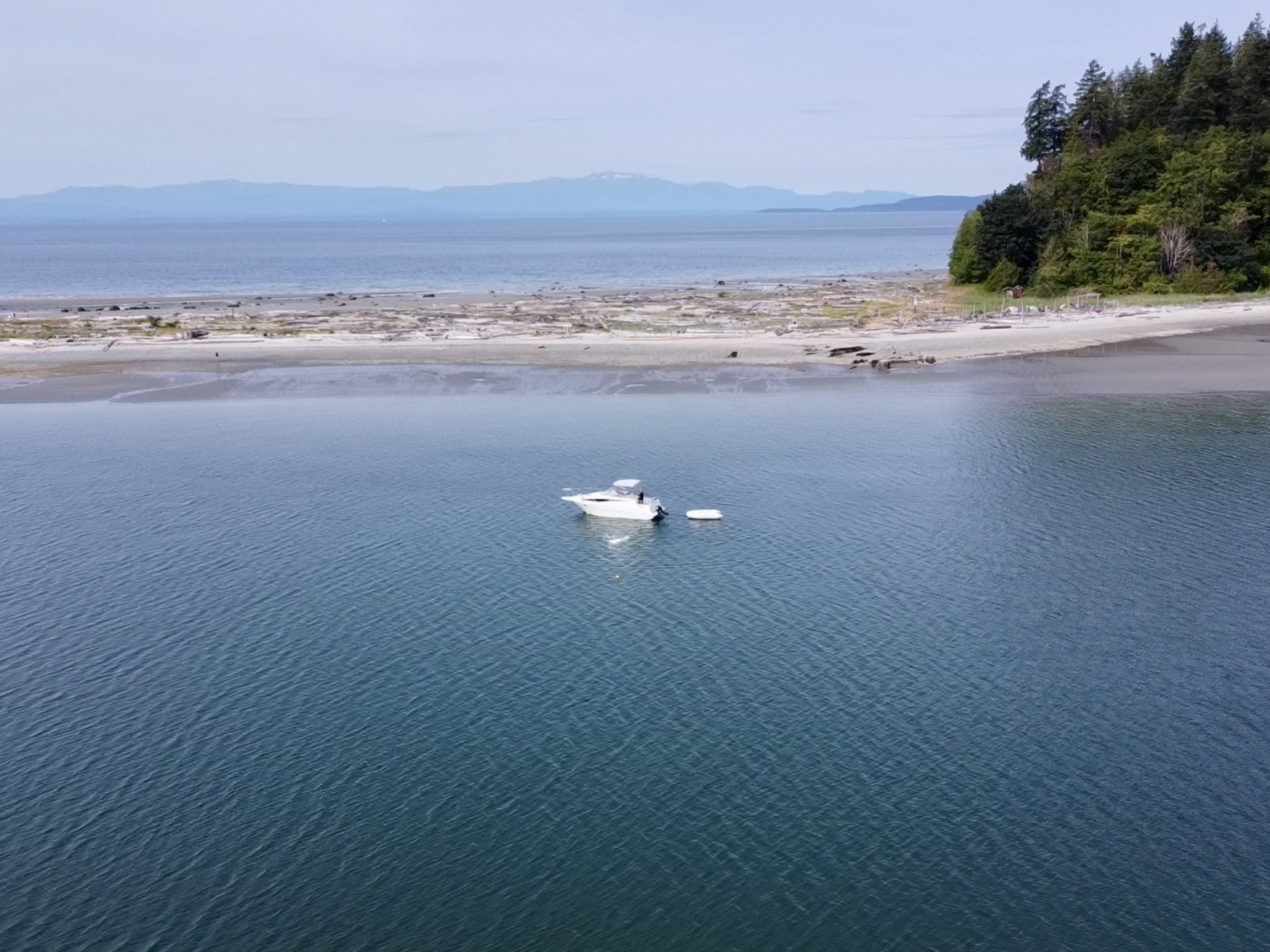
Anchored at Buccaneer Bay, Thormanby Island
Shrimp pasta in lemon-garlic cream for dinner while the sun broke across the sky.
The Sturgeon Moon rose behind Sea Goat’s constellation again. A sign? Watched it climb into the darkening sky, full and glowing orange. Magical.
⸻
09/08 — Buccaneer Bay(Thormanby Island)
Stayed anchored today. No point trying to fix something we don’t have the parts for. Not a bad place to spend the day — so much to do, or nothing at all.
After coffee, took the dinghy out to drop crab traps at 100 feet, plus one closer to the boat.
Back for breakfast: our classic shrimp cakes with fresh mango guacamole.
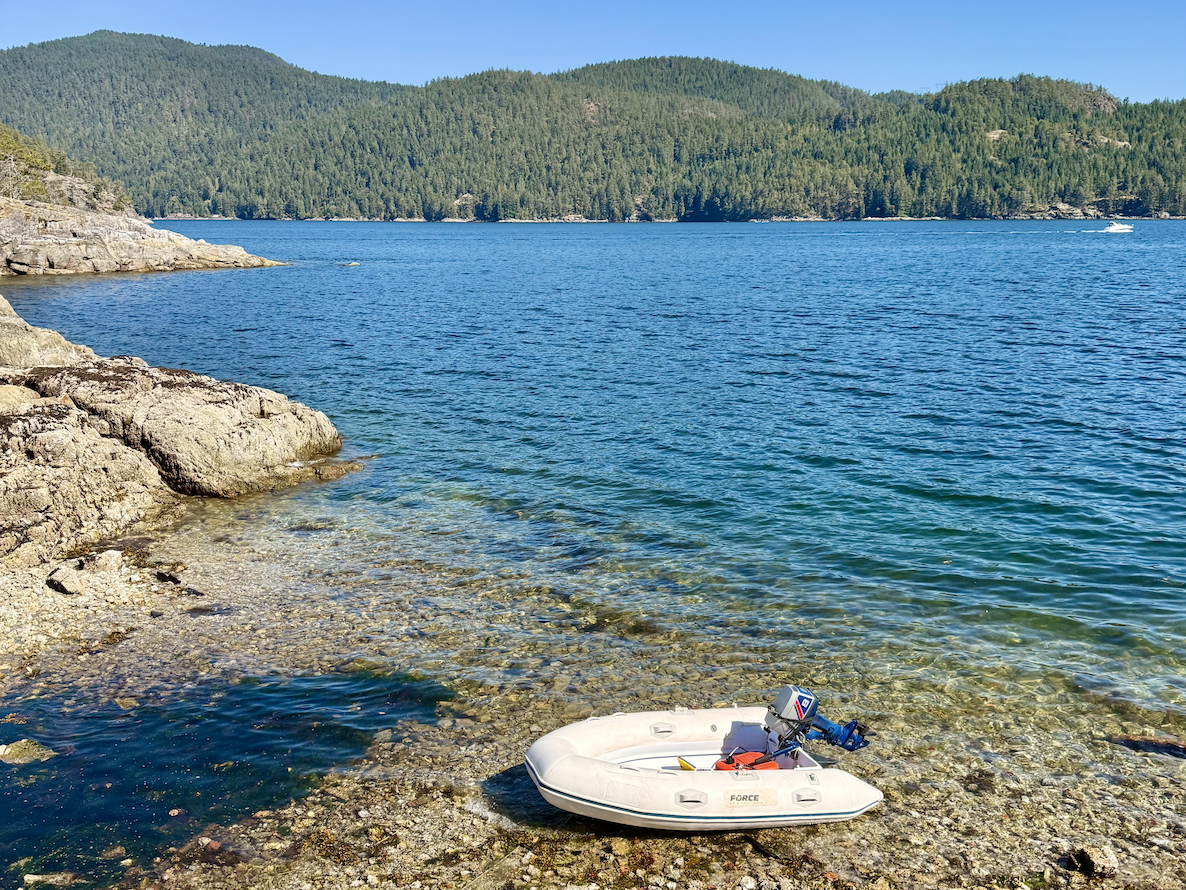
More exploring by dinghy. Clear waters, lots of swimming, walking the sandy beach. So much life — mussels, tiny fish darting, shells scattered along the shore.
Beautiful sandy beach and clear waters
Back to Sea Goat, cleaned the engine, propeller, and sonar.
Pulled the trap near the boat. One small red crab released, and one Dungeness kept. Decided to eat it here rather than transport it home the wrong way. Thanked it for the perfect meal.
Sparkling wine, fresh crab, music, sunshine. Haven’t felt that happy since Juno passed. Life isn’t always easy, so I’m savouring these magical moments while they’re here.
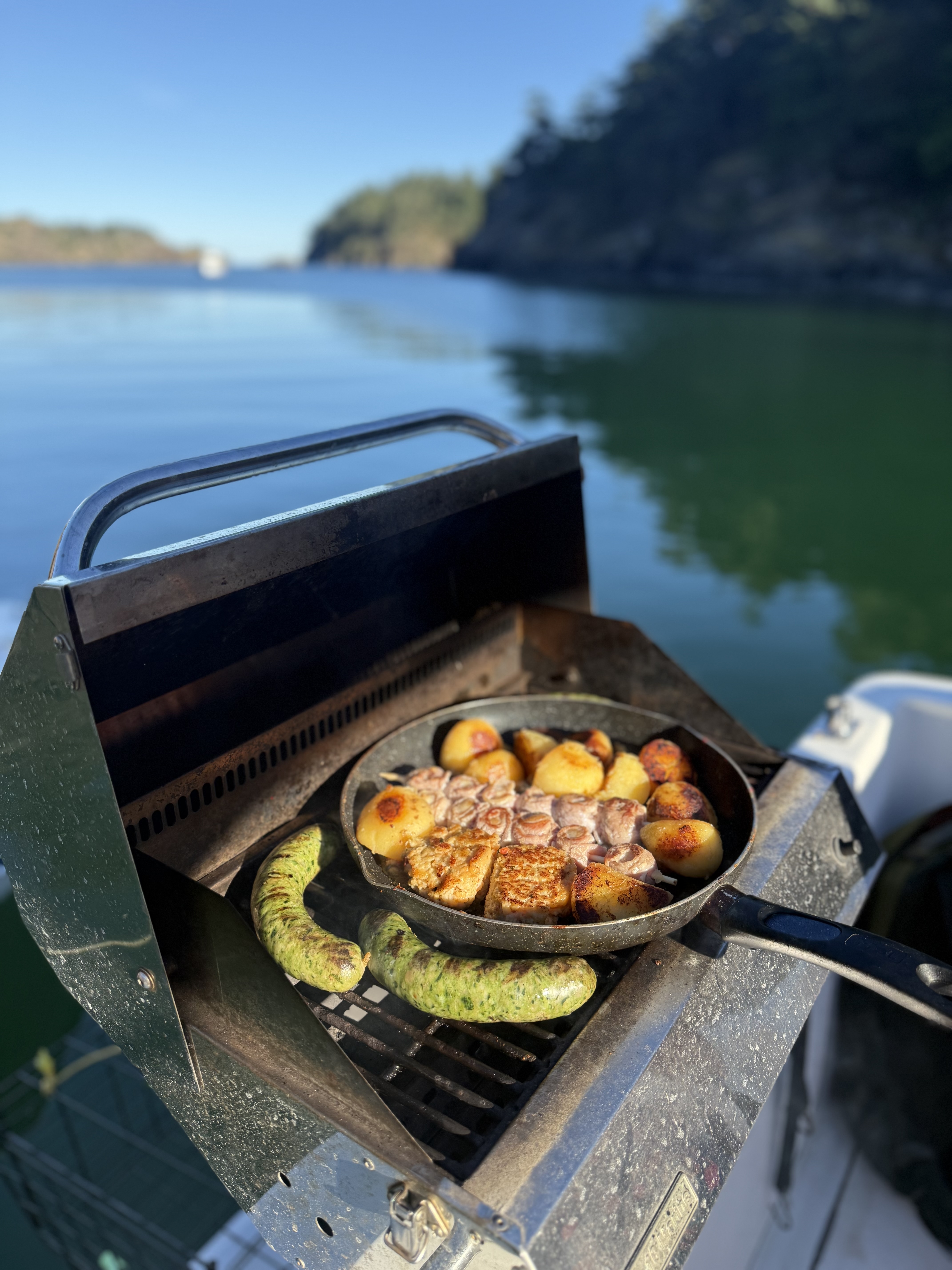
For dinner, cooked Maui steak skewers on the BBQ and made another fancy platter. Still full from the morning, but why not—fifteen years in the food industry has taught me there’s always room for something good.
Played games, watched the moon rise again.
Lay on the bow, stars beaming alongside the moon. Thought of Juno, Lady, my mom. Of the people I’ve met while moving through the world—some who’ve drifted with time and distance, and others who’ve stayed close. Faces, moments, places—they come and go, yet linger somewhere within. And so do the places I’ve been, the things I’ve seen, and the ones still waiting.
01/08 — Duke’s Marina (Sechelt) to Buccaneer Bay (Thormanby Island)
We pulled up to the ferry early, bracing for the BC Day long-weekend chaos, but the wait was short. Lately, luck seems to travel with us.
Arriving at the marina earlier than expected felt like a gift. The engine issue still nags at the back of our minds, but there’s comfort in having daylight and time on our side.
The docks were scorching, the sun pressing down with full August force. Summer in its truest form.
Changed the oil filter—it was filthy. Maybe that was the culprit. Out in the Strait of Georgia, we tested speed, and the boat surged ahead again. I held my breath, half afraid the moment wouldn’t last, but we were flying. Fingers crossed the fix holds.
By the time we slipped into Thormanby, the bay was alive—boats scattered like seashells along the horizon. We found a spot between a motorboat and a sailboat, dropped anchor, and let the day exhale. Dinner was served under a sky streaked with the last gold of the sun.
Boats anchored at Buccaneer Bay, Thormanby Island
⸻
02/08 — Buccaneer Bay(Thormanby Island)
“Where do you feel the most at home?”
A question that has followed me through time.
Four letters that mean so much more than a tangible place. Maybe home lives in fleeting moments of love, in the beauty of nature, in the people who make us feel a little bigger inside. Maybe home carries our memories—the ones that shape us, the ones we return to. Maybe home is where the line between self and surroundings blurs, where we feel safe, loved, and grounded enough for our favourite version of ourselves to show up.
I’ve found home in many places…
In the backstreets of Marrakech with my mom, getting lost because detours have always been the best part. In the rural trails of Nepal, tired and out of breath, my guide’s stories and lessons shifting my perspectives. In the belly laughs with a friend, sweat pouring halfway up a mountain. In the dozen pairs of shoes lined up in the alley of a Caribbean apartment only my roommate and I shared. In the morning chatter of roommates in a mountain house who became family. At an off-grid camp that felt like a safe haven. In sunrises, sunsets and rainy forests. In the weightless silence of floating underwater. In the rush of a powdery descent.
And then, there were my dogs. I’ve found home in the quiet, everyday moments we shared in nature. They were my roof and walls, the grounding I carried with me, wherever we went.
And now, since Juno left, I hadn’t felt it. Not really.
Until here. Until now.
Over fifty boats crowd Buccaneer Bay. People are laughing, swimming, stringing up fishing lines. Dogs tear down the beach in happy pursuit of one another. Yachts, zodiacs, paddleboards—every kind of vessel rocking gently in the tide. Out here there’s no scroll, no feeds, no notifications. Just the bay, the people, the dogs, the ocean. Life is spilling over everywhere, and somehow in the noise of it all, I find quiet.
I find peace.
I find home again.
⸻
03/08 — Buccaneer Bay (Thormanby Island) to Anderson Bay (Texada Island)
The new fuel filter didn’t fix the speed. Waters were calm, so we cruised and trolled to the southeast tip of Texada Island.
No one at Anderson Bay. Anchored at thirty feet and explored by dinghy.
Tall straw grass along the sandy shore. Deer grazing. Eagles overhead. A humpback tail in the distance. Spotted Otta, my otter friend again, this time with a partner and two pups. One pup was crying on the far side of the bay. Watched him swim across to find them, hoping he made it.
Back on the boat for rosé, poke, cheese, dips. Life is good when you’ve earned the downtime. Ocean boating is work, but it makes these moments especially delicious.
The mosquito net over the bimini kept the bugs away and the air moving.
Games, music, wine, bed. Tomorrow will bring wind and big knots.
Anchored at Anderson Bay, Texada Island
⸻
04/08 — Anderson Bay (Texada Island) to Duke’s Marina (Sechelt)
Woke up early for departure. Pulled the anchor but left the dinghy to float for a while. The engine was still running slow, so we took advantage of the calm waters for the trip back to the marina.
Smooth travels with coffee in hand. Lines dropped, but no bites — we might need to rethink our fishing approach next time.
Waves started to pick up, so we brought the dinghy onboard before breakfast.
Breakfast on board, then back to the marina. Tidy up the space. Until next time, Sea Goat.
11/07 — Duke’s Marina (Sechelt) to Buccaneer Bay (Thormanby Island)
Arrived at Duke’s Marina around 7:30 pm with more gear than expected. Cloudy skies with pockets of sunshine as we set out.
The horizon opened into sunset by the time we anchored at Buccaneer Bay. Smoked bacon and ravioli with pesto for dinner, and a bottle of red.
Beautiful evening on our way to Buccaneer Bay, Thormanby Island
Then the full moon rose under Sea Goat’s constellation. I sat at the end of the boat watching stars move across the sky. The moon was so bright. Is this you, Juno? Lady?
How magical is this!
Thank you.
⸻
12/07 — Buccaneer Bay (Thormanby Island) to Codfish Bay (Jedediah Island)
Howly guacamole.
Woke groggy to a ceiling that looked like a mosquito massacre. Over twenty didn’t make it through the night, their bloody remains marking the beige carpet.
Waves were picking up. Out the window, trees swayed and the mast light of our neighbour’s sailboat bobbed. At least we’d anchored well.
Coffee first, then anchor up. I need to get faster at that. Getting out of the bay was easy. What came next was not.
Swells rolled in. This is ocean, baby. I kept telling myself this is what I wanted, but maybe not today.
It was rough. Very rough. Terrifying. I put my life jacket on. That’s what they’re for, right? I go quiet. My mind races to my mom, to the ones I love, to the great life I’ve had — highs and lows included. I thought of Lady and Juno. Maybe it’s okay. Maybe if today’s the day, I’ll be with them again.
Fuck.
Engine problems.
We approached Texada Island as the swells became full waves. At least the engine held through the worst of it, but we still weren’t there yet.
Ta ta ta ta.
We crept slowly toward our destination.
Finally, we found the bay. Secluded. Protected. Only two boats, and one left, giving us the prime anchorage.
We made it. At least for now. Time for a Caesar, then we’ll explore the island. That’s what we came for, after all.
⸻
11/07 — Jedediah Island
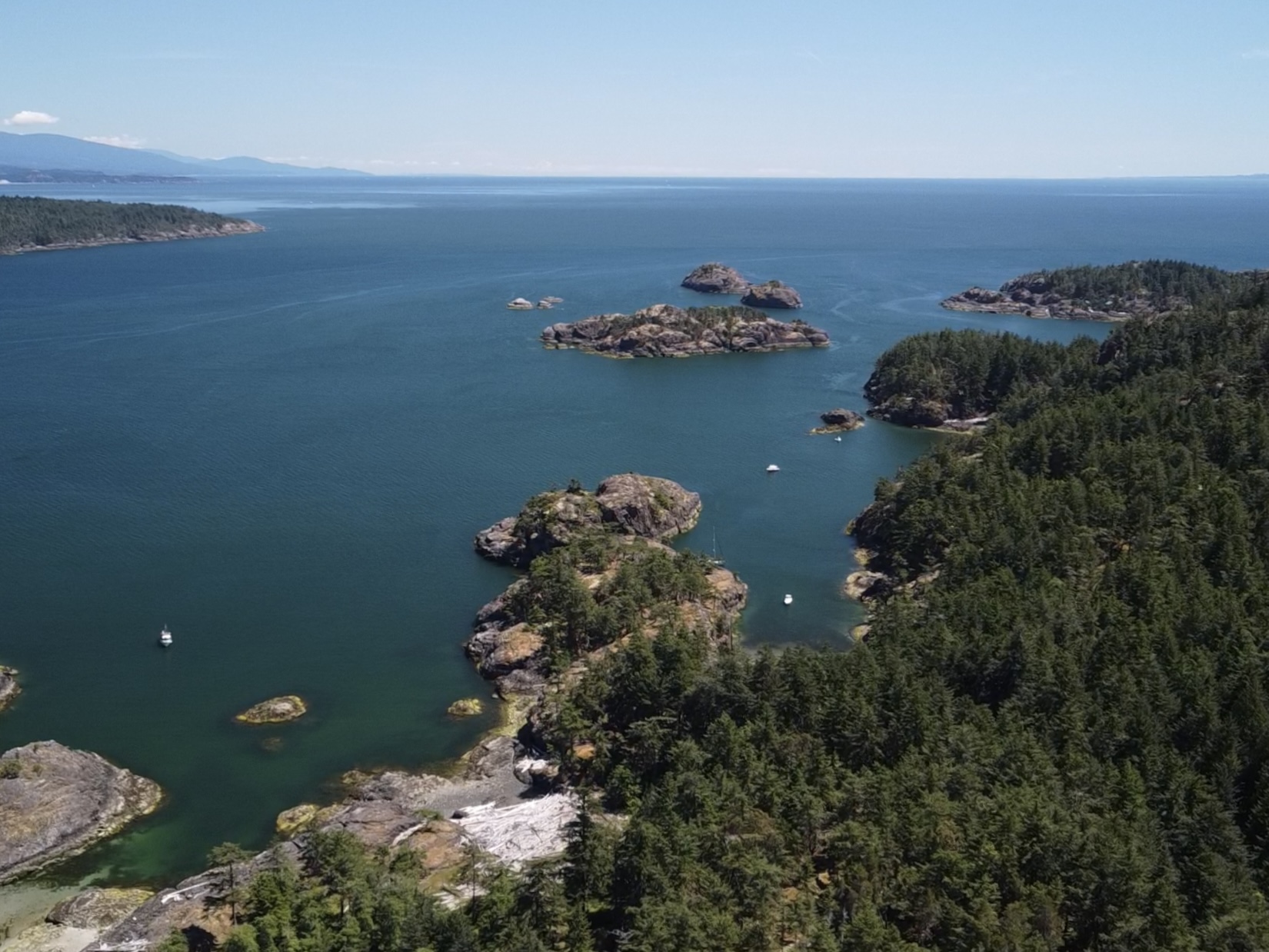
Beauty morning at Codfish Bay. We’d scored prime real estate in the sheltered bay on the southeast side of the island. The water here is calm and glassy, framed by rocky shores and thick forest that opens into wide meadows.
Cooked breakfast, then set out to explore. Today was for no worries. We’d stay anchored here.
View of Codfish and Home Bays on Jedediah Island
Jedediah is only reachable by water, and solitude arrives the moment you step ashore. Long before homesteaders, these shores were part of Coast Salish life; a tidal fish weir in the shallows still shows how people once lived and gathered here. In 1949, Al and Mary Palmer came to the island, carving out a homestead where they lived for decades before it was purchased by the Province in 1995. When the people left, some of the goats and sheep remained, turning feral and reshaping the meadows in their own way. Visitors still speak of Will, the horse who lived out his days here.
The trail wound north through forest into an open field. I searched for the goats and sheep, but saw only their traces — droppings, faint paths through the grass. I found Will’s grave, then others, small markers of lives remembered in silence.
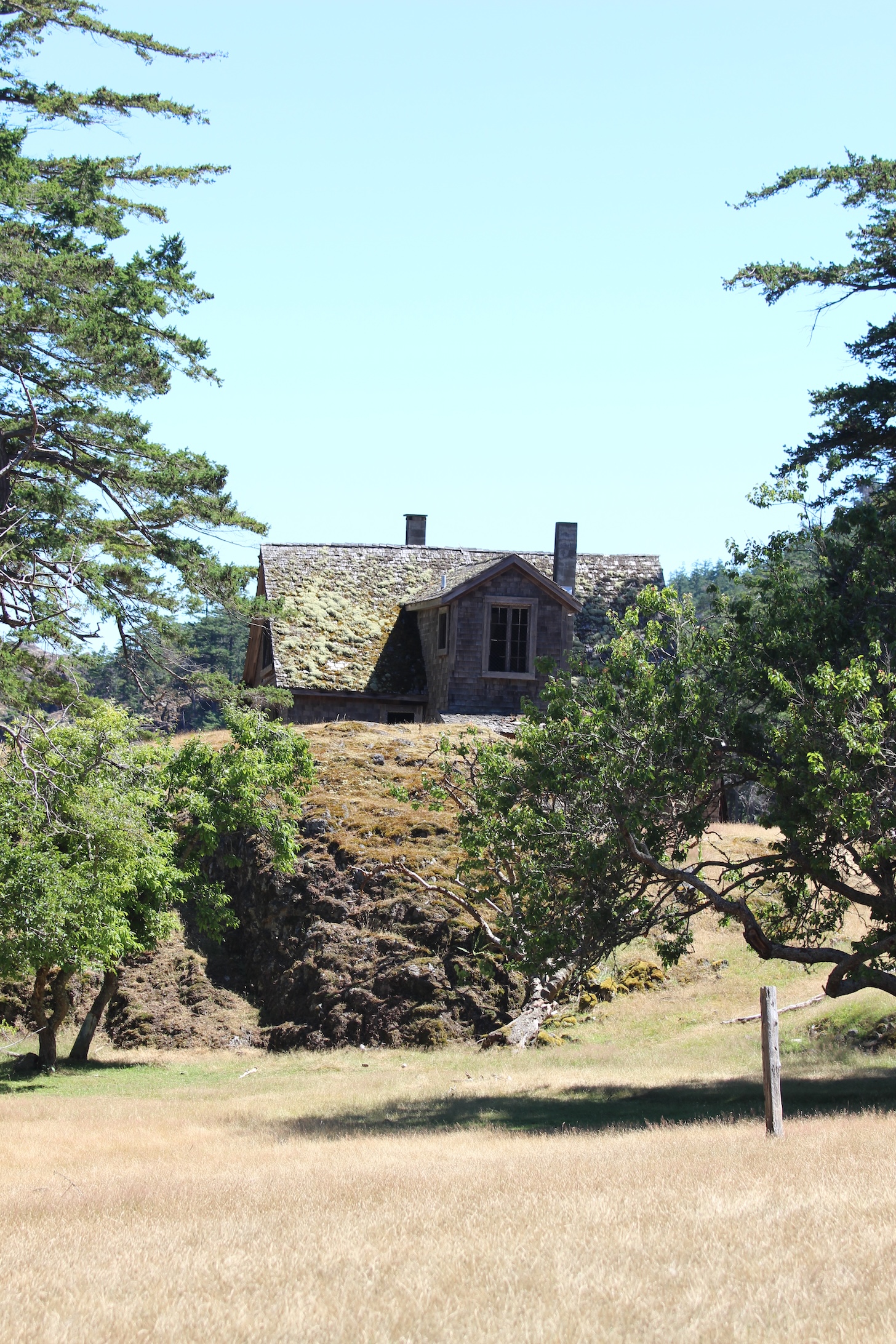
On the southeast side, the old cabin still stand, once inhabited by the island’s homesteaders and now slowly weathering back into the land. I’ve always been drawn to cabins — the way they hold onto stories even as time wears them down, balancing what was with what is.
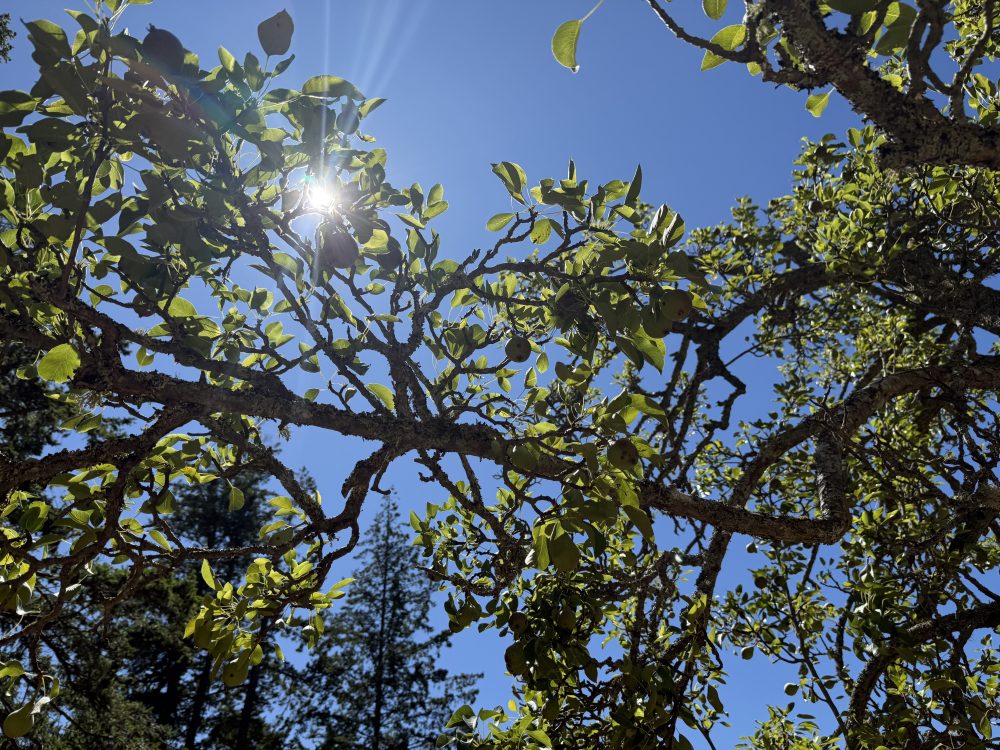
Near the barn, an orchard of apples and pears still leans into the grass as if waiting for someone who never came back — a quiet reminder that those who lived and loved here left more than footprints.
It felt good to stretch the legs. Back at the boat for some appies and chilled wine — though the cooler really needs replacing, drinks warm up too fast. Adding that to the list.
Took the dinghy for a sunset cruise around Rabbit Island.
Off to bed early. Tomorrow we’ll be up before the storm rolls in. Let’s hope Sea Goat will take us home.
⸻
13/07 — Codfish Bay (Jedediah Island) to Duke’s Marina (Sechelt)
Up at 5:30 am. The other boats had already slipped away. The storm was on its way.
Anchor up, slow cruise back. The motor still wouldn’t give us much speed.
The sunrise was beautiful, waters calm. Saw two humpbacks moving in the distance.
04/07 — Duke’s Marina (Sechelt) to Buccaneer Bay(Thormanby Island)
At Duke’s Marina, the tide was low and the ramp stretched steep, with seaweed drifting in the clear water and purple starfish fastened to the pilings. We stowed our bags into a wheelbarrow and trundled down to the dock, something I had always wanted to do. First time loading up, first time heading out. Sea Goat waiting below felt like the start of everything.
She still carries Maria on her stern, but to us she is already Sea Goat. The name surfaced in a conversation with my mom, a quiet nod to our Capricorn stars and our love for both the mountains and the sea. It is said that changing a boat’s name without the proper ritual can anger the sea gods, so for now her new name is only spoken between us.
We pushed off at dusk. The water was calm and easy, only the hum of the motor and the occasional ripple. The sun set straight ahead, casting gold and pink across the Malaspina Strait.
On the Malaspina Strait, from Secret Cove to Thormanby
A cool breeze came up as we moved, carrying cedar from the shore mixed with salt from the water. It was exactly the kind of beginning we had hoped for, smooth and quiet, with the evening light pulling us toward Buccaneer Bay.
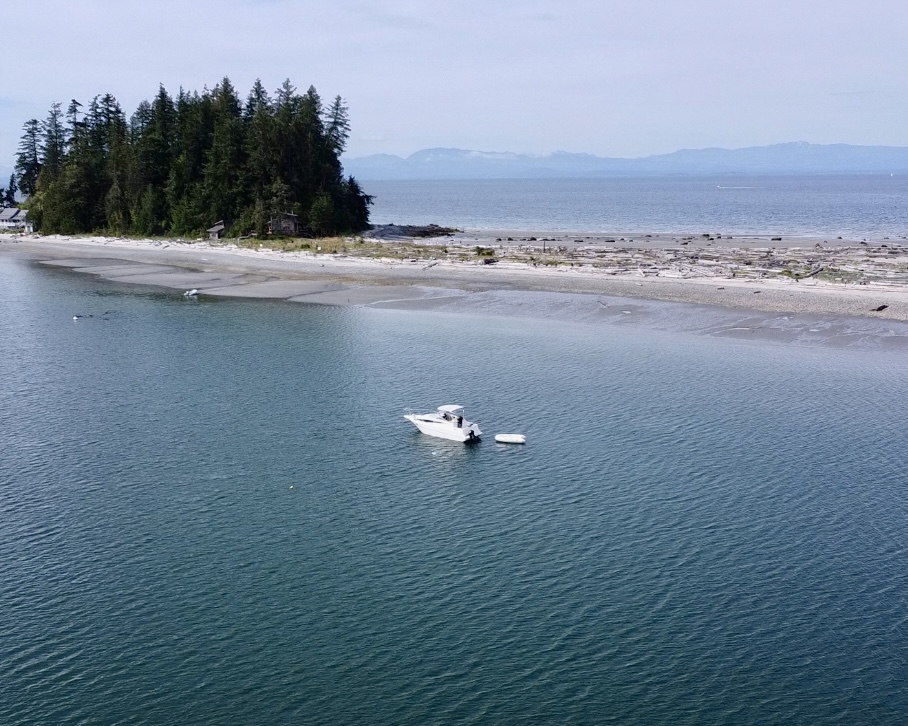
Thormanby’s Buccaneer Bay is known for its long sandy beaches and its safe, sheltered anchorage. Even from the water you can tell why people fall for it — the stretch of sand, the quiet protection of the cove, the soft pull of summer gathering here year after year.
Sea Goat anchored at Buccaneer Bay, Thormanby Island
05/07 — Buccaneer Bay (Thormanby Island) to Anderson Bay (Texada Island)
Woke to still, shallow water. Very shallow. Too shallow. We’d anchored just outside the deep channel, close to the sand stretching out with the low tide. Time to move. Fast. We won’t make that mistake again.
Pulled anchor and headed for deeper water. Drifted toward Texada Island for a couple of hours. Coffee brewing, sun warming up, air salty and clean. Let the day start slow.
Anderson Bay sits on the southeast tip of Texada Island. It’s quiet, tucked in, and well-sheltered when the wind comes from the north side. The water is clear green along the shore and fades into a deep blue further out. The warm pine scent from the forest hangs in the air.
Anchored at Anderson Bay, Texada Island.
We anchored for the day and watched eagles circling overhead while fishing boats hummed past.
Neigbour watch
On the distant shore, a little otter appeared. She slipped into the water and swam toward us, curious. Pirouetting in the waves, juggling her meal, she floated on her back, paddling slow and snacking on little fish. Otta will be her name. I hope I see her again.
Otta the otter playfully snacking on fish.
We didn’t make it to shore, but next time for sure.
Headed back to Buccaneer Bay for the night, and this time we’ll set the anchor right.
It’s quieter, but not peaceful. Cleaner, but not comfortable. Freer, but not full.
It’s been six months and I’m still learning out how to move through days that don’t start with a morning howl or end with an I wuv you.
The ache shows up in strange moments— a phantom weight curled at my feet, a routine I still reach for, a face I search for in the rearview, a reach for a name that no longer runs ahead, a muse that’s no longer there, a love with no place to land…
Living with the question that always lingered but was never meant to be answered, “What would I do without you?”
People say time helps. Maybe. But it also teaches how to live with the missing. How to carry it. How to smile through the sting.
Eventually, new rhythms form. Different ones. Because life continues, and you move with it. And somehow, almost magically, you see them in all the beauty they once taught you to see. And slowly, life reshapes itself around the love that never left… and never will.
And maybe one day, when the time feels right, that love can be shared again.
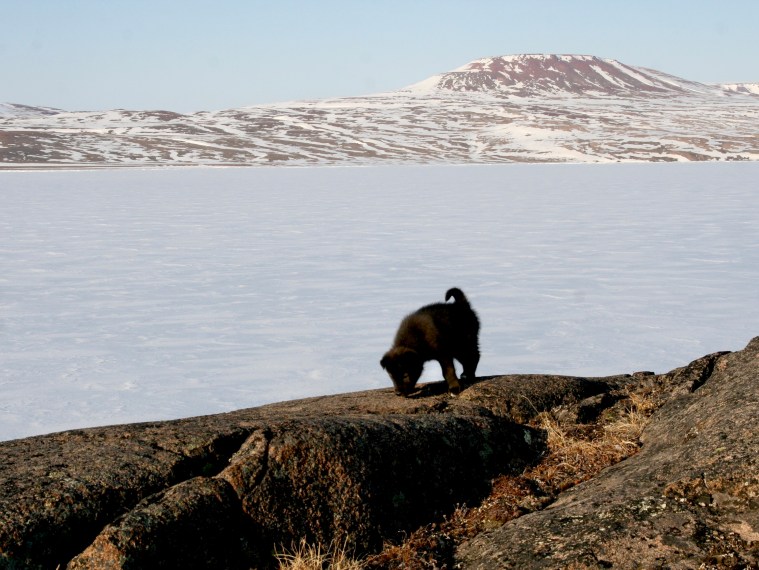
After Juno’s passing, I reached out to the kind heart whose Kijiji ad led me to her. She had met Juno, originally named Qimmiq (like the Inuit breed, which also means “dog” in Inuktitut), at the shelter in Nunavut, where she was brought after being found alone in the snow. She fostered her on Baffin Island, where Juno was born, before eventually bringing her to British Columbia. Qimmiq’s story, typed into a ‘Inuit sled dog cross looking for a good home’ ad, became the final link in a beautiful chain of events that gave me the most wholesome years of my life. I am forever grateful to her.
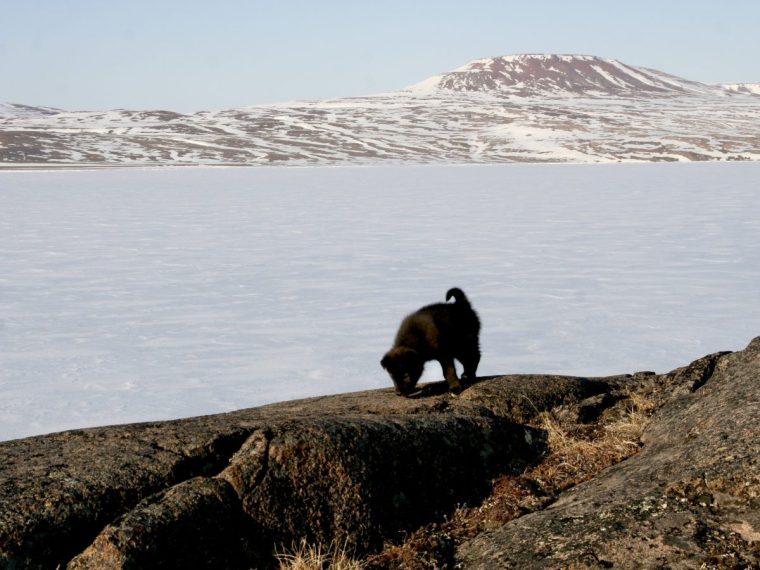
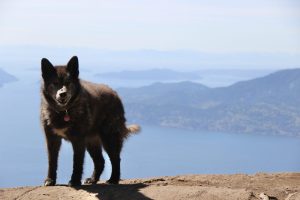
In response to my message, she shared this first photo with me—Juno at just a few weeks old, taken a month before we met, standing before the mountains of the Arctic island where her life began. It feels only fitting that I was able to give her the life she was destined for, one filled with open spaces to roam and to grow. To become Juno.
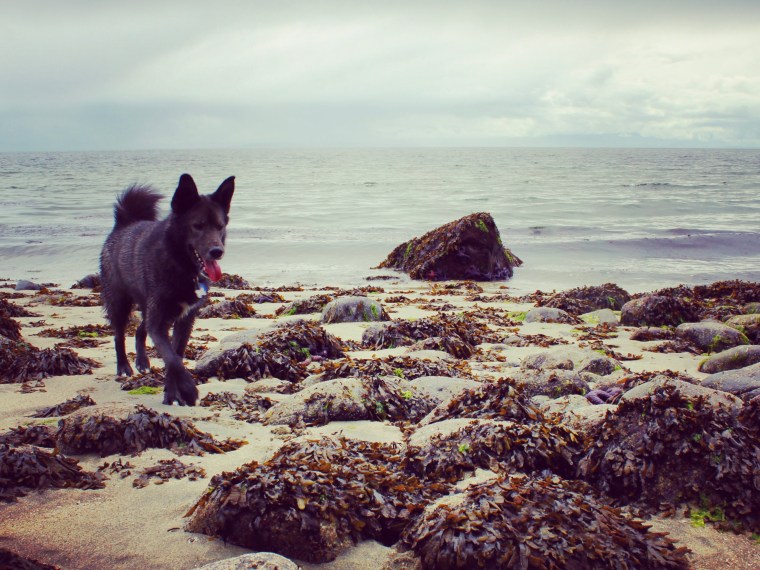
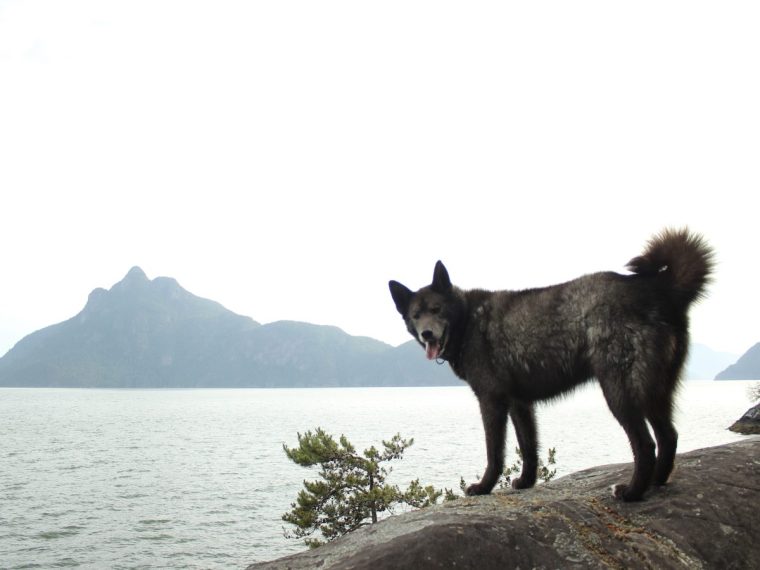
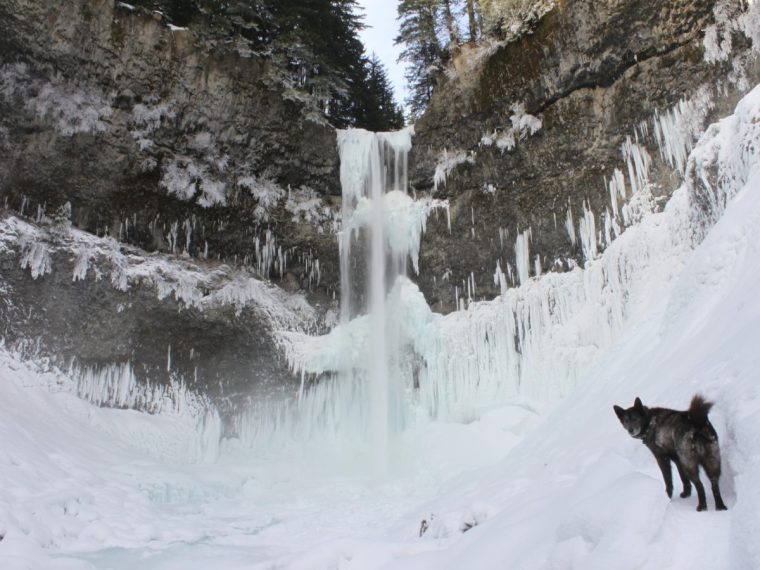
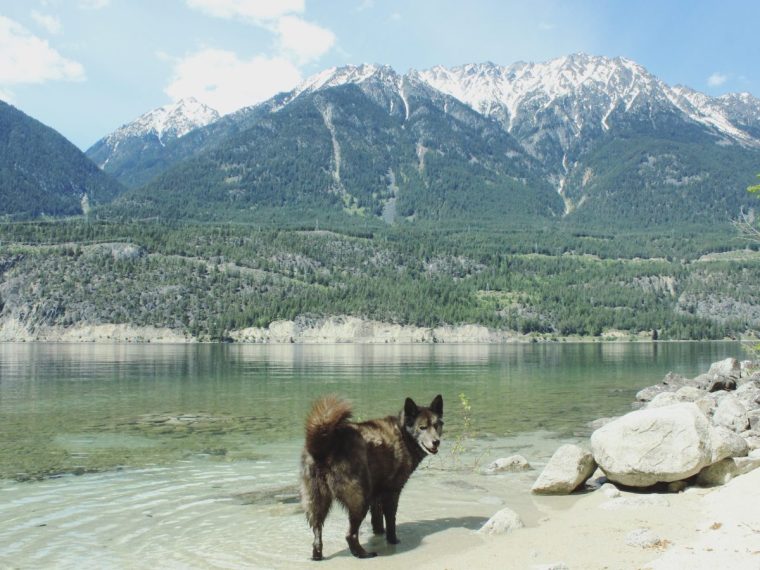
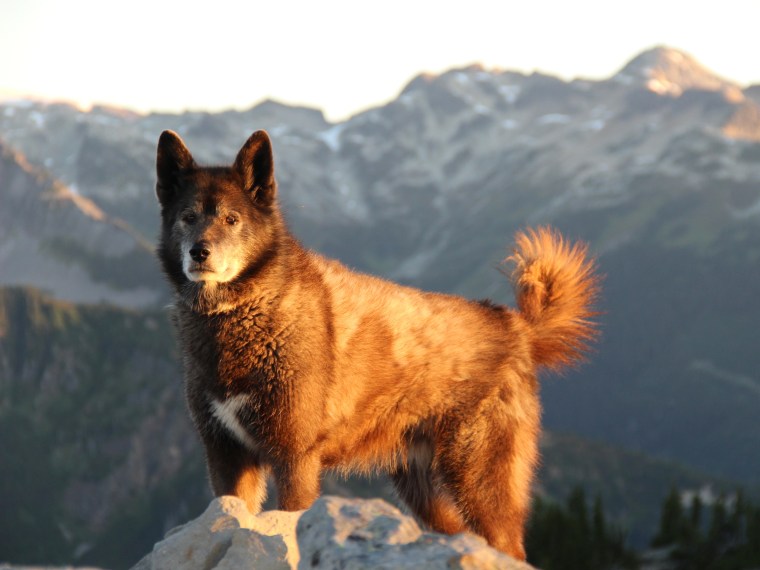
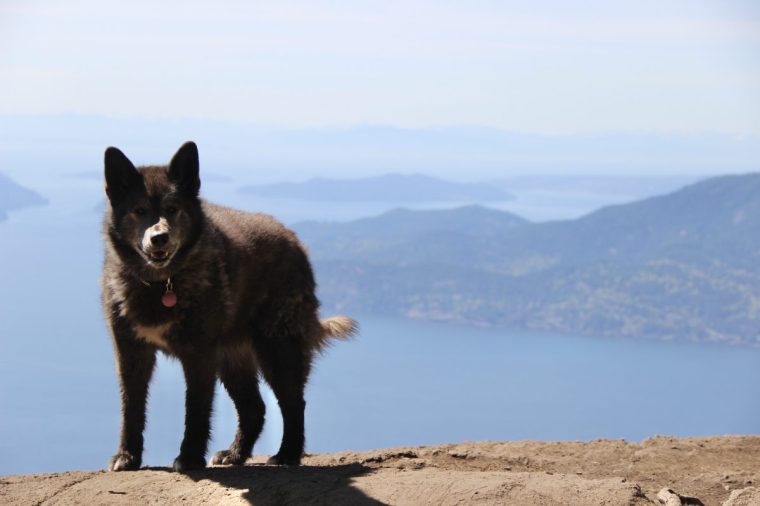
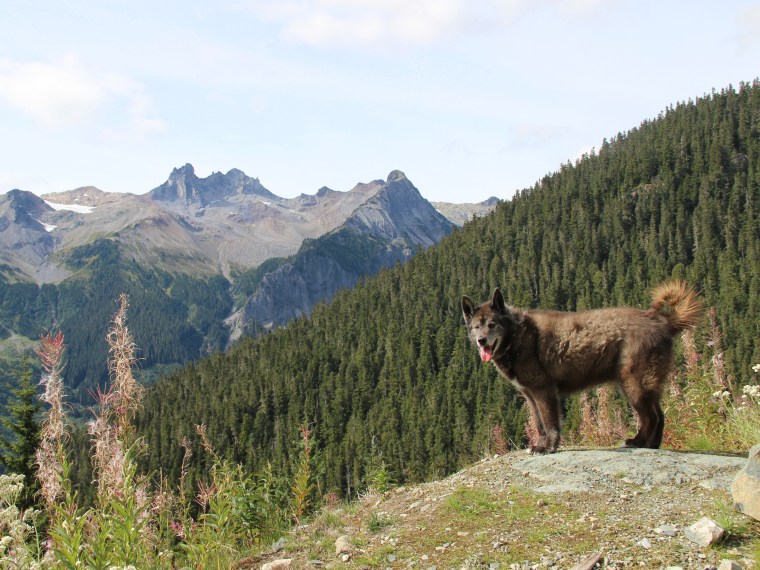
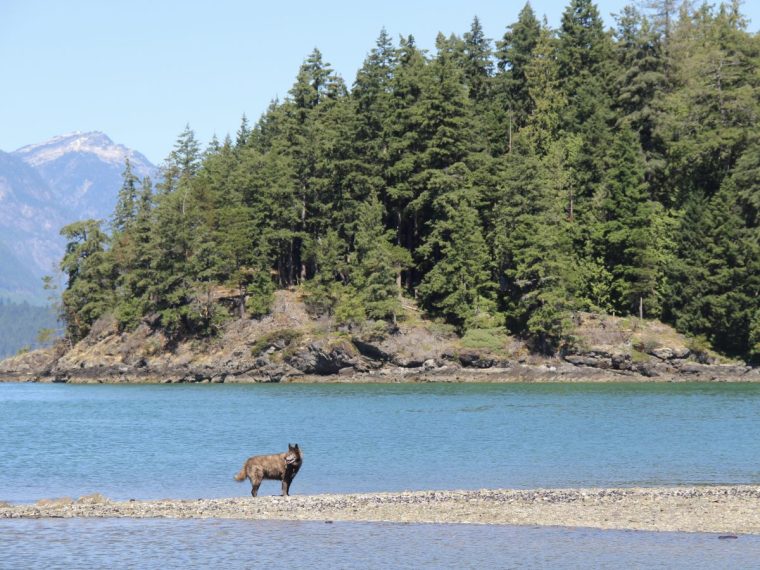
In honour of a life well-lived, here is a photo for each of her years. From orphaned pup to Queen of the North. Her life in full. A lifetime of Juno.
Her name still echoes in the silence she left behind. It lingers like her scent after the snow—cold and fresh, like winter air clinging to her memory. The smell of her after a walk through the white landscapes, snowflakes melting into her coat, carrying with them the crispness of our favourite places. The scent of home, wild and free. Her absence is a weight I carry in places I didn’t know existed.
Qimmiq at just a few weeks old after being found orphaned in the snow, taken by her foster family a month before we met, standing before the mountains of Baffin Island, Nunavut, where her life began. It feels only fitting that I was able to give her the life she was destined for, one filled with open spaces to roam and to grow. To become Juno.
I think of the wilderness and how she belonged there. The way she pranced through open spaces, happy and free. I see her still—leading the way along narrow trails, disappearing into alpine meadows, wading through glacial streams. She would pause at waterfalls, ears pricked, as if listening to something I couldn’t hear. I remember her running along sandy beaches, climbing ridgelines where the islands dot the ocean below and the mountains touch the sky. She was always just ahead, chasing scents, keeping the bears at a distance. She gave the wild a shape, a softness, a sense of home. Our home.
Juno carried the quiet strength of the North. She moved with the patience of a living creature who had seen the fragility of life and decided to take her time with it. I learned from her: how to be still, how to breathe, how to listen, how to notice, how to be.
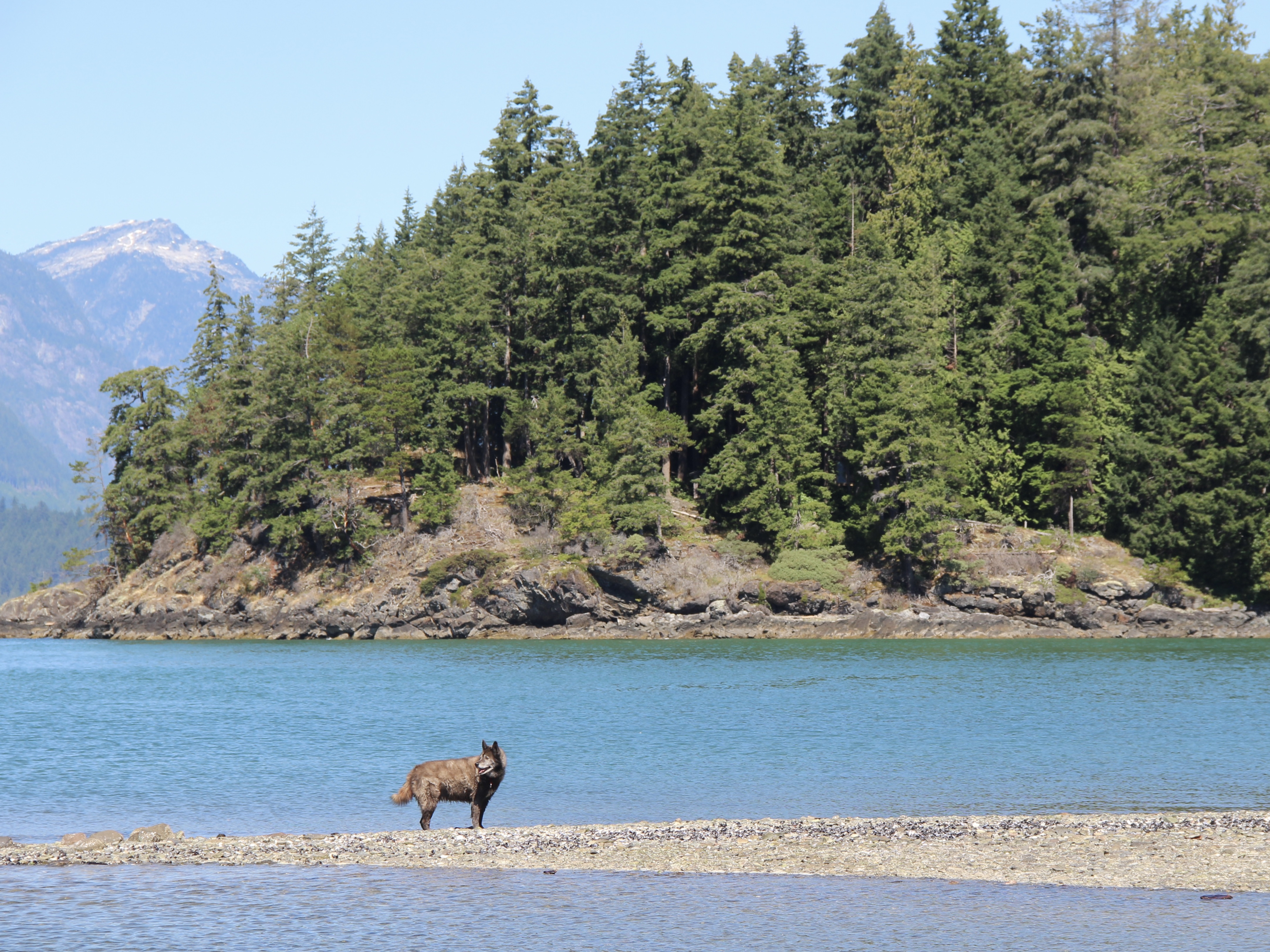
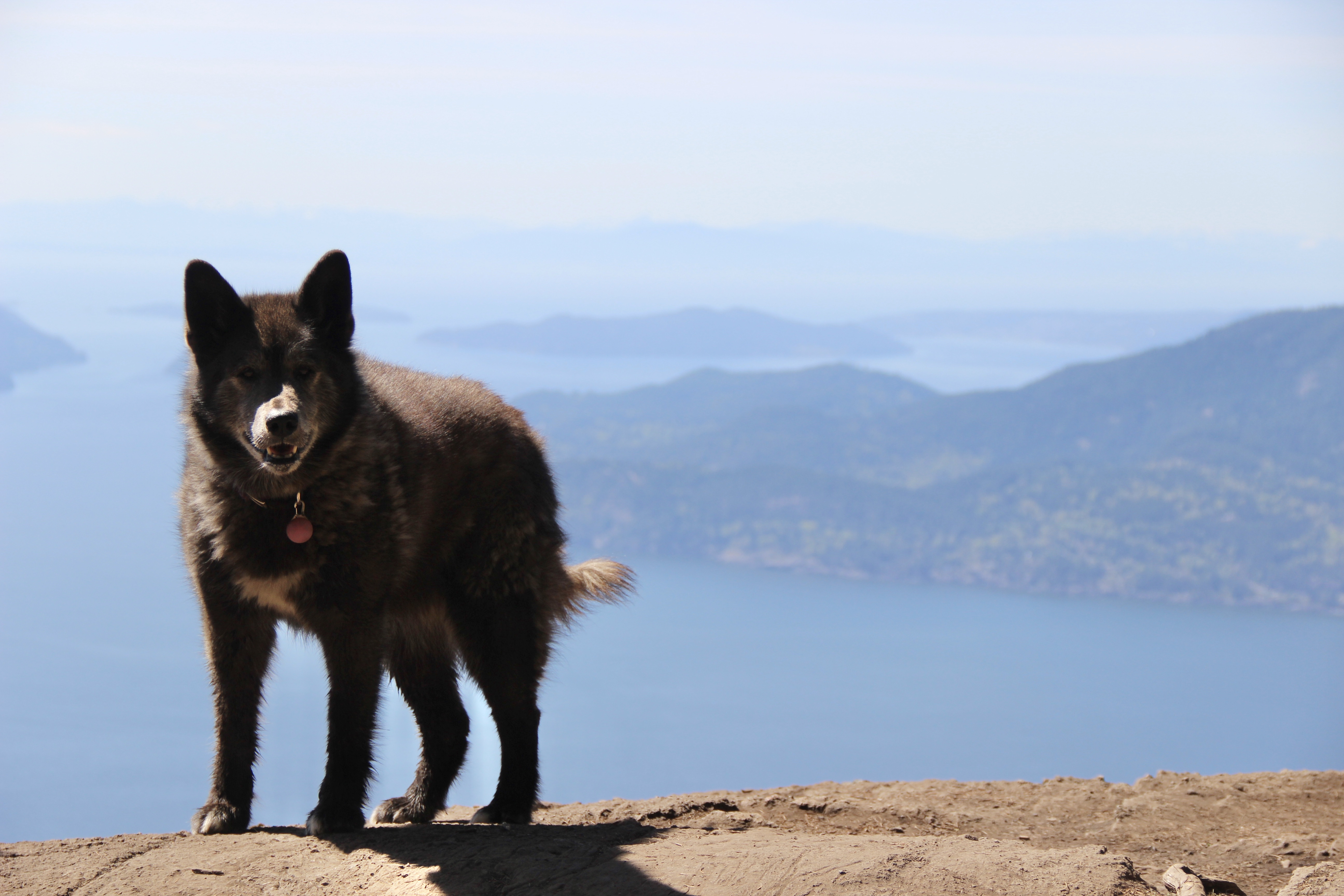
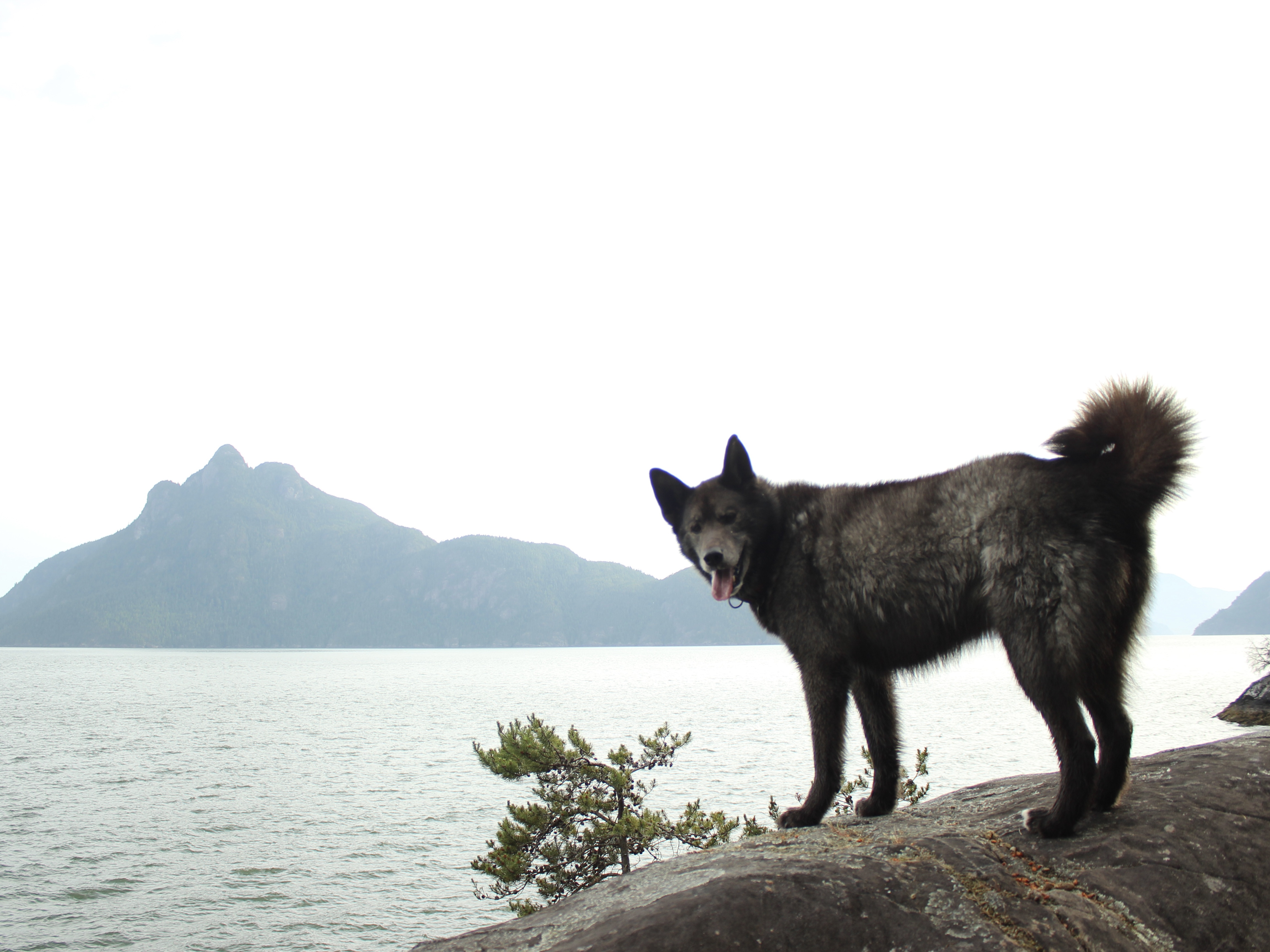
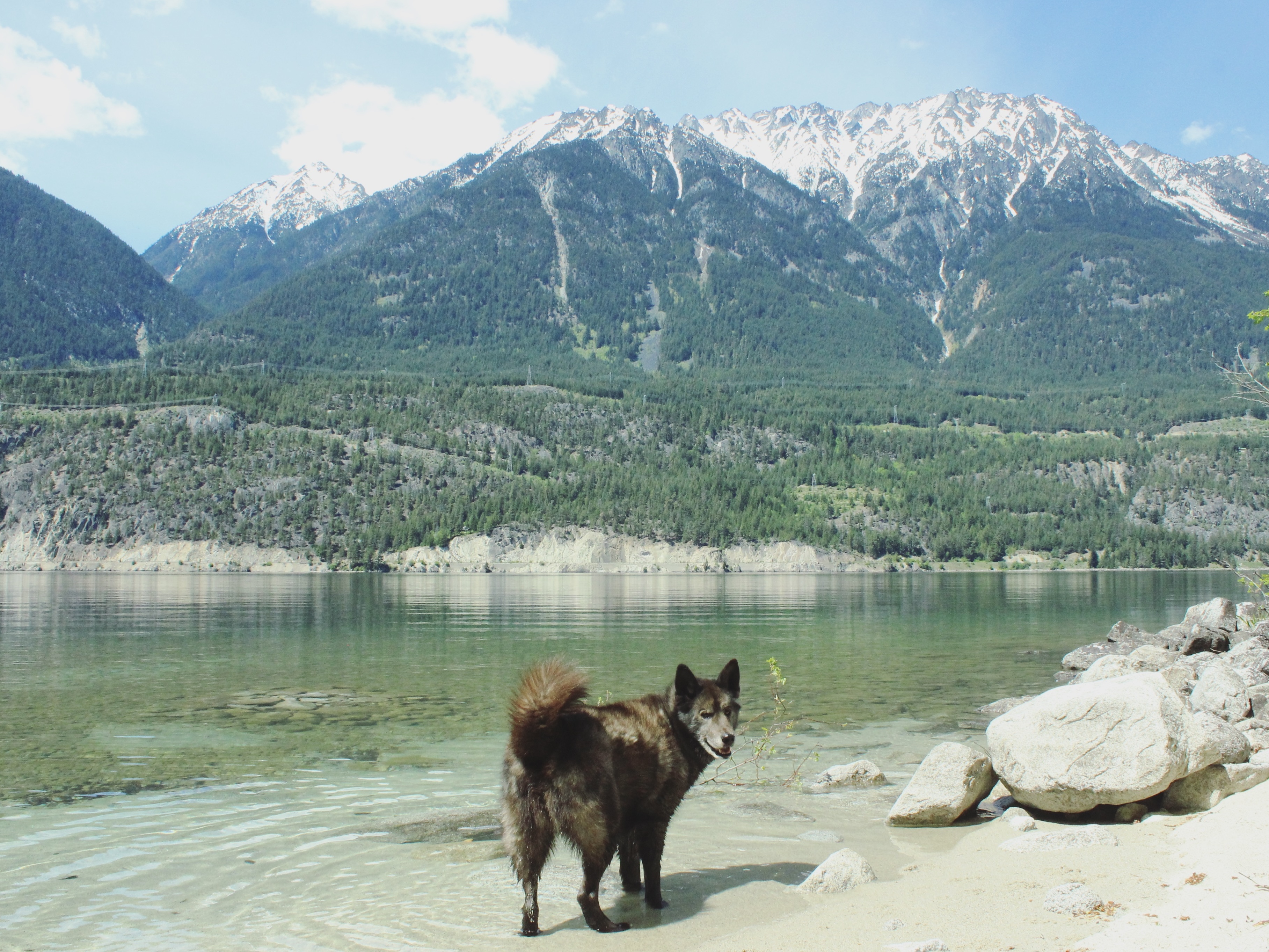
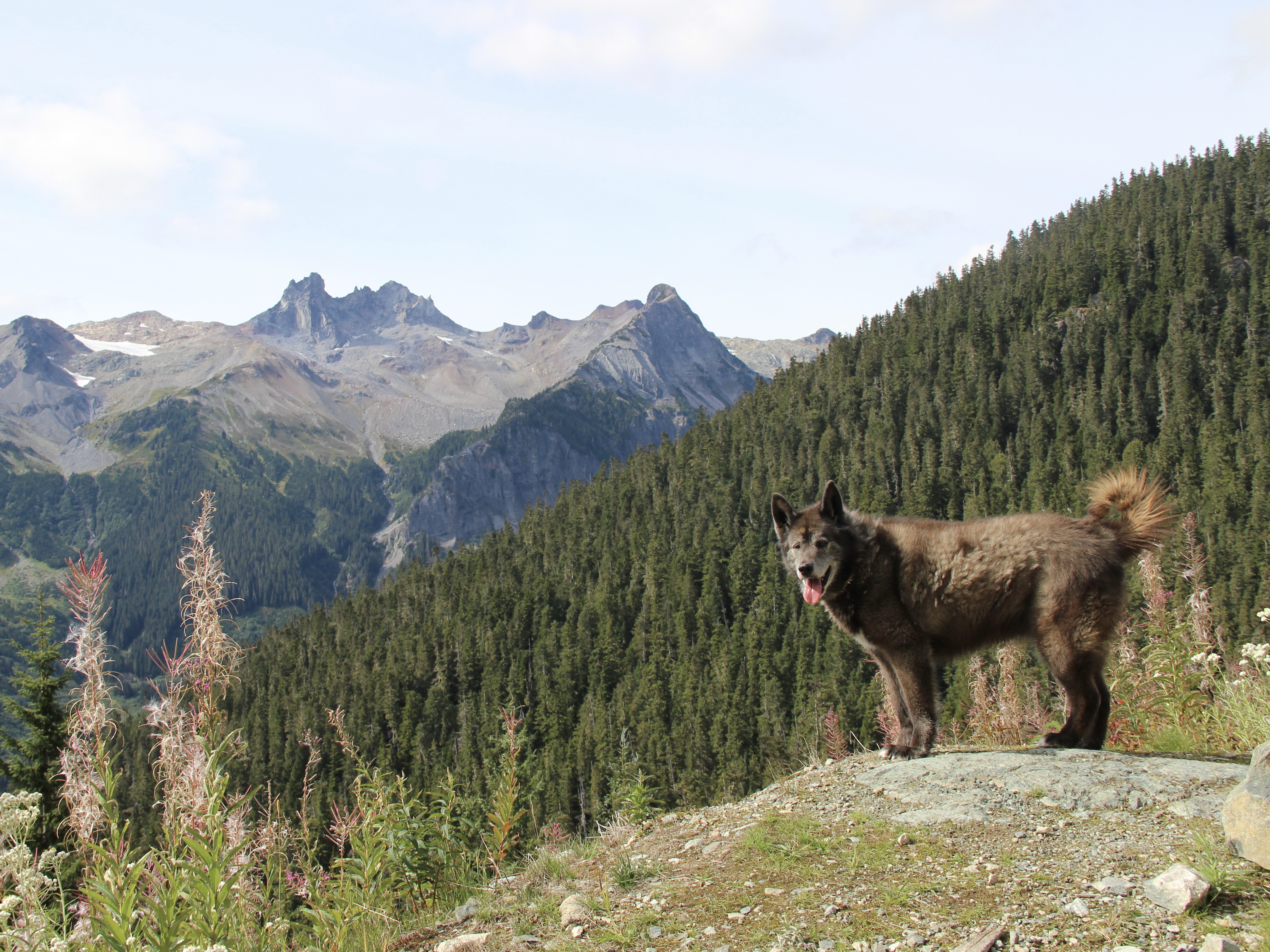
Sometimes I wondered if she was part wolf; her sharp gaze and stance hinted at something wild and untamed. She would pause on ridgelines, wind lifting her fur, and in those moments, I wondered if the mountains whispered to her to run free with the wolves. Who knows—maybe she was part of them. She belonged there—wild and free—as much a part of the mountains as the snow that blanketed them each winter.
Sixteen years…
How do you hold sixteen years in your hands when there is nothing left to touch? How do you gather the memories without them spilling through your fingers?
I miss the sound of her breath beside me in the dark. The comfort of her presence in the distance. The way she would lovingly argue with me, stubborn and full of personality, just to have the last word—as if winning our little debates was part of the bond we shared. I miss the way she would pause on the trail, looking back to make sure I was still there—always waiting, always watching, as if she knew we were meant to move through the world together. Her gaze—steady, knowing, loving. As if she understood everything I never said.
I still wake early sometimes, expecting her gentle howl. The stretch, the sigh when I greeted her each morning. The happy wag of her tail. The smile in her eyes—full of promise, full of certainty. Because as long as we were together, every day would be filled with magic. I reach for her without thinking. But the space is cold now. Still.
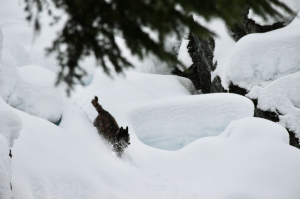
Time carries a different kind of silence—one I’m still learning to live with. Yet, when the snow falls, it brings her back to me. I can almost hear the soft press of her paws against the snow, neither of us saying a word. The world seemed slower then, softened by the white hush.
She would pause sometimes, nose lifted, eyes half-closed, breathing in the cold air as if it carried secrets only she could hear. I wonder what she felt in those moments. I wonder if she knew I was watching her, learning from her. Deeply loving her.
Grief is strange. It wraps itself around you slowly. You think you’re fine until the snow falls again. Until you step outside and feel the bite in the air. Until the world looks exactly as it did when she walked beside you, her fur dusted with white, her breath visible in the cold.
They say time heals. But I don’t want time to heal this. I don’t want to forget the ache because the ache is where she still lives. In the hollow spaces, in the pauses.
In the patch of carpet by the bed where she laid in her final days. In the strands of her fur that still drift through the air, because cleaning too much would feel like erasing her. In the empty den outside, the one I still haven’t had the heart to close. At the entrance of the trail we walked every day. In the way I still catch myself saving a piece of food for her, setting aside leftovers she will never eat. In the way I still search for pet-friendly getaways, always drawn to the places she would have loved the most.
But Juno is still here.
She lives in the wind through the trees, the hush of snowfall, the quiet before dawn. She lives in the way I hesitate at the door we once walked through together.
Juno lives in the way I linger in the places she loved.
And sometimes, I hear her howling in the wind. Her presence, steady and close. I sit still in nature, and for a moment—just a moment—I believe she’s still there.
I let myself believe.
Yes, that’s a freakin’ white rainbow in the background. Just when I was wondering if I could believe in the rainbow bridge, a white arc appeared over the mountains after Juno went to sleep, my shadow cast in the light. Filled with magic, I could almost hear her howl in the wild, like a whisper in the wind—just out of reach, but there all the same.
Love leaves marks. Juno left hers in the rhythm of my days, in the beauty that she taught me to see, in the quiet of a snowfall. In the spaces where silence is no longer empty but filled with her memory. Sixteen years. A lifetime of Juno.









































 Footloose Diary