
Photos taken during our hiking trip to Wedgemount Lake.
Wedgemount
Distance: 12 km
Elevation Gain: 1,160 m
Highest Point: 1,920m
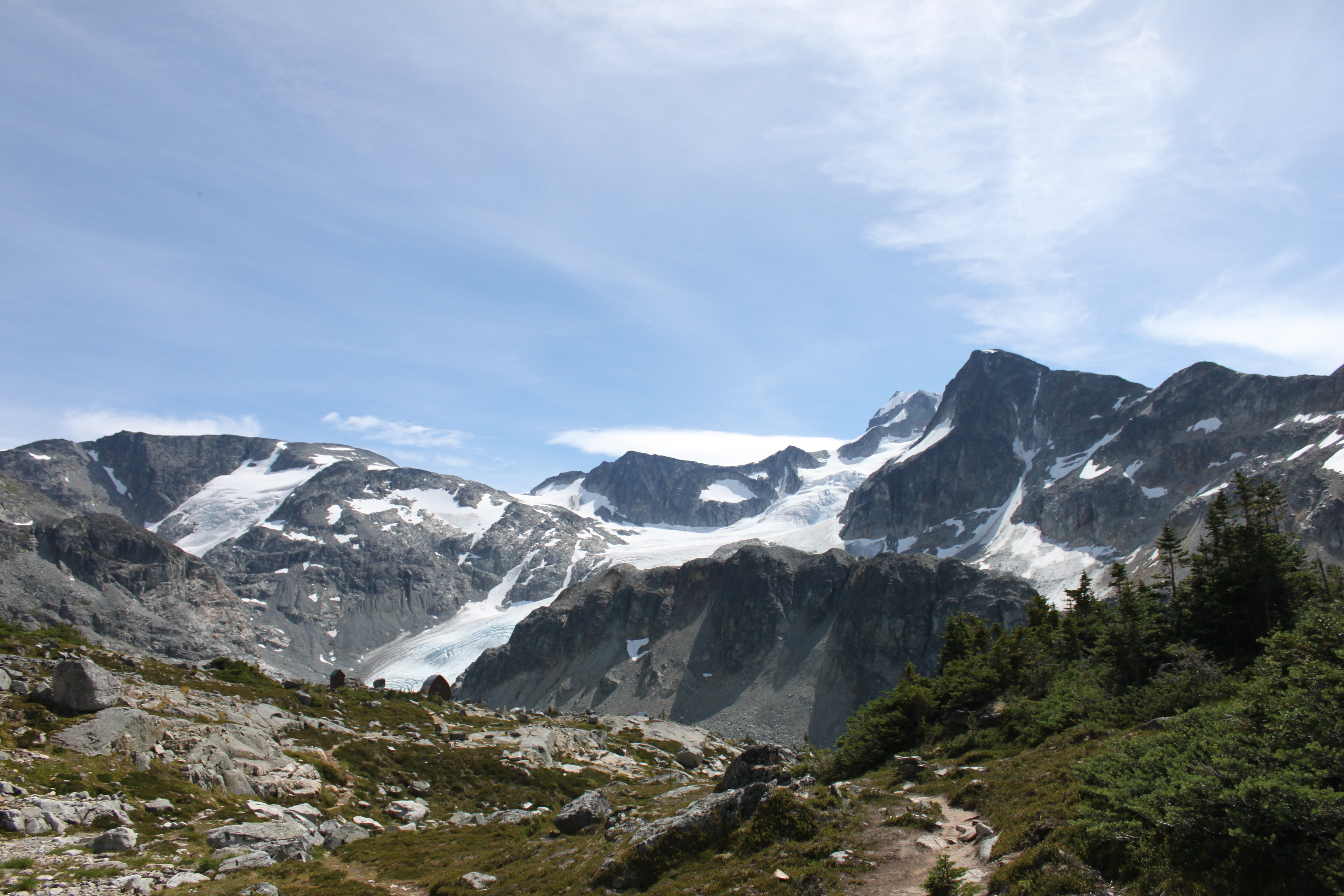
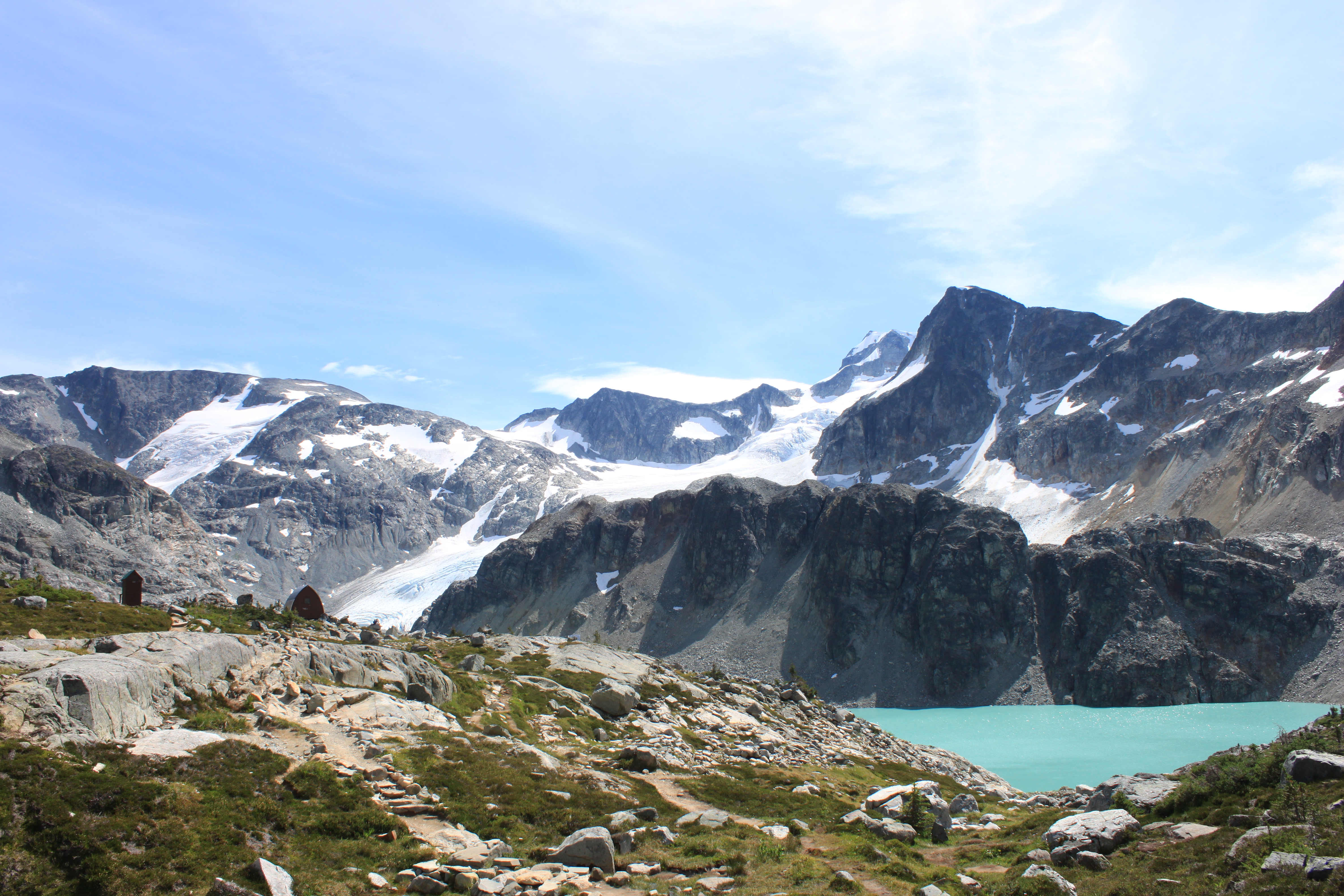
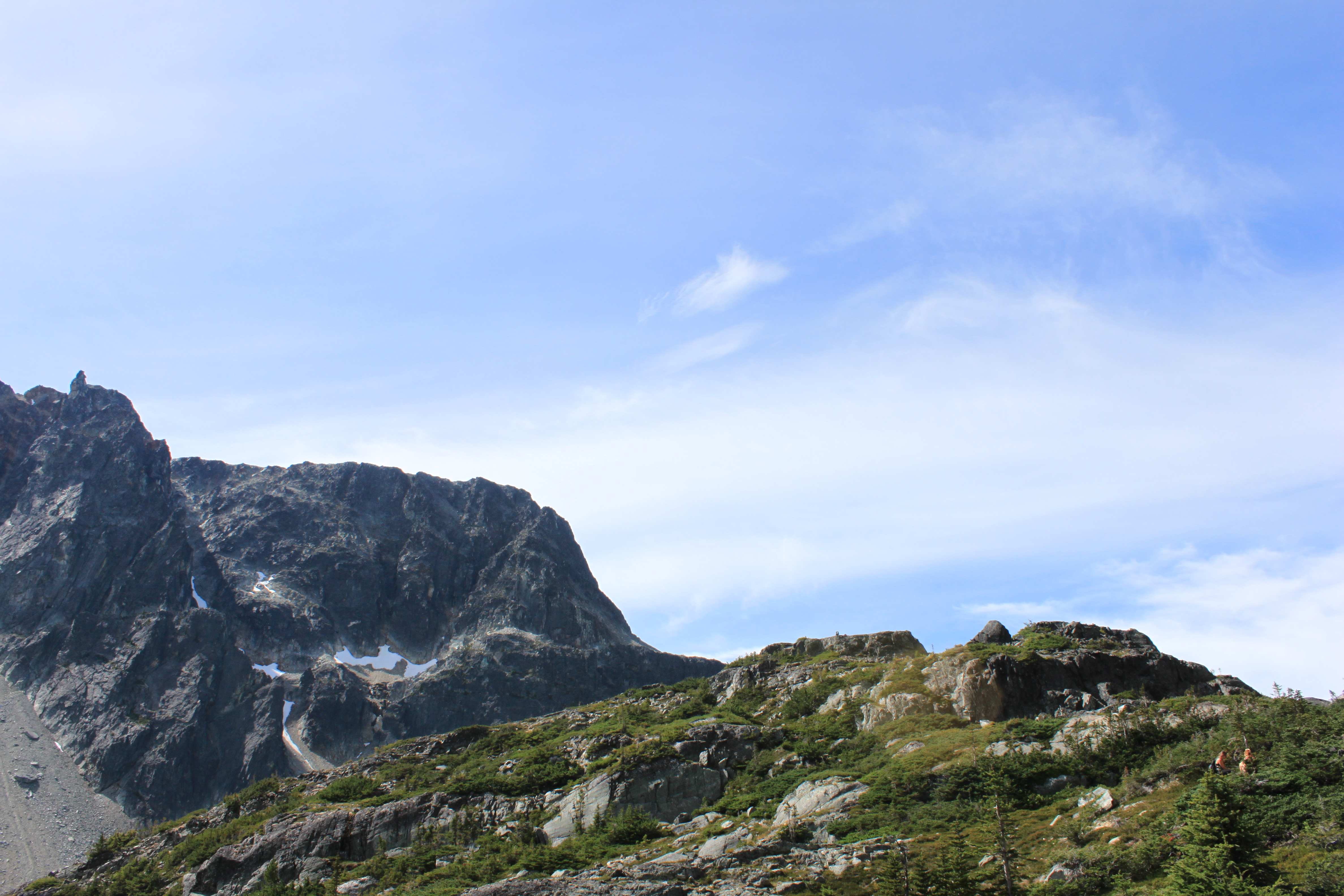


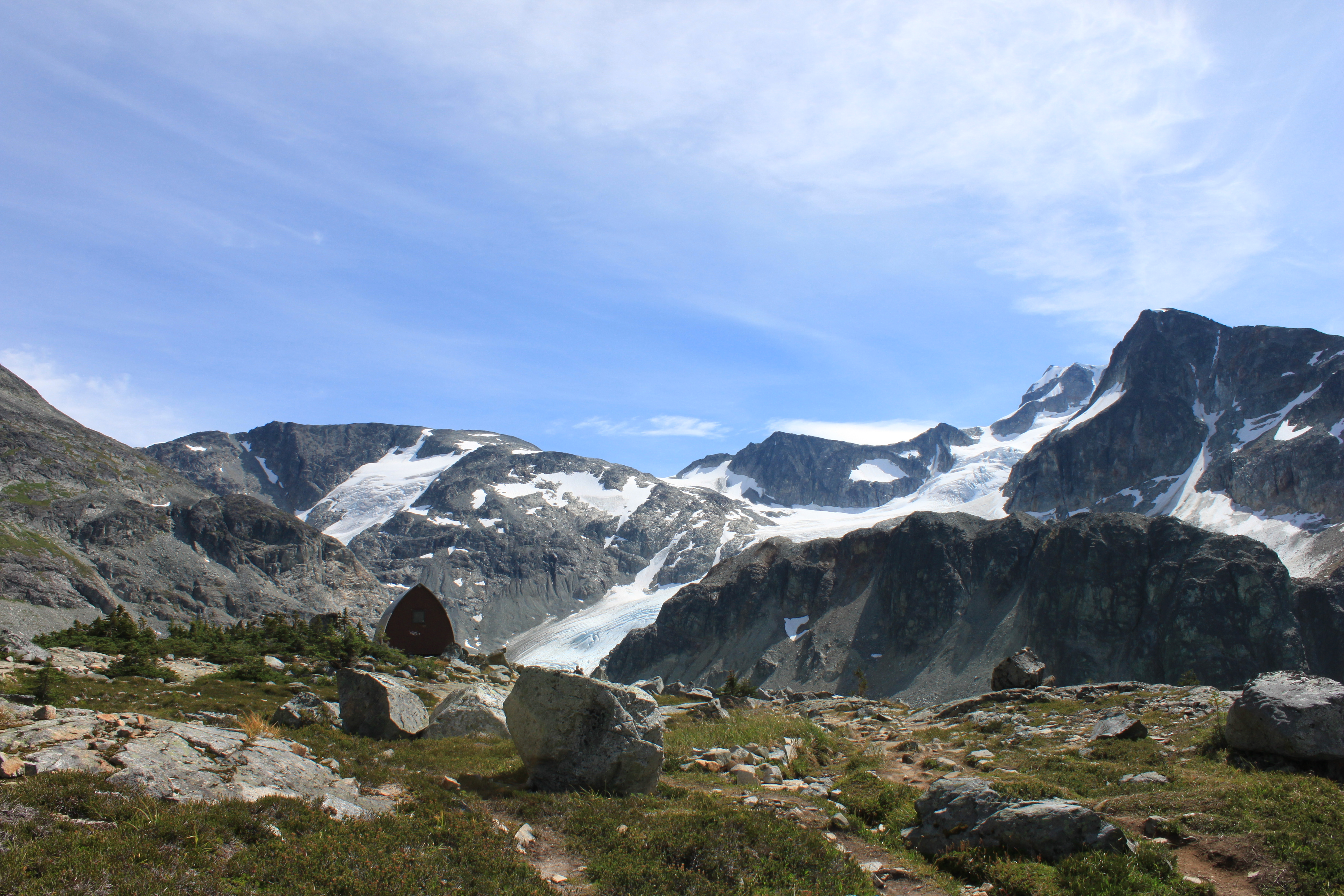
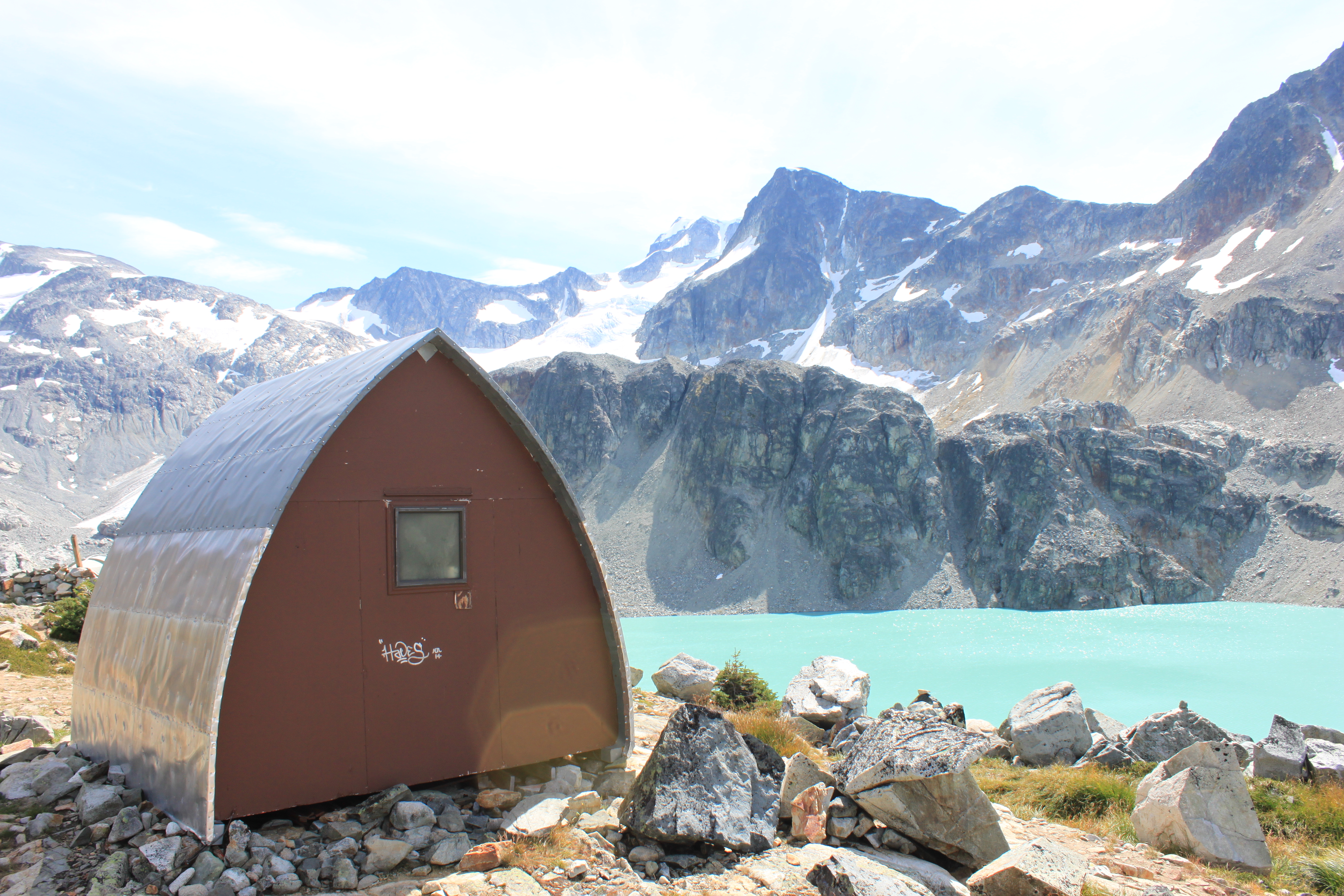
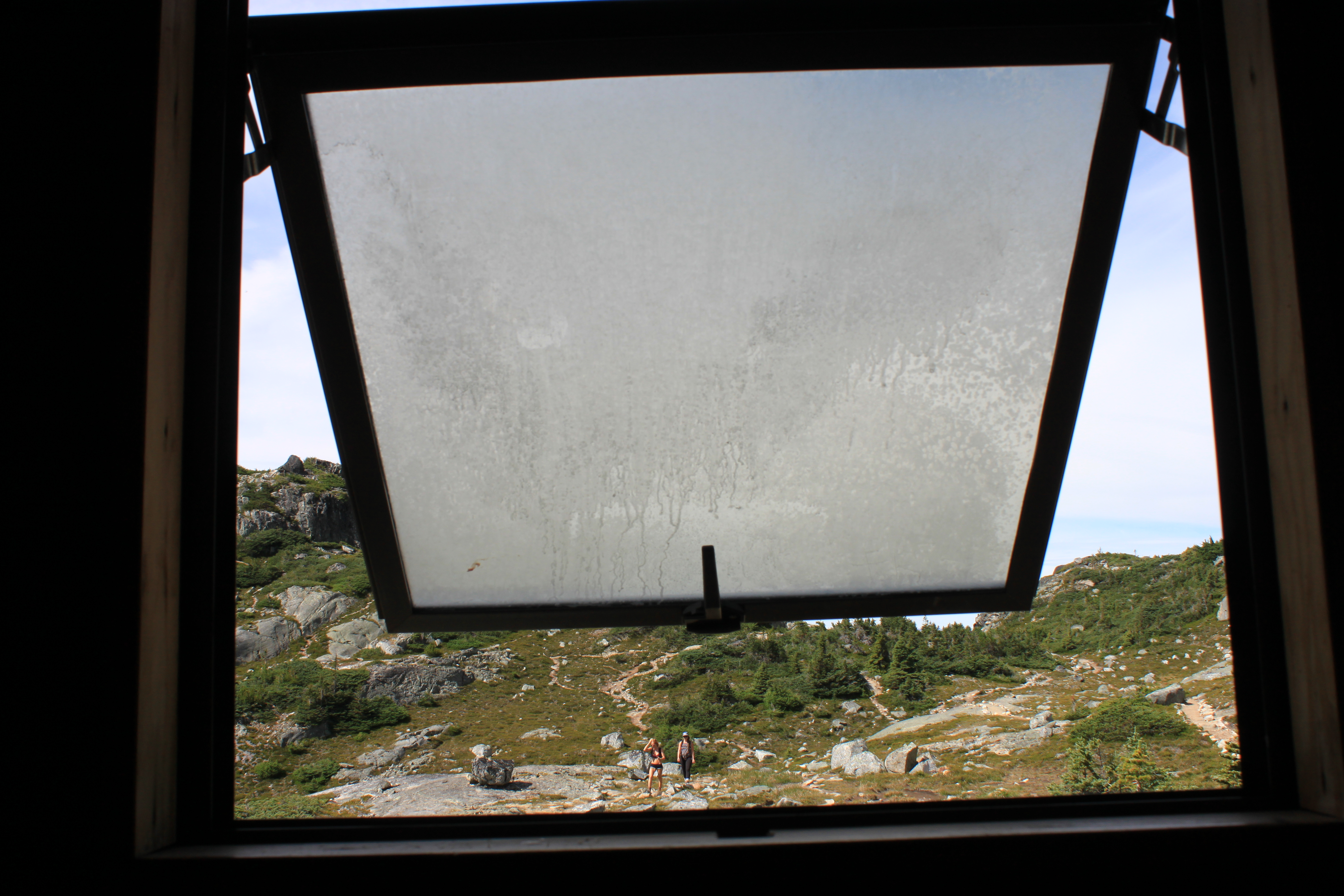
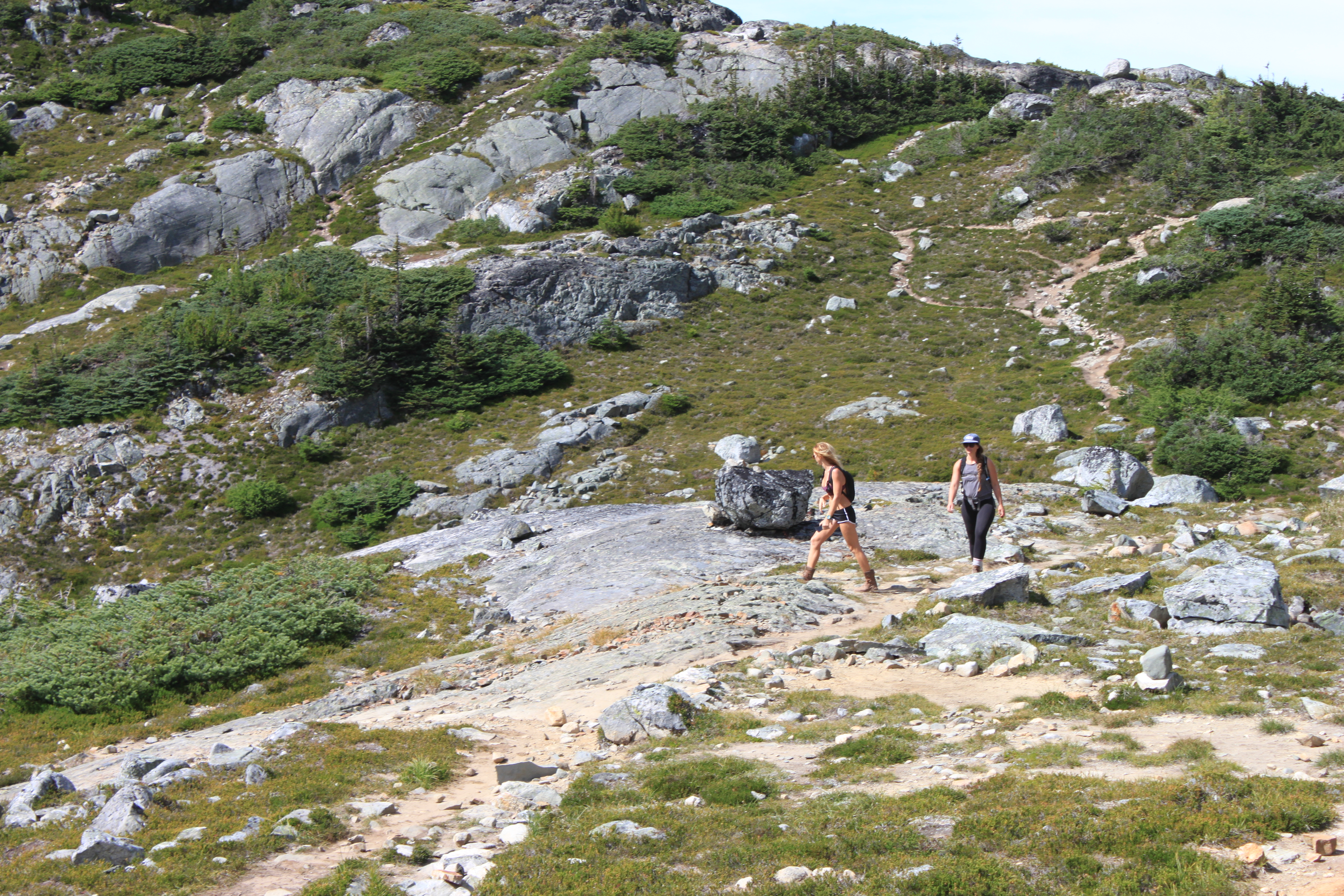
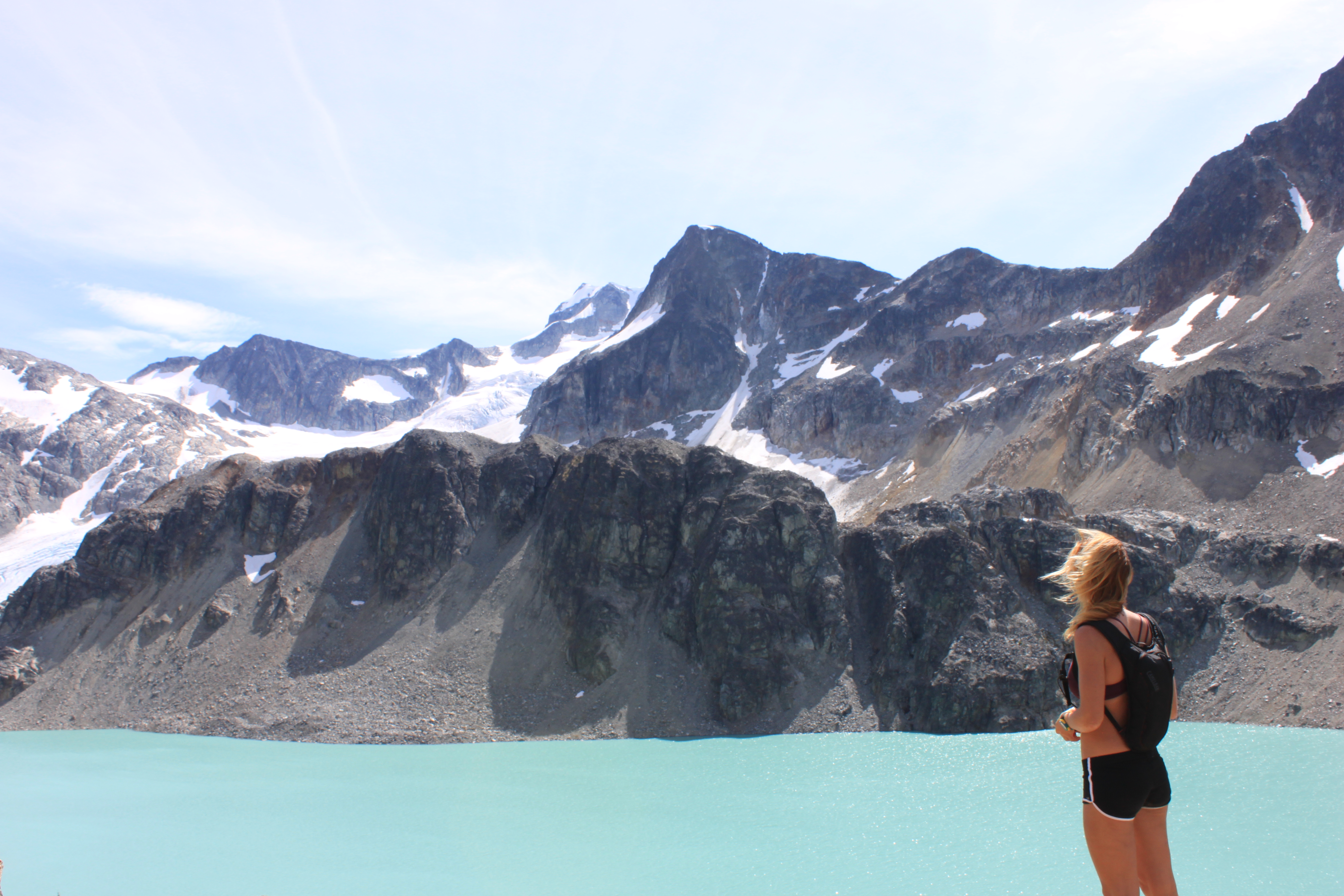
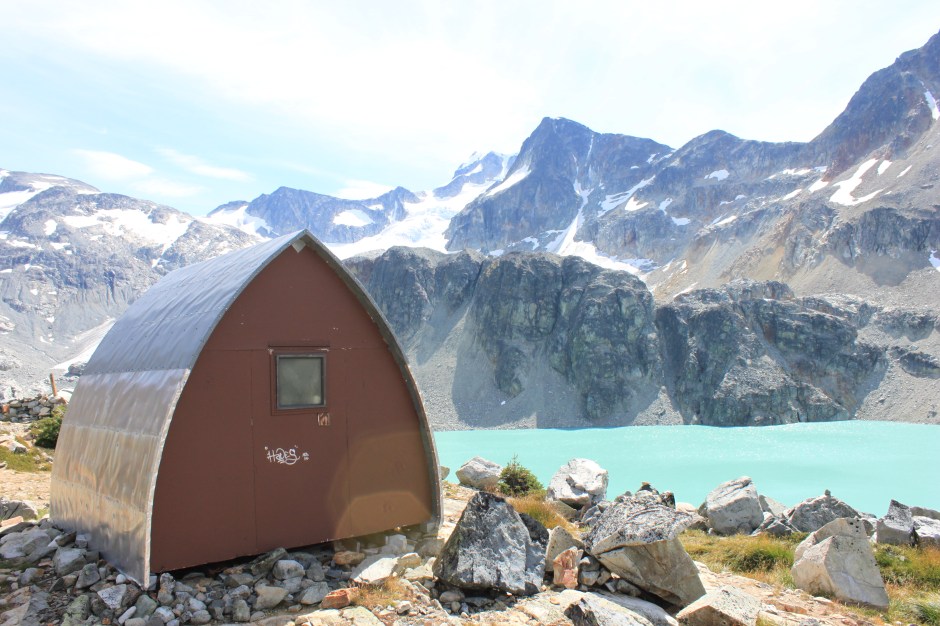
Photos taken during our hiking trip to Wedgemount Lake.
Wedgemount
Distance: 12 km
Elevation Gain: 1,160 m
Highest Point: 1,920m

I slipped my feet into the white sand. Its cool composure liberated me from the throbbing pain. I was too exhausted to jump into the ocean and wash out all the dirt on my face and my hands, and the sweat that has accumulated on my skin and my clothing. I laid there for a couple of hours, soaking in the warmth of the sun, the breeze of the sea, and the sand between my toes, thinking about nothing but: I did it!
Seven days ago, my girlfriend and I had packed our backpacks with everything we needed to survive for a week: camping gear, hiking clothes, dehydrated food, and survival kit. We had planned this trip for a few weeks and were anxious to finally begin. The West Coast Trail has always fascinated me. I’ve heard about it from fellow adventurers I’d met along my travels, and it seemed like the kind of adventure I had to put on my bucket list. I am no expert hiker, although I have several trips under my belt. The Pacific Northwest has been my backyard for over a decade now, offering many trails to wander, glacier-fed lakes to discover and mountain peaks to conquer. I have also hiked around Kathmandu, Nepal, staying in tea houses, eating home-cooked meals and carrying a small backpack. But the WCT was the kind of adventure I’ve never done before. It was a physical and mental challenge far beyond anything I’ve done. It was much more than just a stroll in the woods.
The West Coast Trail is a gruelling 75km long backpacking trail hugging the southwestern edge of Vancouver Island in British Columbia, Canada. Construction of the trail debuted in 1889, originally part of a communication system connecting the British Empire in North America by an undersea cable which ran all the way to India. After the wreck of the Valencia in 1906, the trail was improved to facilitate the rescue of shipwrecked survivors along the coast. It is now part of Pacific National Rim and is known as one of the world’s top hiking trails.
Day 1: Embrace the opportunity
Gordon River to Trasher Cove- 6km
Butch took us to the trailhead across the Gordon river with his fishing boat. We jumped off the craft onto the sand, only to be welcomed by a 52 rung vertical climb ladder. Welcome to the WCT!
My bag was heavy. It pulled my shoulders and the strap on my chest pushed my lungs making it hard to breathe. It wasn’t that the trail itself was hard, but rather acclimatizing to my gear. My 43 pound bag carried all I needed for surviving a week in wilderness. I did read it shouldn’t be more than 30% of my weight, yet bringing a deck of cards, a reading book, tank tops and too much food seemed to be essential and weightless at first glance. I regretted my amateur decision of bringing the unnecessary every step I took, carrying a bag nearly half my weight, turning into a turtle camouflaged by her shell. It was a slow march through the woods, travelling 1km an hour.
As I hiked I pondered what drew me into doing this trail. It wasn’t solely for the remote beauty of the coastline, the impressive old growth forests and the endless empty beaches. I wanted to test my capabilities, to see how far I could go physically and mentally. I was attracted to the sheer challenge, to the experience, to the accomplishment, to the opportunity to learn and to grow.
When we got to Trasher Cove, we set up camp on the beach, and watched the sun disappear behind the trees, leaving an orange glow over the ocean. As the sun dimmed its light, we called it a night.

Day 2: Slow down
Trasher Cove to Camper Bay- 8km
The sunrise was sublime. The sky was clear and the breeze was invigorating. We started the day on the beach at low tide, hiking on black stone shelves, careful about wet surfaces. This part was so beautiful, and pretty enjoyable to trek. We walked through a cave and arrived at Owen Point where a group of sea lions sun bathed on a rock erected from the ocean.
We hopped from boulder to boulder, jumped over crevasses, traversed the edge of a gully holding on a slippery rope.
The magnificence of the views muted me. I was in awe taking in impressive images of the vistas. We took our time, slowing down to admire the incredible landscape.
When the tide rose up, we entered the forest and finished the trek inland. It was muddy, extremely muddy, and we had to be very smart about each step. This very technical day ended up at Camper Bay, where we arrived in our first cable car.
As the sun shied away behind the clouds, we gathered around the campfire with fellow hikers, discussing of food and gear, and sharing stories of the trail and of home.
We retired early to our tent, away from the beach and sheltered in the trees. Then the rain began.

Day 3: Love the journey
Camper Bay to Walbran- 9km
It poured all night, and it wasn’t ready to stop. We broke camp, put on our monster backpacks and headed back on the trail as the heavy rain lashed. The course was challenging and we got to test our skills and our sense of humour on slippery logs, impassable headlands, uncountable ladders, broken boardwalks, thick patches of deep mud, suspended bridges and one more cable car.
It wouldn’t have been the WCT if it wasn’t for the wet weather, the rugged terrain, the remoteness of the trail. I was soaked, dirty, sweaty, yet I couldn’t be more happy to walk this incredible journey.
As we reached our couple last kms, the sun slowly penetrated the clouds. The forest canopy stood high above me as the sun rays filtered through old growth trees. I fell in love with the lonesome beauty of nature. It was raw, it was pure, it was terrifyingly beautiful.
The trail opened up to the creek, that ran into the ocean. We walked through the fog, shuffling our tired and wet feet in the sand. Campers setting up their tent, warming up by a fire, and collecting water greeted us with a smile. It felt like a parallel universe, being alone all day in the wilderness and arriving to a place temporarily inhabited by humans. I grabbed my flask of maple whisky from my bag, and took off my shoes. I didn’t want to start a fire, set up the tent, get fresh water nor cook dinner. I wanted to admire that well-deserved sunset.

Day 4: Things aren’t always like planned, and it’s okay
Walbran to Cribbs Creek- 11km
The morning light seeped into the tent. I forced my feet back into my wet socks and boots, and strapped my loaded bag on my back. Our plan was to hike on the beach, but the creek was too high to cross that early. We changed our plan and headed inland, after crossing our third cable car.
It reminded me how in life things don’t always go as planned, and it’s okay. Sometimes we have to change our route or take a detour, but that doesn’t mean we’re not on track.
We arrived at Cribs Creek where I immediately removed my wet gear. I skipped dinner, still full from my decadent $22 cheeseburger I had at Chez Moniques’, a 77-year-old lady who opened up a burger shack in the middle of the trail on reserve land. I was exhausted and chilled to the bones, so after setting camp I crawled in the tent, zipped myself into my sleeping bag, and let my head sink into my pillow

Day 5: Keep going forward
Cribs Creek to Tsutsiat Falls- 16km
It felt like a never ending story. My bag seemed heavier than the first day, carrying wet and sandy gear. It was a constant effort to stay upwright. I longed for nothing more than water and to take my pack off my shoulders.
It was a slow progress, stepping one foot in front of another, carefully watching every movement, every step. My eyes focused on the slippery roots, the sinking mud holes, the loose sidewalk. It became so technical I’d forget to look up. I had to stop, not only to rest my back from the load, but to admire the scenery. I stood in a world of infinite, pure and quiet beauty.
I’d take a deep breath, taking in all the fresh air and the beautiful images. Somehow it gave me energy to pursue. As it reminded me why I was there on this trail, how going forward was the only way to see more, to know more, to live more.
The last couple of hours were brutal. My body was about to collapse in the loose sand, my hair sticking to my face, my provision of water rapidly diminishing. I knew I had to keep going forward, because going back to where I started wasn’t an option. So I put one foot in front of the other, over and over again, because at least I was going somewhere. And I was going to make it.
I was drained, in pain and on the verge of collapsing when we arrived to the falls, but I was also over joyed and astonished of how far I’d gone.

Day 6: Appreciate the details in each moment
Tsutsiat Falls to Darling Creek- 12km
We woke up to the roar of plunging waves. We admired the falls rushing their fresh water into the ocean bed. The birds songs travelling through my head overpowered the pain on my body. I was ready for another day.
We started off with a series of climbing ladders. I’m not sure if I got used to them, but I didn’t mind them. I had a couple days left on the trail and I was going to win. The clouds rolled in but it never rained. The overcast weather was ideal. There were some really nice stretches in the forest, and cliffside paths, with the ocean appearing in occasional views. I had to pause to appreciate the precious details of my surroundings. It was the lush greens of the trees, the water dripping from the tip of the branches, the sun filtering its timid rays through the fog, the sea foam caressing the sand…
It made me realize that since I’ve been on the trail, my mind never wandered like it does back home. I was so focused on each moment, on each step, free of appreciating the perfection of every circumstances. My mind wasn’t trapped in the past or the future. I was right there, in the reality of the moment, precisely where I was supposed to be.
When we arrived to Darling Creek, we found ourselves completely alone in wilderness. Hikers kept going further on to the next camp. We decided to stay, and enjoyed the whole beach to ourselves. We finally managed to have a raging bonfire, dry our clothes and boots, carved our names on a buoy and share our highlights of our trip, while sipping on the last drops of our whisky and savouring the ice cider I kept for our last night.
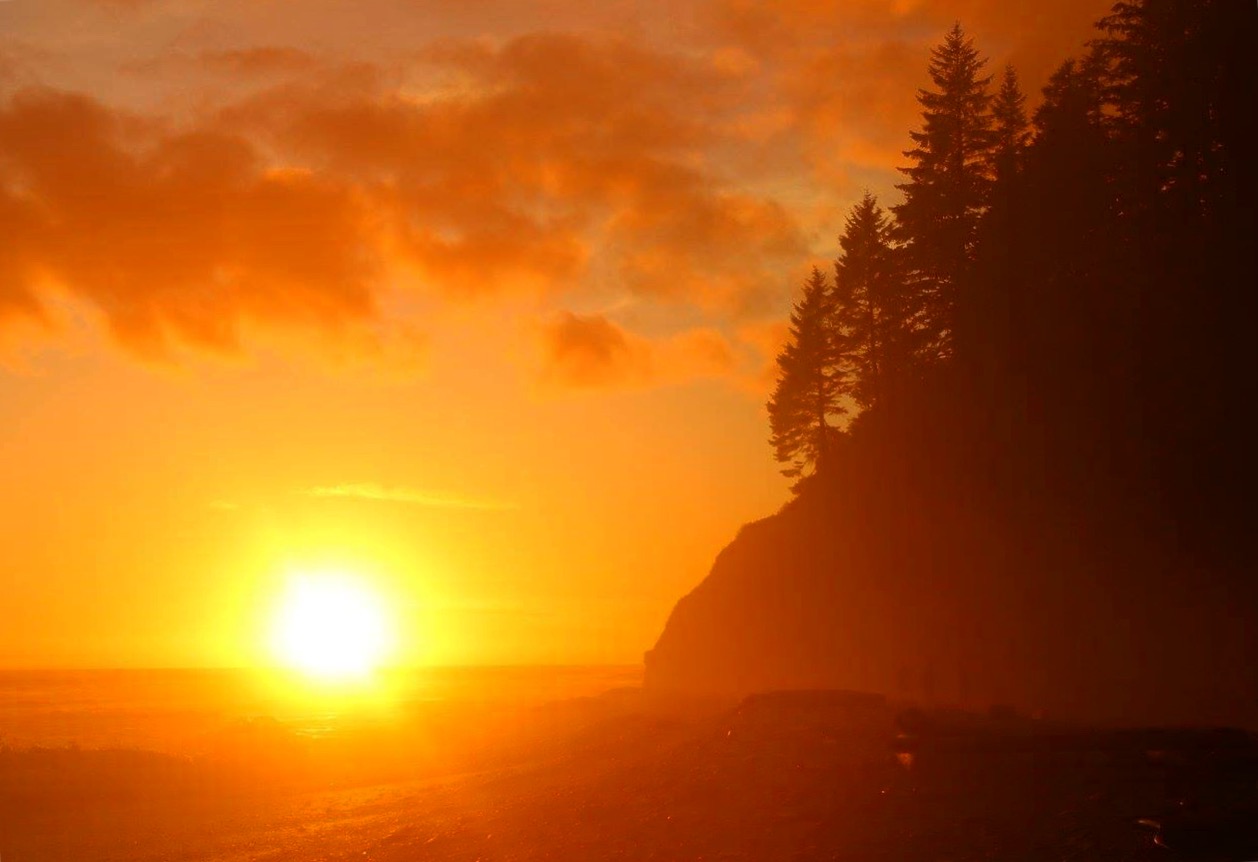
The sun came out for a last show of setting light and glow.
Day 7: Push your limits
Darling Creek to Pachena Bay- 14km
We rose up to a moon crescent and a starry sky. It was 4am and we had a big day ahead of us. We couldn’t miss our shuttle in Pachena Bay back to Gordon River, and considering our slow pace, we had to have an early start. We poured the Bailey’s we kept for that morning into our coffees. I don’t know if it was the caffeine I didn’t have in a week, or the small dose of alcohol in my body, or a sudden boost of stamina on my last day, but I felt awake and energized. I knew I had to push myself even more today than the others. I had to, and I would. I was committed to accomplish this hike with bliss.
The first couple of kms were on the pebbled beach. We arrived at the other camp where everybody were still snoozing. We tiptoed through the tents and took the trail inland, making our way through the forest in the darkness of dusk.
This last stretch was the easiest of the whole trail, and we crunched distance like superheroes. I didn’t let my back, nor my blisters, nor my aching knee, nor my exhaustion discourage me. I was in such a mindset to push and keep going that I couldn’t feel anything anymore but my mind taking over my body. I was in a state I haven’t been in while, pushing myself well beyond what I thought were my limitations. I became numb to my pain, and felt the exhaustive exhilaration of pushing myself to my limits, with a burning desire to make it to the end.
We travelled 14km in less than 3 hours. And then there it was, the end. We have arrived.
We did it.
We signed off and unloaded our packs from our backs. We took off our shoes and our gaiters. We were the first ones of the day to complete the hike, and we had 4 hours before our shuttle. So we took the trail that headed to the white sand beach.

Humbled and blissed
The coastal trail had humbled me. I was brought into the flow of life, embracing the immense beauty and magic of each moment. I had pushed myself further that I’ve gone before, and discovered a strength within that assured me that I could achieve anything I set my mind to.
The WCT reminded me the importance of setting ourselves goals, pushing ourselves out of our comfort zone, challenging ourselves to take one more step, running when we can’t walk anymore. By physically and mentally pushing ourselves, we discover that pain and exhaustion lead to incredible feelings of joy and success.
Life is about choosing our own path, taking risks, embracing uncertainty, taking the unpredictable turn, falling down, getting up, and never giving up when the road gets tough. We are stronger and greater than we think, and are capable of anything we set ourselves for. As long as we keep moving forward. As long as we have the right mindset and are not afraid to cross the creek and get wet.
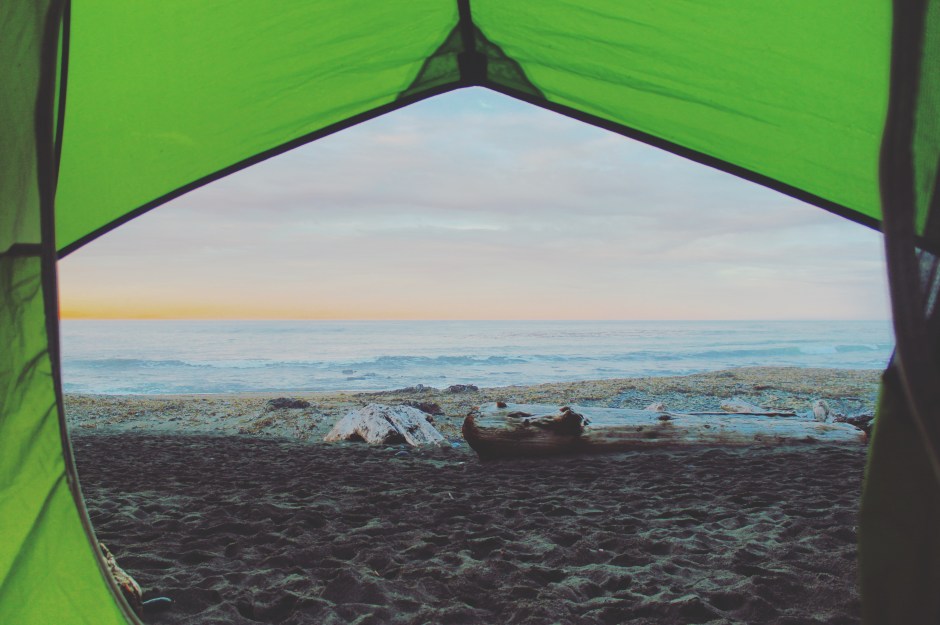
Follow our steps in this short video as we tackle the West Coast Trail.

I decided that I wanted to live a life doing the things that I love, and only work to be able to pay for the things that I need. And okay, a few things that I want too. I work a 4-day-week, and I take about 2 months or more of vacation a year. I don’t owe any debt, I have some savings, and I have all the time I need to do the things I love. The secret? I don’t own much, and I don’t spend much.
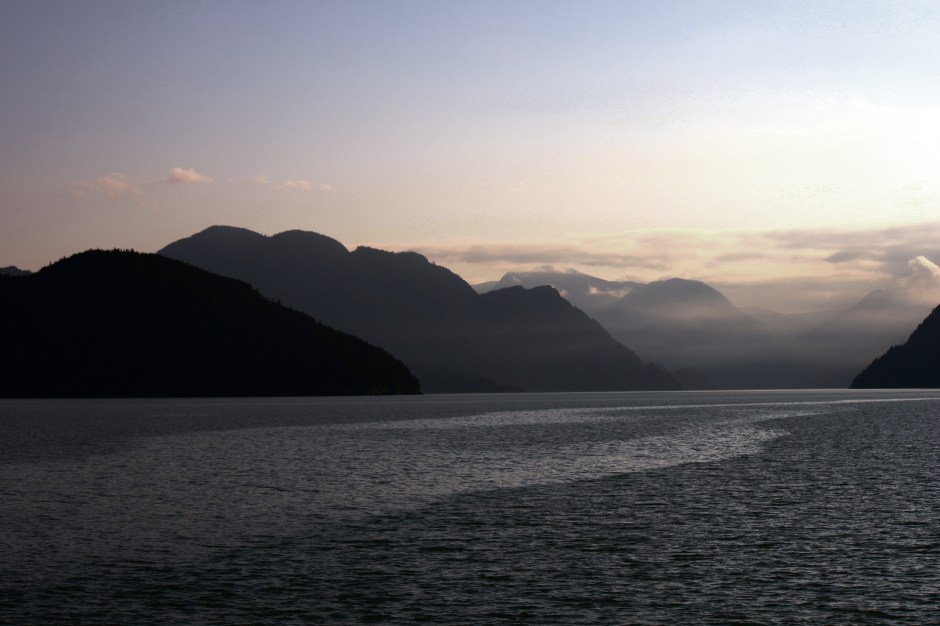
An army of cars filled with vacationers carrying summer toys such as mountain bikes and leisure crafts tied atop their roofs hurried north on the Sea-to-Sky highway towards the recreational town of Whistler. As for us, we drove south on the empty lane heading to a secluded island. Boat tied up behind the truck, trunk glutted of camping gear, food and drinks and off we were to the ocean on a beautiful Saturday morning.
The gleaming and opaque turquoise waters of the fjord of Howe Sound screamed attention when we arrived at the boat launch. The clouds amassed around the mountains aground and a blue sky slowly appeared above the water, behind strings of white veils. The south breeze brought a moist and salty feeling to my skin. We cruised west on the ocean, reaching the beautiful islands of the coast. A white seagull glided above. My dogs, ears flapping in the wind, held tight in the front bow as we cut through the surf.
The islet was a pure treasure: a rocky landform erecting from the ocean, away from traffic, everyday chaos, buzzing cars, duties and responsibilities, home to only birds and bees, wildflowers and trees.
I stood on the edge of the sun-warmed rock, facing the waves crashing below. Two dark birds with orange beaks chirped at me, possibly guarding a nest of eggs nearby. A couple of curious sea lions fishing for Spring salmon spied in my direction while circling the island, dark black eyes and shiny noses above water, whiskers tickling the air. Sometimes they roared at each other, playfully leaping and porpoising through the water.
It was so quiet and peaceful. I could only hear the melody of the ocean breeze through the trees, the waves passing by, the birds chirping and the sea lions splashing. It’s almost as if I could hear the clouds whispering. I closed my eyes and raised my snout to the sky. I inhaled the incoming tide and took deep breaths of fresh salty air. I felt my respiratory tracks opening, my lungs expanding. I sensed the ocean water slicking my face, humidifying my hair. I tasted the aroma of the sea deposited on my lips. The seaweed and small shells under my feet felt gooey and sharp, but as soon as I dipped my toes in the ocean water, I was relieved of all pain and worries.
I felt that I was right where I was supposed to be. In the midst of an incomprehensible wild beauty, amongst mountains and sea. It was like a perfect dream, the one you never want to wake from. But it was my reality, happening right at that moment, and I fell deeply in love with it. It was raw, it was pure, it was terrifyingly beautiful.


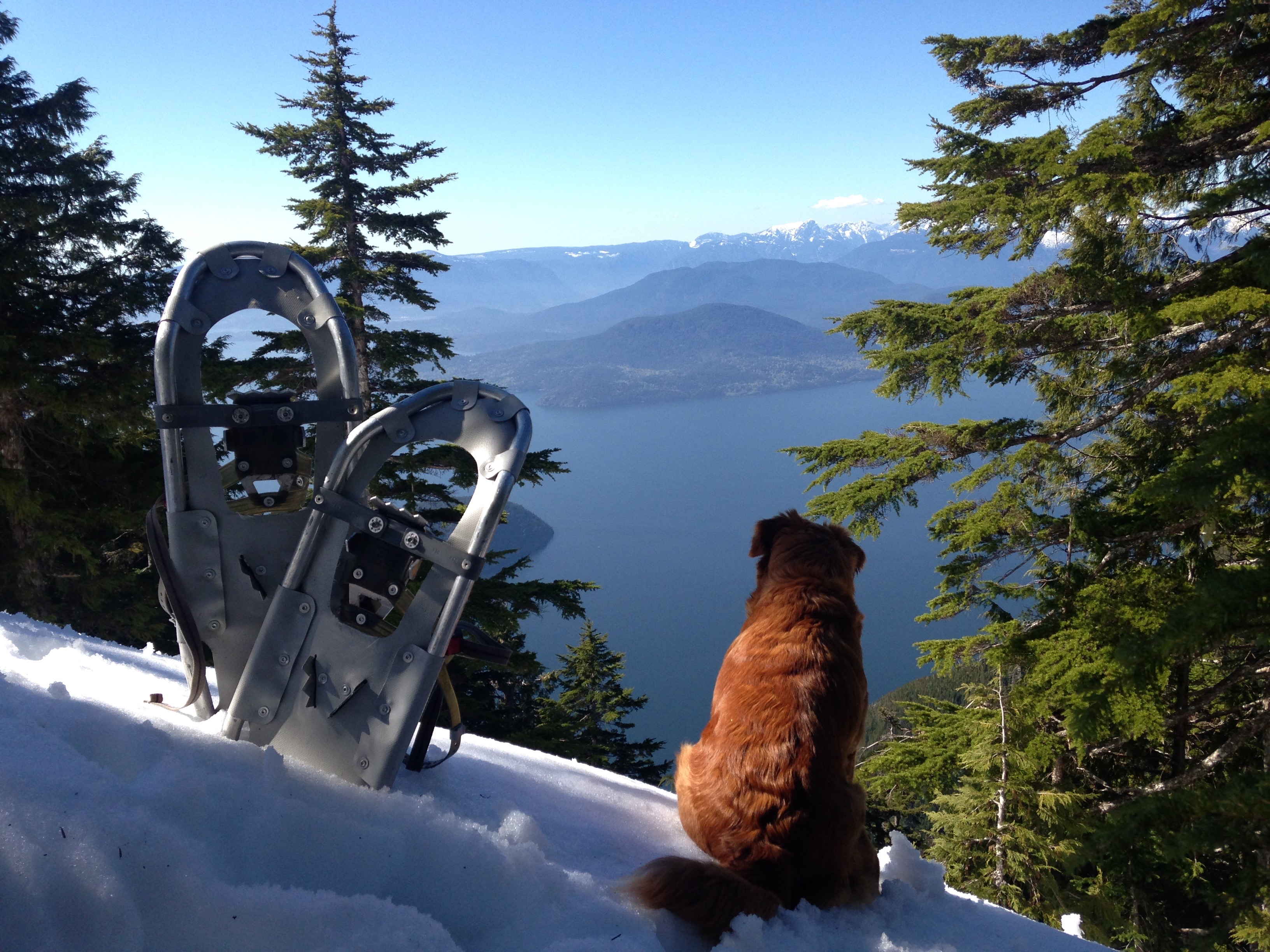
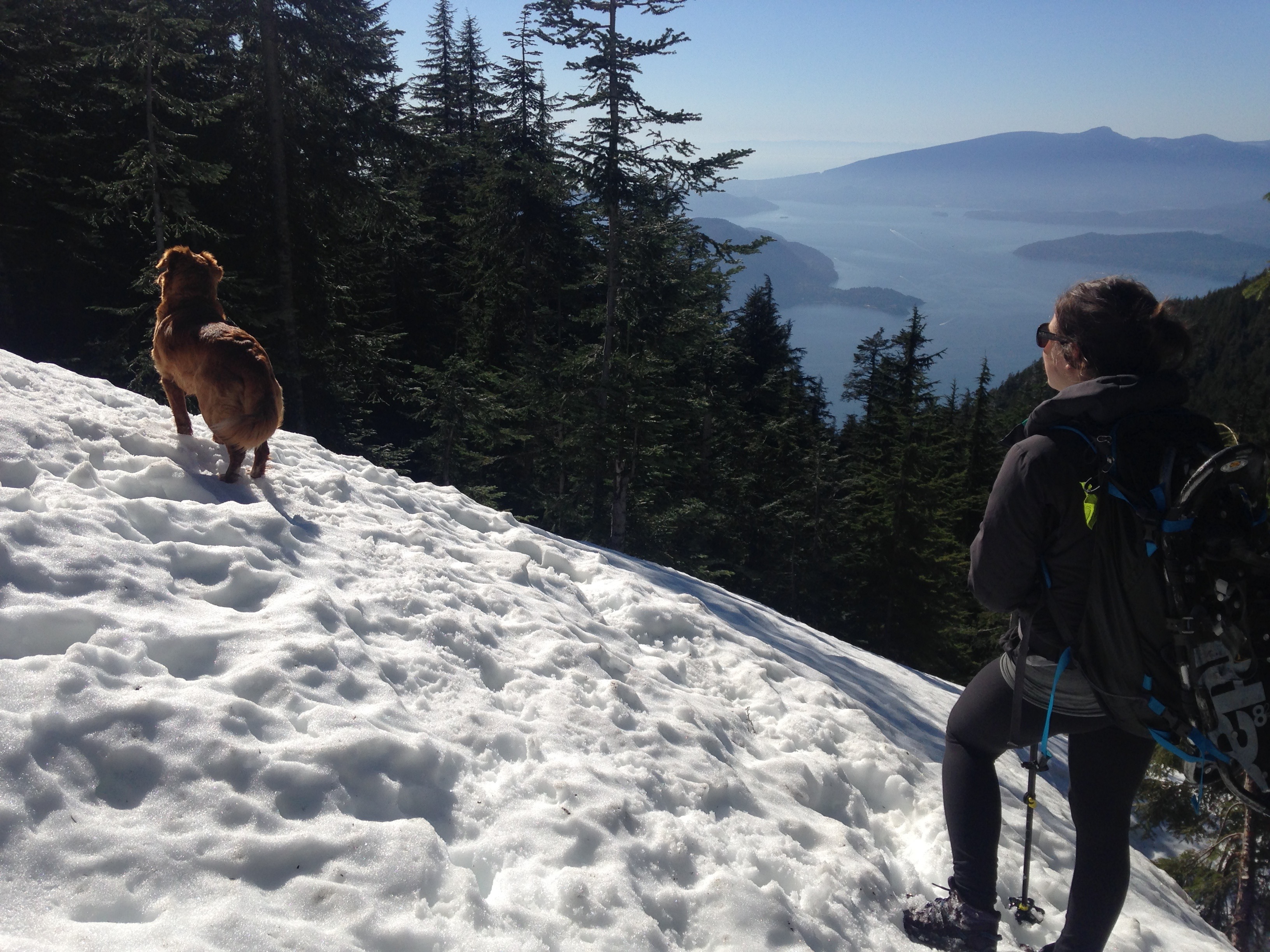
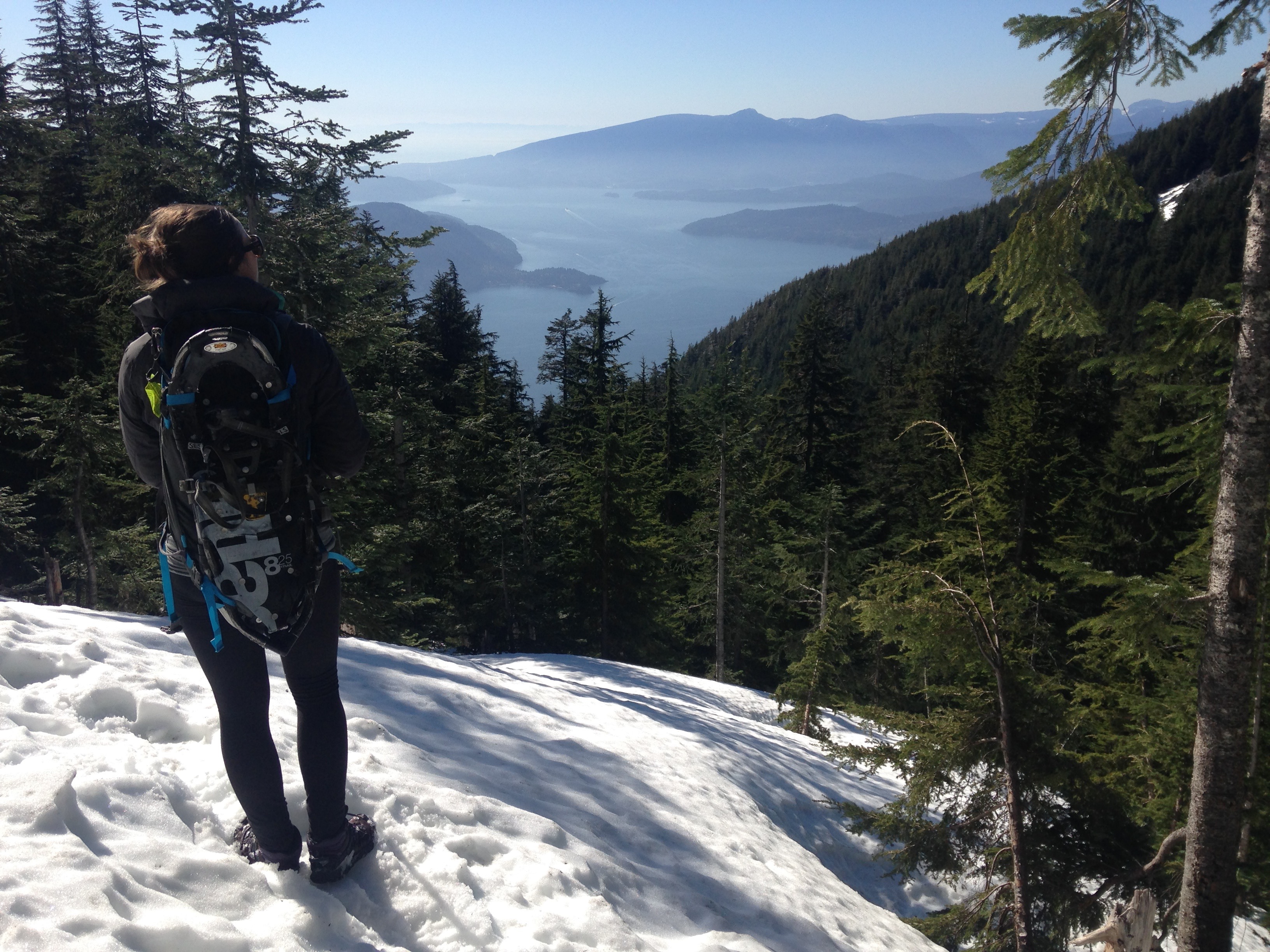
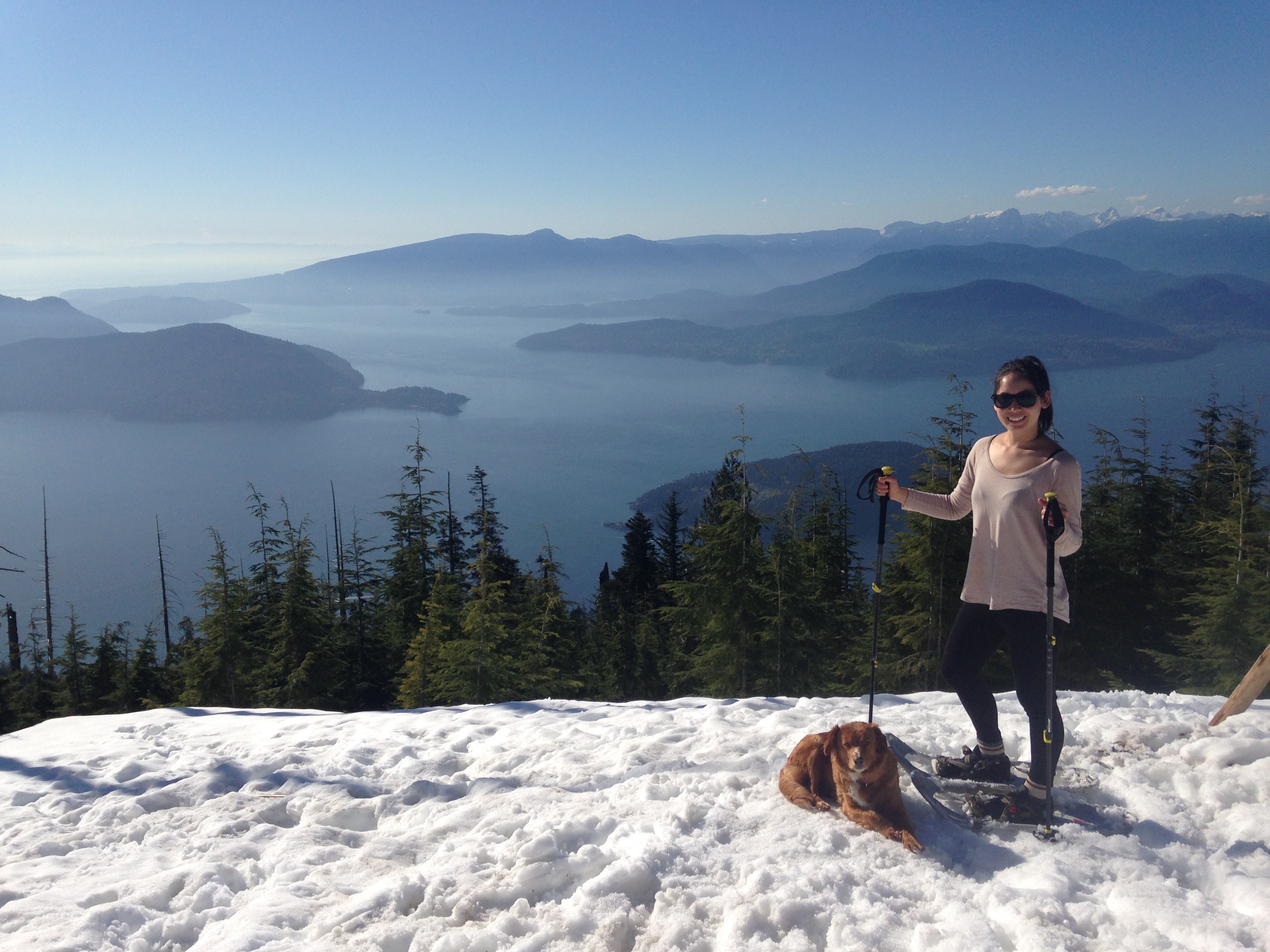
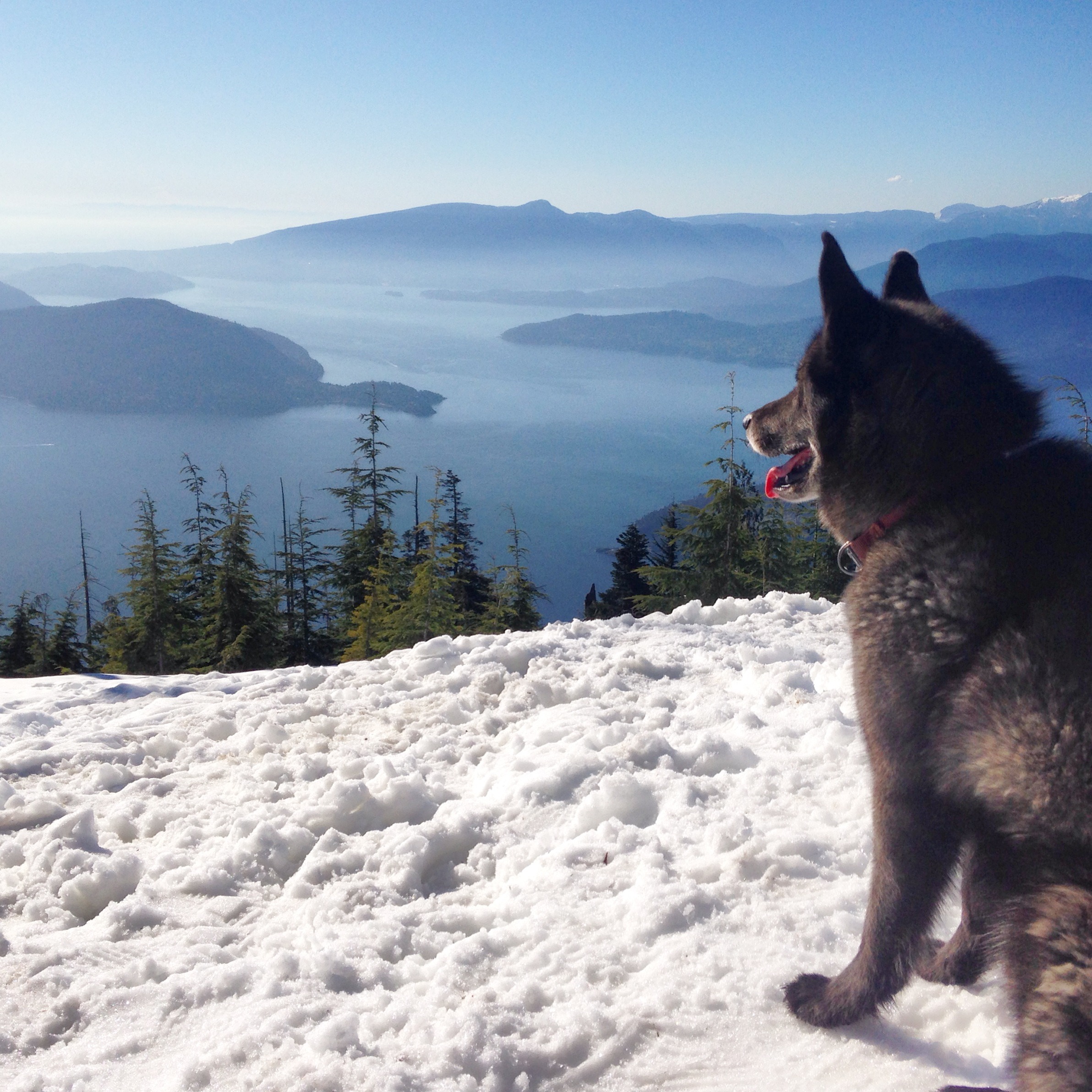
Photos taken during our hiking trip to Howe Sound Lookout.






I was 7 years old. I sat on the staircase of my apartment building where I lived with my mother. I gazed through the window in front of me, pondering the ‘why’ and the ‘how,’ attempting to define the meaning of myself: Who is this person inside me? Why do I think this way? Why do I act like that? Why do I feel this way? At such an early age, I already had a profound interest in existential philosophy, although I lacked the knowledge and experience to answer many of my questions. There was a constant hunger for more knowledge, a need to fill the void. I would ask my mother, ‘Who am I?’ She would reply, ‘You’re my daughter. You are Capucine, and you are 7 years old.”
As I transitioned into adulthood, that sense of being different remained, though the reasons behind it remained elusive. Even though I cherished my strong circle of friends, I continued to seek refuge in nature, in tranquility, in wide-open spaces—drawn to something I couldn’t fully grasp at the time…
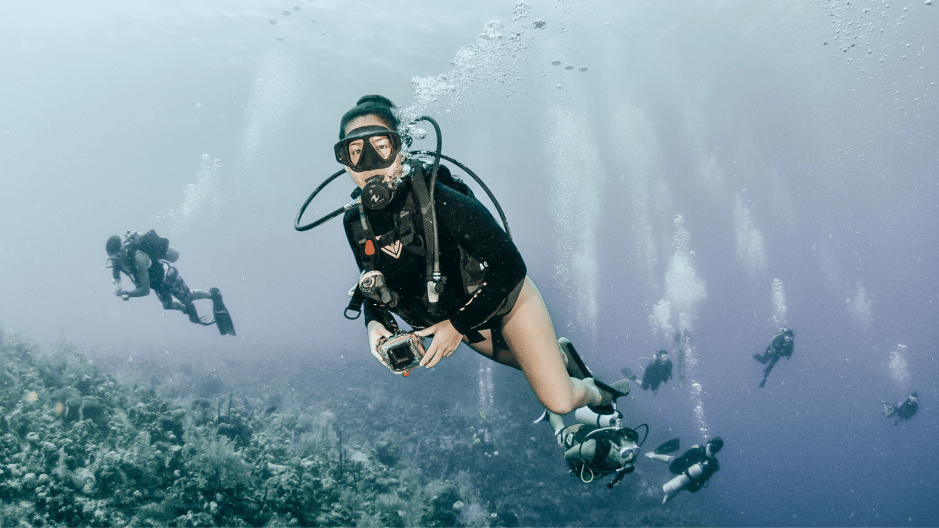
When I started travelling, adventures and experiences became the predominant way of life for me. It was during a trip to Panama that I decided to become certified for scuba diving. I learned to dive in the natural pool of the ocean. While at the water’s surface, I had some apprehension about what lay beneath, but as I descended into the ocean, I felt an unusual sense of security. It was like floating in space, entering an undersea world where worries and efforts dissolved into the void.

In the ocean’s depths, I found myself far from the surface’s light, disconnected from the reality I knew, and immersed in the darkness of the deep. I felt a profound sense of selflessness. There was something extraordinarily special and unique about diving that piqued my curiosity. I yearned to return to the underwater realm, to explore that state of mind I had discovered.
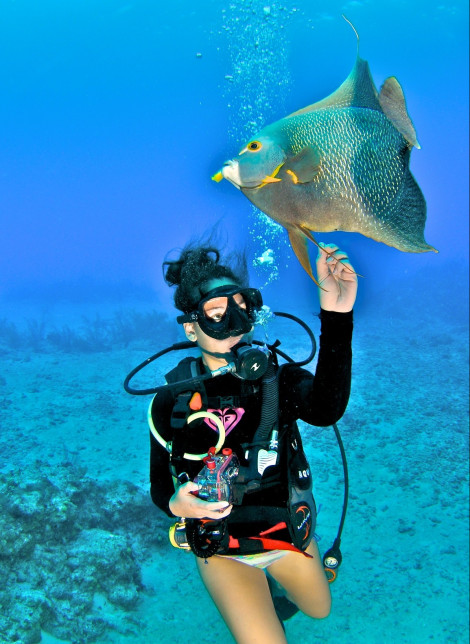
When I moved to the Caribbean, I had the privilege of being surrounded by one of the best diving playgrounds in the world. I seized the opportunity to dive frequently. Each dive held its own surprises, secrets, poetry, and romance. Yet, it wasn’t solely about encountering a shark, an eagle ray, or a moray eel. It was a chance to completely detach from the world and from my own self. Diving represented a disengagement from my daily reality, a release from all worries, and a shedding of worldly desires. Above all, it allowed me to let go of doing and embrace a state of pure being.
While breathing underwater, I’ve never felt so disconnected from my conventional perception of reality, that persistent illusion of life at the surface. Yet, this void, this unconsciousness I encountered underwater, paradoxically brought a profound consciousness into my life. I became acutely aware of my breathing, my surroundings, and every minute detail that surrounded me. In that state of void, I found myself filled with blissful awareness. It wasn’t just an awareness of my body and the existence of my mind, which I had pondered since the age of 7; it was also an awareness of my soul, my consciousness.
I noticed the vast openness, the emptiness that allowed all things to exist. I came to understand that you can’t have something without nothing, just as you need emptiness to perceive solidity, a background to appreciate contrast. By emptying myself, I allowed the ocean to fill me in. I became intricately connected with the elements—I was the ocean, the fish, a part of it all. That was my reality.

Living life one breath at a time. Each inhalation purifies my mind, and each exhalation liberates a worry. It clears my mind, ridding it of contaminated ideas and thoughts, leading to a return to the mind’s intrinsic purity and emptiness. In those moments, nothing else in the world matters except for breathing and being.
Breathing underwater is nothing like our daily life at the surface. It’s one deep and leisurely breath at a time. There’s absolutely no rush because, if you hurry, it can be fatal. So, is life at the surface all that different? Why are people rushing so much on Earth? Where are they trying to go when it may not be a quicker journey to their final destination?


Many people fear nothingness and view emptiness as a negative state. Just as some find scuba diving boring or lacking in thrill, their reality is shaped by their own concepts and influenced by a culture that emphasizes constant busyness, effort, and a relentless pursuit of ‘better’ and ‘bigger’ for a sense of self.
Yet, at the core of reality lies nothingness. When one experiences the true essence of nothingness, it unveils the meaning of everything. It offers clarity, making room for new choices and opening up a world of possibilities, as the void is fertile and brings forth new things.
Scuba diving not only allows me to marvel at the simplicity of nature and the grandeur of the ocean but also bestows upon me blissful awareness, clarity, happiness, and peace. It enables me to rest in the stillness and tranquility of my being, to connect with my surroundings and the elements, and to rediscover the essence of who I am and who I aspire to be in this world.

“There is no bad weather, just inappropriate clothing.”
-Ranulf Fiennes
Some people tend to find inconvenience under atmospheric precipitation. They fear to get wet, to get cold, to soak their hair, to ruin their makeup, to get lost in the fog, or to be drown in sadness. Of course I am not talking about getting outdoors during a severe natural disaster. I’m insinuating getting outside and benefitting from the fresh air while the sky is grey, the temperature is chill and raindrops fall from the clouds. We don’t need to be kids to fill in warm clothes, a waterproof jacket and rubber boots. Adults can also find amusement in jumping in puddles and mud under a drizzle or a heavy downpour. At least, I do. I enjoy those simple pleasures and as childish as it sounds, it makes me happy: It makes me present in the moment.
February has been a rather rainy month in the Sea-to-Sky Corridor with chill winter air sweeping through the valley. Warmer days are in the forecast, and since spring is around the corner, with unpredictable weather, it’s important to remember that it is not a rainy winter day that should cancel our outdoor adventures. I made a list of 5 free winter outdoor activities you can do in the Sea-to-Sky Corridor on a rainy day :
Chase waterfalls
The Sea-to-Sky Country offers 5 stunning waterfalls: Shannon Falls, Brandywine Falls, Alexander Falls, Rainbow Falls, and Nairn Falls. Most of them are just a short hike from the parking lots, allowing you to wind through magical and impressive rainforests before accessing impressive rushing and crashing cascades. There is nothing I like more than walking through a forest under the rain. There is something so soothing about the sound of the rain falling through the tall trees, the freshness of the air and the scent of the earth soaking every drop. There is something so relaxing and purifying about standing at the bottom of a waterfall, breathing the pure air, and feeling the mist of the water pouring vigorously in front of us.
To know more about the waterfalls, visit: http://www.whistlerhiatus.com

Go eagle watching
Squamish welcomes a significant number of wintering bald eagles from all over the Pacific Northwest each year. They congregate along the Squamish and Cheakamus Rivers to feed on salmon carcasses. It is a great spectacle to observe them perched in the trees, or flying gracefully above the water. The large gathering of eagles is prominent from December to March.
To know more about eagle watching in Squamish, visit: http://www.exploresquamish.com

Soak in the hot springs
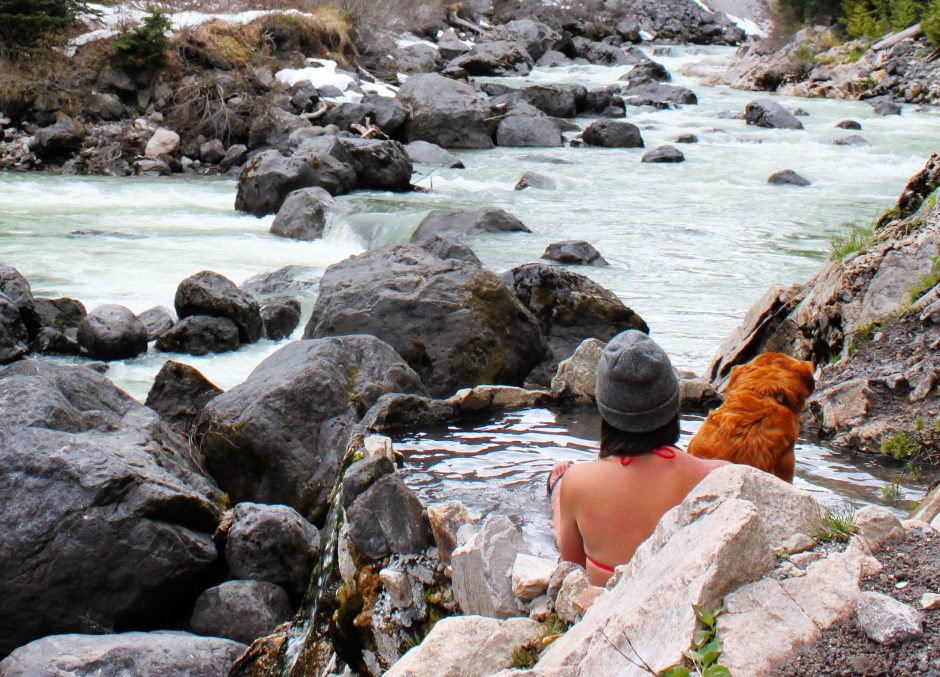
We are spoiled with two incredible, natural and road-accessible hot springs. Key Hole Hot Springs are found 100 km from Whistler, down Pemberton Meadows and up the Upper Lillooet Service Road. Sloquet Hot Springs are located about 142km from Whistler, and most of the drive is on the In-Shuck-Ch Forest Service Road, a gravel road along Lillooet Lake (be aware that snow might cover the road up to Sloquet. Watch the road conditions before you head up). What’s better than to soak in the warmth of mineral-rich pools, tucked into the wilderness, while the rain falls over your head.
To know more about the hot springs, visit: http://www.whistlerhiatus.com

Bike the trails
If you have a cross-country bike, you are up for a treat. The Sea-to-Sky Corridor has an extensive trail network to explore, rain or shine. Squamish has the best spots to bike in the winter, due to its lack of snow at lower elevation. While mostly sheltered by the thick trees, you can find challenge in pedaling up and down muddy and wet surfaces. There is something cleansing about biking under the rain through the rainforest. A sense of pure joy and freedom.
To know more about the Squamish off-road trails, visit: http://mountainbikingbc.ca

Walk a dog
If you can’t find any friends willing to embrace the rain with you, why not drop in at your local shelter and see the possibility to walk a dog? Dogs don’t complain about being wet or cold. They wear the warm fur and will wag their tail at the idea of playing in puddles and mud with you. Not only does it allow you to get outside and get some fresh air, but you are also helping a furry friend to stretch its legs. Dog shelters welcome responsible dog lovers to apply as volunteers and drop in to take a dog for a walk.
To know more about these services, visit: Whistler Wag, Animal Control and Pound, and SPCA.

So next time you see the rain, dress properly, wear the right attitude, and embrace the weather. Trust me, bad weather often looks worse from a window. So get out there and get wet!

 Footloose Diary