I have been adventuring a lot lately, discovering dirt roads, camping new grounds, surfing new waves, hiking new peaks. But this time, for my friend Julie’s birthday, I decided it would be nice to get a little less dirty, and a little more sassy.
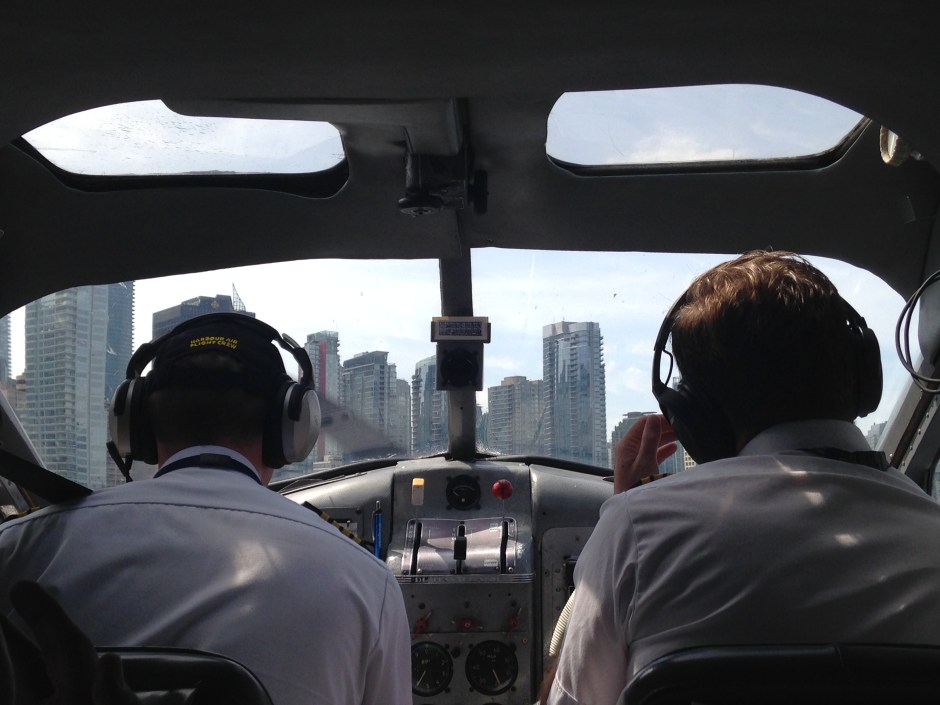
Starting off the day with a scenic flight to Vancouver from Whistler aboard one of Harbour Air‘s float planes, seemed like the ideal start to a day of indulgences. So on Saturday morning, after breakfasts of delicious omelettes and mimosas on the patio of Table Nineteen, at Nicklaus North Golf Course, we boarded our Beaver aircraft.
We took off from the calm glacier-fed waters of Green Lake and flew over the town of Whistler, hugging the mountains of Whistler and Blackcomb. As we ascended in a cloudless sky, we noticed below the familiars: the lakes we swim, the trails we hike, the roads we drive. I even spotted my house!
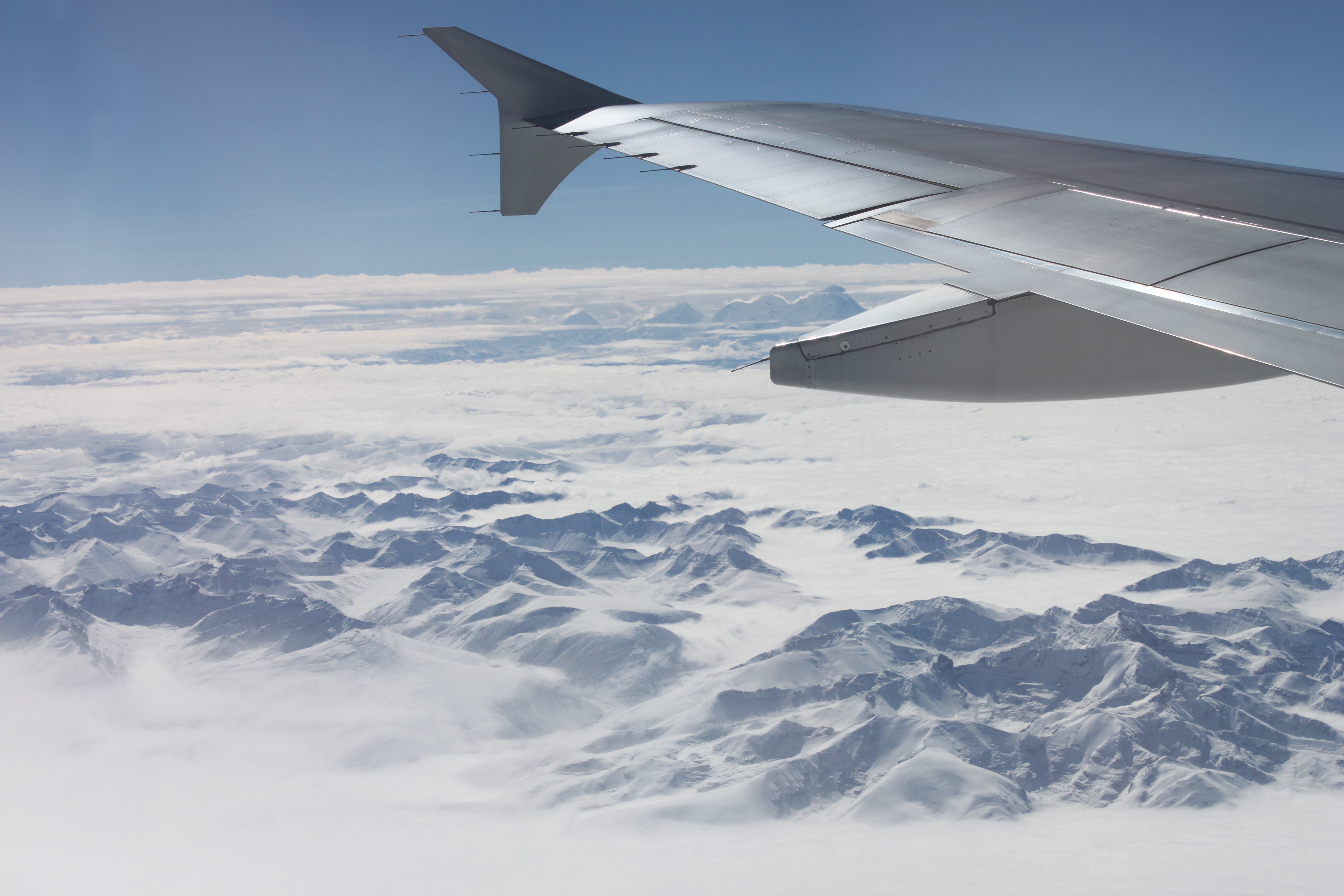
We were left in awe and wonder as we aviated over the Garibaldi Range of the Coast Mountains, flying up close to the mighty Black Tusk, a pinnacle of volcanic rock erecting 2,319m above sea level.
As we travelled south towards the big city, we looked upon the magnificent Stawamus Chief, a granite dome towering over 700m above water. Ahead laid a picturesque image of the majestic Howe Sound.
We approached Vancouver, and admired the sailboats soaking in the sun in the Burrard Inlet, between the city and the North Shore Mountains. We commenced our descent in the downtown’s harbour, where we glimpsed at the spectacular Lions Gates Bridge on our right, and two massive cruise ships on our left, preparing to set sail to Alaska. Our eyes were pleased with splendors, and our hearts filled with joy and gratitude.
Once we landed in Vancouver’s downtown, we decided to rent bicycles and play tourists for the day. We pedaled around the famous Stanley Park‘s SeaWall, a 9km waterfront paved path, looping around the urban park. We paused for a quick refreshment where we made friends with geese grazing on grasses in the field.
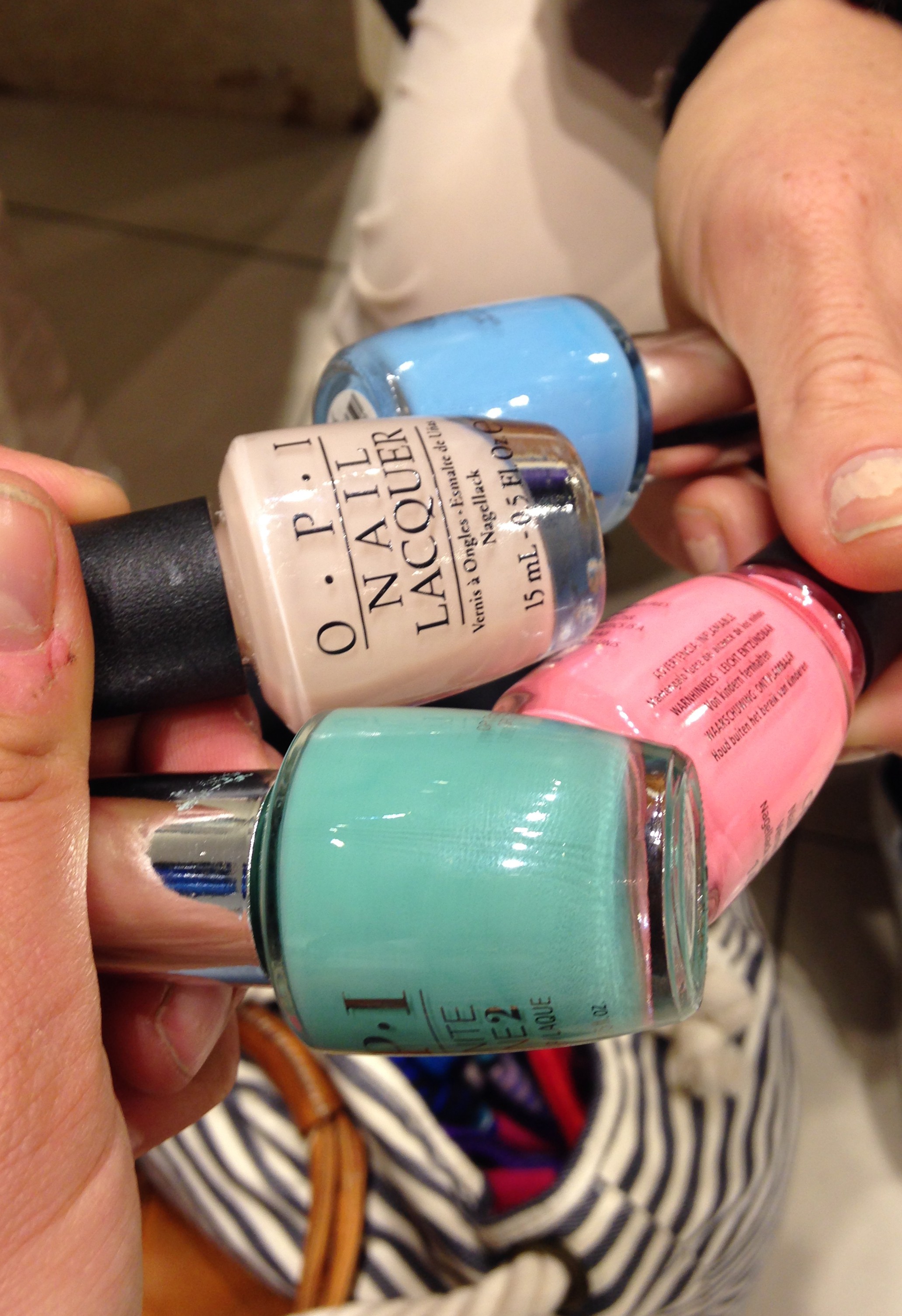
After a couple hours of cycling and wandering, it felt right to head to a nail spa to rest, relax and simply get pampered. We went to Robson Nail & Spa where we had “manis & pedis” while sitting comfortably in a massage chair and sipping on green tea.
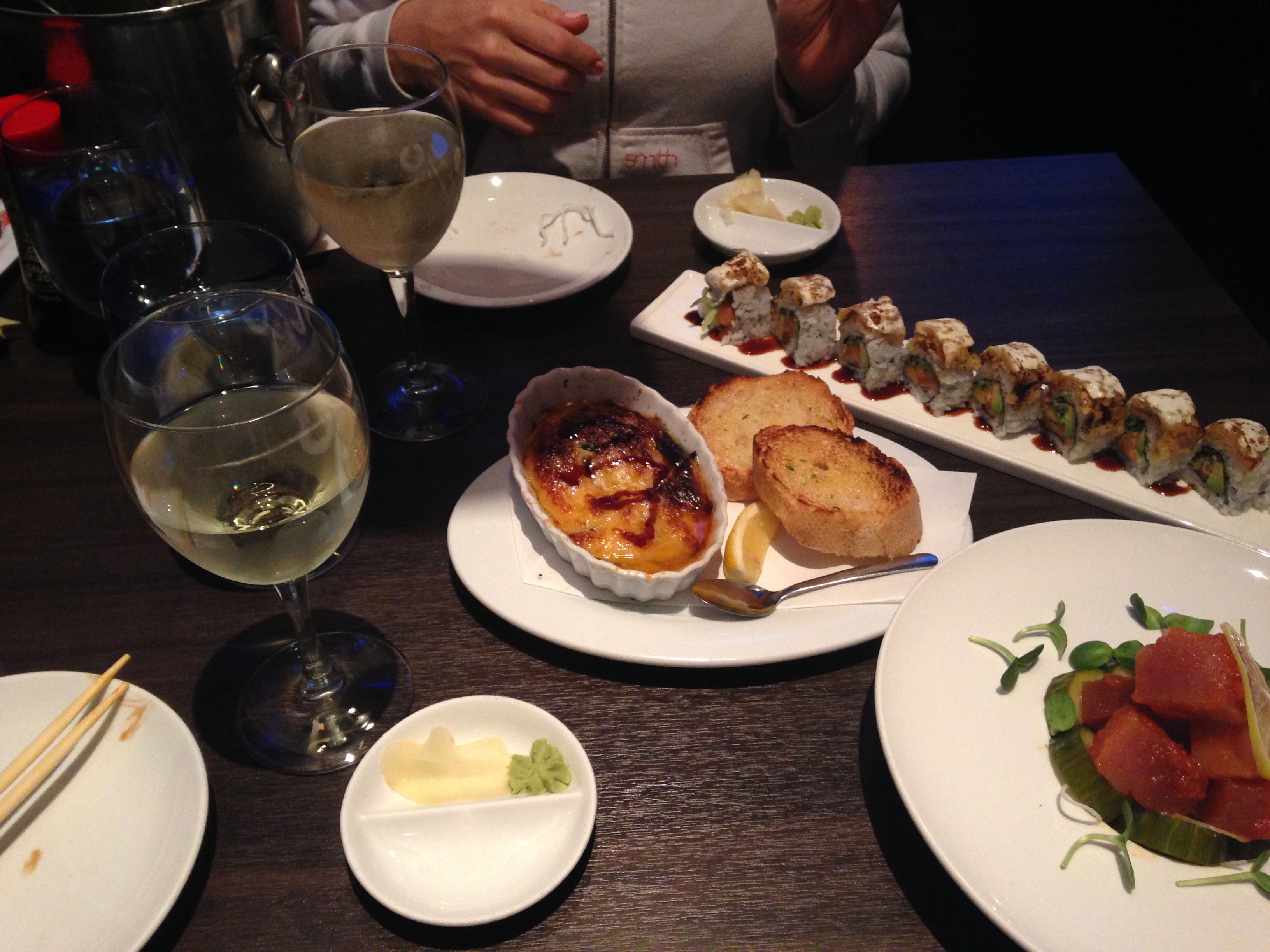
After our beauty treatments, we walked up Robson Street. We chose Ebisu for dinner where we splurged on delicious cocktails and wine and regaled on very unique sushis.
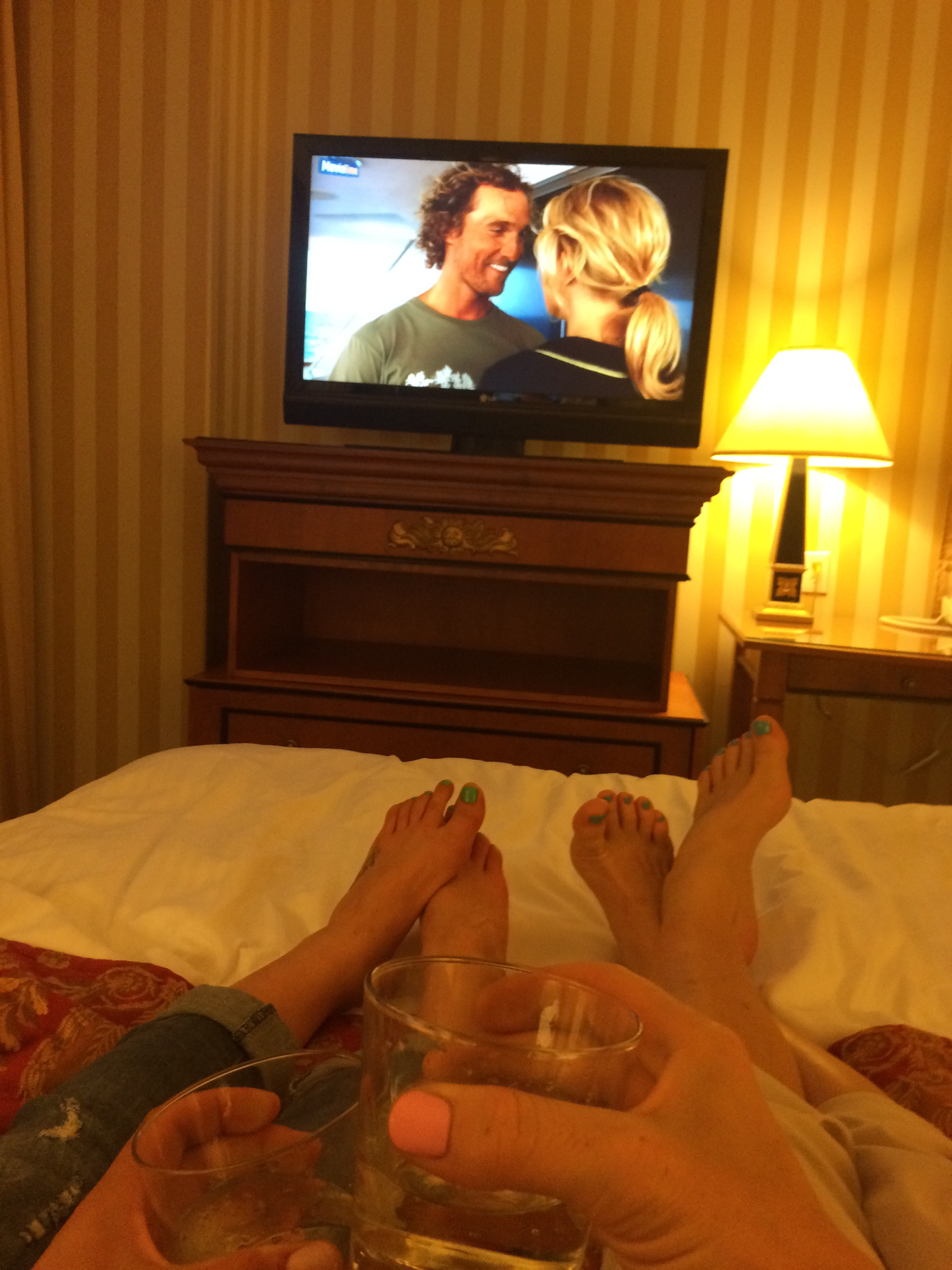
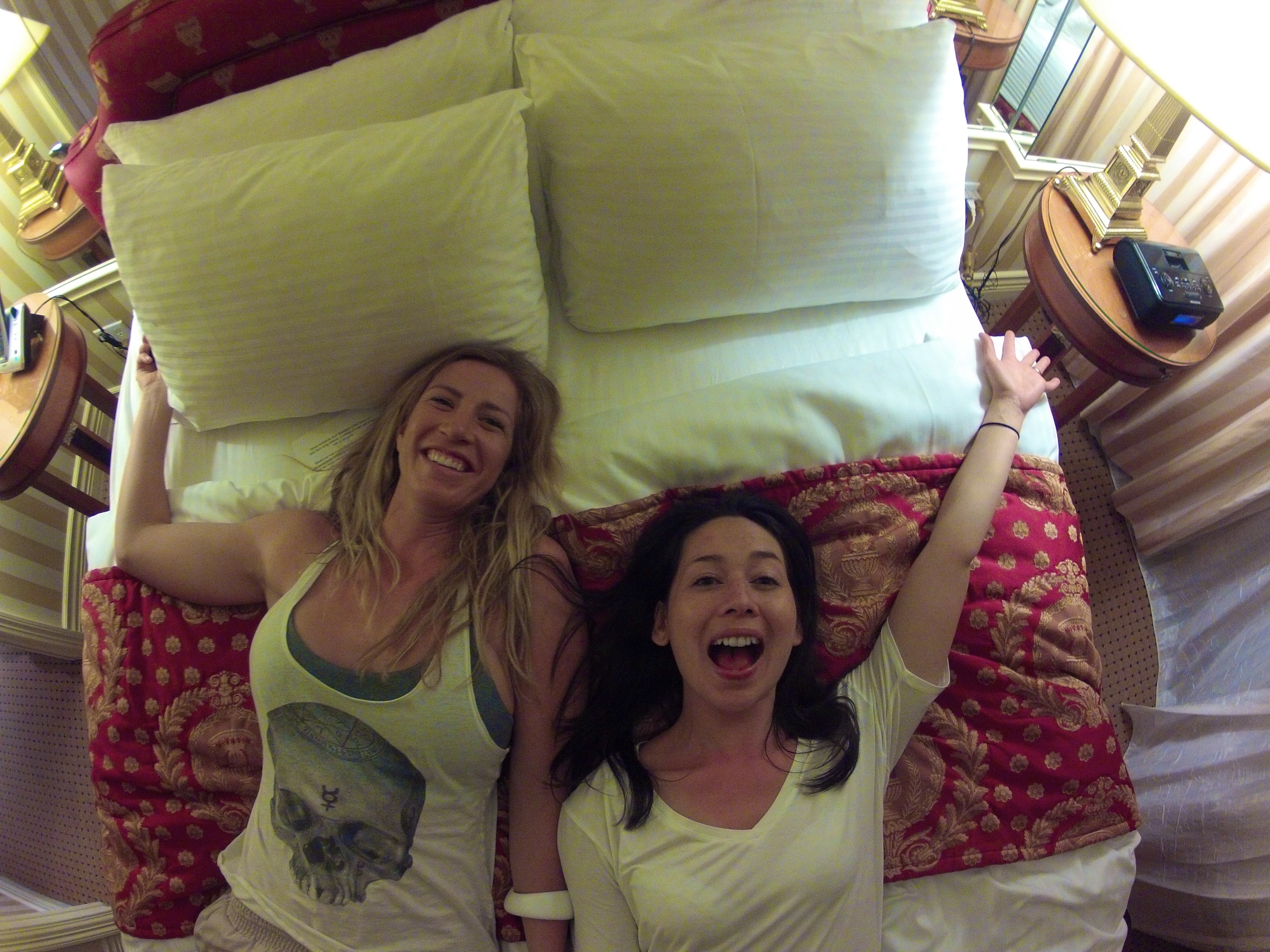
With our palates pleased and our bellies satisfied from a great meal, we headed to our hotel room at Executive Hotel Le Soleil, a 4-diamond luxurious boutique hotel located in the heart of downtown, a complimentary birthday gift from a friend of Julie’s. We popped champagne and cheered for a spectacular day of indulgences.
We live in a world where we tend to spend more time working than living, and find ourselves guilty of forgetting to take care of our own heart, mind and body. Never forget to reward yourself occasionally. Whether they are daily little pleasures, or sporadic extravagant expenditures, pampering ourselves allows us to re-emerge into our daily routines with extra confidence, boosted self-esteem, and increased energy. Not only does pampering enhance our inner glow, but it also makes us feel special and worthy. Every boy deserves to be spoiled once in a while and every girl deserves to feel like a princess from time to time. So go ahead and pamper yourself, not only because you deserve it, but because you are worth it!
When the adventure is calling, you need to listen. Whether it is the wanderlust kicking in, a thirst for an unusual experience, or an immediate urge to escape, adventuring is the best way to disconnect from your daily routine, and reconnect with yourself.
This week, Julie and I decided to leave the Vancouver Coast & Mountains and drive north on Highway 99 towards the Cariboo Chilcotin Coast.
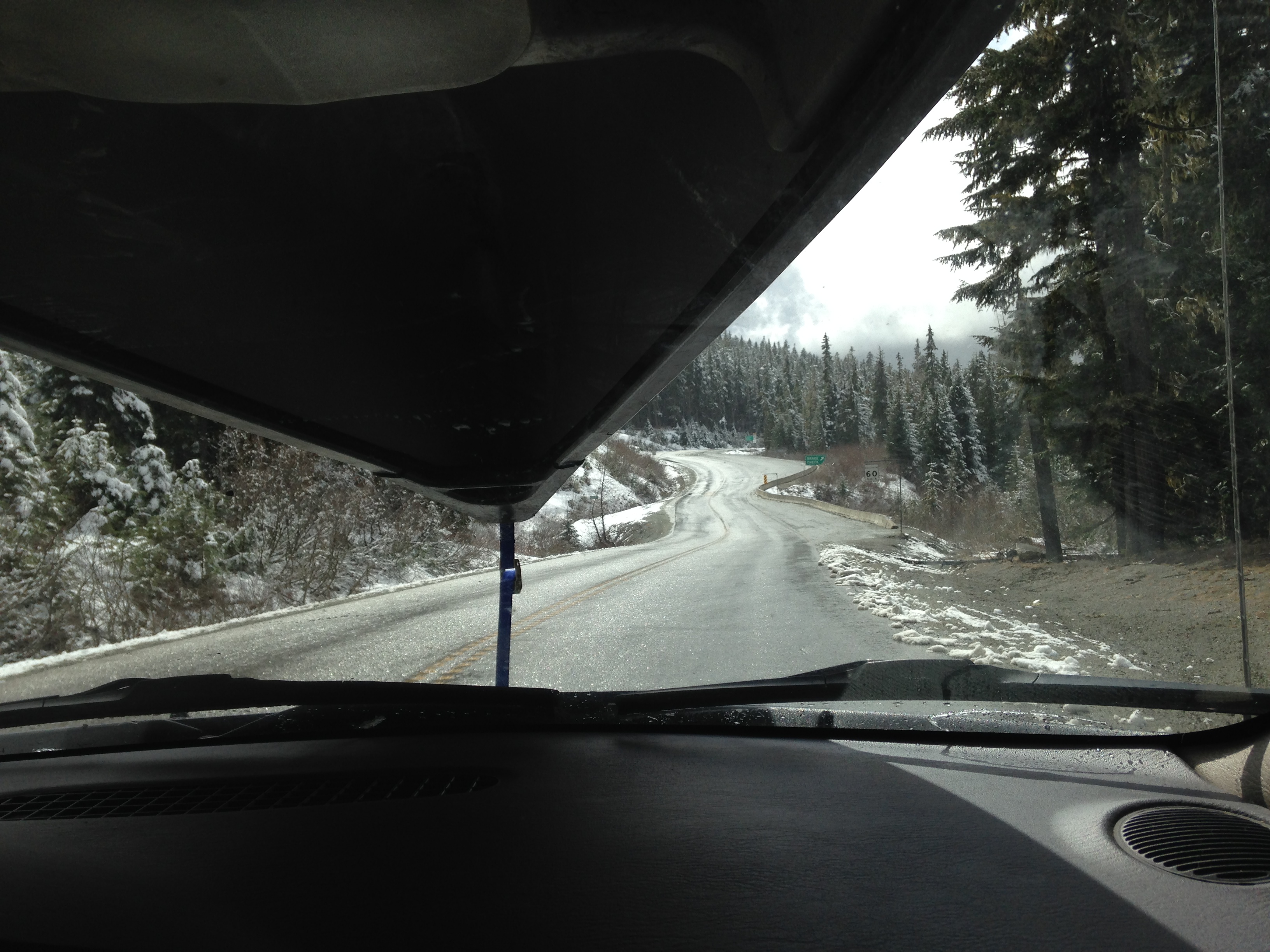
We left Whistler at dusk, with a car packed with camping gear and supplies, two excited dogs and a canoe strapped atop. We drove north on the open road with no fixed plans, just a map, and a snow storm in the forecast.
As we approached the pioneer village of Pemberton, we glimpsed at the sun slowly rising from behind the impressive peaks of Mt-Currie. The road carved through the indian reserve, following the Lillooet River. We drove along the shoreline of Lillooet Lake before climbing the winding Duffey road. We could feel the cool coastal air and noticed leftover snow glittering on the pavement.
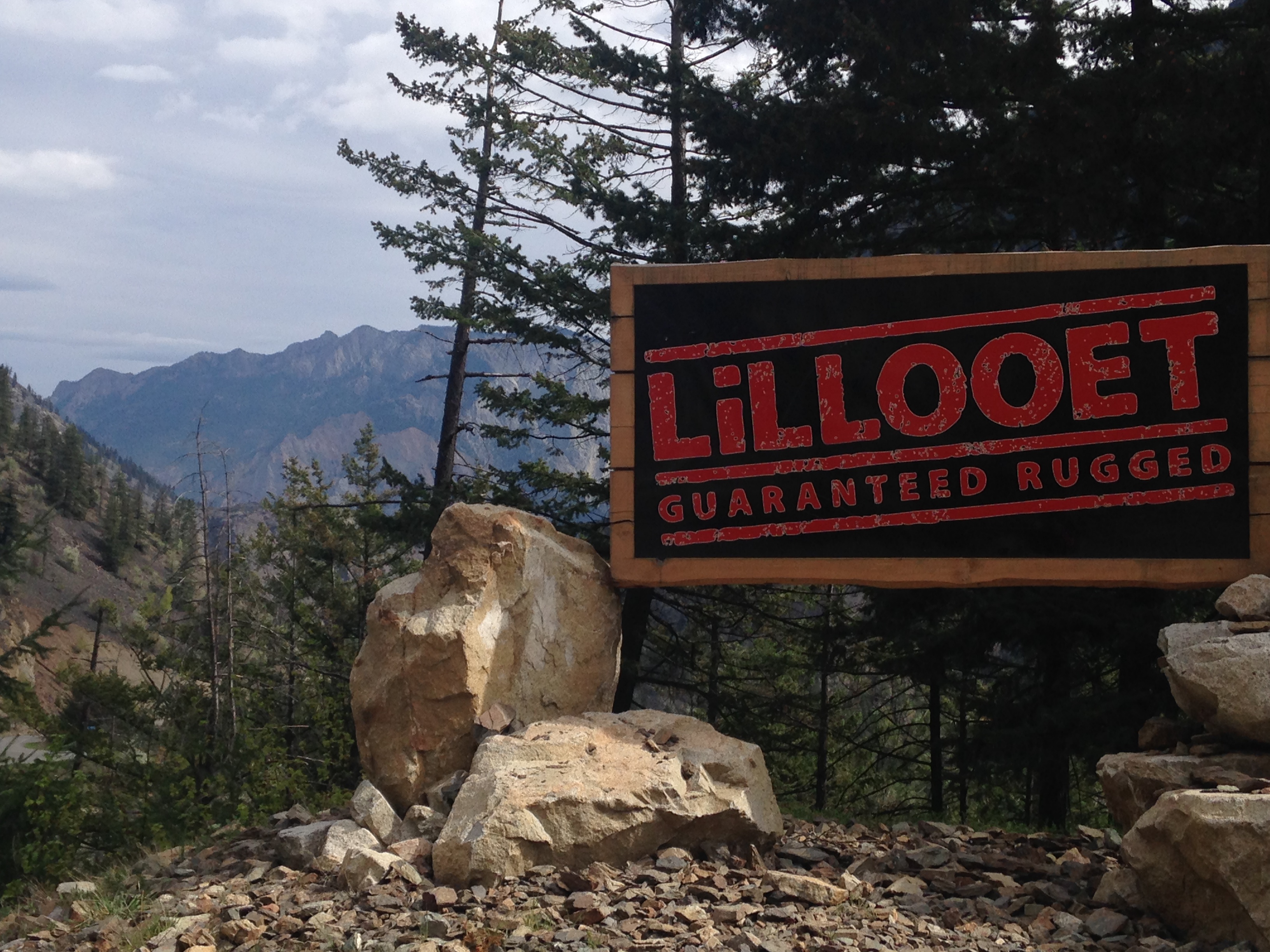
The road stretched through the southern boundary of the Cayoosh Range, with no signs of civilization, just nature resting quietly in cold air. We felt the air warming up as we approached the dry climate of Lillooet. We kept going on the rugged road meandering through steep cliffs and towering peaks.
On our left side, we perceived a splash of bright blue nestling in between majestic mountains. Seton Lake is a freshwater fjord on Cayoosh Creek, near the confluence of the Seton and Fraser Rivers. It stretches for 27km and is known as one of the deepest lakes in British Columbia. Seton Portage Historic Provincial Park is a popular recreational destination allowing its visitors to fish, swim, boat, and hike. The lake is also part of a hydro electric project.
We had a snack on the beach, allowing the dogs to stretch their legs. We contemplated the incredible blue hues of the glacial-fed lake and the majestic mountains framing perfect scenery.
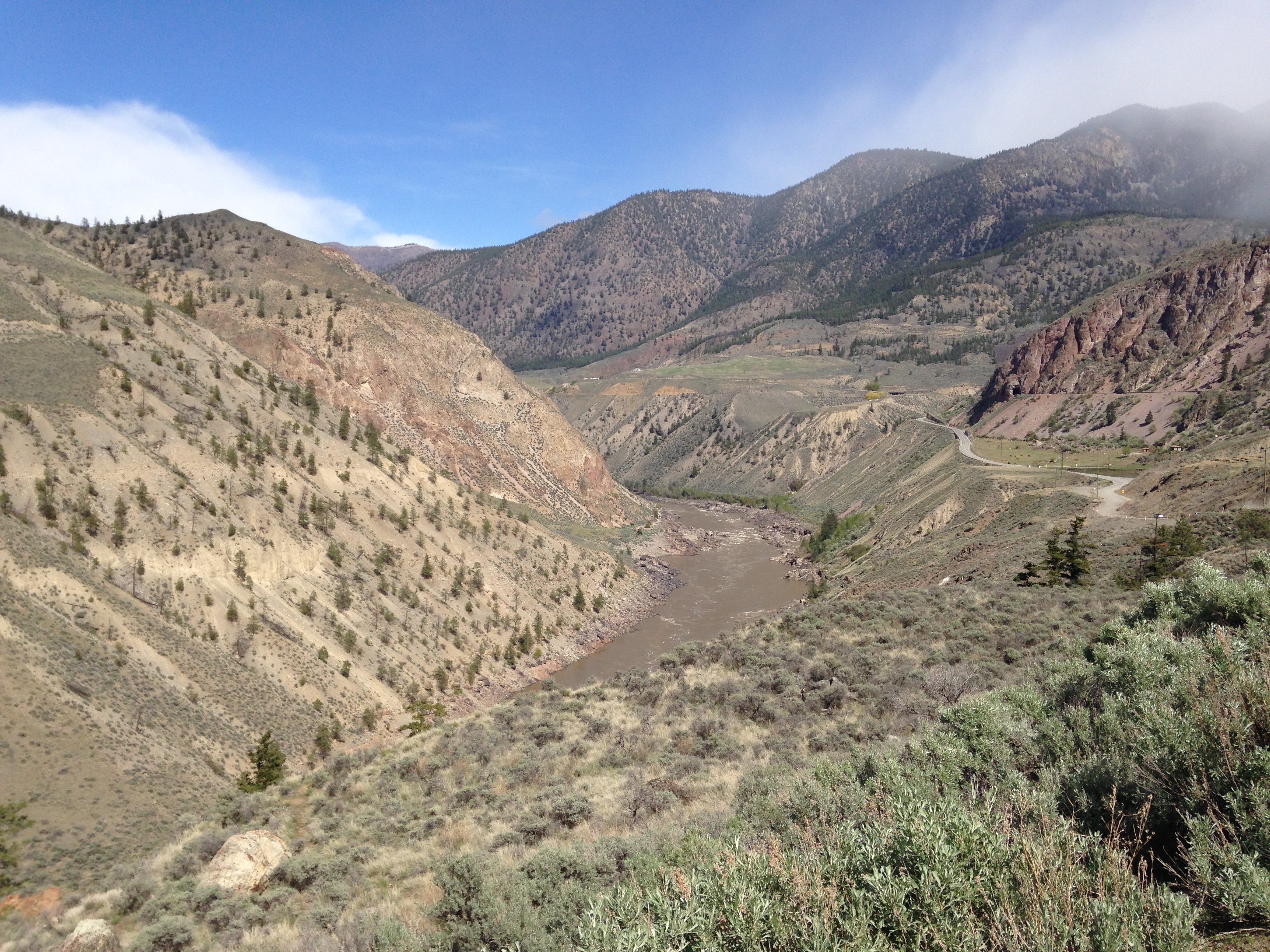
We pursued our drive up to Lillooet, a small community on the Fraser River, at an intersection of deep gorges. Rich in history and culture, this little town is also home to an abundance of wildlife, unspoiled mountains, lakes, and valleys.We continued through the Gold Rush Trail, driving along scenic panoramic views of wide benchlands and the mighty Fraser Canyon dropping abruptly through narrow rock gorges and flanked by high cliffs.
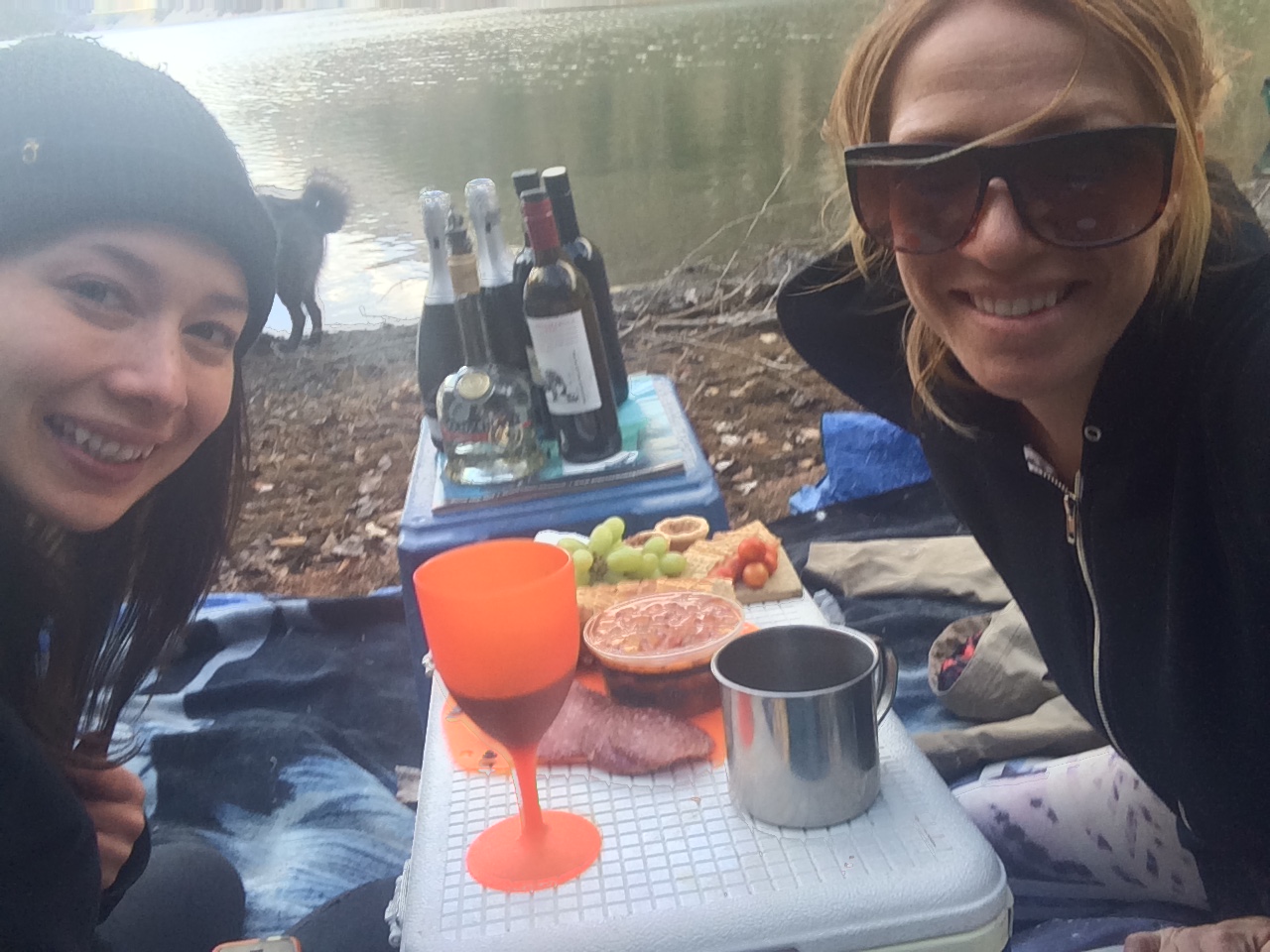
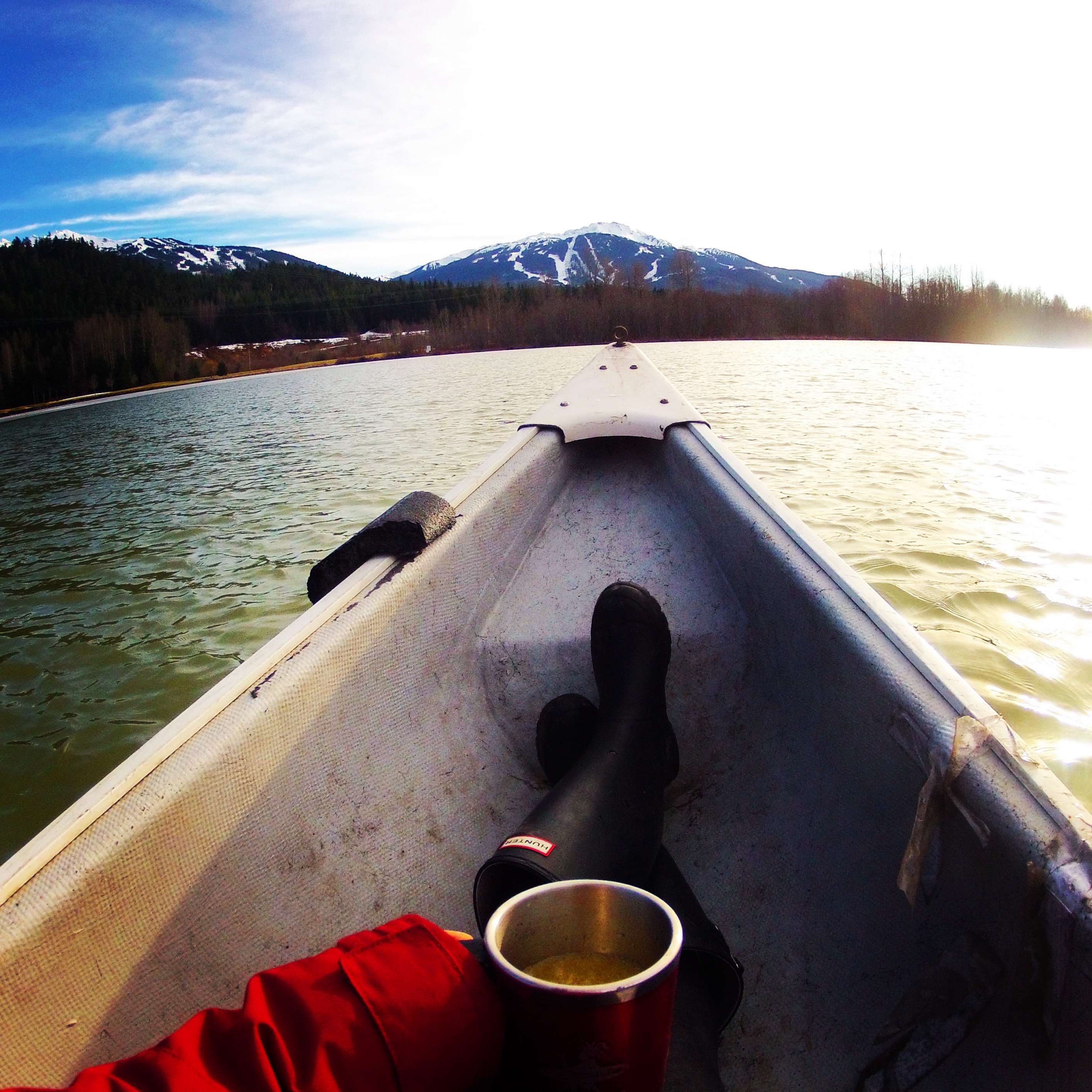
We arrived in early afternoon at Marble Canyon Provincial Park.The canyon is known to be a rare geological formation in BC. It is created from a collapsed karst formation, and a microcrystalline limestone bedrock. The drive is gripping and with the dry climate it really feels like a place far away from home. We drove pass Pavilion Lake, where we admired the vibrant shades of blues and greens formed by a colony of microbialites. We kept driving and arrived at a small campground between Turquoise and Crown Lake. No one was there, perhaps still early for camping season, and bit brisk and windy. That meant that we had the lake to ourselves! Perfect! We unloaded the canoe and loaded it up with our gear. We headed for a beach on the other side of Crown Lake where we set up a waterfront camp.
We faced west, and admired the golden light reflecting on the Chimney Rock amongst the limestone cliffs erecting steeply in front of us. The water was intensively green and clear. This was the perfect setting. We had snacks on the beach and admired our surroundings.
When camp was set, we boarded the canoe and explored the lake. Julie noticed a waterfall on our left, so we beached and hiked towards our find.
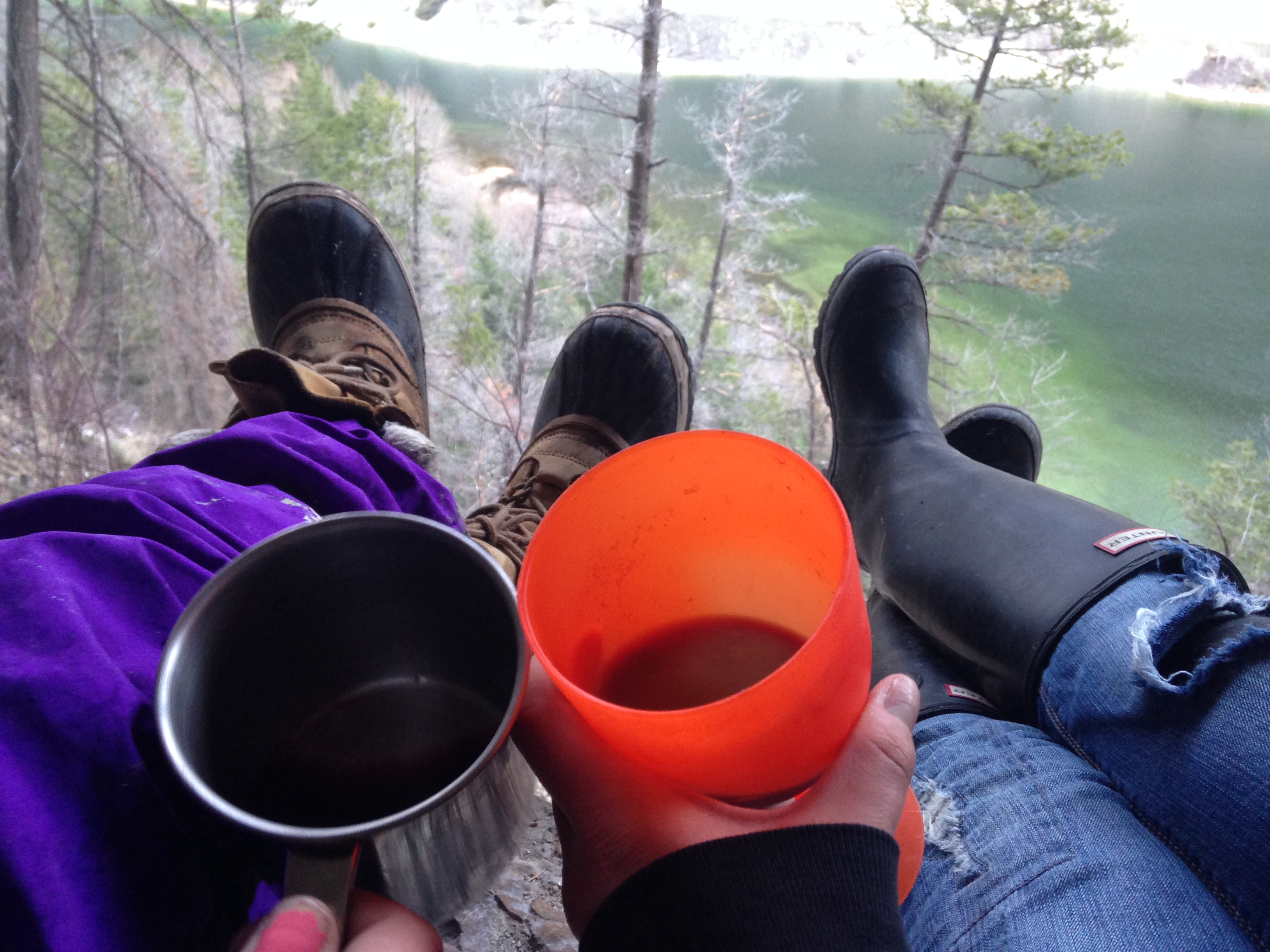
We followed a narrow trail that climbed the steep mountainside and found a small cave. We sat inside, our feet dangling off the cliff and contemplated the beauties laying ahead as the sun set.
We spent the night bundled up by the fire, telling stories of life and watching a moon crossing a starry sky. The mountains reflected perfectly on a serene lake. There was no snow nor storm on the horizon, just 2 girls, 2 dogs, and a perfect setting, embracing every moment, and collecting memories.
Adventuring gives us the opportunity to find beautiful places, wander and get lost in them. Take risks, live dangerously, adventure often, explore more, never stop wondering and wandering, create a path and leave a trail. It’s okay not knowing where we are going, as long as we keep learning along the way, and embrace every moment we meet.
I am sitting here with a glass of wine, looking at my globe accumulating dust. It hasn’t spun in a few months, resulting from having to keep my feet on ground for a while to make money. I have been back home since November, working the clock, collecting paper bills of different colors and trying to solidify the stump before I can go again, explore the world and vagabond.
The mountains, my home for the past decade, is a wonderful place. The mountain life is always filled with outdoor activities, creative arts, inspiring encounters and beautiful sceneries. It is a playground for the young and young at heart where people get inspired and live lively. However, why do I feel so nostalgic? Why, with all my amazing surroundings, am I still not completely fulfilled? Will it ever be enough?
I am a girl with an insatiable desire to travel the world. Without travelling, I am like a junkie without his goodies. I have itchy feet and I find satisfaction when I am submerged into the unknown. Routine and stability are scary things for me and I still don’t know how to live with them. I wish I could close my eyes right at this moment, spin the globe and travel to wherever my index finger lands. I want to be brought back in a smelly train in the middle of Asia looking at incredible landscape go by; I want to be squeezed again in that chicken bus in Central America amongst sweat and glorious stares; I want to be back holding on aboard a wooden boat somewhere in the Indian Ocean trying to spot a pod of wild dolphins… I have been to amazing places. I have seen things that I could never compare. I have met people that I will never forget. Travelling refreshes my senses. It brings me happiness. It fulfills me. And I miss it right about now.
Travelling blues? Yes indeed. Remedy? That’s why I started this blog. Not only to document my travels and experiences, but also to cure my nostalgia when she arises. Writing about my past adventures, I relive them. And I smile. And to read fellow wanderers that are diagnosed the same, my heart smiles. ”I might be a dreamer, but I am not the only one”.
My mother always told me to fully live all my emotions in order to get a better understanding of their origins. Feel the emotion, explore it, work it then release it. Perhaps turn it into a new emotion. Writing about this now, and embracing nostalgia, I come to realize that I am so lucky to have this unique life full with incredible and rich memories. And I am grateful for that…
Did gratitude just take over nostalgia?
I know I will be on the road again, feeding on the natural and cultural beauties of the world. But meanwhile, I must live in the present and enjoy my surroundings and the people that are part of it. I will climb to the peak of the mountain, grasp a breath of fresh air and remember that I live in one of the most magnificent places of this world, and that I am fortunate to be standing here along with extraordinary friends and family. To be able to wander the world, I need to wander mine first. To have a beautiful tree full of branches, it needs to have a solid stump. And it starts at home.
Travelling months overseas and returning to the nest to feed on money isn’t always easy. We go back to commonness and boredom can easily come from daily routine. We feel strapped in normality with the urge to be on the road again living a satisfying life of adventures and discoveries. We constantly scroll down our travel pictures, chat too regularly with our friends met abroad, steadily look at flight sales and we wish we could throwback Thursday everyday. We withdraw ourselves from our current world and dream of our next escapade. The symptoms are right: we are diagnosed with wanderlust. This impulse to travel and explore burns our body with an aching fire. But until the time comes to fly away and vagabond another continent, there are a few things you can do to help cure your wanderlust, at home.
Keep Planning
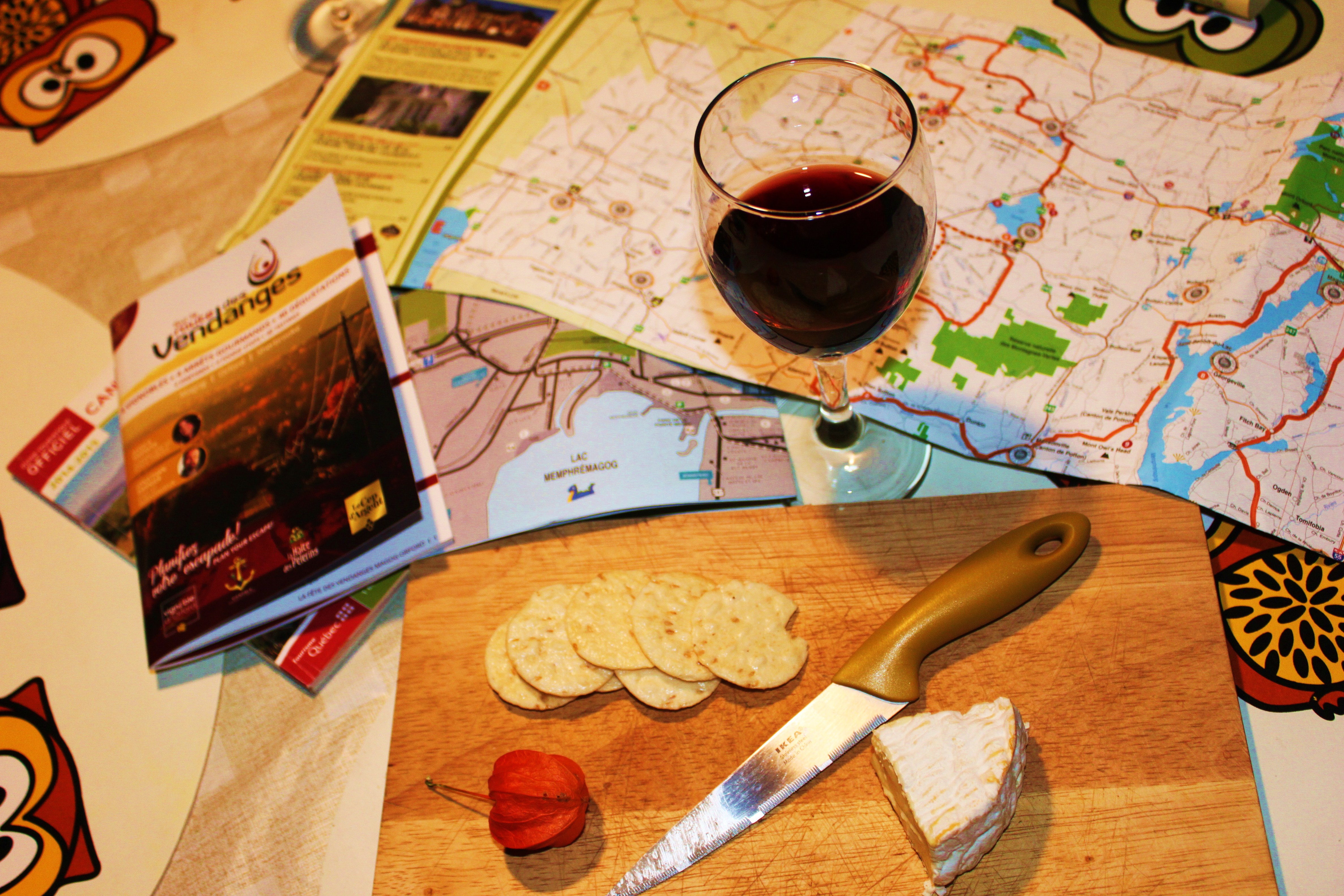
Whether you plan the next big trip abroad, or simply a weekend getaway with your friends, planning soothes the wandering soul and energizes the spirit. Researching about a new location, new activities, new places to eat and to sleep is exciting and refreshing. It is always motivating and stimulating to look forward something.
Set Yourself Goals
Setting goals not only allows us to have a better understanding of where we are going with our lives, but it also raises our motivation and self-confidence. While we are mainly focusing on planning and saving money for our next trip, doing a little bit of life planning isn’t a bad idea either. By setting the ‘big picture’, we can start to assemble the resources we’ll need to achieve our dreams. Open a saving account, and even if it is a little at a time, you will be grateful in 10 years that you put that money aside. See yourself do the things you love. Work on the things you really care about. Set yourself the goals that will allow you to fulfill your short and long-term dreams.
Be Creative
Just like artists, travellers are built with deep emotions. We are passionate, compassionate and loving individuals. We are inspired by life and are engaged in all its beauties. By writing about our wanderlust, or photograph through nostalgia, or paint our emotions, sometimes it helps relieve the itch and find clarity. Travelling is an inspiration booster, make sure you keep your inspiration alive.
Try a New Activity
Trying something new is not only revivifying for the soul, but it also gives you the opportunity to meet new people and challenges your skills at something you’d never think you’d do. This winter, I took a shot at skate-skiing. We have such a beautiful terrain built here in Whistler, a legacy of the 2010 Winter Olympics, offering over 35km trails of nordic skiing. I’ve never tried downhill skiing before, being primarily a boarder, so it involved a few funny falls indeed. But to be out there with friends sharing the same first experience, meeting people with different conversation topics and exploring a new zone in my own town made me feel like I was a thousand miles away.
Photo by Toshi Kawano courtesy of Tourism Whistler
Go On a Road trip
You don’t always have to fly to cure a wanderlust. Sometimes you can just hit the road for a few hours and feel completely lost. Taking a couple of days away from what we know, and wander to a new town is refreshing and rejuvenating. Put on a good playlist in your car and head to a new town. To see how people live in a city nearby, do what they do, eat where they eat, play where they play – Sometimes only a few k’s can change drastically and make you feel like a world away.
Explore Your Own Backyard
When I come back from travelling abroad, it takes me some time to adapt to everyday life, and then suddenly I fall back into a routine. That’s why I chose Whistler as my home base, a playground itself, so I can get energized by nature and adventures. While my goal at home is to focus on making money, and spending time with the ones I love, I make sure I get outside every day. From exploring a new forest trail with my dogs, hiking a new peak, camping a new ground, canoeing a new lake, snowboarding a new run, I find extreme satisfaction in simple moments, right here at home.
Ask Yourself: Why Do I Feel Like Packing My Bag And Leaving?
Bored with routine? Life is lacking of purpose? Running away from something? Absence of inspiration? Missing your friends abroad? Lost in wanderlust? Sometimes it helps to know where the itch comes from so we can sooth the tingle.
Although sometimes, there’s really only one remedy…
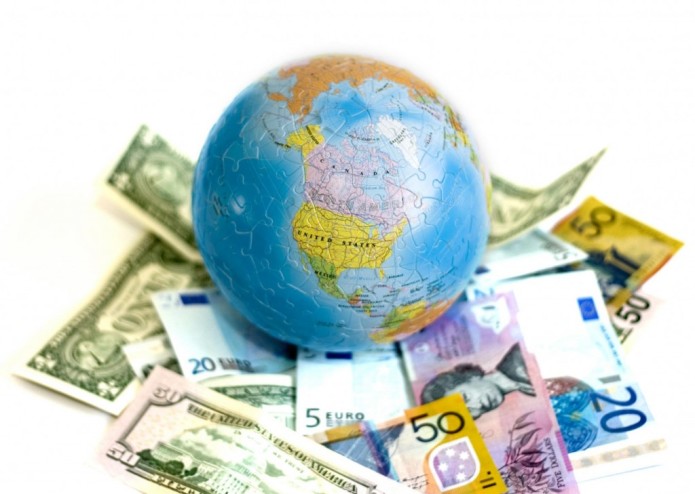
Travelling abroad is an exciting adventure. And to make the most of this experience, it is primordial to plan the right budget and have plenty of funds. The last thing you want is having to cancel a skydiving jump over the Republic of Palau, or a hot-balloon ride in Tanzania, or a cycling wine and gastronomy tour in Burgundy because you are too tight with money. Sometimes opportunity only knocks once. 1. Plan a Budget Where are you going? For how long? How will you travel? What is the purpose of this trip? Who will you be with? Asking yourself questions about your trip will help you create an estimated budget. First, I start with the big expenses, such as flights, vaccinations, and visas. Then, after researching about the destination, I plan an average daily budget considering accommodation, food and transportation. I make an activity budget, such as important sights, concerts, and adventure trips. I also make a budget for others such as souvenirs, tips and treats to locals. I always allow extra for an occasional splurge (which in my case happens generally very often). 2. Know the Exchange Rate I always refer to XE.com. I added the free currency converter app on my phone, and can easily search for live foreign exchange rates. Knowing the currency and the exchange rate of the country you’re visiting will save you a lot of time and hassle, and avoid the possibility of getting ripped off. When I crossed the border from Belize to Guatemala, many freelance money-changers tried to sell us their quetzal. At first I thought it was a scam, but knowing the exchange rate, I realized it was a really good deal. So I traded my Belize dollars and left with quetzal at an attractive cost, saving time waiting in line at the bank to convert money. 3. Get Local Currency As a Canadian, I have opened a US bank account from the tip money I receive from American customers. As much as I try to only use local currency while abroad, I like to have a few US bills with me since it is the most freely convertible currency. Check with your bank if they carry the currency of the country you’ll be visiting. Buy some currency before you go, and try to get some small notes too. If you can’t, don’t worry. Airports have ATM’s to withdraw money at a very good exchange rate. Avoid airport currency exchange booths. 4. Take Cash
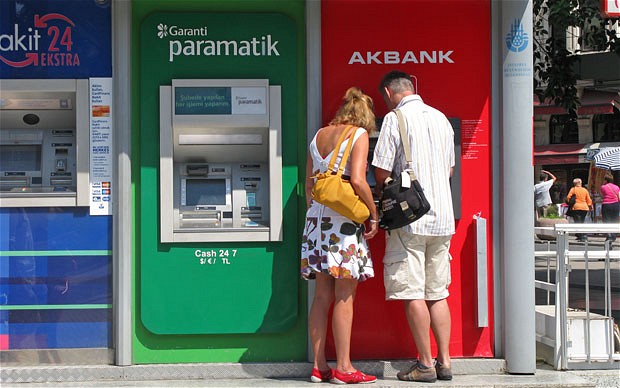
Withdraw cash money from an ATM when you arrive. Depending where I am, and how safe I feel like walking around with cash money on me, I withdraw a certain amount that will keep me at least for a couple weeks, and hopefully more. Because my bank charges me $5 for every international transaction, I try to limit its usage. I try to never carry the whole amount at once, or at the same place. If going on day trips I carry just what I need. If travelling, I hide it in different places in my belongings.
Click here to know more on how to effectively carry money abroad.
5. Use Multiple CardsDebit card Besides withdrawing cash money, I never use my debit card for purchases. A trick that I do before I leave, is to go to the bank and claim a lost card. They give me a temporary one (the one I use while travelling), and I receive a new card in the mail (a backup card). Once I use this latter, the temporary one gets cancelled automatically. I keep both cards in different places. It is nice to have this option in case anything happens. ATM’s are found in most cities, are easy to use and usually have the best exchange rate. Make sure that the PLUS, Cirrus or Maestro network are available at your destination. Ask your bank about currency exchange and international fees, and advise them about your travels. Make sure your PIN is 4 digits, and if it is a word, remember the numbers. When I was still a rookie at travelling, I tried to withdraw money at an ATM in Costa Rica only to realize there was no letters on the buttons. Since I changed my PIN for 4 digits before leaving on the trip, I had not memorized the numbers. I tried thrice and my debit card got cancelled. Luckily I was travelling with a friend that helped me out, and I had a credit card. I learnt a good lesson.
Click here to know more on how to use ATM’s abroad.
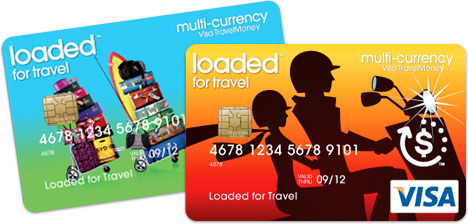
Credit Card Having a credit card is a must for me. Not only it could save your life if anything happens, but it is also good for rentals, or to pay for an expensive activity you hadn’t planned on doing. Also, credit cards have the lowest conversion rate and are nowadays widely accepted, although some developing countries might require a minimum amount of purchase and could charge a fee of usage. By using credit card, I find it a convenient and safe way to travel without carrying too much money on me, while saving on exchange fees. With Internet banking available, it is easy to keep track of your expenses, and transfer money onto your card. Check with your bank if an international transaction fee is applicable, what insurances are available, and let them know of your travels. When I was in Belize and got invited to join a diving trip to the Great Blue Hole, I couldn’t say no. Since Belize was our first stop on our month journey around Central America, and such an expense wasn’t planned, I paid the activity with my credit card: Because there is no price to put for swimming with dozens of blacktip sharks in a natural wonder of the world. Prepaid Travel Money Card I’ve never use these types of cards, but I have many foreign customers at work using them with great satisfaction. By preloading money from your bank to your card at that day’s rate, the prepaid cards are supposed to give better exchange rate while collecting reward points. By simply topping up online or by phone, they become easier to use. They could also be cheaper than using debit or credit abroad. Research all the small-print charges and choose the best card for you.
Click on this image to know more about prepaid travel cards.
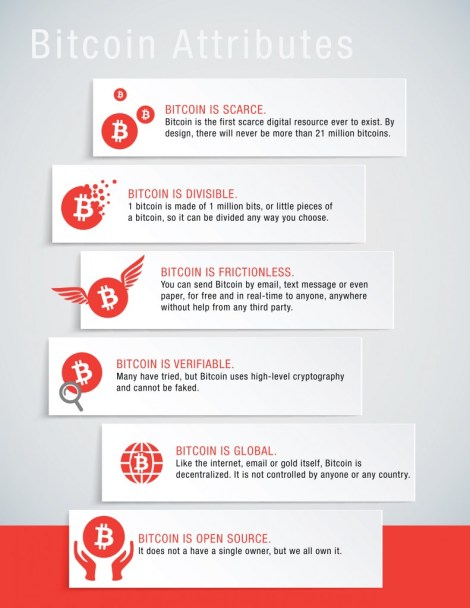
Bitcoin Debit CardBitcoin is an online payment system that allows you to use global digital currency abroad. It is known to be easier to accept and cheaper to process than cash and credit cards, given the fact that you don’t need to withdraw money, avoid issues with handling local currency and don’t deal with foreign transaction fees.
This image was taken from Xapo’s blog. Xapo is a bitcoin company that combines the security of a cold storage bitcoin Vault and the ease of a convenient bitcoin wallet. Click on the image to read the full post.
I have never heard of Bitcoin until a few days ago, but it seems like this decentralized cryptocurrency is being rapidly adopted by mainstream businesses, and is becoming an easier, safer and cheaper payment option. Whether Bitcoins could be the next payments revolution, do your homework and researches in order to find what best suits your needs. https://www.youtube.com/watch?v=Um63OQz3bjo#action=share6. Track Your Expenses By keeping track of your daily expenses and spending, it will help you maintain control of your budget. It will give you an idea of your average daily spending, and where to cut if the need meets. You don’t want to run out of money at the least expected time. 7. Do What Locals Do Using public transportation, eating at food stalls, and shopping at markets will not only save you a large amount of money, but it will also give you the unique opportunity to truly experience the culture of the country visited. By interacting with local people and immersing into their lifestyles, it will create memories and leave you with a very rich experience, at a very cheap price. When my girlfriend and I took a trip to Maui, Hawaii, all we had planned was to rent a car and go with the flow. We met local Americans at a local fish eatery that invited us to stay at one of their empty houses in the country. We also met native Hawaiians that invited us to a traditional wedding in a gymnasium. From luau dinners, to boating with a family on a Sunday, to snorkeling secret bays and to drinking cava on the carpet floor, not only did we save money on accommodation and activities, but we also made a strong nod with locals and their families, and left with great stories.
Our new Hawaiian family.
8. Travel Slow I used to rush and visit as many places as I could. My first trip abroad was in Thailand in 2003 and I travelled the whole country, from top to bottom in only a month. It was amazing, but there was a lot of jumping on trains, boats and buses for long periods of time, every few days. Now, instead of squeezing as many countries, cities and sights in one travel, I try to slow down and focus on a place at a time. By exploring the destination thoroughly, making new local friends, and experiencing the local culture, I get to have a stronger connection with the place. By staying in one place, I get to reduce the cost of transportation and get familiarized with local hangouts rather than tourist traps. Travelling slow is not only economical and easier on the environment, but it is also generally less stressful and extremely rewarding, making it an experience of a lifetime.
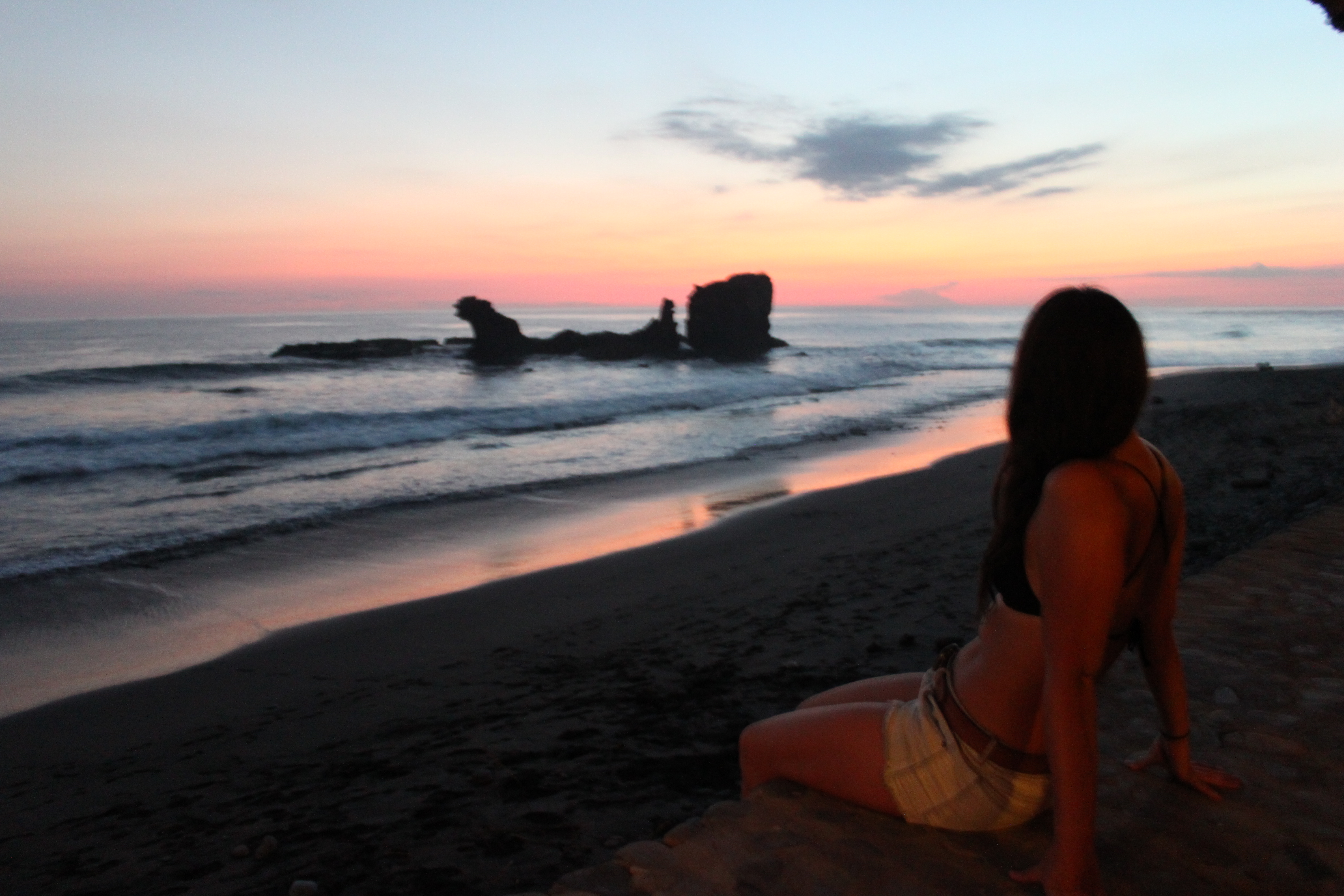
Staring at the famous rock erecting from the sea in El Tunco, El Salvador. Not only did I fell in love with the place, but I got to live like the locals, tasting their lifestyle at a slow pace.
If there is one thing I cannot stand, is the culturally insensitive behaviour of certain type of tourists. With attractive all-inclusive packages deals, and ‘soul searching’ travel becoming a popular trend, travelling has brought a variety of travellers to the map. While many tourists show a sense of curiosity and a genuine desire to experience, many others dehumanize the local population by ignoring their histories and cultures, and being provocative, demeaning and narrow-minded. Tourism can be disruptive and using an ethnocentric behaviour is only going to enhance the bad reputation tourists already have, and affect the local people.
2. Knowing You Can’t Save the World
Travelling to developing countries has its harsh realities: the crowds, the heat, the poverty, the pollution, the homeless orphans, the injured beggars, the pack of angry and territorial stray dogs, the cruelty towards animals, … ugh. It is heartbreaking to see how life can be so unfair. We are all living creatures and deserve all the best, at least a shelter, food and water and health. I feel helpless and hopeless at times, and all I want is to save them all from their daily struggles. If I ever win the lottery I want to open a center against violence on women, a learning center for children, a hospital for sick people, a shelter for stray dogs, a rehabilitation center for donkeys, … I’d need to win a lot of lotteries…
I can’t save the world, but I can do as much as I can. Giving your time is a first step. While in Morocco working with children and women, I felt so powerless. However, I understood that to simply be present and interested, and compassionately involved into these people’s lives, was enough to make them smile. It wasn’t a lot, but it felt right.
Travelling hasn’t changed the world, but it definitely changed me. I have a greater appreciation for the things I have and am grateful for the life I live.
3. American Food Chains
I have to admit: I entered a McDonald’s in India and ordered a “burger”. It was uniquely by curiosity, to see how a company whose signature product is the beef burger, penetrated a country that doesn’t eat beef or pork. Chicken was a popular item on the menu. I chose the Tikki Burger, a vegetarian option, like many others, made of potatoes, peas and Indian spices. I hate to say how impressed I was with the result.
But my point here is that if you plan on travelling abroad, make the effort to taste the local dishes. Help the residents by buying locally. Sampling exotic food not only gives you an unique understanding of the area’s culture, but will also tremendously enrich your travel experience. Plus, most likely they will have the freshest produce and the cheapest price. And really, probably the best food you’ve ever tasted!
I am the biggest fan of street stalls and hidden restaurants (of course select wisely and have a certain level of cautiousness). My adventurous culinary experiences abroad left me with great stories to tell, like the time I ate yak-tongue momos in Tibet, or burnt my tongue with indian spices in India, or ate chicken butt-holes in Thailand. Did I ever get food poisoning? Yes, once, here in Canada.
Eat locally and adventure yourself in the cuisines of the world!
4. The People to Miss
You’ll meet people from all around the world. People with the same interests, same philosophies. People with a thirst for life that people at home don’t necessarily understand. You connect with great souls, ambitious and unique personalities. You travel intensively together, do amazing activities, see extraordinary things, live exhilarating moments… And then they’re gone. And you don’t know when, or if you’ll ever see them again. You’ll chat online once in a while, while your spirit wanders through memories and nostalgia. You wish you can be back on that sketchy train ride, on that mountain you sweated each step to climb, or on the beach gazing at the starry sky reflecting on life, just to be with them.
So many people have touched my heart, and I think about them often. I hope to see them again, somewhere around the globe. But I have to be realistic: sometimes goodbyes are really forever.
5. Insatiable Wanderlust, and Never Completely Feel at Home
You come home from travelling and everyone is exciting to hear about all your stories. But those moments fade away rapidly, and then everything is back to where they were before you left. You might feel lost and lonely because no one really understands what happened to you abroad. So you want to leave again and be back in those places that inspired you, with those people who have lighted the flame within you.
Home can be anything from a place, a person, a job, or anything. In order to put an anchor and plant roots, you need to know what it is that you want. People say travelling is the best way to find yourself, but sometimes it is a way to get lost. Since you meet so many inspiring people, discover so many amazing places, try so many extraordinary things, it can become overwhelming choosing what is it you really want. You tend to want everything and you can’t choose from one or another. Because you felt how hard your heart beat, and you want it to forever be that alive.
So you will keep moving, crossing roads, climbing mountains, swimming oceans until you find what it is that you are looking for.
Moroccan cuisine brings together a rich variety of flavours, aromas, and traditions that have developed over centuries. It reflects Morocco’s diverse culture, geography, and history, with each region contributing its own distinct culinary influences.
During my two-month stay working and living in Morocco, I experienced the lively markets of Marrakech, the coastal charm of Essaouira, the historic medinas of Fes and Rabat, the mountainous landscapes of Chefchaouen, and the vast Sahara Desert. This journey offered a deeper connection to the food, traditions, land, and stories of the Moroccan people.
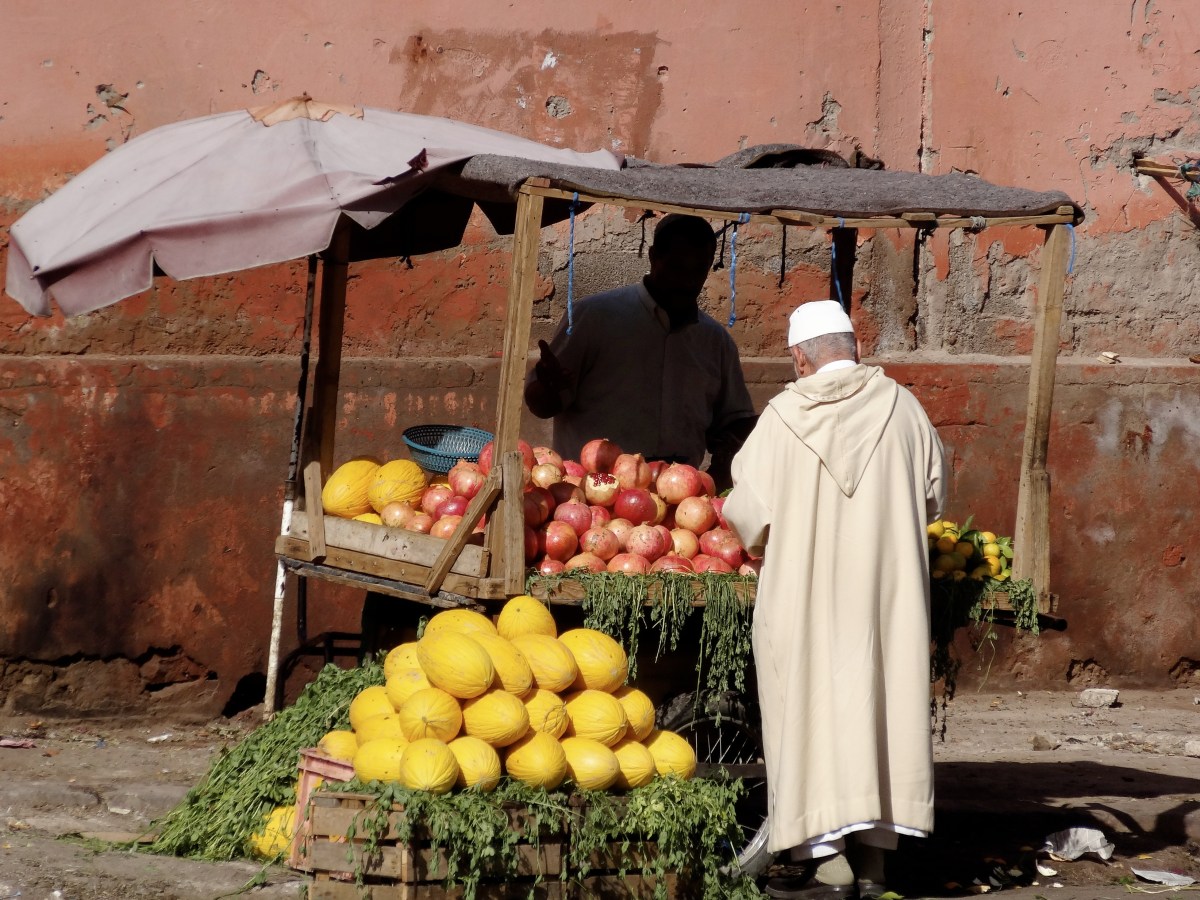
Marrakech, often called the “Red City,” is a vibrant hub of Moroccan culture and cuisine, where traditional flavours are celebrated with fresh, locally sourced ingredients. At its heart lies the iconic tagine, a…
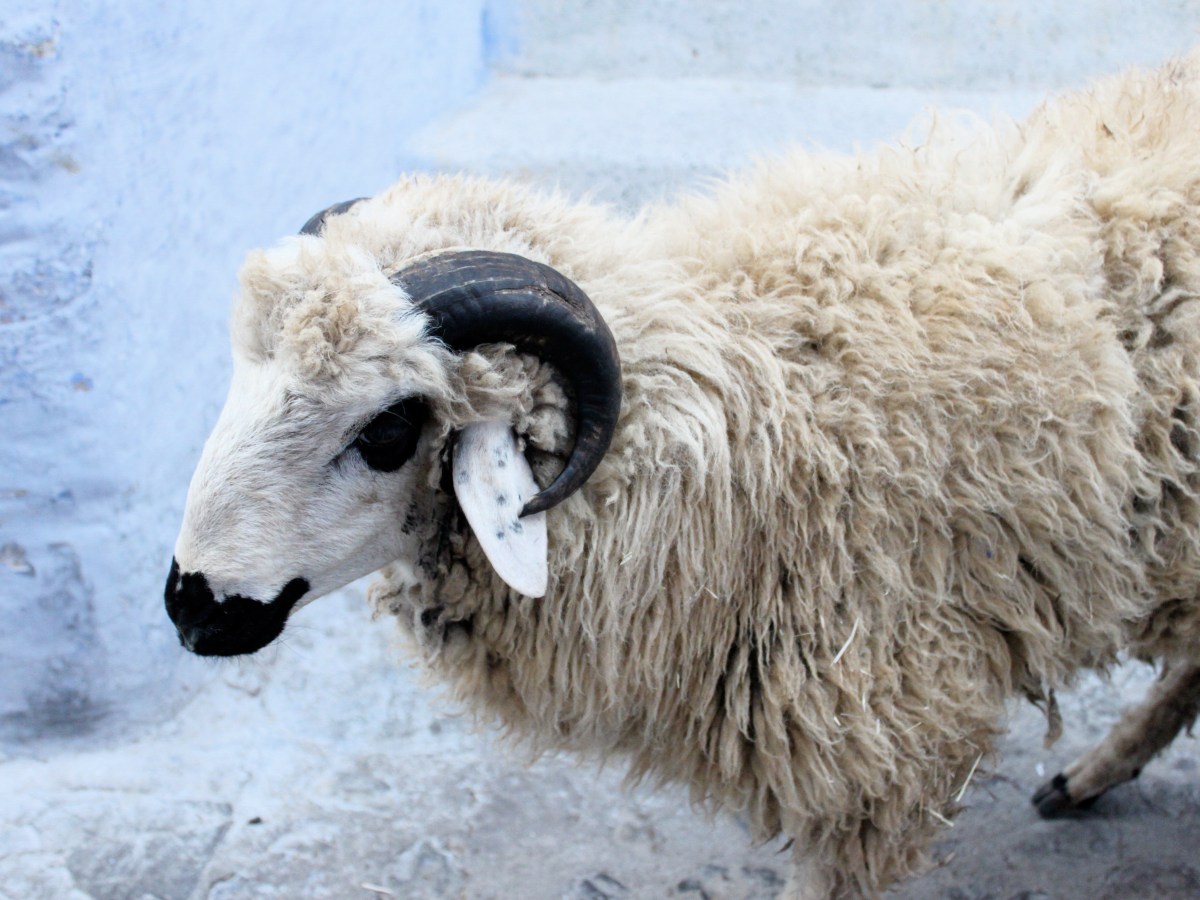
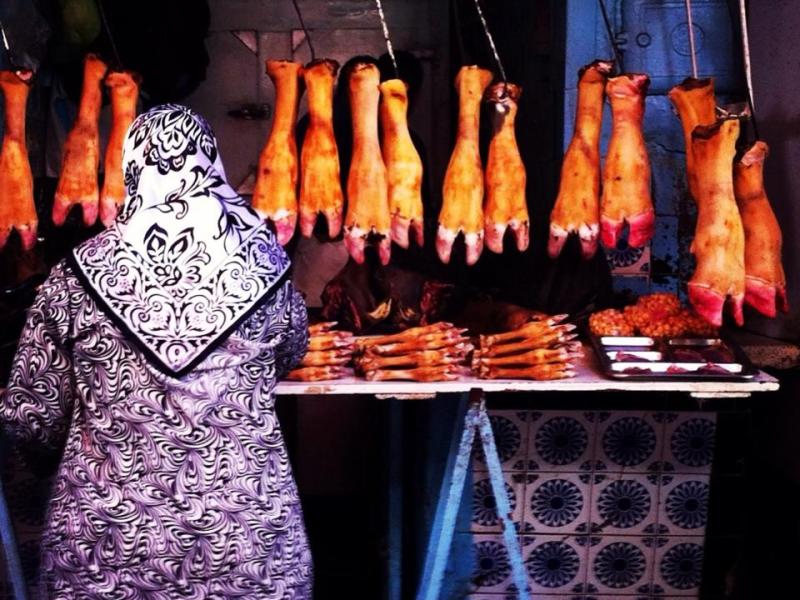
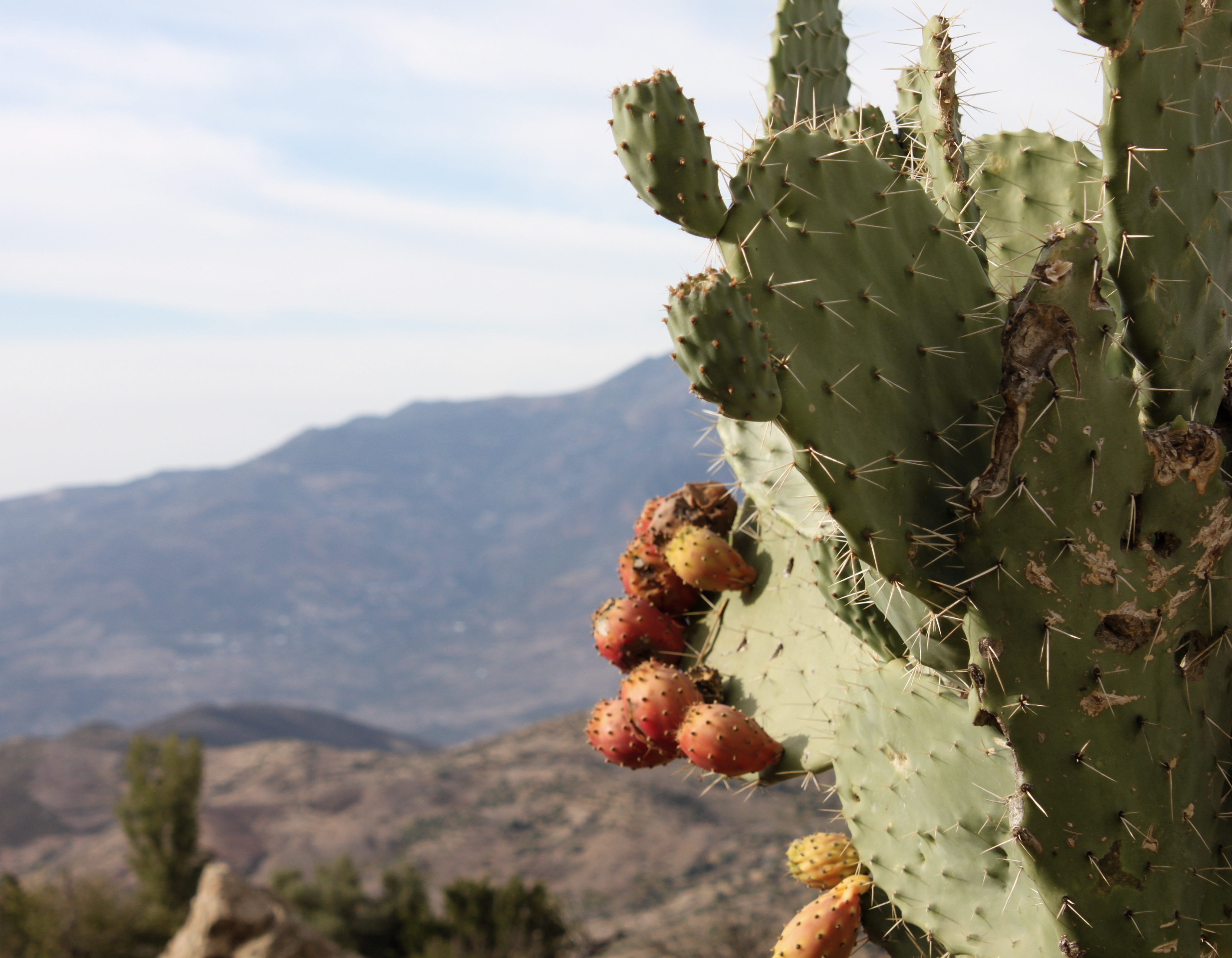
Nestled in the Rif Mountains, Chefchaouen’s cuisine is heavily influenced by the availability of sheep meat and dairy products. Sheep cheese and meat are prominent ingredients, reflecting the local agriculture. Known as the…
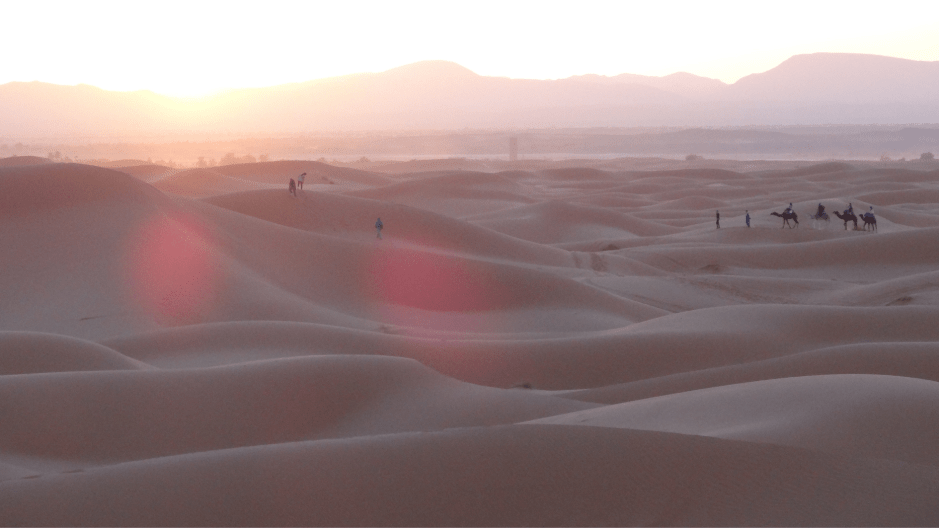
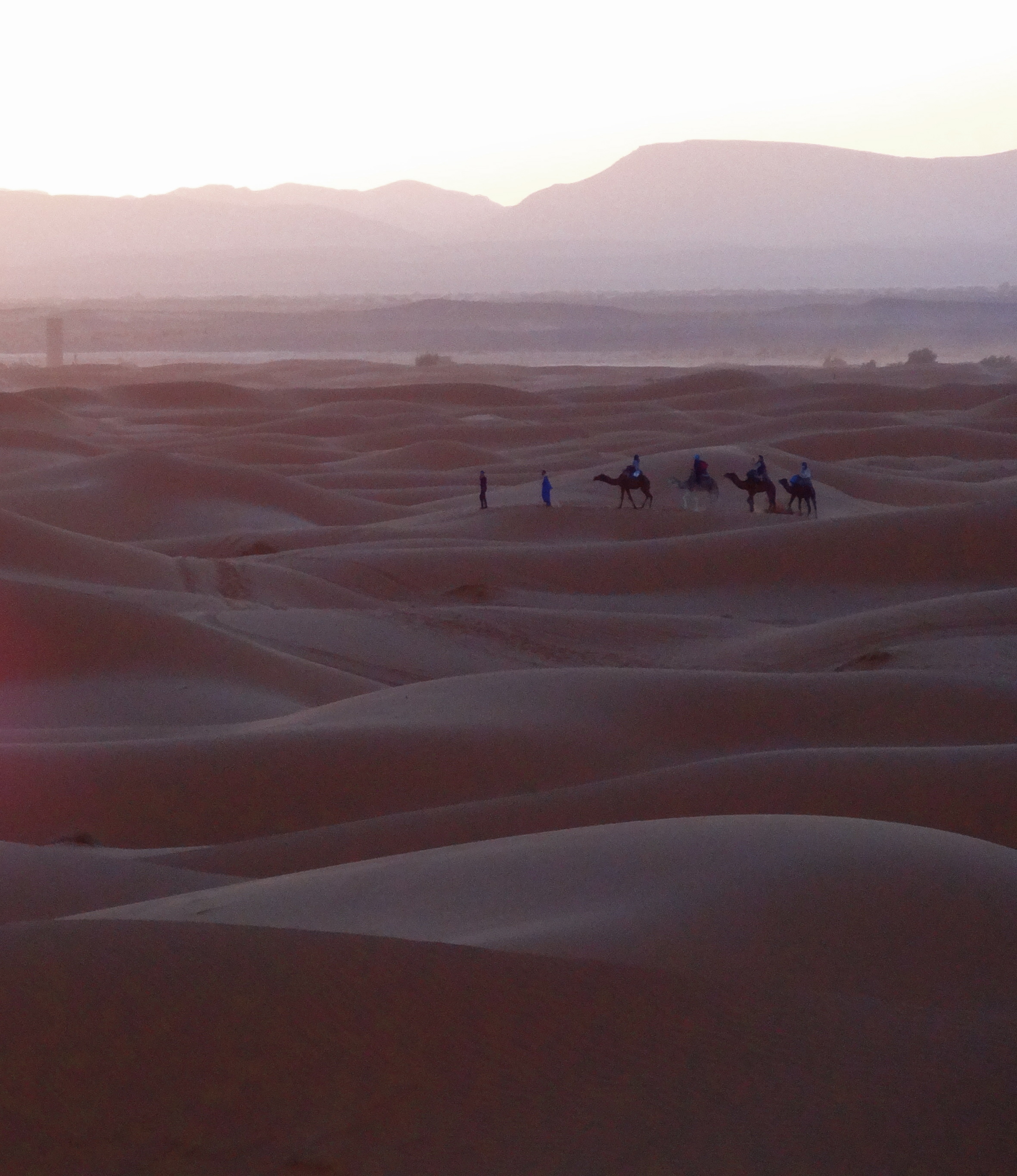
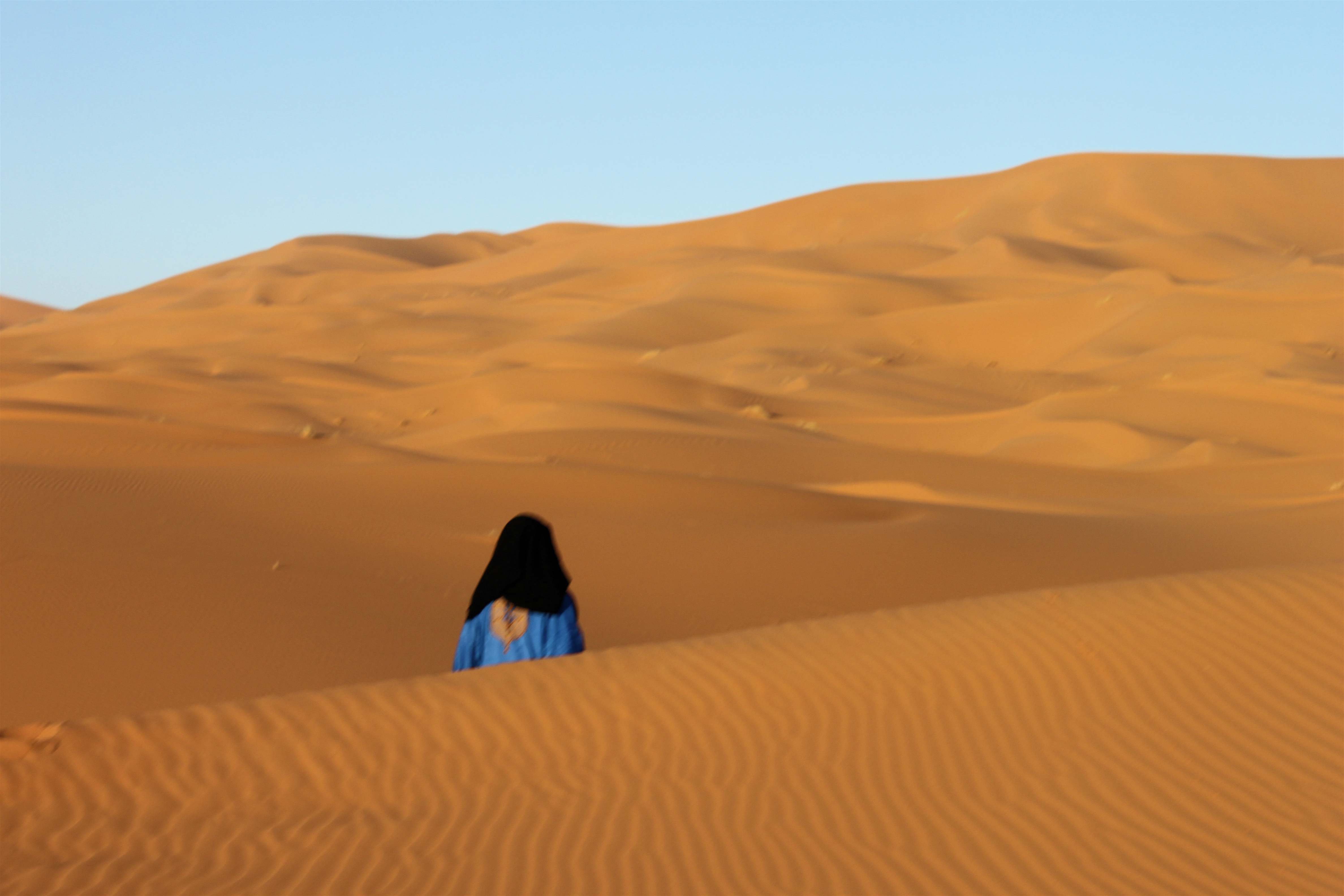
In the Sahara Desert, where the land is arid and the climate harsh, the culinary landscape is as resilient as the people who inhabit it. Amidst the vast, endless sands, dates and mint…
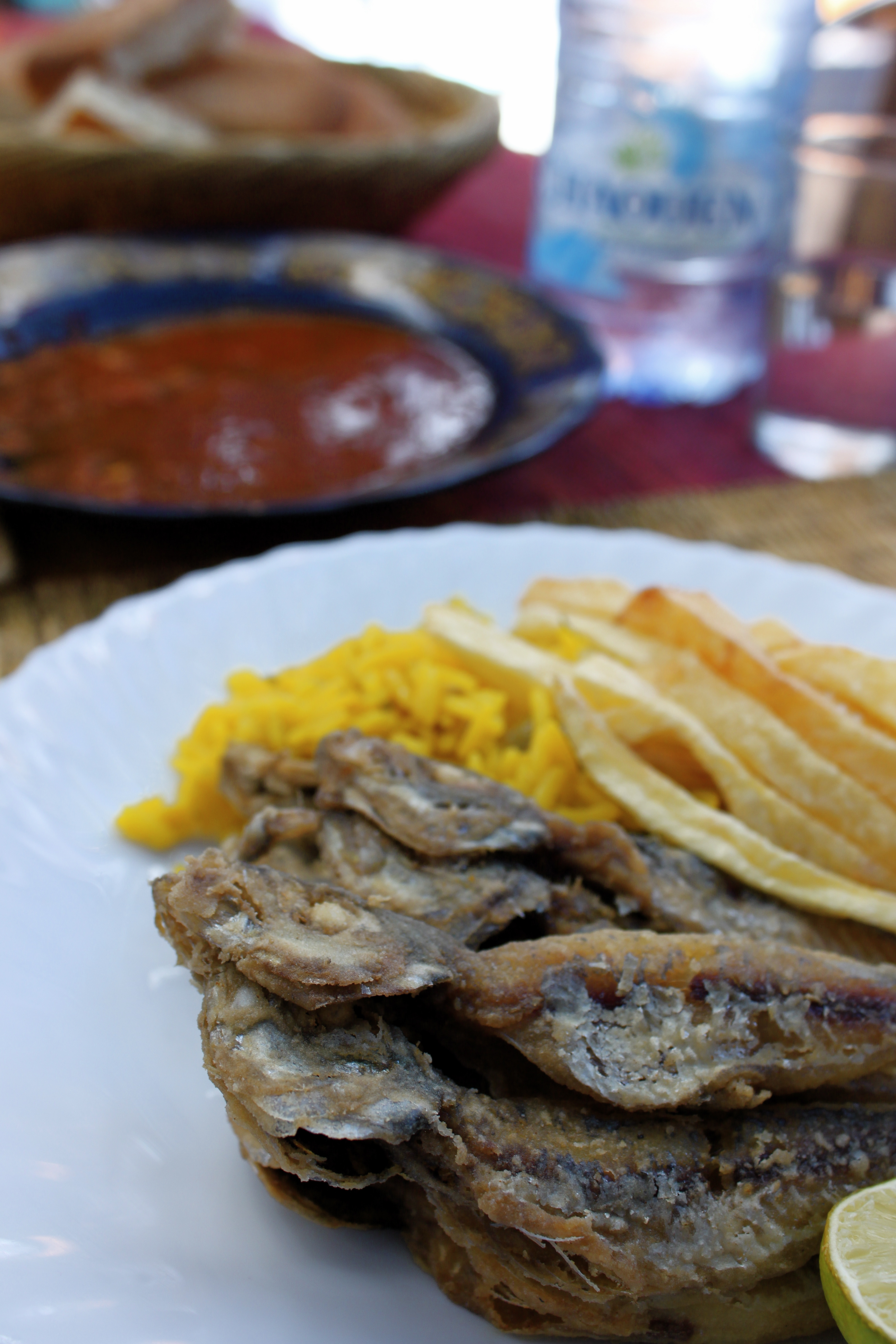
Nestled along the Atlantic, Essaouira stands as a coastal gem and a seafood haven. Grilled sardines, fried fish, and seafood tagines take center stage in markets and seaside eateries, embodying the town’s deep…
Awakening in Fes to the mesmerizing sounds of the call to prayer echoing through the ancient medina is a unique and spiritual experience. Fes, the spiritual and cultural heart of Morocco, offers an…
Wandering through Rabat’s markets feels like entering a lively world of colours, sounds, and smells. The medina is like a maze full of Moroccan treasures, with stalls selling everything from vibrant spices to…
In the Sahara Desert, where the land is arid and the climate harsh, the culinary landscape is as resilient as the people who inhabit it. Amidst the vast, endless sands, dates and mint tea emerge as symbolic ambassadors of sustenance and hospitality. Dates, prized for their natural sweetness, become a source of energy and nourishment, sustaining those who navigate the challenging environment. Meanwhile, the artful preparation of mint tea, a beverage embedded in cultural rituals, fosters connections among desert nomads and offers a refreshing respite in the relentless heat.
As the sun descends and the desert exhales warmth into the night, dinner becomes an intimate affair, with the cool sand beneath and the glittering stars above. In this enchanting setting, almonds and pistachios, consumed for their nutritional richness, weave into the fabric of desert life, providing a source of sustainable energy amidst the humbling beauty of the Sahara.
Some traditional foods and dishes commonly enjoyed in the Sahara Desert:
Dates and Dried Fruits: The Sahara region is known for producing high-quality dates and other dried fruits, offering a sweet and nutritious treat.
Tea with Mint: A traditional Moroccan mint tea, a symbol of hospitality, is often served in the Sahara, providing a refreshing beverage in the desert heat.
Tajine de Dromadaire (Camel Tagine): In some regions, camel meat may be used in traditional tagine dishes.
Tagine: Slow-cooked stews of meat, vegetables, and aromatic spices, prepared in the traditional tagine pot.
Couscous: A staple of Moroccan cuisine, couscous is often served with a variety of accompaniments, such as vegetables, chickpeas, and meat.
Méchoui: Roasted whole lamb or sheep, seasoned with traditional Moroccan spices, providing succulent and flavourful meat.
Rfissa: A savoury dish made with lentils, fenugreek, and shredded msemen (Moroccan pancakes), often topped with chicken.
Harira Soup: A hearty soup, particularly enjoyed during Ramadan, made with tomatoes, lentils, chickpeas, and a blend of spices.
While the availability of ingredients and specific dishes may vary across the vast Sahara region, these are some of the traditional Moroccan foods that can be commonly enjoyed in the desert areas.
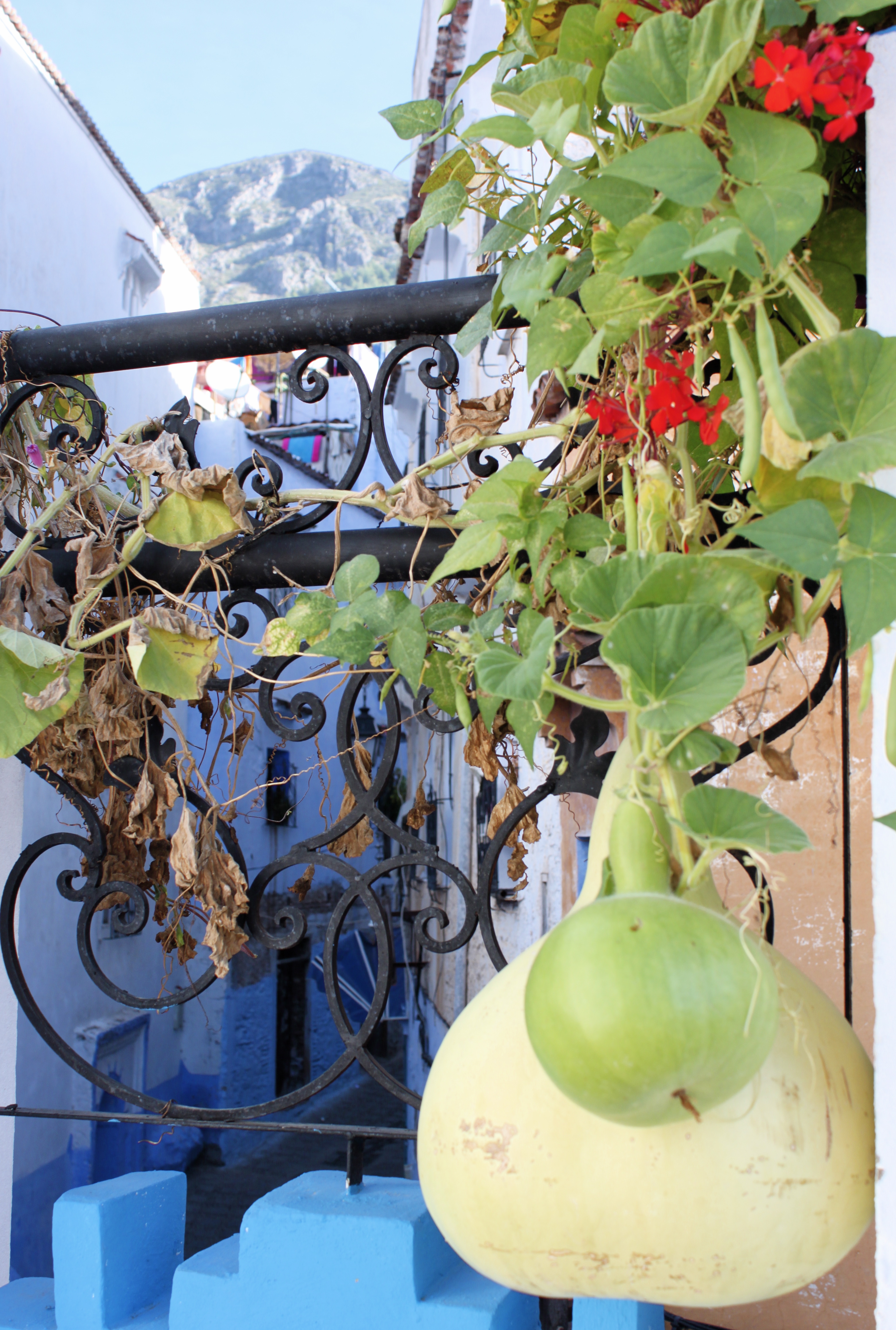
Nestled in the Rif Mountains, Chefchaouen’s cuisine is heavily influenced by the availability of sheep meat and dairy products. Sheep cheese and meat are prominent ingredients, reflecting the local agriculture. Known as the “Blue City” for its distinctive blue-washed streets, Chefchaouen not only captivates with its culinary offerings but also enchants visitors with the unique aesthetic charm that sets it apart from other Moroccan destinations.
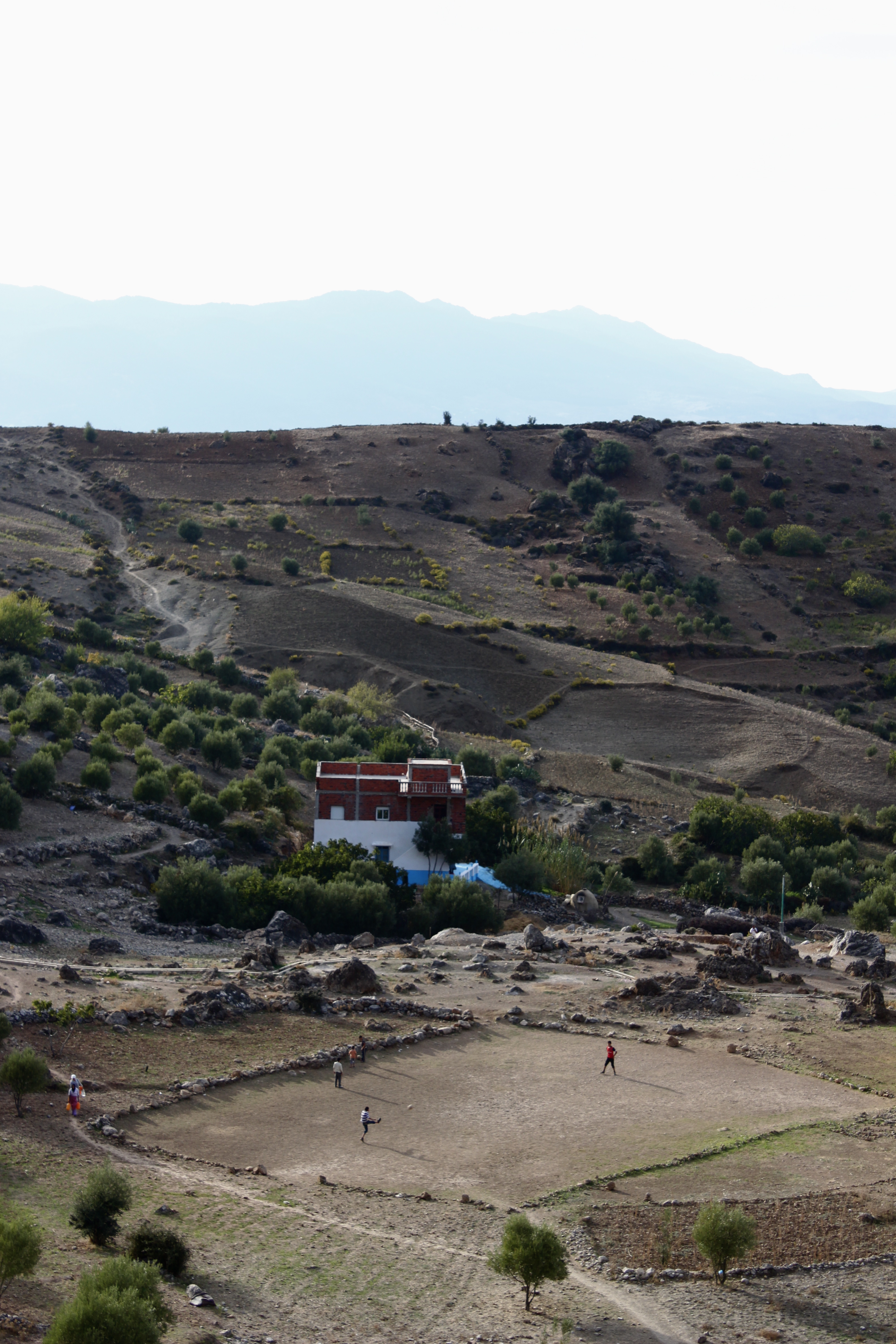
The sheep graze on steep hillsides, providing a source of sustenance and a deep connection to the land. In addition to these hearty mountain flavours, visitors to Chefchaouen can enjoy the warmth of traditional Moroccan mint tea, lovingly served by villagers, which not only quenches your thirst but also invites you to share in the hospitality and mountain culture of this captivating town.
Some traditional foods and dishes commonly enjoyed in Chefchaouen:
Tagine: A quintessential Moroccan dish, tagine in Chefchaouen features slow-cooked stews of meat (often lamb or chicken), vegetables, and aromatic spices.
Khobz: Traditional Moroccan bread, usually round and flat, served with various meals to scoop up sauces.
Bissara: A hearty soup made from dried broad beans, seasoned with garlic, olive oil, and cumin.
Zaalouk: An eggplant and tomato salad often seasoned with garlic, cumin, and coriander, serving as a flavourful side dish.
Rfissa: A dish made with lentils, fenugreek, and shredded msemen (Moroccan pancakes), sometimes topped with chicken.
Couscous: A staple in Moroccan cuisine, couscous is often served with a variety of accompaniments, such as vegetables, meats, or fish.
Pastilla: A sweet and savory pastry filled with pigeon or chicken, almonds, and a blend of spices, typically dusted with powdered sugar.
Makroud: A sweet pastry filled with dates and nuts, fried until golden, and sometimes coated in honey.
Tea: Moroccan mint tea, served sweet and often in ornate glasses, is a customary part of the culinary experience in Chefchaouen.
Local Cheese: Chefchaouen is known for its goat cheese, often enjoyed with bread or as part of various dishes.
These traditional foods showcase the richness of Moroccan cuisine, highlighting Chefchaouen’s unique character and cultural influences that add a special touch to the dining experience.




















![mzl.efdkxboi.320x480-75[5]](https://footloosediary.com/wp-content/uploads/2015/02/mzl-efdkxboi-320x480-755.jpg)





















 Footloose Diary