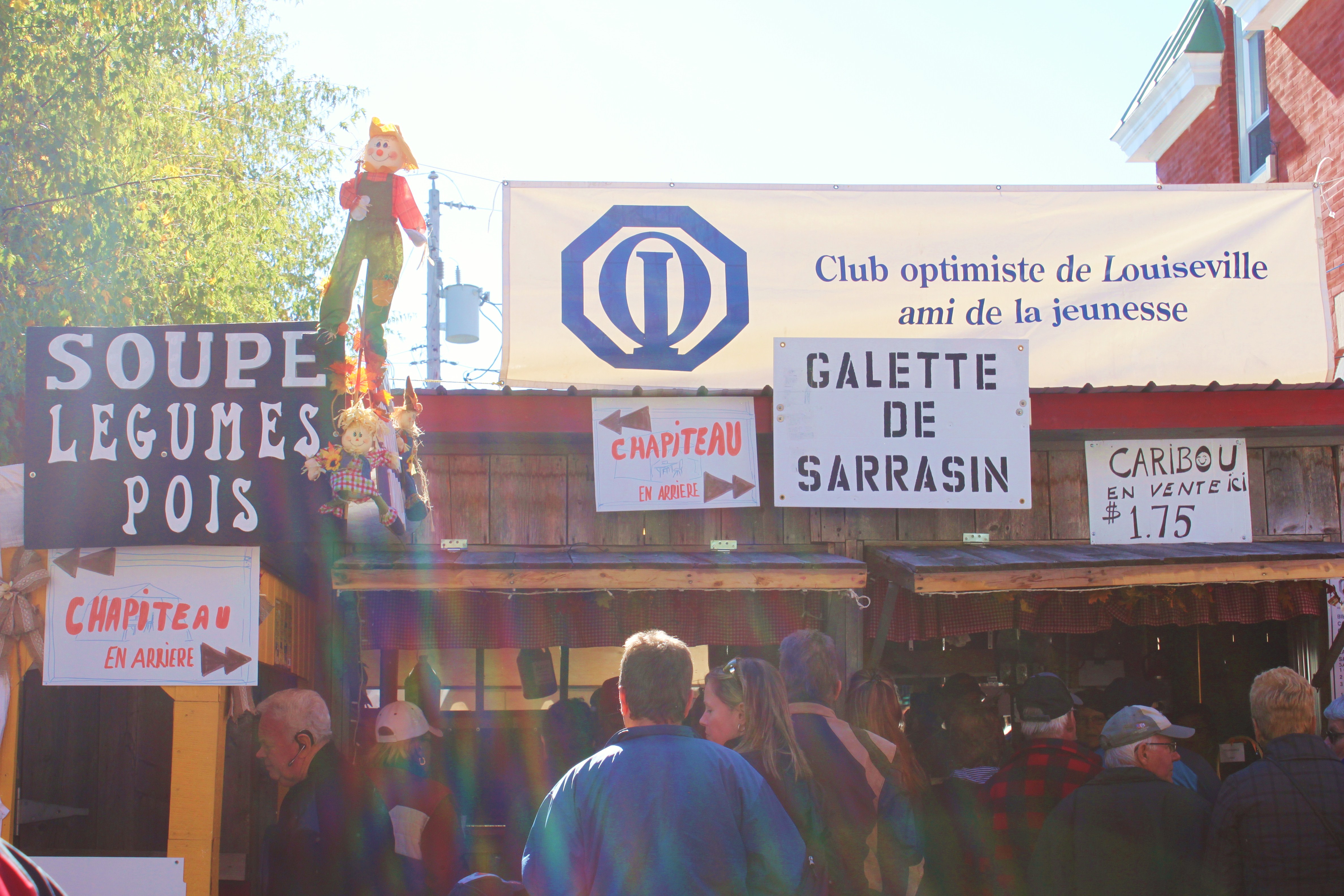
Festival de la Galette Sarrasin

Québécois love their poutine. But they also love their buckwheat.

IMG_4970

The buckwheat made its way to Québec during the first colonization, principally by the Bretons. During this time, the buckwheat flour was used to make crepes, and was accompanied with baked beans, molasses and a glass of p’tit caribou It became a popular meal rich in protein for lumberjacks and hommes des bois.

Every year in October, Louiseville welcomes everyone to join its autumn festivities. This rooted folk tradition is a popular family event where cultural and social activities galore.

Here you can discover the local culture with a folklore ambiance, and taste the richness of the fresh produce from Québec, made with passion and essentially, love.

IMG_4941

You are welcome to bring your camping chairs, motorbikes, grandmas/grandpas, kids and pooches, and spend the day savouring homemade concoctions that the Québécois proudly have to offer.

Bon appétit!

Quebec’s Wine Route: A Mother-Daughter Road Trip Through the Colours of Fall

I’ve been living in Western Canada for 11 years now, with only a couple visits to my homeland since I left. I can’t recall the last time I saw the autumn foliage of brilliant yellows, reds and oranges.

While the forests put on their autumn robes, the vines and orchards are ripe with fruits. Going back to Québec in the fall was the perfect time to embrace a burst of colours, aromas and flavours.

My mother and I have decided to spend our quality time together on the road. What a better way to reunite and catch up, then driving on the open road through a carnival of autumn colours. My mom is a great travel partner. She also organized this trip, and designed the itinerary. On the program? Wine, history, culture, exploration and mother-daughter shenanigans through the beautiful regions of Estrie, Cantons de l’Est and Montérégie. Did I mention wine?

Estrie

WHERE TO CHEERS

Cep d’Argent, Magog

Nestled on a hill between Mt-Orford and Magog Lake, le Cep d’Argent offers authentic products made by passionate individuals. The winery was founded by 4 Quebecois, and 2 Frenchmen and the first vines were planted in 1985. They have been running since, offering quality products to the Quebec consumers. Le Cep d’Argent is known as the only winery producing champagne in the Eastern Townships, and the knowledgable staff will happily give you a champenoise guided tour to educate you on the meticulous process of making champagne.

WHAT TO DO

Ducs de Montrichard, Orford

This family and artisanal business is proud to create fresh products with high standards of quality. They produce 100% pure duck rilettes, and their terrines and gibiers are free of conservation agents. Pack Ducs de Montrichard products in your picnic basket with ice cider gelée and local cheeses and yum, yum, yum!

Chocolaterie Vanden Eynden, Orford

Real chocolate with 100% cocoa butter. Can’t go wrong with this. If you have a sweet tooth, Chocolaterie Vanden Eynden is a must stop before returning on the road.

WHERE TO STAY

Jouvence Centre de Vacances, Orford

I came here 28 years ago with my mother and brother for Christmas. My mom likes to remember those cold days of winter where children ran in the cobbled stone pathways covered in snow. Jouvence has been a magical place for families and a romantic getaway for couples. Located on a 194-acre site on the shores of Lake Stukely in Mt-Orford National Park, this holiday retreat offers an all-inclusive formula, offering overnight stay, meals and access to outdoor activities. We rented the old chapel, with magnificent views of the lake (yes, I slept in an old chapel and I survived!).

Cantons de l’Est (Eastern Townships)

WHERE TO CHEERS

Domaine Pinnacle, Frelighsburg

Situated on a heritage property near the historic village of Frelishburg, the Domaine Pinnacle is a family-owned orchard and cidery. Located on the 45th parallel (same latitude as the world’s renowned wine-growing regions), the orchard benefits from a microclimate that is advantageous for apple production. Good summer conditions paired with intensely cold Quebec winters make the creation of this delicious ice cider.

In 2000, Domaine Pinnacle created its first ice cider, ranking the cidery amongst the finest producers, and winning dozens of gold medals at important international wine competitions. Here at the Domaine, you can taste the sensuous ice ciders products before you savor a refreshful walk through the 430-acre apple orchard.

Clos Saragnat, Frelighsburg

Certified organic, Clos Saragnat prioritize on an ecological balance. Their production is limited by the complexity and amount of work required for these crops. Their employees consist of the 2 owners, a helper, 3 horses, a few gooses, chickens, insects and most importantly, nature.

Christian Barthomeuf is the co-owner and creator of ice cider in 1989 and pillar of the Dunham viticulture in 1980. He also developed the first ice wine of Quebec in 1989 and the first straw wine in 2000. Him and his wife Louise will have a pleasure to walk you through their vineyard and orchard and share with you their amazing story, build on passion, dreams and ecological vision.

WHAT TO DO

Alpagas du Pinacle, Frelighsburg

After working 13 years in the pharmaceutical field, Marie-France discovered the alpaca. Seduced by the South American camelid, she decided to raise the animal, and use its wool to create magnificient winter accessories. Stop by Alpacas du Pinacle, admire and learn about these soft and beautiful creatures, and visit the boutique. Perhaps you’ll wear a tuque from Bianca’s wool.

WHERE TO STAY

Log cabin rental, Frelighsburg

Frelighsburg is a municipality located in an area historically considered to be part of the Eastern Townships in Quebec. Home to just over 1,000 inhabitants,  it is recognized as one the ”The Most Beautiful Villages in Quebec”. Nestled in an apple-growing valley on the Pike River and at the foothills of the Mt Pinacle, the classic Loyalist settlement is home to many farmers and artists.

My mother and I rented a log wood chalet at the foothills of the Mt Pinacle. Surrounded by superb natural settings and submerged into the fall foliage, the chalet helped us to completely unwind while living the ultimate bucolic experience. No wifi, no service, just the company of a mother and a daughter, great books, a fireplace, and food and wine.

Montérégie

WHERE TO CHEERS

Chapelle St-Agnes, Sutton

Chapelle St-Agnes vineyard was established in 1997 by Henrietta Anthony, a Montreal antique dealer (although born in Czech Republic). It is located in the Sutton mountains of southern Quebec. Chapelle St-Agnes, named after a 13th century Bohemian saint,  is a beautiful stone structure with a Romanesque style. It is home to many ecclesiastic artifacts that Mrs. Anthony collected over 45 years.

The vineyard is built on a steep hillside, protected by an impressive forest. 

Largely cultivated by hand, the vines are planted close together in an Alsasian manner. No chemical fertilizers, insecticides, herbicides or synthetic fungicides are used.

The vineyeard’s climate is cold enough to produce high quality ice wine every year, and its endoclimate extends the growing season, allowing the grapes the time they need to attain the proper level of maturity needed to create delicious dessert wines.

Domaine des Cotes d’Ardoise, Dunham

The Domaine is the oldest still operational vineyard in the province. The first plantations was in early 1981 and the first bottles to sell, although illegally at this time, in 1983. The permits were issued in 1985 and 3 years later, Domaine des Cotes d’Ardoise was earning the first medal granted to a Quebecois vineyard.

After the informative tasting of 11 whites, reds, ice wines and ice ciders, we took a walk in the garden hosting an impressive exhibition of sculptures from 80 different artists. The sun filtered through the fall foliage, leaving a perfect light on the carpet of colourful fallen leaves.

We sat on a picnic table and admired some 25,000 grapevines. The company was precious, the scenery was serene and the rosé was nice and fine.

WHAT TO DO

Velo-Montagne, Au Diable Vert, Sutton

Unfortunately the weather conditions were not in my favour the day I planned on going, but I decided to still mention it. Au Diable Vert offers access to many outdoor activities such as kayaking, SUP, and hiking trails. The most interesting one is their Velo Volant (flying bicycle). Unique in Canada, Velo Volant is an innovative and ecological activity, allowing you to meaning through the treetops on a suspended bicycle along a mountainside, and passing through ravines and waterfalls. This 1000m circuit is the highest of its kind, an experience that will surely take your breath away!

logo1

Restaurant Fourquet Fourchette, Chambly

I don’t always drink beer, but when I do, is when I travel to a new place and try their reknown local brew. Here in Chambly, it is a must to stop at one of the establishments and try a bottle of Unibroue, a brand that is rooted deep in Quebec culture. In a windy and cold late afternoon, my mom and I stopped at Fourquet Fourchette, a laid-back restaurant along the Richelieu river. As my mother tried the Ephemere Apple, and noted hints of nutmeg, cinnamon and ginger, I went ahead and tried the classic Blanche de Chambly, and tasted subtle spices, coriander and citrus. None of us are beer enthusiasts, however, we finished the last sip of our glasses.

WHERE TO STAY

Auberge Appalaches, Sutton

Rustic and country inn style, the Auberge Appalches is located right next to the Massif of Mt-Sutton. Here you can sleep and  eat. My mother surprised me for a dinner and blues show, as part of the Sutton en Blues Festival.

A La Petite Scene B&B, St-Denis sur Richelieu

gite-touristique-a-la-petite-scene-355714723

Located on the Chemin des Patriotes and on the shore of the Richelieu, A La Petite Scene is a cultural Bed and Breakfast and is also known as the small town concert hall. Hostess and owner, Manon, invites everyone to grab an instrument and sing along in the living area. Sometimes she hosts music bands, sometimes young filmmakers. She is very inspiring to converse with and will make sure you’ll have a memorable stay.

This is where our flavourful and colourful road adventure ends. It has been an amazing week driving through the autumn colours of the southern Québec countryside, tasting an astonishing variety of wines, discovering ice ciders and indulging in produits du terroir.

But most of all, thank you mom for being the greatest partner!

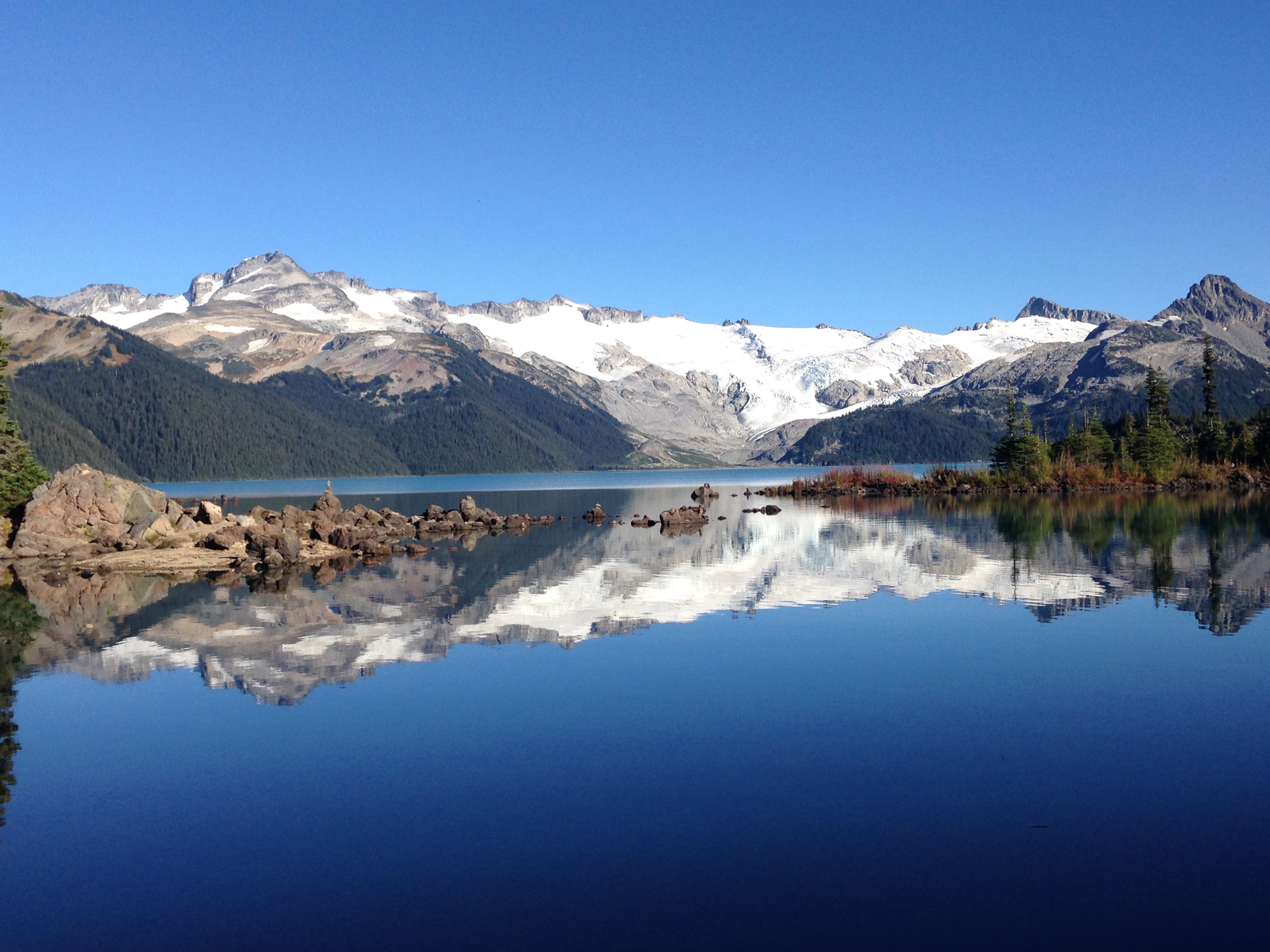
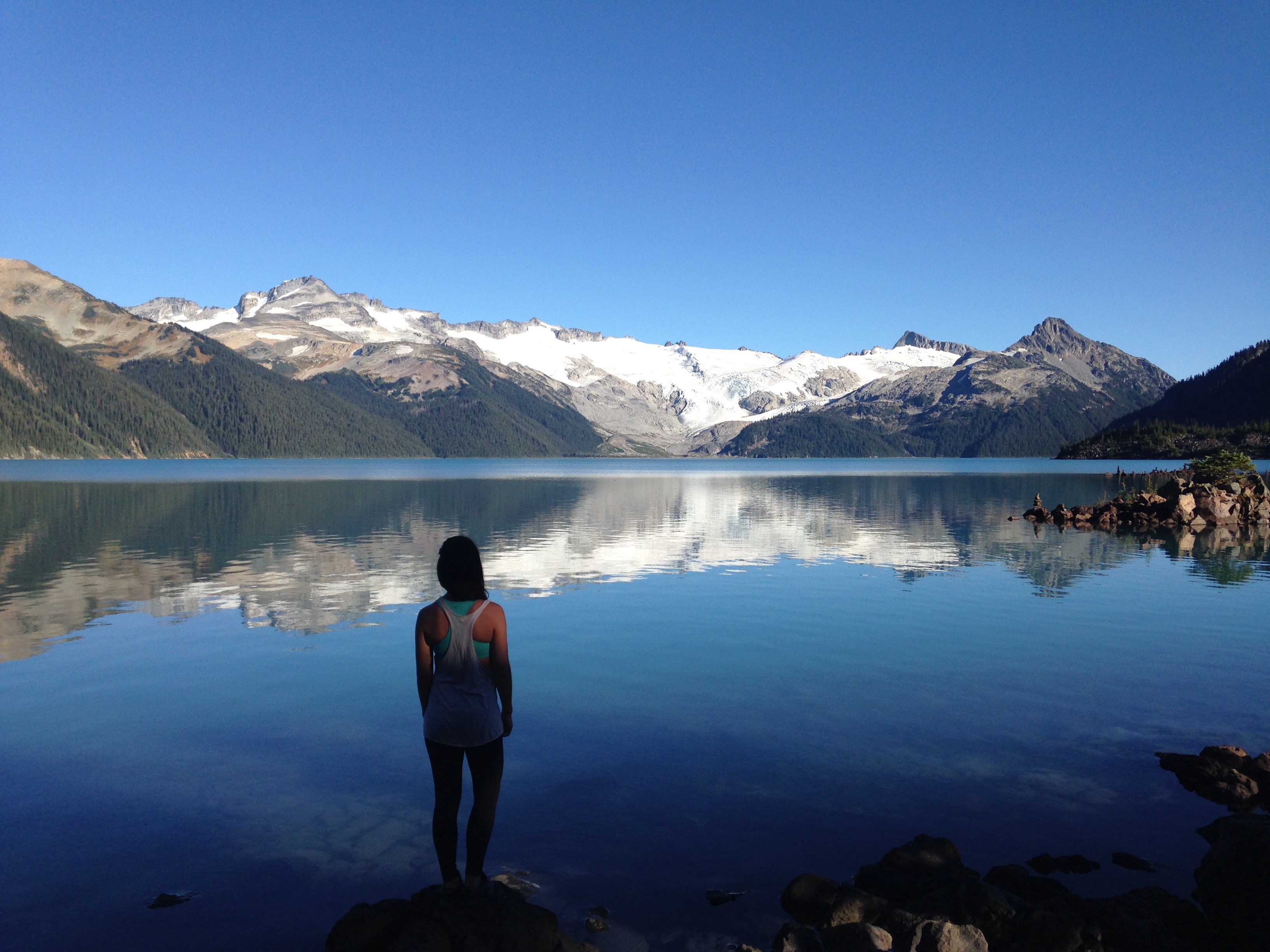
Rohr Lake – Cayoosh Range, BC

Camping has always been an important part of my life. Since I moved to the west coast in 2003, I camp almost every weekend from late spring to early autumn. In the winter, I camp in the cabins of the backcountry. I don’t mind cold temperatures and am not scared of the wild. In fact, I always put up my tent in the wilderness, places where no one goes, and probably no one’s been. Camping is for me a way of disconnecting from the hustling of my everyday life, reconnecting with myself and finding healing through nature. In fact, for me, there is nothing like the feeling of the mothering power from the earth under my bare feet, the cleansing of my lungs from the pure air, the soothing sound of nature in my ears, and the eye candy images of the natural beauty surrounding me.

I have done truck, boat, canoe, and snowmobile camping. However, I have never camped by foot. I have done a lot of day hikes. However, I have always come back at dusk thinking how great would it be to sleep here under the stars. When I called my outdoorsy friend Claudel and explained her my plan, she jumped aboard instantly.

Most of the hiking trails here in the Sea to Sky are part of Provincial Parks or are watershed areas. Both owners of active dogs, we had to find a trail that allowed our furry friends to happily run wild and free. After a long research, I found Rohr Lake.

Rohr Lake is situated in the Cayoosh Range, on an alpine bench north east of Mt Rohr. The trail is a 15km round trip, for beginner/advanced hikers. I had never heard of it, neither Claudel. There wasn’t much information on the Internet or in the trailmap book, only a few blogs from people that attempted the trail. Perfect, we thought, an unknown and uncrowded trail, exactly up our alley!

We each packed a travel backpack with warm and light clothes, hiking shoes and flip-flops. We had one tent, a chicken salad, a homemade guacamole and corn chips, 2 panini sandwiches, a bunch of grapes and a few energy bars. Claudel brought her sleeping bag and mattress. I went commando on that. I had to leave room for the wine (2 bottles of red, and a sparkling for the mimosas in the morning. Oh and a 6-pack of ciders). Water, dog food, flashlights, whistles, lighters, tissues, cups, cutlery… Our bags were probably half our weight.

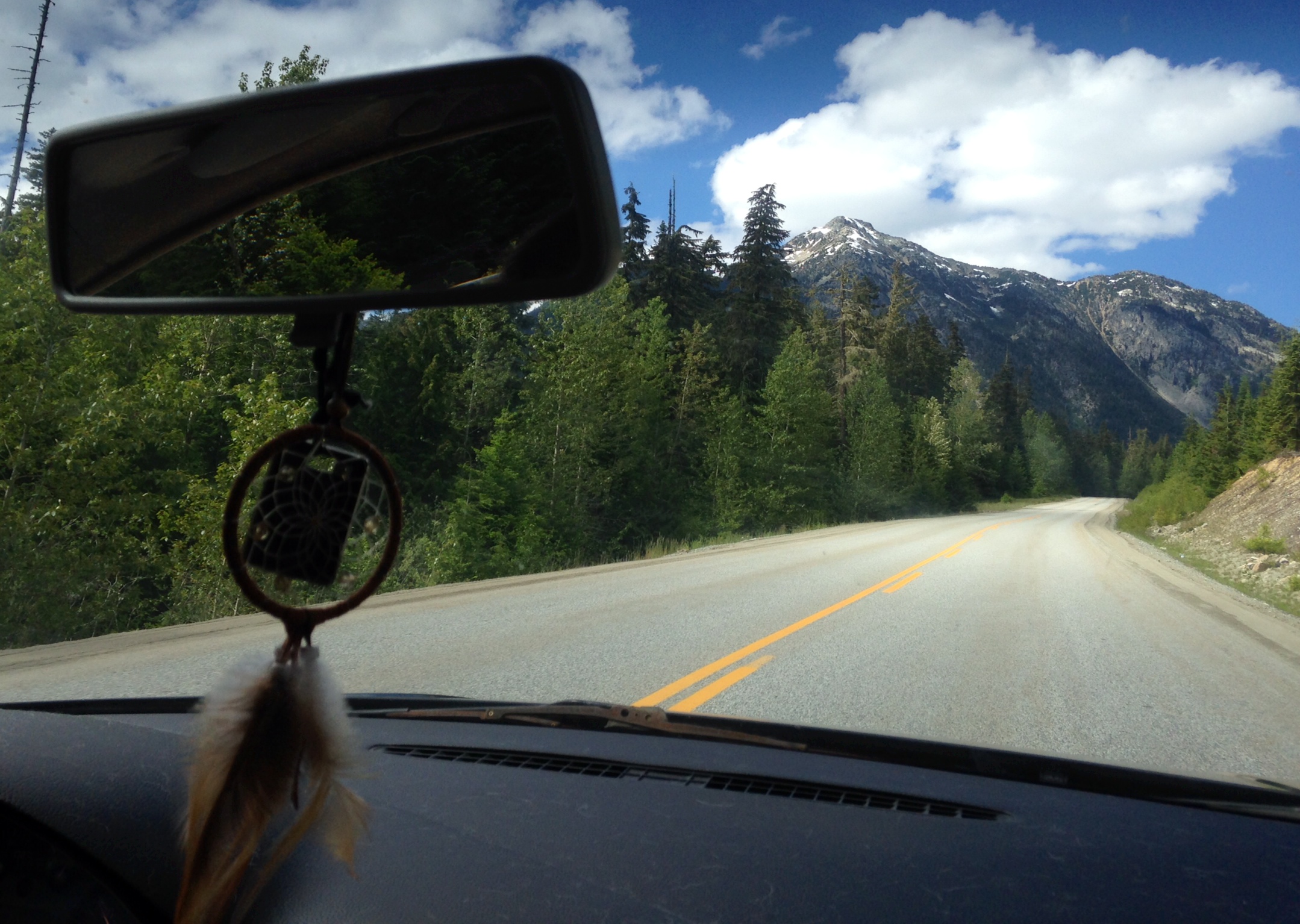
It was the last day of spring, on a beautiful and sunny late morning in June. We drove north on Highway 99 to Mt Currie towards Lillooet, on the Duffy Rd. When we passed Joffre Lakes and crossed the first bridge, we turned left onto an unassigned logging road.

photo 1-5

photo 2-6

We drove as far as our car could go, and parked on the side of the trail. If you have a 4WD, you can probably access the trailhead. 

photo 1-3

We walked the rest of the road to the beginning of the trail. It wasn’t much later than 15 min of walking on an easy surface that I thought to myself: Maybe Claudel was right, we could have brought just one bottle of wine…

photo 5-3

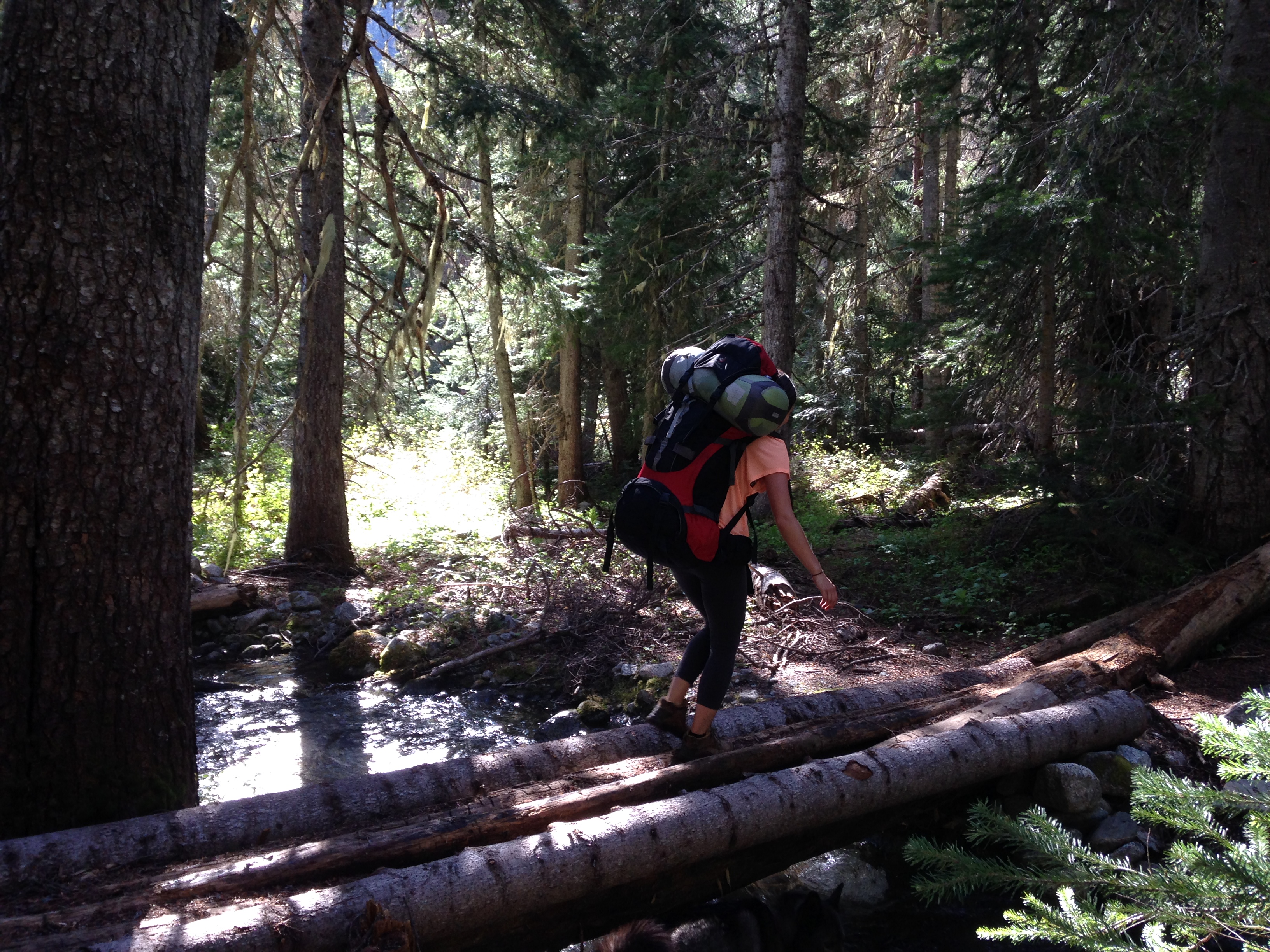
The first few km were quite lovely. It was a very easy hike through a well marked forest trail. At times we hopped on rocks to cross streams, at other times traversed stomps over creeks.

photo-5

photo 2-3

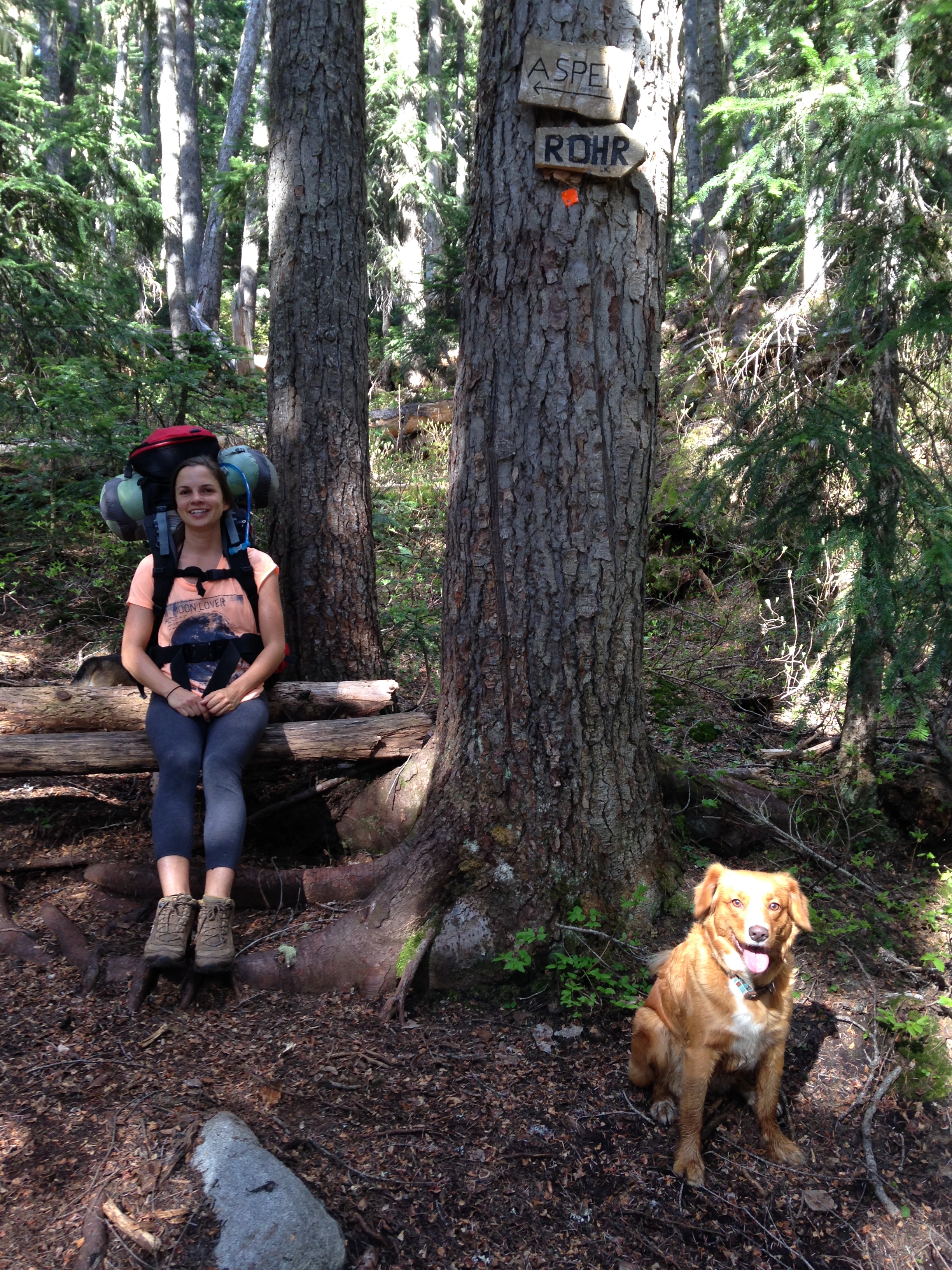
After a steep path, we arrived at the intersection of Aspen and Rohr Lake, where we stopped to catch our breath.

photo 5-1

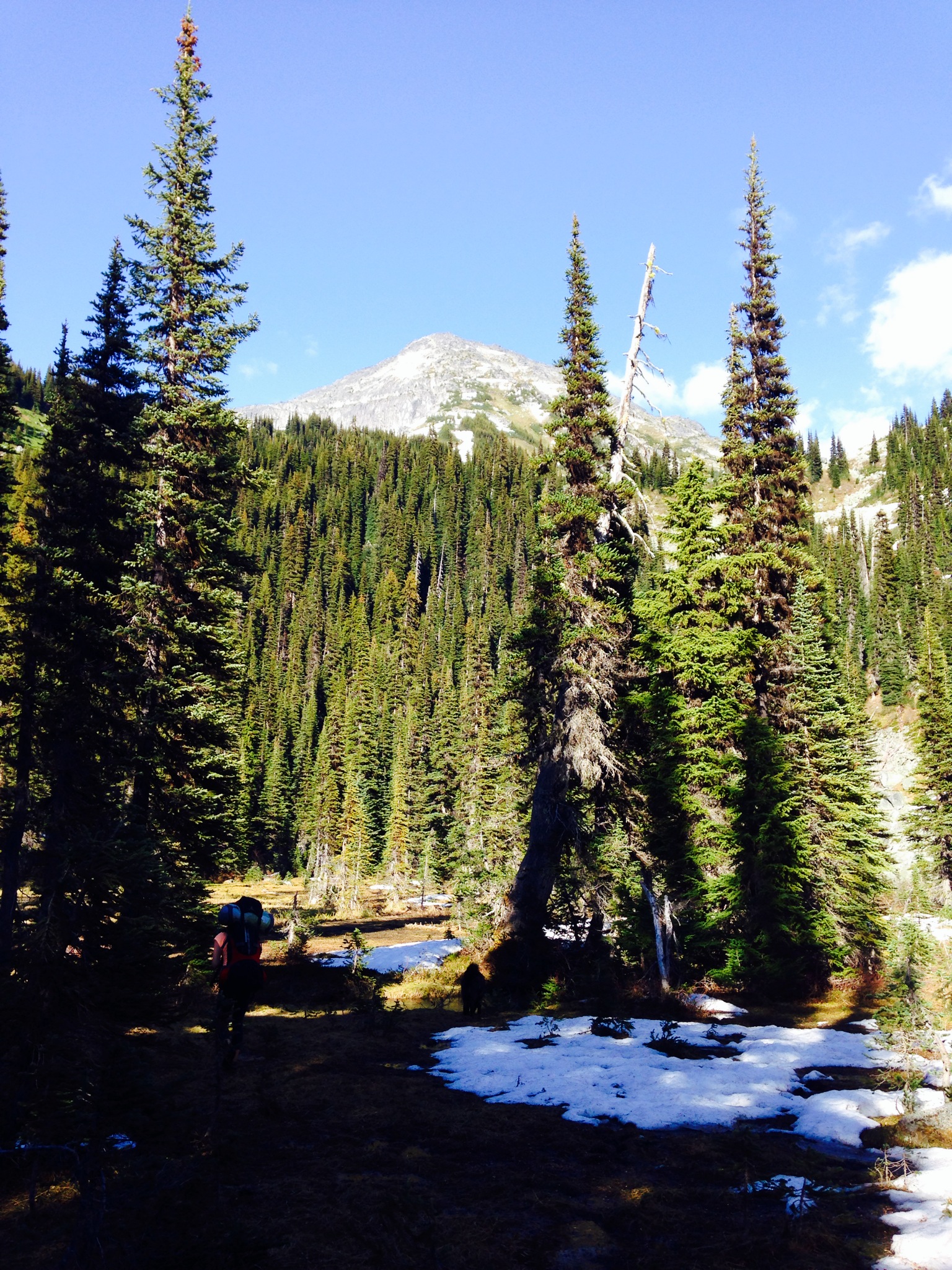
After a confusion in directions, having to drop our bags down on the ground and search for the trail, we found our way and got back on track. The soil was muddy and slippery, wet and snowy. Yet, we were still pretty clean. We made our way to the alpine meadow, where a blanket of moss appeared under the melting snow.

photo-6

There was so much snow still that no trail was to be seen. On our right side, there was a rock facade where the stream came down. We knew there was going to be an abrupt 300m uphill, and there it had to be. We left the bags on the grass and climbed the rocks. Miraculously, I spotted a red little flag attached to a tree, flowing in the wind. We scrambled back down the rocks, and picked up our loads.

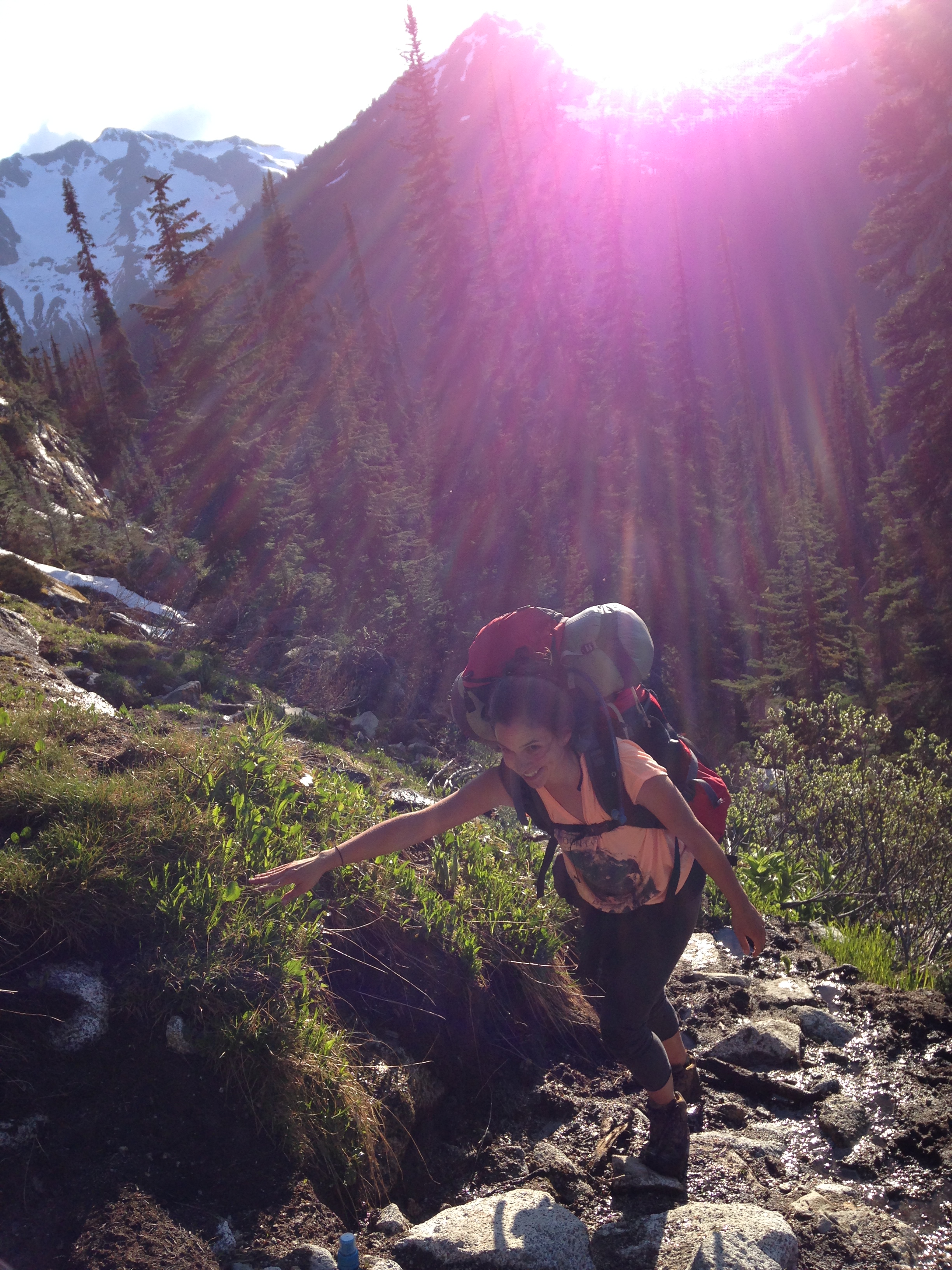
This wasn’t easy. As much as I could freely jump from rock to rock without my bag, now with 50 pounds glued to my back, I felt unbalanced with a lack of dexterity.

“So this is what it is to hike with an alcoholic!” mocked Claudel, with a winking smile, while climbing the wall with both hands and feet.

Indeed, the fermented juice we both carried made the hike most challenging. Yet, so rewarding!
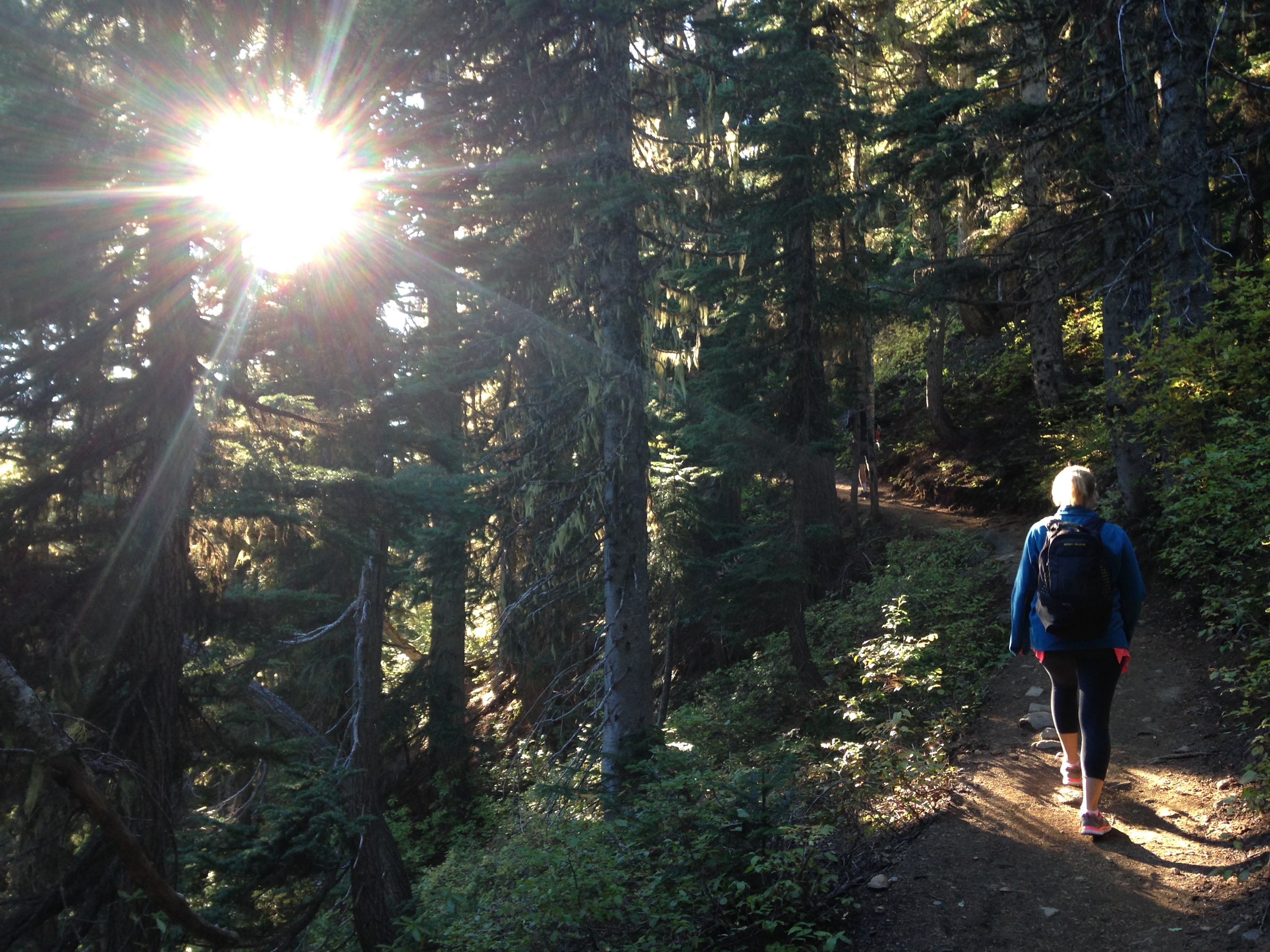
photo 2-1

After climbing the steep hill, reaching for rocks through the stream and our feet sinking in mud, we made our way on top. We turned around and caught a glimpse of the alpine.

photo 5-2

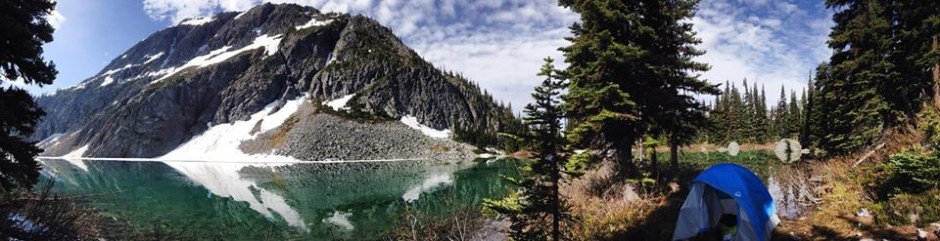
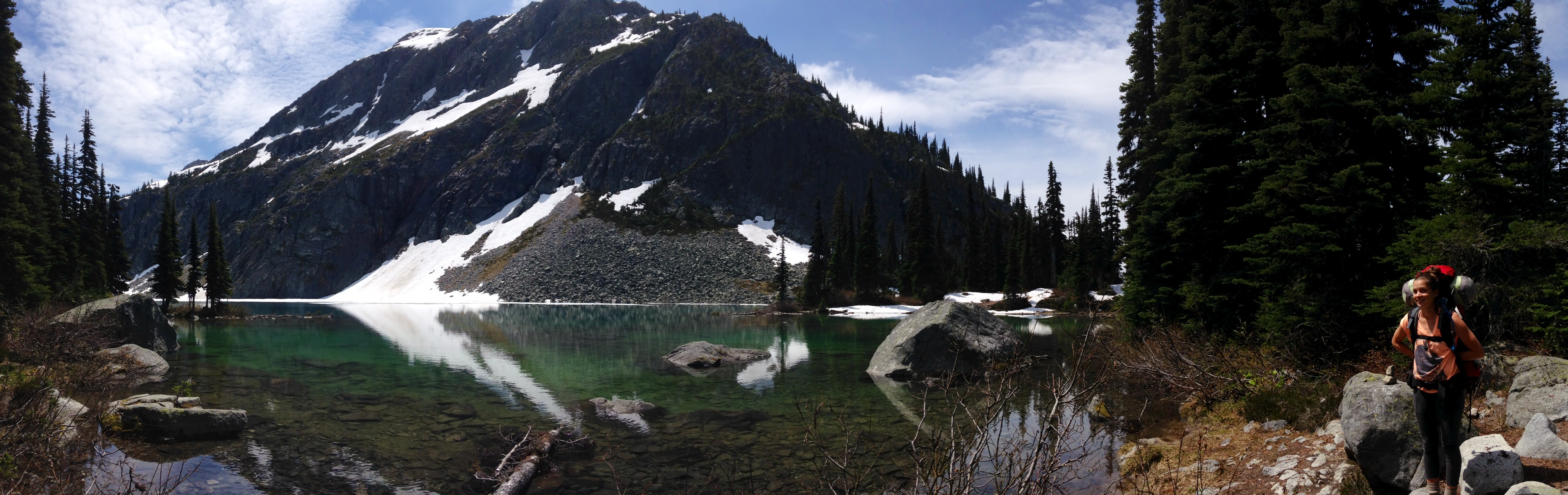
We made it to Rohr Lake, pristine water surrounded by beautiful mountain. Plus, we had it all to ourselves!

photo 1-2

photo 4-1

photo 2-2

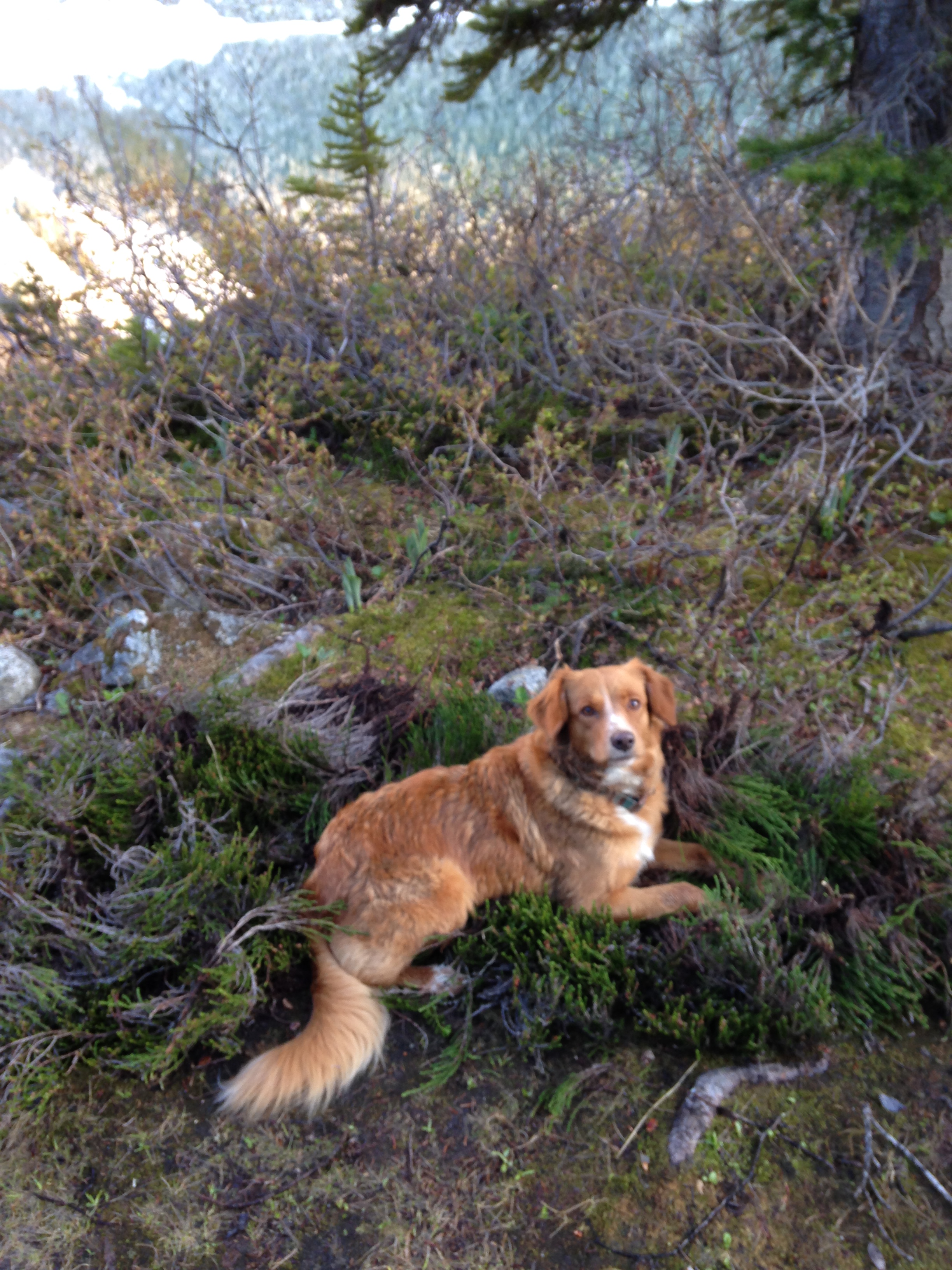
Why bring a mattress when you can find natural cushiness? I made one from cedar. Even Lady used it for a rest.

photo 3-3

The wine was definitely worth the effort and the sweat!

photo 1-6

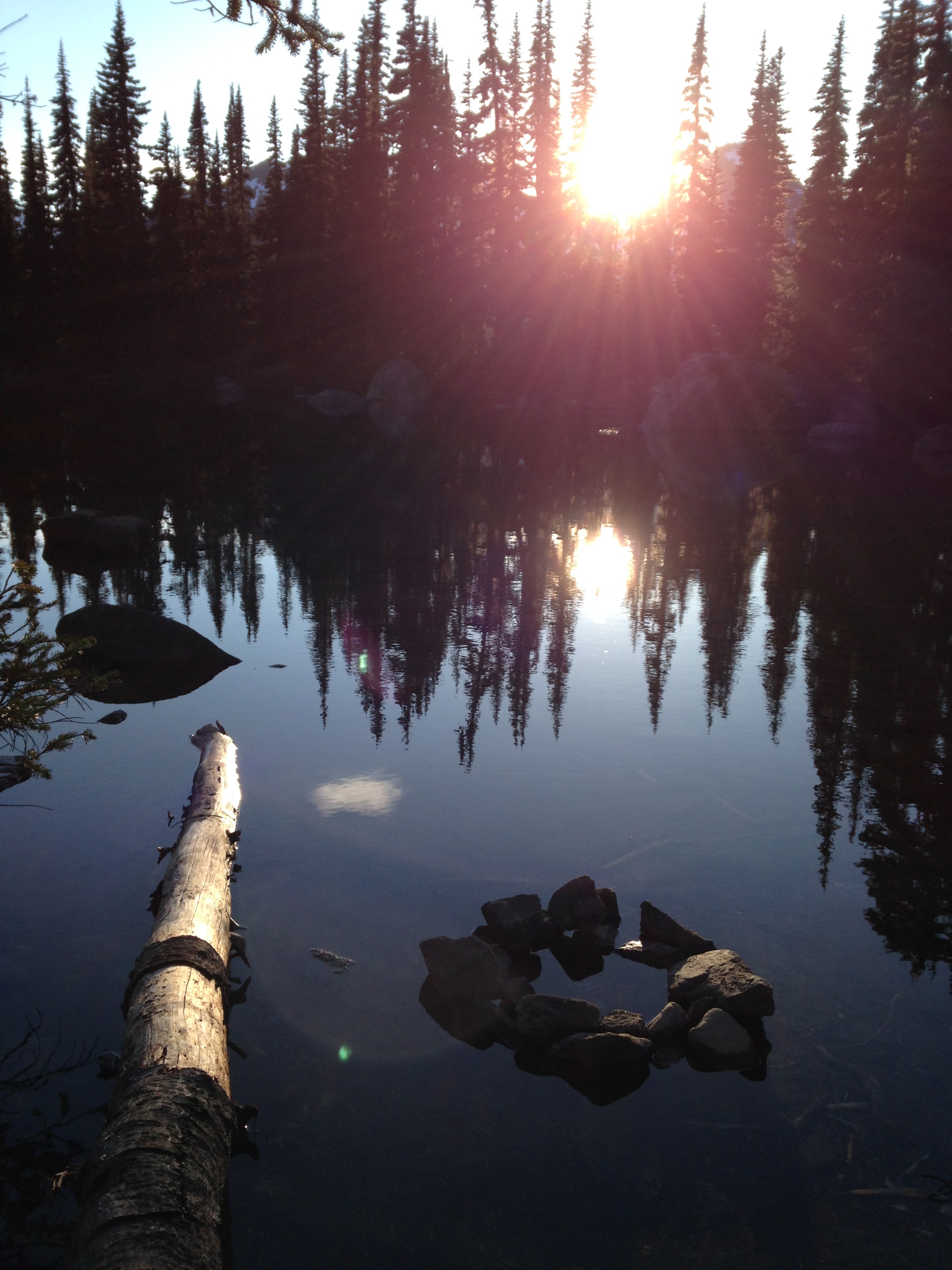
We celebrated the summer solstice that night up at Rohr Lake. We said farewell to spring as the sun hid behind the mountains. We watched the stars shimmer the sky at night. And when the sun rose up from a short night sleep, we listened to the birds chirping to a new and beautiful morning of summer.

photo 1-1


Photos: Napa Valley

Photographs taken during a road trip from San Francisco through Napa Valley. Read the full story: Wine Holiday: Road Trip Through Napa Valley.

Wine Holiday: A Road Trip Through Napa Valley

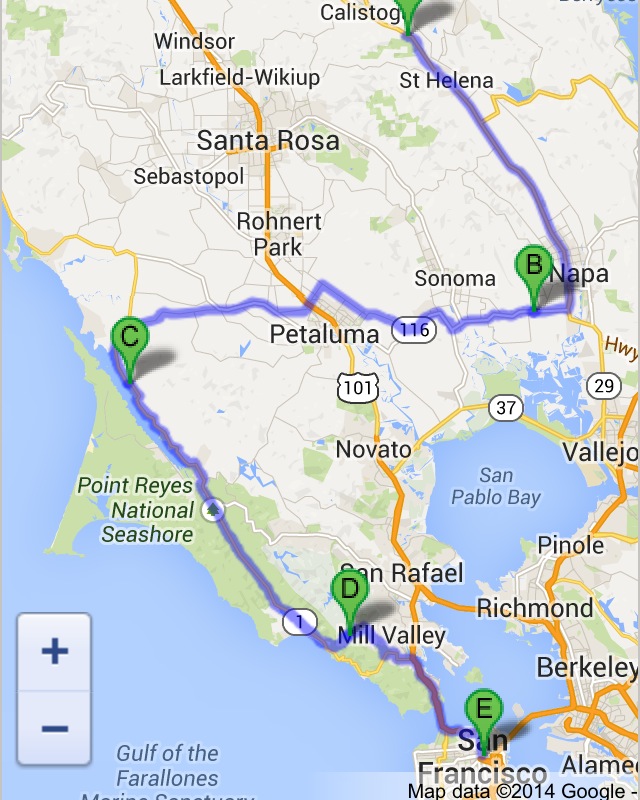
We drove north on highway 29, through scenic switchbacks of lush green grass overlooking fields of wild mustard sprouting under the trellised grapevines. At times, the route wound through open spaces sparkled with grazing livestock and where remarkable old oak trees filled the emptiness and characterized the landscape. We were on our way to Napa Valley, on the open road of Northern California’s wine country: 2 girls, 1 car, 1 tent, 2 days, 312km and a lot of wine in the forecast.

My friend Ashley moved to San Francisco a couple years ago to advance in her career of sommelier. At only 26 years old, she has an impressive and extended knowledge of wine, making her a curious oenophile with a hungry mind. She planned the itinerary, booked visits and tastings at the wineries and pleased me with a tent and sleeping bags consenting on spending the night under the stars. I couldn’t have a better host. IMG_0654   DAY 1: US 101-N/ CA-37 E/ CA-29 N 

photo(2)

It was a mild, breezy and sunny morning of early March. Summer dresses, tweeting birds and blooming cherry blossoms filled the streets of San Francisco as spring took over the last days of a cool winter. It was surprisingly a fogless day in the city, leaving the sky bright and clear. Freshly baked bagels wrapped in a paper bag rested in the backseat of the SUV between cheeses, wine and camping gear. We traversed the impressive Golden Gate Bridge and stopped at a secret local’s spot. After snapping some photographs of the scenic sight and snaking on delicious bagels, we jumped back in the car and embarked on our journey.

Withing an hour, we arrived to the Legendary Napa Valley, where rows of grapevines and blankets of yellow buds welcomed us under a radiant sun.

Napa Valley

Napa Valley is considered one of the premium wine growing regions in the world, ranking first along with France. The valley is located between the Mayacamas Mountain Range and the Vaca Mountains, with the floor of the main valley progressively rising from sea level to 362 feet above sea level. Its geography, Mediterannean climate, and geology blend together to grow quality wine grapes. The rich wine making industry of Napa Valley started well before the Californian gold rush. The first commercial vines planted in the valley was in 1839 by George Yount. Since then, European pioneers came to test their hands at making wine to compete and outrun the ones of their homeland. The industry boomed in the 1860’s and 1870’s as more than 140 wineries blossomed in the valley. However, the arrival of the vine disease phylloxera louse, the Prohibition and the Great Depression affected the wine industry in the late 19th and early 20th centuries. After 14 years of abandon, the viticulture slowly recovered and, thanks to the great results of the Paris Wine Tasting of 1976, Napa Valley was recognized as capable of producing the best quality wines. http://www.youtube.com/watch?v=eoS7oxxZR4Y Wine Tastings Tours Napa Valley is home to world-acclaimed wineries. A wine tasting experience is a must. Whether you choose to join a wine tour group, follow a winery cycling circuit, hire a personal chauffeur or opt for a self-guiding visit, this slice of heaven will be sure to give you the ultimate sensory experience. Our first tasting was at Joseph Phelps Vineyards, where we had a very educative private tasting on the terrace. Today, the winery is known as producing important estate-grown wines from the 80 acres of Pinot Noir and 20 acres of Chardonnay. Joseph Phelps’ flagship wine Insignia is recognized as one of the world’s great wines. IMG_0639 Our next stop was at Far Niente, where Ashley booked an early afternoon visit and tasting. We entered a tunnel of Autumn Gold ginkgo trees before arriving to the wrought-iron gate entrance.

Founded in 1885, Far Niente is a magnificent historic stone construction built against a hillside in western Oakville. We took a walk through the beautiful and serene landscaped gardens flourished by bloomed tulips. We finished at the Carriage House, home to a collection of classic automobiles.

Then, we visited the impressive 40,000 square foot wine-aging cave.

The tour followed by tastings featuring current releases of Far Niente estate wines each paired with seasonal cheeses. The best part was kept for the end: a taste of Dolce, a liquid gold, late harvest wine.

Last stop was at Nickel & Nickel where we were welcomed with a glass of their signature 2012 Truchard Chardonnay. We had a very educative visit, as we walked through the historic farmstead.

We were then invited to sit and relax on the porch of the Sullenger House, a restored 1884 Queen Anne-style home. A glass of their 2010 John C. Sullenger Vineyard Cabernet Sauvignon was poured in front of us. As we enjoyed every taste and every sip, we watched the hummingbirds feeding on the Rhododendrons and, as the sun slowly made its way towards the hills, we admired its setting rays filtering through the Canary Palm trees.

Bubbles Paired With Sunset As we wanted to catch the last sunrays, we drove up to Auberge du Soleil for a glass of bubbles. Sitting on the beautiful terrace overlooking panoramic views of spectacular vistas, we watched the sunlight dim across the vineyards as it tinted the valley of a golden glow and blushed the sky of a purple light. We sat back, relaxed and enjoyed a glass of their sparkling ‘Auberge du Soleil “Reserve” North Coast’. Perfect setting, pleasant company and palate well pleased.

Fine Dining and Camping Napa Valley is North America’s food and wine premier destination. Over 125 exciting restaurants offer outstanding dining by some of the world’s best chefs. With a farm-to-table culinary scene, the region is sure to take you through a remarkable culinary adventure. We chose to go to Bouchon, a fine dining French bistro located in Yountville. Its relaxed and bold atmosphere put us at ease in our Napa-Casual clothing. We sat at the bar amongst wine connoisseurs and aspiring sommelier masters. The wine was beautiful, the food pleasant, the atmosphere vibrant.

While fellow patrons impressed me with their wine and food knowledge, I piqued their curiosity when I informed them of our camping accommodation. “You girls are in one of the wealthiest communities in all of America, drinking fine wine in a world-class restaurant, and you’re telling me you’ll be sleeping in a tent tonight?” And why not? We arrived at Bothe-Napa Valley State Park where we cracked a bottle of wine and, in our long summer dresses, set up the tent in the protected forest. Delicious wines, fine food, pristine sceneries and a night under the stars. Bliss. photo(7)   DAY 2: CA-29 S / CA-12 W/ CA-116 W/ CA-1 S photo The chilly night turned into a beautiful and sunny morning. The scent of fresh dew balancing on grass and the rays of the rising sun warming up the tent nicely awoke us. We packed the tent, rolled the sleeping bags and hit the road. Breakfast of Bubbles Founded in 1987 by Champage Taittinger, Domaine Carneros is considered a regional landmark.

We sat on the terrace overlooking views of hills covered of endless vineyards. Different tastings are available on the menu, as well as wine and food pairings. We began with the tasting of their sparkling wine trio sampler: Brut Cuvee, Brut Rose and Vermeil Demi-Sec. Other wines were served. At this point, I disconnected myself from the connoisseurs’ exchanges and started a love affair with the bubbles. All of them. Because at the end of the day, I’m not a grape nut. I’m just a wine lover. A big wine lover.

Fresh Oysters, Sparkling Wine and Delicious Cheeses: A Picnic Treat on the Coastal Beach We headed west towards the Pacific coastline. The scenic highway 116 curved through farms, vineyards and tunnels of Redwoods before making its way to the coast.We stopped at the Hog’s Oyster Farm and picked up a tray of fresh oysters and clams from the bar. Along with our bubbles, cheeses and bagels, we rented a picnic table in the beautiful surrounding of Tomales Bay and ventured into a shucking session. It took some effort, but the reward was worth the sweat.

Picturesque Big Sur Coast: The End of the Journey The exhilarating highway 1 is world-known as the best scenic drive. The road, hugging the seaside cliffs, twists and turns as mountains plunge into the Pacific ocean. I admired the astonishing views of Big Sur on my right side, as we drove South back to San Francisco. California’s Pacific Coast highway is a breathtaking drive, the kind that makes you feel alive.

Ashley had one more surprise. She turned left onto Panoramic Highway, and here we were driving up through a forest of Redwood groves and Oak woodlands. We arrived at a spectacular and panoramic view point, a 2,571ft peak in the Mount Tamalpais State Park. I admired the city of San Francisco bustling and hustling down below and marveled at the stunning views of the ocean with a setting sun.

There was no wine here this time, just 2 girls, breathtaking views and blissful smiles. IMG_0772 PS: Don’t drink and drive. Have a designated driver or hire a chauffeur. If you decide to drive, avoid afternoon inebriation by spitting the wine. You can still have a good taste of it, just be responsible and wise. Obviously if you are a wine lover like me, don’t drive. Then you can finish the glasses of your driver 😉

A Decade In Such Great Heights

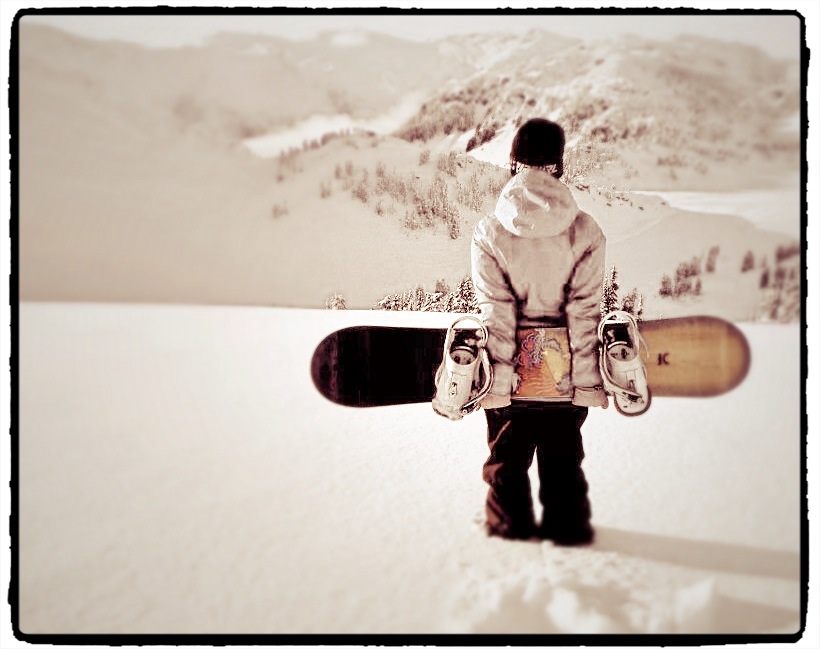
500 weeks ago, I headed west aboard a Greyhound bus on the Trans Canada Highway, bringing along a poor English, a backpack, a snowboard and just a few dollars in my pockets. After spending the summer by the sea in Victoria, BC, working at a Yögen Früz to learn a second language, I migrated to the city. However, the crowdedness of the streets, the continuous autumn rain and the stressful lifestyle wasn’t for me. I travelled north of Vancouver for a day, to explore a magical town that I heard so much about. Indeed dreamy, lively and chummy, I found myself immersed in a bubble of eternal smiles where people actually…lived. I met a group of local residents, a few of them also from Quebec, and soon enough we clicked and exchanged numbers. And this is where it all started…

On October 13th, 2003, I packed my bags and headed towards Whistler. A week earlier, I have accepted an invitation to rent a room at these locals’ house. I barely knew them, had no idea where it was located, but I knew I was going to move to Whistler. I found myself sharing a room in a garage with a stranger and paying the full price of $450 a month. The basement suite was old and dated. The wooded walls were dusty, the rooms were dark and the carpet moldy… It was perfect! I was so happy to be there that nothing could stop my ecstatic joy.

At 19 years old, I have found my paradise, on my own, away from home, in the unknown. I was the happiest girl. I got a job right away cleaning luxurious homes and working on the mountain serving chilly potatoes to hungry skiers and snowboarders from all around the world. While friends at home started university, I started my own. It could not have been a better English immersion. It could not have been better life lessons. I lived in million dollar homes, I snowboarded the best terrain in the world, I met inspiring people. I became part of the movement: the young at heart, the free spirits, the gypsies of the world. I made friends that became my family, I matured up and evolved, I became fluent and I live life at the fullest.

I remember when we used to gather around the steps of Moguls warming up on each other’s mountain stories of the day. I remember feeding on Raman noodles and 0.99$ loafs of bread and 8-packers of Pilsner. I remember the 50cm powder days, waking up at 5am to be the first in the line-up and getting stuck all day. I remember the people that came and then left, but always returned. I remember the ones that stayed and became the wonderful family I have today.

Now, 10 years later, I look back at all those years that went by. I am so thankful for having found such a perfect bubble nestled in paradise. A place to call my home. Thanks to all of those that helped me through this journey, the ones that tagged along, the ones that inspired. Thanks to the community who made me feel like a human, with passions to follow, dreams to pursue. And thanks to the mountains, the ones that gave me fresh air to breathe, hills and trees to ride, magical snowflakes to fall from the sky. You made me feel alive.

I might not be on your ground at the moment, but I raise my Moroccan tea in your honor. Cheers to you Whistler, and thanks for the good ride.

image

Note: I apologize for any mistakes, this is written on an iPhone with a poor Moroccan Internet connection.

Yearning For Simplicity

A pack of malicious clouds covered the village of Whistler with continuous precipitation on this Tuesday morning of late August. The cool breeze and the leaves prematurely falling from the maple trees almost made us forget about the endless sunny and hot days that made our summer until now.

I opened the door of the local brasserie for business, the old wood cracking with the movement. I chose a reggae playlist, if only to bring a little sunshine on this rainy day.

Through the glass windows, I perceived a mature couple walking towards the entrance.

“Good morning,” I welcomed.

“So,” inquired the husband with a mocking smile while hanging their umbrella, ”has it been raining like this all summer?”

“Actually, we had a gorgeous summer,” I reassured with a laugh.“No drops until today. We desperately needed rain as it started to become dangerously dry.”

I wiped the bar counter and invited them to sit on the red leather stools. “Would you like some coffee to warm you up?”

The couple settled to the bar and agreed to hot beverages.

The clock on the service computer indicated 9am, but the darkness of the outside felt like it was late at night. The flowers surrounding the patio swept to one direction and the dead leaves swirled to the left side of the terrace as a strong wind picked up. We watched the rainfall, sheltered in the deserted yellowed wall bistro.

“So you guys are visiting Whistler for a few days?” I asked the couple.

“We are,” said the man, wiping the last parcels of water on his thick black framed glasses. “Actually, we haven’t been here in 9 years, but we lived here for 17 years, back in 1977.”

“1977!” I repeated with astonishment, “pretty impressive. You were part of the “making of” the town. You have seen it grow from a seed to full tree.”

“We sure did,” affirmed the man while sipping the foam of his cappuccino. “I remember when they put up Red Chair, there was just a few of us on the trails, we were so spoiled. There was only 4 or 5 lifts at that time… and how many today?”

”37.” I answered.

“37 chairs!” exclaimed the man.

“And a lot more people!” I smiled.

“I bet. That’s a reason why we left. Whistler was becoming more of an extravagant resort town rather than the home it has become to us in the recent years.”

“Where did you go after?” I permitted myself to ask.

The man looked at his wife and I could glimpse a timelapse of memories going from eyes to eyes. He explained that they moved to the lower mainland, close to the city, and found jobs there. Her as a teacher and he as a construction worker. And after a couple of years they purchased a home. “That was back in 1998 when houses weren’t in the six figures,” he explained, “but then we realized that we weren’t ready to settle down. So we sold the house and bought a sailboat. We sailed all the way to Mexico and moored there for a couple of years. Some of the best years of our lives.”

Their complicity enlightened the obscurity of the rainy day. They shared stories of their time spent on the Mexican coast, living the life of aliens, making hand made crafts from recycled debris, teaching English to adults and kids, helping building small villages and schools, all in exchange of supplies and food.

“We didn’t have any mortgage to pay, or kids to feed, or job to attend. We were free.” he smiled to his wife.

“But freedom isn’t eternal?” I doubted.

“No it’s not. That’s why after a few years, when the mooring fees drastically increased we decided to sail back to Canada,” he said. “And we were ok with that. We knew we didn’t want to raise our future kids in the city so we sold the boat and found ourselves a beach house on the Sunshine Coast and started a beautiful family.”

“No more sailing?” I dared to ask.

There was something about his smile and the quietness of his wife that made the couple a very mysterious kind. I wanted them to talk about their adventures all day. I didn’t want them to leave.

“At our age now,” responded the man after finishing his last sip of coffee, “sailing in open ocean is really exhausting and expensive. But we did get a smaller sailboat and cruise around the Gulf Islands. Valerie and I opened a small craft store. We don’t make a lot, but plenty to afford what we need.”

That was it: “what we need”. A concept that Whistler has buried long ago under tourism development and big buildings and amenities to satisfy a world based on wants. But that wise gentlemen and his timid wife had all they needed: health, food, shelter, wind, and each other.