
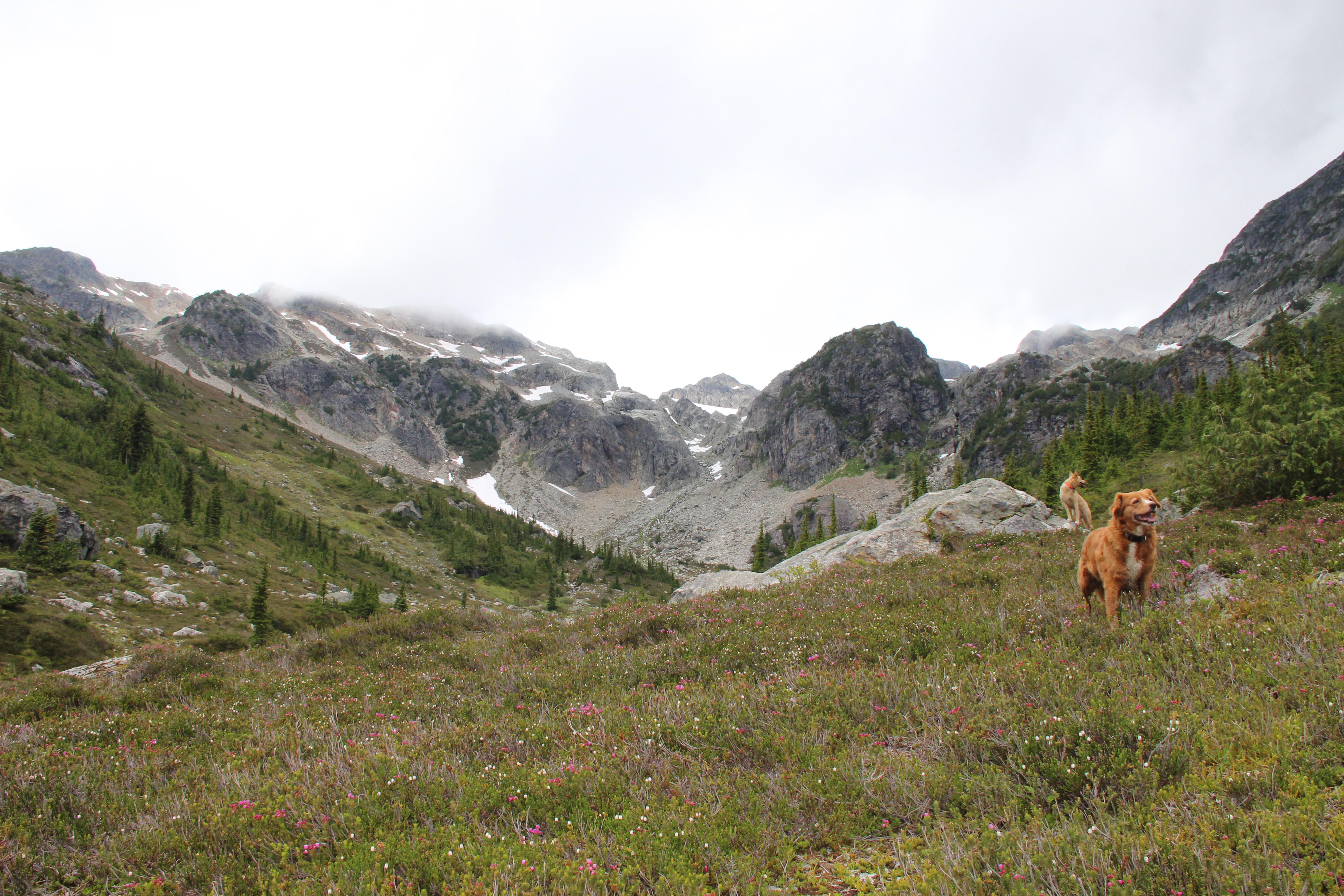
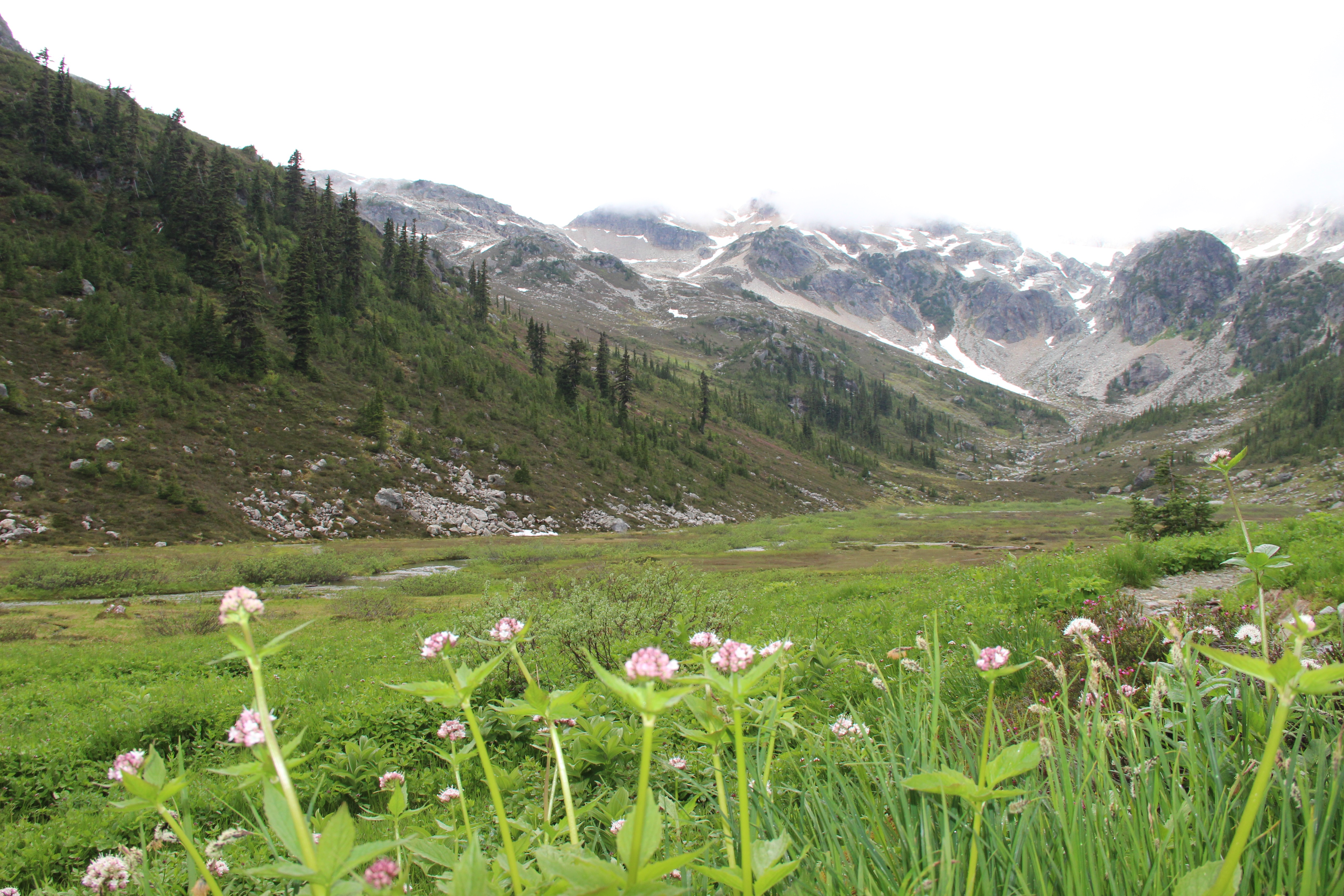
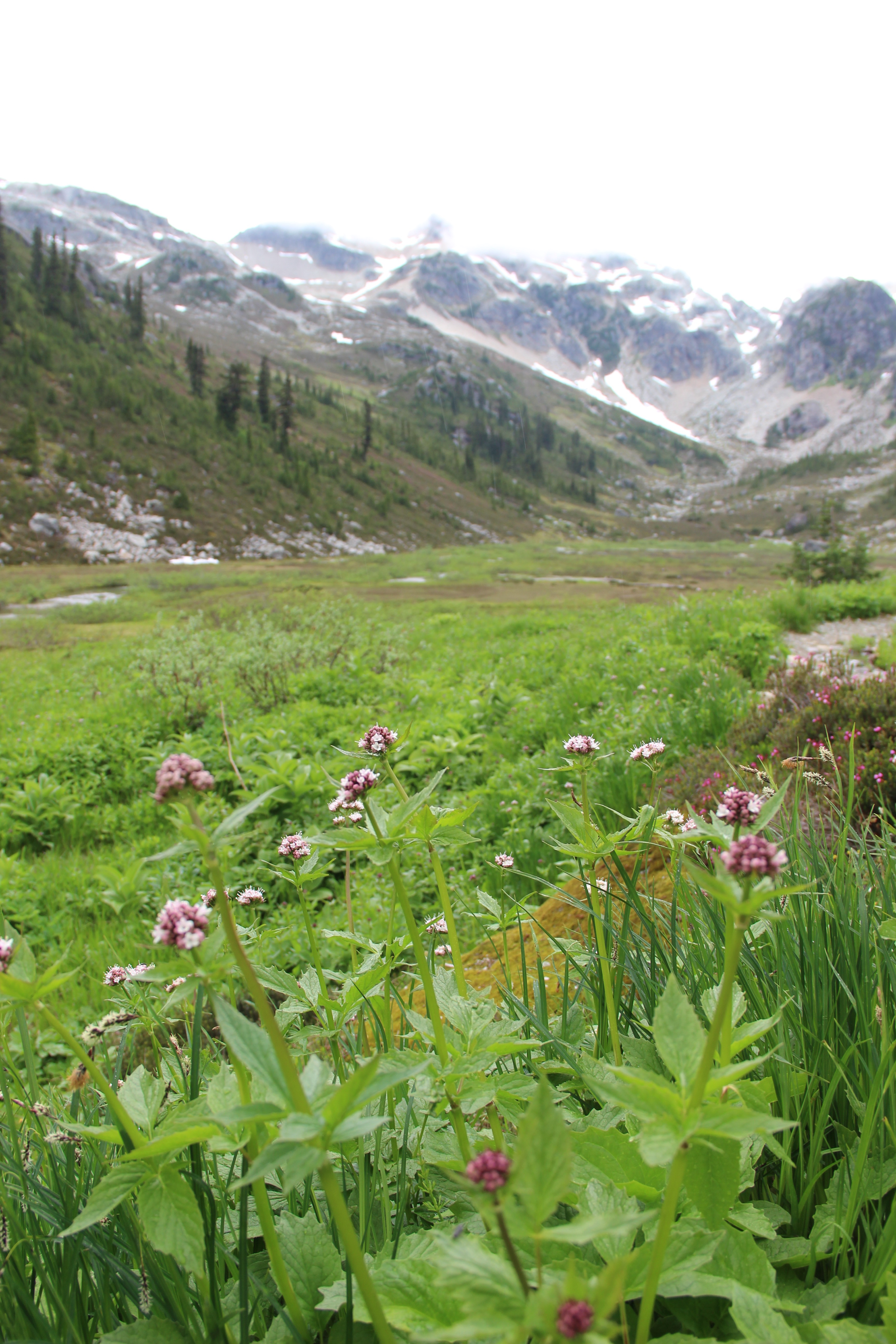
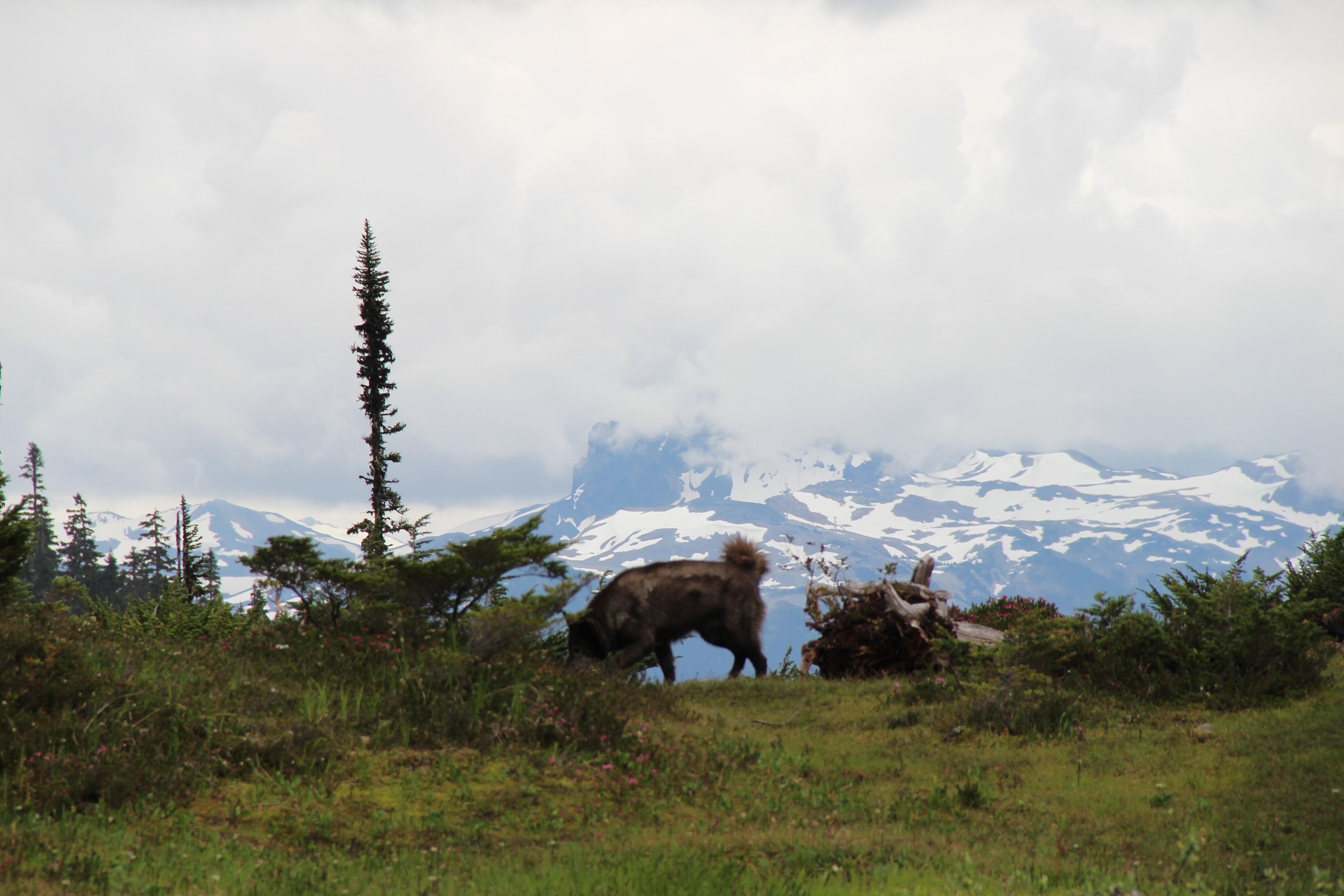
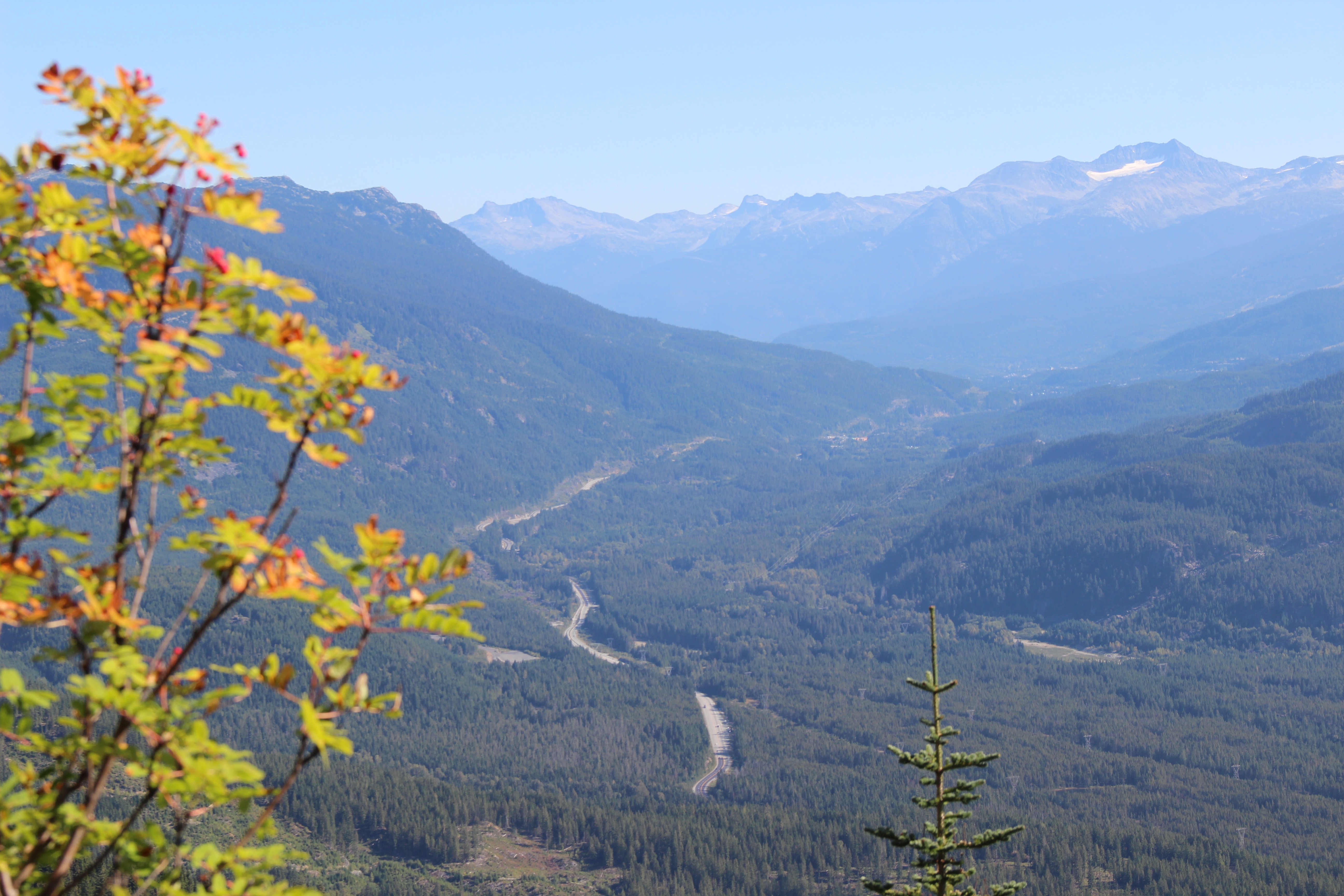
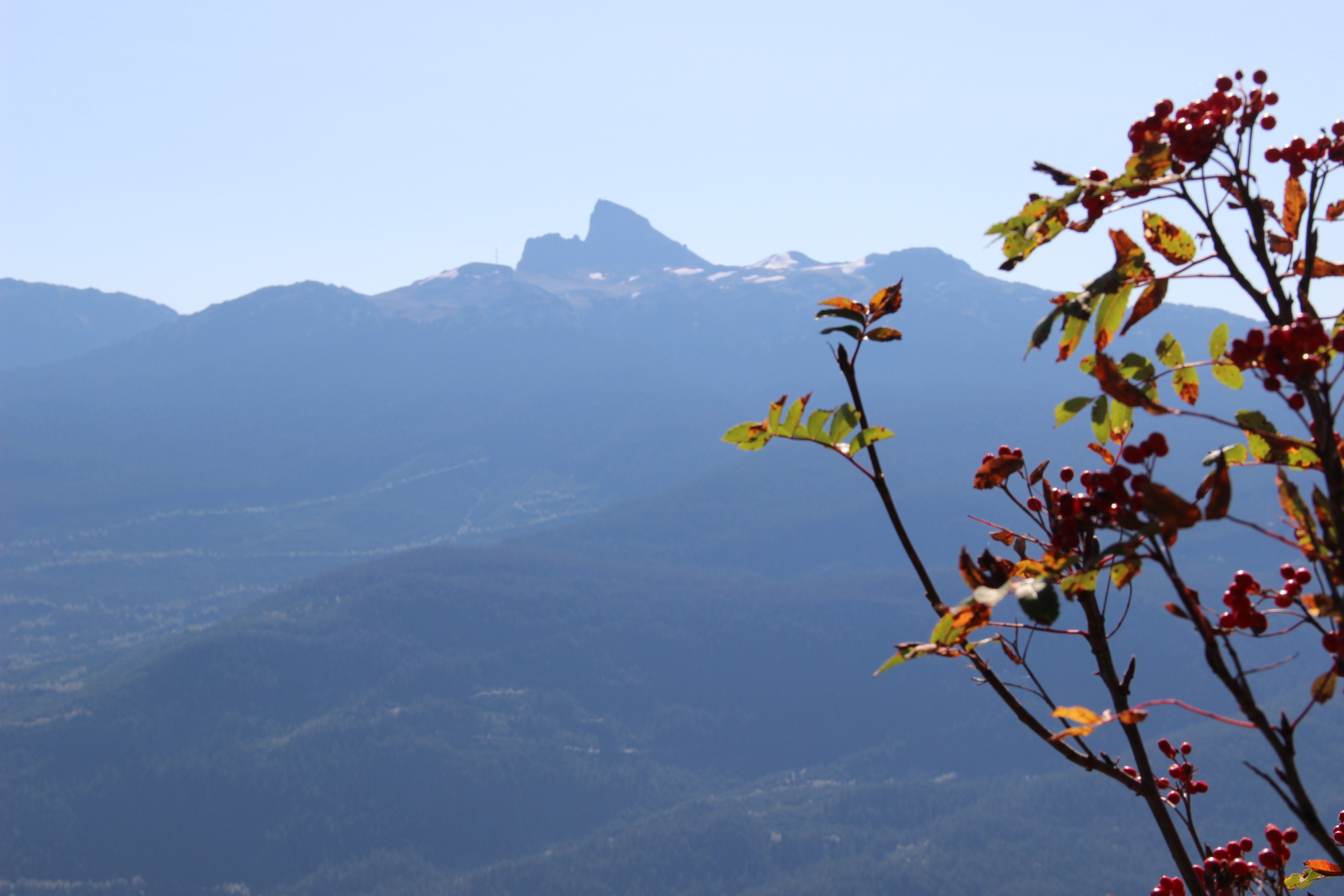
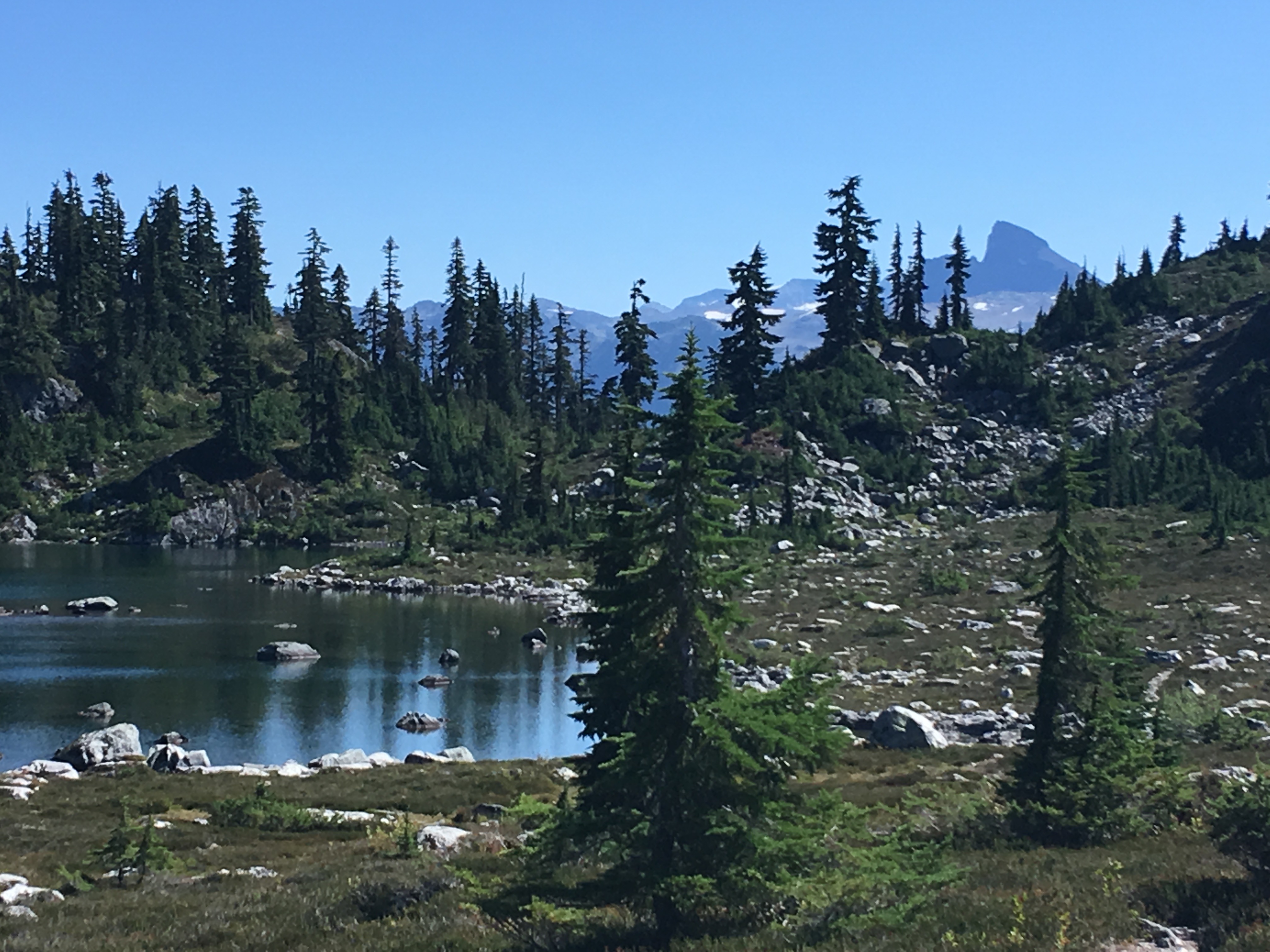
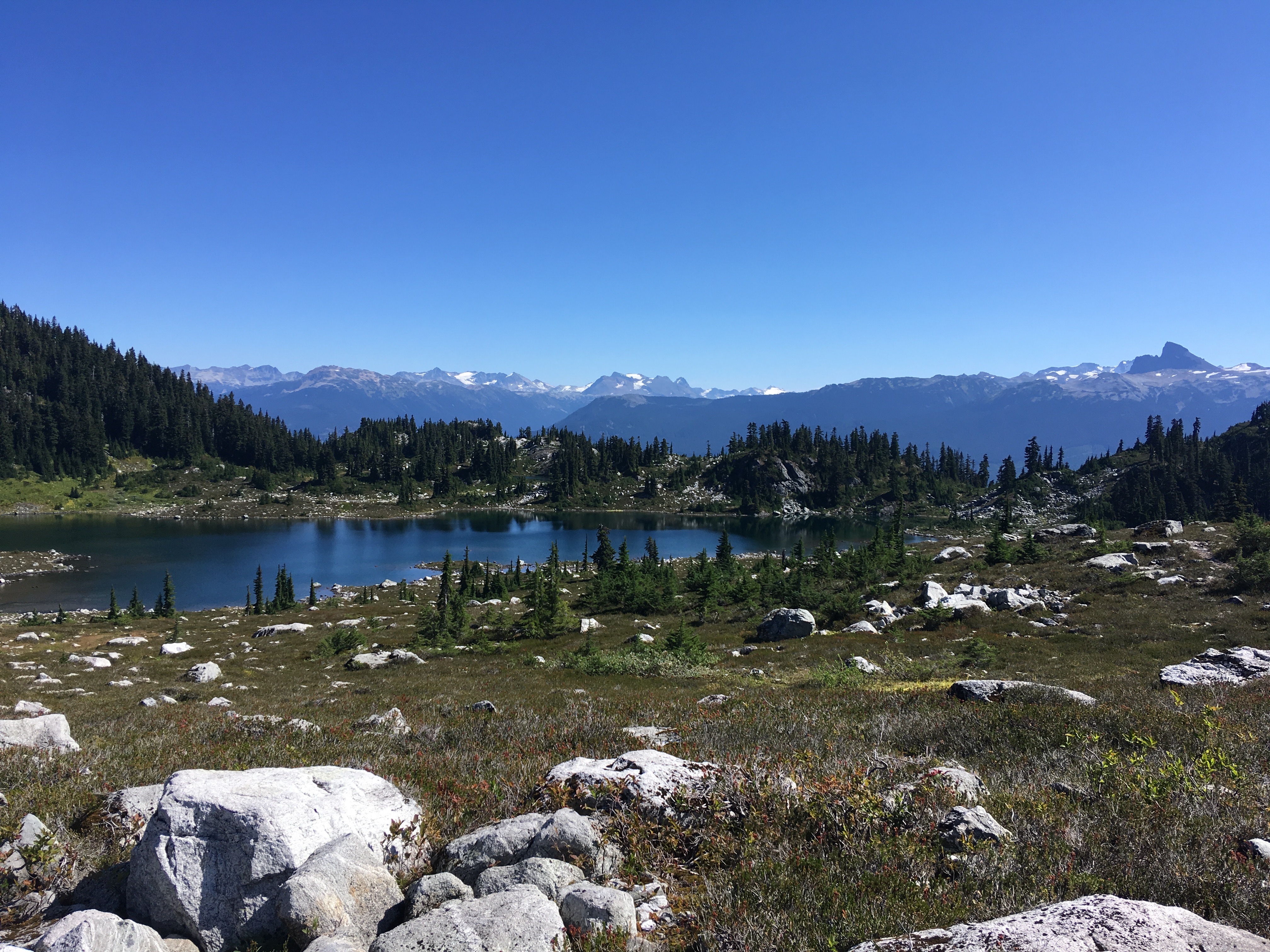
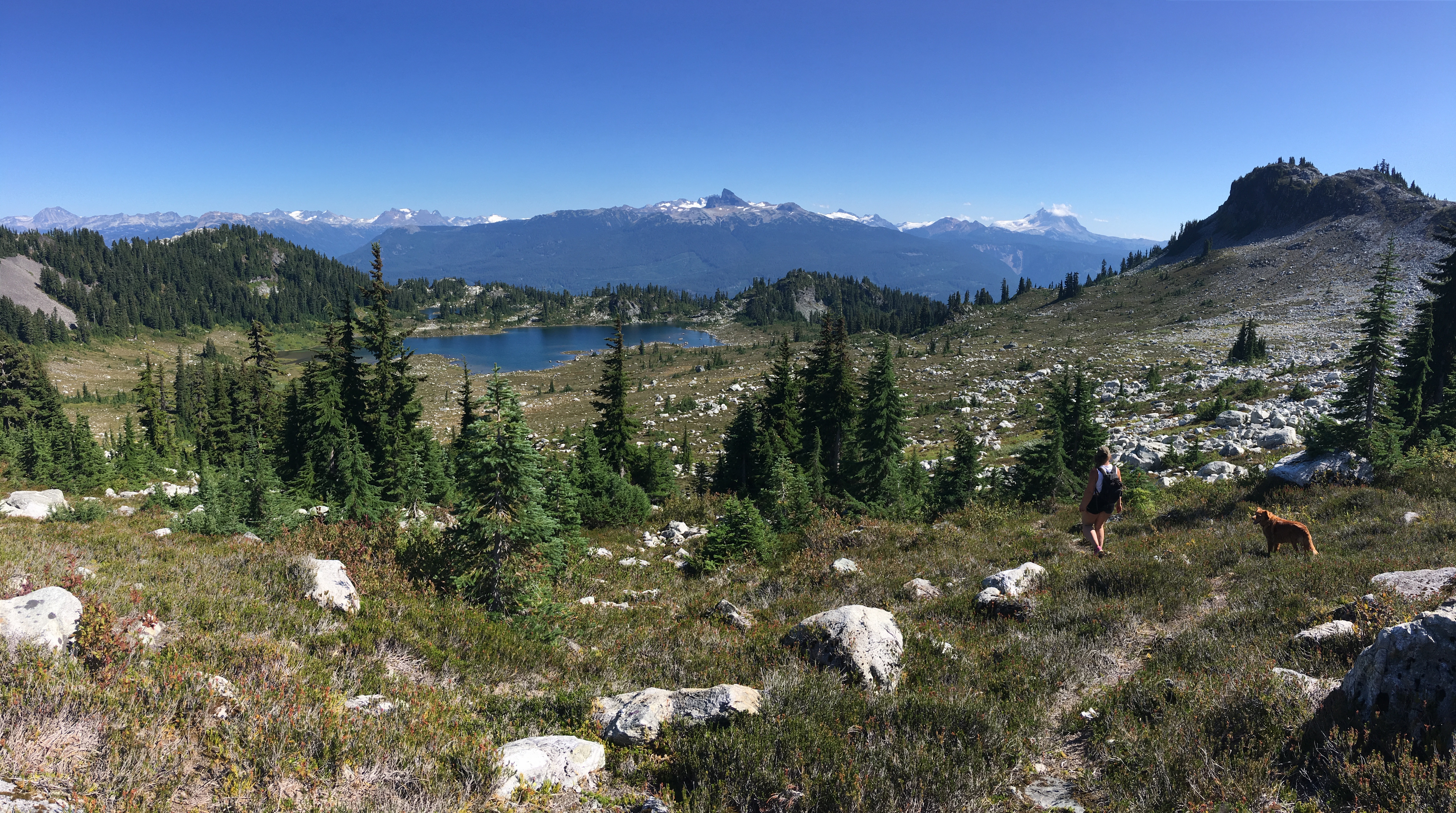
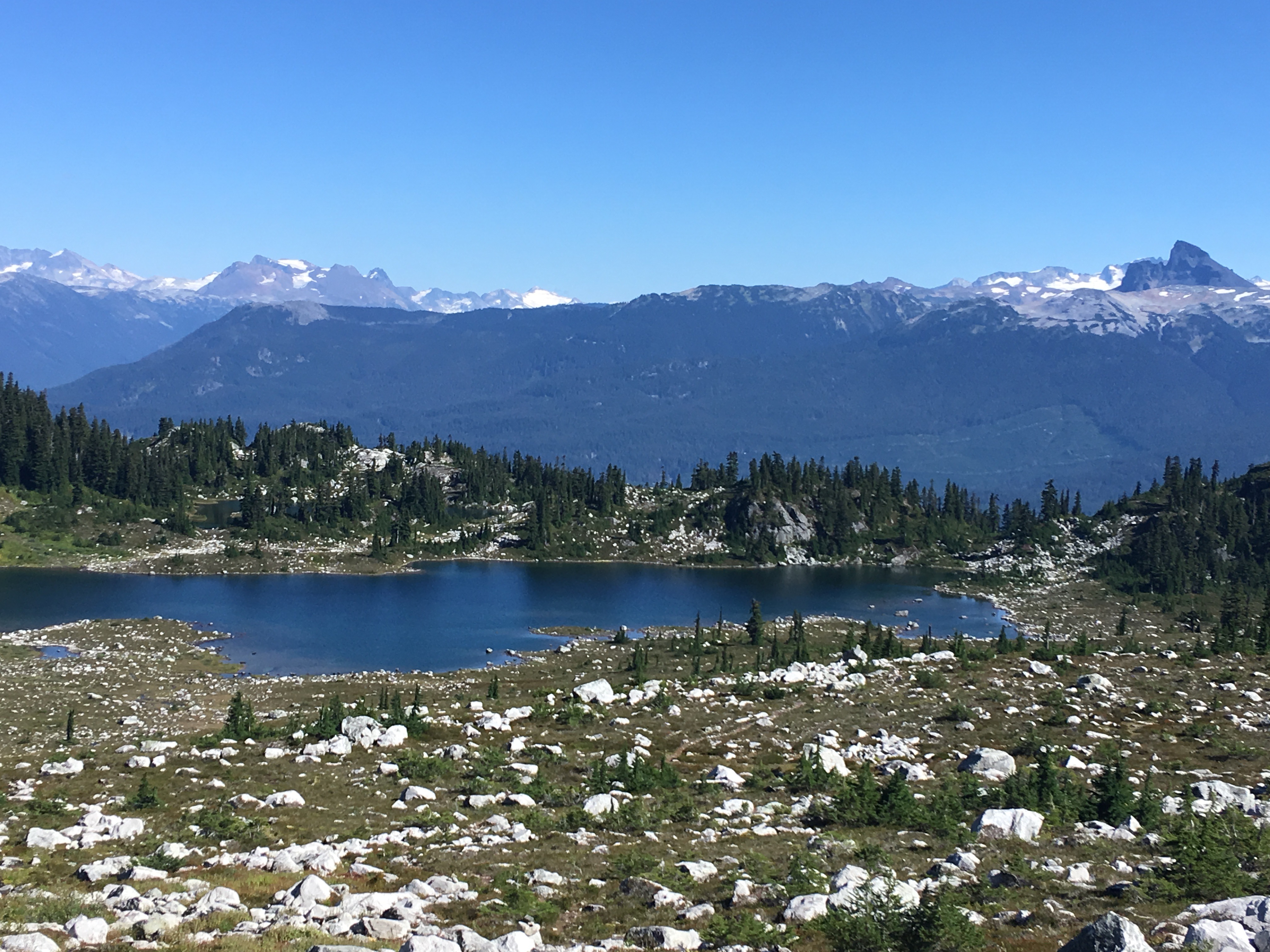
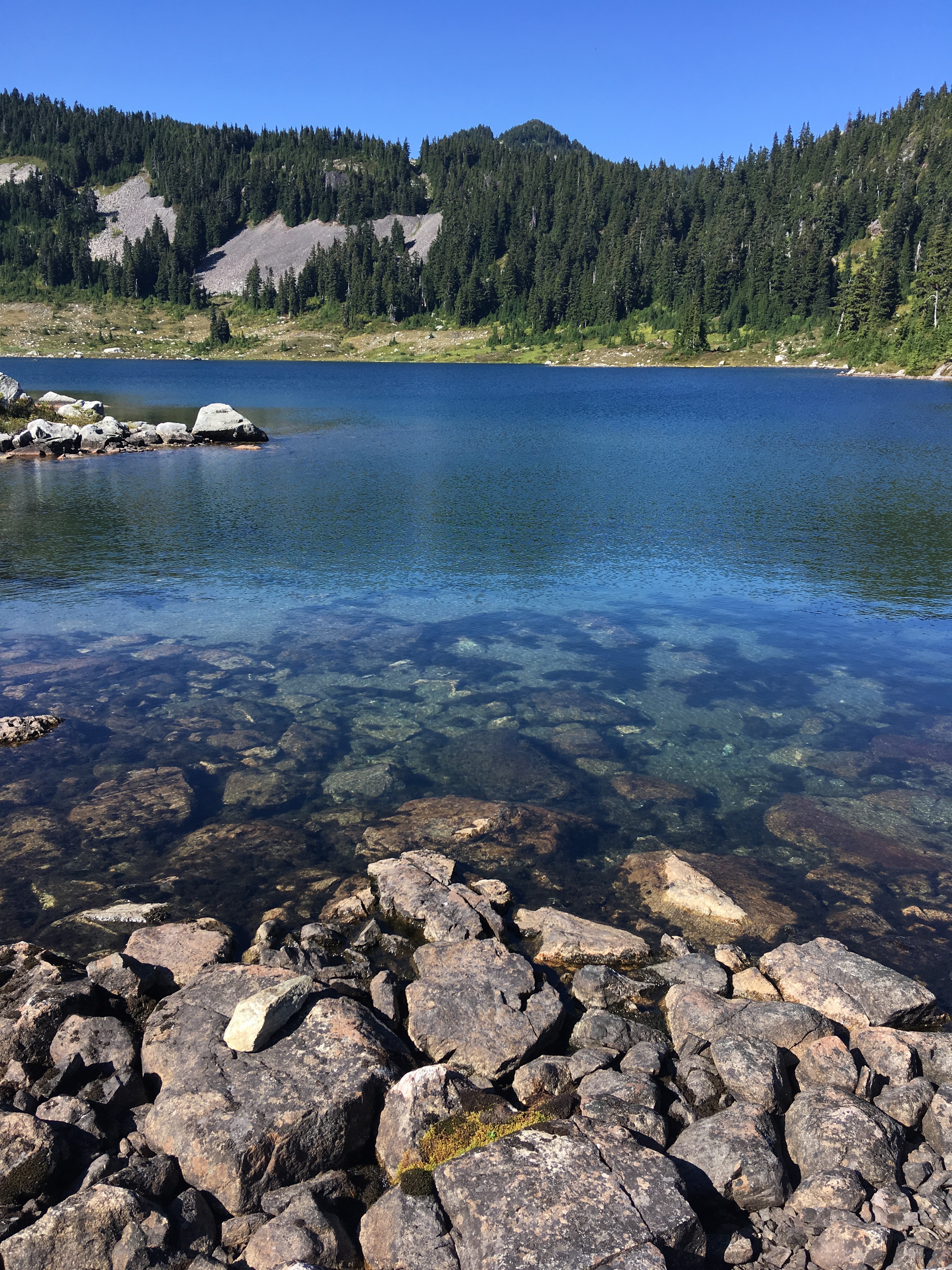
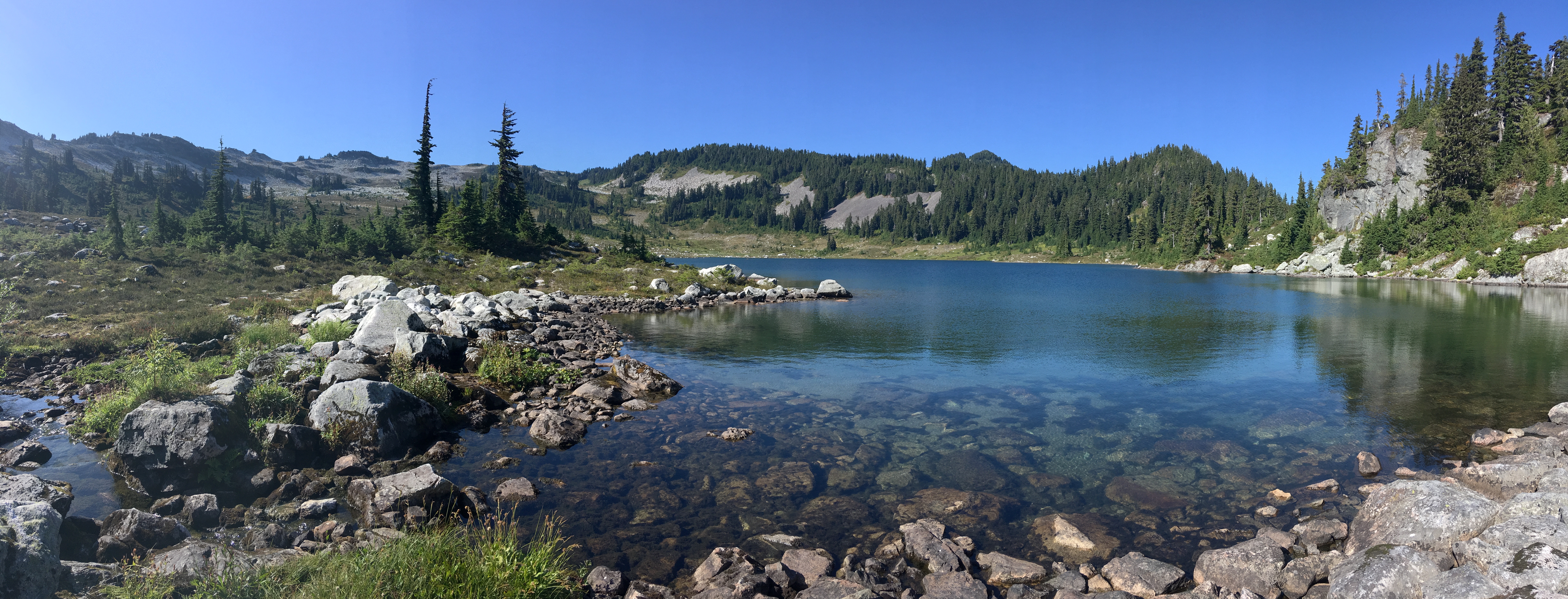
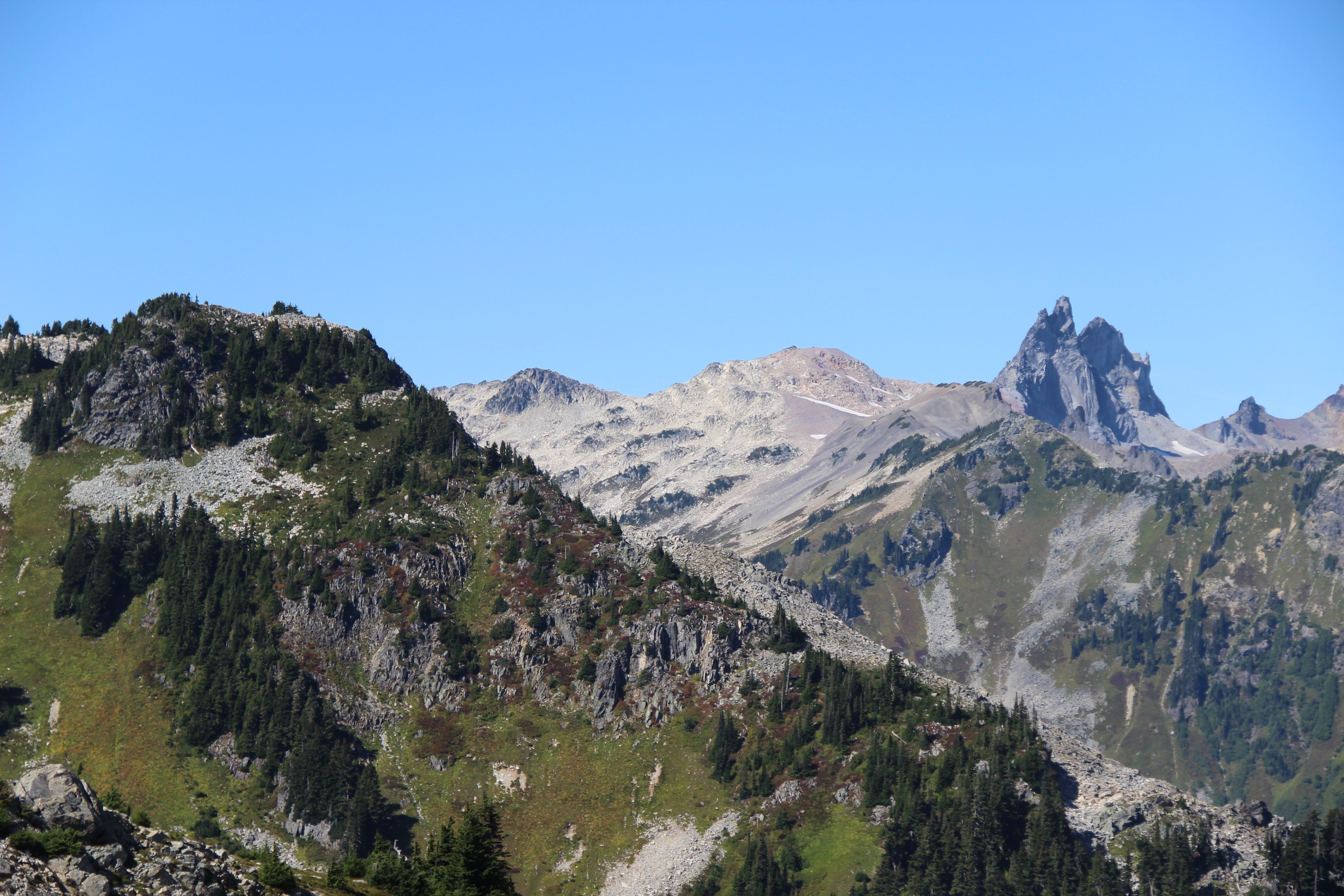
Photos taken during our hiking trip to Brandywine Meadows.
𝐁𝐫𝐚𝐧𝐝𝐲𝐰𝐢𝐧𝐞 𝐌𝐞𝐚𝐝𝐨𝐰𝐬
Distance: 7 km
Elevation Gain: 538 m
Highest Point: 1,460 m
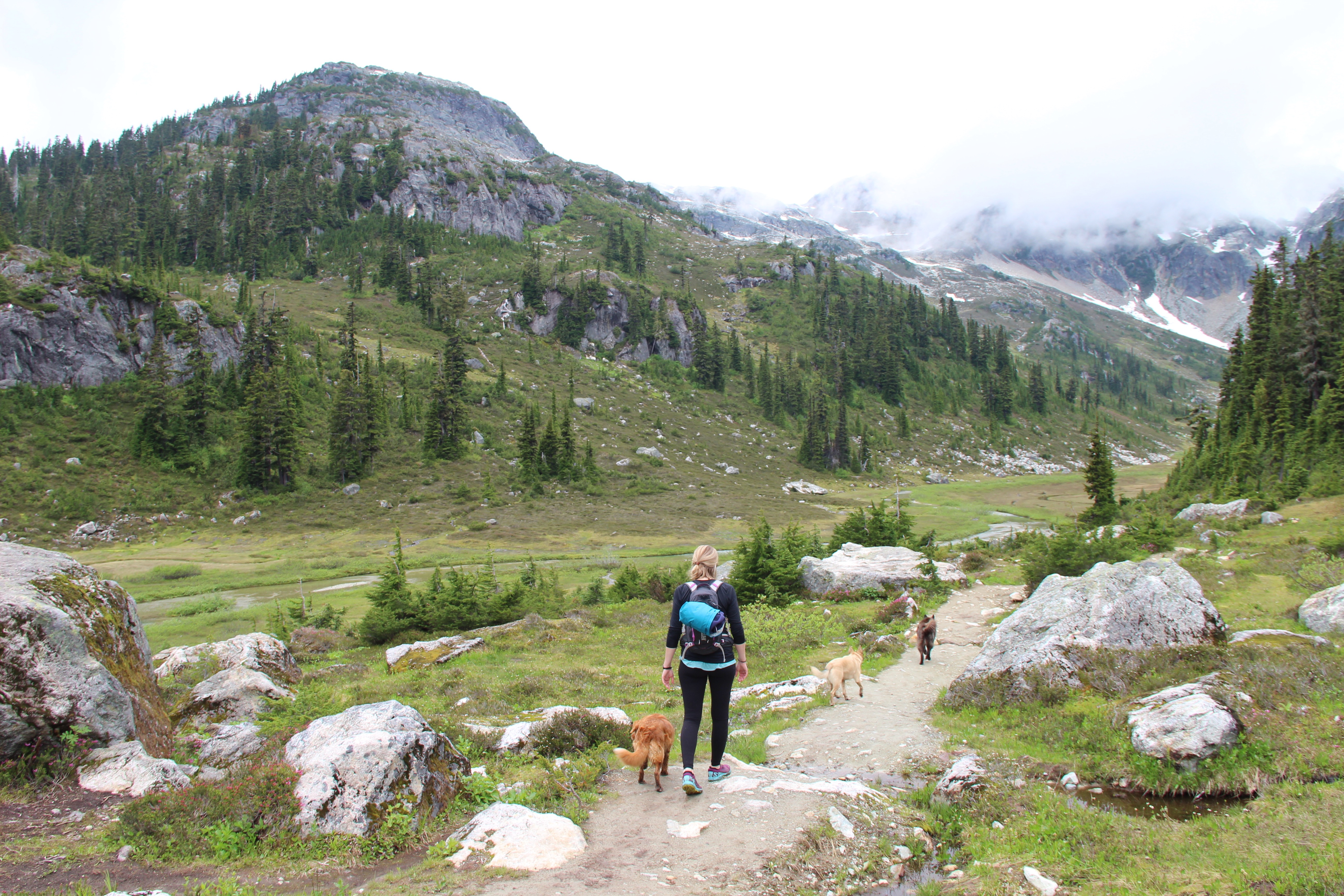

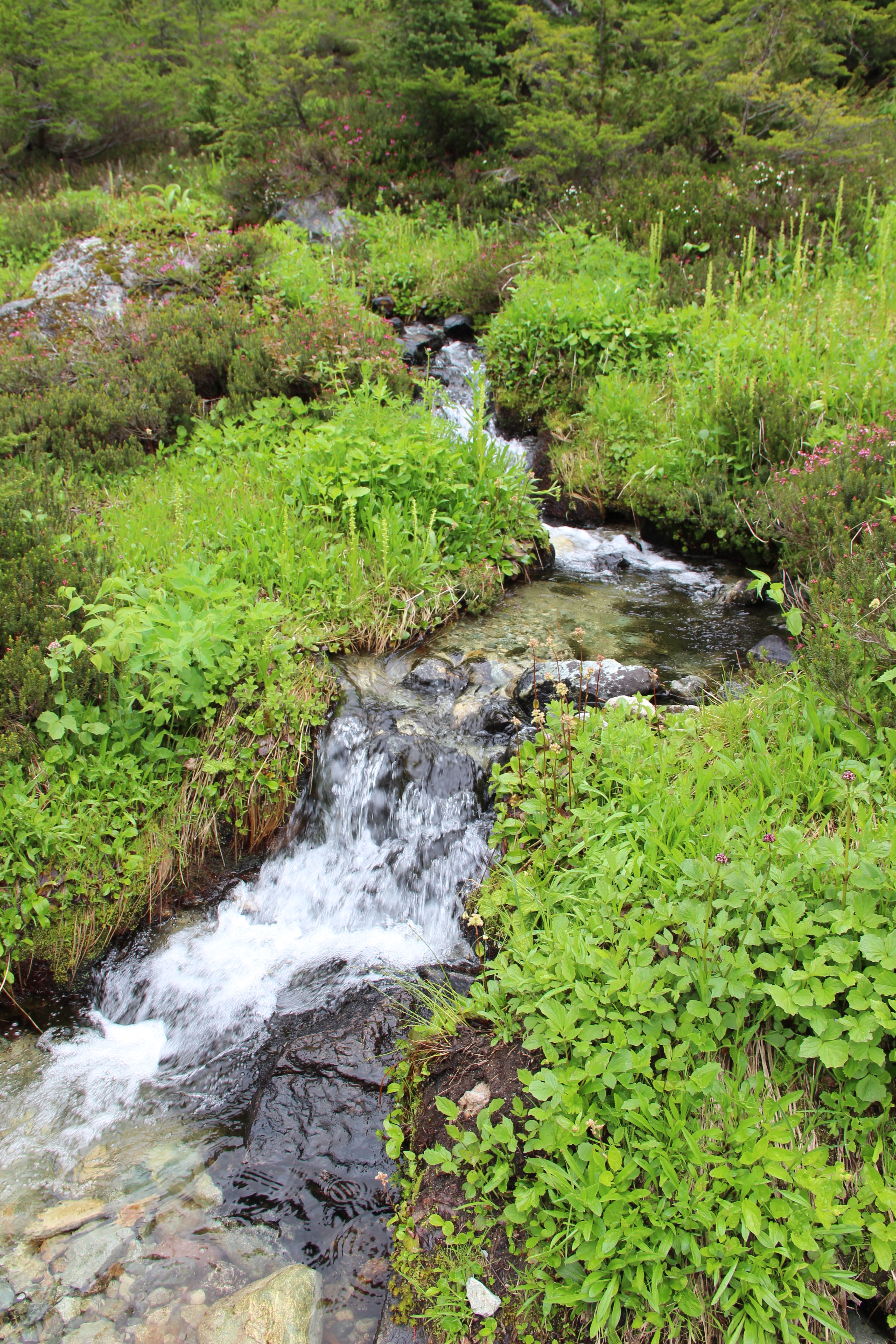


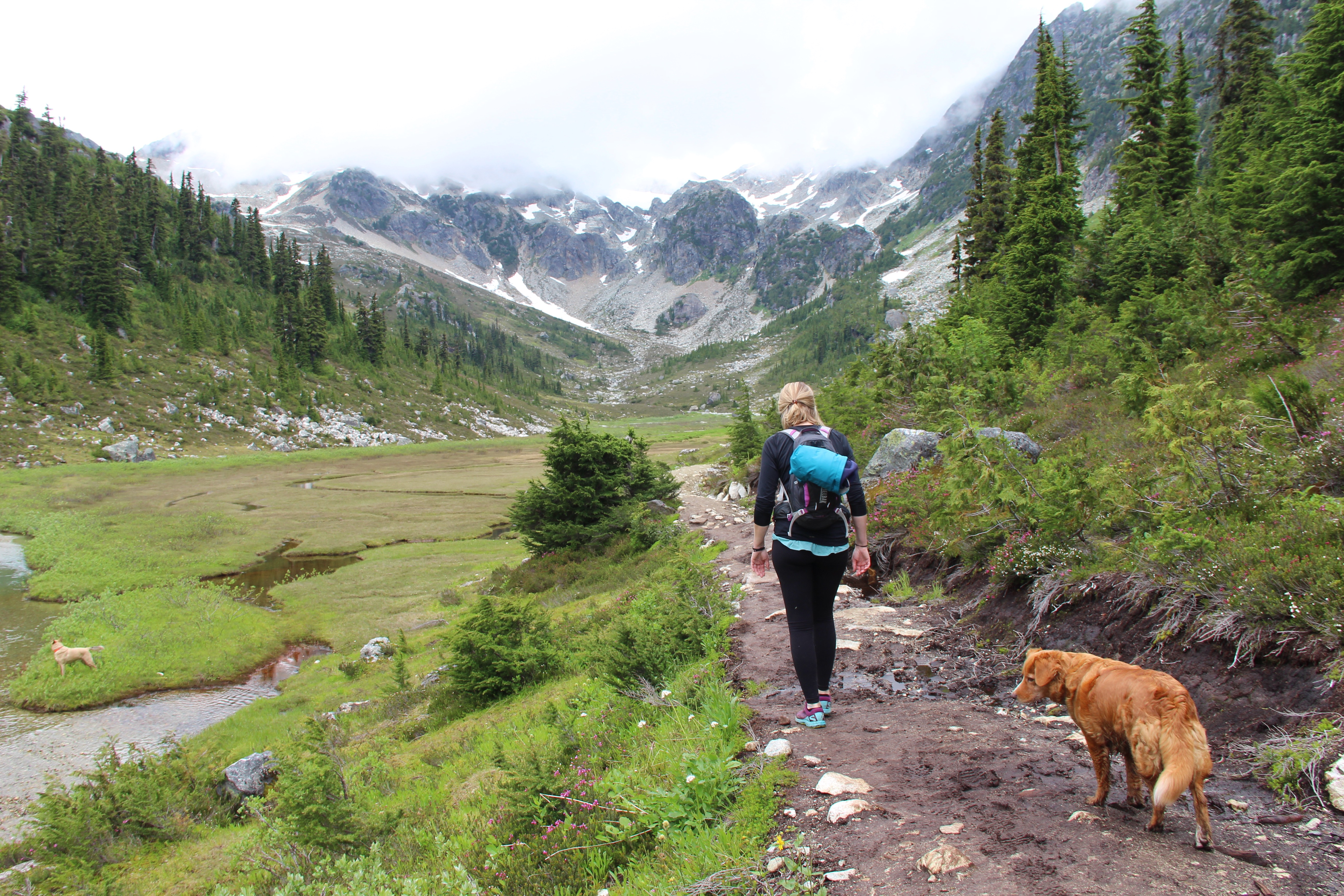


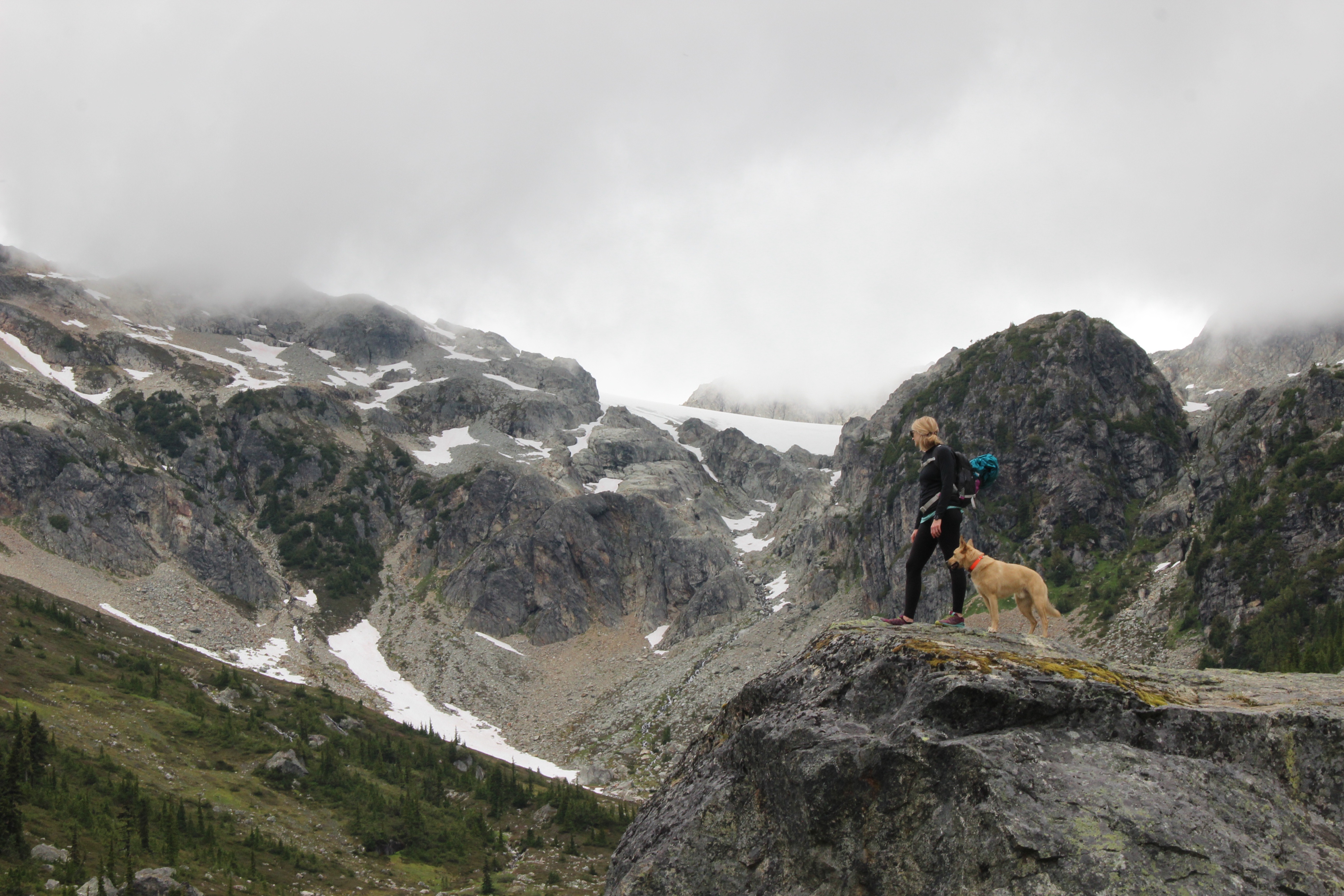



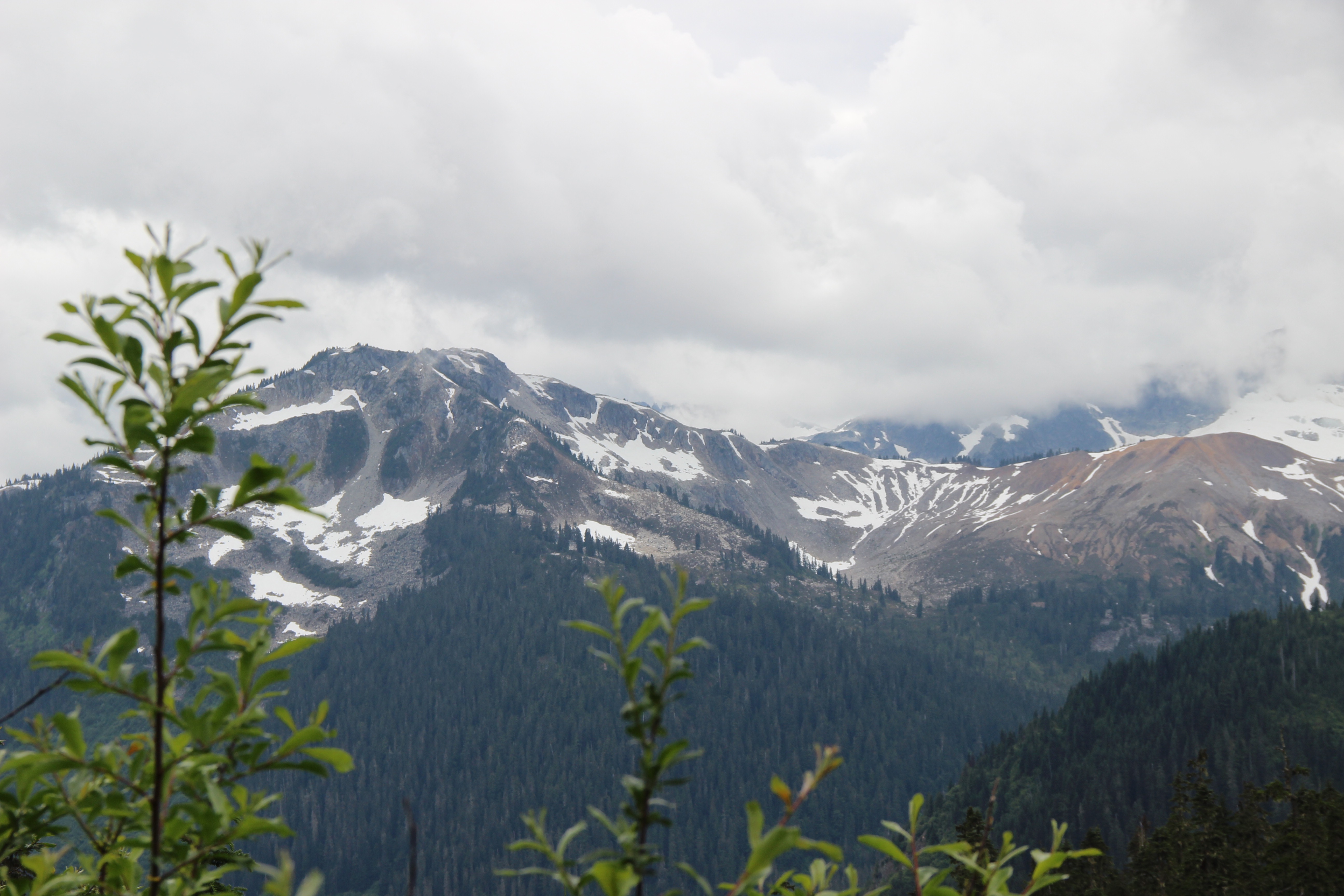
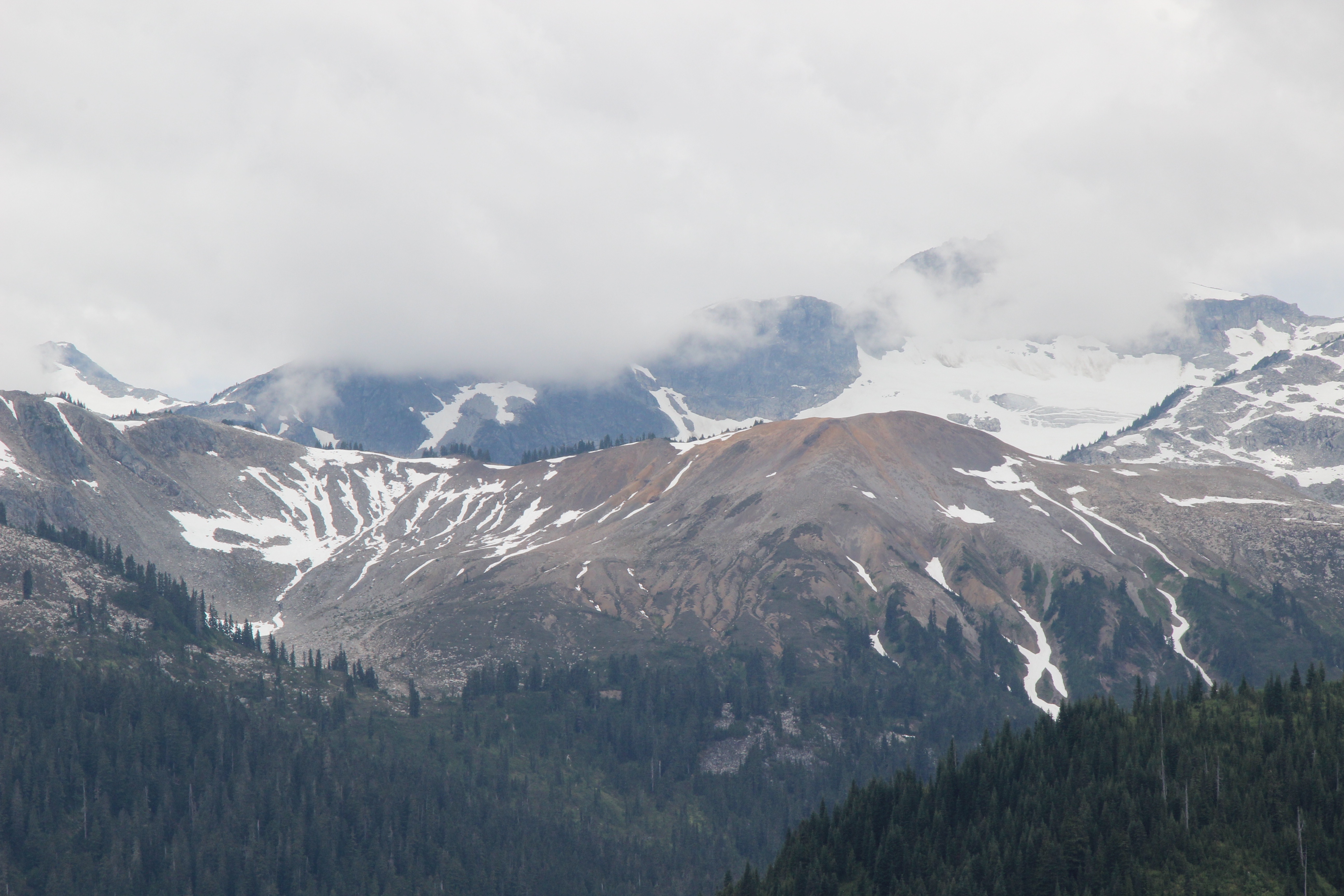

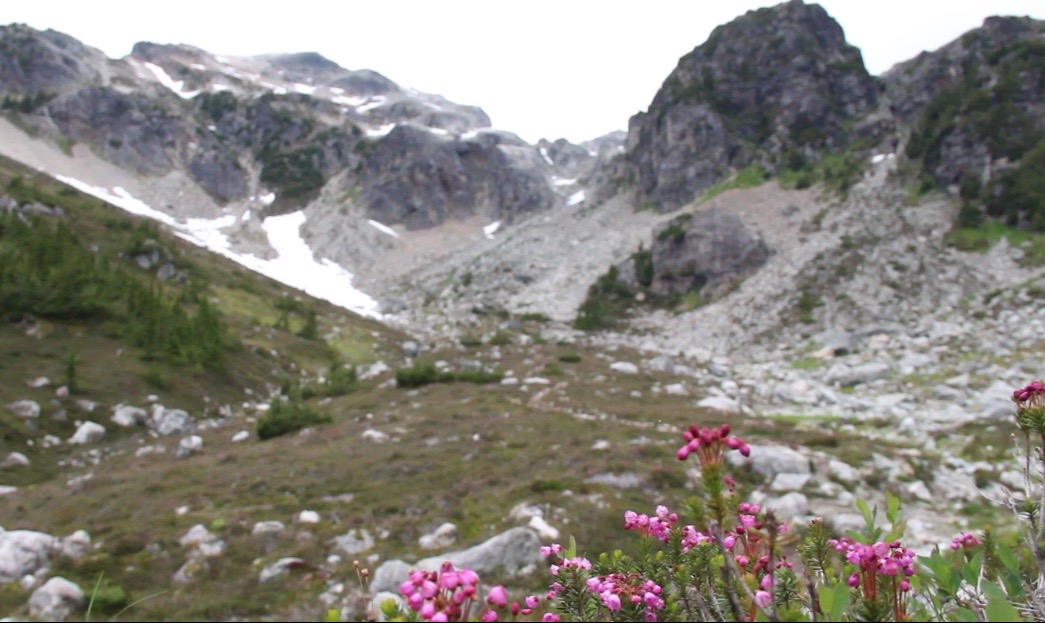
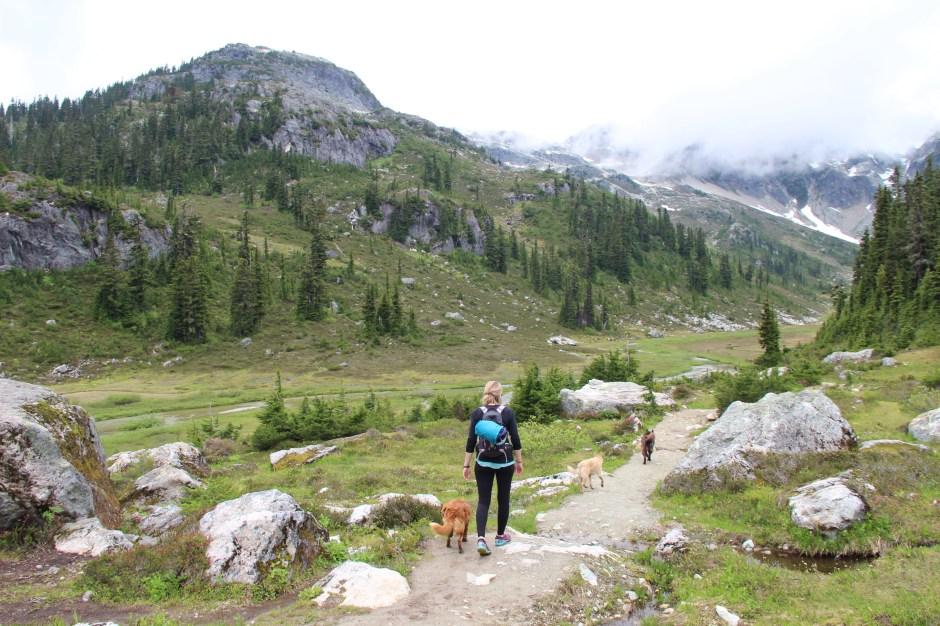
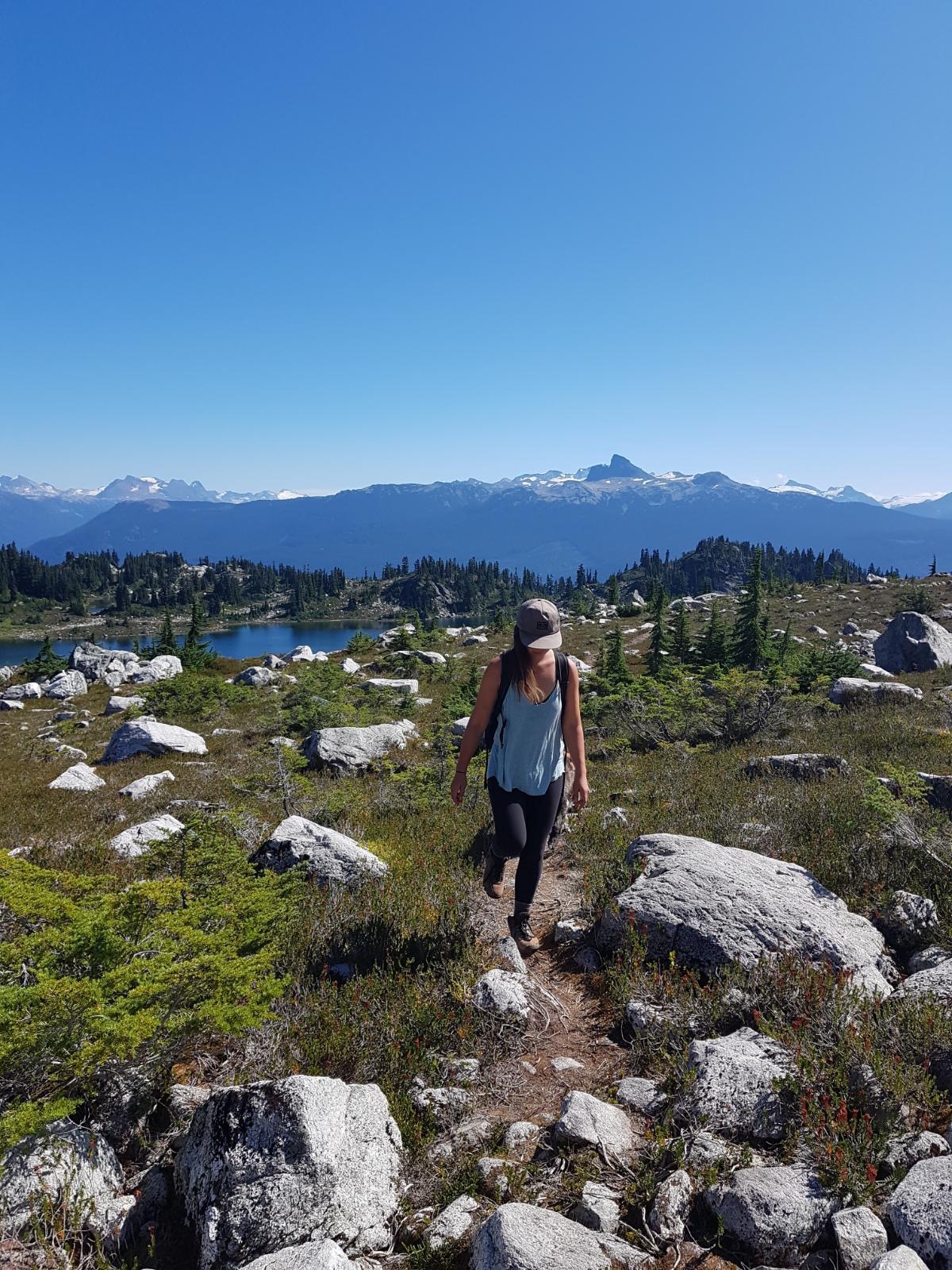
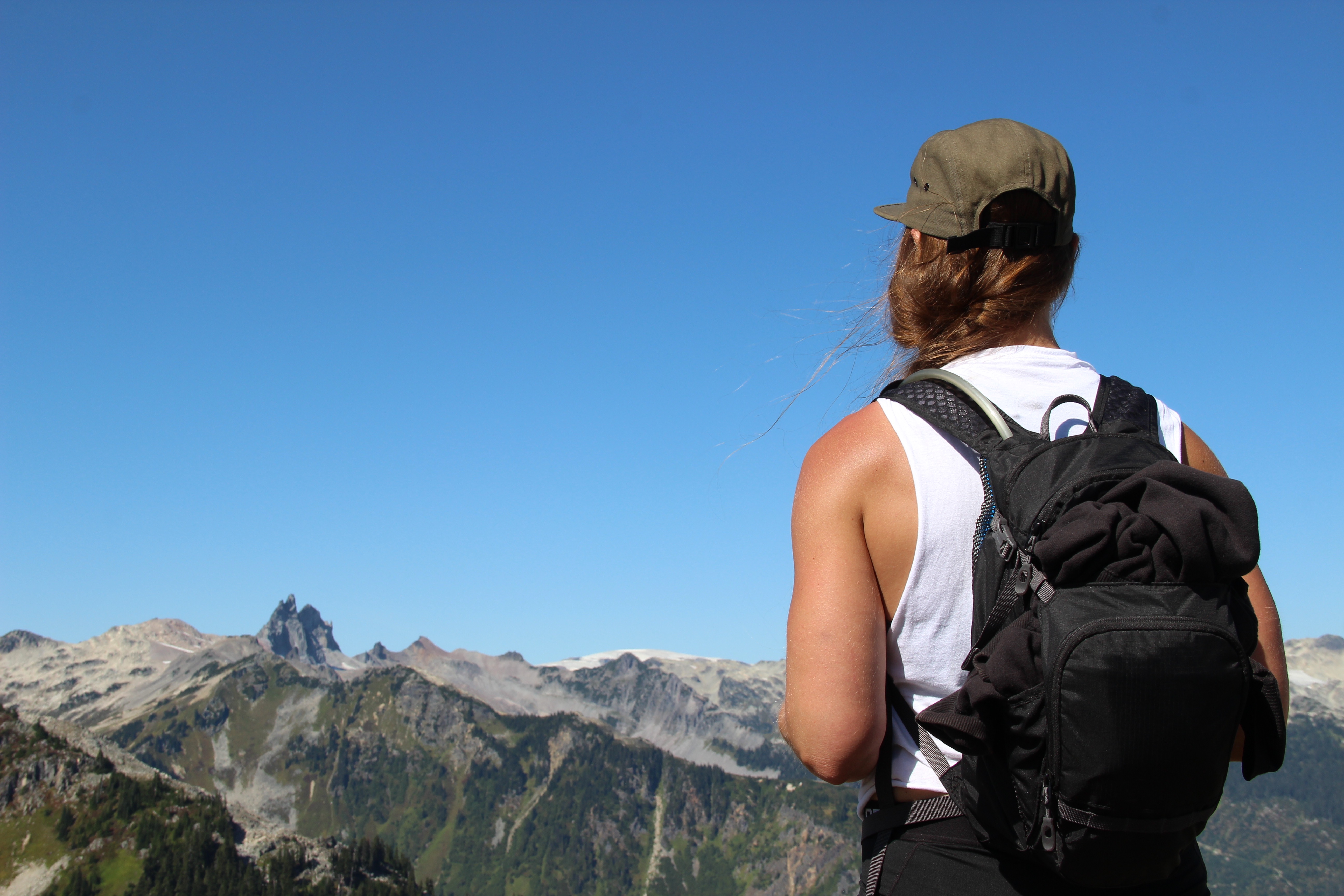
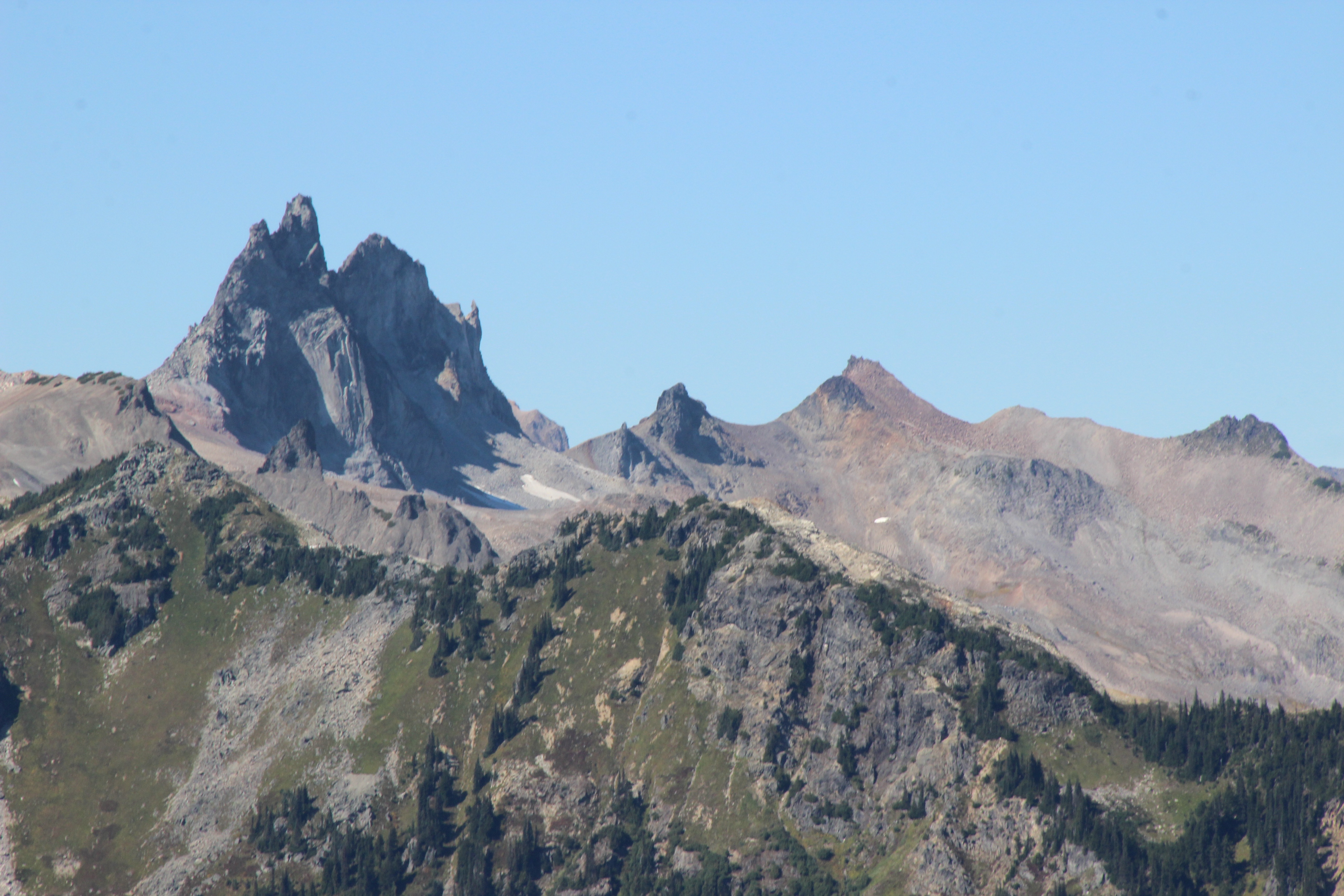
Photos taken during our hiking trip to Brandywine Meadows.
𝐁𝐫𝐚𝐧𝐝𝐲𝐰𝐢𝐧𝐞 𝐌𝐞𝐚𝐝𝐨𝐰𝐬
Distance: 7 km
Elevation Gain: 538 m
Highest Point: 1,460 m
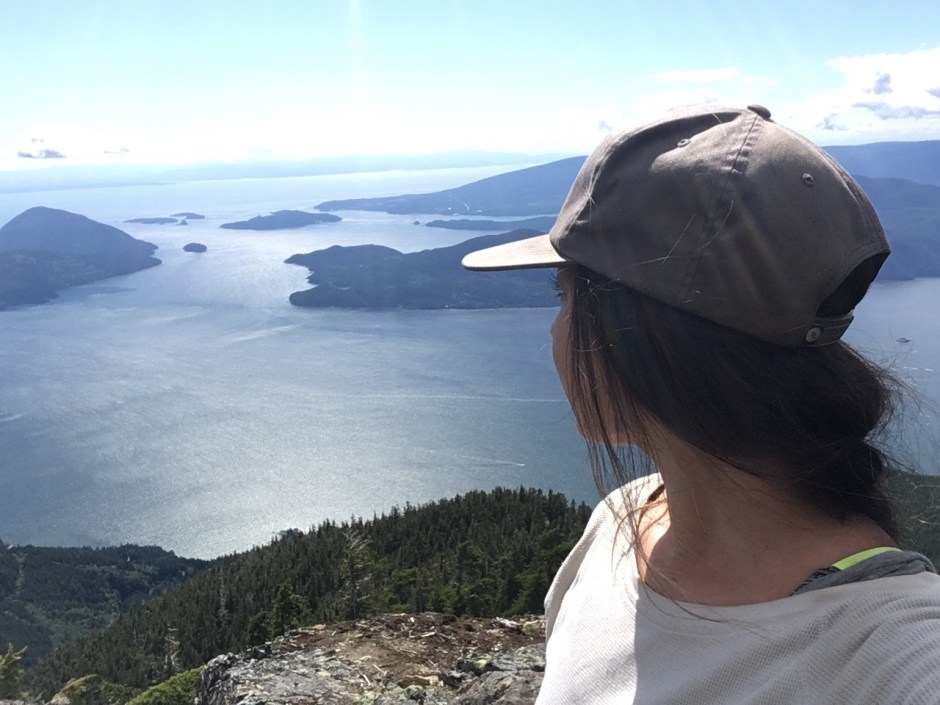
Photos taken during our hiking trip to Mt Brunswick.
𝐌𝐭 𝐁𝐫𝐮𝐧𝐬𝐰𝐢𝐜𝐤
Distance: 14 km
Elevation Gain: 1,543 m
Highest Point: 1,788 m


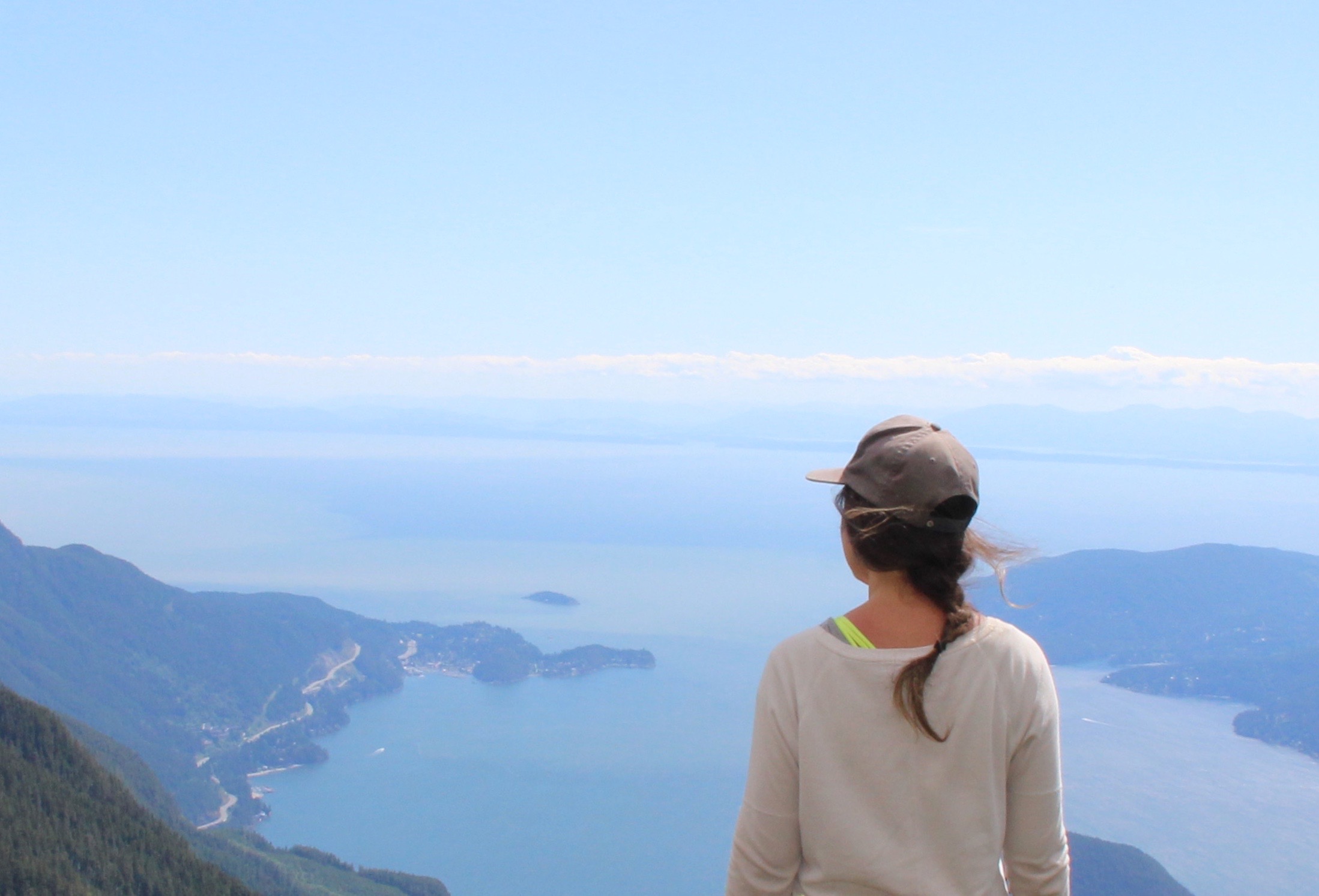

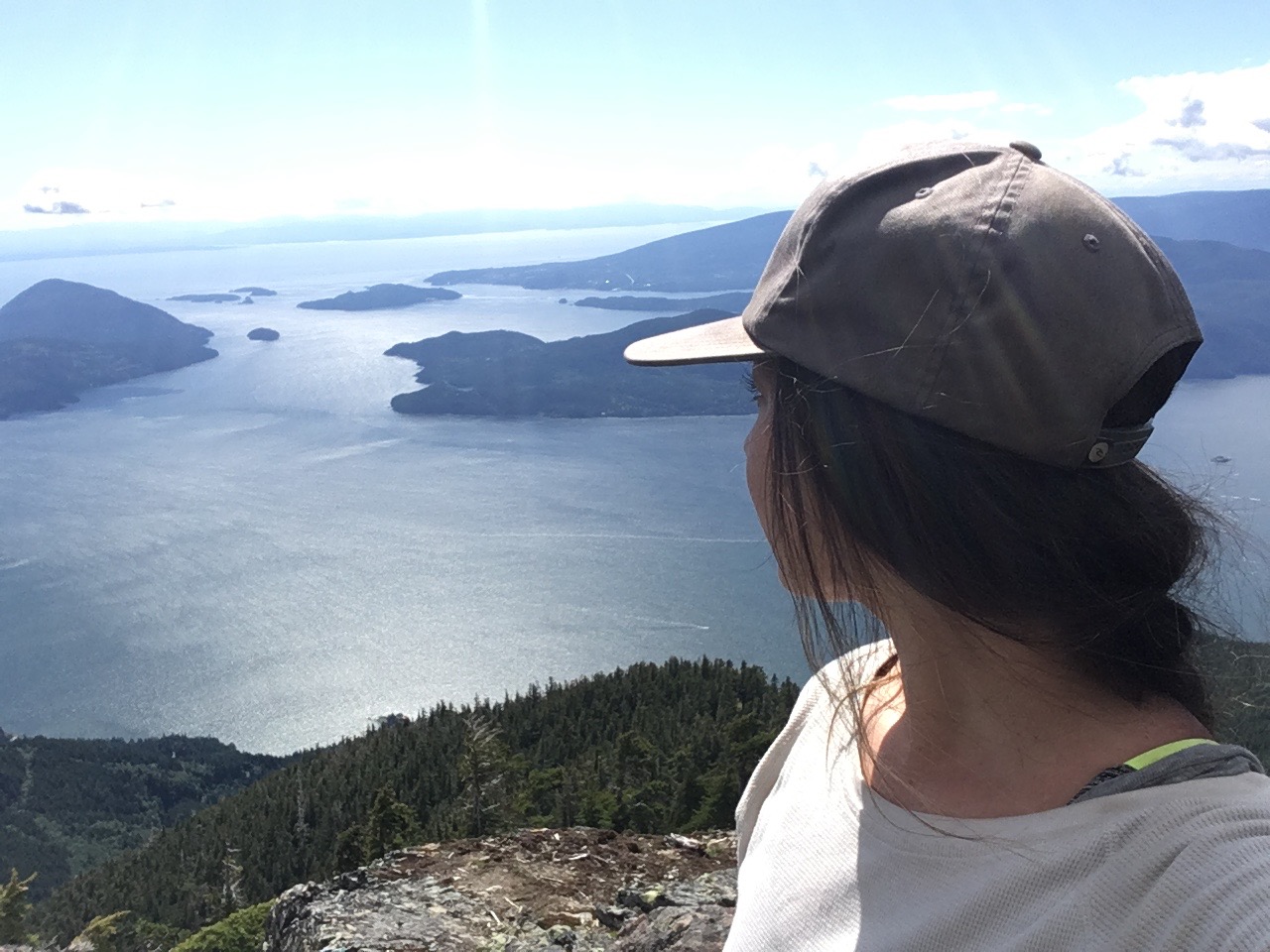


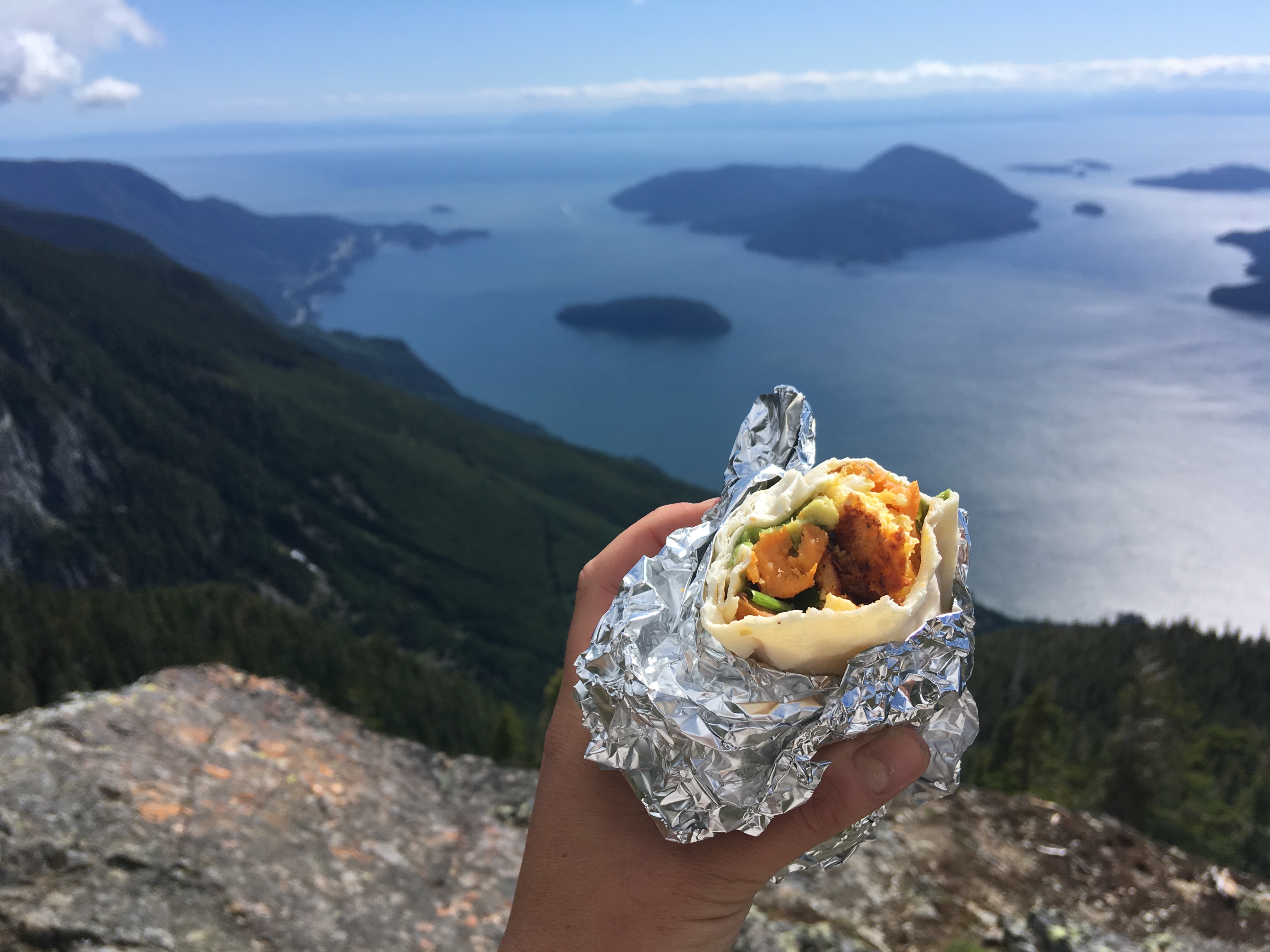
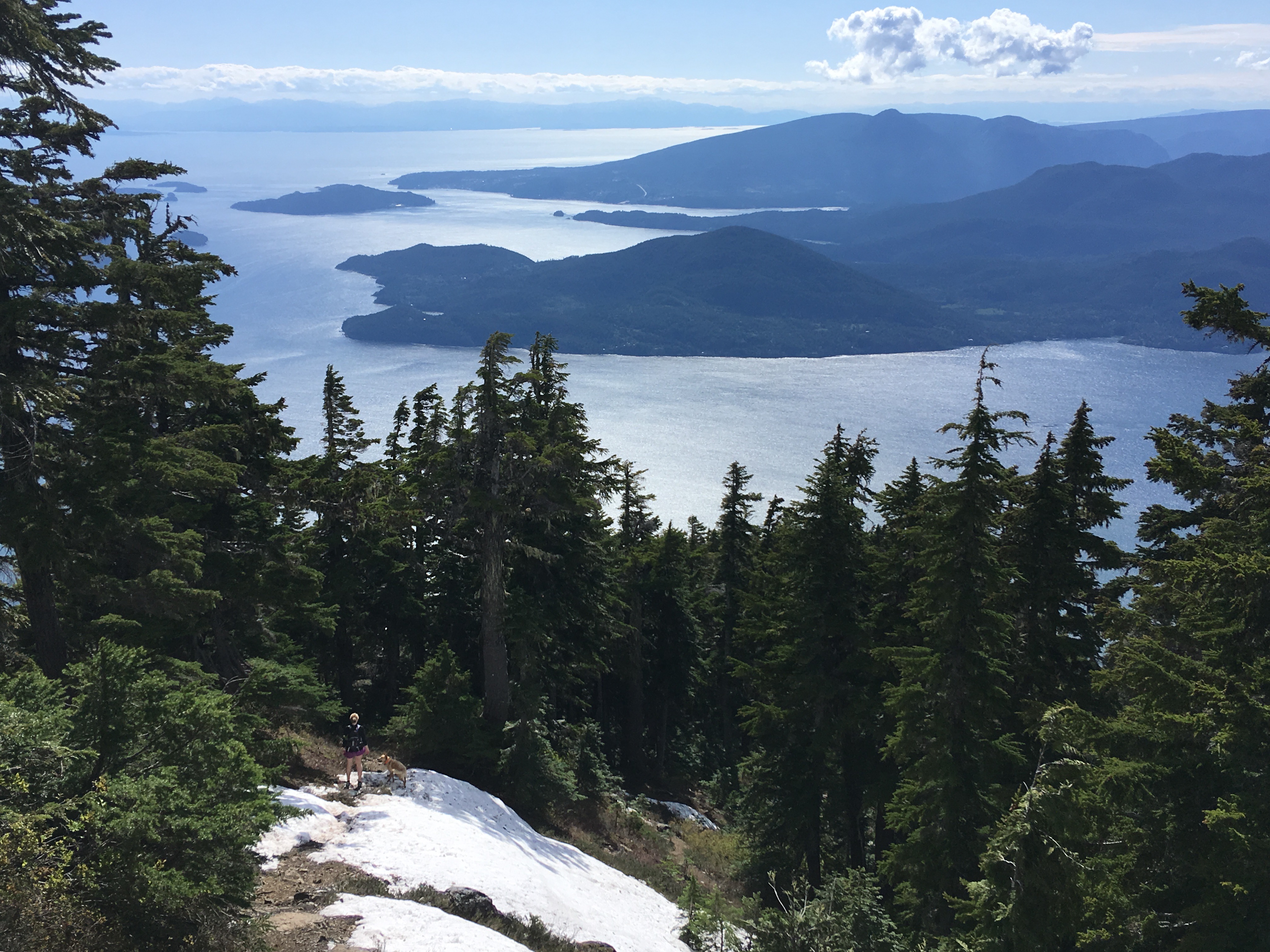

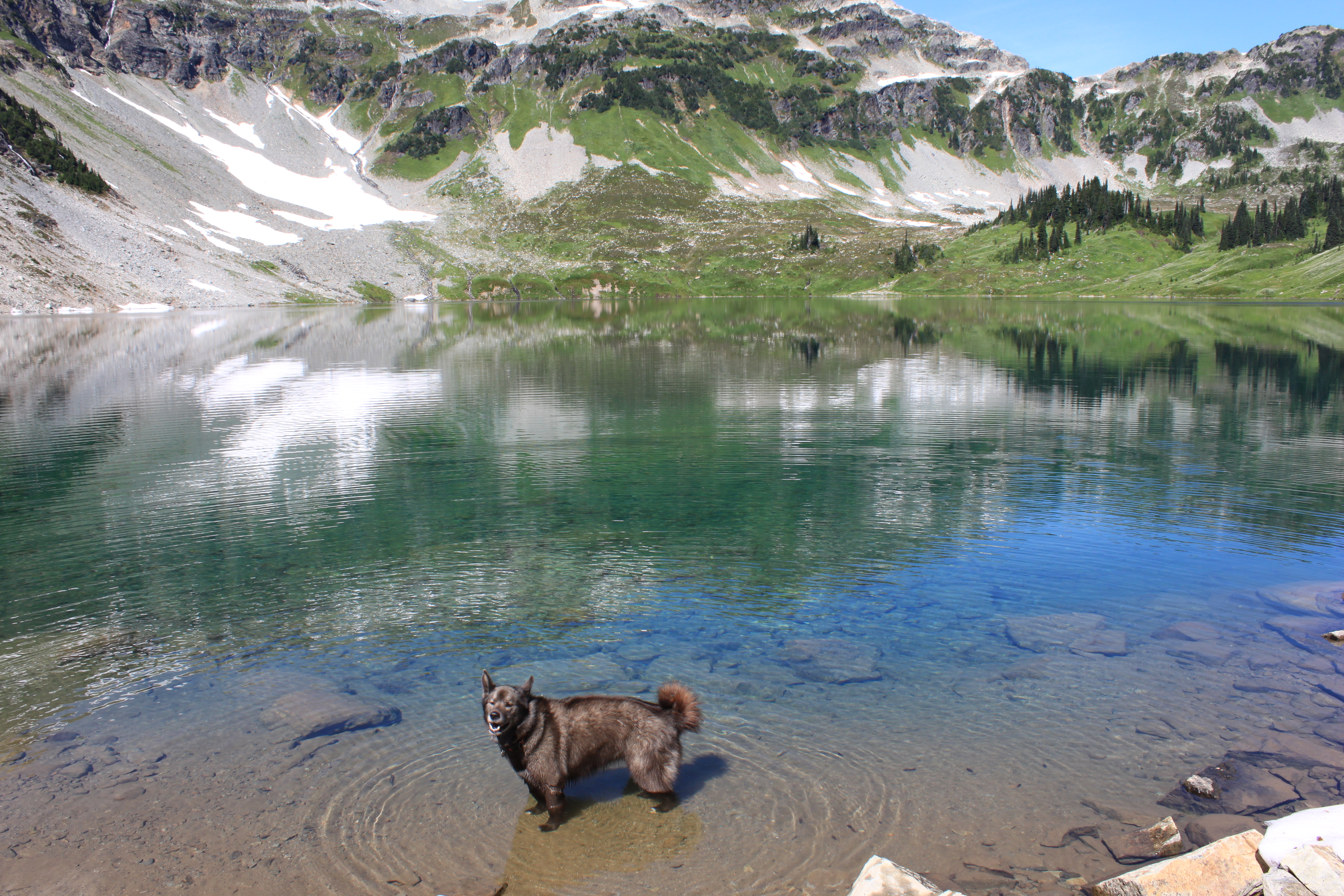
Photos taken during our hiking trip to Cirque Lake.
Cirque Lake
Distance: 13 km
Elevation Gain: 1,045 m
Highest Point: 1,686 m


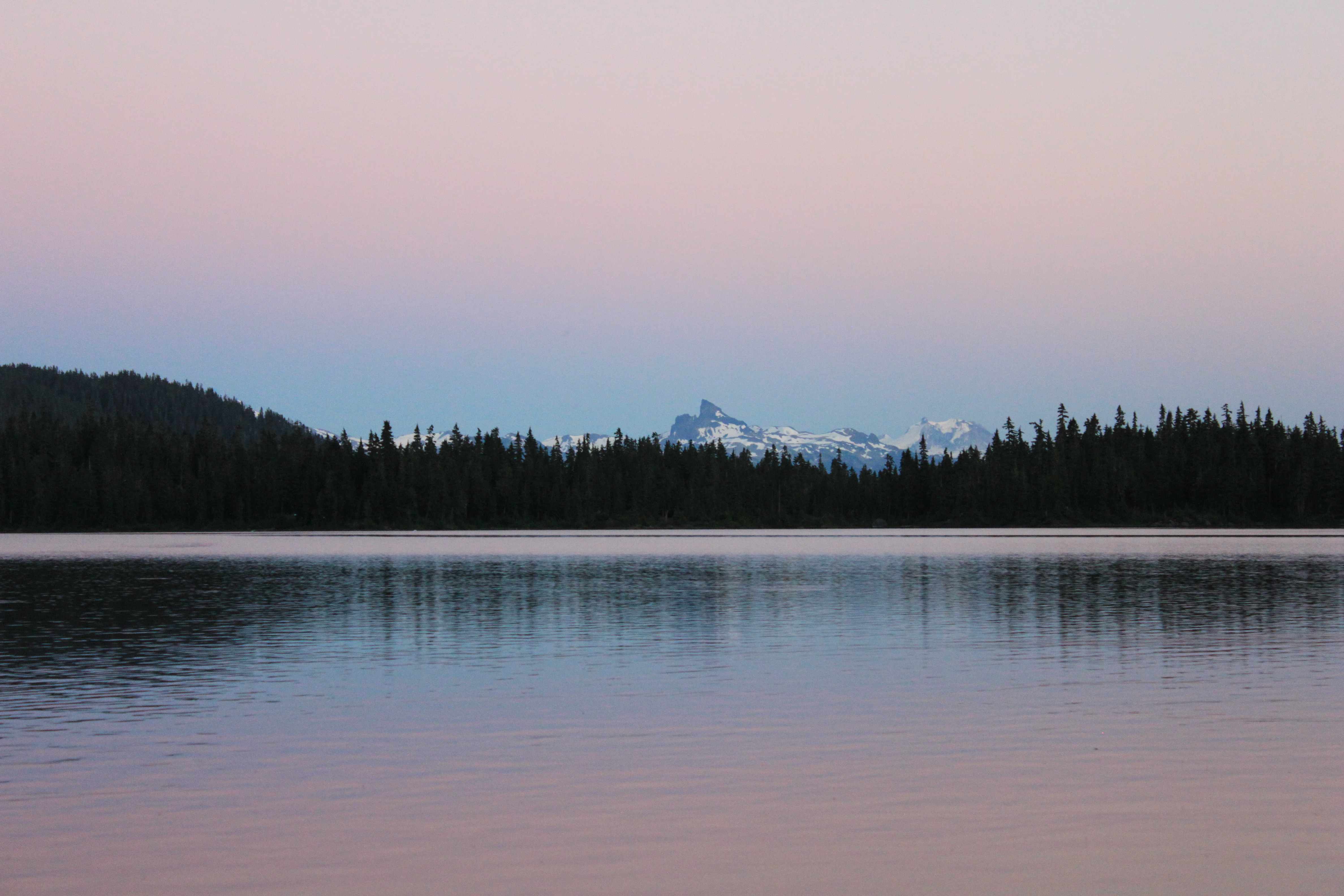
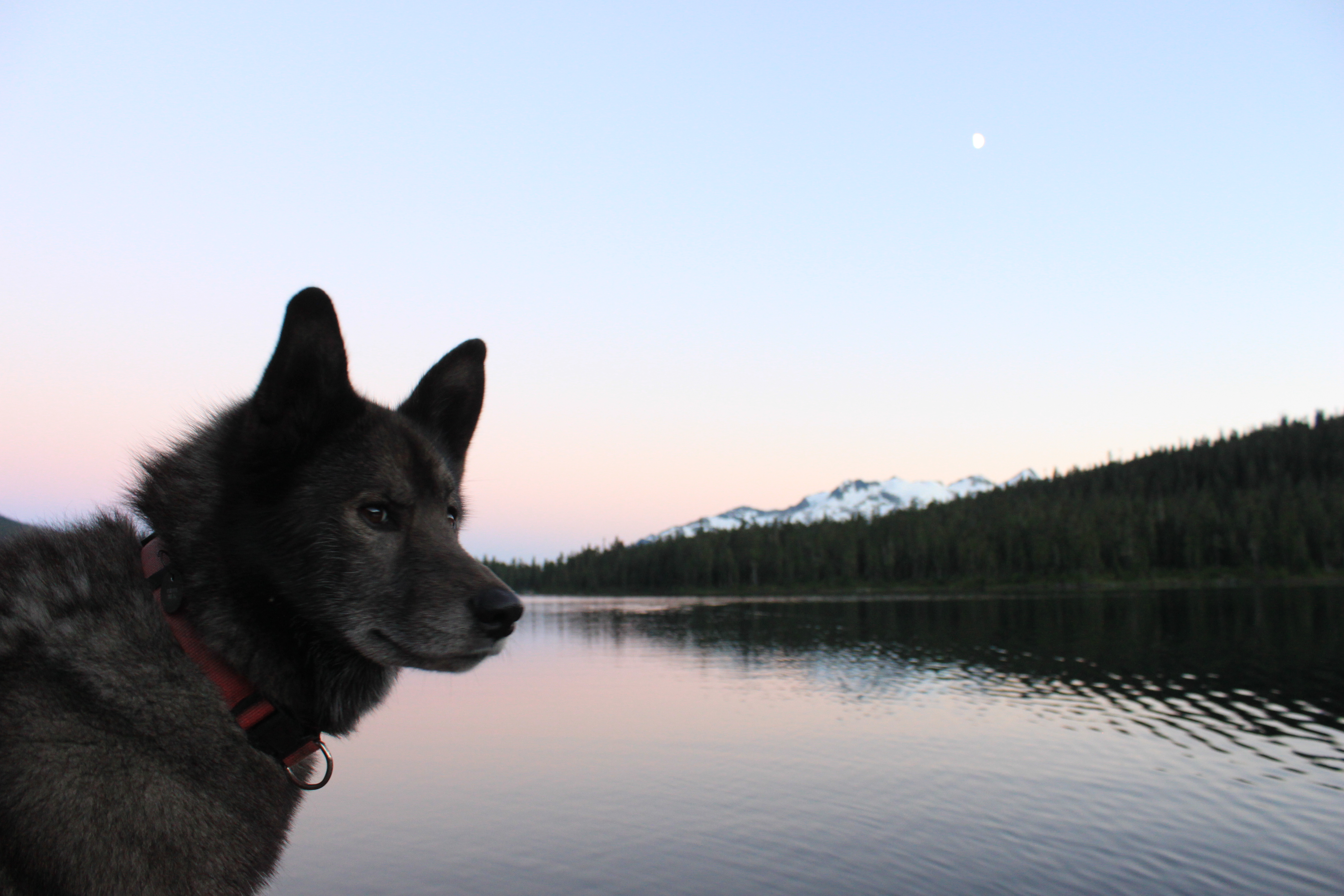


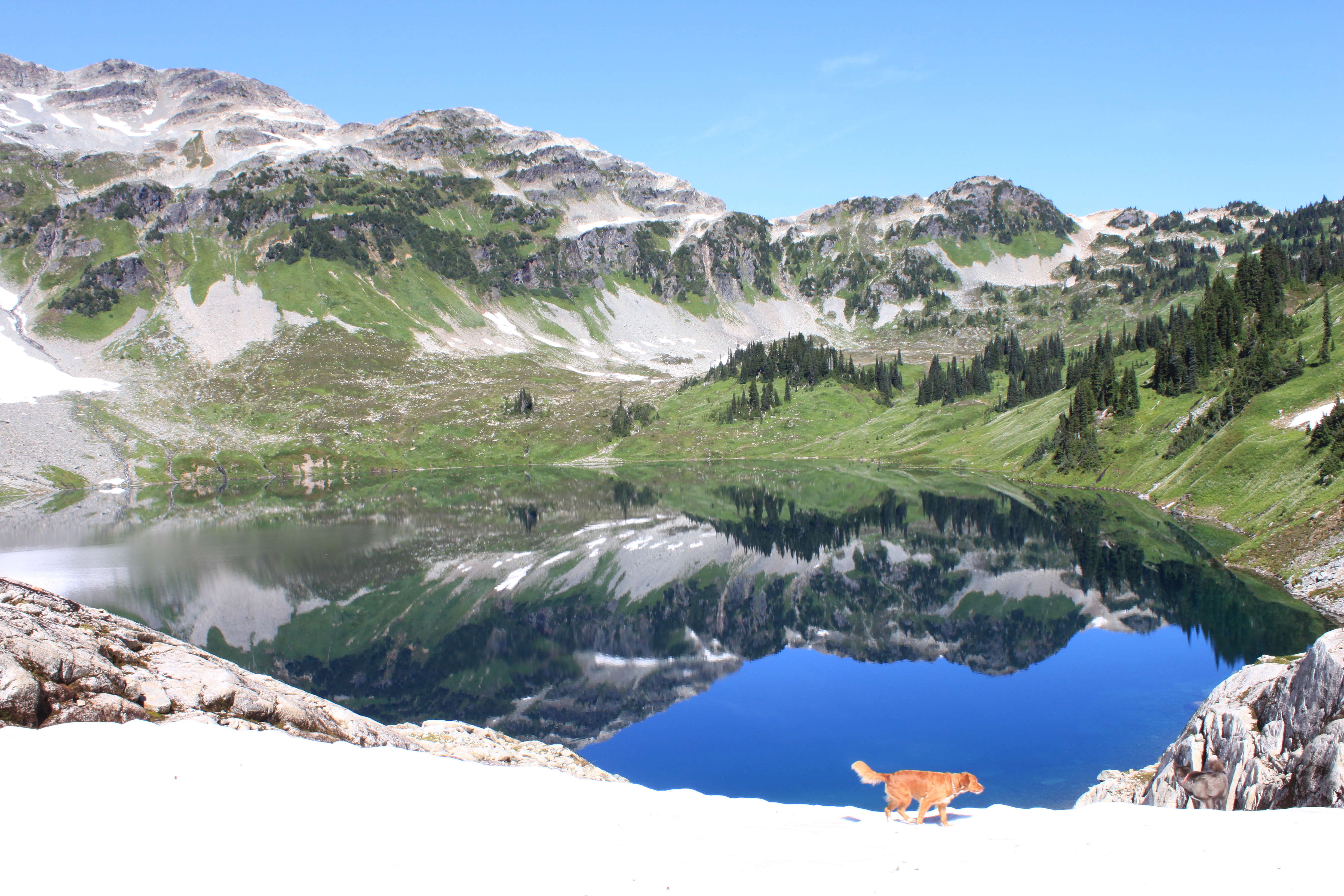

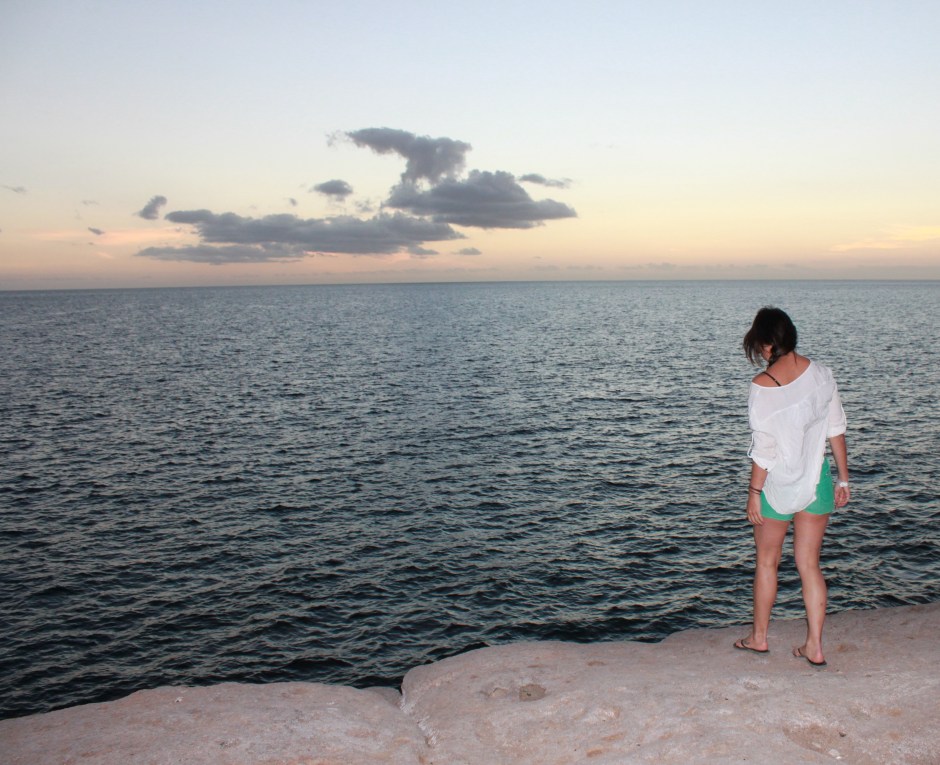
I recently came across a quote that struck a chord with me. It reads, ‘If I rest, I rust,’ words spoken by Helen Hayes, a celebrated American actress who achieved numerous accolades in her lifetime, including an Emmy, a Grammy, an Oscar, and a Tony Award. She was also honored with the Presidential Medal of Freedom and the National Medal of Arts. It’s truly remarkable to think of her achievements. Wow…
“If I rest I rust.” Well surely Hayes didn’t rest nor did rust.
Since I left the comfort of my mother’s nest and moved out west, I’ve consistently craved more. I’ve tasted the freedom, adventure, and passion of life lived on my terms. Always planning the next adventure, continuously adding new destinations to my bucket list each year, and nurturing unyielding dreams that refuse to fade away. I’ve traveled the world, lived and worked abroad, volunteered in far-flung communities, and even started my own business. I’ve been fortunate to explore the great outdoors with my dogs and immerse myself in the vast playground of the Pacific Northwest. I lead a spontaneous and adventurous life with amazing people by my side, and for that, I’m incredibly grateful. Yet, the hunger for more persists. Is it selfish to admit this desire?

Getting older has made me slow down. Having senior dogs also keeps me closer to home. While being rooted in one place, I do my best to break the monotony by changing familiar sights and diversifying my days. I’ll explore a new trail, visit a new town, camp at a new spot, try out a new recipe, or delve into a new craft. I’ve even taken up playing the Ukulele in reverse and am re-learning my Spanish.
However, the region where I reside is becoming increasingly busy, and after a while, the places I cherish start to feel a little too crowded for my wandering spirit (I guess that’s the price to pay for living where people vacation).
Certainly, my heart always pangs for something new to get excited about.
Oddly, I’m usually the one encouraging others to savour the present moment. I’ve always believed that we must learn to slow down time and be fully present if we want to truly live. Inevitably, when I commit to something, I’m there 100%, or at least I try to be.
So, why does a constant yearning dwell deep within me, urging me to explore places I’ve never been? Why am I frequently distracted by my dreams? Why does my mind endlessly wander, longing for familiar places and homesick for locations I’ve never visited?
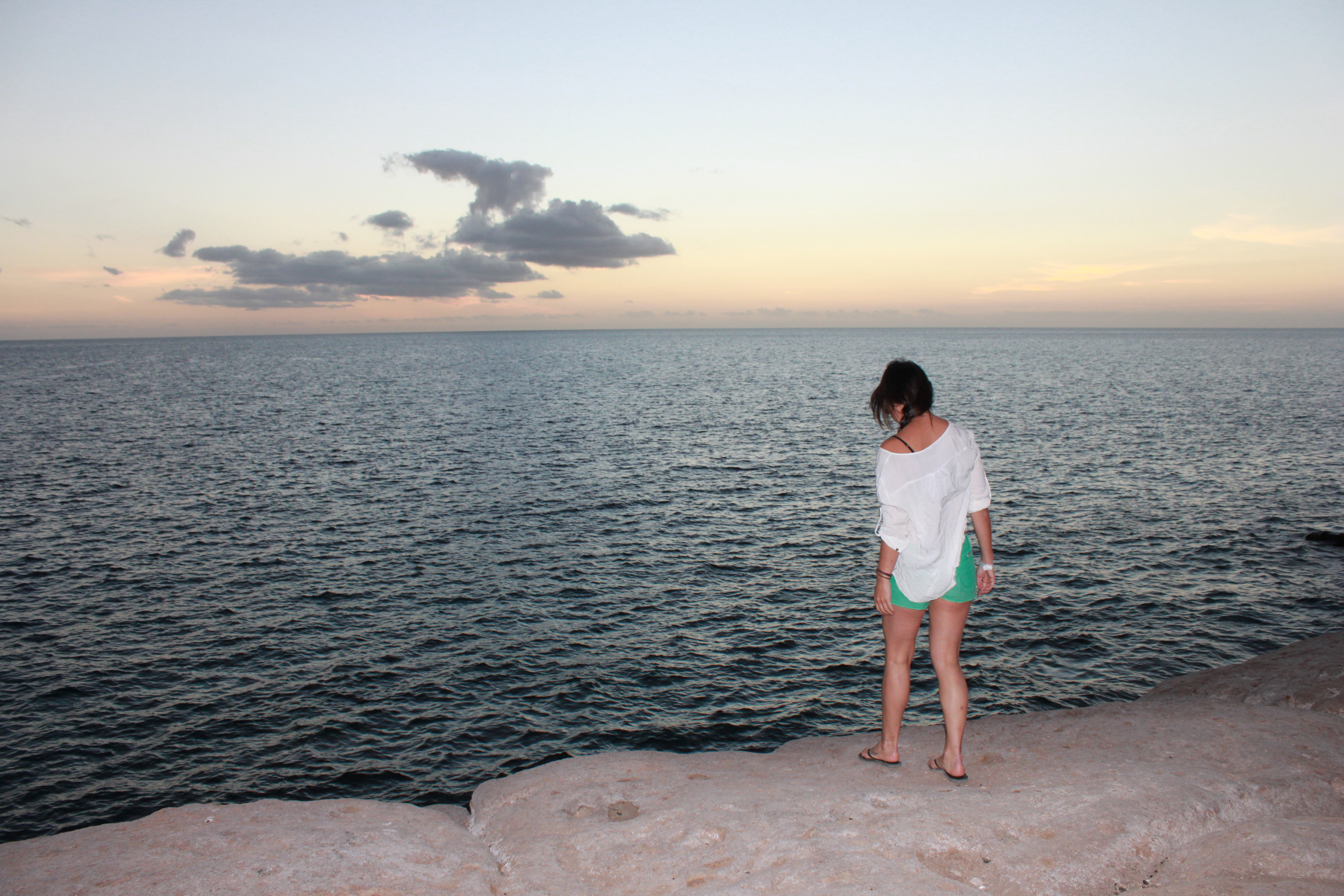
I once read that the evolved human brain constantly seeks purpose, meaning, adventure, and happiness. Some of us create bucket lists, others climb the ladder toward specific goals, while some find contentment in the way things are.
I wish I could find contentment in one place. I try. But my desires are ceaseless. I always yearn for more and remain unsatisfied with what I have. The truth is, this fervent desire keeps me close to my dreams.

Sorting through my boundless wanderlust, I find myself longing for a life spent at sea. Diving everyday with sea life, eating the fruits of nature, volunteering in communities, away from the mainstream, waking up and going to sleep with the sun, living with the pulse of the ocean, one wave at a time… To me it calls for freedom, peace, simplicity, a dream lived awake. Careful what you dream for, right?
I recently took a wonderful trip to Japan, with an incredible layover in China. It’s been a while since I stepped out of my country and explored a different part of the world. Far away from home I felt at home… in the uncertainty, in the unknown, in the newness. I came back refreshed, revitalized, rebooted. It was extraordinary. And it leaves me with exceptional memories. But coming back to my beautiful home the travel blues hits. Instantly. Back to ordinary. Two weeks was way too short. And I’m back on a severe case of wanderlust.

In the past years, I’ve been stuck in a routine, living a predictable life, filled with small pleasures and frolic adventures. But I’m afraid to get a stable job and be locked in one place. I’m afraid to upgrade my living situation, afraid to jump into the mortgage world, have payments, have commitments. I’m afraid of settling down.
The slightest bit of idleness affects me. I’m afraid to rest for too long. I fear stagnation. I fear to see the years blend into one another and forget to move forward and progress.
Maybe I just need that one big adventure. To get it out of my system, before I slow down again and put my feet on the ground. Or maybe not. Maybe I’ll always be restless. Maybe I’ll always chase this extraordinary life. And maybe that’s okay.
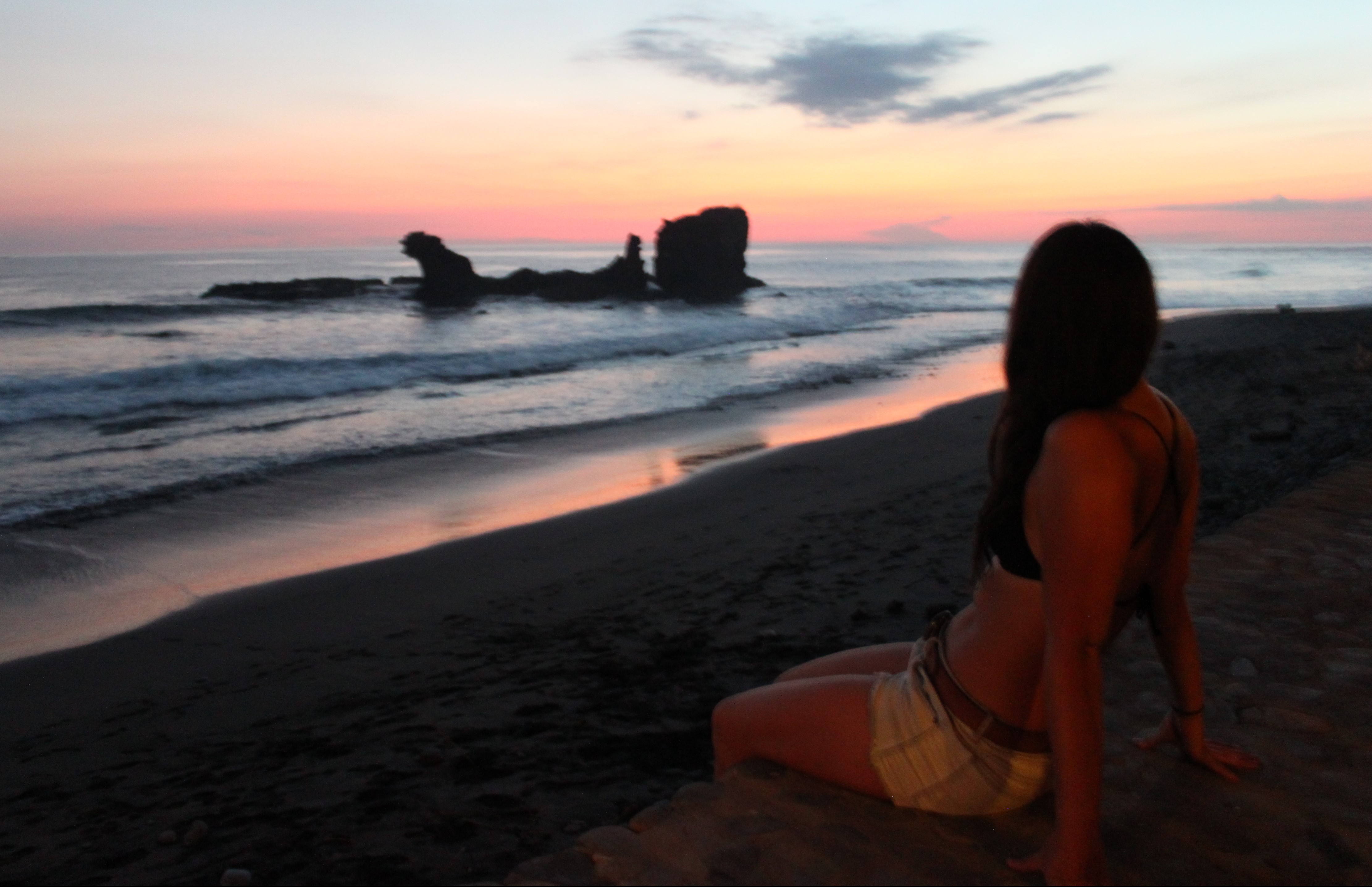
I’ve been trying to find good enough reasons to be satisfied in the present moment. I try to do the things that make me happy on a daily basis. But I can’t ignore that ache for more. It exists for a reason.
If living the journey is the goal, if pursuing a life well lived is the path we are on, it will not be restful. It will not be comfortable. Nor will it be easy. But it will be exciting. It will be valuable. It will be worth it.
So I’ll keep pursuing the most important things that my heart aches for, even as crazy as they are. Because as long as I can feel, I am living – and as long as I am living, I’ll keep moving.


After spending 5 years in our initial trailer, we finally upgraded to a more spacious, leak free home on wheels.

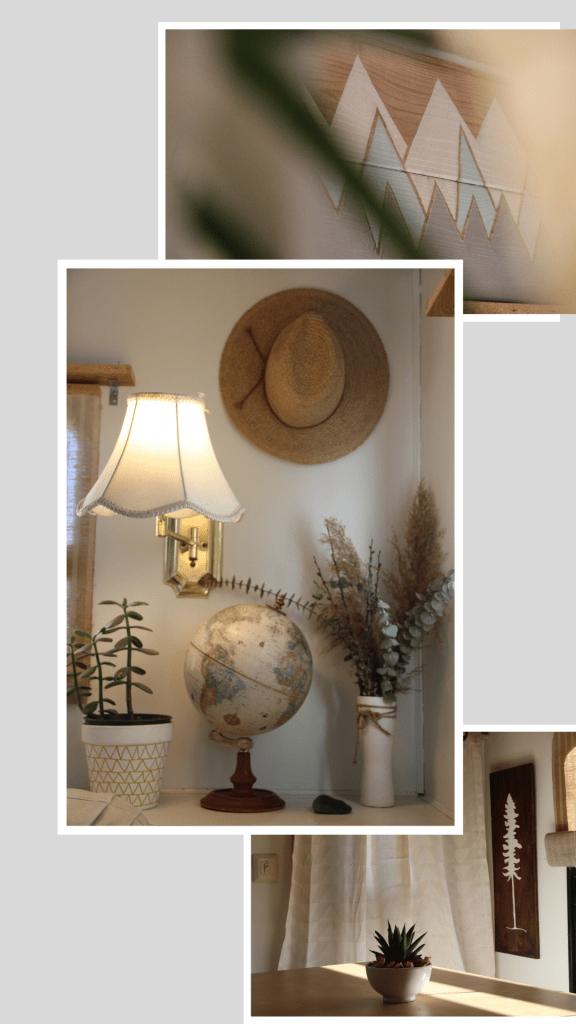
We painted the walls, stripped a few unnecessary things, and added our decorations.

It didn’t take much to create our own perfect little space.
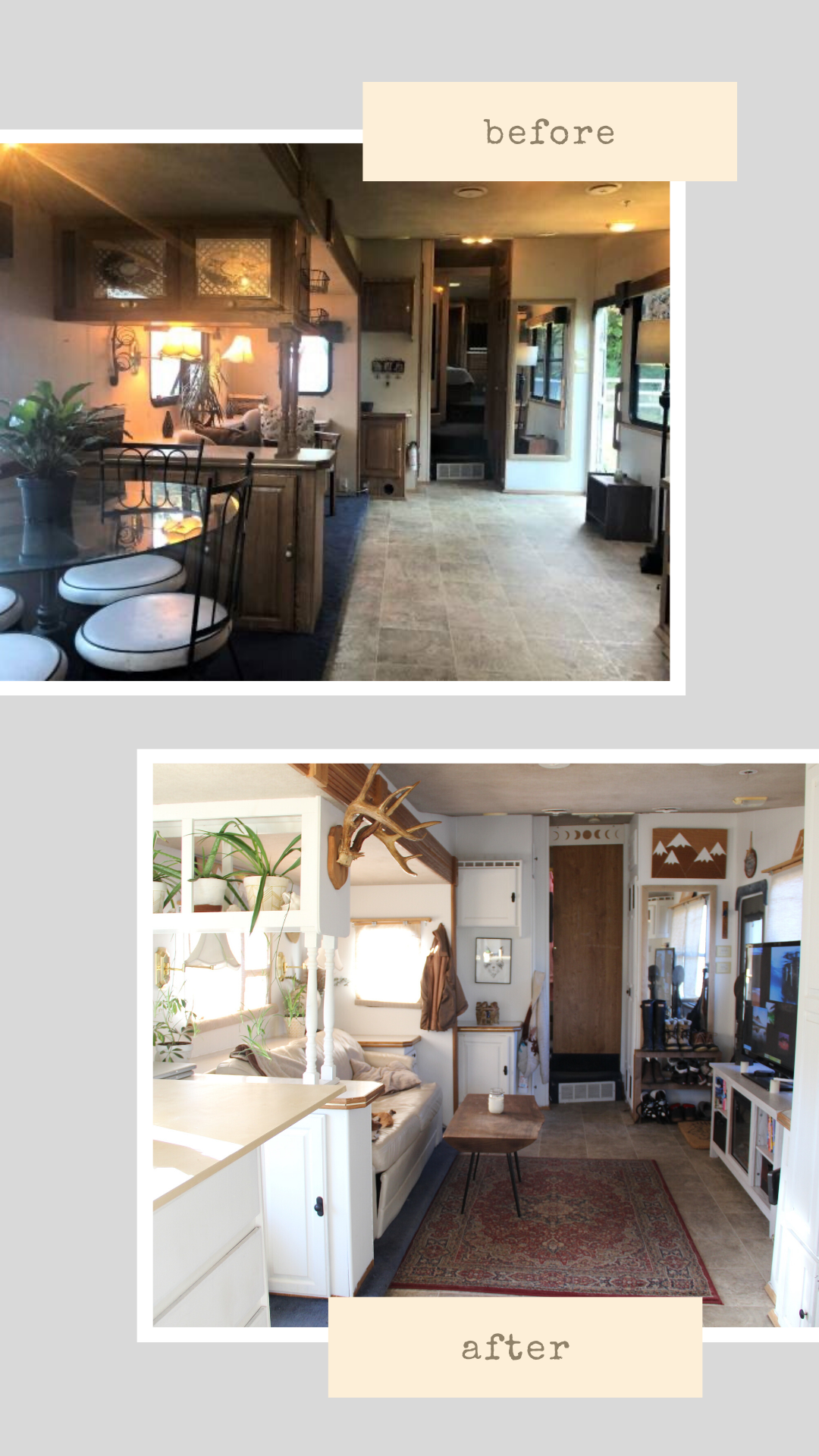
Having space to cook, craft, workout, and dance (we had a dance party our first night), being able to do our laundry at home with integrated washer/drier, and having longer hot showers make a world of difference. A luxurious difference.
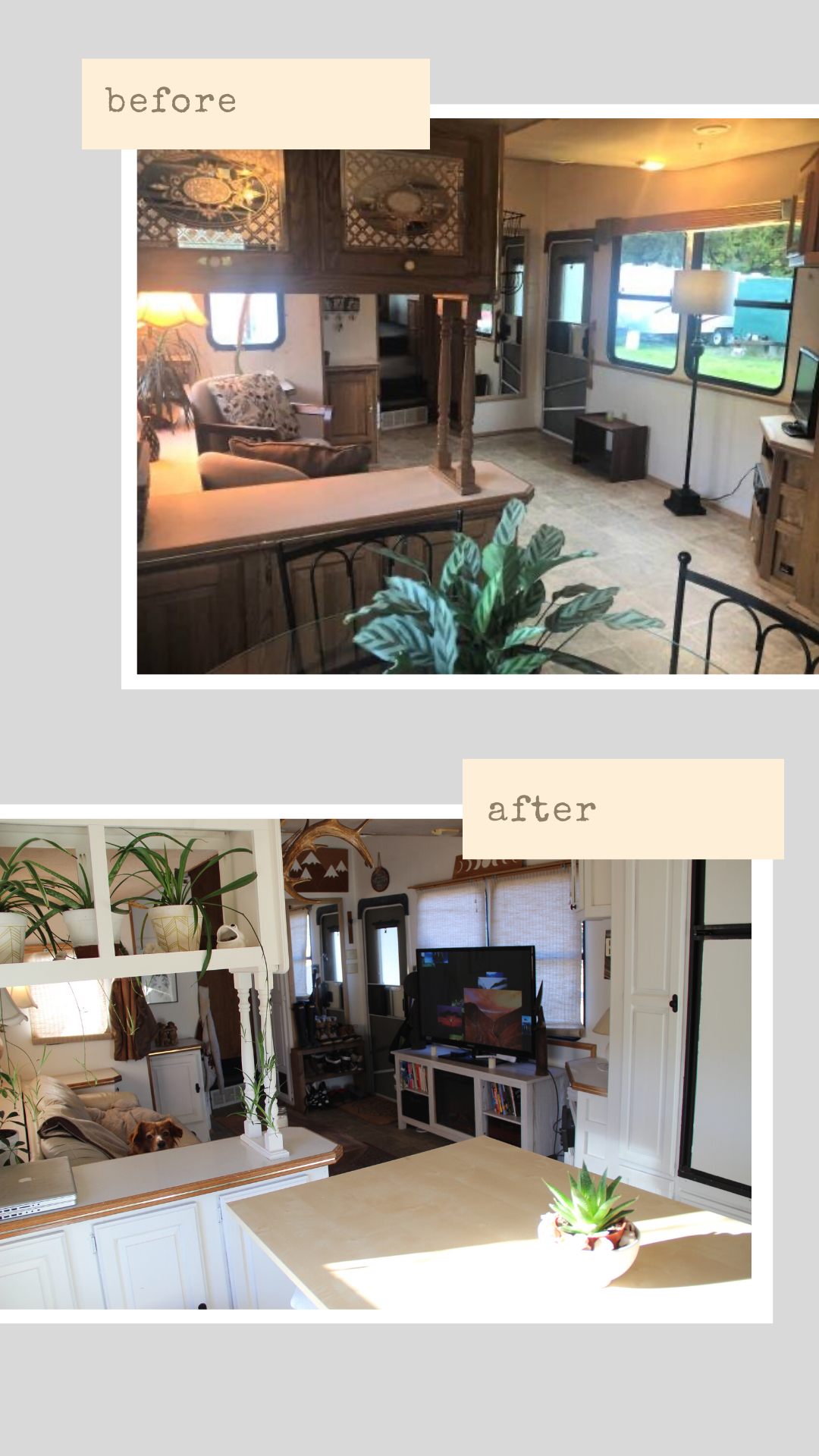
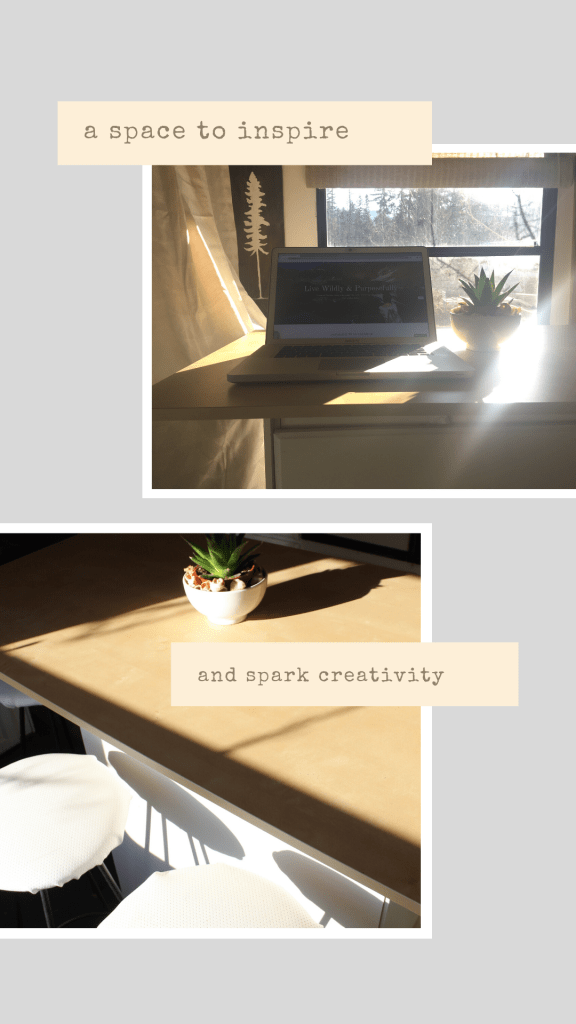
With a little bit of imagination and creativity (okay, and maybe a bit of Pinterest), you can create the home (or the life) you have always imagined.

Money helps for certain things (like it did help to get this new roof over our heads), but if you learn how to reuse, up-cycle, shop local, and don’t mind getting your hands dirty, and if you take the time to invest your heart and your mind into creating your little (and big) dreams, you can accomplish anything.

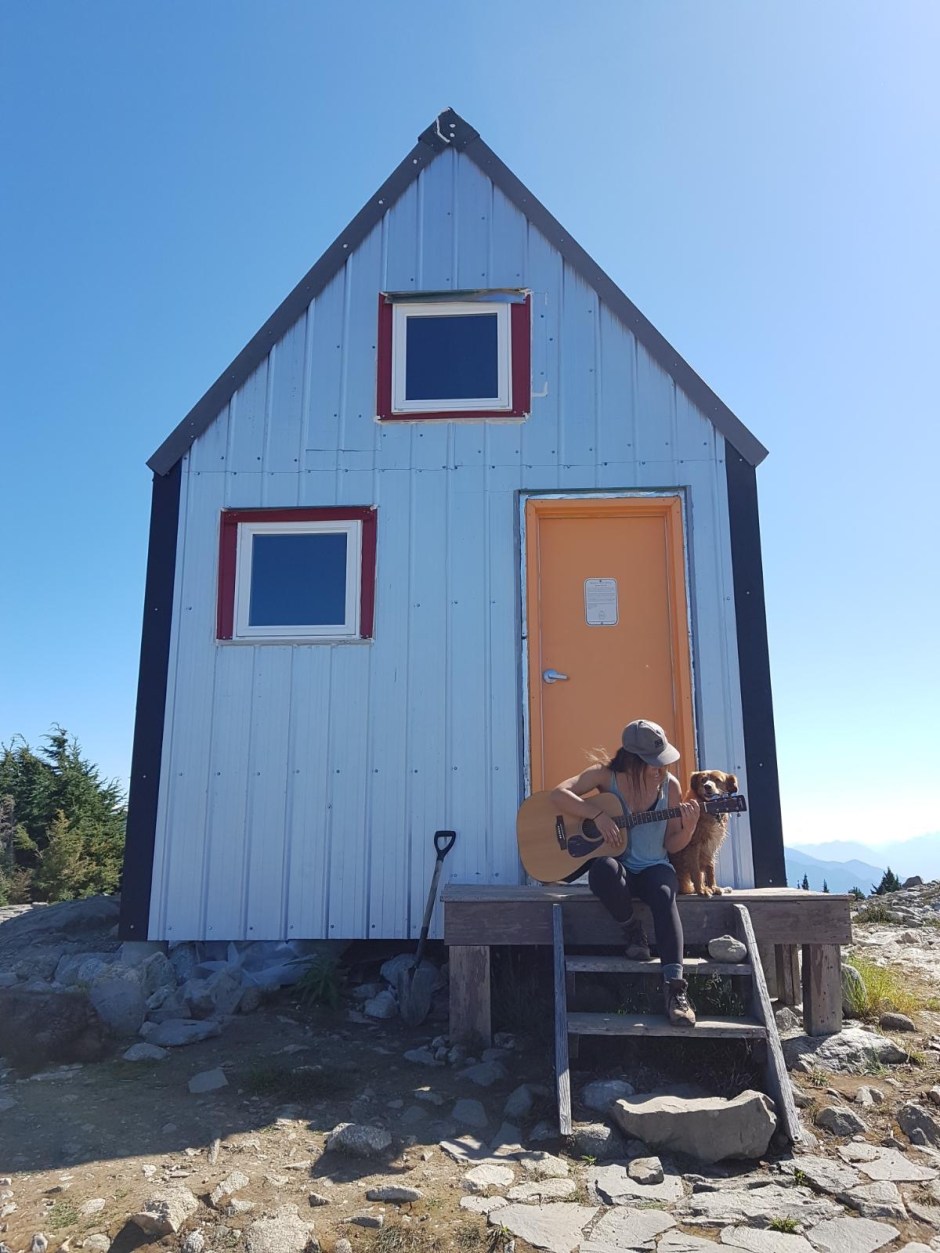
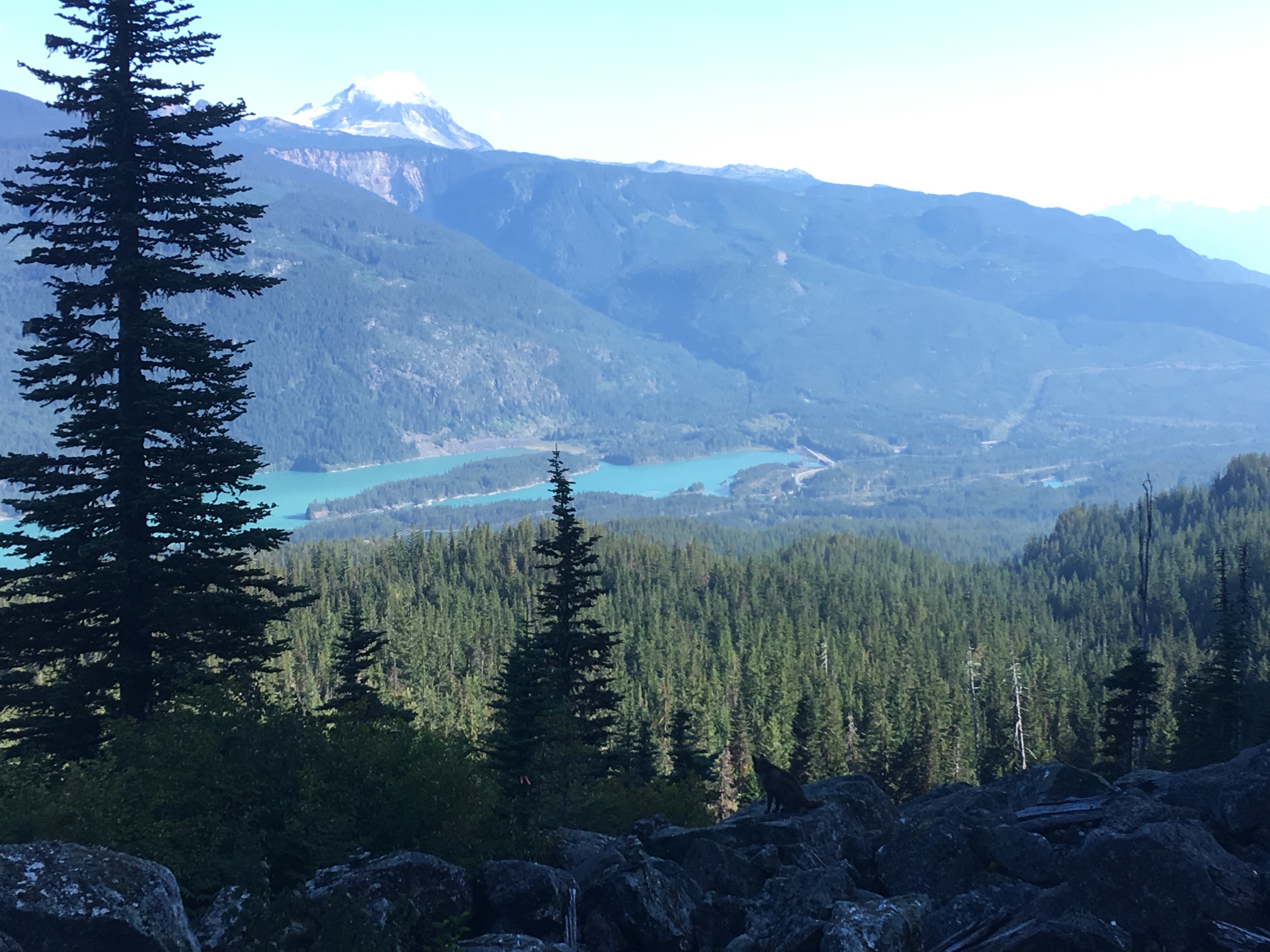
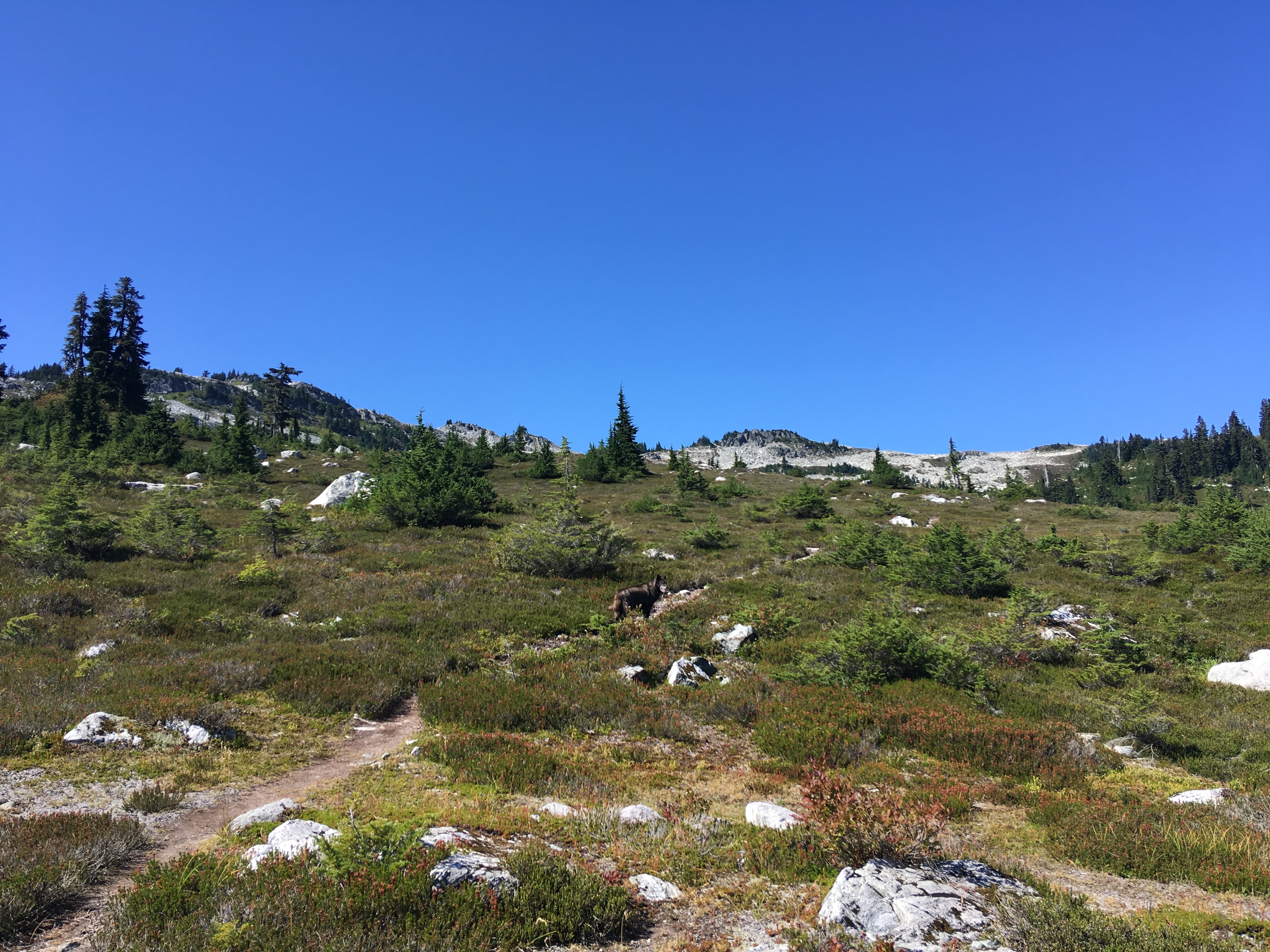
Photos from our recent hiking trip to the beautiful Brew Lake Hut.
𝐁𝐫𝐞𝐰 𝐋𝐚𝐤𝐞 𝐇𝐮𝐭
Distance: 13 km
Elevation Gain: 1,045 m
Highest Point: 1,686 m











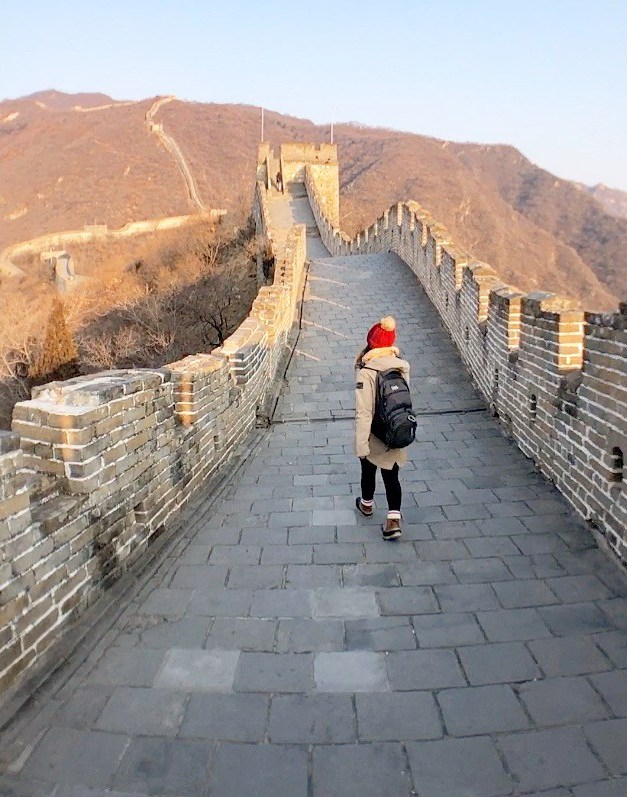
Being capital of the People’s Republic of China, Beijing is the nation’s political, economic, and cultural center. Located in north China, close to the port city of Tianjin and partially surrounded by Hebei Province, it also serves as the most important transportation hub and port of entry. It is now known as one of the most popular travel destinations in the world, with about 140 million Chinese tourists and 4.4 million international visitors in a year.
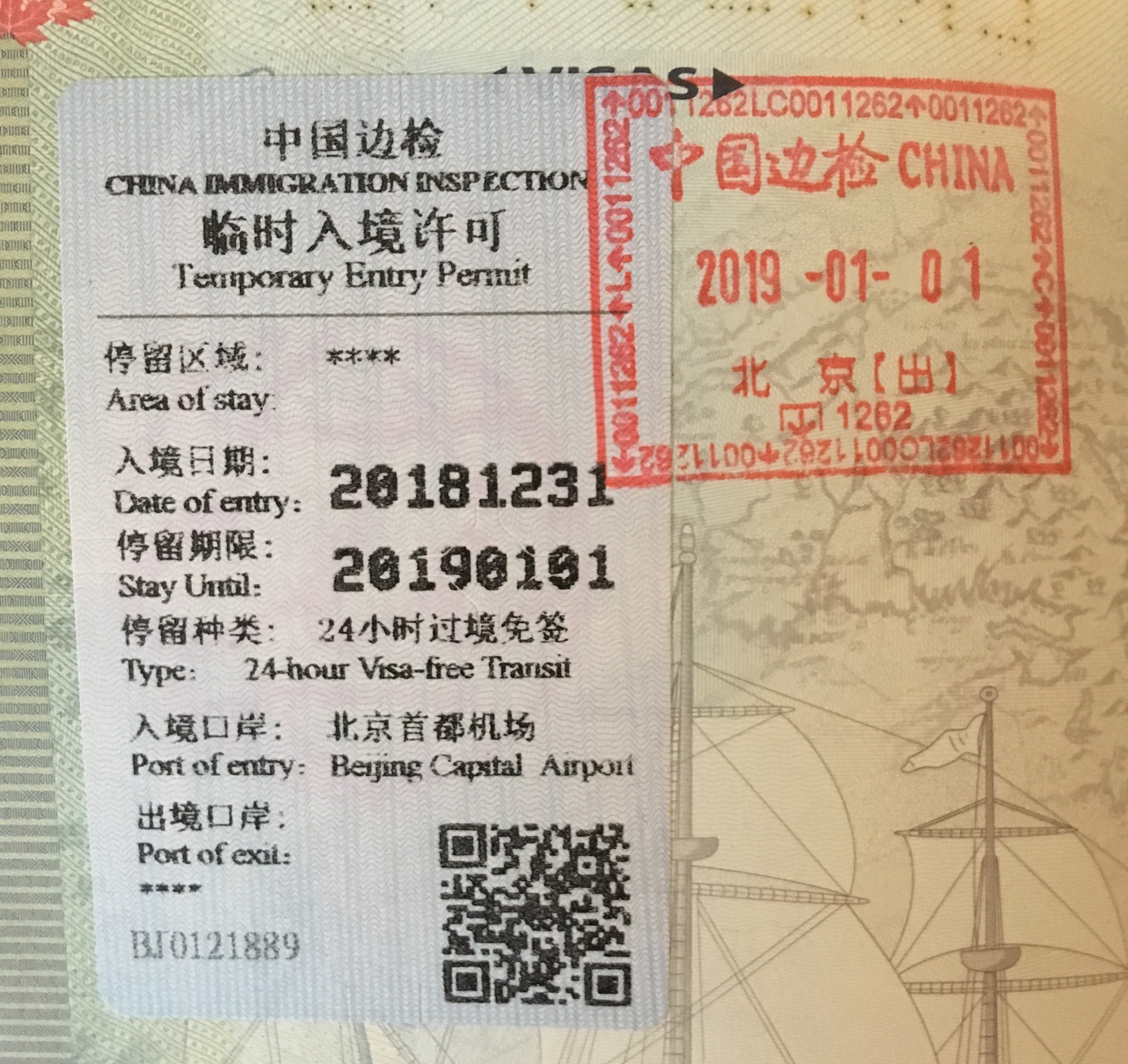
The 24-hour Visa-Free Transit in China, also called the 24-hour Transit Without Visa (24-hour TWOV for short), regulates that visa is not required for air, train, and ship passengers transiting in mainland China for a stay of no more than 24 hours before heading for a third country or region. It is also possible to get a 72 or 144-hour transit visa with similar terms and restrictions.
Since our flight from Canada landed in PEK at 4:25pm, and our connecting flight to our final destination in Japan departed at 3:45pm the next day, we had nearly 24 hours layover time. I had booked a hotel near Wangfujing, hired a chauffeur for the next day, and had all detailed information of our planned layover in Beijing in both English and Mandarin, putting all chances on our sides. We only carried a small backpack each and had our luggages sent directly to our final destination. After reading loads of forums about mixed situations that happened to Canadian travellers during this political dispute, we were quite surprised that the whole process went so effortlessly (at least it did for us). We got our transit visa approved in no time, and passed customs successfully. We exited the airport and walked to the taxis. I was glad to have our hotel printed in Mandarin –it made up for an efficient, timely and appreciated communication with the driver.
Wangfujing Street is the rich affluent shopping area of Beijing including many famous western brands and stores. After walking down the main street, we arrived to the snack street.
Wangfujing Food Street is Beijing’s local foodies paradise. Amongst locals and tourists, we meandered through the crowd, our eyes wandering with curiosity on all to see such as scorpions, snakes, bats, and tarantula on sticks. We weren’t brave enough to try much (after being sick in the Sahara Desert, I sadly tend to be more hesitant of what I eat when I know I’ll be away from restrooms for a longer period of time – however this is a personal experience and I encourage everyone to try street foods), but I couldn’t be on Wangfujing Snack Street without trying out a scorpion. So I did it! The feeling of the fried legs touching the roof of my mouth was scarier than the taste itself. JF had 2 and I’m sure he would had have more. I was content with my one bite. It’s those little things on my bucket list that make me so happy to check off. 🙂


When I was traveling in Tibet back in 2010, the food was surprisingly challenging for me to appreciate. I consider myself an adventurous foodie, always willing to try whatever is presented before me. With this culinary curiosity, I’ve had the opportunity to savor some marvelous (and highly intriguing) flavors from around the world. However, my experience with Chinese cuisine in China, not the Americanized version, didn’t quite align with my palate. Perhaps one of the most challenging aspects was deciphering the menu, which was often solely in Mandarin. Even though photos were somewhat helpful, they didn’t always provide a clear picture of the specific meat or ingredients used in the dishes. I did notice a unique fragrance in the dishes we ordered. My partner opted for three meat dishes, while I went with three vegetarian plates. I found my veggie options quite tasty, but I could only manage a small taste of his dishes (plus, I’m not a big meat eater). Despite the initial challenges, I would absolutely love to return to China and further explore its diverse culinary world.

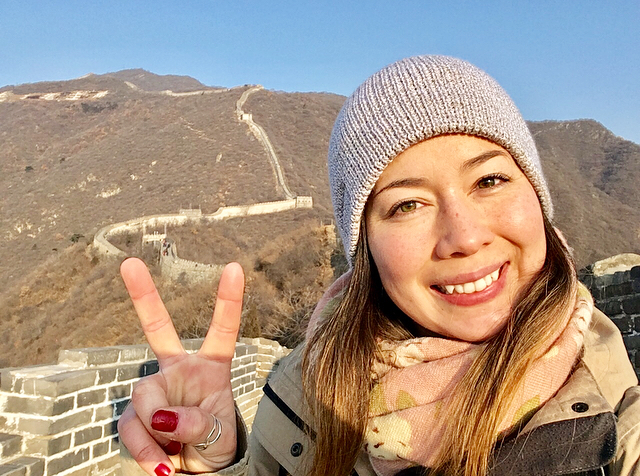
Previously, back in Canada, I hired John Yellowcar whom I found on TripAdvisor. John is a Beijing, English speaking native who’s been chauffeuring visitors around the city for nearly 20 years. My correspondence with John the weeks prior to our trip reassured me. He gave us valuable information on taxis, airport customs, translation, etc. John picked us up at our hotel the morning of January 1st at 6:45am in his clean and spacious vehicle. At our great astonishment, the roads were empty due to New Year’s Day (January 1st). It took us around 1 hour to reach the Mutianyu entrance of the Great Wall. John helped us get tickets and directed us to the entrance where we had the liberty to venture on our own. By 8am we were in the gondola heading up to the stoned path.
John picked us up at 11:30am where he had dropped us off. We headed back to the airport in no time. By 1pm we were back in PEK going through customs. Hiring John allowed us to see a great wonder of the world with a peace of mind. I would highly recommend him, or any great driver, if you have a layover in Beijing.
PEK Airport doesn’t stand in my top favourite airports. But it’s not bad. Bathrooms are decent, offering both western and squat toilets. Although not very big, PEK offers a few shops and restaurants. Wifi is free, but remember that Internet censorship in China is among the most extensive censorships in the world due to a wide variety of legal and administrative regulations (social medias, YouTube and Safari didn’t work, although we managed to play Words with Friends). If you have a long layover, I strongly encourage you to look at ways to get a Visa-Free Transit to explore some parts of Beijing rather than spend it at the airport.

It’s challenging to form a comprehensive opinion of a place after just a day. However, my general impression is that the streets felt much safer than I had expected. Throughout this layover, I never felt threatened or harassed. I’m not sure if the increased police presence near Wangfujing was related to the Western New Year, but the crowds were cheerful, the merchants were helpful and friendly, and the streets were relatively clean. Even though I was accompanied by my boyfriend, I felt that it would have been safe for me to travel solo. Once again, I chose to get around by taxi and hired an English-speaking private chauffeur to streamline things and save time. Like in any other major city worldwide, it’s always wise to exercise normal caution.

The cleanliness of the streets, the kindness of the people, and the safety of the neighborhoods certainly enhanced my perception of China. If you ever have the opportunity for a long layover in Beijing, seize the chance to explore the city’s rich historical treasures. I know I will return, hopefully for a longer stay than just a layover.

Maybe you are the proud owner of an Epic Pass, or Hakuba has just been on your list for a while now. Either way, you’re excited to meet face to face with the breathtakingly beautiful Northern Japanese Alps and eat Japow for breakfast and traditional foods at night.
Surely, Hakuba stands out as one of Japan’s top winter resort areas, offering some of the best winter sports action in Japan. The host of the 1998 Nagano Winter Olympics consists of 9 ski resorts stretched across a broad valley, and provides more terrain, vertical rise and advanced ski and snowboard slopes than anywhere in the country. Abundant snow falls and excellent powder conditions make Hakuba a continuous top choice of skiers and snowboarders from around the world.
I recently got back from an amazing snowboarding trip to the Japanese Alps, and wanted to share with you my top things to do in Hakuba for the most epic winter trip.
Ryokan are Japanese style inns found throughout the country, especially in hot spring resorts. Renting a ryokan is an amazing opportunity to experience the traditional Japanese lifestyle and hospitality. A typical ryokan has a relatively large entrance hall, with couches and chairs where guests can sit and talk. Shoes are removed at the entrance, and if slippers are provided, they must be taken off on tatami floors. The rooms offer elements such as tatami floors, sliding paper doors and windows, futon beds, Japanese style baths, a low table and floor chairs, sliding doors and some supplies for making tea.
Most ryokans feature common bathing area, usually segregated by gender, using the water from an onsen (hot spring) if any are nearby. High-end ryokan may provide private bathing facilities as well.
Renting a ryokan is a special and relaxing experience that everyone should take the opportunity to try.

The hot springs of Nagano are treasured throughout Japan as some of the best. Among the most famous, the Hakuba Valley’s hot springs are renowned for their strong alkaline waters which leave the skin soft and smooth. The mineral water of the onsens is also famous for its healing properties, perfect for soothing sore muscles after a day in the mountains. Onsens in Japan have been used as a cure for physical ailments, as well for their beautifying properties. Soaking in an open-air bath under the backdrop of the Northern Alps after a day on the slopes is one of the highlights of a Hakuba winter vacation.
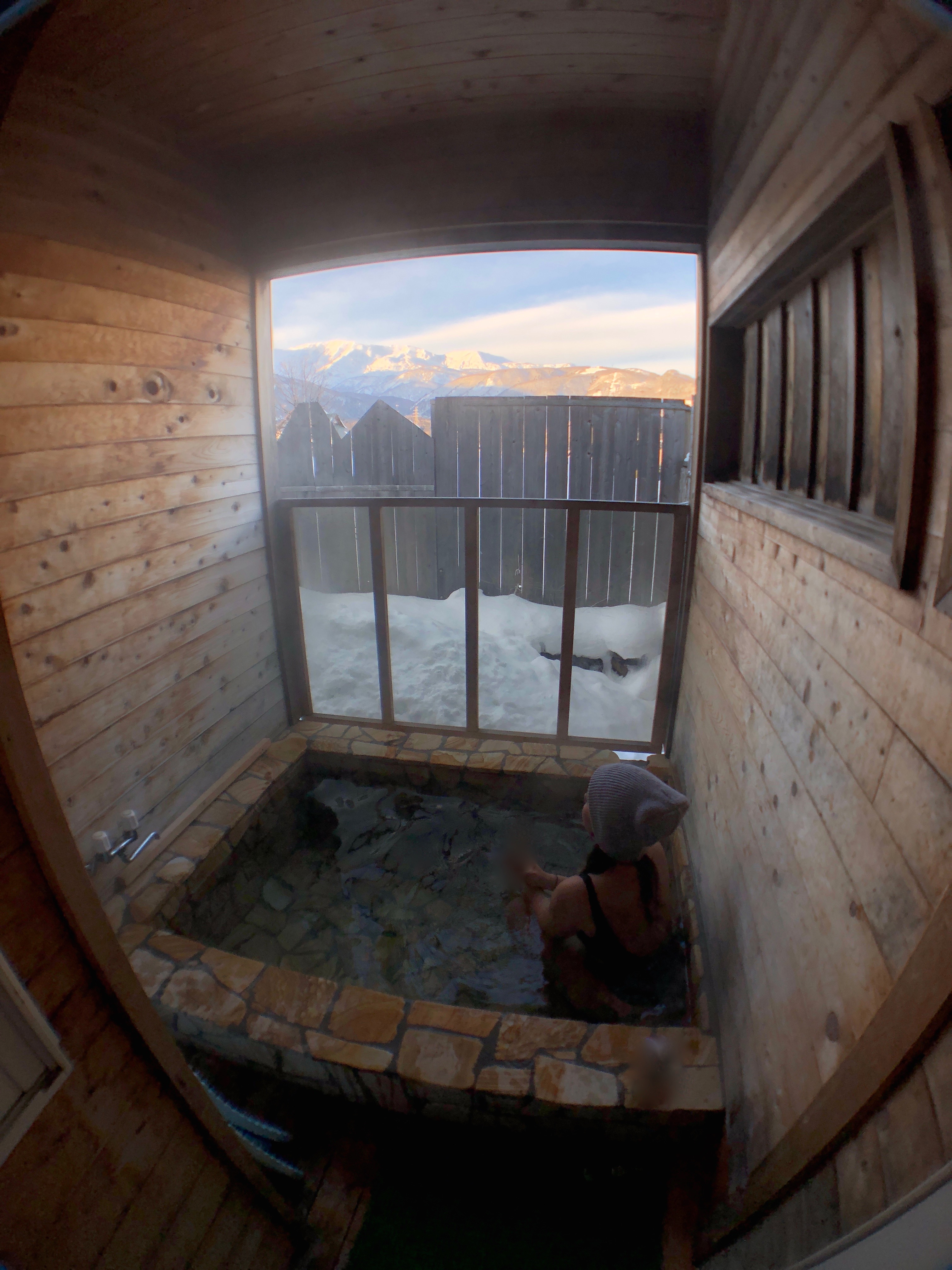
If your accommodation doesn’t have an onsen, click here for a list of local hot springs. And don’t forget to bathe your tootsies in Tsugaike Kogen in the foot onsen after a big day on the slopes (located near the base of the gondola).
While we enjoyed eating on lunch on the mountain and going out for dinner, we decided to pack up at the store for quick-to-eat, cheap and yummy breakfast goodies.
Onigiri is the staple of comfort food in Japan, and a very popular dish for breakfast. These rice balls have so many flavours like salmon, umeboshi, Japanese pickled plum, bonito flakes, different kinds of fish roes and so on. One onigiri in the morning and a cup of green tea kept me full for a whole morning on the slopes. Quick, healthy and delicious!
Also, nothing is greater than to start the day with a nice and warm cup of soup (your accommodation will most likely have hot water available at all time).
We loaded our bags with Ramen noodles, onigiris, egg salad sandwiches (incredibly yummy) and fruits (try the Nagano apples they are sublime). And of course sake, local beers and plum wine.

Located north end of Hakuba Valley, the resort of Tsugaike Kogan offers one of the best powder ski areas in Hakuba. For intermediate and advanced powder and trees seekers, the TsugaPow DBD (Double Black Diamond) area offers some of the best lift accessible powder runs in the valley. A 15-min safety course highlighting dangers, risks, avalanches, wildlife and rules is required to pass the gates.
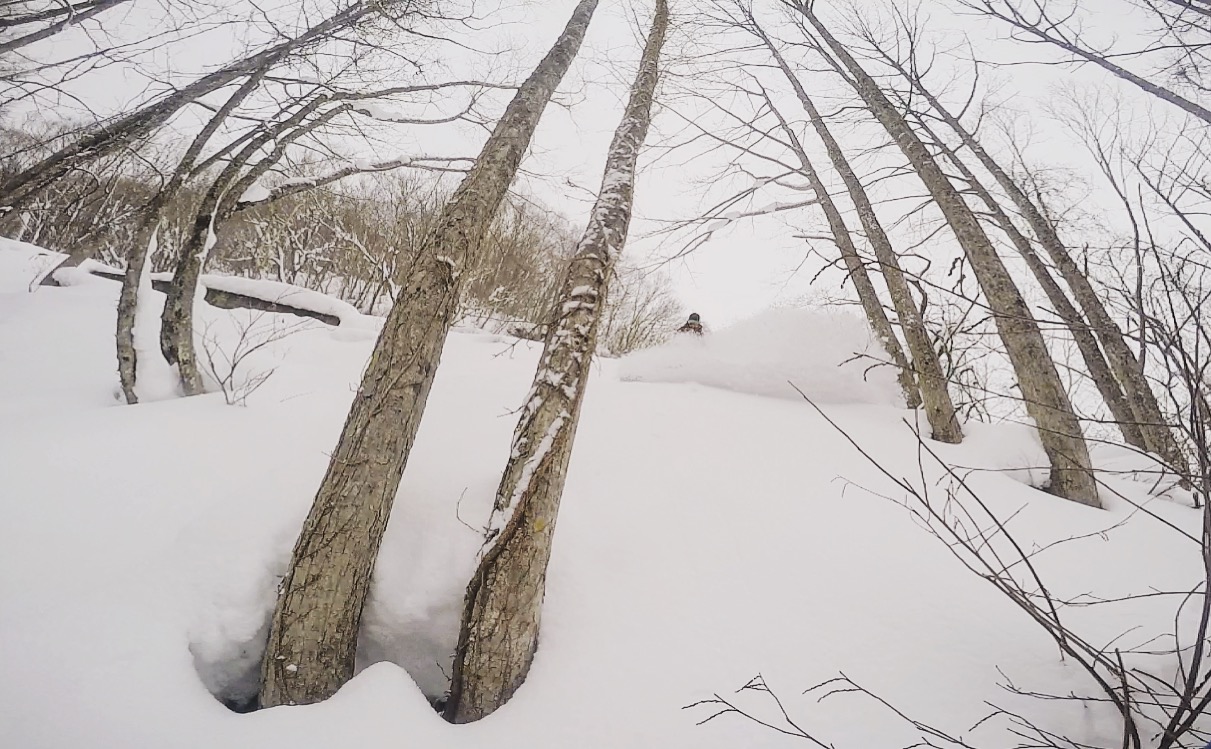
The Japanese Alps receive an average of 12+ meters of beautiful powder snow each year, and no other mountain range in Japan has comparable terrain with amazing powder. If you wish to get off-piste, access epic terrain and ride the fantastic backcountry Hakuba has to offer, there are many companies in the valley that offer group tours of all levels, as well as tailored tours.
Rather than a single hub, Hakuba is a vast area with multiple villages. Known as the heart of Hakuba, centrally located between Hakuba 47 and Happo ski areas and surrounded on all sides by the Misorano area of smaller hotels, pensions, residences and holiday homes, Echoland has the highest concentration in town of bars, restaurants and shops in one small area, mostly all located on one street. There are some great little Japanese eateries and izakayas where no or barely any English is spoken, and you really feel like you’re in Japan.
Note that most restaurants on Echoland are extremely busy. It is extremely recommended to make booking wherever possible. Some restaurants won’t accept reservation, so arriving before 6pm help.
An izakaya is a typical Japanese gastropub where people enjoy coming for a drink and a bite to eat. Known for their bustling atmosphere, tapas and local sake to enjoy in a comfortable, relaxing environment, going to an izakaya with colleagues after work is a cultural habit in Japan. While the Japanese are generally very reserved, in an izakaya the atmosphere is very lively (literally a gathering to drink). It is a popular place for employees to meet after the day’s work to relieve stress and have a good time together.

After a fantastic day on the slopes, be sure to check out Hakuba’s diverse nightlife, which offers something for everyone. Whether you are in the mood for a quiet pub, live music performance or high-energy dance club, Hakuba’s après ski scene has it all. To stay in the loop of what’s happening in the valley, follow the official account Hakuba on social media.
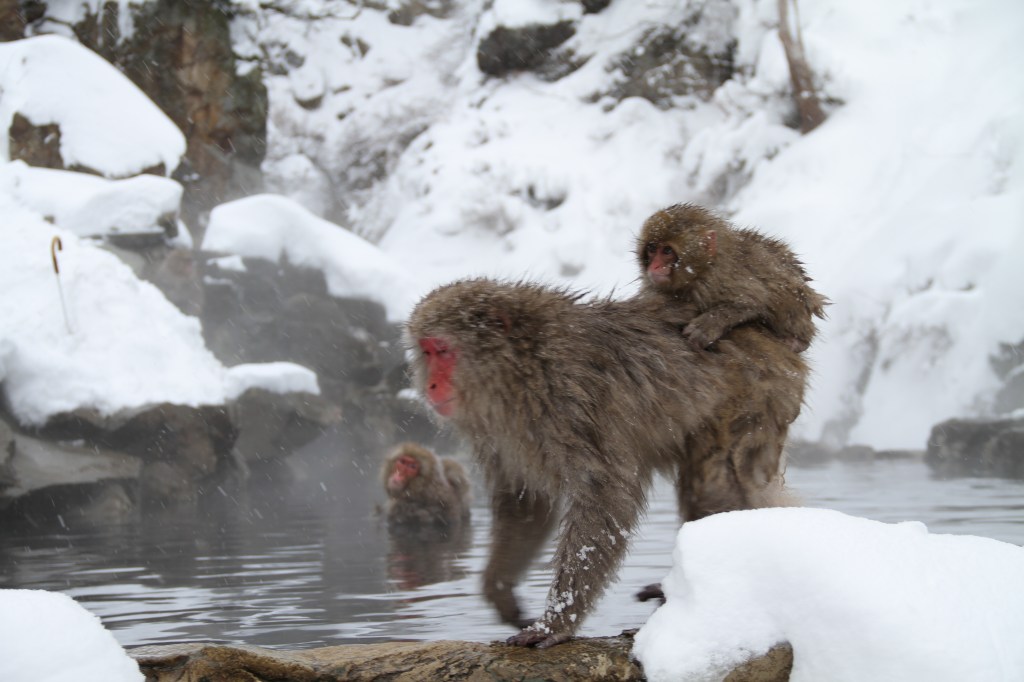
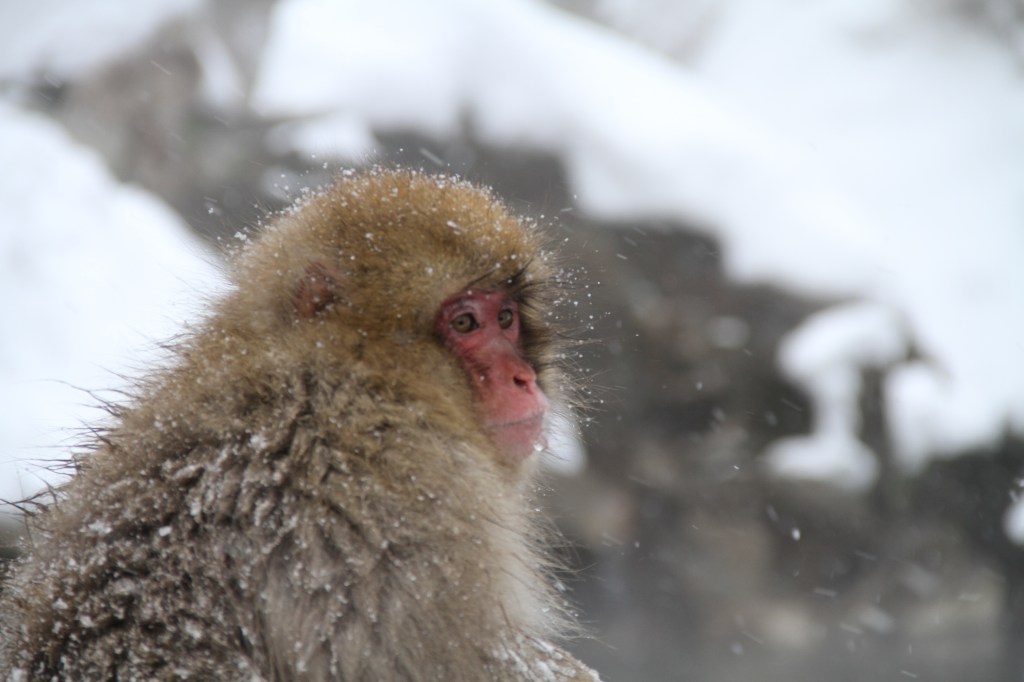
It wouldn’t be a total epic winter vacation in Hakuba without a visit to see the monkeys of Jigokudani. Located near the base of the Joshinestu Kogen National Park, the Jigokudani Yaen Koen (otherwise known as the Snow Monkey Park) is home to a very special troop of monkeys. Those are the only wild monkeys in the world known to bathe in hot springs, making them truly unique. Whether you rent a car or go as part of a tour, the snow monkeys definitely need to be added to your list!




We don’t always fully grasp how happy and carefree we are until those moments slip away. It’s essential to recognize these instances and cherish them. Capture memories through pictures and videos, share them with friends online, but also remember to disconnect from your devices once in a while. Immerse yourself in the experience, explore local culture, savour traditional foods, engage in conversations with locals, and embrace their customs and traditions.
For some of you, these travels may kindle a desire to return, while others will feel an unrelenting urge to keep exploring new and exciting places. Regardless of your choice, treasure every moment and make the most of it. Someday, you might look back on this journey and realize how fortunate you were to have fully embraced it.



 Footloose Diary