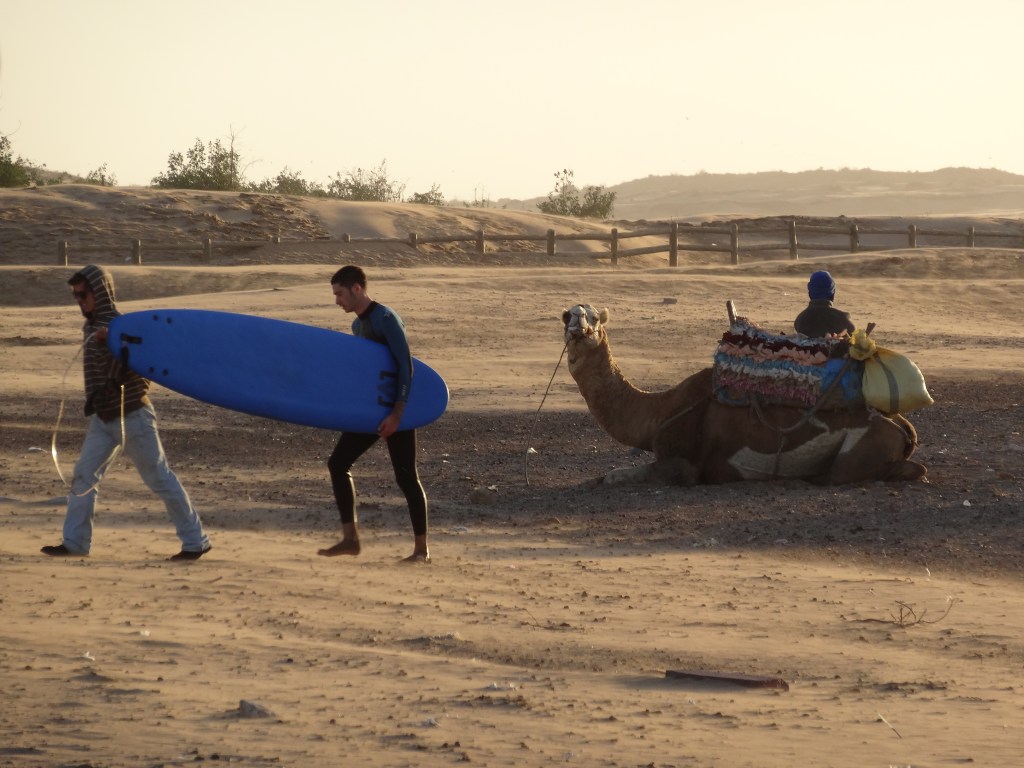
North of the city of Agadir, in the south west coast of Morocco, is located the small fishing village of Taghazout, where sun bleached hair surfers showcase their skills on the ocean curls and where camels lounge peacefully on the golden beaches.
Mostly of Berber origins, the residents have become to be local surfers, blending with an increasing number of tourists who come to experience the Atlantic waves. Along with tourism, fishing and the production of Argan oil are the main source of income. French is the main language spoken after Arabic, but it is becoming common to hear English spoken by locals, whom learned from visitors.
There are many consistent and generally uncrowded breaks to choose from, whether you are a beginner, an intermediate or an advanced surfer. As well as the rest of Morocco, Taghazout is famous for its long right hand point breaks. With the right conditions, this point can offer a 2km ride, surfing from ”village to village”, starting at Anchor Point, meeting up with Hash Point and ending at Panorama’s beach break.
A few restaurants are lined up on the main street, offering a variety of food, from Moroccan dishes to International cuisine. You will also find souvenir stalls and small convenient stores with non-aggressive and laid back sellers.
Many surf schools have grown in recent years offering lessons and guidance, with packages including accommodation, lessons, authentic meals and rentals. If you don’t want to book a package with one of the surf schools, you can simply rent one of the many apartments, most of them oceanfront. If you choose that option, I highly recommend to rent a car to give you the freedom to travel from break to break, do a trip in town, explore the coast and its surroundings, or simply chase the sunsets.
The coastal city of Agadir is approximately 20 min drive South from Taghazout. You will find a variety of large malls with grocery and liquor stores where you can pack up on what you need (remember that Morocco is a Muslim country where the consumption of alcohol isn’t openly tolerated. So be wise where you drink and how you act. Be a smart tourist and respect the locals). The city center is large and dynamic with tons of shops and restaurants servicing a diverse clientele. For souvenir shopping, the Agadir Souk is a great stop, although be ready to pay more than other cities. The beautiful and clean waterfront promenade offers a lovely stroll where you can glimpse at kids playing futbol and families gathering.
If the water is flat and the waves are shy, a nice day trip to Paradise Valley is in order. About 45min drive through a winding mountain road and you arrive at the entrance of the trail. The Valley was found by a German couple who took refuge there for a few years to recover from illness. They were cured by the peacefulness and natural surrounding of the Valley. Hence the name, Paradise Valley. Hang out on the rocks, cool off in the refreshing turquoise pools, show off by jumping off the rocks.
Taghazout is a beautiful, peaceful and friendly surfing destination. Whether you come here to learn how to stand on your board, or are in search of the perfect sea surf, this little coastal village is sure to satisfy your adventurer’s needs. Conquer the waves, taste the salt on your lips, feel the sun warming your face and hang loose on the beach amongst fellow surfing enthusiasts, friendly dogs and lounging camels. You’ll leave with new friends, improved skills and fascinating stories to tell.
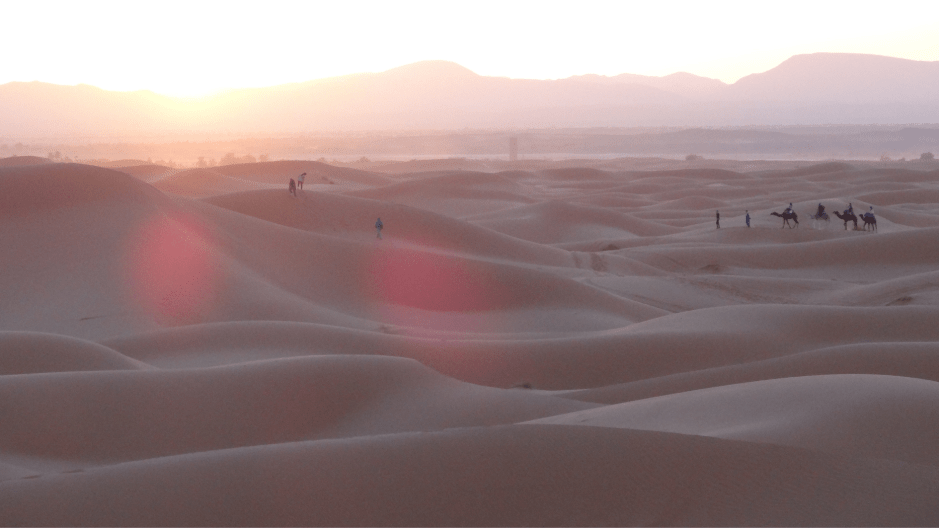
The sun painted the golden sand in beautiful shades of bright orange and gentle pink. My scarf protected my head, shielding it from the intensity of the midday sun. We traveled through the Erg Chebbi dunes at a leisurely pace. My legs dangled on each side of his rib cage, six feet above the yellow sea of sand. He wasn’t the most comfortable ride, but I couldn’t complain—I was the one sitting on his back. His hooves softly brushed the sun-scorched sand. His lashes were long and thick. Sometimes he would turn towards me, requesting a scratch on his long woolen neck. His name was Africa, an athletic and elegant 21-year-old dromedary, a worker of the desert.
When my mom announced that she would meet me in Morocco after I completed my volunteering program, I was eager to explore the rest of the country with her. My mother is my favorite travel partner—cultivated, worldly, and well-traveled. She always seeks the best ways to fully immerse herself in the local culture. At 63 years old, she was ready to hop on local buses, eat from street stalls, ride a dromedary through the desert, and even try camel milk. Since I had already covered the northern part of the country, including Rabat, Fes, and Chefchaouen, we decided to meet in Marrakech.My mom had visited Morocco before and didn’t want me to leave the country before experiencing the Great South. So, after a detour to Essaouira, we headed south and embarked on a five-day road trip through the High Atlas Mountains, all the way to the gateway of the Sahara Desert.
Day 1: Marrakech to Zagora
We could have rented a car and done the drive ourselves since the roads are well-maintained and fairly easy to navigate. However, to ensure a safe and enjoyable trip, we chose to hire a local driver. We were introduced to Hocine, a young, knowledgeable, and hardworking Berber who would be our chauffeur on our journey to Ouarzazate.
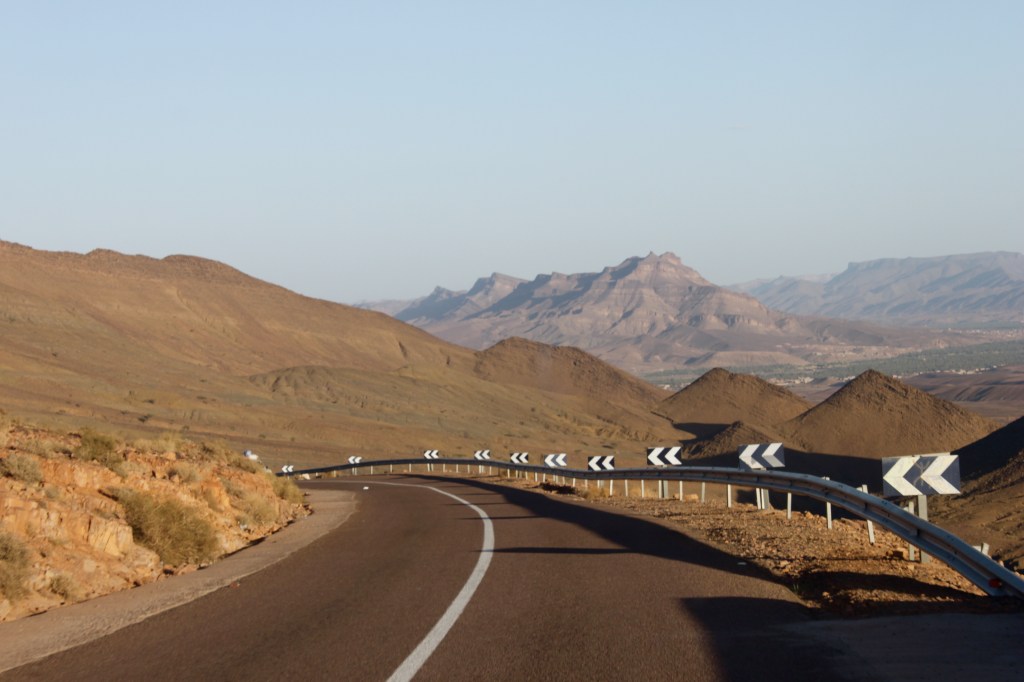
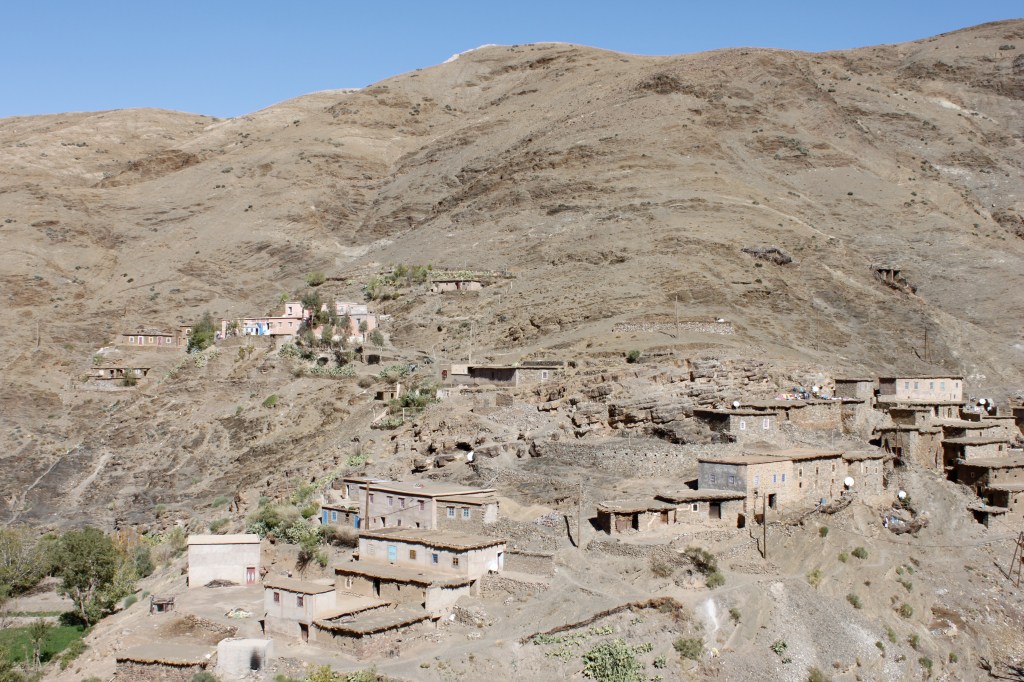
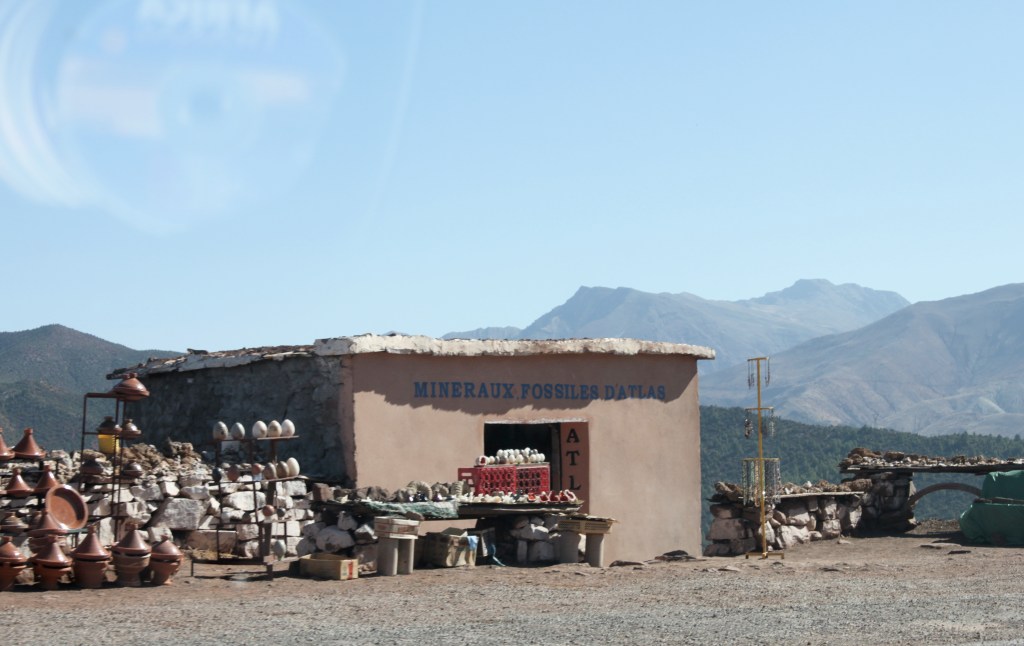
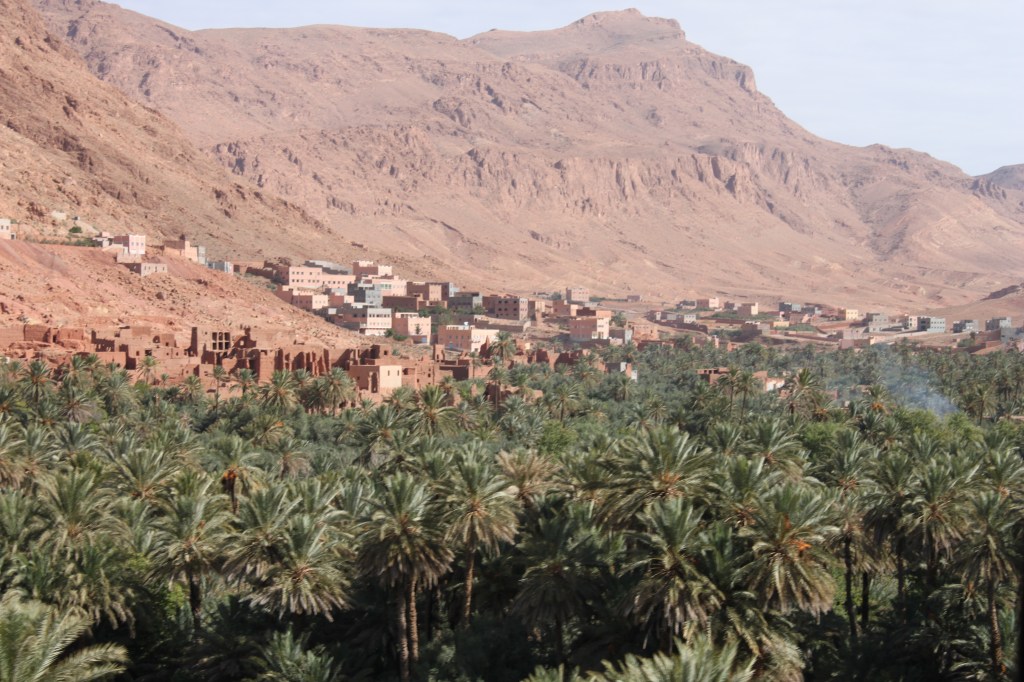
We set off from Marrakech early in the morning, heading south towards Zagora. The two Kasbahs we visited along the way were just as impressive as the drive itself. The winding road through the Atlas Mountains was breathtaking, with its earthly peaks and vast dunes forming a stunning backdrop. The lunar landscape was adorned with a variety of fruit trees, such as olives, oranges, lemons, dates, and figs, adding vibrant colors to the scenery. We even spotted Berbers and their goats climbing the mountains, searching for a meal and occasionally causing rocks to tumble onto the paved road. As we traveled, I caught glimpses of men riding donkeys for long distances, artists showcasing their handmade pottery and crafts, and vendors selling fascinating fossils and mineral rocks from the Atlas region.
As we journeyed through the High Atlas Mountains, Hocine enlightened us about the origin of the term “Berber.” It was historically attributed to the earliest inhabitants of the Barbary Coast of North Africa. The term itself derived from the Greek word “bárbaros,” which originally referred to any foreigner and later became the root of the derogatory term “barbarian.” Hocine further shared that the Berbers prefer to call themselves Imazighen, which translates to “Free People” in the indigenous Tamazight language.
Upon reaching Zagora, we were greeted by Ismael, our 16-year-old camel guide. In the obscurity of the night, he led us on our camels through a landscape reminiscent of scenes from Star Wars. With no control over our animals and having left our belongings in the car (as we were instructed to only bring the essentials), we placed our complete trust in this courteous young boy. What was initially anticipated as a 20-minute camel ride turned into an hour-long journey through the lunar landscape, guided solely by the darkness of the night. Eventually, we arrived at the bivouac, where we nervously laughed about the unexpected adventure and felt a sense of relief that we had safely made it to the camp.
We were warmly welcomed by fellow travelers gathered around the campfire. Tea was served, and we engaged in conversations with the Imazighen. A delightful couscous was prepared and served in the main tent. Chanting and dancing ensued around the bonfire, with our feet sinking into the sand as the moon ascended into the starry sky. It was a magical experience that left us in awe.
Day 2: Sunrise camel trek in Zagora
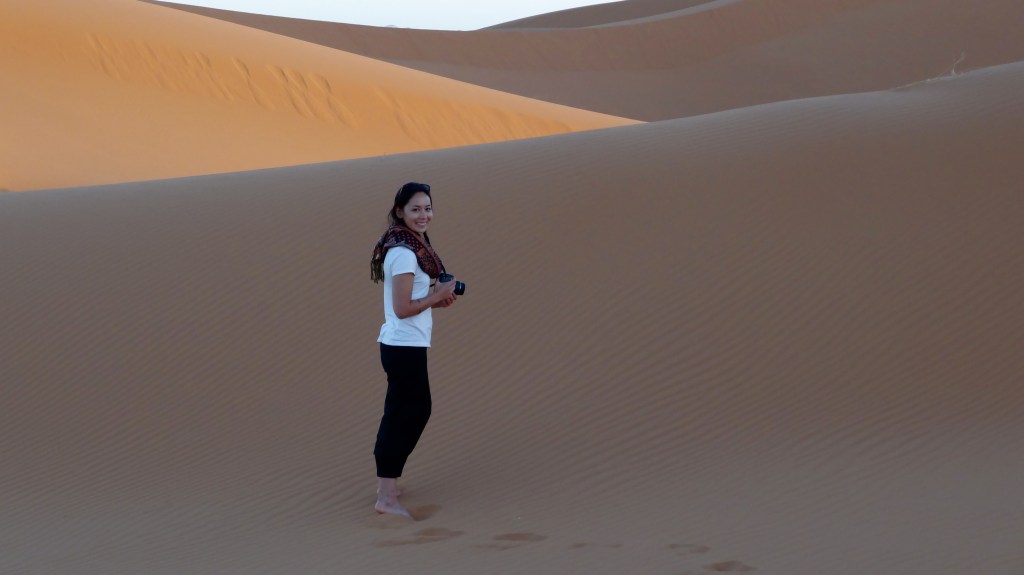
When Ismael softly whispered, “It’s time,” at the entrance of our tent, the clock hadn’t even struck 6 am. There was no room for sleeping in or hitting the snooze button for another 15 minutes. We had a mission to fulfill. Hastily, I donned my hoodie, wrapped my scarf snugly around my neck, and clutched my camera tightly. Barefooted, I stepped out of the tent and ascended the nearest dune.
There, perched atop the sandy mound, were fellow early risers. Wrapped in blankets, their cameras mounted on tripods, they eagerly awaited the unfolding scene. I gazed toward the horizon, where the vast expanse of sand met the distant mountains. And then, between two jagged peaks, I saw it: the first rays of the sun, piercing through the serene blue morning light.
As the sun gradually ascended in the sky, we made our way back to our waiting vehicle. It was a comforting sight to find Hocine and all our belongings safely waiting for us. Climbing back into the car, we embarked on our journey towards Mergouza.
Day 3: Entering the gateway of the Sahara in Mergouza
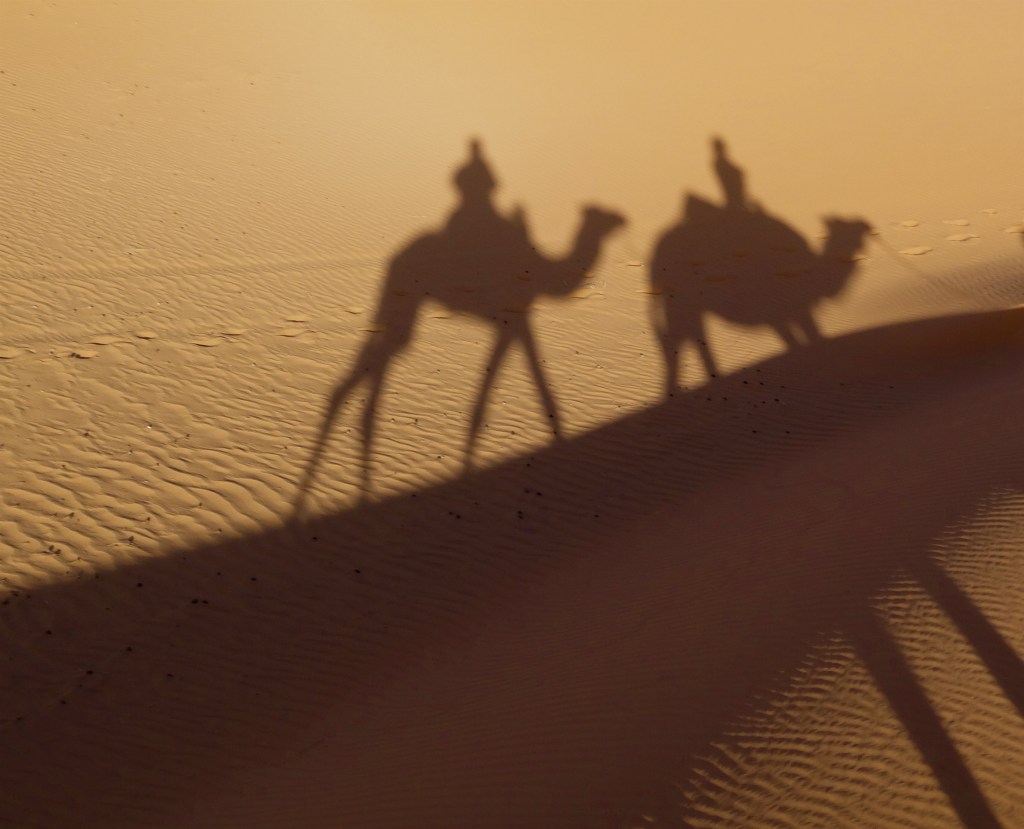
I was introduced to Africa, my loyal camel companion. Passing through the gateway of the Sahara, we began an enchanting and thrilling two-hour expedition through the tranquil dunes of Erg Chebbi.
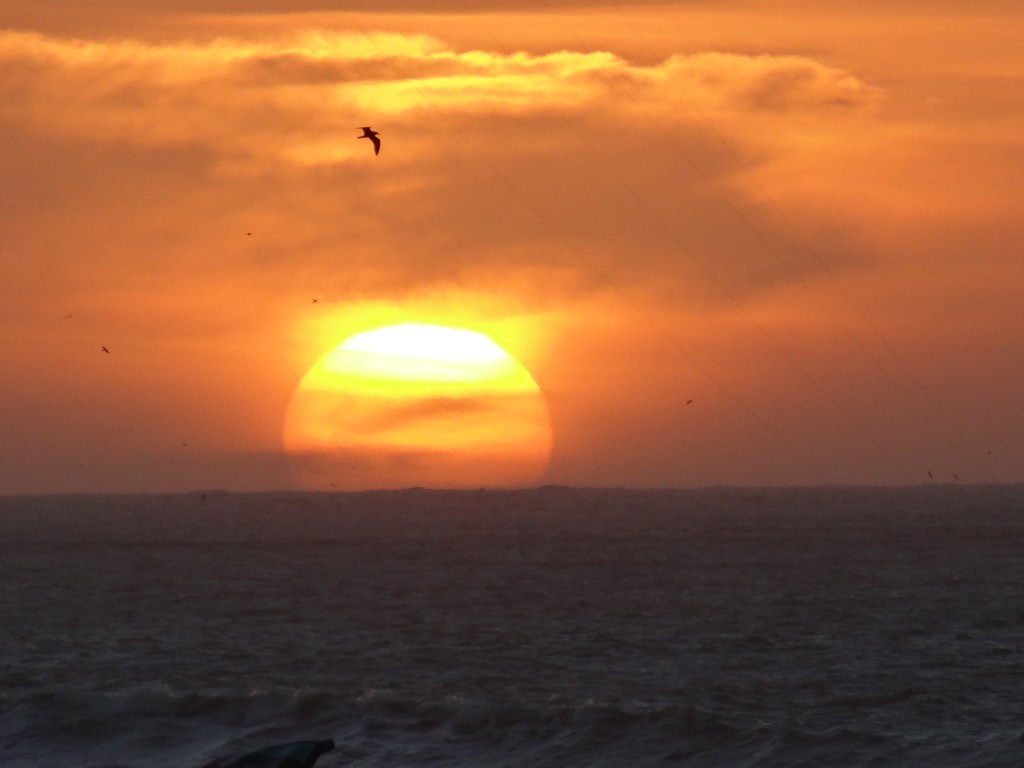
We reached the bivouac just in time to witness the mesmerizing sunset. Disembarking from Africa’s back, my feet sank into the refreshing, shaded sand. As a gesture of gratitude, I scratched Africa’s head, providing him with a momentary respite from the persistent flies buzzing around his face.
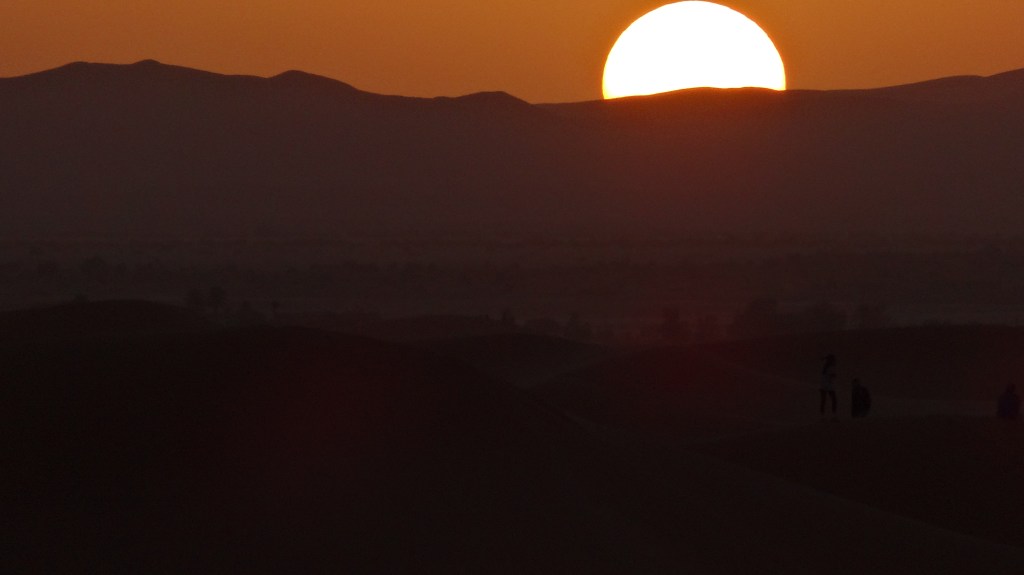
Driven by excitement, I challenged myself to a sprint, racing with all my might towards the peak of the tallest dune in anticipation of witnessing a truly awe-inspiring sunset. Despite having witnessed countless sunsets over oceans, mountains, and cities, this upcoming spectacle was a new experience for me. Patiently, I stood there, taking in the breathtaking view of an endless expanse of sand dunes. The scarf that had shielded my head now draped over my shoulders, providing a touch of warmth. Gradually, the sun sank behind the dunes, bringing a refreshing coolness to the air and allowing the moon to claim its reign over the night sky.
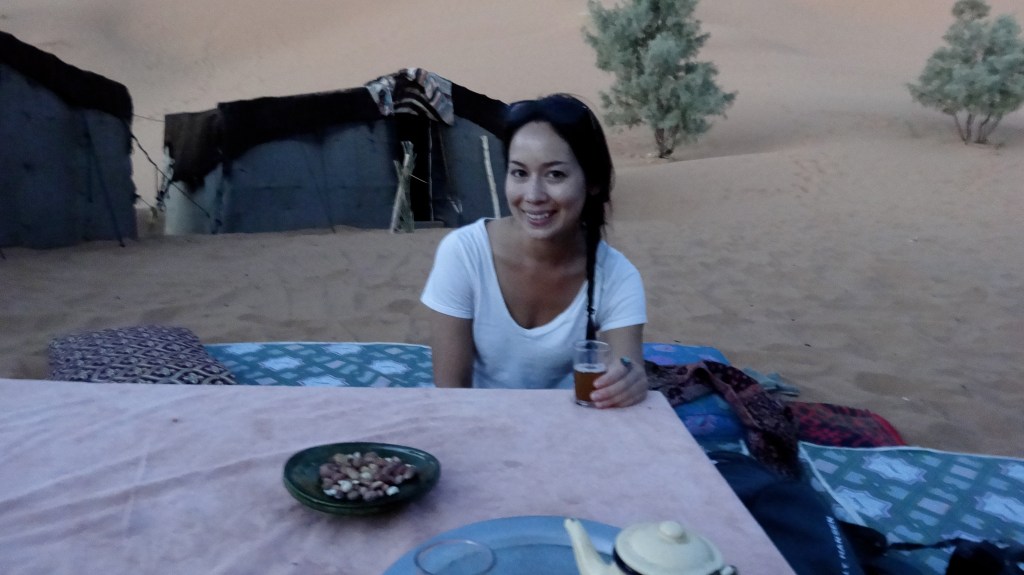
Exquisitely crafted Imazighen carpets adorned the sandy floor in front of each tent, adding a touch of beauty and cultural richness to the desert camp. A low table, covered with handmade blankets, was carefully arranged, surrounded by soft cushions for added comfort. The chameliers took charge of preparing and serving a delectable dinner, treating us to a mouthwatering traditional couscous accompanied by the authentic flavors of Moroccan mint tea. As the evening unfolded, the camp was illuminated by the gentle flicker of candlelight, creating an intimate ambiance in the heart of the desert. With the soft sand beneath us and the African sky sparkling above, we enjoyed a truly memorable dining experience amidst the serene beauty of the desert.
Following dinner, I engaged in a friendly race with Hocine, sprinting towards the summit of a nearby dune. Reaching the top, we settled ourselves on the cool sand, allowing us to fully immerse ourselves in the captivating spectacle of shooting stars illuminating the night sky. The vast expanse of the Greater Sahara provided the perfect backdrop for this mesmerizing display, as we sat in awe, contemplating the wonders of the universe above us.
Day 4: Todra Gorge in Tinerhir and the Road of the Thousand Kasbahs
Witnessing the sunrise over the desert was a breathtaking way to commence the day. With a renewed sense of wonder, I mounted Africa and together we began our journey back towards civilization, leaving behind the serene beauty of the desert as we embarked on our return.
On our way to Tinerhir, while en route to explore the Todgha Gorge, I suddenly felt a sharp pain in my stomach. Even a sip of water became impossible to swallow, and with every turn, my nausea intensified. To make matters worse, as a woman, I was denied access to any bathrooms along the way. When we finally reached our guesthouse, I retired to my room for the night. Meanwhile, my mom dined alone downstairs, sharing the tale of my illness with fellow travelers. I remained bedridden, plagued by severe dizziness. Thankfully, the kindness of the guesthouse host came to my rescue, as they brought me Vervaine tea and some rice. Without their thoughtfulness, I would have gone without food for three days. Although weak, I managed to rest and miraculously finished the tea after taking a single bite of rice.
The next morning, as I entered the dining room, I was met with concerned inquiries from everyone about my well-being. I am grateful for my mom’s support throughout the ordeal.
Unfortunately, due to a misunderstanding and language barrier between our guide, driver, and ourselves, we ended up missing the opportunity to visit the Todgha Gorge—an immense disappointment for me. Instead, we were taken to an Imazighen women’s carpet factory, where our guide strongly encouraged us to make a purchase. This created a discomforting situation, as it felt like we were imposing on the hardworking women. I have encountered this scenario before. When traveling abroad, I always strive to support local communities and encourage merchants, often beyond what I can afford. Respectfully, I declined the offers. However, the guide turned to my mom, who felt so bad that she ended up buying an expensive carpet that she will likely never use. Oh, mom! These situations unfortunately occur frequently when traveling in foreign countries where tourism can have complex effects on the local population. The best we can do is remain kind while standing our ground. And if we do give in, at least the souvenir becomes part of a laughable (in hindsight) story.
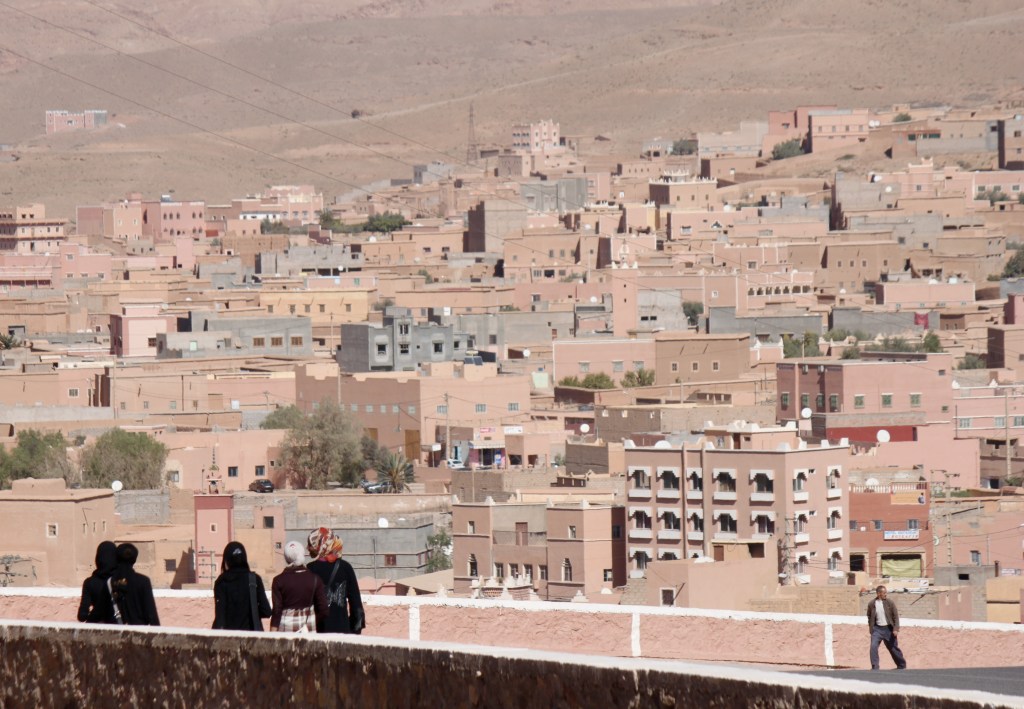
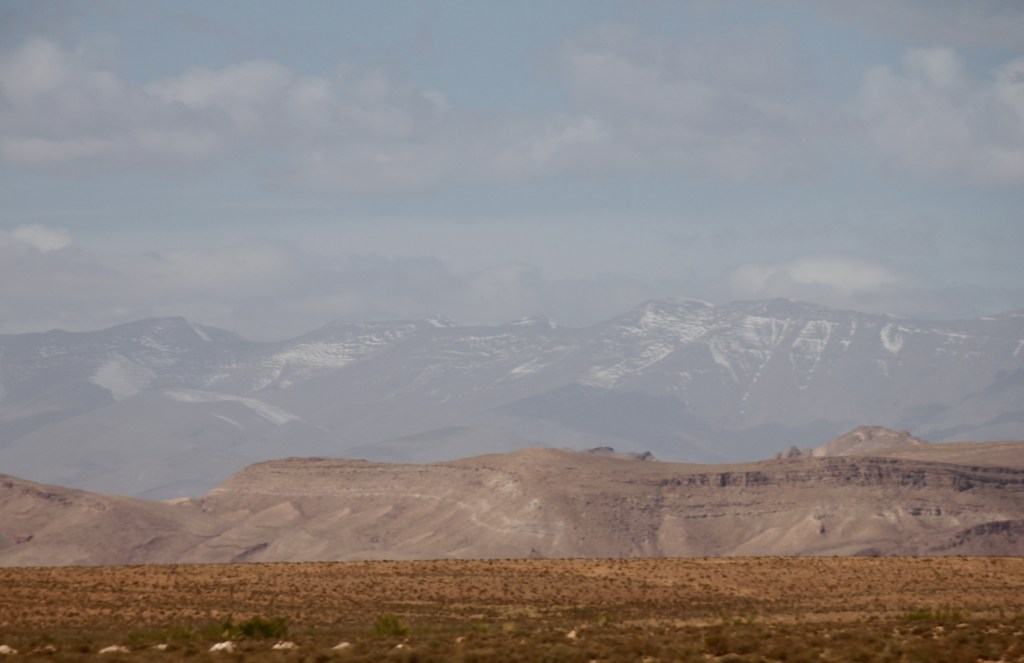
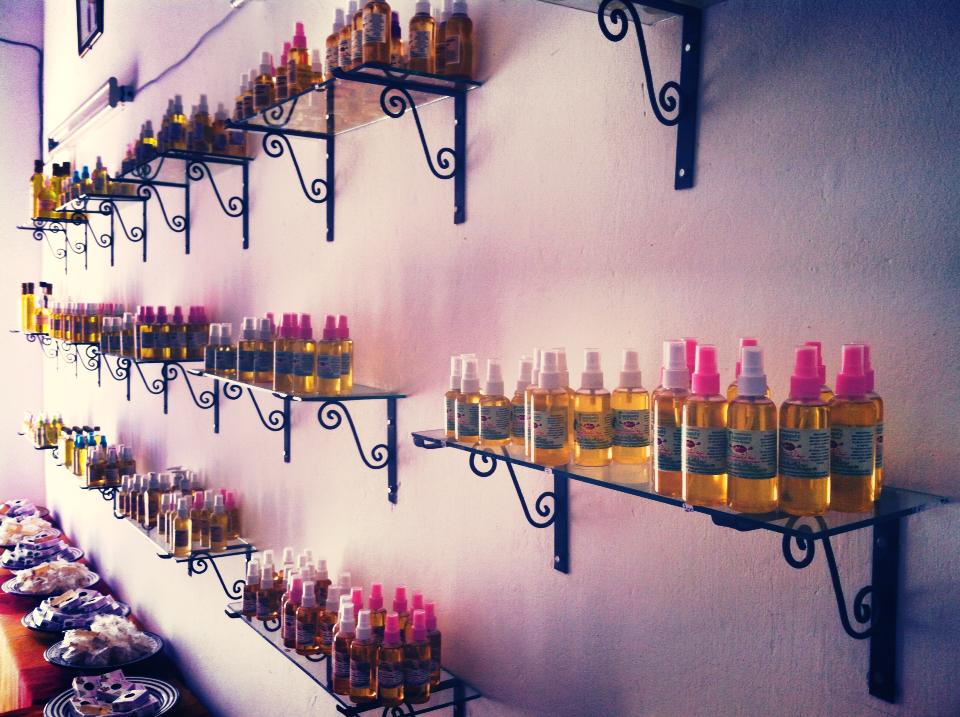
Continuing our journey, we embarked on the “Road of the Thousand Kasbahs,” a scenic route that unveiled a breathtaking tapestry of desert landscapes, majestic snow-capped mountains, and lush palm groves. Along the way, we made a stop at El Kelaa M’gouna, also known as the Valley of the Roses”. Here, we had the opportunity to purchase rose water spray bottles, a delightful souvenir that would make perfect gifts to bring back home. The fragrant essence of the roses added an extra touch of beauty to our memorable adventure.
Day 5: Wrapping up in Ouarzazate
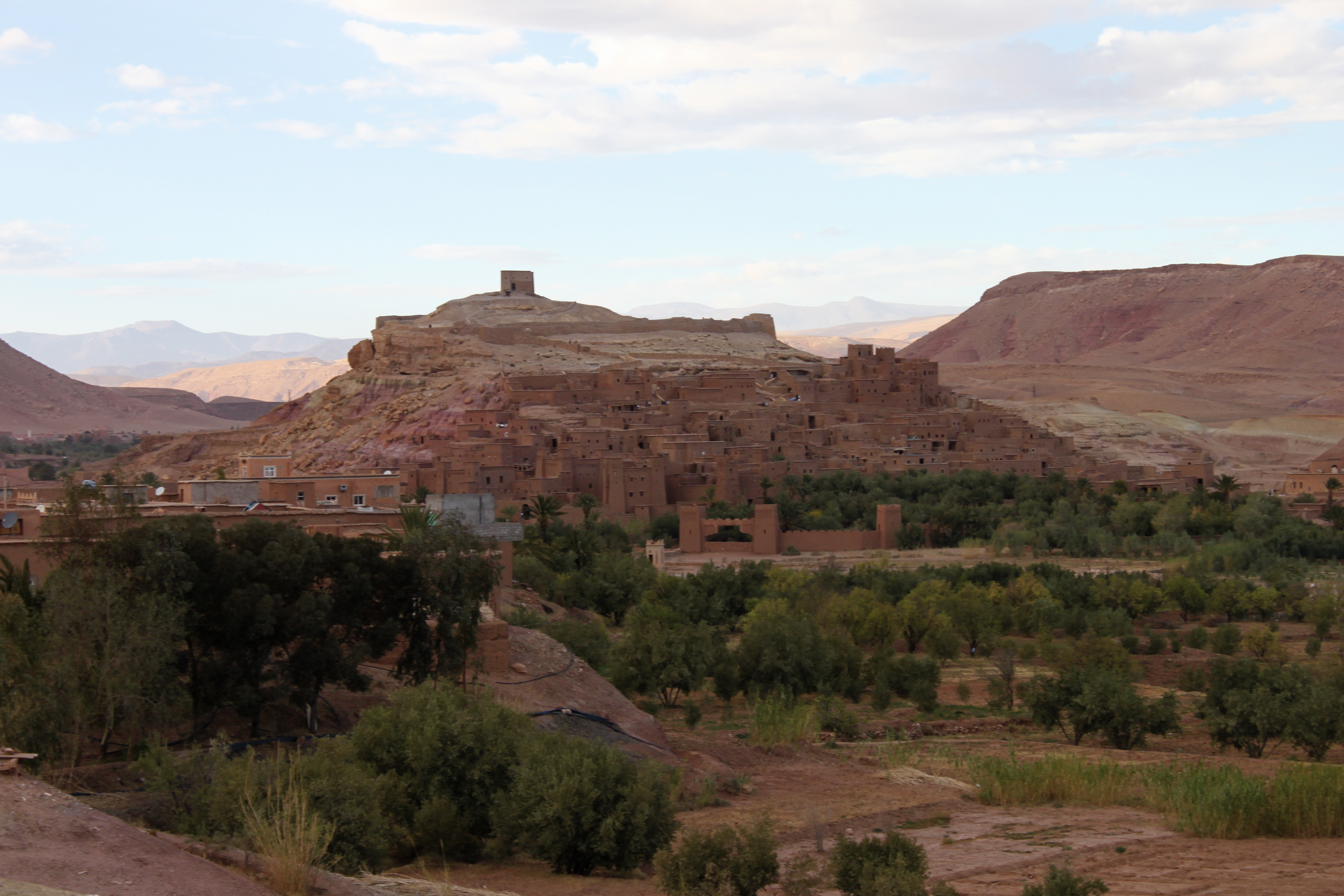
Stepping into the ancient Kasbah Ait Ben Haddou., built in the 11th century, I felt as if time had come to a standstill. The walls, constructed from red mudbrick, enclosed a labyrinth of dwellings, souvenir stalls, and captivating viewpoints. While the majority of the residents have now relocated to a more contemporary village on the opposite side of the river, eight families still call this fortified city their home. The blend of history and modern life created an intriguing atmosphere, immersing me in the rich cultural heritage of the region.
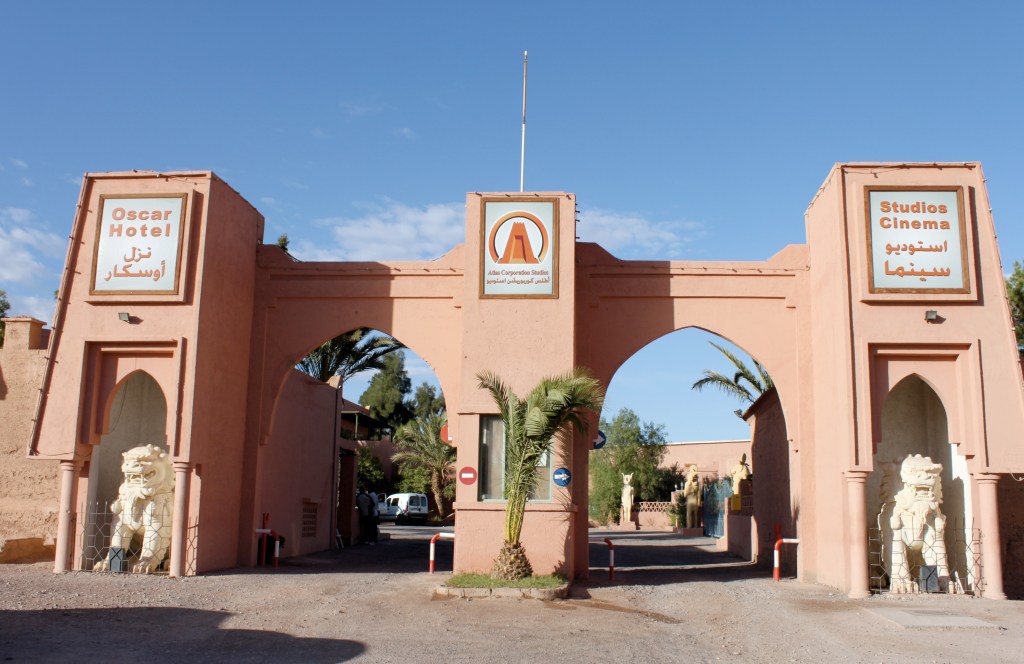
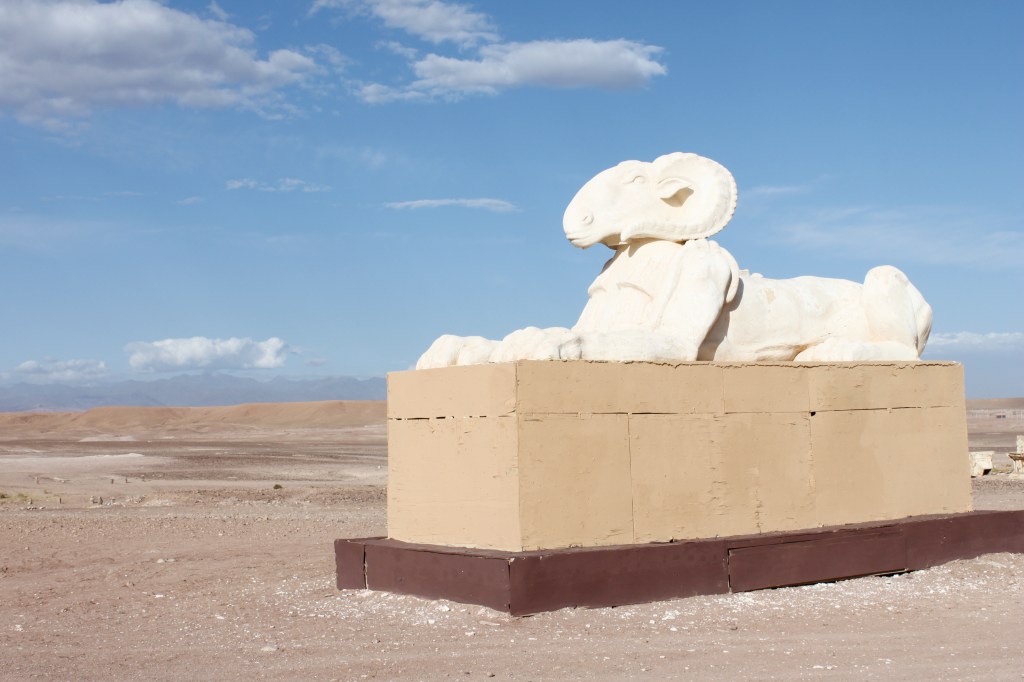
Our final destination was the Atlas Studio, renowned for being the filming location of numerous Hollywood blockbusters and famous movies. Despite the gusty winds and sand swirling around us, we ventured through the impressive sets and backdrops.
Upon our return to Marrakesh, we expressed our heartfelt gratitude to Hocine and provided him with a generous tip for his exceptional service as our knowledgeable, reliable, and caring chauffeur. His presence has truly enriched our journey, and we sincerely wish him all the best. Reflecting on our time in the Great South of Morocco, we realized what an extraordinary adventure it has been. Sharing this remarkable experience with my mother has made it even more special, creating memories that we will cherish forever.
For more information about the excursion and trips similar to this one, check out Click Excursion.
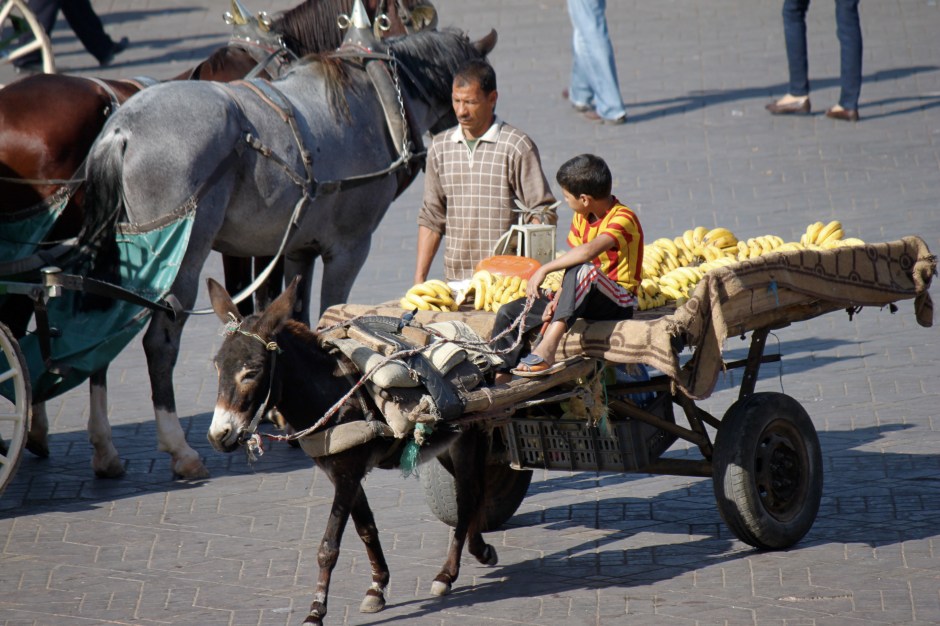
The impressive red-walled medina of Marrakech is a labyrinth of narrow, winding streets teeming with the vibrant energy of daily life. Here, locals navigate the bustling chaos, with children herding donkeys and market stalls overflowing with textiles, handcrafted pottery, and the enticing aromas of spices. Vendors call out to passersby, inviting them to explore their wares, while each turn in the cobblestone paths leads to lively souks where the rich culture coexists with the stark realities of life.
Despite visible hardships, this 11th-century city offers breathtaking beauty and numerous opportunities for exploration. Once the capital of the kingdom, Marrakech is now a thriving economic hub, attracting visitors from around the world. Known as the “Red City” for its stunning sandstone architecture, it serves as a vital cultural, religious, and trading centre for the Maghreb and sub-Saharan Africa.
As you navigate the medina, you’ll encounter the dazzling colours of traditional textiles fluttering in the aromatic air, the hypnotic sounds of musicians playing soulful melodies, and the serene beauty of hidden gardens that provide a tranquil escape. In this enchanting place, one might wonder: is it truly magic, or merely the captivating spirit of a city that enfolds its spell on the heart and soul?
Exploring the Medina
To fully appreciate the medina, avoid the temptation to get lost for fun. Instead, grab a map and familiarize yourself with the area. The fortified city is an endless maze that can lead to less desirable places—areas you may not want to visit. If you stay around the Jemaa el-Fnaa square and the souks, you’ll have plenty of streets to explore, filled with vibrant markets and eye-popping sights.
Tip: Don’t follow the directions to the square from the souk; they can mislead you and take you on a longer route around the market. From the souks, keep to the right to find your way back to the square.
Market Adventures: Tips for the Smart Shopper
The souks are a panoply of alleyways lined with tiny retail cubicles. Each section specializes in local goods: carpets, leather products, crafts, pottery, blankets, thuya woodwork, and more. Marrakech also hosts the largest traditional Berber souk in Morocco.
Before spending your dirhams, make sure to put on your “smart shopper shoes.” Vendors will try to get as many bills from you as possible. Here are some tips to navigate the shopping experience:
When entering a store, don’t look directly at the items, especially if you’re interested in something. Appear wide-eyed but uninterested.
Once you’re certain about buying something, take a closer look. The vendor will be beside you in seconds.
Ask for the price, then offer about one-quarter of their starting price. Expect to settle somewhere in between their initial number and yours.
If the vendor doesn’t meet you halfway or stays firm on a high price, start to walk away. More often than not, they will follow and agree to your price.
For example, if you want to buy a pair of babouches (Moroccan shoes) and the seller starts at 150 dirhams, offer 50 dirhams. They may counter with 120 dirhams, and you can respond with 70. Continue until you meet at a fair price—don’t be afraid to walk away if necessary!
Tranquil Retreats: Riads as Oases
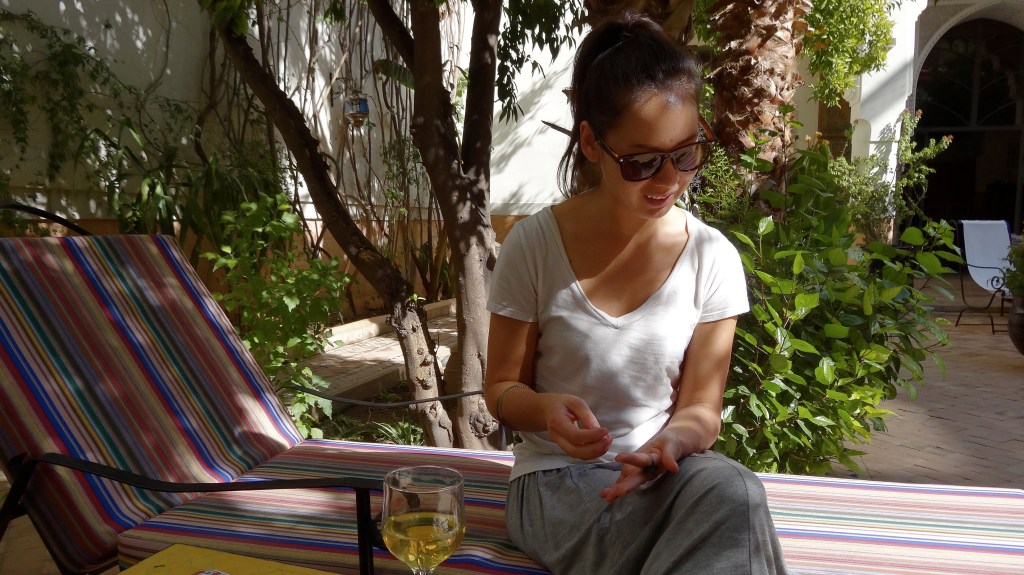
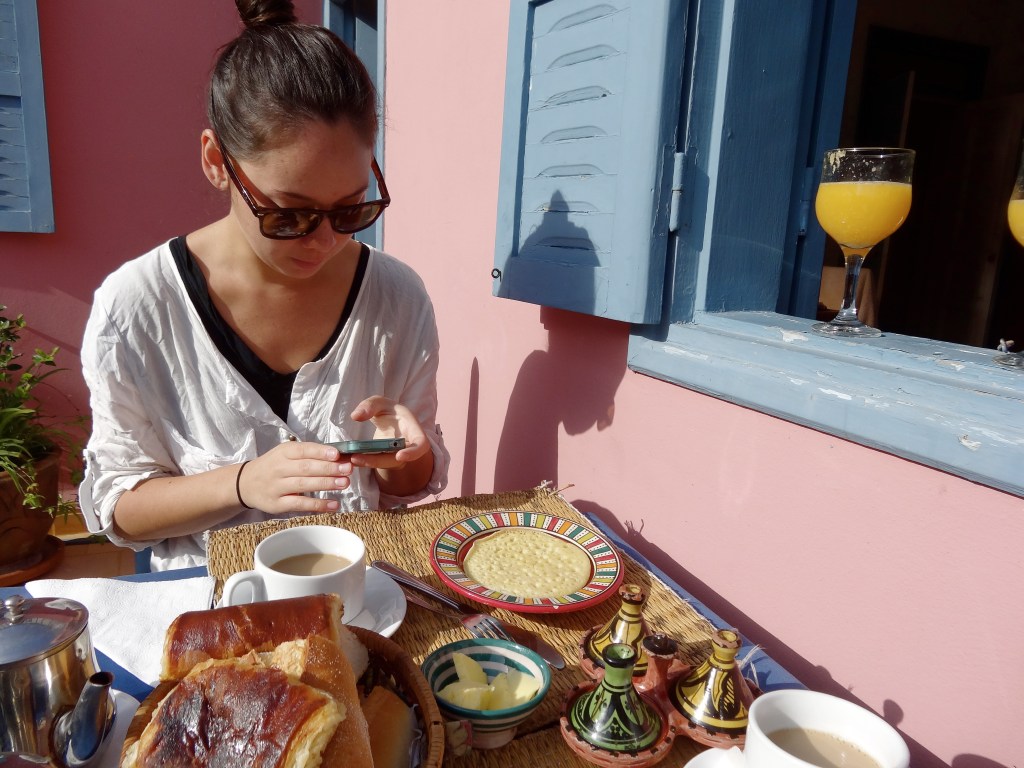
Riads in bustling Marrakech are oases of peace. Open a wooden door, and you enter a paradise for travellers. Relax on a comfortable sofa in the open-air courtyard, surrounded by orange trees and birds. Breakfast, including freshly squeezed orange juice and Moroccan crepes, is often served on the terrace. You can also request dinner, prepared with fresh ingredients sourced the same day—pastillas were my favourite!
At Riad Laila, breakfast is enjoyed in the garden, while dinner is served poolside. And at Riad Dar Rmane, Rachida ensures a memorable stay. You’ll be treated to dates, dried apricots, cashews, and olives with a glass of wine as you relax on a lounge chair on the roof terrace. If you order dinner before 2 p.m., she’ll shop for the freshest ingredients and serve a delicious meal in the open-air living room, complete with a bed of petals.
Pastilla
Balancing Marrakech’s Chaos: Activities Beyond the City
Cooking Delights
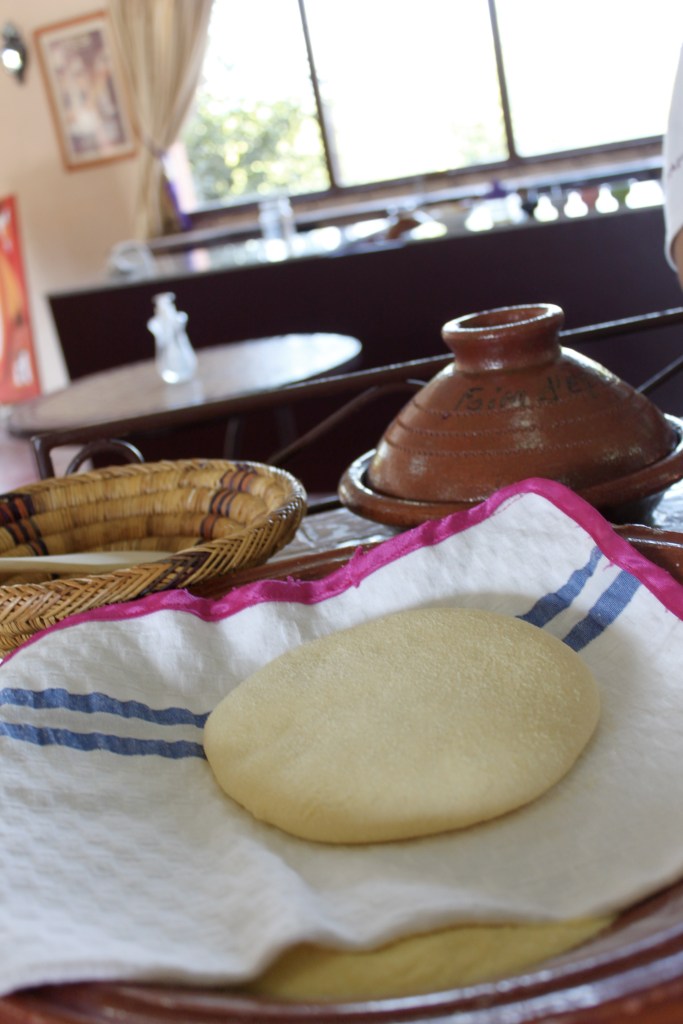
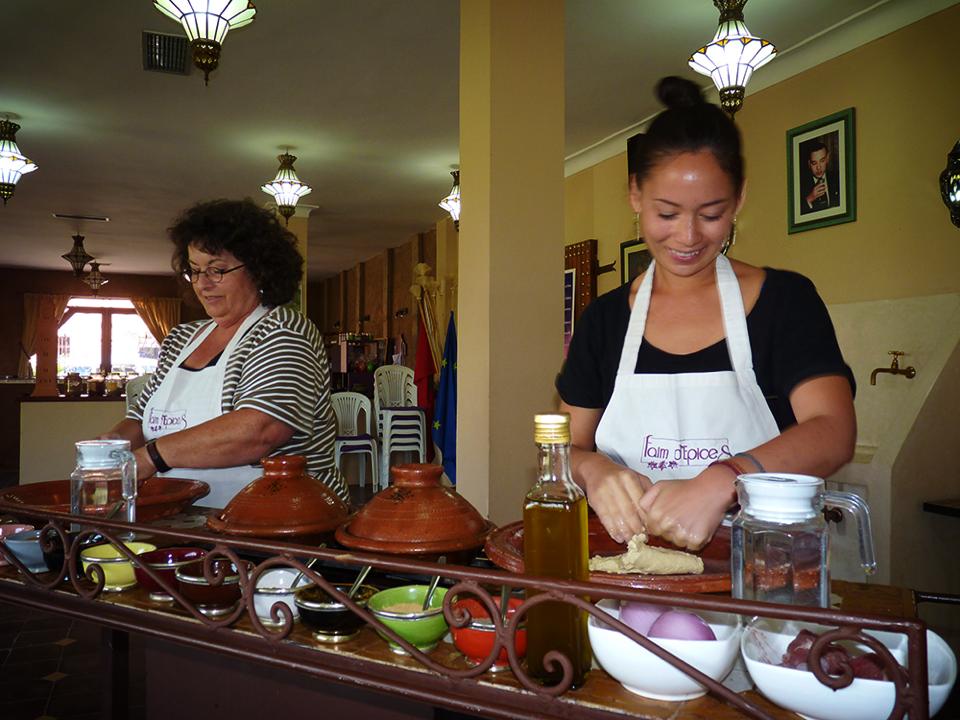
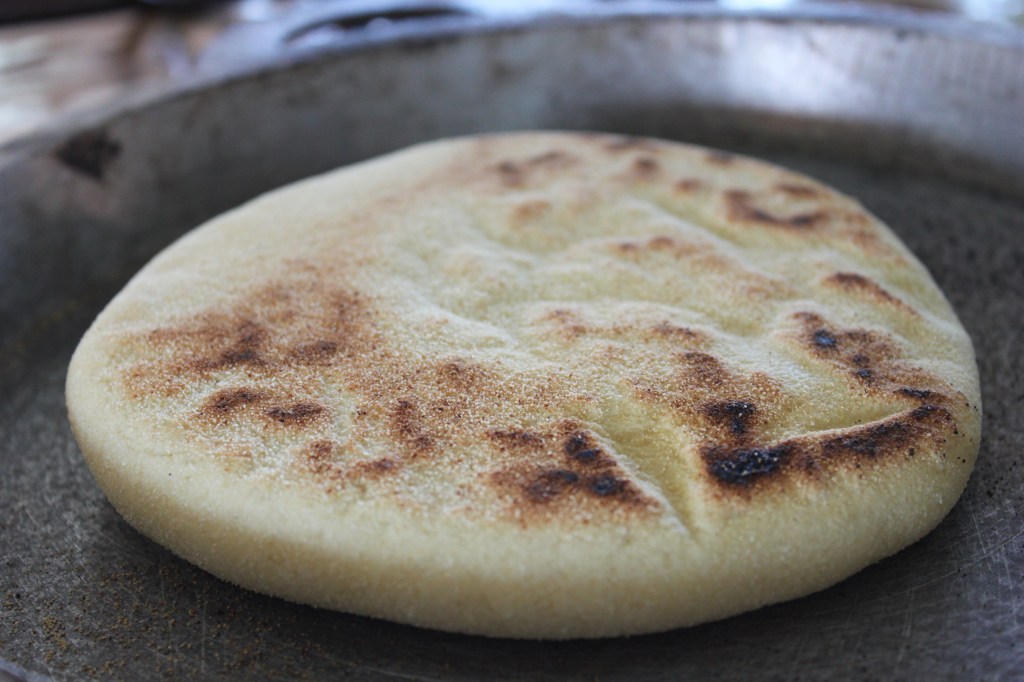
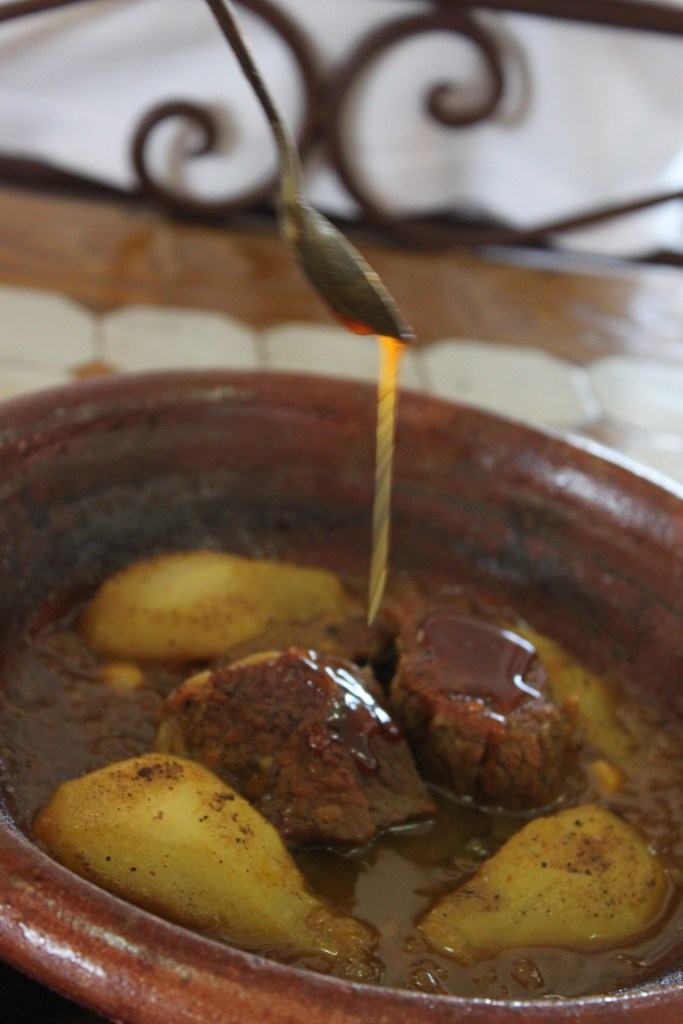
If you need a break from the hustle and bustle of the Red City, consider enrolling in a cooking class. Spend the day learning about spices and how to prepare authentic Moroccan dishes. You’ll enjoy your culinary creations in a garden setting with fellow students—perhaps with a glass of wine. For more information, visit Michel’s website at www.faimdepices.com.
Majestic Majorelle Gardens: A Tranquil Oasis
Just a few minutes’ walk from one of the northern entrances of the medina, you’ll find the beautiful Majorelle Gardens. Designed in the 1920s and 1930s by French artist Jacques Majorelle, it’s now a famous tourist attraction. French designer Yves Saint Laurent purchased the garden in 1980, and when he passed away in 2008, his ashes were scattered in the rose garden. A memorial now stands on a pedestal with a plaque bearing his name to honour his legacy. “It is a way for artists to live on…”
Rejuvenate at Marrakech’s Spas
And why not treat yourself to a spa day at the end of your stay? Marrakech has a variety of spas offering massages, facials, body treatments, and beauty services. Finish your experience in a traditional hammam—try Hammam 1001 Nuits, located at the entrance of Jemaa el-Fnaa.
Ethical Considerations: Beyond Tourist Traps
The raw reality is evident and difficult to admit. From wealthy tourists photographing poverty to aggressive haggling over sales, tourism’s impact on the people of Marrakech is significant and complex. Some aspects, like the snake charmers, involve cruelty. The snakes, tranquilized and sewn at the mouth to prevent bites, stand straight out of fear. These endangered animals rarely survive more than three months. Similarly, the “cute” monkeys endure a cruel life. Taken from their mothers at a young age, they undergo harsh training, often involving chains and deprivation, to perform tricks for tourists. Their teeth are pulled out, and they are kept in cramped boxes, suffering from heat stroke and illness. At night, they are forced to entertain, all for a photo-op with smiling tourists.
Please, be mindful of the animals’ suffering. Avoid supporting these tourist traps. Marrakech has so much more to offer than animal cruelty. Be a conscientious traveller. If you wish to help, consider donating to organizations like the Fondation Helga Heidrich SOS Animaux.
Conclusion: Marrakech’s Unique Charms
If you’re looking for an adventure that pushes your boundaries and immerses you in vibrant culture—visit Marrakech, the city that never sleeps. Wander through colourful alleys lit by candles and lanterns, and navigate the smoky cooking stands in the square. Let the rhythms of local musicians and the prayer calls from the minarets enchant you. Perhaps you’ll discover a bit of magic that will intrigue your senses and linger in your heart long after you’ve left.
The soaring and screaming of the seagulls accompany the melody of the sea. Inside the medina, white are the walls and majorelle blue are the old windows and wooden doors we see. The air is fresh, the pace is slow, the colours are soft and the people are hassle-free.
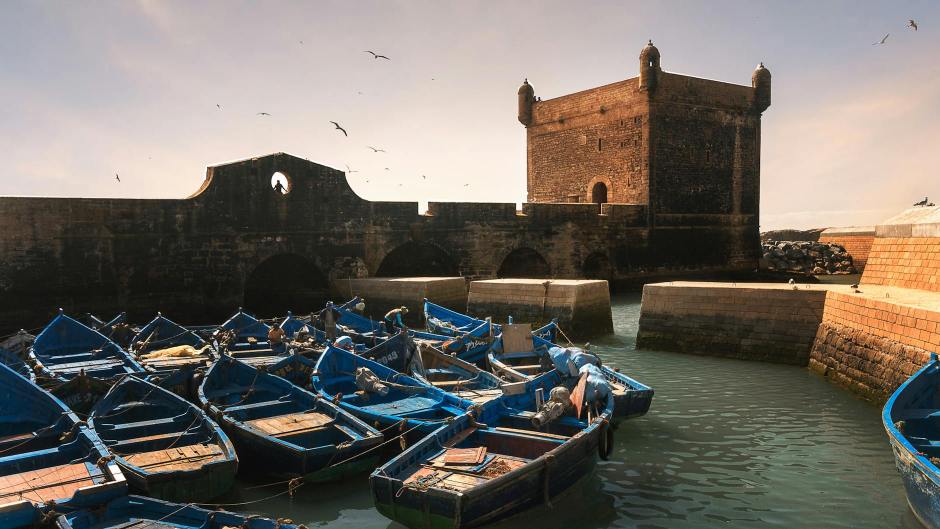
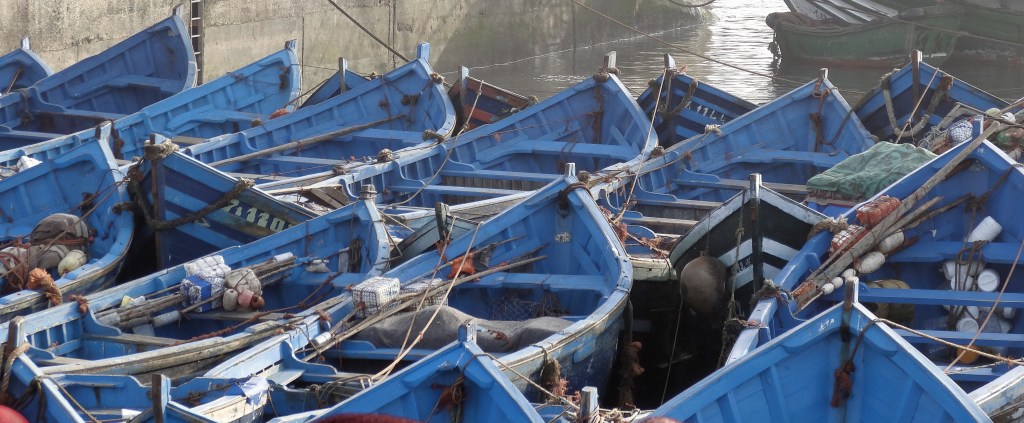
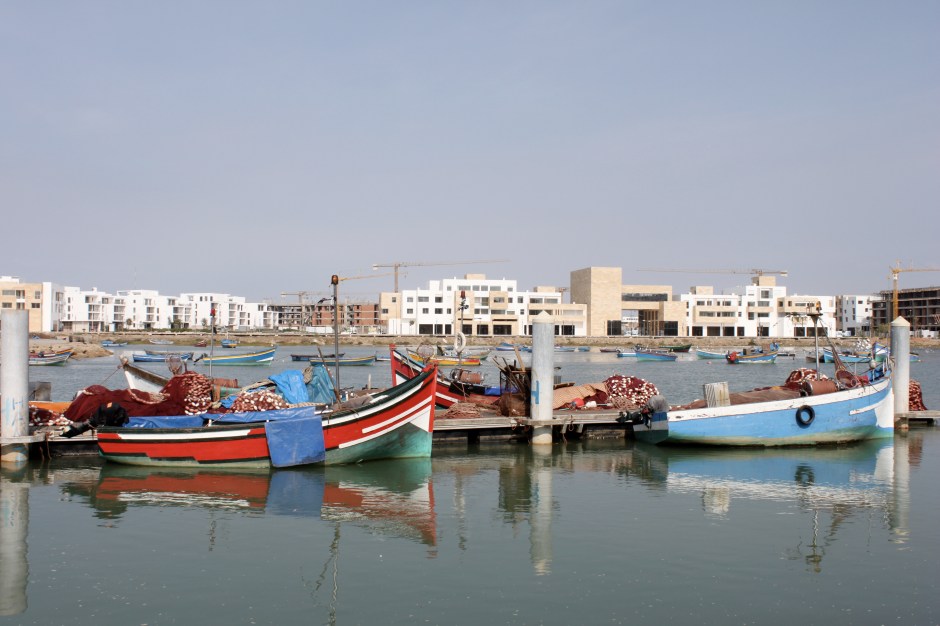
Essaouira is a small fishing town located in the western coast of Morocco. It is inhabited by Arabs, Berbers and Gwanas, giving a rich cultural mix to the town. The bay is partially shielded by the island of Mogador protecting the peaceful harbour against strong winds coming from the sea. The medina, wrapped around with white ramparts, is a UNESCO World Heritage listed city making the town a must to add to your itinerary.
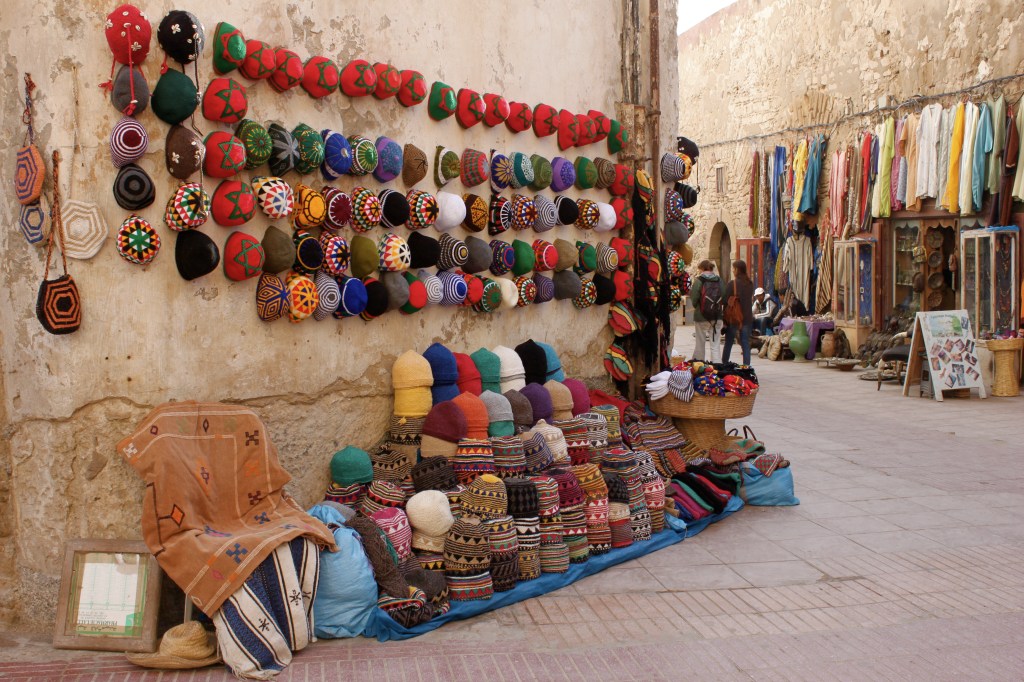
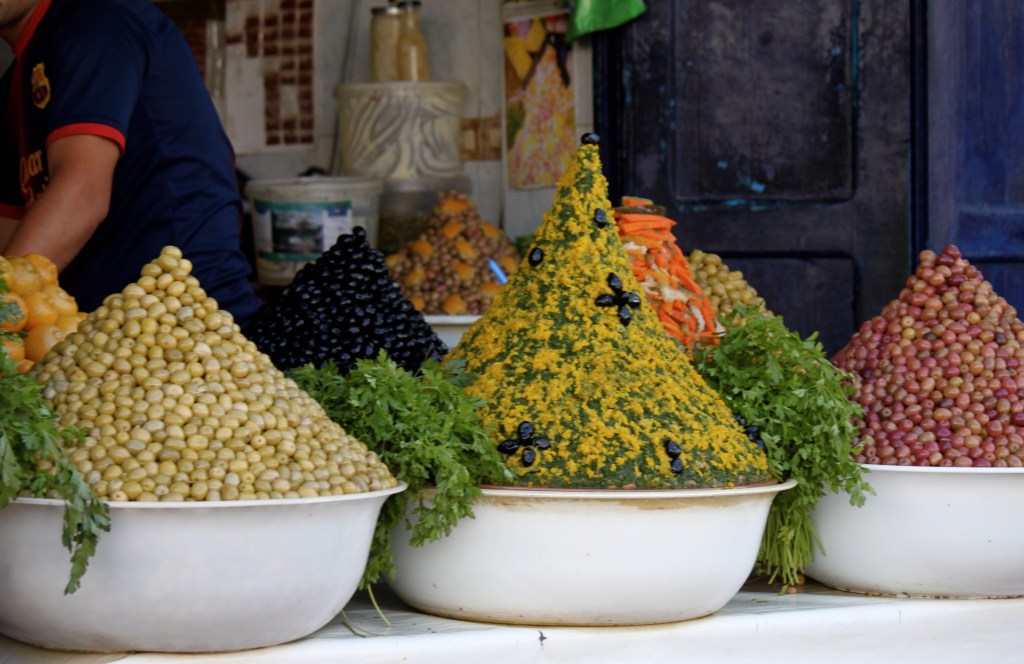
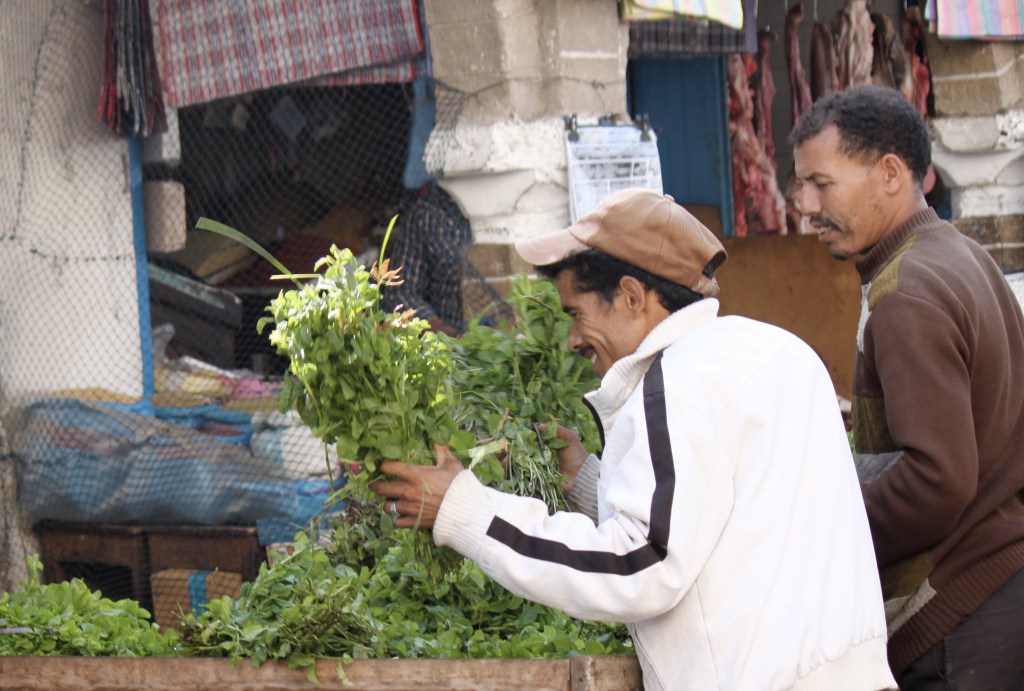
Shopping the tranquil alleys of the medina is a great option for souvenir hunting. The non-agressive vendors make it for a nice and peaceful stroll, giving you the proper time to shop stress-free. Follow the aroma of spices floating in the damp sea air. Search for argan oil, natural medicine, Thuya crafts or maroquinerie while shopping in a mellow atmosphere. The prices are already low, but there is always room for bargaining.
There are several restaurants offering Moroccan cuisine, although a lot are also serving European meals, such as pastas, pizzas, sandwiches and fries. Most riad will include Moroccan breakfast with the stay. Most will also offer a homemade dinner, at a fairly good price. Eating at the riad is a very attractive option. While dining in the comfort of your hotel, you will taste authentic dishes made out of fresh local ingredients (purchased on the same day). If they don’t sell alcohol, they will most likely let you bring a bottle of wine to enjoy with dinner. It is a cheap, convenient and delicious option!
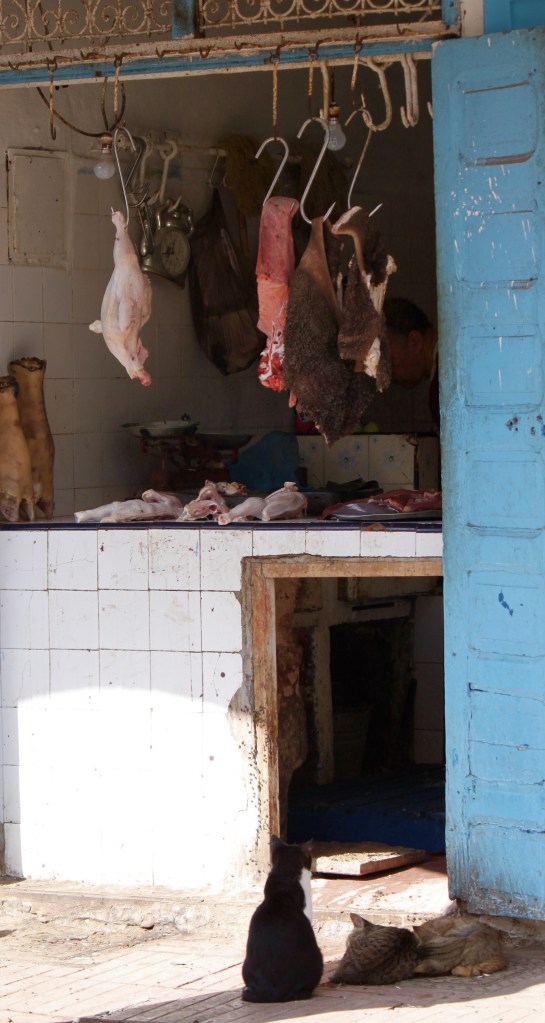
Feline strollers seem better nourished and healthier than other Moroccan cities. Volunteers come twice a year to fix the females. Restaurants also spoil the furry companions with left-over foods and fresh water.
People don’t come to Essaouira for a sun vacation. Even though it is shinning here most days of the year, the town holds strong marine winds that could make some visitors unpleased and bothered. With an approximate 25km/h wind everyday, the town is known as the character wind city of Africa and has grown in becoming one of the best place to come windsurfing. Hundreds are seen defeating the wind, jumping the waves, and racing the gulls. I won’t suggest having a picnic on the beach with that kind of air current, unless you like crunchy bits in your sandwich. However, a few restaurants offer a good break from the wind, offering comfort food and refreshings.
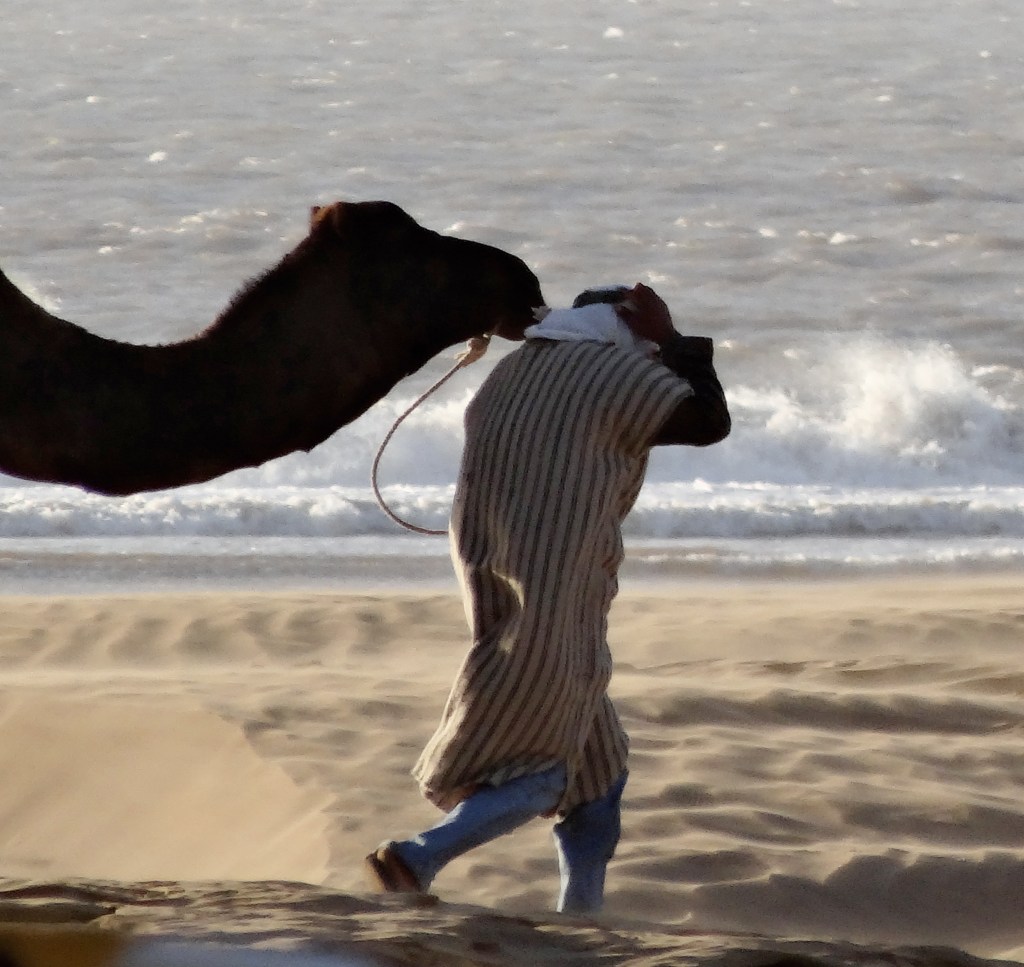
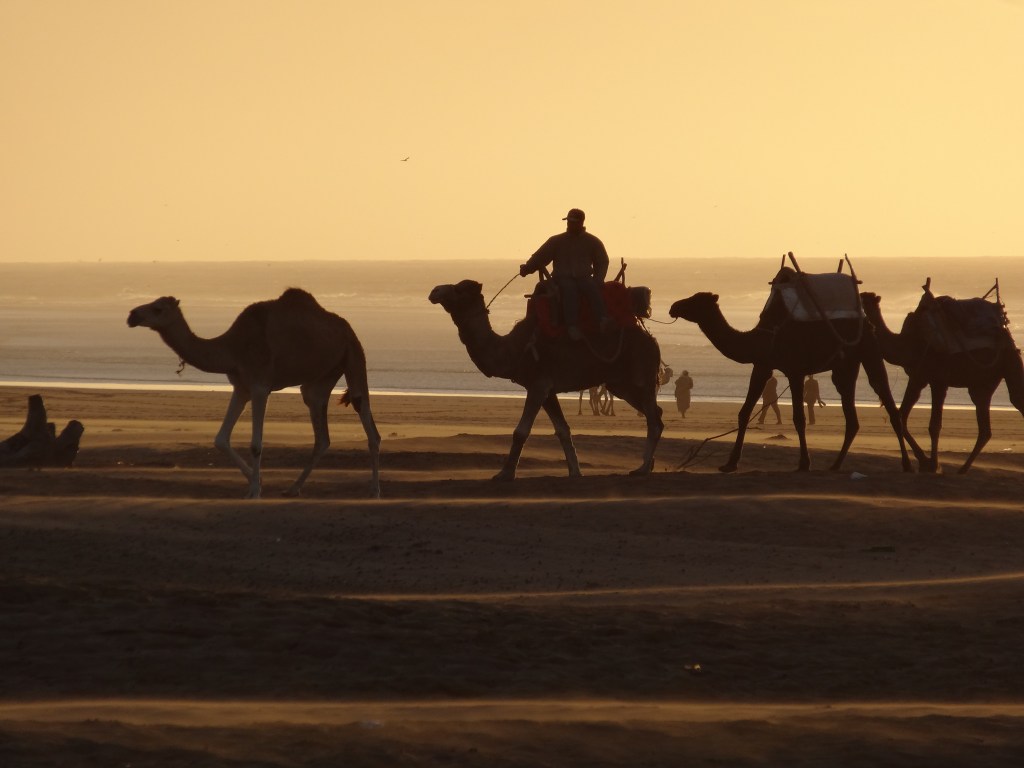
At the end of the beach, camels and horses are found, ready to provide you with a scenic ride along sand dunes while admiring the sun setting over the ocean. If the idea doesn’t attract you that much, the images of these gorgeous animals strolling in front of the sunset make up for great pictures.
Essaouira is a purely tranquil holiday. Stroll the hassle-free medina, eat the catch of the day on the quay, have a mint tea on one of the terrace watching people go by, take culinary lessons with the cook at your riad, take a walk on the beach, admire stunning sunsets while sitting on a camel back. This little fishing town is a perfect retreat by the sea (and a natural exfoliant).
I’ve been in Rabat for already 2 weeks and I haven’t been further than the ramparts of the medina. So Lisa (my volunteering partner) and I decided to stay in the capital this weekend and explore the surroundings.
I can’t believe I haven’t left the medina. All this time I had the ocean right nearby! We followed the seawall towards the Tour Hassan. It was a nice change to be out of the everyday chaos and finally have quietness and open space ahead of us.
Tour Hassan
Started in 1195, the Tour Hassan was intended to be the largest minaret in the world as well as the mosque beside it. It was stopped when its builder died in 1199. This incomplete tower made of red sandstone reaches 44m, about half of the intended 86m height. 200 columns are still erected between the minaret and mosque, making great shade breaks for visitors.
Waterfront
The temptation of stopping for a homemade ice cream couldn’t be resisted as we passed a French café on the way back. Lisa splurged on a caramel, vanilla and nougatine trio. I also opted for nougatine, then added strawberry sorbet and ferrero rocher. These frozen scoops melted their way in a happy-me. This Europpean delicacy was comforting and very much appreciated.
We glimpsed at kids pushing each other in the cold water. The brave ones attempted back flips and big stunts, at a hope to get an applause from the audience. I admired the couples walking slowly on the pathway, holding hands, contemplating the orange colours of the setting sun reflecting on the pink Kasbah.
Kasbah of the Udayas
Just at the end of the seawall, at the mouth of the Bou Regreg river is located the Kasbah of the Udayas. An old kasbah build during the reign of the Almohads. It has been deserted since AH 595/AD1199.
A night in the waterfront
We met up with two of Lisa’s friends who’ve been travelling around and volunteering in South Africa. They came to meet up with her while passing through Morocco. We placed a rendez-vous at Le Dhow, a beautiful traditional sailboat that is now used as a lounge-restaurant. Mariah, a girl from our volunteer program also tagged along. It was refreshing to engage conversations with common subjects and interest with people from similar places. It was always a nice break for them to finally express themselves in a most common language. So there we were, vagabonds of the earth, meeting and sharing travel stories on an old wooden sailboat under the shimmering stars. As the full moon raised up in the dark sky, we cheered our taboo cocktails. An other beautiful African night.
We coulnd’t go back without jumping in the go carts. Each aboard a small car, we raced towards each other, bumping in one, crashing in the other.
If you have the munchies, there are a few independent stands selling a variety of snacks. Almonds, dates and cashews are inevitable to find. If you have a sweet tooth, follow the smell of cotton candy getting rolled and find the man with a stand on his bicycle also selling sticky apples on sticks.
Rabat Beach
The next day we walked along Rabat Beach. A numerous amount of amateur surfers tempted the white washes. The beach was busy with kids playing football, family gatherings, couple romancing. The mark of the tide came obvious with all the garbage washed ashore from the Atlantic.
At night, we ventured into a dark, smoky and dodgy bar near the train station. Lisa and I immediately stuck out as being the only females to appear in such a masculine environment. However, a couple of ladies were found upstairs, their bright red lips sucking on a cigarette, with the other hand holding a cocktail.
Meeting Dan and Chris was an inspiring encounter. Their project is amazing and I wish them the best. You can follow their work and journey by clicking on these links:





































 Footloose Diary