There is a place on the Pacific Coast of Vancouver Island that was built for dreamers: a place where the salty air is curing, the cold ocean is rejuvenating, and the lush rainforests are reinvigorating. A place where people go to gaze at the ocean in peace, and experience nature at its humblest best.
Tofino is indeed an oasis of nature’s wonders. With its beautiful old-growth coastal forests, abundant wildlife and miles of sandy beaches, this little surfing town attracts many surfers, outdoor adventurers, soul searchers, and nature lovers every year.
There’s been a lot of change recently in my life, and after a long winter spent in the mountains, I felt an overpowering urge to be by the ocean. So when Corianne showed interest for a weekend getaway, there were no doubts we had to make a trip to Tofino. We left Whistler at dusk on Saturday morning and headed South to catch the 8:30am BC Ferry leaving Horseshoe Bay towards Nanaimo. The 2 hour-ride through the Gulf Islands was scenic, as we sat in the rear deck, sheltered from the wind, exposed to the morning sun.
Once in Nanaimo, we drove north on Highway 19, a car loaded with camping gear and a sun blasting in the sky. We crossed the island on Highway 4 towards Clayoquot Sound, meandering through a coastal forest of old-growth oaks. The beams of the afternoon sun poured through trees and fog. We travelled the road through the rugged coast, ascending and descending, swirling and twisting, until we arrived to the coastal town of Tofino.
We had booked camping on the beach at Bella Pacifica located on Mackenzie Beach. We set up camp and retired on the beach for the evening as the sun was setting. Along with wine, cheeses, and charcuterie, we admired the hues of the sky as the sun retired behind the evening haze.
We woke up early the next morning to another beautiful and sunny day. We brewed fresh coffee and took a stroll on the beach. As we shuffled our bare feet in the sand, we found ourselves spectators of a rare scene: the beach was blanketed by thousands of blue tiny creatures called “sail jellyfish”, scientifically known as Velella velella, that washed ashore during the night. At the rocky shores of the bay, we explored the tidal pools at low tide and spotted many starfishes and sea anemones. Amongst curious children, we were fascinated by the stunning diversity of marine life.
There was a short hike I’ve heard of and really wanted to do. It wasn’t on any map, so after asking a few locals, I had enough clues to hunt for the hidden trail. I couldn’t be more happier when I found the entrance, and I couldn’t be more excited when we reached the top, overlooking the panoramic view of Cox Bay.
After a lunch of fresh tuna tacos at Tacofino, we headed back to Cox Bay with our surfing gear. Time to slip in the wetsuit, put on the booties, strap the leash and head to the water. I am no surfer. But I can play in the waves. And here in Tofino, there is no better place than its beautiful beachbreaks and high waist waves. I took a moment to embrace my surroundings: The water slipping off my forehead, the air cleansing my lungs, the setting sun warming up my skin, and a setting to dream for. I glanced at my friends, who glanced back, nodding for this inspiring moment we shared. We spent the night by the campfire on the beach, along with friends we met. The moon rose and settled in the sky, full and ripe, stretching its light far in the distance. We watched fireworks exploding in the clear sky while the sounds of drums resonated through the night.
We woke up the second morning to an overcast sky. After we packed our gear we made a stop to the beach. Corianne went for a last surf session while I watched her played in the wave under the rain, sitting cozy in my camping chair.
We headed back to Nanaimo in the afternoon to catch the last ferry. The sun eventually broke through the clouds, taking over the sky. The ferry ride made us speechless, as we watched the sunrays painting the sky, as it retired behind the islands. Coastal living offers wonderful benefits. Not only does spending time by the ocean balances the body and creates physical harmony, but it also allows us to take a moment to pause, reflect, meditate and embrace solitude. It brings us to a tranquil state of mindfulness and awareness, and gives a sense of freedom. It clarifies the mind and opens up to new perspectives. There is something healing about looking at the ocean, listening to the soothing sound of the waves pounding on the shore and breathing the invigorating fresh air. So if you ever need to calm your mind, improve your physical health or find inspiration and purpose to your life, perhaps all you need is a holistic dose of Vitamin Sea.
When the adventure is calling, you need to listen. Whether it is the wanderlust kicking in, a thirst for an unusual experience, or an immediate urge to escape, adventuring is the best way to disconnect from your daily routine, and reconnect with yourself.
This week, Julie and I decided to leave the Vancouver Coast & Mountains and drive north on Highway 99 towards the Cariboo Chilcotin Coast.
We left Whistler at dusk, with a car packed with camping gear and supplies, two excited dogs and a canoe strapped atop. We drove north on the open road with no fixed plans, just a map, and a snow storm in the forecast.
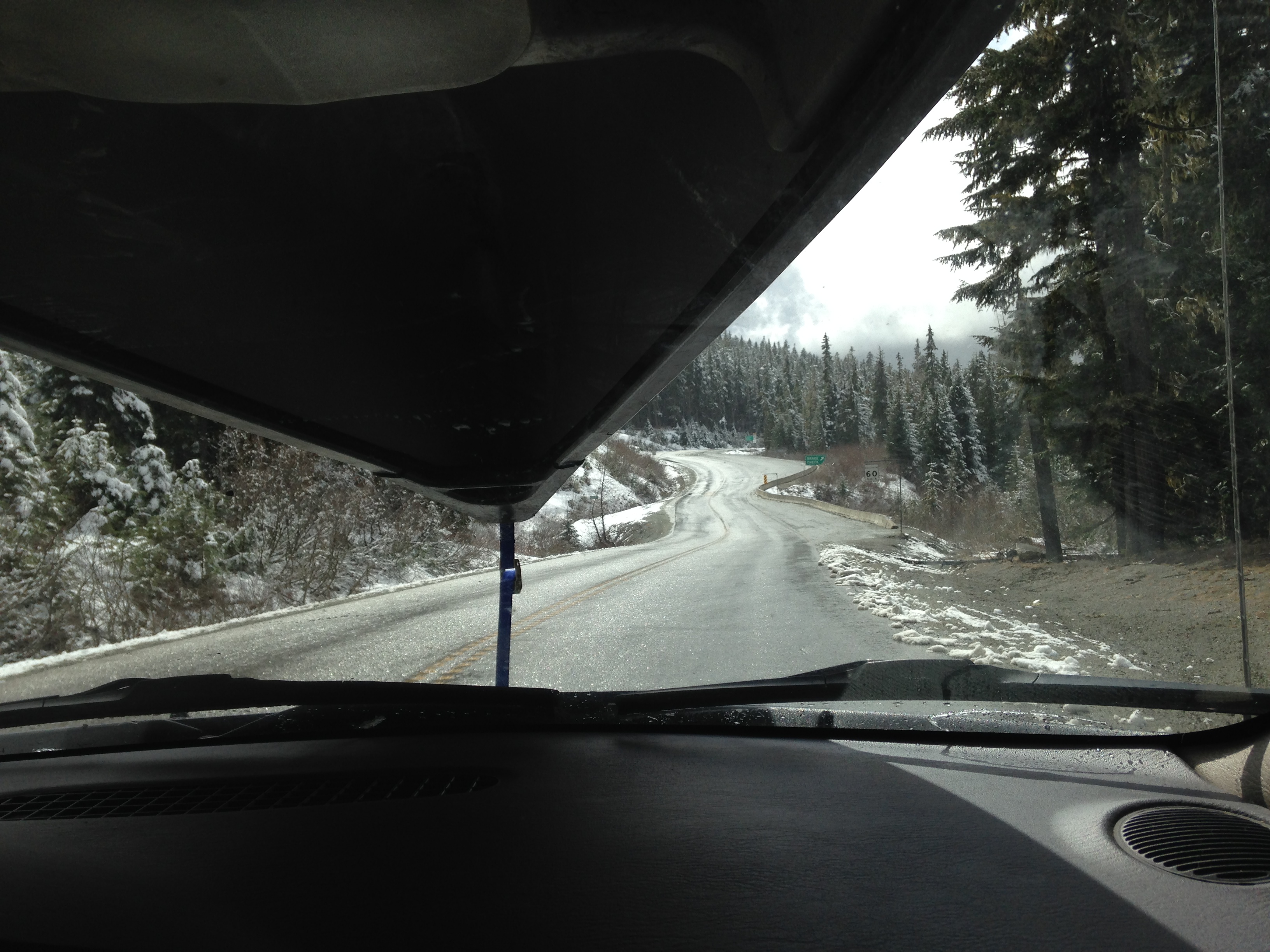
As we approached the pioneer village of Pemberton, we glimpsed at the sun slowly rising from behind the impressive peaks of Mt-Currie. The road carved through the indian reserve, following the Lillooet River. We drove along the shoreline of Lillooet Lake before climbing the winding Duffey road. We could feel the cool coastal air and noticed leftover snow glittering on the pavement.
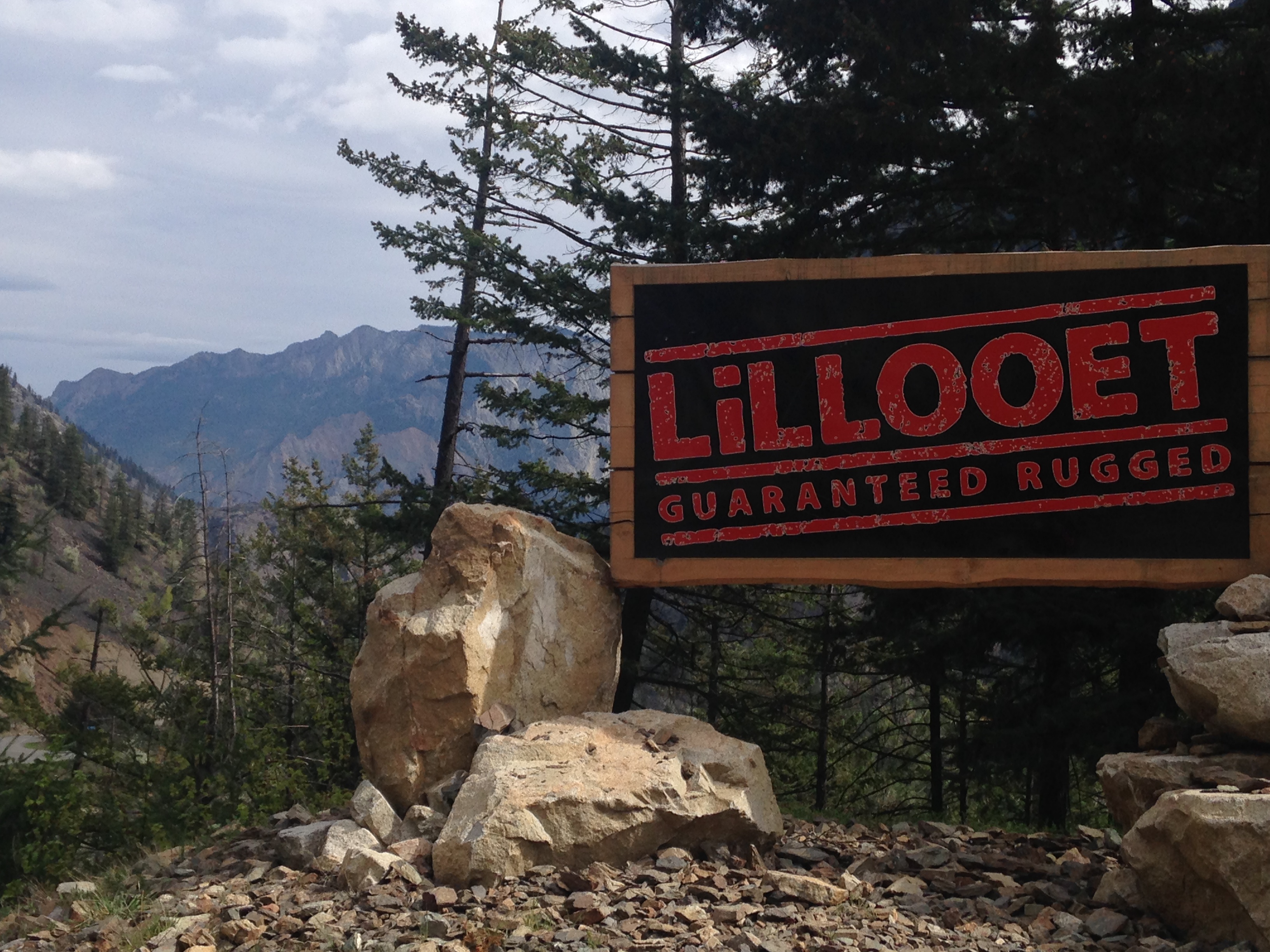
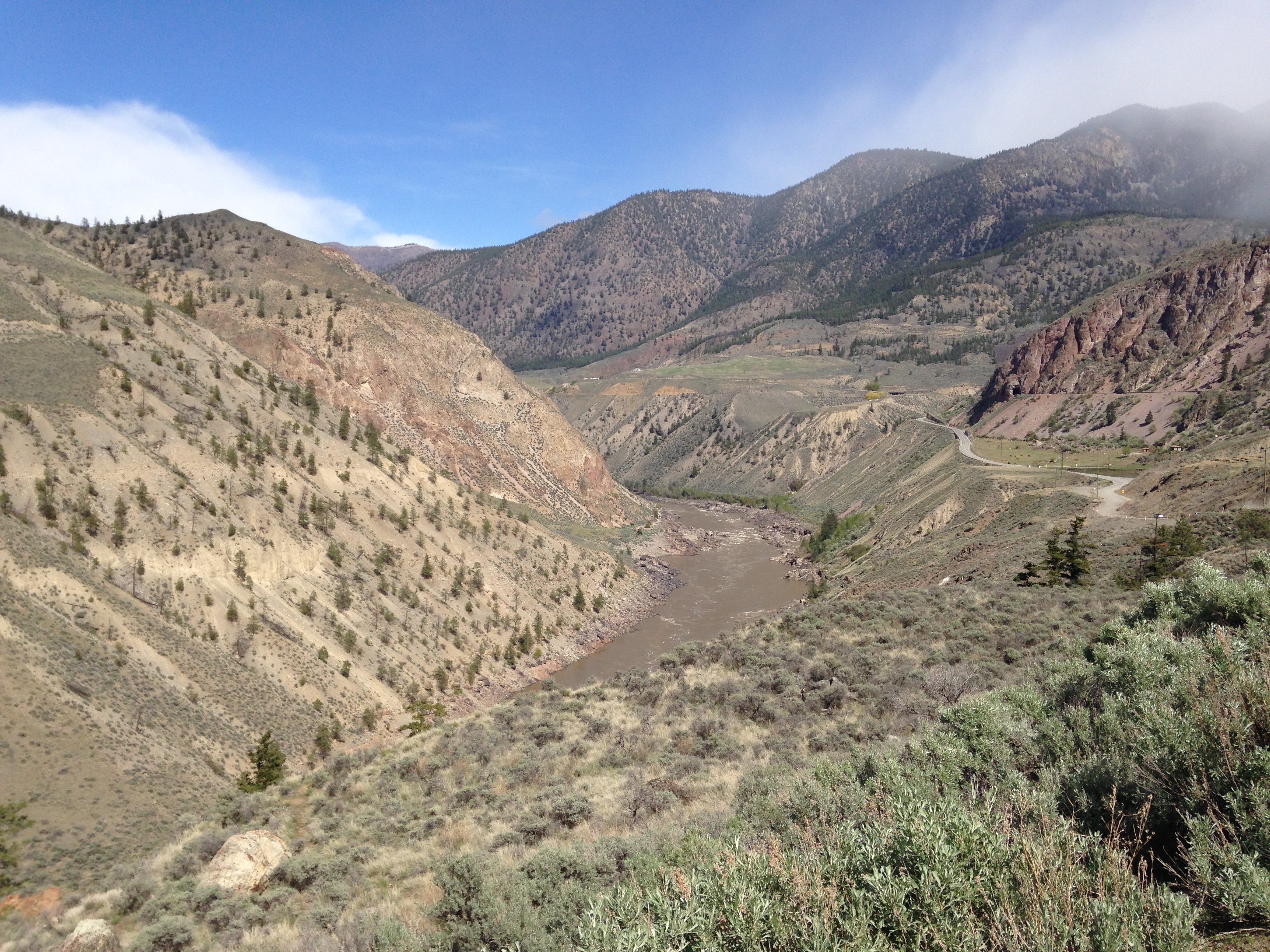
The road stretched through the southern boundary of the Cayoosh Range, with no signs of civilization, just nature resting quietly in cold air. We felt the air warming up as we approached the dry climate of Lillooet. We kept going on the rugged road meandering through steep cliffs and towering peaks.
On our left side, we perceived a splash of bright blue nestling in between majestic mountains. Seton Lake is a freshwater fjord on Cayoosh Creek, near the confluence of the Seton and Fraser Rivers. It stretches for 27km and is known as one of the deepest lakes in British Columbia. Seton Portage Historic Provincial Park is a popular recreational destination allowing its visitors to fish, swim, boat, and hike. The lake is also part of a hydro electric project.
We had a snack on the beach, allowing the dogs to stretch their legs. We contemplated the incredible blue hues of the glacial-fed lake and the majestic mountains framing perfect scenery.
We pursued our drive up to Lillooet, a small community on the Fraser River, at an intersection of deep gorges. Rich in history and culture, this little town is also home to an abundance of wildlife, unspoiled mountains, lakes, and valleys.We continued through the Gold Rush Trail, driving along scenic panoramic views of wide benchlands and the mighty Fraser Canyon dropping abruptly through narrow rock gorges and flanked by high cliffs.
We arrived in early afternoon at Marble Canyon Provincial Park.The canyon is known to be a rare geological formation in BC. It is created from a collapsed karst formation, and a microcrystalline limestone bedrock. The drive is gripping and with the dry climate it really feels like a place far away from home. We drove pass Pavilion Lake, where we admired the vibrant shades of blues and greens formed by a colony of microbialites. We kept driving and arrived at a small campground between Turquoise and Crown Lake. No one was there, perhaps still early for camping season, and bit brisk and windy. That meant that we had the lake to ourselves! Perfect! We unloaded the canoe and loaded it up with our gear. We headed for a beach on the other side of Crown Lake where we set up a waterfront camp.
We faced west, and admired the golden light reflecting on the Chimney Rock amongst the limestone cliffs erecting steeply in front of us. The water was intensively green and clear. This was the perfect setting. We had snacks on the beach and admired our surroundings.
When camp was set, we boarded the canoe and explored the lake. Julie noticed a waterfall on our left, so we beached and hiked towards our find.
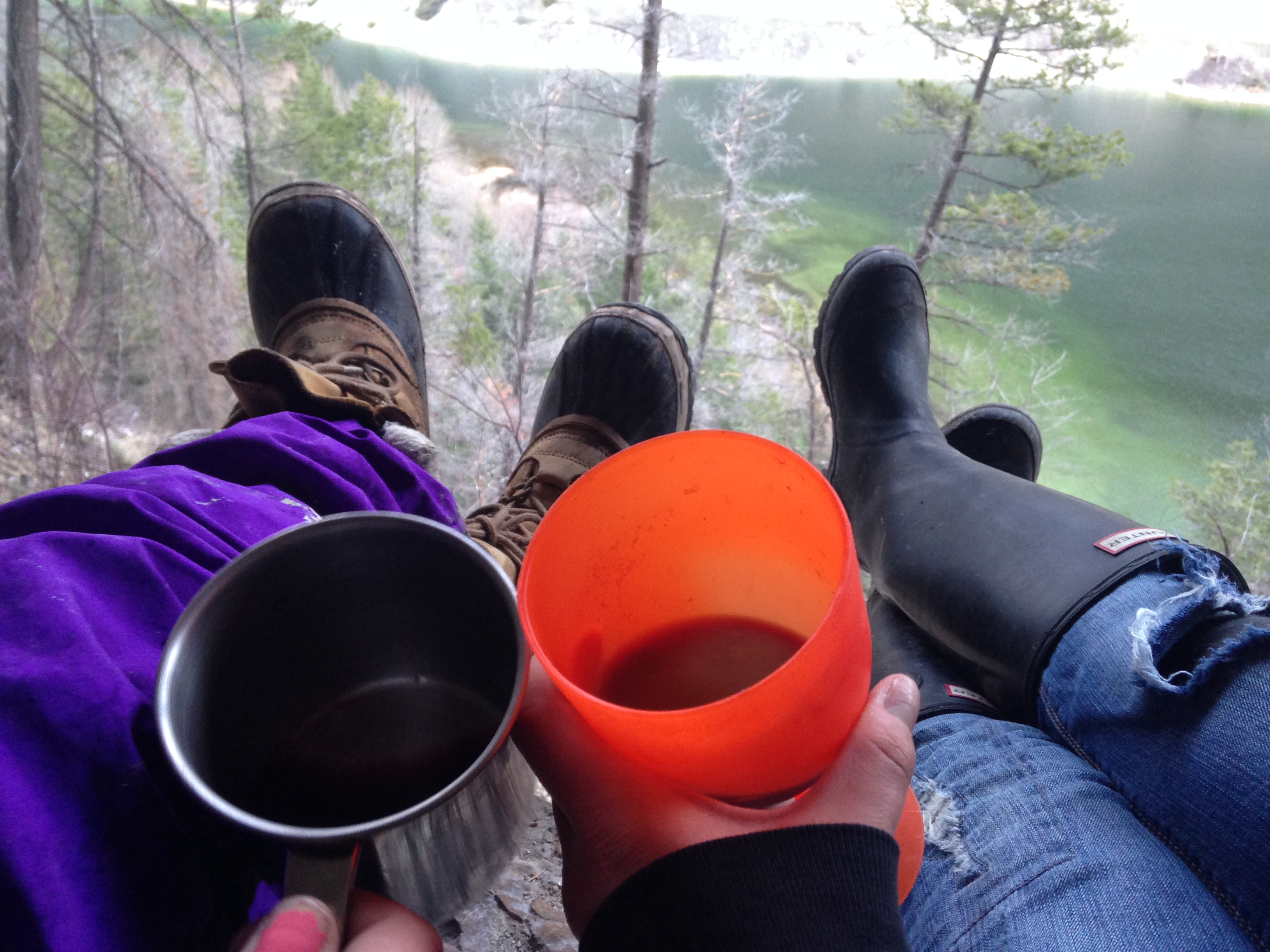
We followed a narrow trail that climbed the steep mountainside and found a small cave. We sat inside, our feet dangling off the cliff and contemplated the beauties laying ahead as the sun set.
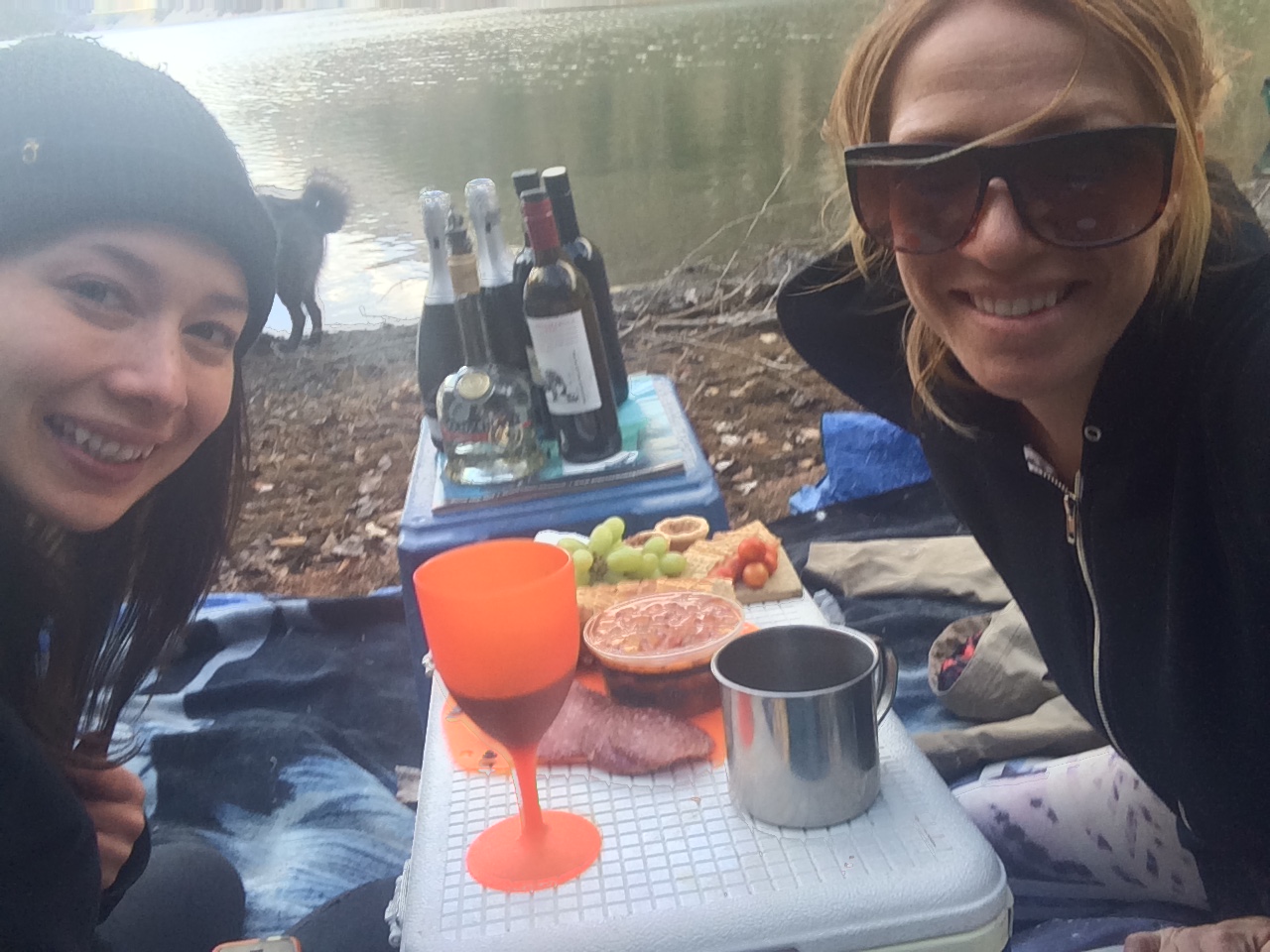
We spent the night bundled up by the fire, telling stories of life and watching a moon crossing a starry sky. The mountains reflected perfectly on a serene lake. There was no snow nor storm on the horizon, just 2 girls, 2 dogs, and a perfect setting, embracing every moment, and collecting memories.
Adventuring gives us the opportunity to find beautiful places, wander and get lost in them. Take risks, live dangerously, adventure often, explore more, never stop wondering and wandering, create a path and leave a trail. It’s okay not knowing where we are going, as long as we keep learning along the way, and embrace every moment we meet.
I’ve been living in Western Canada for 11 years now, with only a couple visits to my homeland since I left. I can’t recall the last time I saw the autumn foliage of brilliant yellows, reds and oranges.
While the forests put on their autumn robes, the vines and orchards are ripe with fruits. Going back to Québec in the fall was the perfect time to embrace a burst of colours, aromas and flavours.
My mother and I have decided to spend our quality time together on the road. What a better way to reunite and catch up, then driving on the open road through a carnival of autumn colours. My mom is a great travel partner. She also organized this trip, and designed the itinerary. On the program? Wine, history, culture, exploration and mother-daughter shenanigans through the beautiful regions of Estrie, Cantons de l’Est and Montérégie. Did I mention wine?
Estrie
WHERE TO CHEERS
Cep d’Argent, Magog
Nestled on a hill between Mt-Orford and Magog Lake, le Cep d’Argent offers authentic products made by passionate individuals. The winery was founded by 4 Quebecois, and 2 Frenchmen and the first vines were planted in 1985. They have been running since, offering quality products to the Quebec consumers. Le Cep d’Argent is known as the only winery producing champagne in the Eastern Townships, and the knowledgable staff will happily give you a champenoise guided tour to educate you on the meticulous process of making champagne.
WHAT TO DO
Ducs de Montrichard, Orford
This family and artisanal business is proud to create fresh products with high standards of quality. They produce 100% pure duck rilettes, and their terrines and gibiers are free of conservation agents. Pack Ducs de Montrichard products in your picnic basket with ice cider gelée and local cheeses and yum, yum, yum!
Chocolaterie Vanden Eynden, Orford
Real chocolate with 100% cocoa butter. Can’t go wrong with this. If you have a sweet tooth, Chocolaterie Vanden Eynden is a must stop before returning on the road.
WHERE TO STAY
Jouvence Centre de Vacances, Orford
I came here 28 years ago with my mother and brother for Christmas. My mom likes to remember those cold days of winter where children ran in the cobbled stone pathways covered in snow. Jouvence has been a magical place for families and a romantic getaway for couples. Located on a 194-acre site on the shores of Lake Stukely in Mt-Orford National Park, this holiday retreat offers an all-inclusive formula, offering overnight stay, meals and access to outdoor activities. We rented the old chapel, with magnificent views of the lake (yes, I slept in an old chapel and I survived!).
Cantons de l’Est (Eastern Townships)
WHERE TO CHEERS
Domaine Pinnacle, Frelighsburg
Situated on a heritage property near the historic village of Frelishburg, the Domaine Pinnacle is a family-owned orchard and cidery. Located on the 45th parallel (same latitude as the world’s renowned wine-growing regions), the orchard benefits from a microclimate that is advantageous for apple production. Good summer conditions paired with intensely cold Quebec winters make the creation of this delicious ice cider.
In 2000, Domaine Pinnacle created its first ice cider, ranking the cidery amongst the finest producers, and winning dozens of gold medals at important international wine competitions. Here at the Domaine, you can taste the sensuous ice ciders products before you savor a refreshful walk through the 430-acre apple orchard.
Clos Saragnat, Frelighsburg
Certified organic, Clos Saragnat prioritize on an ecological balance. Their production is limited by the complexity and amount of work required for these crops. Their employees consist of the 2 owners, a helper, 3 horses, a few gooses, chickens, insects and most importantly, nature.
Christian Barthomeuf is the co-owner and creator of ice cider in 1989 and pillar of the Dunham viticulture in 1980. He also developed the first ice wine of Quebec in 1989 and the first straw wine in 2000. Him and his wife Louise will have a pleasure to walk you through their vineyard and orchard and share with you their amazing story, build on passion, dreams and ecological vision.
WHAT TO DO
Alpagas du Pinacle, Frelighsburg
After working 13 years in the pharmaceutical field, Marie-France discovered the alpaca. Seduced by the South American camelid, she decided to raise the animal, and use its wool to create magnificient winter accessories. Stop by Alpacas du Pinacle, admire and learn about these soft and beautiful creatures, and visit the boutique. Perhaps you’ll wear a tuque from Bianca’s wool.
WHERE TO STAY
Log cabin rental, Frelighsburg
Frelighsburg is a municipality located in an area historically considered to be part of the Eastern Townships in Quebec. Home to just over 1,000 inhabitants, it is recognized as one the ”The Most Beautiful Villages in Quebec”. Nestled in an apple-growing valley on the Pike River and at the foothills of the Mt Pinacle, the classic Loyalist settlement is home to many farmers and artists.
My mother and I rented a log wood chalet at the foothills of the Mt Pinacle. Surrounded by superb natural settings and submerged into the fall foliage, the chalet helped us to completely unwind while living the ultimate bucolic experience. No wifi, no service, just the company of a mother and a daughter, great books, a fireplace, and food and wine.
Montérégie
WHERE TO CHEERS
Chapelle St-Agnes, Sutton
Chapelle St-Agnes vineyard was established in 1997 by Henrietta Anthony, a Montreal antique dealer (although born in Czech Republic). It is located in the Sutton mountains of southern Quebec. Chapelle St-Agnes, named after a 13th century Bohemian saint, is a beautiful stone structure with a Romanesque style. It is home to many ecclesiastic artifacts that Mrs. Anthony collected over 45 years.
The vineyard is built on a steep hillside, protected by an impressive forest.
Largely cultivated by hand, the vines are planted close together in an Alsasian manner. No chemical fertilizers, insecticides, herbicides or synthetic fungicides are used.
The vineyeard’s climate is cold enough to produce high quality ice wine every year, and its endoclimate extends the growing season, allowing the grapes the time they need to attain the proper level of maturity needed to create delicious dessert wines.
Domaine des Cotes d’Ardoise, Dunham
The Domaine is the oldest still operational vineyard in the province. The first plantations was in early 1981 and the first bottles to sell, although illegally at this time, in 1983. The permits were issued in 1985 and 3 years later, Domaine des Cotes d’Ardoise was earning the first medal granted to a Quebecois vineyard.
After the informative tasting of 11 whites, reds, ice wines and ice ciders, we took a walk in the garden hosting an impressive exhibition of sculptures from 80 different artists. The sun filtered through the fall foliage, leaving a perfect light on the carpet of colourful fallen leaves.
We sat on a picnic table and admired some 25,000 grapevines. The company was precious, the scenery was serene and the rosé was nice and fine.
WHAT TO DO
Velo-Montagne, Au Diable Vert, Sutton
Unfortunately the weather conditions were not in my favour the day I planned on going, but I decided to still mention it. Au Diable Vert offers access to many outdoor activities such as kayaking, SUP, and hiking trails. The most interesting one is their Velo Volant (flying bicycle). Unique in Canada, Velo Volant is an innovative and ecological activity, allowing you to meaning through the treetops on a suspended bicycle along a mountainside, and passing through ravines and waterfalls. This 1000m circuit is the highest of its kind, an experience that will surely take your breath away!
Restaurant Fourquet Fourchette, Chambly
I don’t always drink beer, but when I do, is when I travel to a new place and try their reknown local brew. Here in Chambly, it is a must to stop at one of the establishments and try a bottle of Unibroue, a brand that is rooted deep in Quebec culture. In a windy and cold late afternoon, my mom and I stopped at Fourquet Fourchette, a laid-back restaurant along the Richelieu river. As my mother tried the Ephemere Apple, and noted hints of nutmeg, cinnamon and ginger, I went ahead and tried the classic Blanche de Chambly, and tasted subtle spices, coriander and citrus. None of us are beer enthusiasts, however, we finished the last sip of our glasses.
WHERE TO STAY
Auberge Appalaches, Sutton
Rustic and country inn style, the Auberge Appalches is located right next to the Massif of Mt-Sutton. Here you can sleep and eat. My mother surprised me for a dinner and blues show, as part of the Sutton en Blues Festival.
A La Petite Scene B&B, St-Denis sur Richelieu
Located on the Chemin des Patriotes and on the shore of the Richelieu, A La Petite Scene is a cultural Bed and Breakfast and is also known as the small town concert hall. Hostess and owner, Manon, invites everyone to grab an instrument and sing along in the living area. Sometimes she hosts music bands, sometimes young filmmakers. She is very inspiring to converse with and will make sure you’ll have a memorable stay.
This is where our flavourful and colourful road adventure ends. It has been an amazing week driving through the autumn colours of the southern Québec countryside, tasting an astonishing variety of wines, discovering ice ciders and indulging in produits du terroir.
But most of all, thank you mom for being the greatest partner!
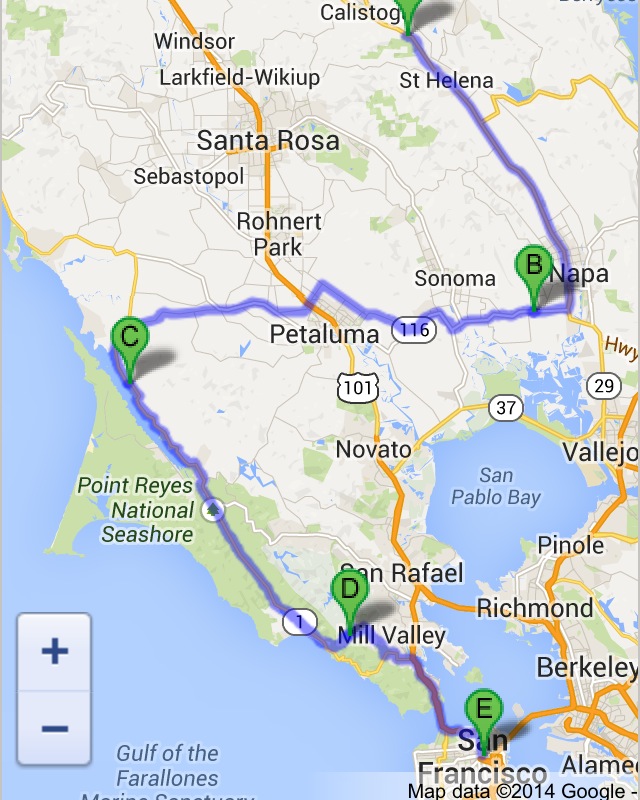
We drove north on highway 29, through scenic switchbacks of lush green grass overlooking fields of wild mustard sprouting under the trellised grapevines. At times, the route wound through open spaces sparkled with grazing livestock and where remarkable old oak trees filled the emptiness and characterized the landscape. We were on our way to Napa Valley, on the open road of Northern California’s wine country: 2 girls, 1 car, 1 tent, 2 days, 312km and a lot of wine in the forecast.
My friend Ashley moved to San Francisco a couple years ago to advance in her career of sommelier. At only 26 years old, she has an impressive and extended knowledge of wine, making her a curious oenophile with a hungry mind. She planned the itinerary, booked visits and tastings at the wineries and pleased me with a tent and sleeping bags consenting on spending the night under the stars. I couldn’t have a better host. DAY 1: US 101-N/ CA-37 E/ CA-29 N
It was a mild, breezy and sunny morning of early March. Summer dresses, tweeting birds and blooming cherry blossoms filled the streets of San Francisco as spring took over the last days of a cool winter. It was surprisingly a fogless day in the city, leaving the sky bright and clear. Freshly baked bagels wrapped in a paper bag rested in the backseat of the SUV between cheeses, wine and camping gear. We traversed the impressive Golden Gate Bridge and stopped at a secret local’s spot. After snapping some photographs of the scenic sight and snaking on delicious bagels, we jumped back in the car and embarked on our journey.
Withing an hour, we arrived to the Legendary Napa Valley, where rows of grapevines and blankets of yellow buds welcomed us under a radiant sun.
Napa Valley
Napa Valley is considered one of the premium wine growing regions in the world, ranking first along with France. The valley is located between the Mayacamas Mountain Range and the Vaca Mountains, with the floor of the main valley progressively rising from sea level to 362 feet above sea level. Its geography, Mediterannean climate, and geology blend together to grow quality wine grapes. The rich wine making industry of Napa Valley started well before the Californian gold rush. The first commercial vines planted in the valley was in 1839 by George Yount. Since then, European pioneers came to test their hands at making wine to compete and outrun the ones of their homeland. The industry boomed in the 1860’s and 1870’s as more than 140 wineries blossomed in the valley. However, the arrival of the vine disease phylloxera louse, the Prohibition and the Great Depression affected the wine industry in the late 19th and early 20th centuries. After 14 years of abandon, the viticulture slowly recovered and, thanks to the great results of the Paris Wine Tasting of 1976, Napa Valley was recognized as capable of producing the best quality wines. http://www.youtube.com/watch?v=eoS7oxxZR4YWine Tastings Tours Napa Valley is home to world-acclaimed wineries. A wine tasting experience is a must. Whether you choose to join a wine tour group, follow a winery cycling circuit, hire a personal chauffeur or opt for a self-guiding visit, this slice of heaven will be sure to give you the ultimate sensory experience. Our first tasting was at Joseph Phelps Vineyards, where we had a very educative private tasting on the terrace. Today, the winery is known as producing important estate-grown wines from the 80 acres of Pinot Noir and 20 acres of Chardonnay. Joseph Phelps’ flagship wine Insignia is recognized as one of the world’s great wines. Our next stop was at Far Niente, where Ashley booked an early afternoon visit and tasting. We entered a tunnel of Autumn Gold ginkgo trees before arriving to the wrought-iron gate entrance.
Founded in 1885, Far Niente is a magnificent historic stone construction built against a hillside in western Oakville. We took a walk through the beautiful and serene landscaped gardens flourished by bloomed tulips. We finished at the Carriage House, home to a collection of classic automobiles.
Then, we visited the impressive 40,000 square foot wine-aging cave.
The tour followed by tastings featuring current releases of Far Niente estate wines each paired with seasonal cheeses. The best part was kept for the end: a taste of Dolce, a liquid gold, late harvest wine.
Last stop was at Nickel & Nickel where we were welcomed with a glass of their signature 2012 Truchard Chardonnay. We had a very educative visit, as we walked through the historic farmstead.
We were then invited to sit and relax on the porch of the Sullenger House, a restored 1884 Queen Anne-style home. A glass of their 2010 John C. Sullenger Vineyard Cabernet Sauvignon was poured in front of us. As we enjoyed every taste and every sip, we watched the hummingbirds feeding on the Rhododendrons and, as the sun slowly made its way towards the hills, we admired its setting rays filtering through the Canary Palm trees.
Bubbles Paired With Sunset As we wanted to catch the last sunrays, we drove up to Auberge du Soleil for a glass of bubbles. Sitting on the beautiful terrace overlooking panoramic views of spectacular vistas, we watched the sunlight dim across the vineyards as it tinted the valley of a golden glow and blushed the sky of a purple light. We sat back, relaxed and enjoyed a glass of their sparkling ‘Auberge du Soleil “Reserve” North Coast’. Perfect setting, pleasant company and palate well pleased.
Fine Dining and Camping Napa Valley is North America’s food and wine premier destination. Over 125 exciting restaurants offer outstanding dining by some of the world’s best chefs. With a farm-to-table culinary scene, the region is sure to take you through a remarkable culinary adventure. We chose to go to Bouchon, a fine dining French bistro located in Yountville. Its relaxed and bold atmosphere put us at ease in our Napa-Casual clothing. We sat at the bar amongst wine connoisseurs and aspiring sommelier masters. The wine was beautiful, the food pleasant, the atmosphere vibrant.
While fellow patrons impressed me with their wine and food knowledge, I piqued their curiosity when I informed them of our camping accommodation. “You girls are in one of the wealthiest communities in all of America, drinking fine wine in a world-class restaurant, and you’re telling me you’ll be sleeping in a tent tonight?” And why not? We arrived at Bothe-Napa Valley State Park where we cracked a bottle of wine and, in our long summer dresses, set up the tent in the protected forest. Delicious wines, fine food, pristine sceneries and a night under the stars. Bliss. DAY 2: CA-29 S / CA-12 W/ CA-116 W/ CA-1 S The chilly night turned into a beautiful and sunny morning. The scent of fresh dew balancing on grass and the rays of the rising sun warming up the tent nicely awoke us. We packed the tent, rolled the sleeping bags and hit the road. Breakfast of Bubbles Founded in 1987 by Champage Taittinger, Domaine Carneros is considered a regional landmark.
We sat on the terrace overlooking views of hills covered of endless vineyards. Different tastings are available on the menu, as well as wine and food pairings. We began with the tasting of their sparkling wine trio sampler: Brut Cuvee, Brut Rose and Vermeil Demi-Sec. Other wines were served. At this point, I disconnected myself from the connoisseurs’ exchanges and started a love affair with the bubbles. All of them. Because at the end of the day, I’m not a grape nut. I’m just a wine lover. A big wine lover.
Fresh Oysters, Sparkling Wine and Delicious Cheeses: A Picnic Treat on the Coastal Beach We headed west towards the Pacific coastline. The scenic highway 116 curved through farms, vineyards and tunnels of Redwoods before making its way to the coast.We stopped at the Hog’s Oyster Farm and picked up a tray of fresh oysters and clams from the bar. Along with our bubbles, cheeses and bagels, we rented a picnic table in the beautiful surrounding of Tomales Bay and ventured into a shucking session. It took some effort, but the reward was worth the sweat.
Picturesque Big Sur Coast: The End of the Journey The exhilarating highway 1 is world-known as the best scenic drive. The road, hugging the seaside cliffs, twists and turns as mountains plunge into the Pacific ocean. I admired the astonishing views of Big Sur on my right side, as we drove South back to San Francisco. California’s Pacific Coast highway is a breathtaking drive, the kind that makes you feel alive.
Ashley had one more surprise. She turned left onto Panoramic Highway, and here we were driving up through a forest of Redwood groves and Oak woodlands. We arrived at a spectacular and panoramic view point, a 2,571ft peak in the Mount Tamalpais State Park. I admired the city of San Francisco bustling and hustling down below and marveled at the stunning views of the ocean with a setting sun.
There was no wine here this time, just 2 girls, breathtaking views and blissful smiles. PS: Don’t drink and drive. Have a designated driver or hire a chauffeur. If you decide to drive, avoid afternoon inebriation by spitting the wine. You can still have a good taste of it, just be responsible and wise. Obviously if you are a wine lover like me, don’t drive. Then you can finish the glasses of your driver 😉
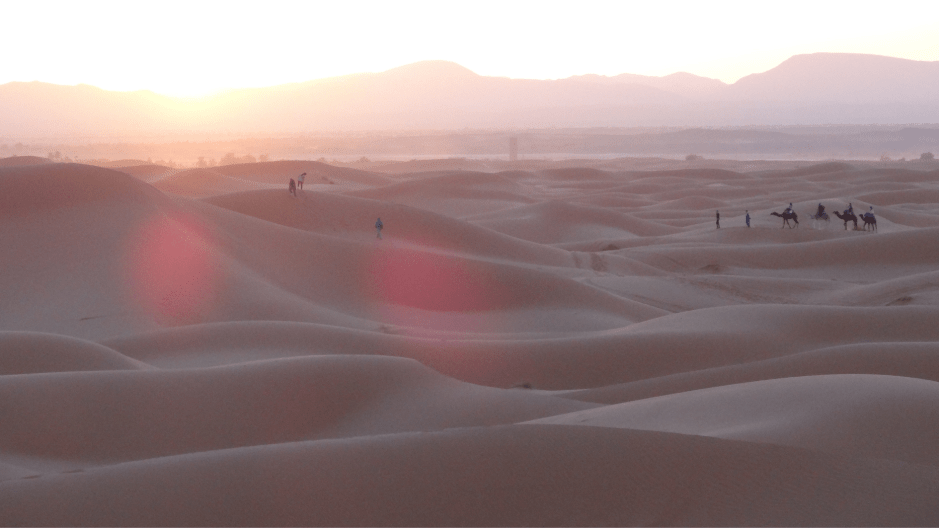
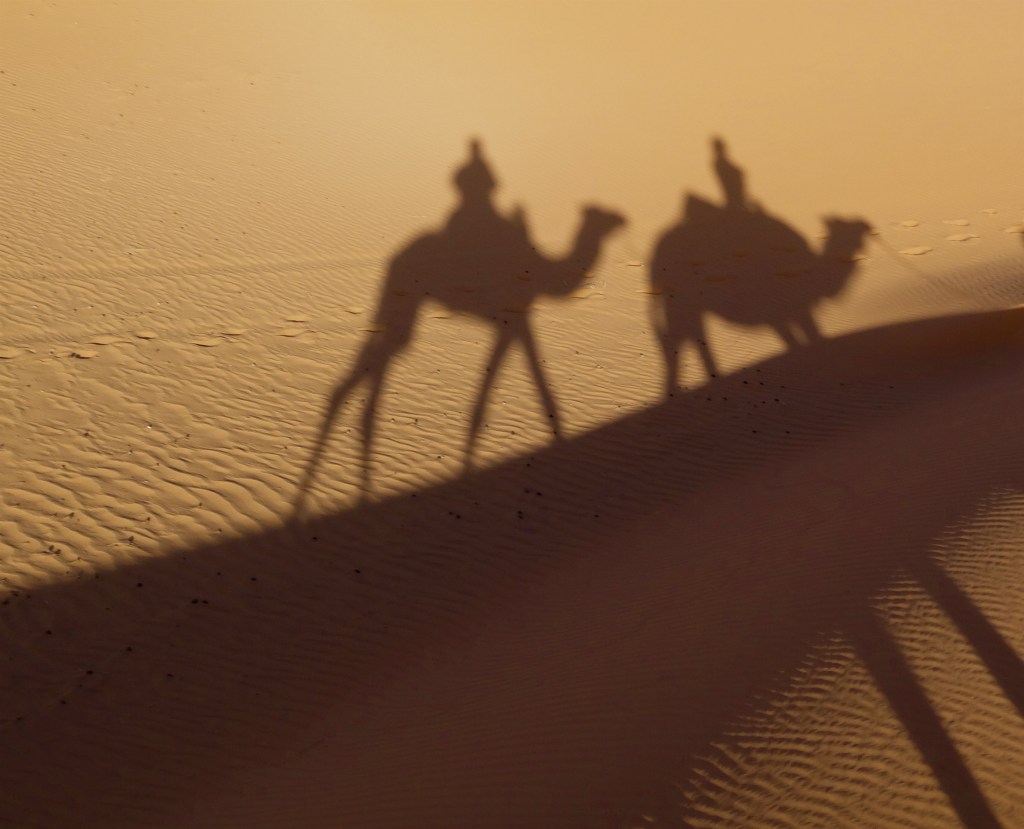
The sun painted the golden sand in beautiful shades of bright orange and gentle pink. My scarf protected my head, shielding it from the intensity of the midday sun. We traveled through the Erg Chebbi dunes at a leisurely pace. My legs dangled on each side of his rib cage, six feet above the yellow sea of sand. He wasn’t the most comfortable ride, but I couldn’t complain—I was the one sitting on his back. His hooves softly brushed the sun-scorched sand. His lashes were long and thick. Sometimes he would turn towards me, requesting a scratch on his long woolen neck. His name was Africa, an athletic and elegant 21-year-old dromedary, a worker of the desert.
When my mom announced that she would meet me in Morocco after I completed my volunteering program, I was eager to explore the rest of the country with her. My mother is my favorite travel partner—cultivated, worldly, and well-traveled. She always seeks the best ways to fully immerse herself in the local culture. At 63 years old, she was ready to hop on local buses, eat from street stalls, ride a dromedary through the desert, and even try camel milk. Since I had already covered the northern part of the country, including Rabat, Fes, and Chefchaouen, we decided to meet in Marrakech.My mom had visited Morocco before and didn’t want me to leave the country before experiencing the Great South. So, after a detour to Essaouira, we headed south and embarked on a five-day road trip through the High Atlas Mountains, all the way to the gateway of the Sahara Desert.
Day 1: Marrakech to Zagora
We could have rented a car and done the drive ourselves since the roads are well-maintained and fairly easy to navigate. However, to ensure a safe and enjoyable trip, we chose to hire a local driver. We were introduced to Hocine, a young, knowledgeable, and hardworking Berber who would be our chauffeur on our journey to Ouarzazate.
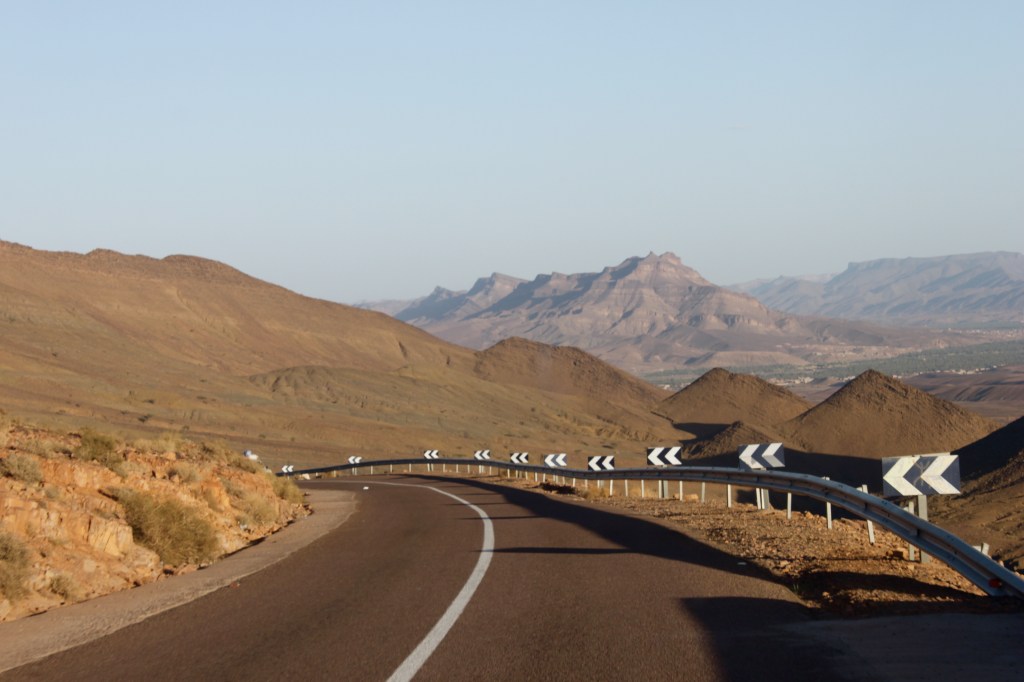
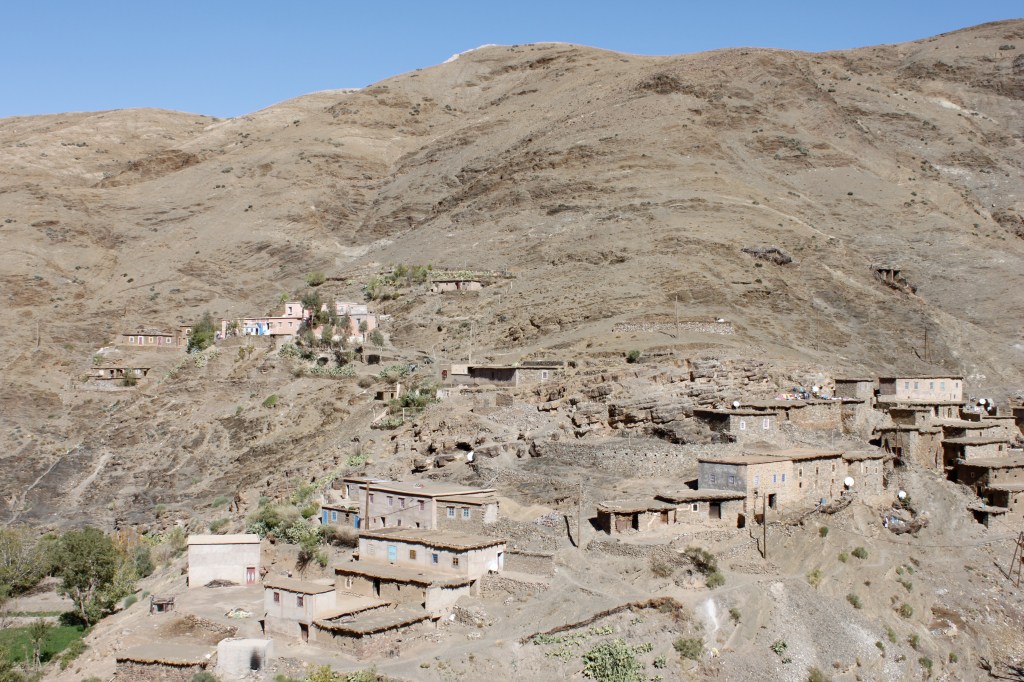
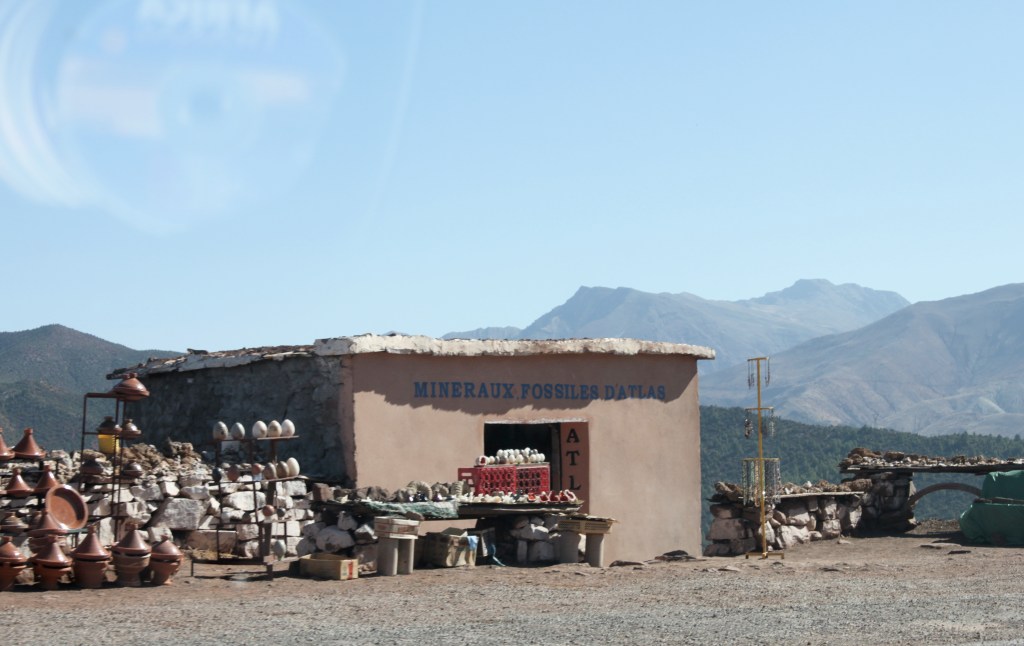
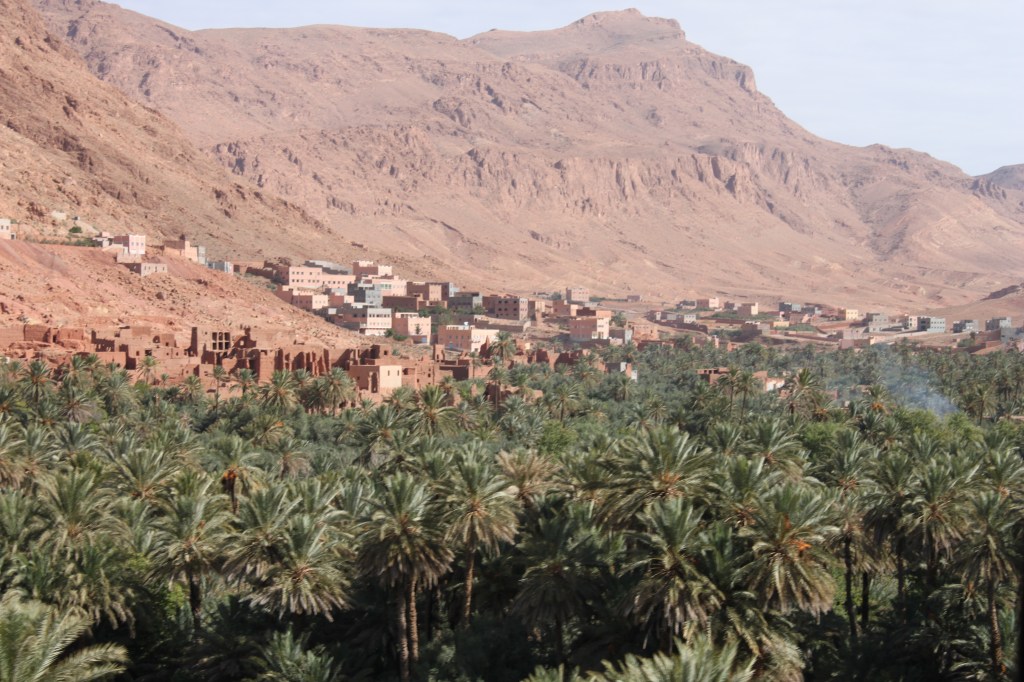
We set off from Marrakech early in the morning, heading south towards Zagora. The two Kasbahs we visited along the way were just as impressive as the drive itself. The winding road through the Atlas Mountains was breathtaking, with its earthly peaks and vast dunes forming a stunning backdrop. The lunar landscape was adorned with a variety of fruit trees, such as olives, oranges, lemons, dates, and figs, adding vibrant colors to the scenery. We even spotted Berbers and their goats climbing the mountains, searching for a meal and occasionally causing rocks to tumble onto the paved road. As we traveled, I caught glimpses of men riding donkeys for long distances, artists showcasing their handmade pottery and crafts, and vendors selling fascinating fossils and mineral rocks from the Atlas region.
As we journeyed through the High Atlas Mountains, Hocine enlightened us about the origin of the term “Berber.” It was historically attributed to the earliest inhabitants of the Barbary Coast of North Africa. The term itself derived from the Greek word “bárbaros,” which originally referred to any foreigner and later became the root of the derogatory term “barbarian.” Hocine further shared that the Berbers prefer to call themselves Imazighen, which translates to “Free People” in the indigenous Tamazight language.
Upon reaching Zagora, we were greeted by Ismael, our 16-year-old camel guide. In the obscurity of the night, he led us on our camels through a landscape reminiscent of scenes from Star Wars. With no control over our animals and having left our belongings in the car (as we were instructed to only bring the essentials), we placed our complete trust in this courteous young boy. What was initially anticipated as a 20-minute camel ride turned into an hour-long journey through the lunar landscape, guided solely by the darkness of the night. Eventually, we arrived at the bivouac, where we nervously laughed about the unexpected adventure and felt a sense of relief that we had safely made it to the camp.
We were warmly welcomed by fellow travelers gathered around the campfire. Tea was served, and we engaged in conversations with the Imazighen. A delightful couscous was prepared and served in the main tent. Chanting and dancing ensued around the bonfire, with our feet sinking into the sand as the moon ascended into the starry sky. It was a magical experience that left us in awe.
Day 2: Sunrise camel trek in Zagora
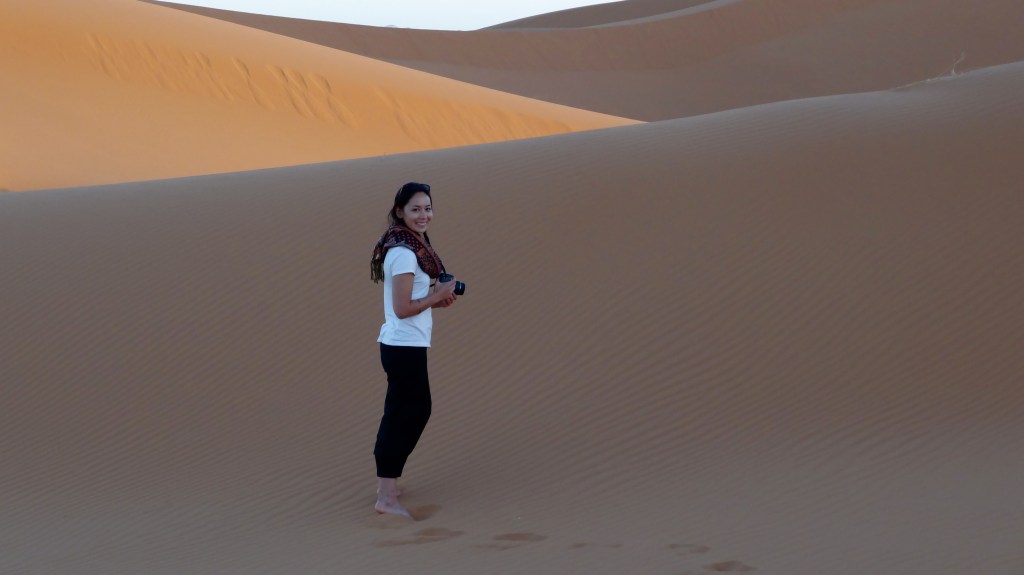
When Ismael softly whispered, “It’s time,” at the entrance of our tent, the clock hadn’t even struck 6 am. There was no room for sleeping in or hitting the snooze button for another 15 minutes. We had a mission to fulfill. Hastily, I donned my hoodie, wrapped my scarf snugly around my neck, and clutched my camera tightly. Barefooted, I stepped out of the tent and ascended the nearest dune.
There, perched atop the sandy mound, were fellow early risers. Wrapped in blankets, their cameras mounted on tripods, they eagerly awaited the unfolding scene. I gazed toward the horizon, where the vast expanse of sand met the distant mountains. And then, between two jagged peaks, I saw it: the first rays of the sun, piercing through the serene blue morning light.
As the sun gradually ascended in the sky, we made our way back to our waiting vehicle. It was a comforting sight to find Hocine and all our belongings safely waiting for us. Climbing back into the car, we embarked on our journey towards Mergouza.
Day 3: Entering the gateway of the Sahara in Mergouza
I was introduced to Africa, my loyal camel companion. Passing through the gateway of the Sahara, we began an enchanting and thrilling two-hour expedition through the tranquil dunes of Erg Chebbi.
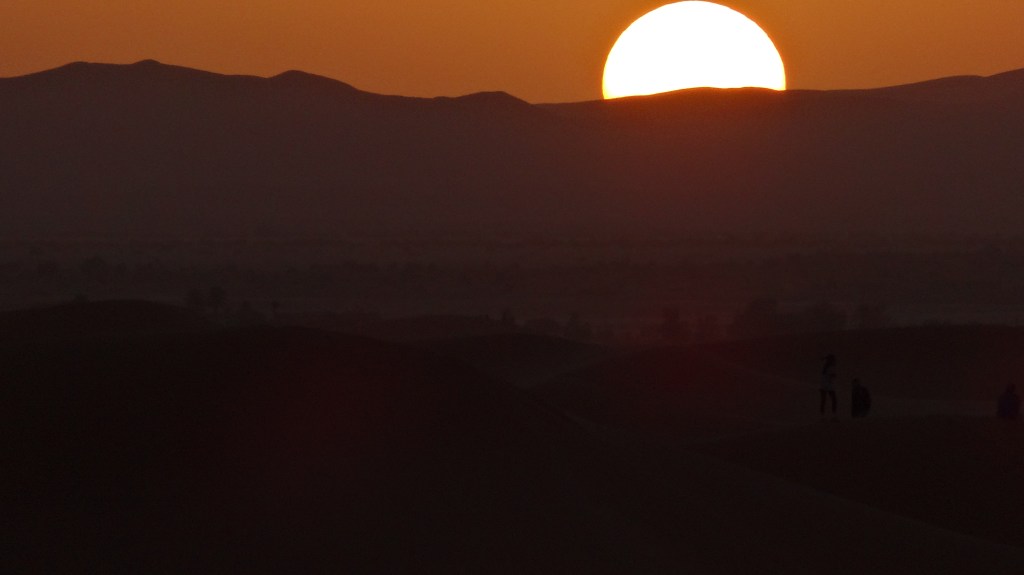
We reached the bivouac just in time to witness the mesmerizing sunset. Disembarking from Africa’s back, my feet sank into the refreshing, shaded sand. As a gesture of gratitude, I scratched Africa’s head, providing him with a momentary respite from the persistent flies buzzing around his face.
Driven by excitement, I challenged myself to a sprint, racing with all my might towards the peak of the tallest dune in anticipation of witnessing a truly awe-inspiring sunset. Despite having witnessed countless sunsets over oceans, mountains, and cities, this upcoming spectacle was a new experience for me. Patiently, I stood there, taking in the breathtaking view of an endless expanse of sand dunes. The scarf that had shielded my head now draped over my shoulders, providing a touch of warmth. Gradually, the sun sank behind the dunes, bringing a refreshing coolness to the air and allowing the moon to claim its reign over the night sky.
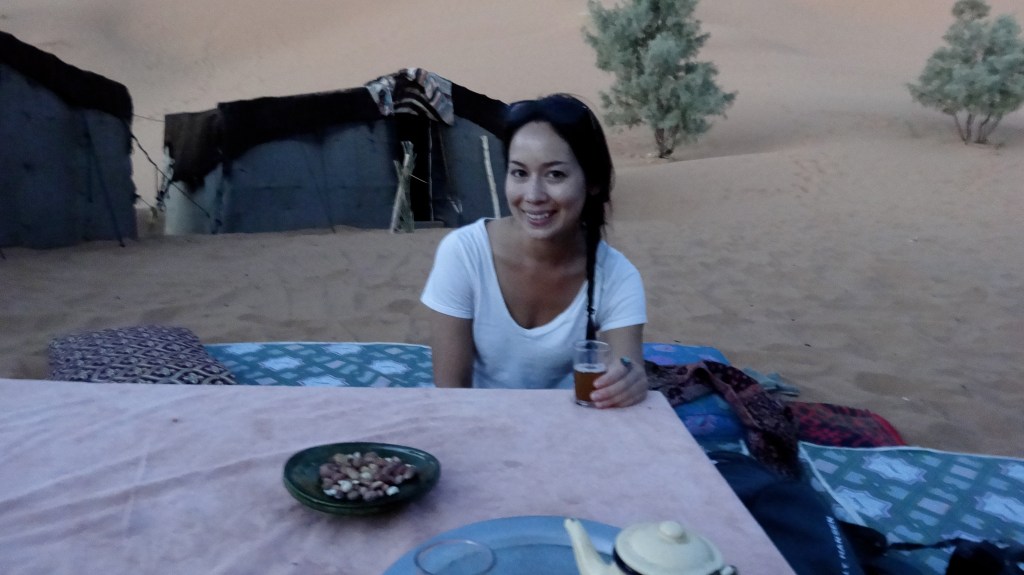
Exquisitely crafted Imazighen carpets adorned the sandy floor in front of each tent, adding a touch of beauty and cultural richness to the desert camp. A low table, covered with handmade blankets, was carefully arranged, surrounded by soft cushions for added comfort. The chameliers took charge of preparing and serving a delectable dinner, treating us to a mouthwatering traditional couscous accompanied by the authentic flavors of Moroccan mint tea. As the evening unfolded, the camp was illuminated by the gentle flicker of candlelight, creating an intimate ambiance in the heart of the desert. With the soft sand beneath us and the African sky sparkling above, we enjoyed a truly memorable dining experience amidst the serene beauty of the desert.
Following dinner, I engaged in a friendly race with Hocine, sprinting towards the summit of a nearby dune. Reaching the top, we settled ourselves on the cool sand, allowing us to fully immerse ourselves in the captivating spectacle of shooting stars illuminating the night sky. The vast expanse of the Greater Sahara provided the perfect backdrop for this mesmerizing display, as we sat in awe, contemplating the wonders of the universe above us.
Day 4: Todra Gorge in Tinerhir and the Road of the Thousand Kasbahs
Witnessing the sunrise over the desert was a breathtaking way to commence the day. With a renewed sense of wonder, I mounted Africa and together we began our journey back towards civilization, leaving behind the serene beauty of the desert as we embarked on our return.
On our way to Tinerhir, while en route to explore the Todgha Gorge, I suddenly felt a sharp pain in my stomach. Even a sip of water became impossible to swallow, and with every turn, my nausea intensified. To make matters worse, as a woman, I was denied access to any bathrooms along the way. When we finally reached our guesthouse, I retired to my room for the night. Meanwhile, my mom dined alone downstairs, sharing the tale of my illness with fellow travelers. I remained bedridden, plagued by severe dizziness. Thankfully, the kindness of the guesthouse host came to my rescue, as they brought me Vervaine tea and some rice. Without their thoughtfulness, I would have gone without food for three days. Although weak, I managed to rest and miraculously finished the tea after taking a single bite of rice.
The next morning, as I entered the dining room, I was met with concerned inquiries from everyone about my well-being. I am grateful for my mom’s support throughout the ordeal.
Unfortunately, due to a misunderstanding and language barrier between our guide, driver, and ourselves, we ended up missing the opportunity to visit the Todgha Gorge—an immense disappointment for me. Instead, we were taken to an Imazighen women’s carpet factory, where our guide strongly encouraged us to make a purchase. This created a discomforting situation, as it felt like we were imposing on the hardworking women. I have encountered this scenario before. When traveling abroad, I always strive to support local communities and encourage merchants, often beyond what I can afford. Respectfully, I declined the offers. However, the guide turned to my mom, who felt so bad that she ended up buying an expensive carpet that she will likely never use. Oh, mom! These situations unfortunately occur frequently when traveling in foreign countries where tourism can have complex effects on the local population. The best we can do is remain kind while standing our ground. And if we do give in, at least the souvenir becomes part of a laughable (in hindsight) story.
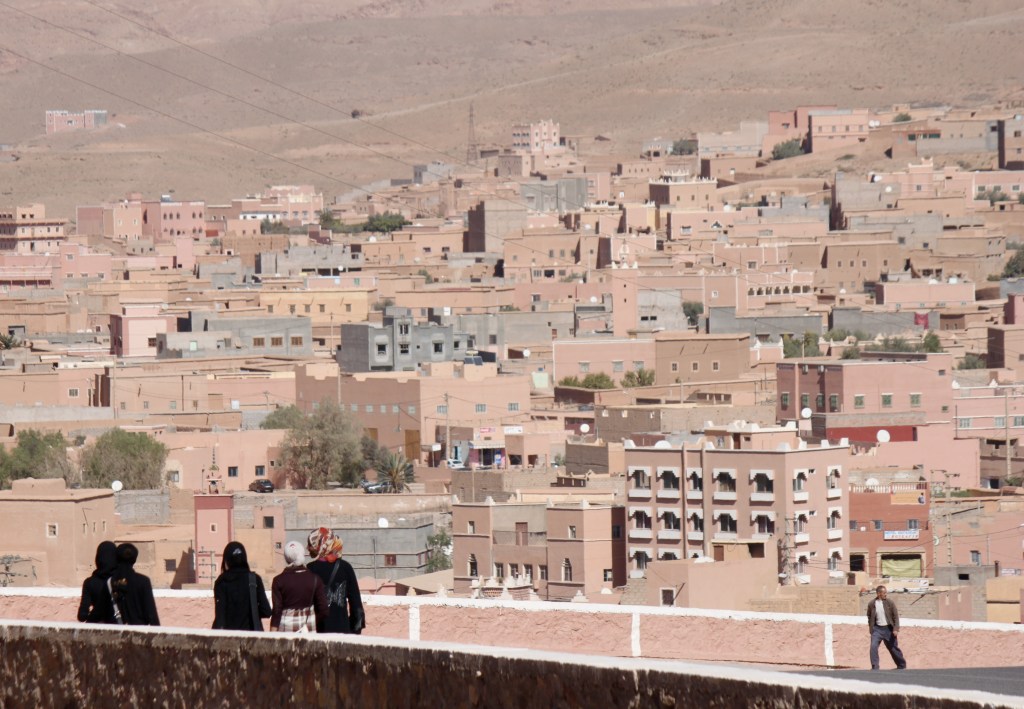
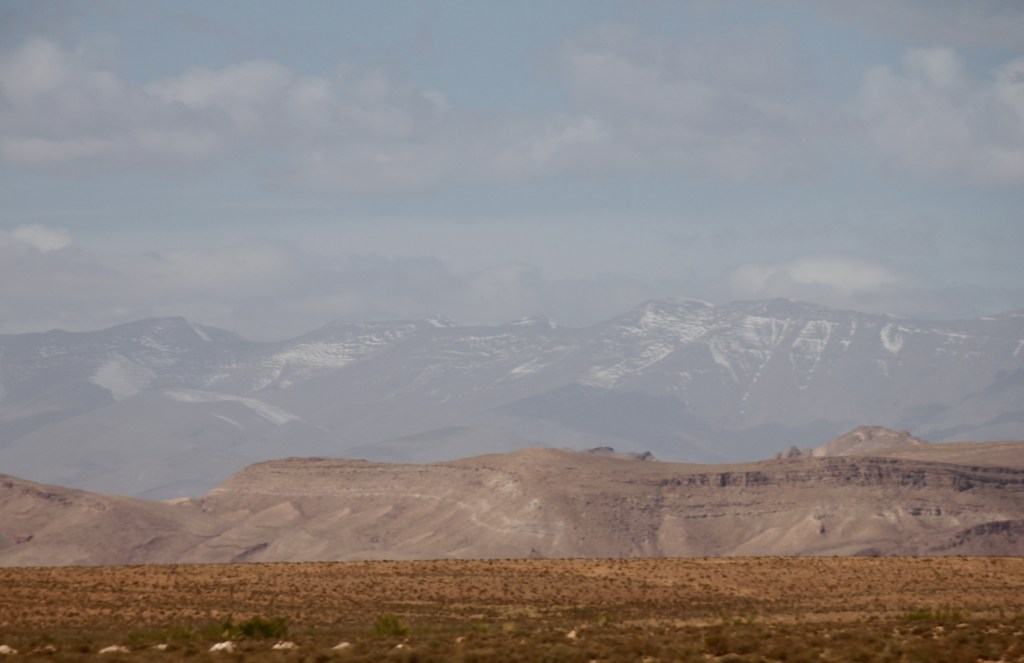
Continuing our journey, we embarked on the “Road of the Thousand Kasbahs,” a scenic route that unveiled a breathtaking tapestry of desert landscapes, majestic snow-capped mountains, and lush palm groves. Along the way, we made a stop at El Kelaa M’gouna, also known as the Valley of the Roses”. Here, we had the opportunity to purchase rose water spray bottles, a delightful souvenir that would make perfect gifts to bring back home. The fragrant essence of the roses added an extra touch of beauty to our memorable adventure.
Day 5: Wrapping up in Ouarzazate
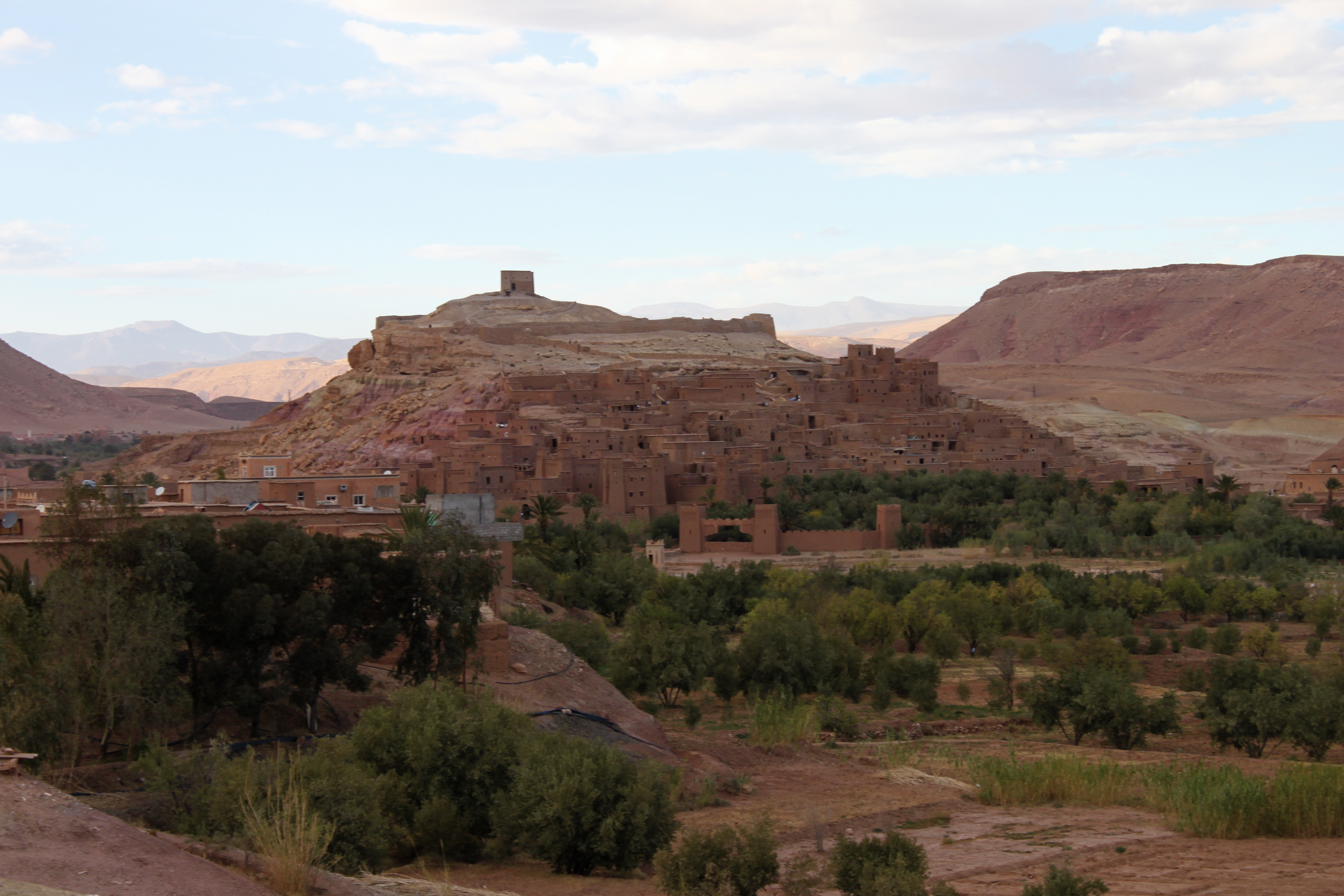
Stepping into the ancient Kasbah Ait Ben Haddou., built in the 11th century, I felt as if time had come to a standstill. The walls, constructed from red mudbrick, enclosed a labyrinth of dwellings, souvenir stalls, and captivating viewpoints. While the majority of the residents have now relocated to a more contemporary village on the opposite side of the river, eight families still call this fortified city their home. The blend of history and modern life created an intriguing atmosphere, immersing me in the rich cultural heritage of the region.
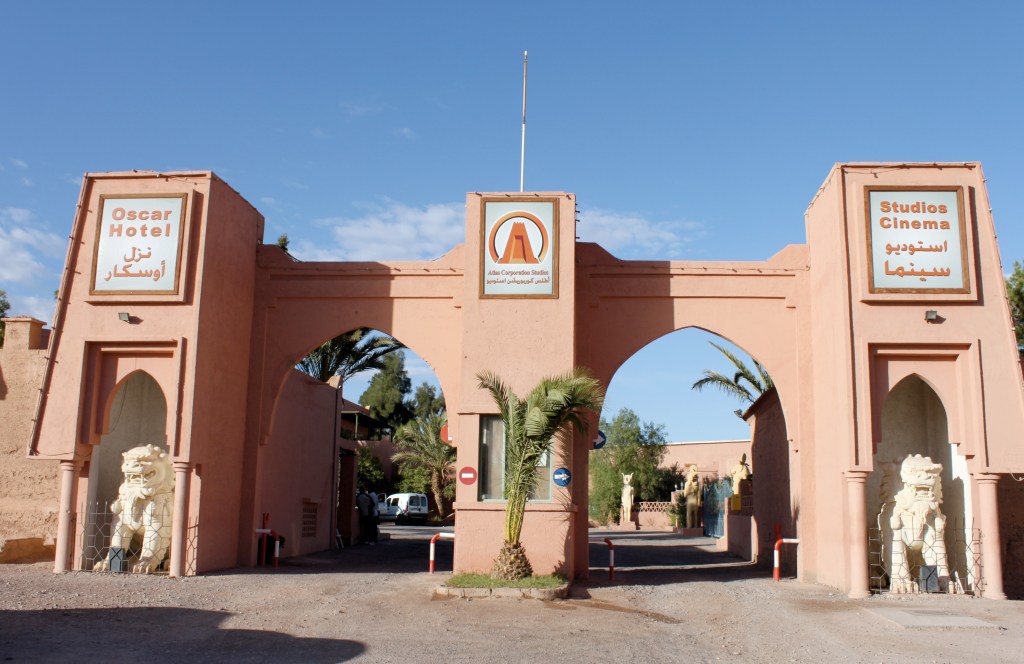
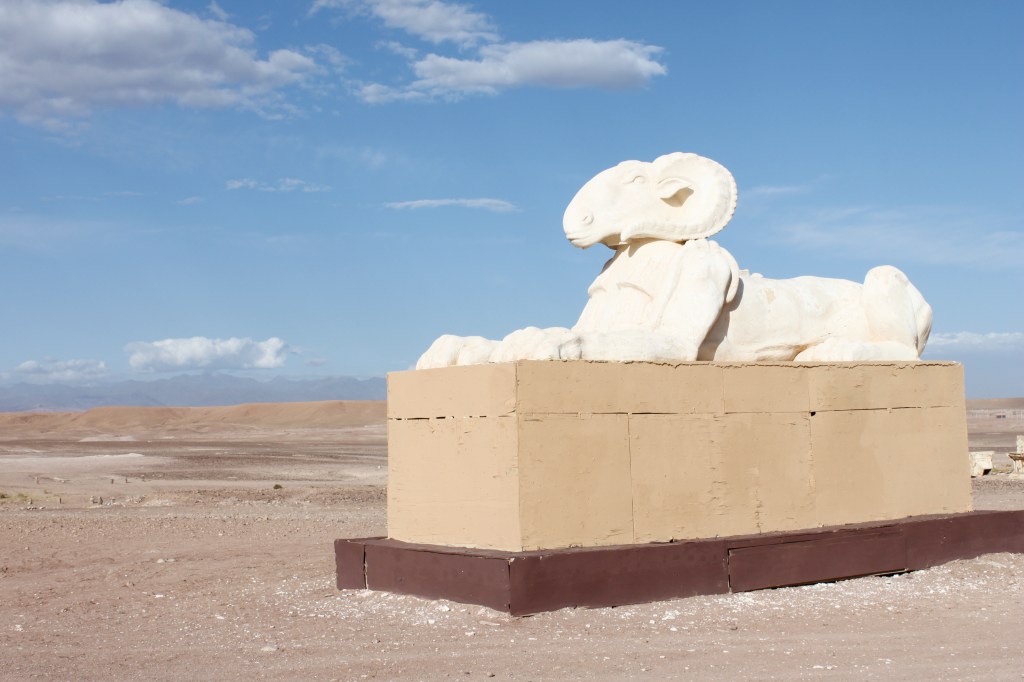
Our final destination was the Atlas Studio, renowned for being the filming location of numerous Hollywood blockbusters and famous movies. Despite the gusty winds and sand swirling around us, we ventured through the impressive sets and backdrops.
Upon our return to Marrakesh, we expressed our heartfelt gratitude to Hocine and provided him with a generous tip for his exceptional service as our knowledgeable, reliable, and caring chauffeur. His presence has truly enriched our journey, and we sincerely wish him all the best. Reflecting on our time in the Great South of Morocco, we realized what an extraordinary adventure it has been. Sharing this remarkable experience with my mother has made it even more special, creating memories that we will cherish forever.
For more information about the excursion and trips similar to this one, check out Click Excursion.


 Once in Nanaimo, we drove north on Highway 19, a car loaded with camping gear and a sun blasting in the sky. We crossed the island on Highway 4 towards Clayoquot Sound, meandering through a coastal forest of old-growth oaks. The beams of the afternoon sun poured through trees and fog. We travelled the road through the rugged coast, ascending and descending, swirling and twisting, until we arrived to the coastal town of Tofino.


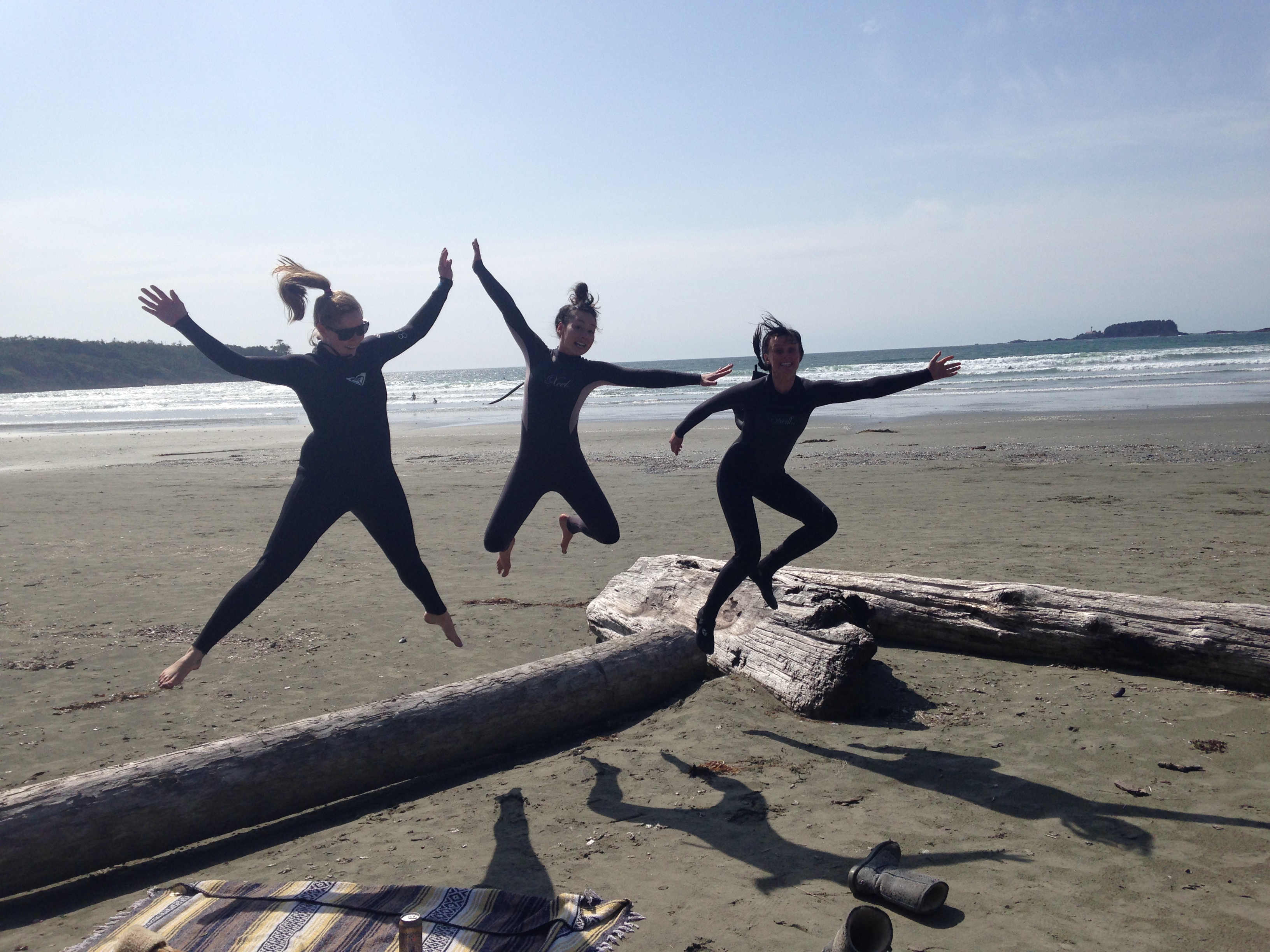 I took a moment to embrace my surroundings: The water slipping off my forehead, the air cleansing my lungs, the setting sun warming up my skin, and a setting to dream for. I glanced at my friends, who glanced back, nodding for this inspiring moment we shared. We spent the night by the campfire on the beach, along with friends we met. The moon rose and settled in the sky, full and ripe, stretching its light far in the distance. We watched fireworks exploding in the clear sky while the sounds of drums resonated through the night.


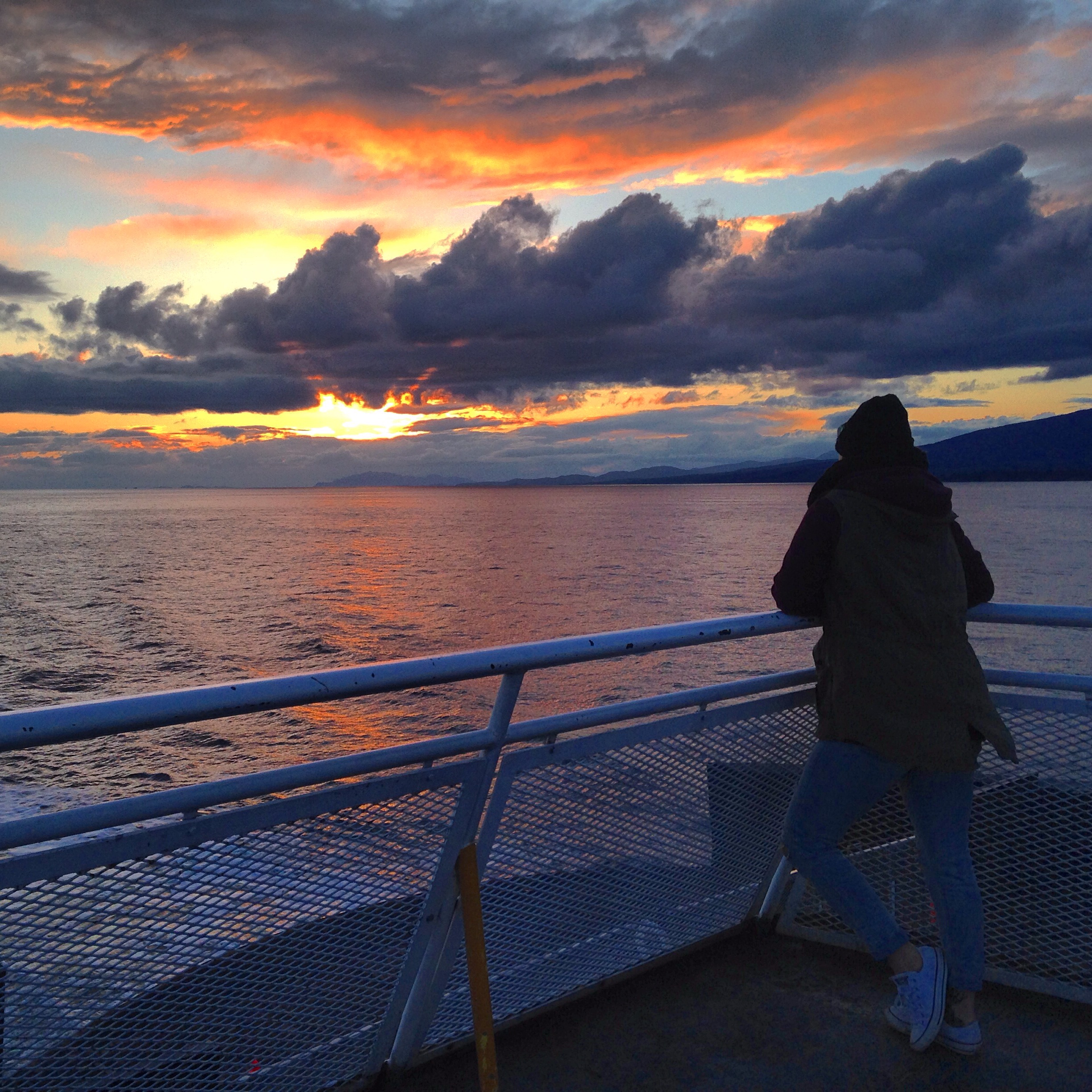 Coastal living offers wonderful benefits. Not only does spending time by the ocean balances the body and creates physical harmony, but it also allows us to take a moment to pause, reflect, meditate and embrace solitude. It brings us to a tranquil state of mindfulness and awareness, and gives a sense of freedom. It clarifies the mind and opens up to new perspectives. There is something healing about looking at the ocean, listening to the soothing sound of the waves pounding on the shore and breathing the invigorating fresh air. So if you ever need to calm your mind, improve your physical health or find inspiration and purpose to your life, perhaps all you need is a holistic dose of Vitamin Sea.





























 Footloose Diary